Yangerlou Beef Noodle Soup is a Taipei institution that anchors itself in one of the city's most debated food traditions: the slow-braised, spiced beef noodle bowl that defines everyday dining across Taiwan. In a city where Michelin-starred tasting menus at Logy and Taïrroir compete for attention, Yangerlou holds its own lane with focused, affordable bowl-format cooking.

Pearl is the En Primeur Club membership app — saves, bookings, and concierge access live there. Same editors, same standards.
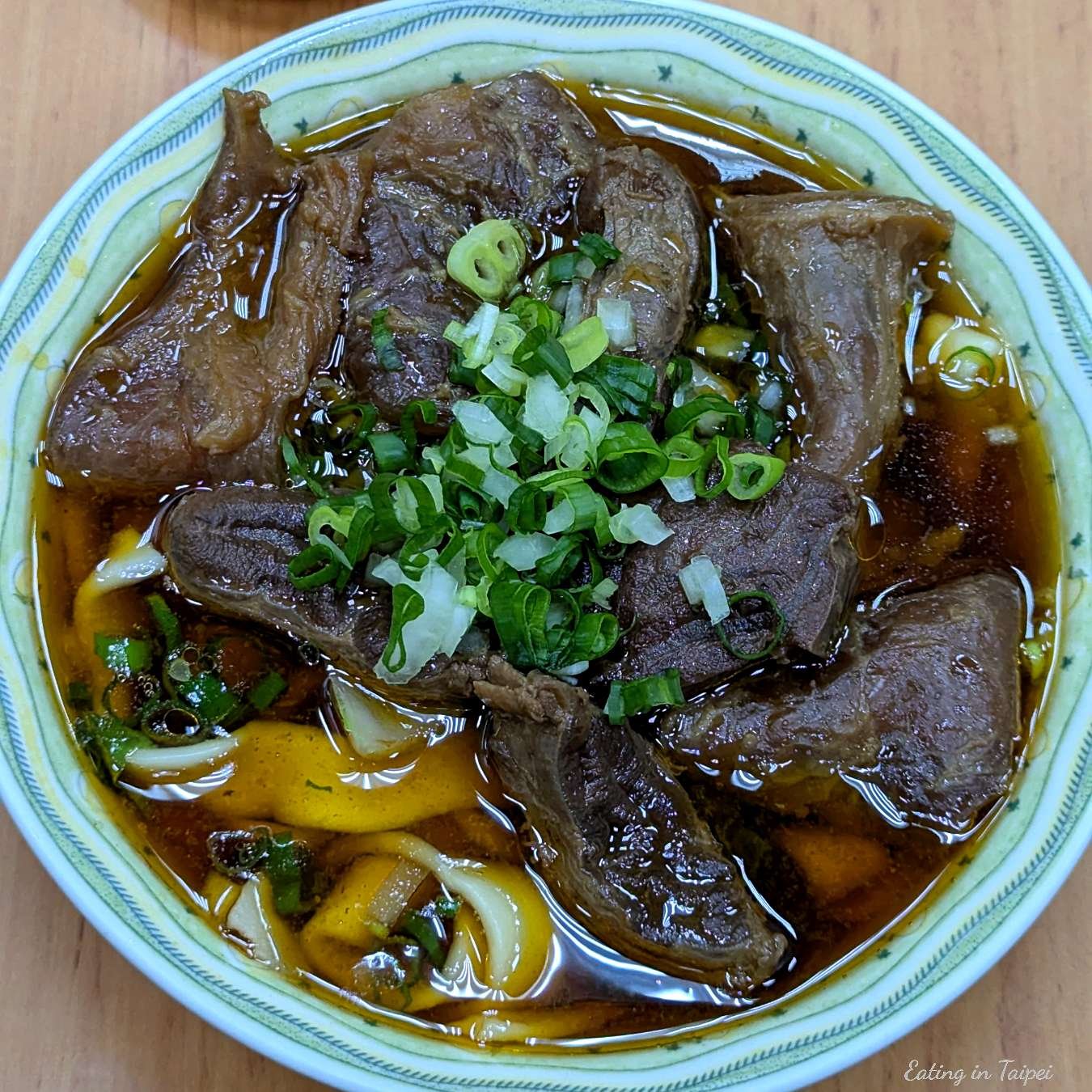
The Bowl at the Center of Everything
Walk into almost any older Taipei neighbourhood at lunchtime and the smell arrives before the signage does: star anise, slow-cooked tendon, bone broth reduced past the point of subtlety. Beef noodle soup is not a dish that Taipei merely serves. It is a dish the city has spent decades arguing about, refining, and treating as a measure of institutional credibility. In that context, Yangerlou Beef Noodle Soup occupies a position that any serious Taipei food itinerary should account for. This Taipei restaurant serves Taiwanese beef noodle soup at a casual price tier, with reservations essential.
Taiwan's beef noodle tradition draws from mid-twentieth-century mainland Chinese migration, Sichuan spice influence, and a distinctly Taiwanese approach to broth depth that separates local bowls from their continental antecedents. The red-braised style, built on doubanjiang and soy, is the dominant format. The clear broth variant runs a quieter parallel track. Between those two poles, the range of expression is wide enough that Taipei sustains dozens of addresses at which the same essential dish reads entirely differently.
How the Menu Speaks
The editorial logic of a beef noodle restaurant is almost entirely menu architecture by reduction. Where a tasting-menu restaurant like L'Atelier de Joël Robuchon Taipei builds its identity across twenty or more courses, a focused noodle house concentrates authority into a much narrower range: broth style, noodle type, protein selection, and the accompaniments that frame the bowl. That compression is not a limitation. It is a declaration. Every decision on a short menu is load-bearing.
At addresses operating at Yangerlou's level of specialization, the choices a kitchen makes about noodle gauge, braising time, and spice balance are legible to a regular Taipei diner in the same way that a wine list signals a restaurant's seriousness to a sommelier. The question is not whether a menu item exists, but whether each element is considered. Taipei's beef noodle culture has produced enough serious practitioners that the difference between a competent bowl and a memorable one is identifiable, repeatable, and discussed in the kind of detail that in other cities would be reserved for fine dining.
Taiwan's broader dining scene has developed a dual register over the past decade. On one track, Taipei's Michelin-recognized restaurants, including Le Palais and Molino de Urdániz, have positioned the city as a serious destination for high-format dining. On the parallel track, neighborhood-anchored specialists in rice, noodles, and braised proteins sustain a food culture that does not require reservation systems or dress codes to deliver cooking of genuine consequence. Yangerlou operates on that second track, which in Taipei carries its own form of institutional recognition.
Taipei's Beef Noodle Context
Taipei has staged a dedicated Beef Noodle Festival annually, a civic event that treats the dish with the kind of promotional seriousness usually reserved for export industries. That institutional framing reflects how central the bowl is to local food identity. It also creates a competitive environment in which practitioners who survive and sustain a following are doing so against a large, publicly evaluated field. In that sense, longevity in Taipei's beef noodle category functions as a trust signal in its own right.
The city's food culture rewards specificity. A restaurant that does one format with precision consistently outperforms generalist operations in long-term local credibility. This pattern is visible across Taiwan's food cities: JL Studio in Taichung built its identity around a tightly defined Singaporean-Taiwanese fusion lens; A Xia in Tainan operates from a deep understanding of southern Taiwanese tradition. Format discipline and category focus are how serious kitchens signal seriousness in this part of the world. Yangerlou's positioning within the beef noodle category follows the same logic.
For visitors mapping Taipei across price tiers, the beef noodle register sits well below the Taïrroir tier of contemporary Taiwanese fine dining, and well below the international reference points of Le Bernardin or Atomix that anchor the top end of New York's dining conversation. That price gap does not reflect a quality gap in any meaningful sense. It reflects a different format contract between kitchen and diner, one that Taipei's beef noodle houses have been fulfilling, in some cases for generations, with consistent seriousness.
What to Know Before You Go
Taiwan's noodle-specialist addresses operate on different timing logic than fine dining. Lunch hours at serious beef noodle shops move quickly, and the gap between arriving early and arriving at peak can be the difference between a short wait and a long one. This is true across the format in Taipei and in other Taiwan cities: GEN in Kaohsiung and comparable specialists in the south run on similar rhythms. Reservations are essential.
Those building a broader Taiwan itinerary will find natural pairing between a lunch stop at a beef noodle specialist and an evening at one of Taipei's higher-format addresses. The contrast is useful: it maps the full range of what contemporary Taiwanese cooking looks like across registers.
For visitors interested in how Taiwan's bowl-format cooking compares across regions, the contrast between Taipei's beef noodle tradition and the lighter, more minimalist preparations found further south is worth noting. Addresses like this Sanchong District specialist and GARDENh in Yonghe District extend the map into the greater Taipei area and show how even within a single metropolitan zone, bowl-format cooking diversifies considerably.
What It’s Closest To
Comparable venues nearby, for context on price, style, and recognition.
| Venue | Cuisine | Price | Notes |
|---|---|---|---|
| Yangerlou Beef Noodle SoupThis venue — the venue you are viewing | Taiwanese Beef Noodle Soup | $ | Not listed |
| Yong He Soy Milk King (永和豆漿大王) | Traditional Taiwanese Breakfast | $ | Yonghe District |
| 心心港式腸粉 | Hong Kong Style Rice Rolls | $ | 松山區饒河街夜市 |
| Jin Feng Braised Pork Rice | Taiwanese Braised Pork Rice | $ | Zhongzheng District |
| The Master Spicy Noodle (大師兄銷魂麵舖) | Modern Taiwanese Spicy Noodles | $$ | Da'an District |
| Wistaria Tea House | Traditional Taiwanese Tea House | $$ | Longpo |
At a Glance
- Intimate
- Cozy
- Casual Hangout
- Standalone
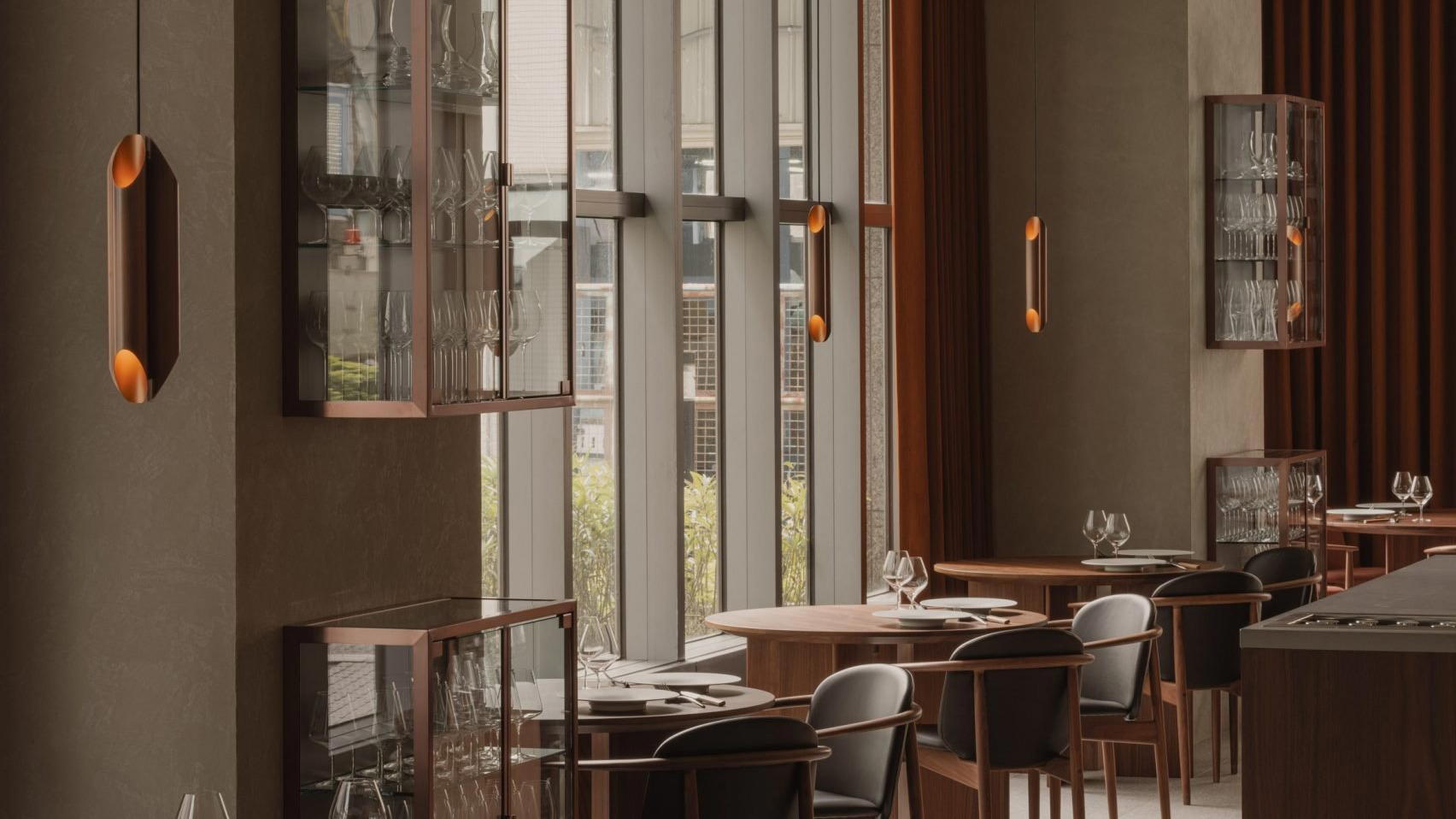
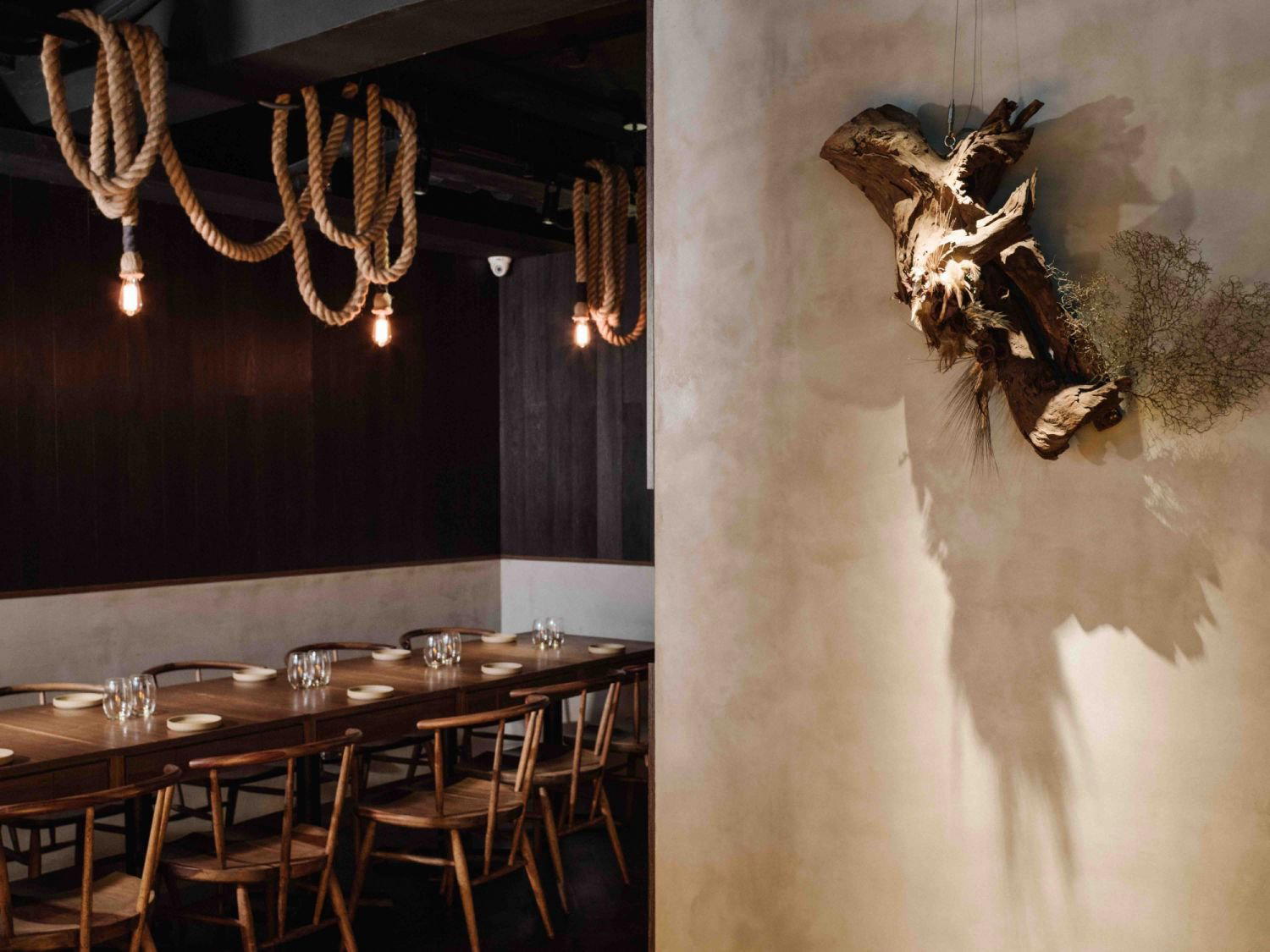
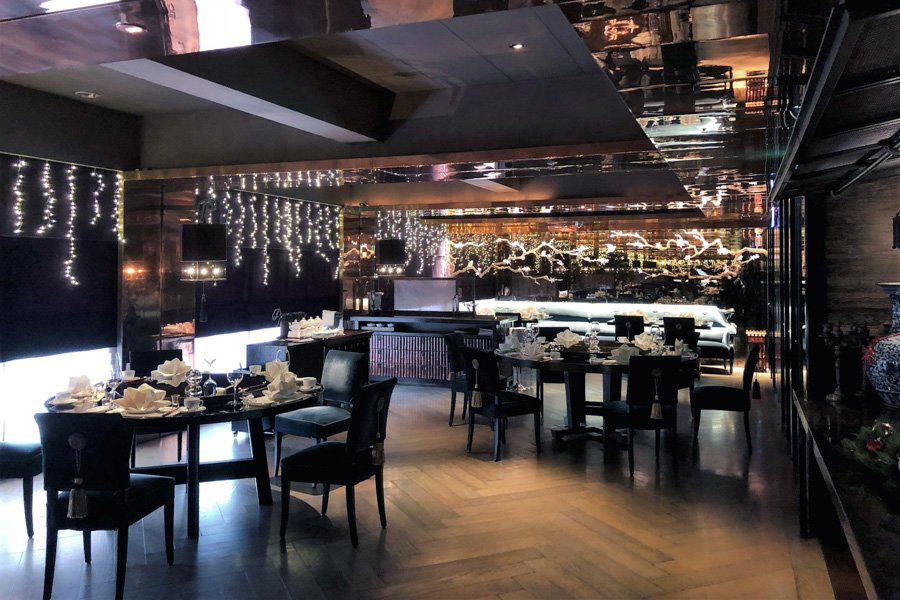
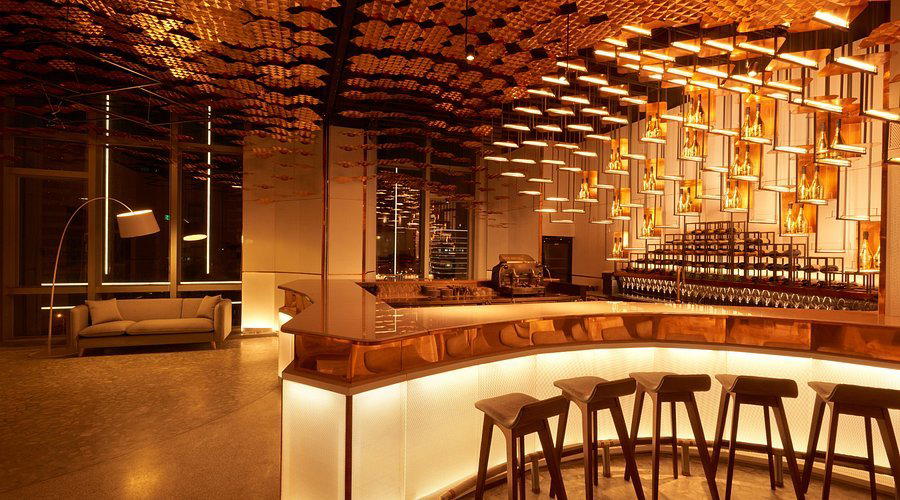
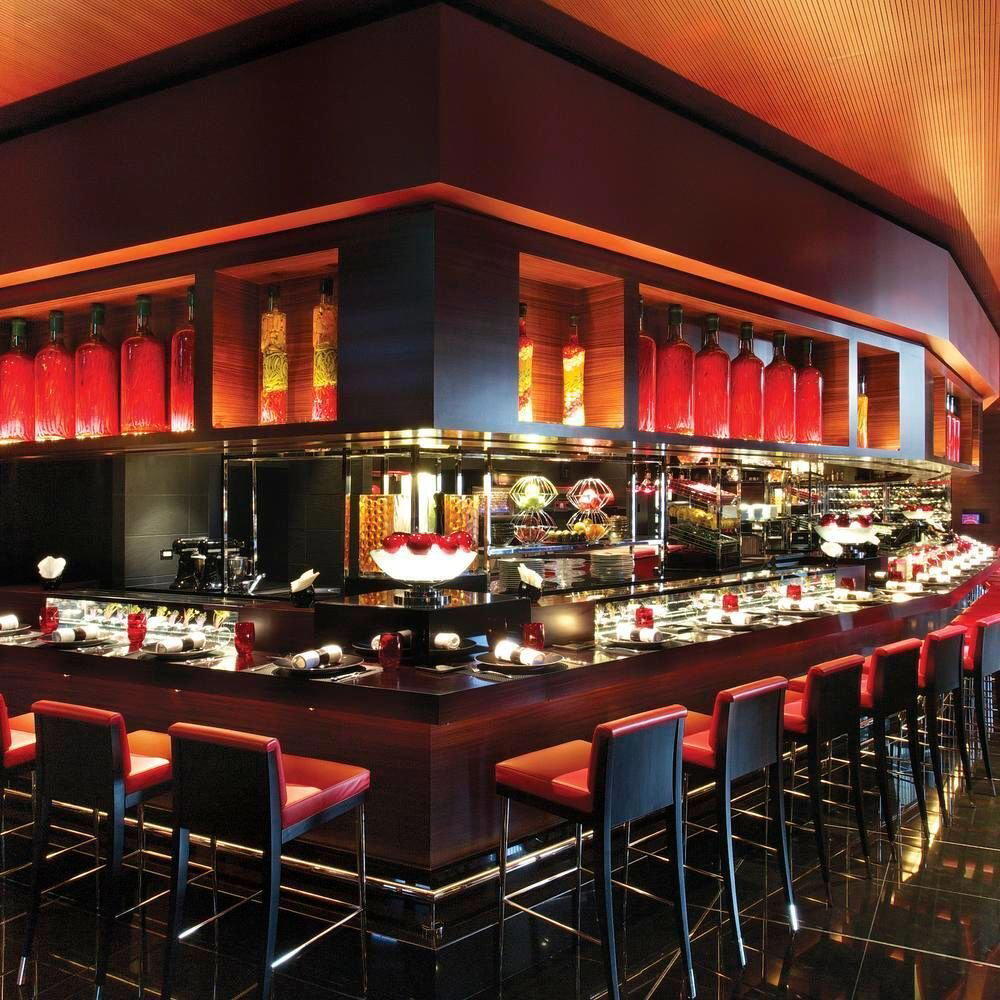
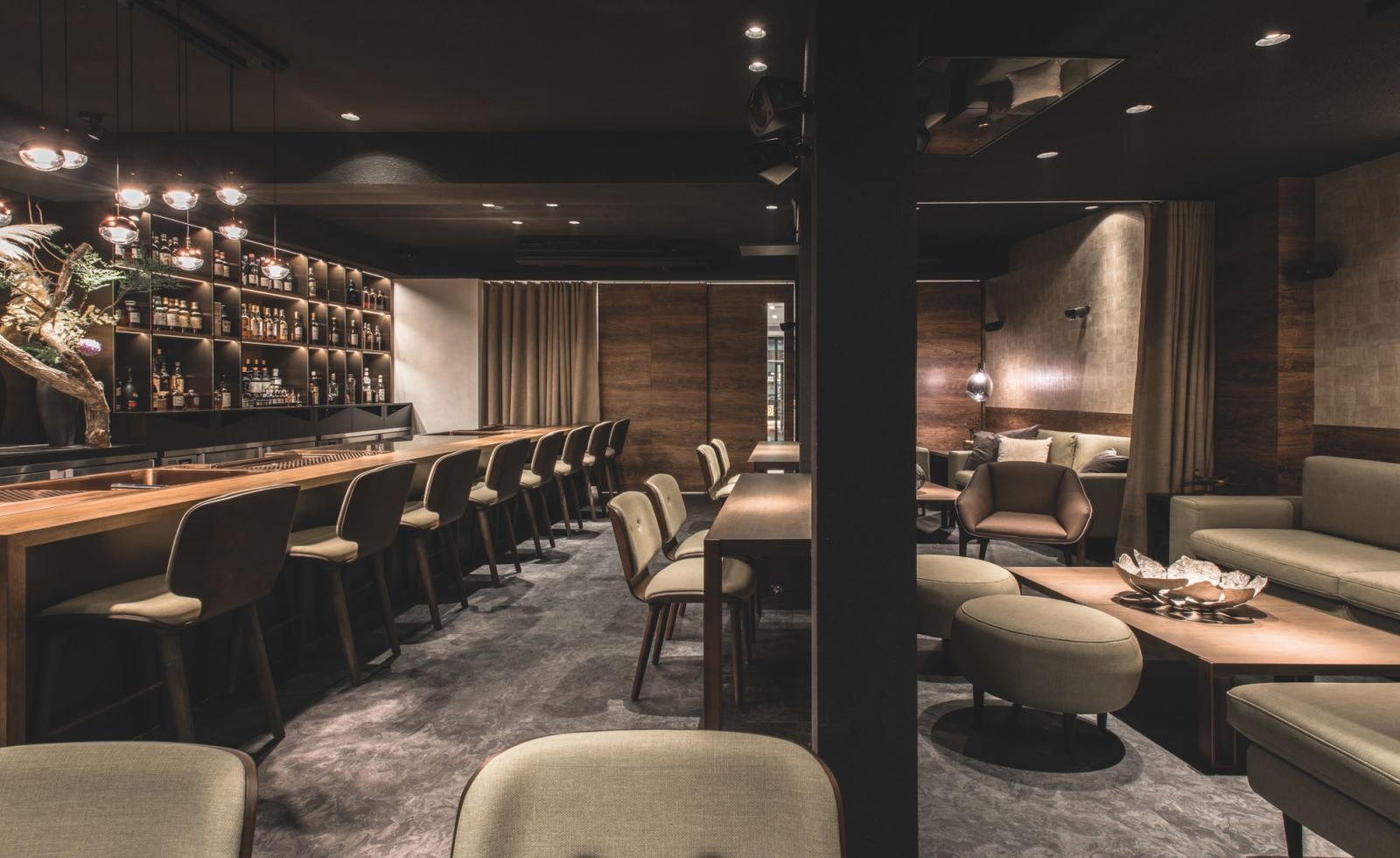
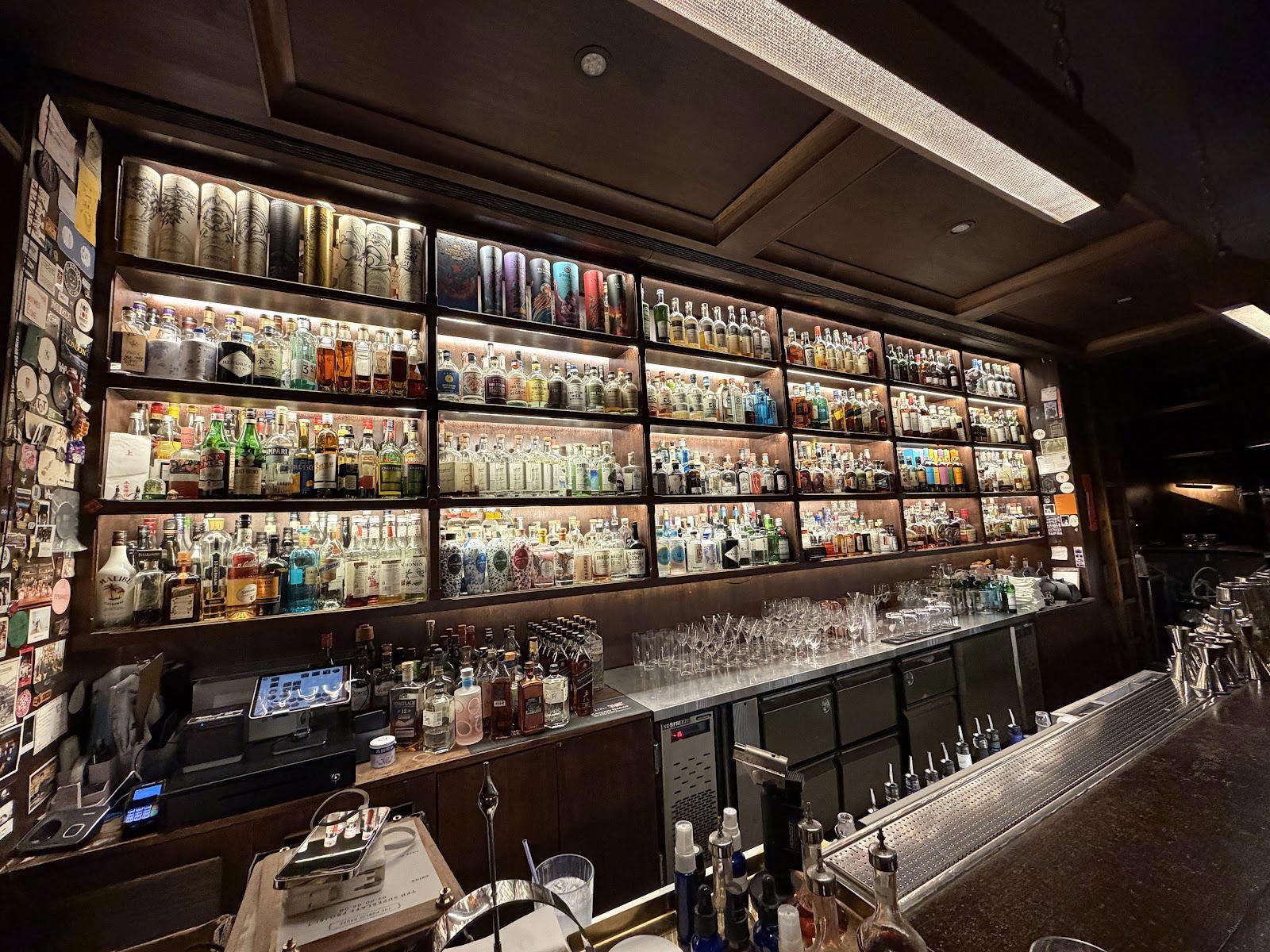
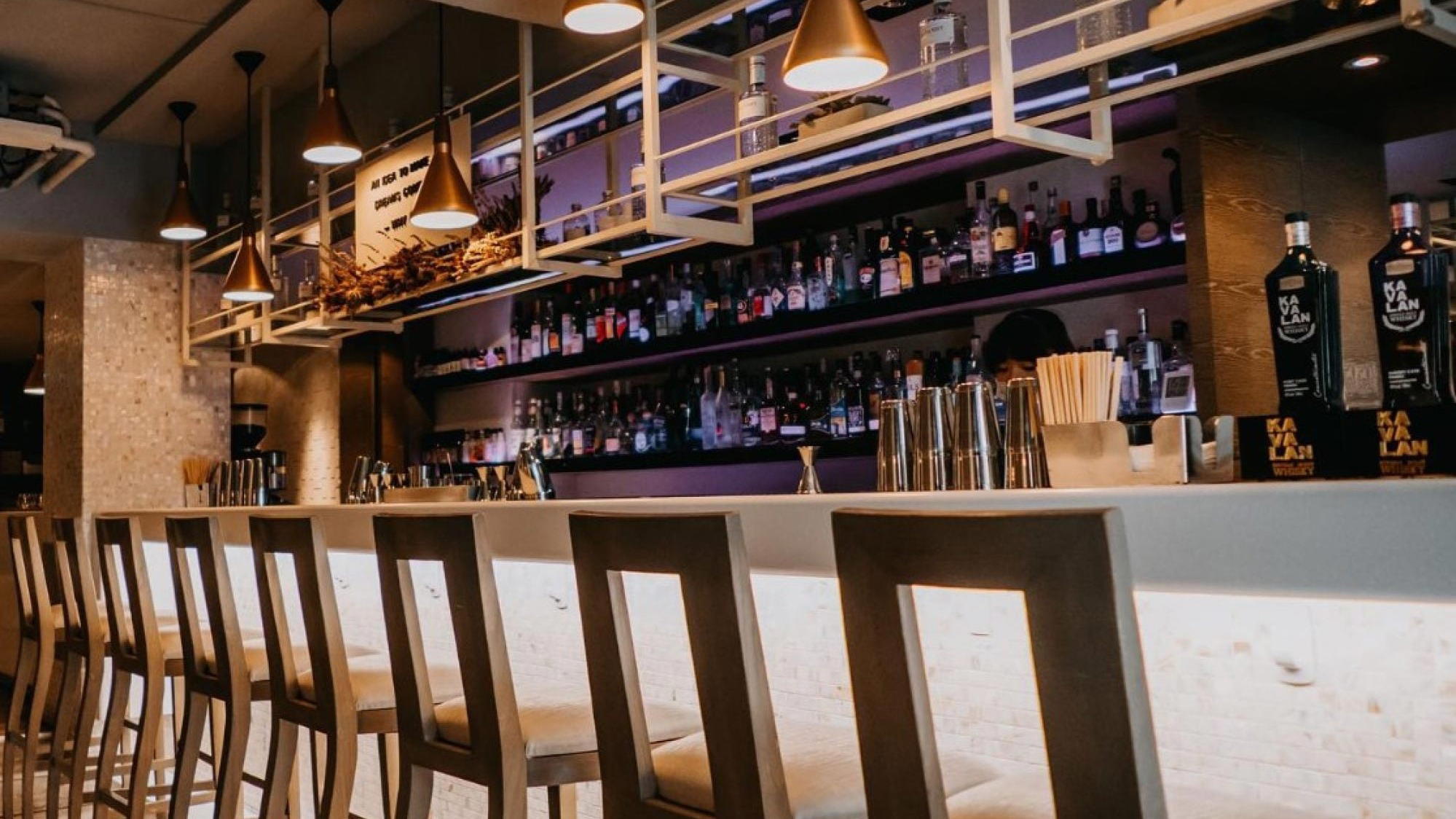
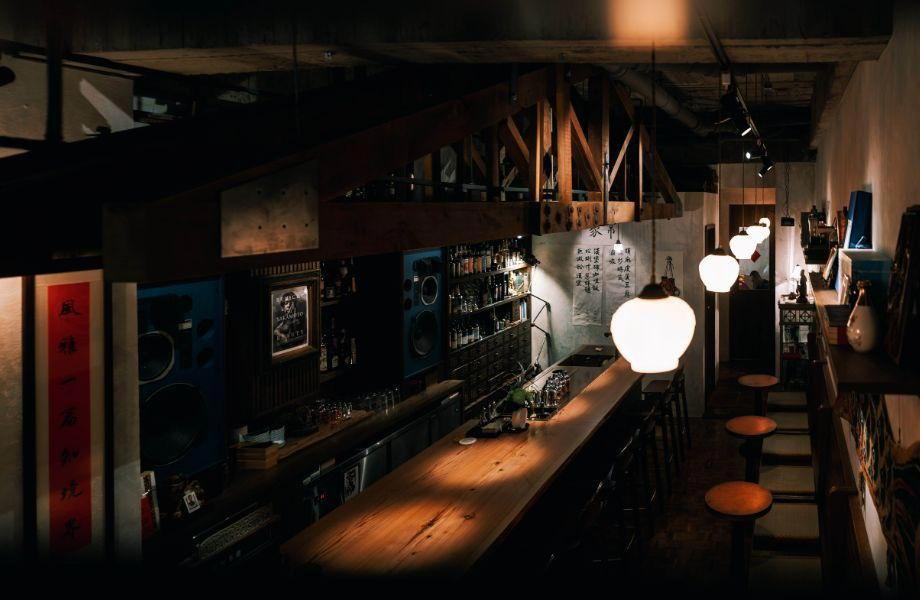
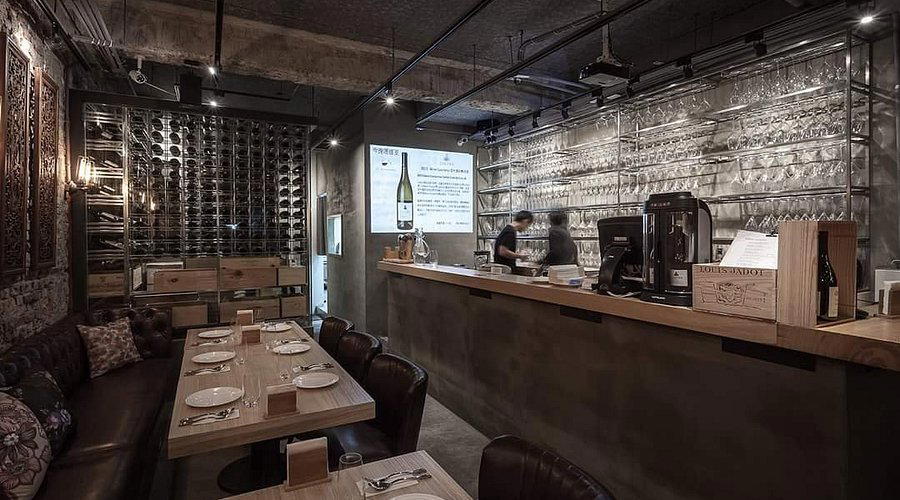
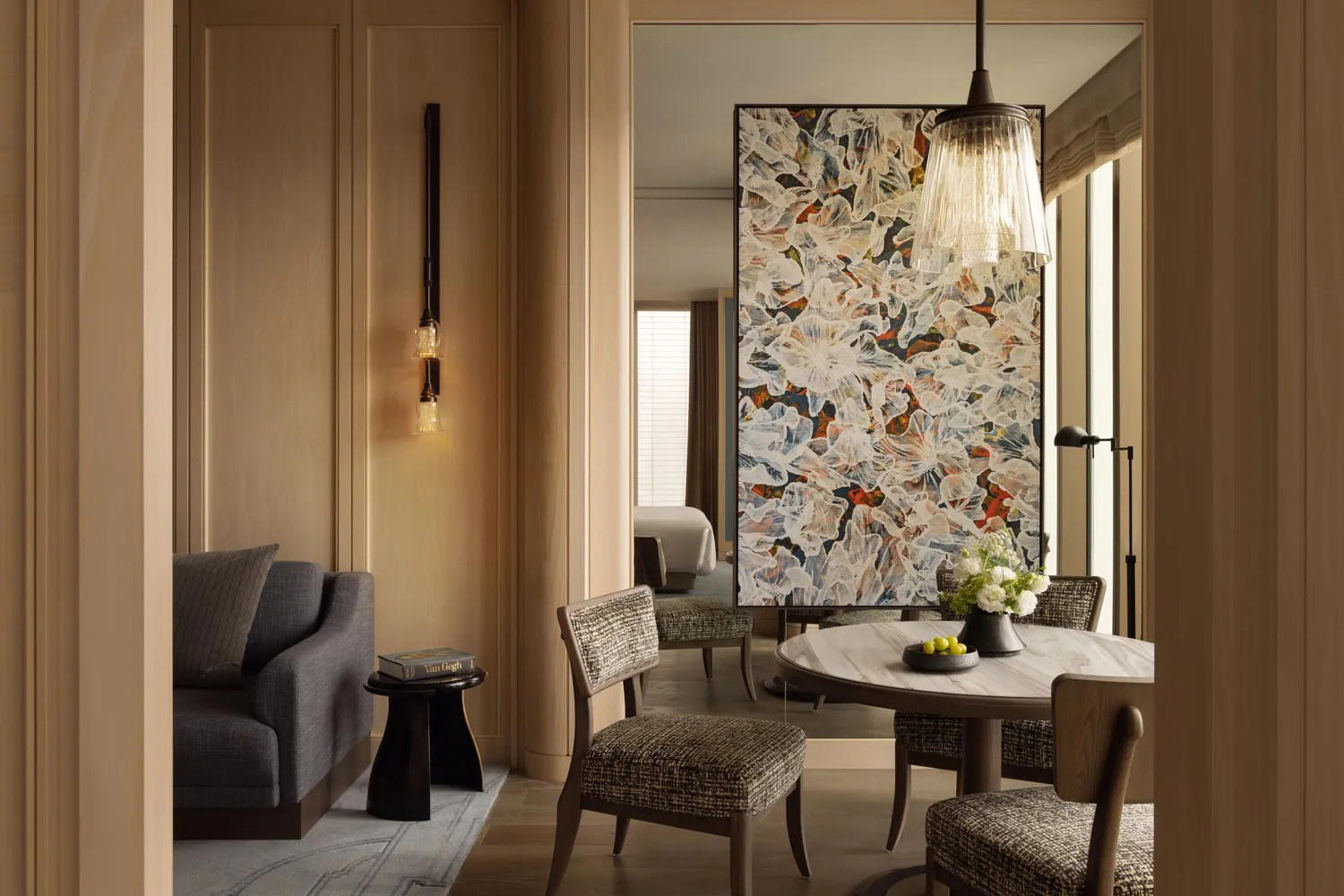
Cozy and intimate home living room atmosphere.