Google: 4.7 · 729 reviews
.png)
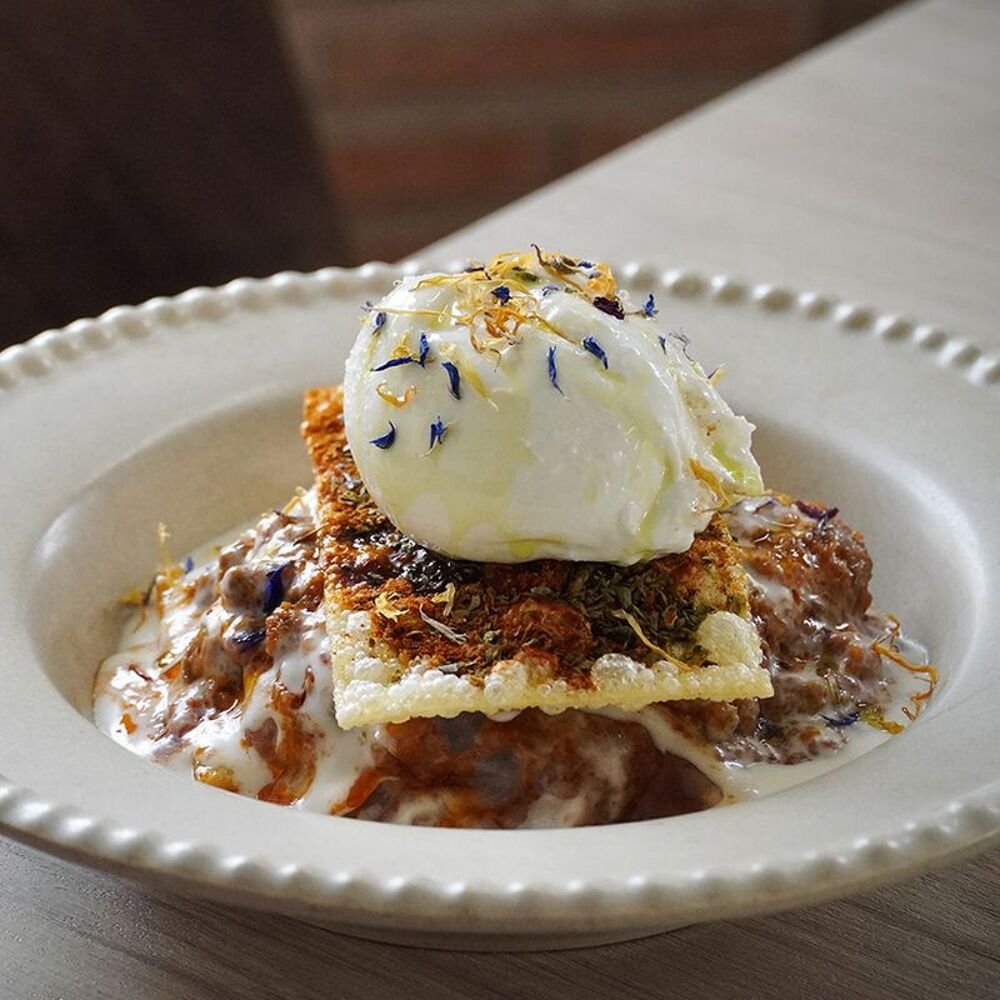
Dáviro is a family-run restaurant in the old town of Oropesa, Toledo, positioned as a natural stopping point for visitors to the Álvarez de Toledo Castle and its adjacent Parador. The kitchen pairs traditional Castilian foundations with measured modern touches, best illustrated by the house signature: matured beef ravioli in wonton pasta with truffle cream. Accessible and carefully prepared, it sits in the mid-tier of Toledo province dining without pretension.
 Discover on Pearl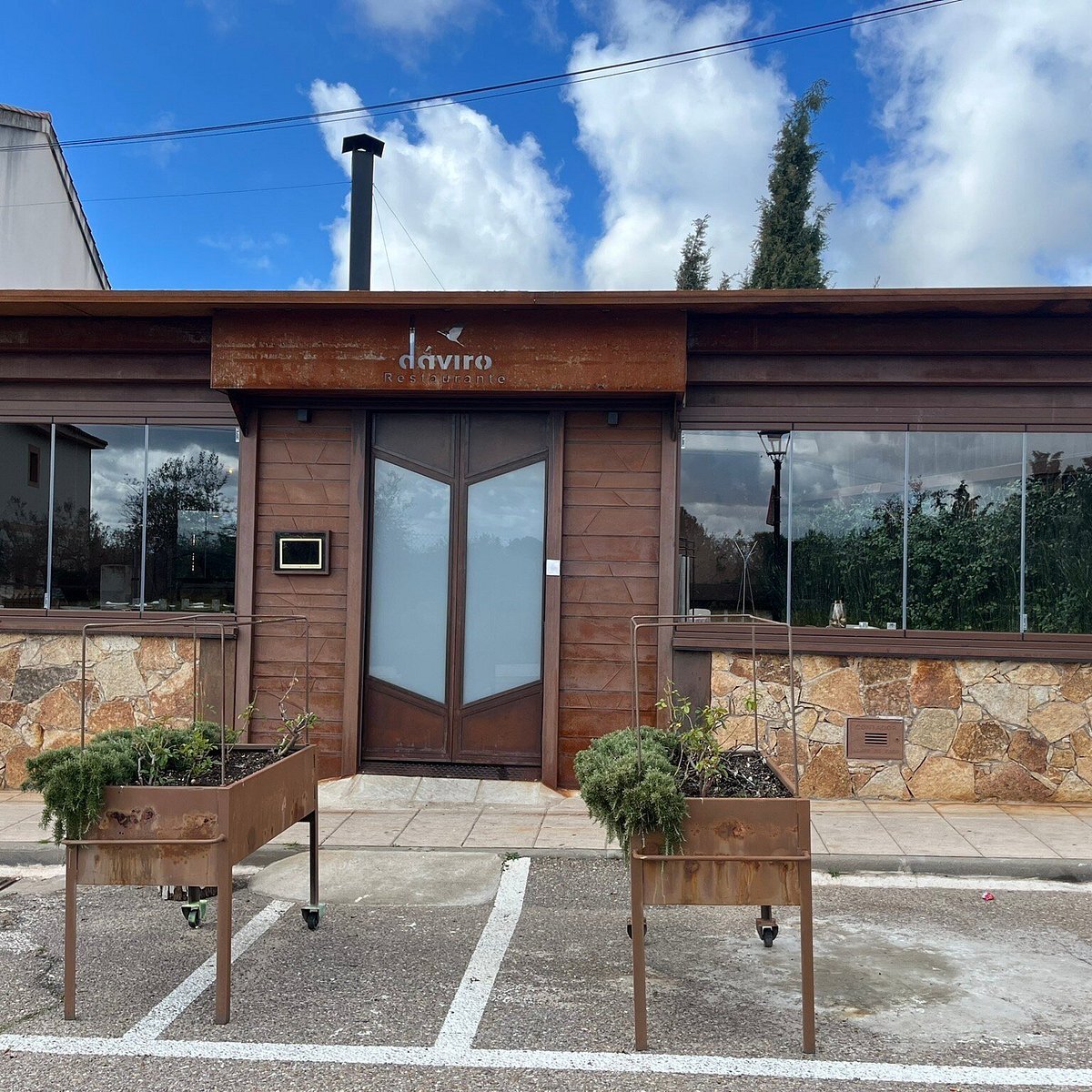
Stone Walls, Slow Cooking, and the Road Through Toledo Province
Oropesa occupies the kind of position in Spain's culinary conversation that gets overlooked precisely because it isn't trying to be noticed. The town sits on the A-5 corridor between Madrid and Extremadura, anchored by the Álvarez de Toledo Castle, which houses the first Parador ever installed in a historic building in Spain. Around that historic footprint, a small but considered food culture has developed, one rooted in the produce rhythms of the Tajo basin and the livestock traditions of the Castilian meseta. Dáviro, on Calle San Alonso de Orozco, operates squarely inside that tradition while reaching forward with technique.
The restaurant's name is built from the initials of the family that owns and runs it, including their daughter, a detail that signals something about how the kitchen is operated. Family-run restaurants in small Castilian towns tend to draw directly from regional supply networks rather than wholesale distributors, and that proximity to source tends to show on the plate in ways that more urbane operations sometimes lose. The matured beef on the menu, for instance, reflects an approach to ingredient timing that treats aging not as a premium flourish but as a functional step toward fuller flavour — a sensibility common to the livestock heartland stretching across Toledo, Ávila, and Cáceres provinces.
Where the Ingredients Come From, and Why That Matters Here
Toledo province sits at the intersection of several distinct agricultural zones. To the west, the Jara region produces game and pork with a density that comes from the holm oak and scrubland terrain. To the north, the Gredos foothills carry cattle traditions that date back centuries and produce beef with a fat profile distinct from coastal or northern Spanish breeds. The rivers threading through the province historically supported freshwater fish culture, though that element has contracted significantly in modern Castilian cooking. What remains is a larder built on red meat, foraged aromatics, pulses, and a ceramic and clay-pot cooking tradition that the leading Castilian kitchens maintain without irony.
Dáviro's menu, described as traditional with innovative touches, fits within a pattern visible across this part of Spain: kitchens that know the regional canon well enough to adapt it without abandoning it. The substitution of wonton pasta for a more conventional pasta dough in the signature ravioli dish is the kind of detail that reads as a considered technique choice rather than fusion for its own sake. The matured beef filling in that dish connects directly to the province's livestock inheritance, and the truffle cream situates the dish in a luxury register without overreaching. It is a small but coherent editorial statement about where the kitchen sits.
That positioning matters when you consider where Dáviro sits in the broader hierarchy of Spanish restaurant culture. Spain's most decorated kitchens, places like El Celler de Can Roca in Girona, Arzak in San Sebastián, or Azurmendi in Larrabetzu, operate in cities with deep restaurant infrastructure, large visitor economies, and the review machinery that sustains three-Michelin-star recognition. A restaurant in a town of a few thousand people in Toledo province competes on entirely different terms: proximity to produce, local trust, and the practical value it delivers to visitors who are already in the area. By those standards, Dáviro's careful preparation and ingredient-led menu read as a genuine contribution to the local food scene, not a consolation prize relative to DiverXO in Madrid or Aponiente in El Puerto de Santa María.
Visiting: Timing, Context, and Planning Your Stop
The practical logic of eating at Dáviro runs through the castle. The Álvarez de Toledo Castle and its Parador are the main reason most visitors find themselves in Oropesa at all, and the restaurant's address on Calle San Alonso de Orozco places it within walking distance of that complex. Travellers moving between Madrid and Extremadura on the A-5 will find Oropesa a natural midpoint, and combining the castle visit with lunch at Dáviro gives the stop more substance than a motorway break. For those staying at the Parador itself, the restaurant represents an alternative to the hotel dining room, with a family-run scale and menu specificity the Parador format doesn't replicate.
Booking details, current hours, and pricing are not confirmed in our records, and given the restaurant's family-run format, it is advisable to contact them directly or check current listings before making the detour a firm plan. Small operations of this type in rural Castile sometimes adjust hours seasonally or close on specific days without updating online records consistently. Arriving without a reservation on a busy weekend when the Parador is at capacity carries more risk than it might at a larger urban venue. For broader context on what to eat and drink in the area, see our full Oropesa restaurants guide.
The Broader Oropesa Picture
Oropesa is a compact destination with a focused set of experiences. The castle, the old town architecture, and the agricultural range of the surrounding sierra define its character. Accommodation options beyond the Parador are limited but exist; see our full Oropesa hotels guide for current options. The bar culture in the town is rooted in the local café-bar tradition rather than a cocktail scene; our full Oropesa bars guide maps what's available. Wine in Toledo province skews toward the DO La Mancha and DO Méntrida designations, with Garnacha and Tempranillo the dominant varieties; our full Oropesa wineries guide covers local producers. For those interested in structured activities beyond the castle, our full Oropesa experiences guide outlines current options.
For travellers who want to place Oropesa within a longer Spanish itinerary that includes serious restaurant destinations, the western Spain corridor is increasingly coherent as a food route. Atrio in Cáceres, roughly 130 kilometres southwest of Oropesa, holds two Michelin stars and represents the most ambitious cooking in this part of the peninsula. Further afield, kitchens like Mugaritz in Errenteria, Martin Berasategui in Lasarte-Oria, Quique Dacosta in Dénia, Ricard Camarena in València, and Cocina Hermanos Torres in Barcelona define the country's upper register. Internationally, reference points like Le Bernardin in New York City and Atomix in New York City illustrate how ingredient sourcing and regional identity translate at the highest levels of the dining world. Dáviro operates at a different scale entirely, but the underlying logic — cooking that is honest about where its ingredients come from , connects across those tiers.
A Quick Peer Check
These are the closest comparables we have in our database for quick context.
| Venue | Cuisine | Price | Awards | Notes |
|---|---|---|---|---|
| Dáviro | This simple family-run business, named after the initials of the owners (includi… | This venue | ||
| Aponiente | Progressive - Seafood, Creative | €€€€ | Michelin 3 Star | Progressive - Seafood, Creative, €€€€ |
| Arzak | Modern Basque, Creative | €€€€ | Michelin 3 Star | Modern Basque, Creative, €€€€ |
| DiverXO | Progressive - Asian, Creative | €€€€ | Michelin 3 Star | Progressive - Asian, Creative, €€€€ |
| El Celler de Can Roca | Progressive Spanish, Creative | €€€€ | Michelin 3 Star | Progressive Spanish, Creative, €€€€ |
| Quique Dacosta | Creative | €€€€ | Michelin 3 Star | Creative, €€€€ |
Continue exploring
More in Oropesa
At a Glance
- Cozy
- Intimate
- Rustic
- Special Occasion
- Family
- Standalone
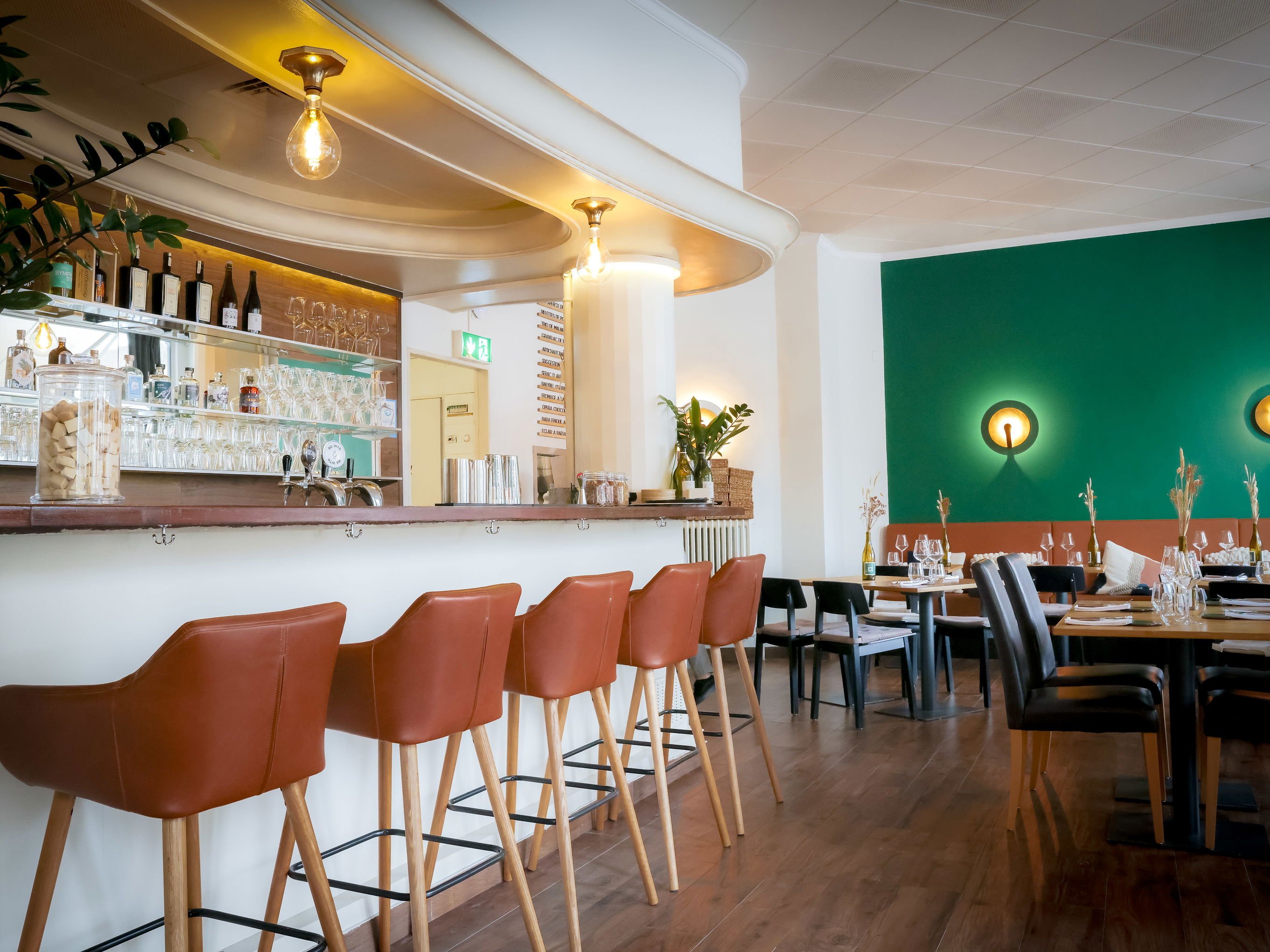
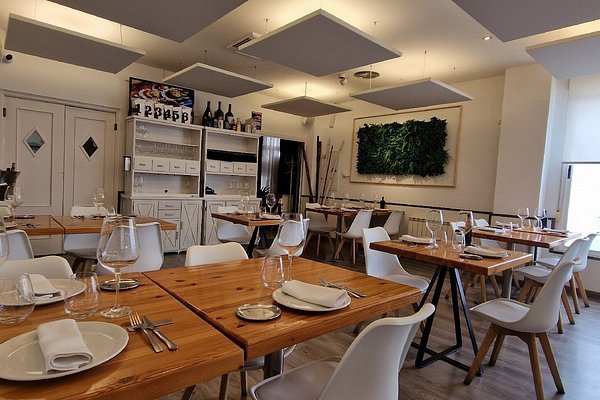
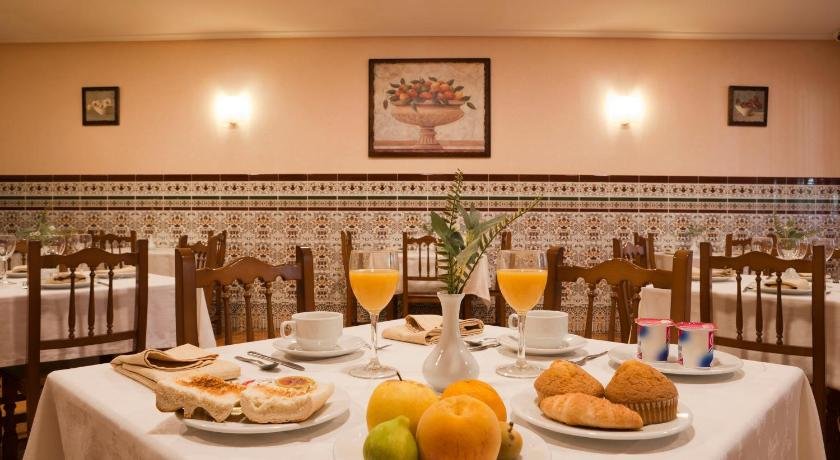
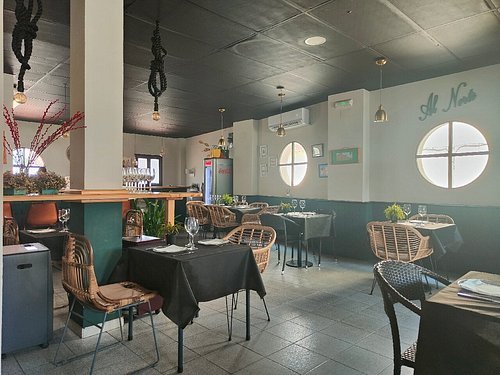
Simple, small, and somewhat sober interior that hides a spectacular gastronomic experience with good decoration and welcoming atmosphere.