Dva kohouti
Dva kohouti occupies a Karlín address at a moment when Prague's neighbourhood dining scene has shifted decisively away from the tourist centre. The name, Czech for 'Two Roosters', signals a local register that the surrounding Sokolovská street corridor reinforces. For visitors tracking the city's most interesting mid-tier restaurants, it belongs in the same conversation as Prague's more celebrated dining rooms, without the tasting-menu formality.
Pearl is the En Primeur Club membership app — saves, bookings, and concierge access live there. Same editors, same standards.
- Address
- Sokolovská 81/55, 186 00 Praha 8-Karlín, Czechia
- Phone
- +420604611001
- Website
- dvakohouti.cz
- Directions
- Get directions
 Saves & bookings on Pearl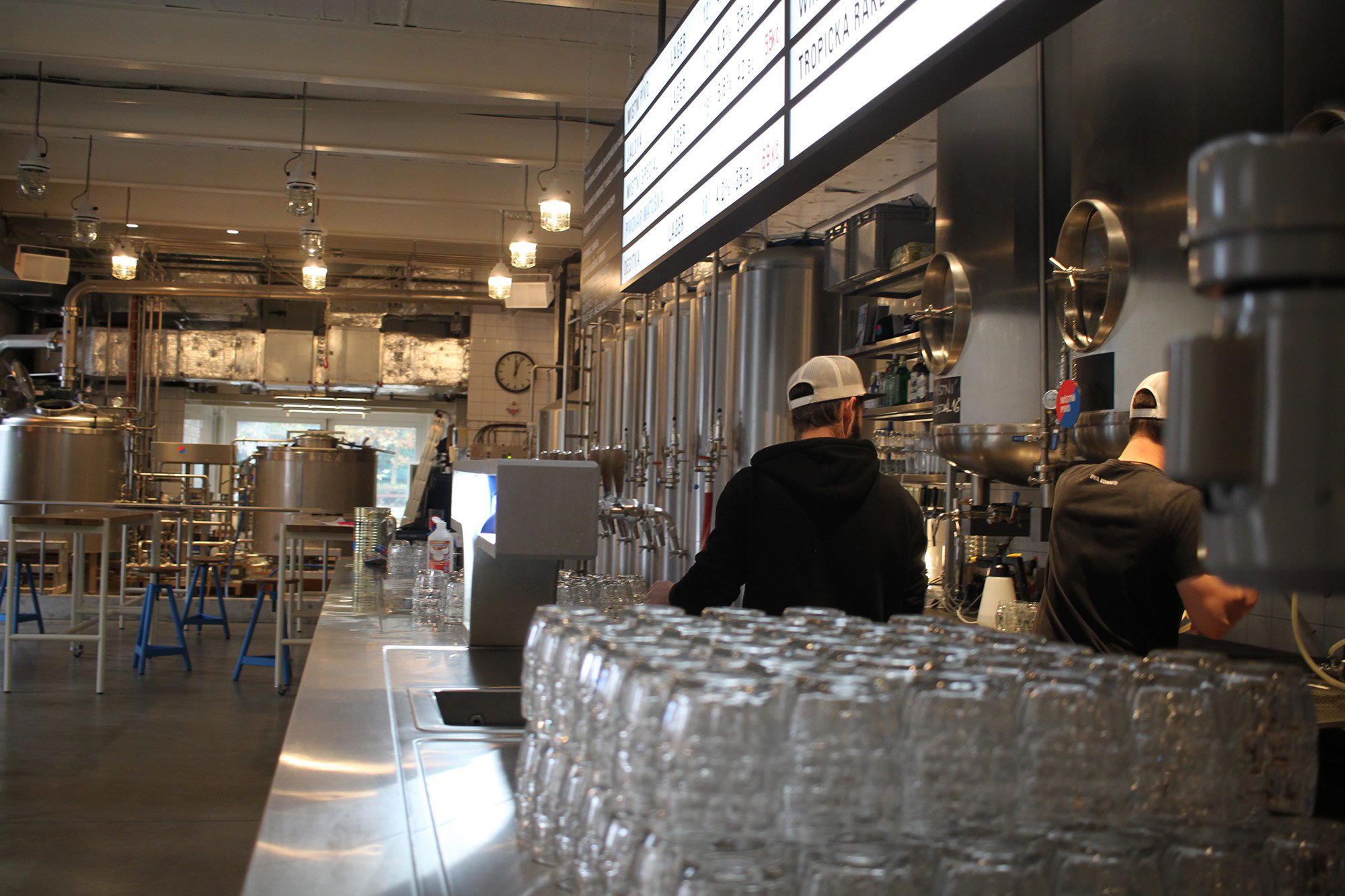
Karlín Before the Crowds Arrive
Prague's dining centre of gravity has been moving east for several years. Karlín, the district pressed between the old railway infrastructure and the Vltava embankment, rebuilt steadily after the 2002 floods and has since attracted a specific type of restaurant: locally focused, ingredient-conscious, and structurally allergic to tourist-menu pricing. Dva kohouti is a Czech Craft Brewery & Gastropub in Praha 8-Karlín, with an average spend of about $12 per person. It sits on Sokolovská, one of the neighbourhood's main arteries, in a position that tells you something before you look at the menu. The address alone, Praha 8-Karlín, places it in a dining tier that answers to regular Praguers rather than to hotel concierges.
Walking along Sokolovská toward the restaurant, the neighbourhood reads as residential and working in equal measure. Tram lines cut through. There are grocers, small offices, the kind of pedestrian rhythm that disappears two metro stops west in the historic core. The physical approach to Dva kohouti is, in that sense, an editorial statement: this is a restaurant oriented toward the city rather than toward visitors to it. That orientation shapes everything from the kitchen's sourcing logic to the price register, which sits closer to Karlín's neighbourhood norm than to the €€€€ bracket occupied by La Degustation Bohême Bourgeoise in Prague 1.
What Ingredient Sourcing Looks Like in the Czech Context
Czech restaurant culture has a complicated relationship with provenance. For decades, the dominant model, in both high-end and casual settings, was supply-chain convenience: protein from large distributors, vegetables from wholesale markets, the same product mix available to any kitchen in central Europe. The shift toward named suppliers, local farms, and seasonal constraint is relatively recent in Prague, and it has happened faster in Karlín than almost anywhere else in the city.
Dva kohouti participates in that shift. The name itself, two roosters, carries an agricultural register that is not accidental in a country where farm-to-table rhetoric is still less common than the practice deserves. Czech cuisine has deep roots in seasonal produce: the mushroom harvest in autumn, game in winter, river fish that appear and disappear from menus according to actual availability rather than year-round commodity sourcing. When Prague kitchens commit to that calendar, the results sit in a different quality tier from restaurants running standardised ingredient lists regardless of season. This is the tradition that the better Karlín addresses are recovering, rather than inventing.
The comparison with tasting-menu restaurants elsewhere in the city is instructive. Alcron and 420 Restaurant operate in formats where sourcing decisions are front-of-house talking points, signalled through extended menus and formal service. The restaurant's neighbourhood format does the same work without the ceremony, the ingredient logic is in the cooking rather than the presentation of it. That is, the more demanding version of the commitment.
Karlín's Place in Prague's Wider Dining Pattern
Prague's restaurant scene has historically concentrated in Praha 1 and Praha 2, where tourist density and hotel proximity justified premium pricing. The restaurants that built the city's international reputation are mostly located there. The restaurant belongs to a different geography and a different argument: that the interesting eating in a city often happens where rents are lower, clientele more local, and kitchens more willing to take structural risks.
This pattern is not specific to Prague. It describes how Neukölln changed Berlin's restaurant map, how the 11th arrondissement shifted Paris, how Williamsburg preceded its own gentrification story. In Prague, Karlín is the current version of that argument, and the restaurant is one of its clearer illustrations. For context across the Czech Republic's wider restaurant geography, addresses like BRATRS in Brno, Bylo, nebylo in Liberec, and Bohém in Litomyšl are making comparable cases in their respective cities, neighbourhood-scale restaurants pushing quality above what their postcodes would suggest. Chapelle in Písek, Cattaleya in Čeladná, and Dvůr Perlová voda in Budyně nad Ohří extend that pattern into the regions. Even internationally, the turn toward local sourcing and neighbourhood scale is visible at formally recognised addresses: Atomix in New York anchors its tasting menu in hyper-specific Korean ingredient sourcing in ways that rhyme with what smaller European kitchens are doing at a fraction of the price point.
Practical Notes for Planning a Visit
The restaurant is located at Sokolovská 81/55 in Praha 8-Karlín, reachable by tram along Sokolovská or a short walk from Florenc metro station. Karlín dining tends to run on a casual reservation model, walk-ins are possible at many addresses, but for a weekday evening at a restaurant with a following among local regulars, booking ahead is advisable. The neighbourhood's restaurants are generally quieter at lunch than dinner, which gives daytime visits a lower-pressure character. For visitors building a Prague itinerary around restaurant quality rather than neighbourhood tourism, Karlín merits an evening: the concentration of interesting addresses means the restaurant can anchor a broader neighbourhood visit.
Other Prague addresses worth considering alongside the restaurant include Alma and Amano for different points on the casual-to-formal spectrum, and Emperor Square in Prague 1 for a comparison with the city's more central dining tier. For those tracking Czech restaurant quality beyond the capital, ARRIGŌ in Děčín, Babiččina zahrada in Průhonice, and Gokana in Ostrava indicate the geographic spread of the country's current restaurant moment. At the global reference end, Le Bernardin in New York City remains a useful benchmark for what sustained sourcing commitment looks like at the highest price tier.
Fast Comparison
Comparable venues nearby, for context on price, style, and recognition.
| Venue | Cuisine | Price | Notes |
|---|---|---|---|
| Dva kohoutiThis venue — the venue you are viewing | Czech Craft Brewery & Gastropub | $$ | Not listed |
| Barva im Manifesto Market | Authentic Ukrainian Street Food | $$ | Smichov |
| Slice Slice Baby Pizza Club | Modern Neapolitan Pizza | $$ | Holesovice |
| Naše maso | Czech Butcher Bistro | $$ | Josefov |
| Senses Garden Restaurant | Modern Bohemian Czech | $$ | Hradcany |
| Kuchyň | Modern Czech | $$ | Hradcany |

At a Glance
- Lively
- Industrial
- Trendy
- Casual Hangout
- After Work
- Group Dining
- Late Night
- Open Kitchen
- Courtyard
- Standalone
- Beer Program
- Local Sourcing
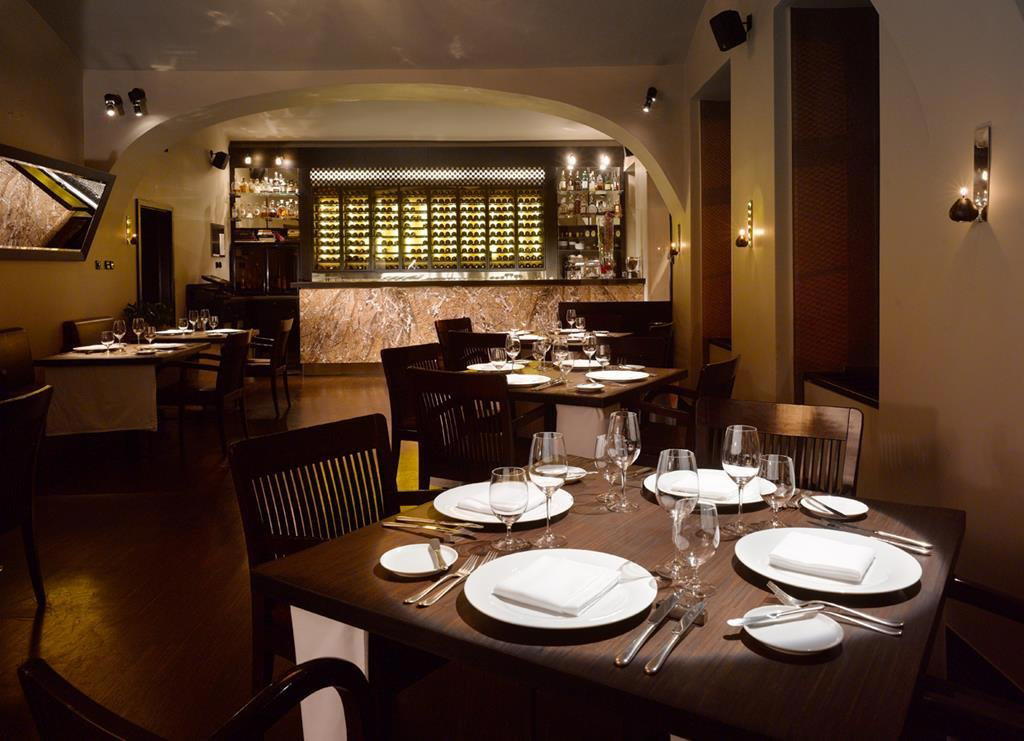
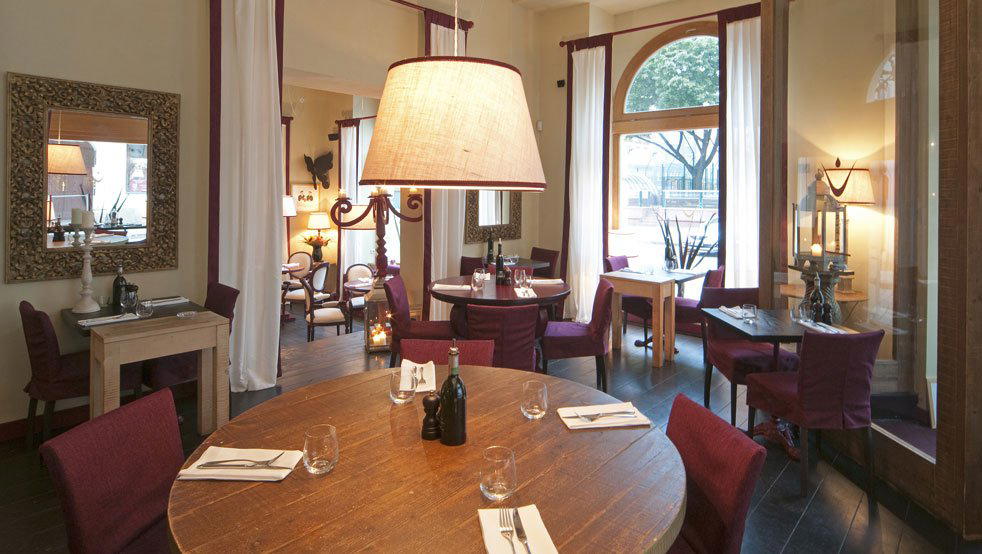
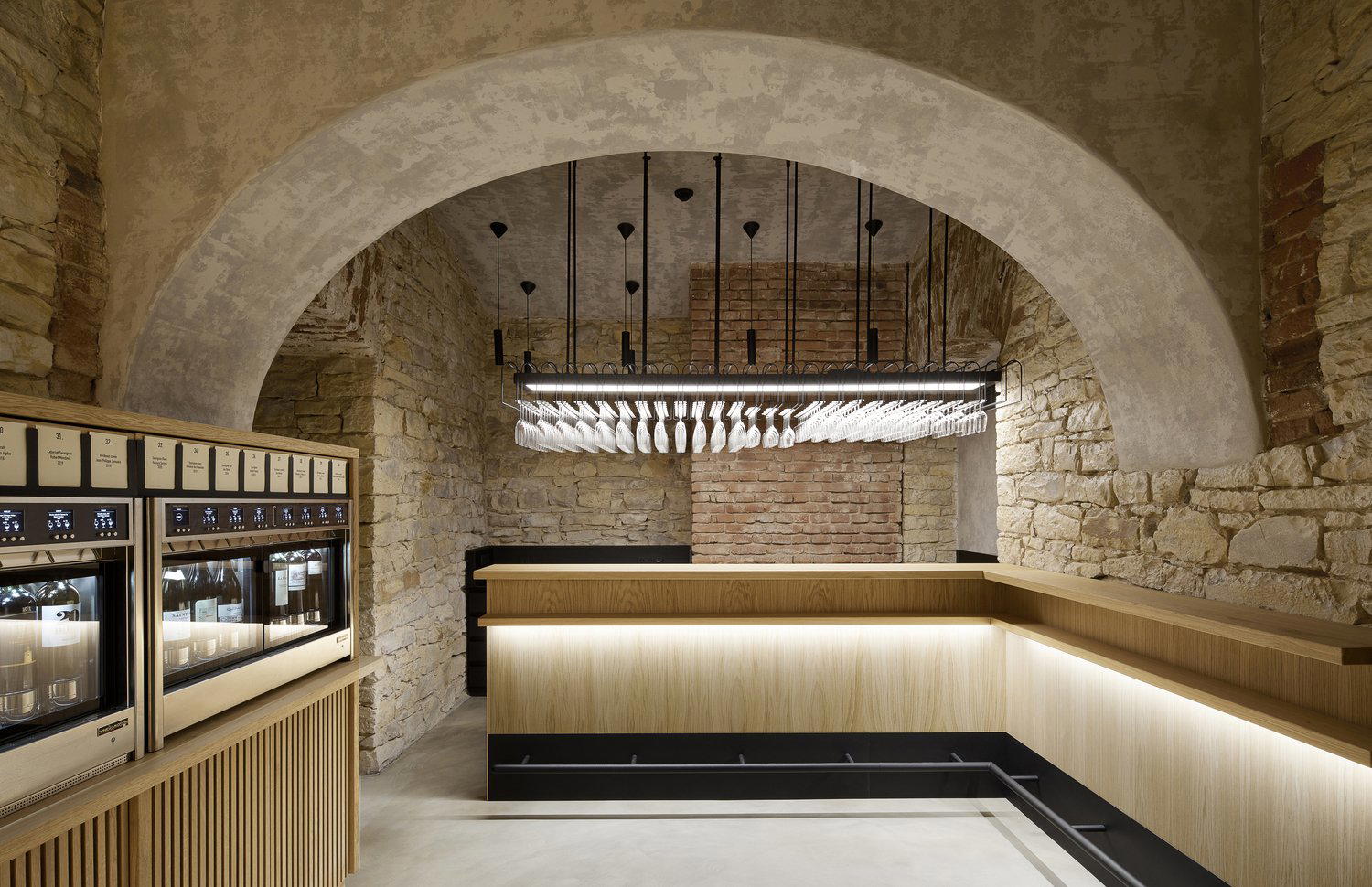
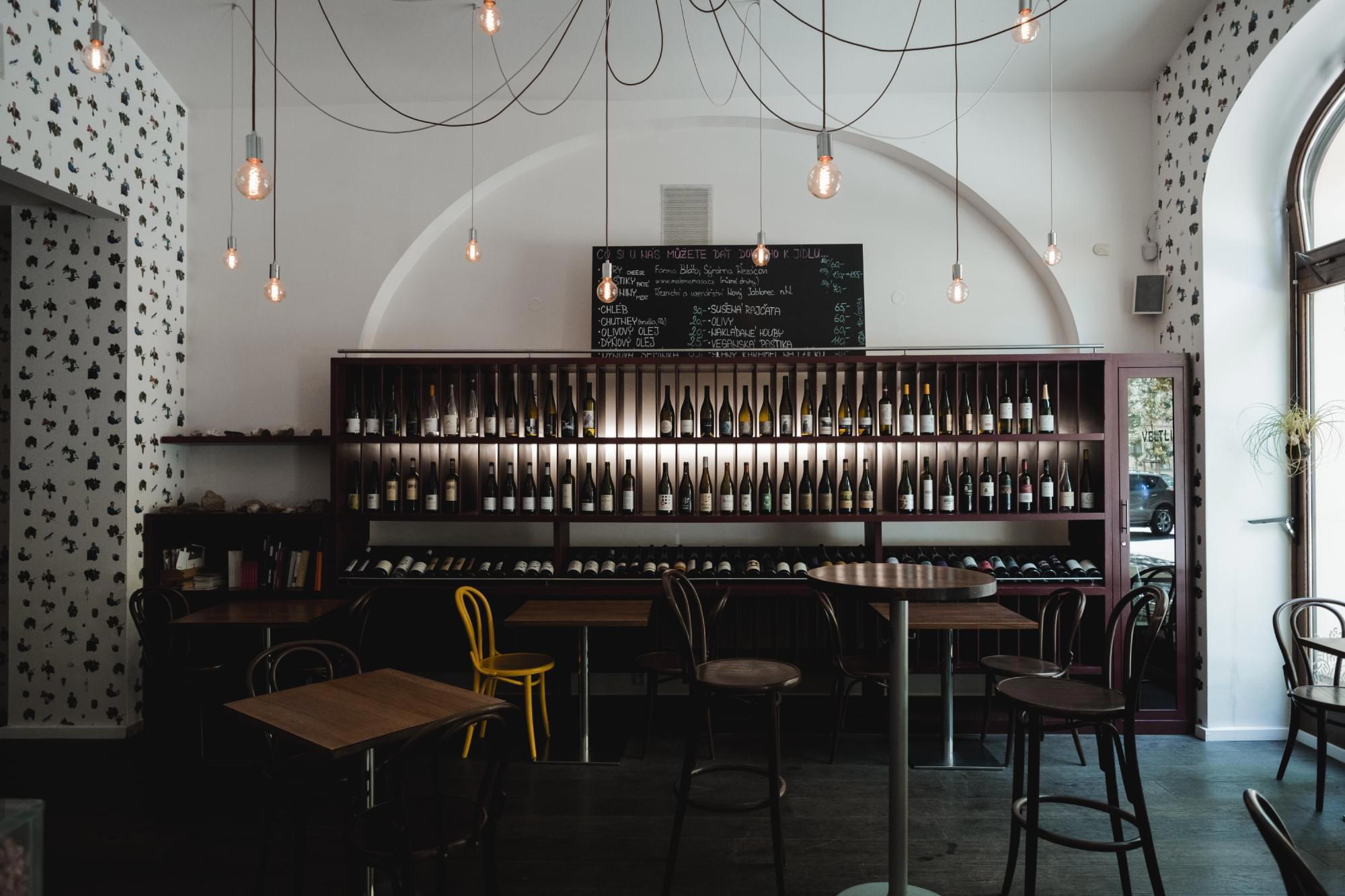
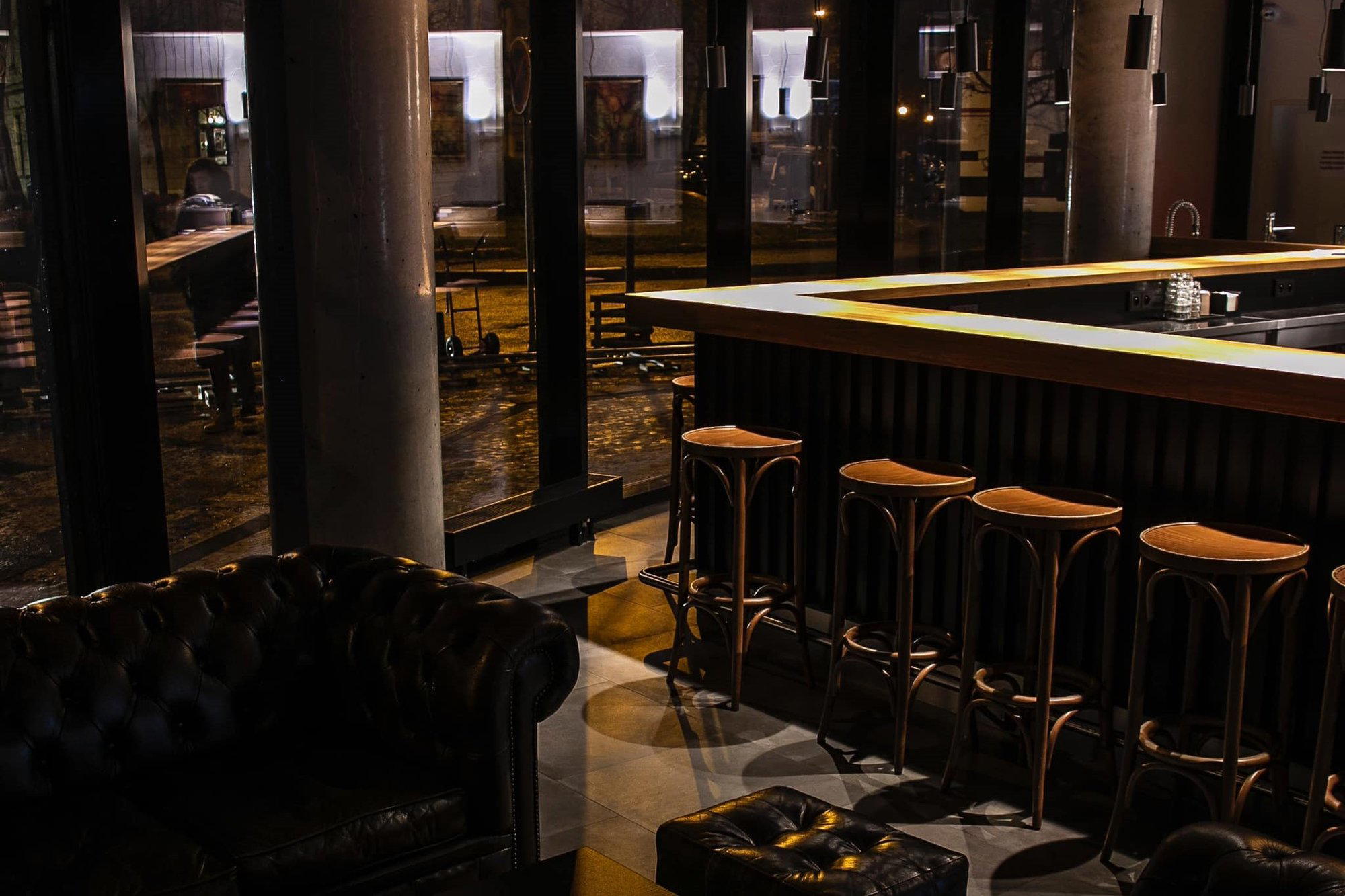
Industrial and energetic with tall stainless steel brewing tanks visible throughout, communal seating on long wooden benches, occasional DJ sets and dancing on tables in the courtyard during warm weather.