Kuchyň
Kuchyň occupies a historic position on Hradčanské náměstí in Prague's Castle District, placing it among the few restaurants in the Czech capital where the setting does as much editorial work as the kitchen. The address alone, Hradčanské nám. 186/1, Praha 1-Hradčany, signals proximity to one of Central Europe's most architecturally weighted squares, making it a reference point for visitors and returning regulars alike.
Pearl is the En Primeur Club membership app — saves, bookings, and concierge access live there. Same editors, same standards.
- Address
- Hradčanské nám. 186/1, 118 00 Praha 1-Hradčany, Czechia
- Phone
- +420736152891
- Website
- kuchyn.ambi.cz
- Directions
- Get directions
 Saves & bookings on Pearl
Eating in the Shadow of the Castle
Kuchyň is a modern Czech restaurant in Prague, located at Hradčanské nám. 186/1, 118 00 Praha 1-Hradčany, Czechia, with a price tier of about $35 per person. Up here on Hradčanské náměstí, foot traffic is dominated by visitors moving between monuments, and the restaurants that survive long enough to build a regular clientele tend to do so by offering something the square's architectural gravity demands: a sense of occasion that feels earned rather than staged. Kuchyň, at Hradčanské nám. 186/1, sits directly on that square, which means it has always had to compete not just with peer restaurants but with the view itself.
For years, the area functioned as a monument to tourism rather than a neighbourhood with a culinary identity of its own. The handful of restaurants that have established themselves here occupy a position that Prague's dining scene elsewhere, at La Degustation Bohême Bourgeoise or Alcron in the city centre, does not replicate: they serve a mixed audience of first-time visitors and people who have made a deliberate habit of returning to this corner of Praha 1.
What Regulars Come Back For
In Prague's dining culture, loyalty is earned differently than in cities where restaurants operate on reservation scarcity or chef celebrity. The regulars who return to Kuchyň are drawn by something more architectural than gastronomic, the address is among the more historically freighted in the Czech capital, and the experience of sitting near Hradčanské náměstí carries a weight that most Prague dining rooms cannot replicate regardless of what arrives on the plate.
That said, the regulars' perspective on any restaurant in this district is shaped by a clear expectation: the room must justify the journey up to the Castle. Visitors to Prague's historic quarters tend to move purposefully; nobody climbs to Hradčany by accident. The people who return to a restaurant on this square do so because it has met a threshold, of consistency, of atmosphere, of the particular satisfaction that comes from eating well in a place that looks exactly as a place on that square should look.
Prague's broader dining scene has sharpened considerably in recent years, with ambitious Czech and European kitchens operating at price points and ambition levels that match many Western European capitals. Restaurants like 420 Restaurant and Alma have helped reframe what serious dining in the city looks like. Against that backdrop, a Castle District address carries its own distinct identity, one oriented less toward the tasting-menu circuit and more toward the question of where you eat when the occasion calls for a particular kind of place.
The Square as Context
Hradčanské náměstí is one of the few squares in Central Europe where the architectural ensemble is so complete that individual buildings recede into the collective. Restaurants on this square do not operate in a neutral setting. The surroundings impose a register, one that sits somewhere between formal and contemplative, and the dining rooms that occupy these addresses must decide how they respond to that register, whether by leaning into the grandeur or by offering a counterpoint of warmth and informality.
For comparison, the dynamic is not unlike what restaurants face in similarly weighted urban settings: the dining rooms around Copenhagen's Kongens Nytorv, or the handful of restaurants adjacent to Vienna's Hofburg, operate with the same awareness that the exterior view is part of the meal. Prague's equivalent concentration of this phenomenon is the Castle quarter, and Hradčanské náměstí is its centre of gravity.
Visitors planning around the Castle complex should note that the district is most accessible on foot from Malostranská metro station, with the square reached via a climb through the historic lanes of Nový Svět or up the Castle steps from Malá Strana.
Placing Kuchyň in the Prague Dining Picture
Prague's restaurant scene now spans enough registers that positioning matters. The Michelin-tracked fine dining tier, anchored by addresses like La Degustation Bohême Bourgeoise and Amano, operates at one end of the spectrum. The neighbourhood trattorias and casual Czech kitchens occupy the other. Kuchyň's position on Hradčanské náměstí places it in a third category: the setting-led restaurant, where address and atmosphere do structural work that cuisine-first rooms handle through the menu alone.
That is not a lesser category. Some of Prague's most reliably rewarding meals happen in rooms where the context is doing half the work, and where the kitchen's job is to match the room rather than outshine it. The comparison venues worth holding in mind when thinking about Kuchyň's position in the city are not necessarily the tasting-menu addresses but rather the restaurants that have built regular clientele through a consistent relationship between place, food, and occasion, a model that Emperor Square in Prague 1 also navigates, given its similarly weighted address.
For visitors building a broader Czech itinerary, the contrast with dining options elsewhere in the country is instructive. The more casual register of Bylo, nebylo in Liberec or the focused offer at U Lípy in Hrensko represents a different relationship between setting and kitchen. Prague's Castle District restaurants occupy a particular niche within Czech dining that is not easily replicated outside the capital. Internationally, the frame shifts again: the kitchen-first precision of Le Bernardin in New York City or the conceptual rigour of Atomix represents a different model entirely, where the room is deliberately subordinated to what arrives on the plate.
Planning Your Visit
The address, Hradčanské nám. 186/1, 118 00 Praha 1-Hradčany, places Kuchyň within the first district of Prague, at one of the city's most visited squares. The Castle quarter is most comfortably reached from the centre by tram or on foot via Malá Strana; the square itself sits just beyond the Castle gates on the western approach. For visitors arriving from elsewhere in the Czech Republic, Prague's main rail hub at Hlavní nádraží connects to the city's tram network, and the Castle District is typically 20 to 30 minutes from the centre depending on route. As with most restaurants in Praha 1's historic core, weekday visits outside peak tourist months offer a more settled atmosphere than summer weekends, when the square's visitor density is at its height.
Cuisine-First Comparison
Comparable venues nearby, for context on price, style, and recognition.
| Venue | Cuisine | Price | Notes |
|---|---|---|---|
| KuchyňThis venue — the venue you are viewing | Modern Czech | $$ | Not listed |
| U Fleků | Traditional Czech Brewery | $$ | Nove Mesto |
| Naše maso | Czech Butcher Bistro | $$ | Josefov |
| Senses Garden Restaurant | Modern Bohemian Czech | $$ | Hradcany |
| Oscar's Prague | Classic American Comfort | $$ | Smichov |
| Lehká hlava - vegetarian restaurant | Creative Vegetarian & Vegan | $$ | Stare Mesto |
At a Glance
- Modern
- Cozy
- Scenic
- Date Night
- Group Dining
- Special Occasion
- Open Kitchen
- Terrace
- Historic Building
- Skyline
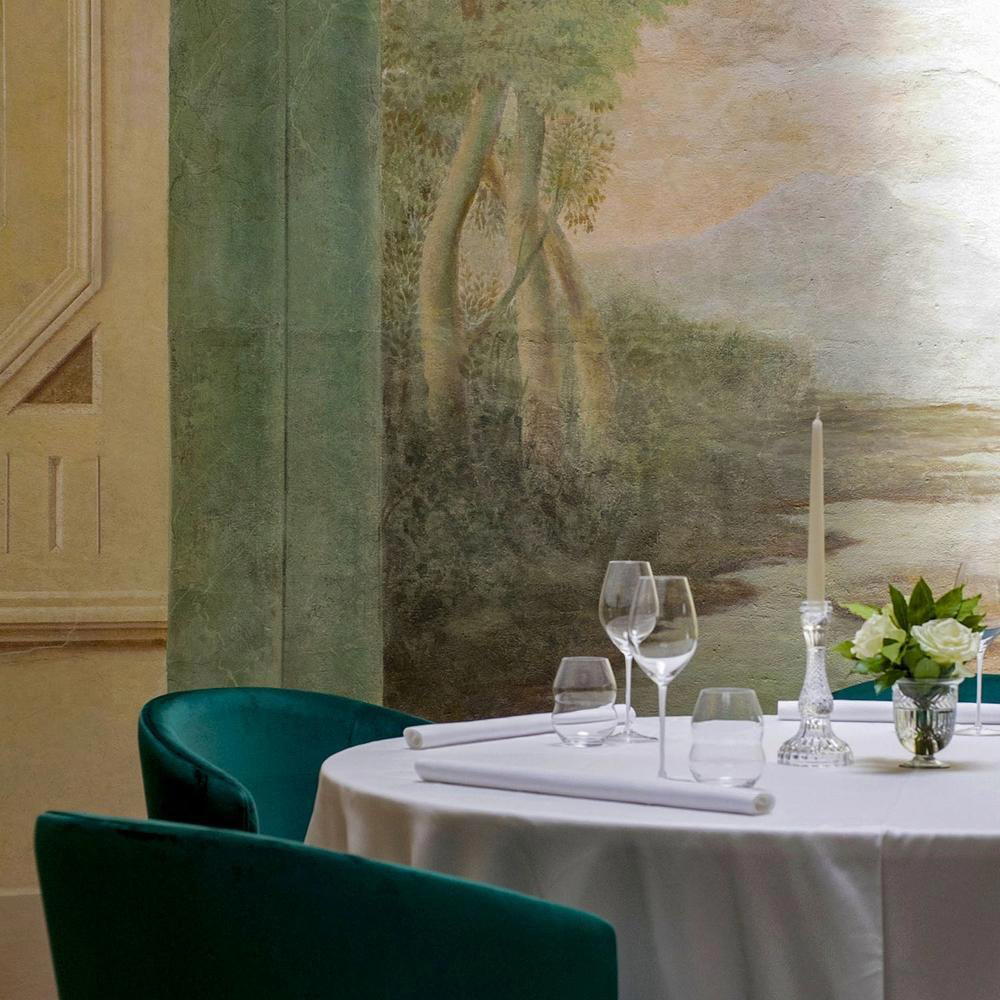
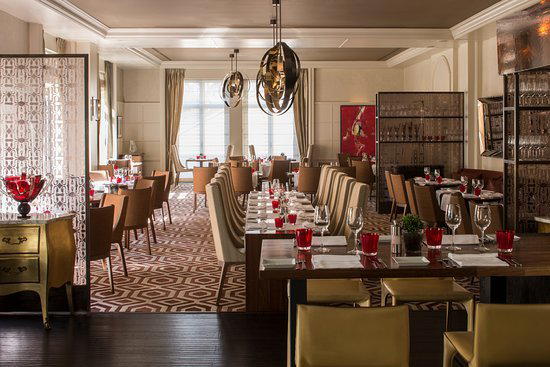
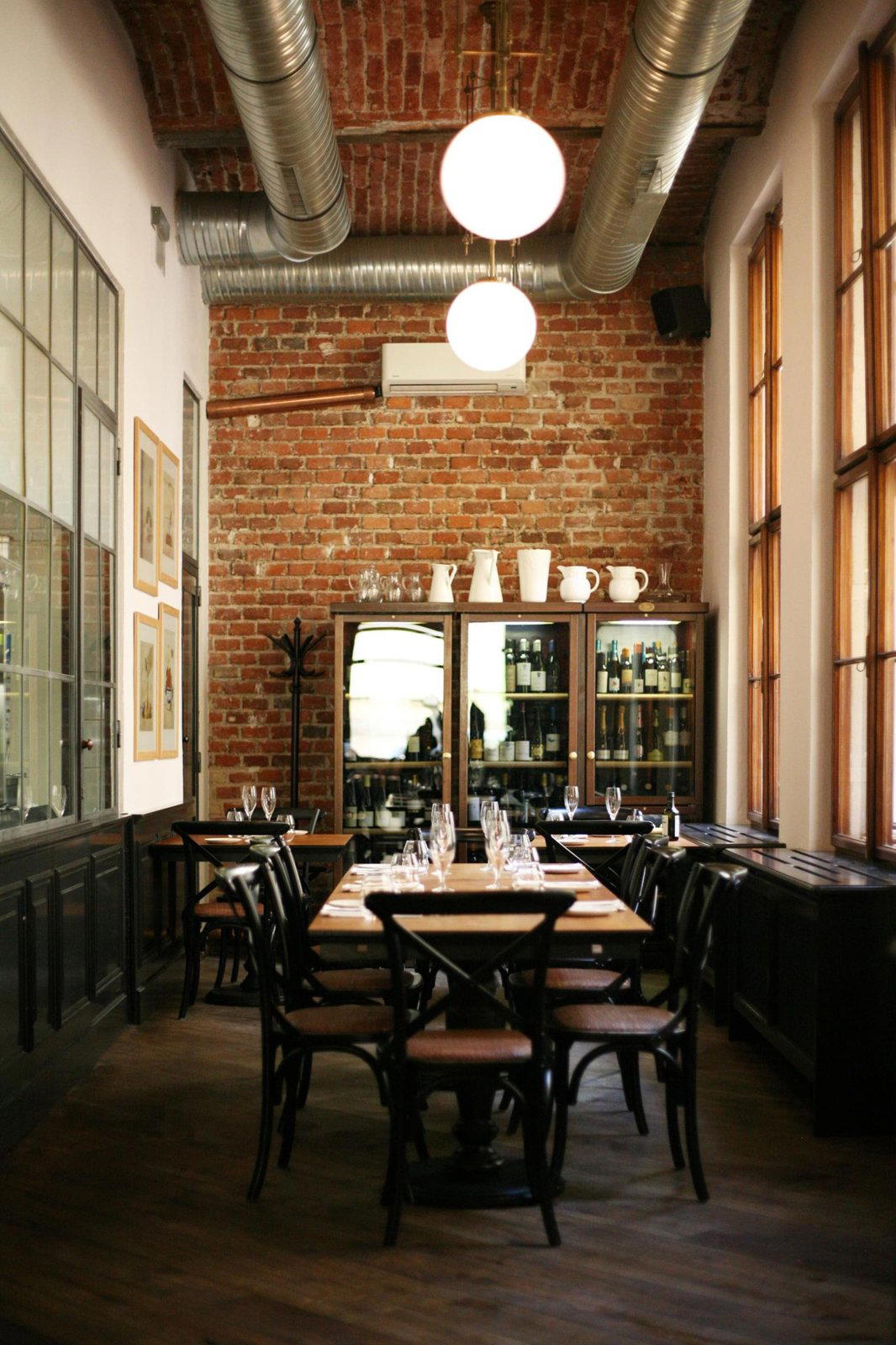
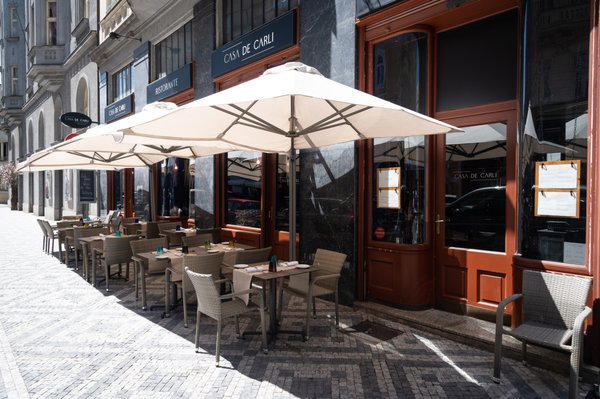
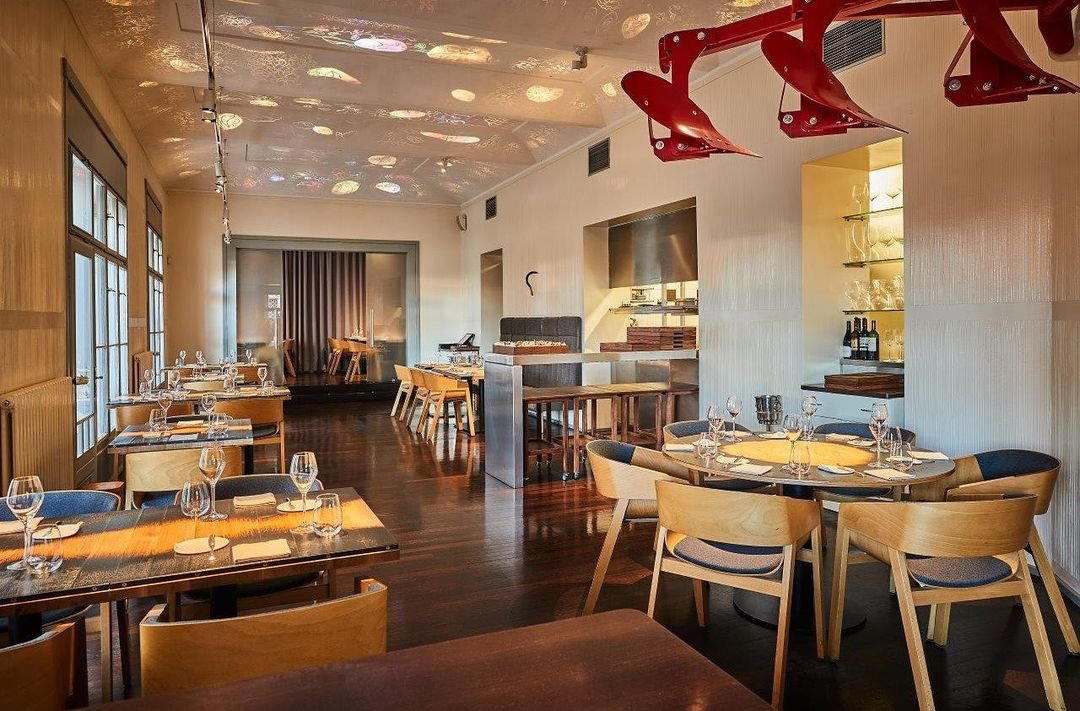
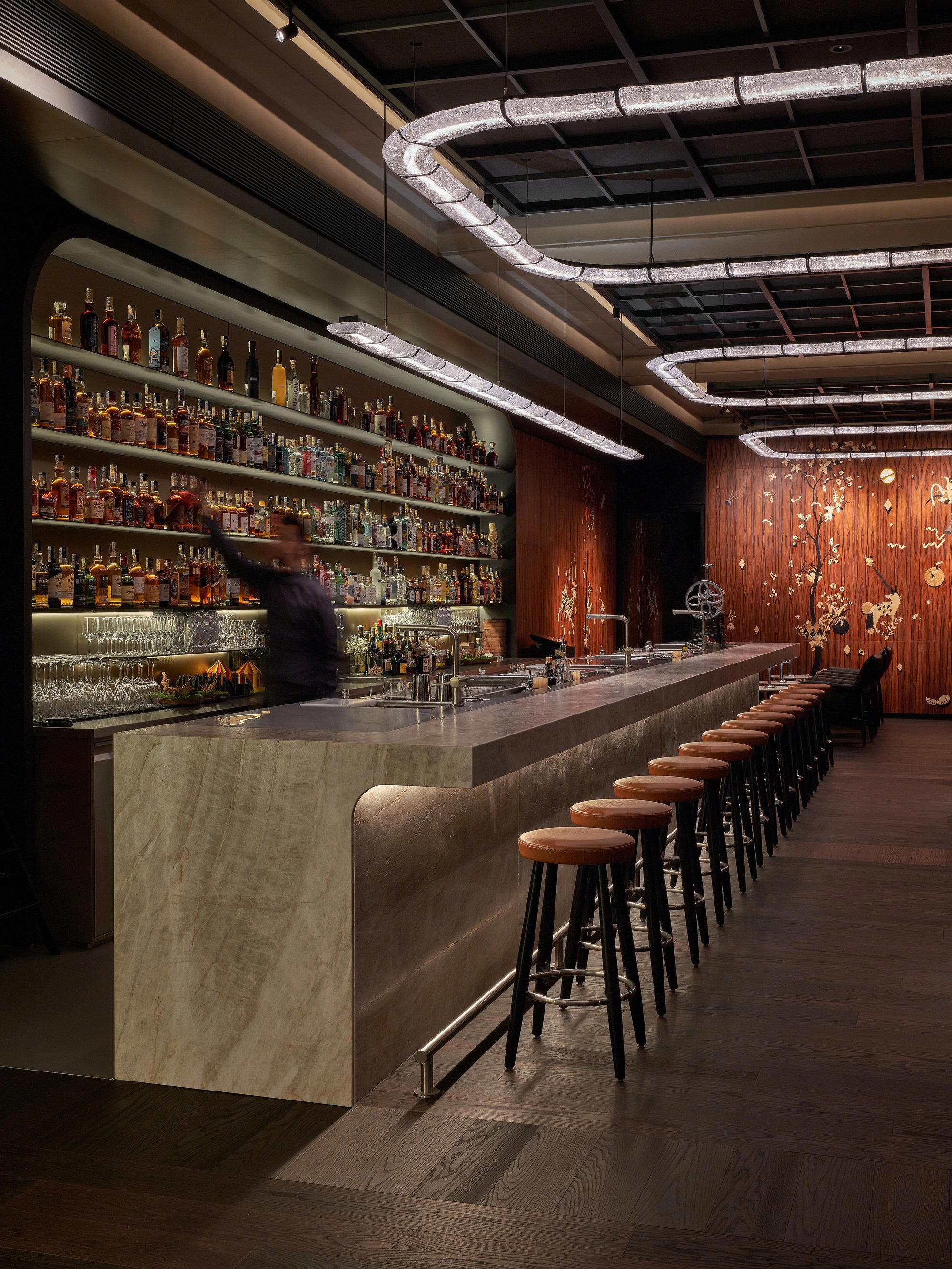
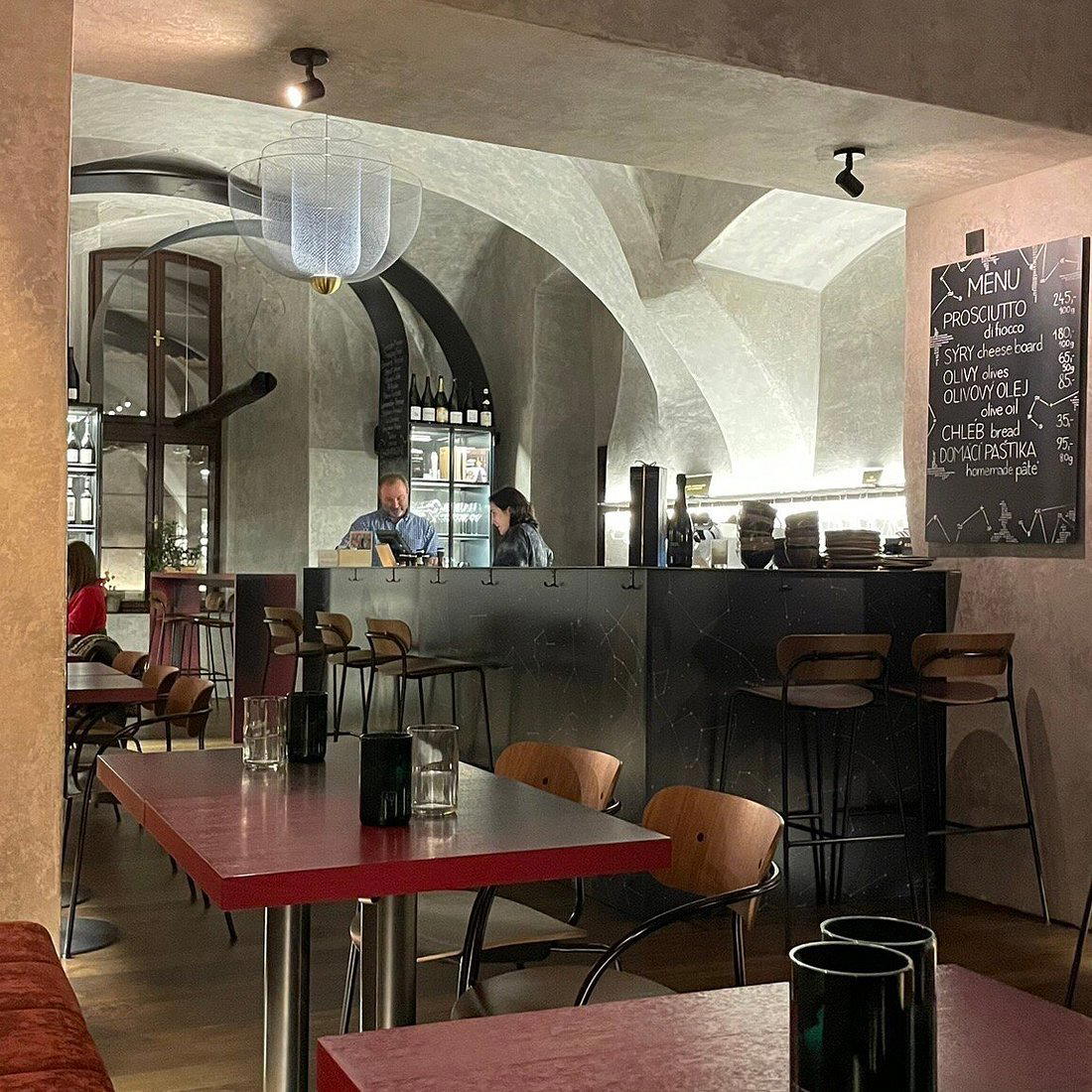
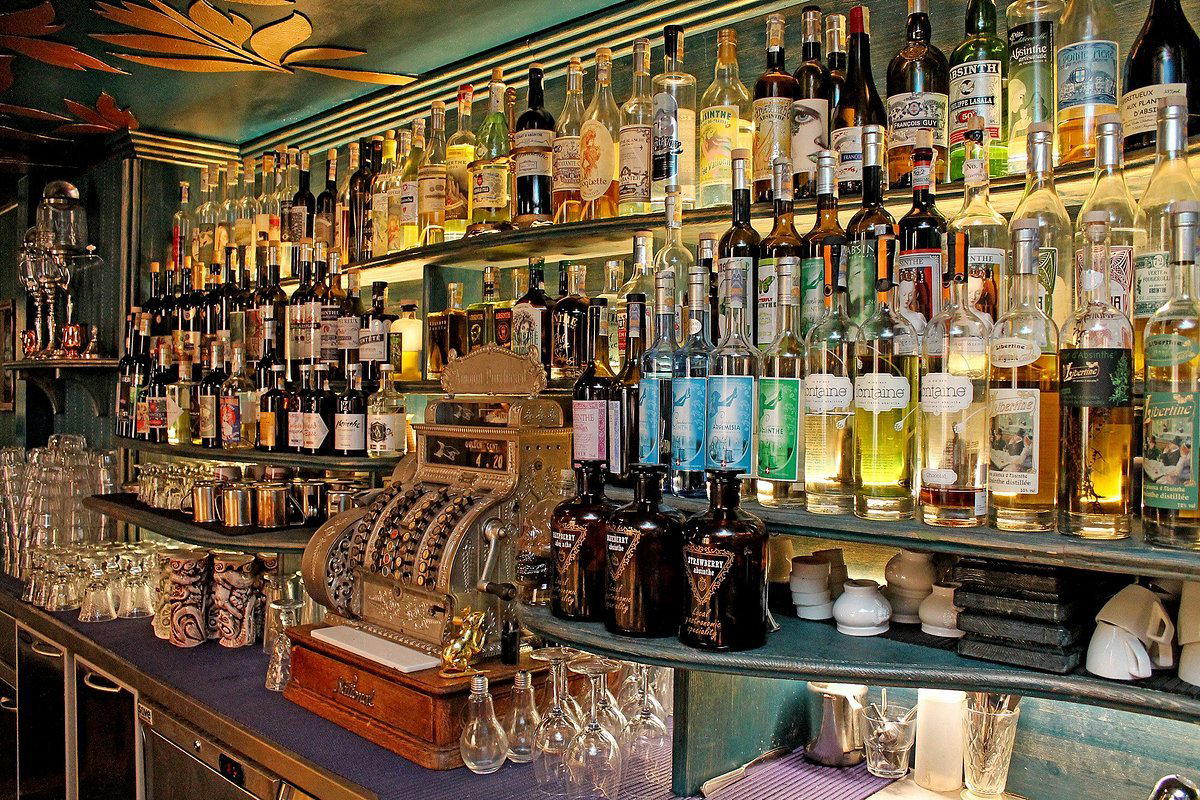
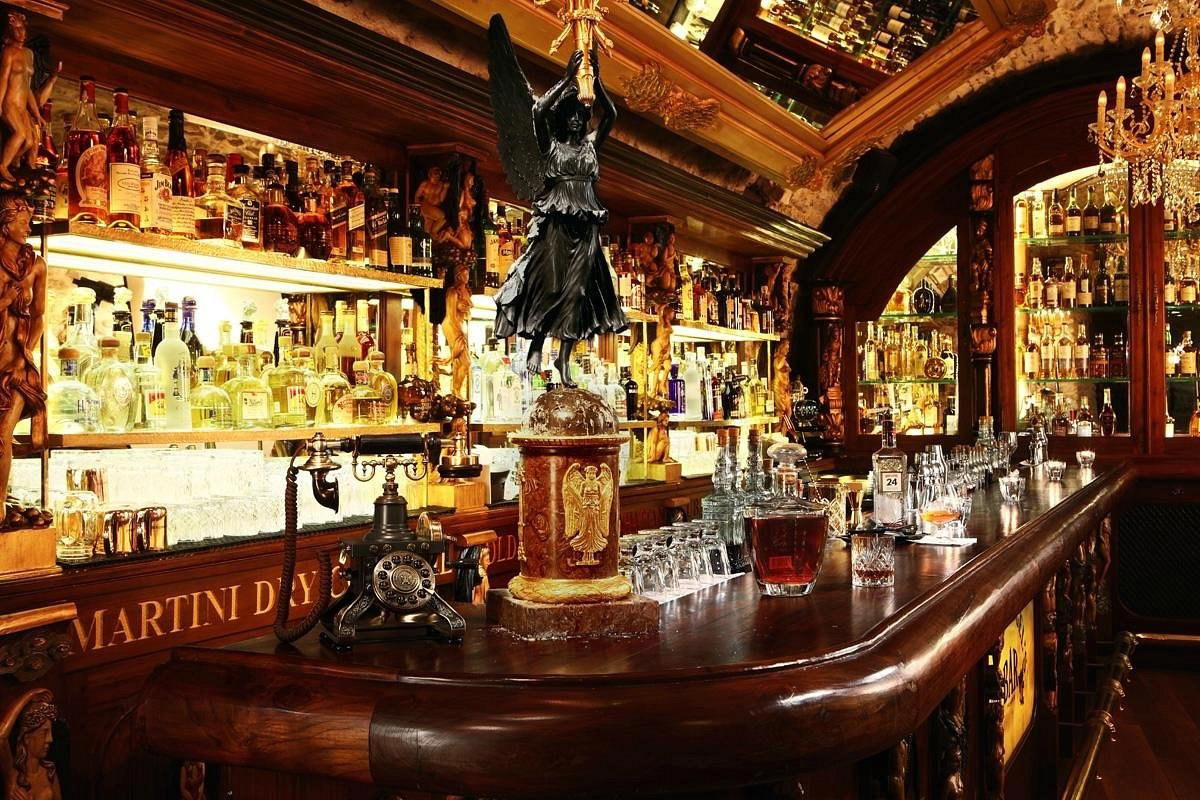
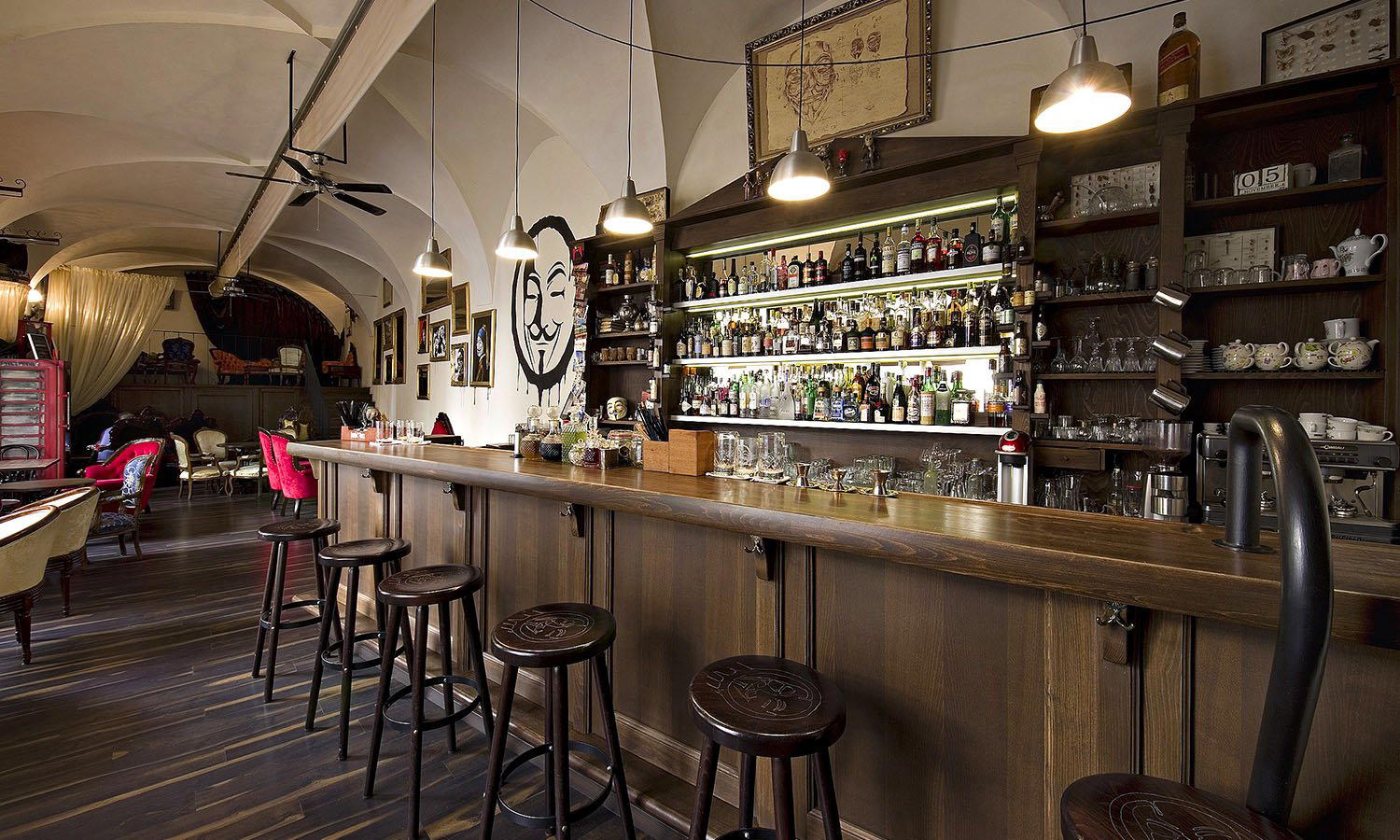
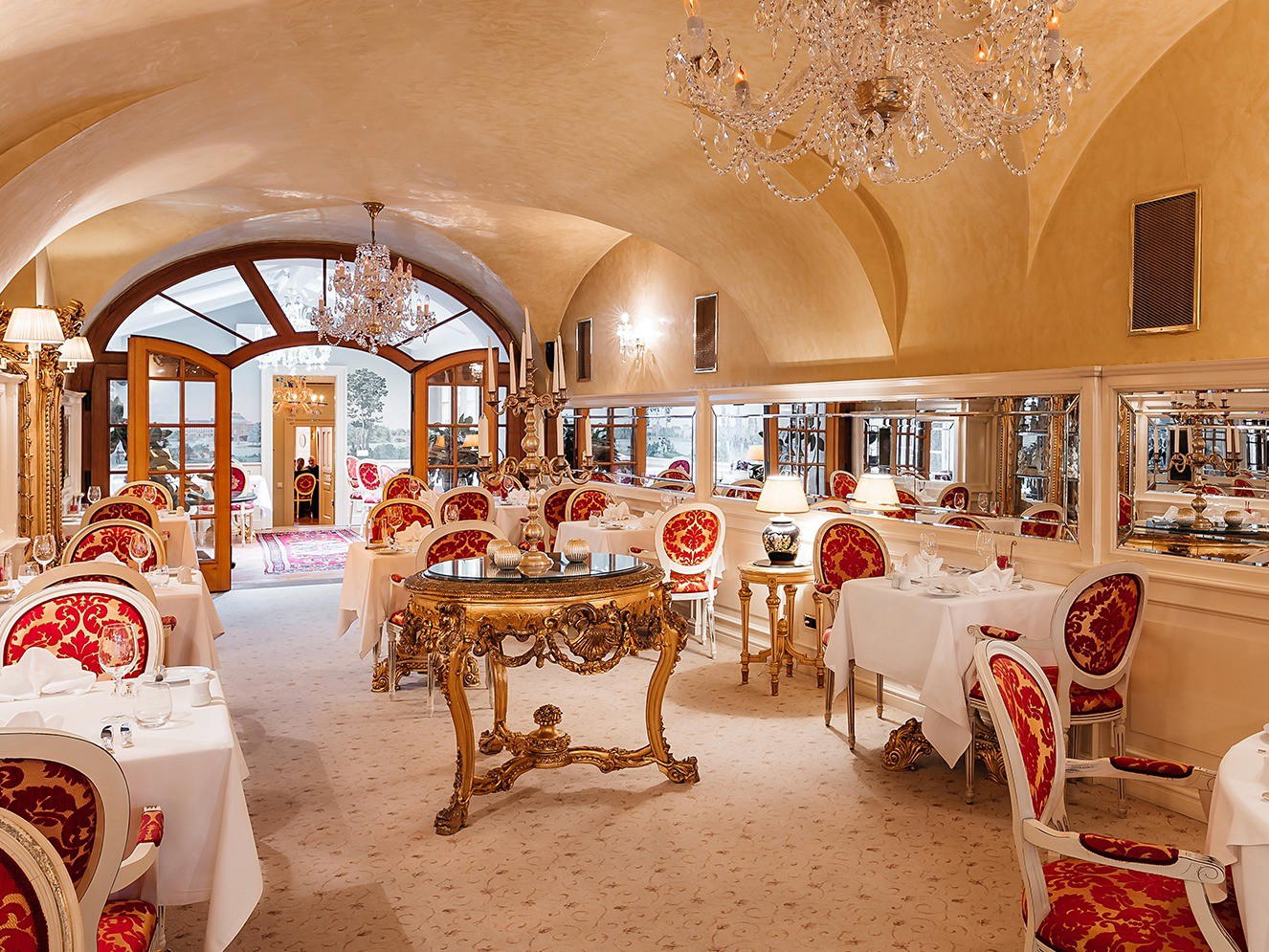
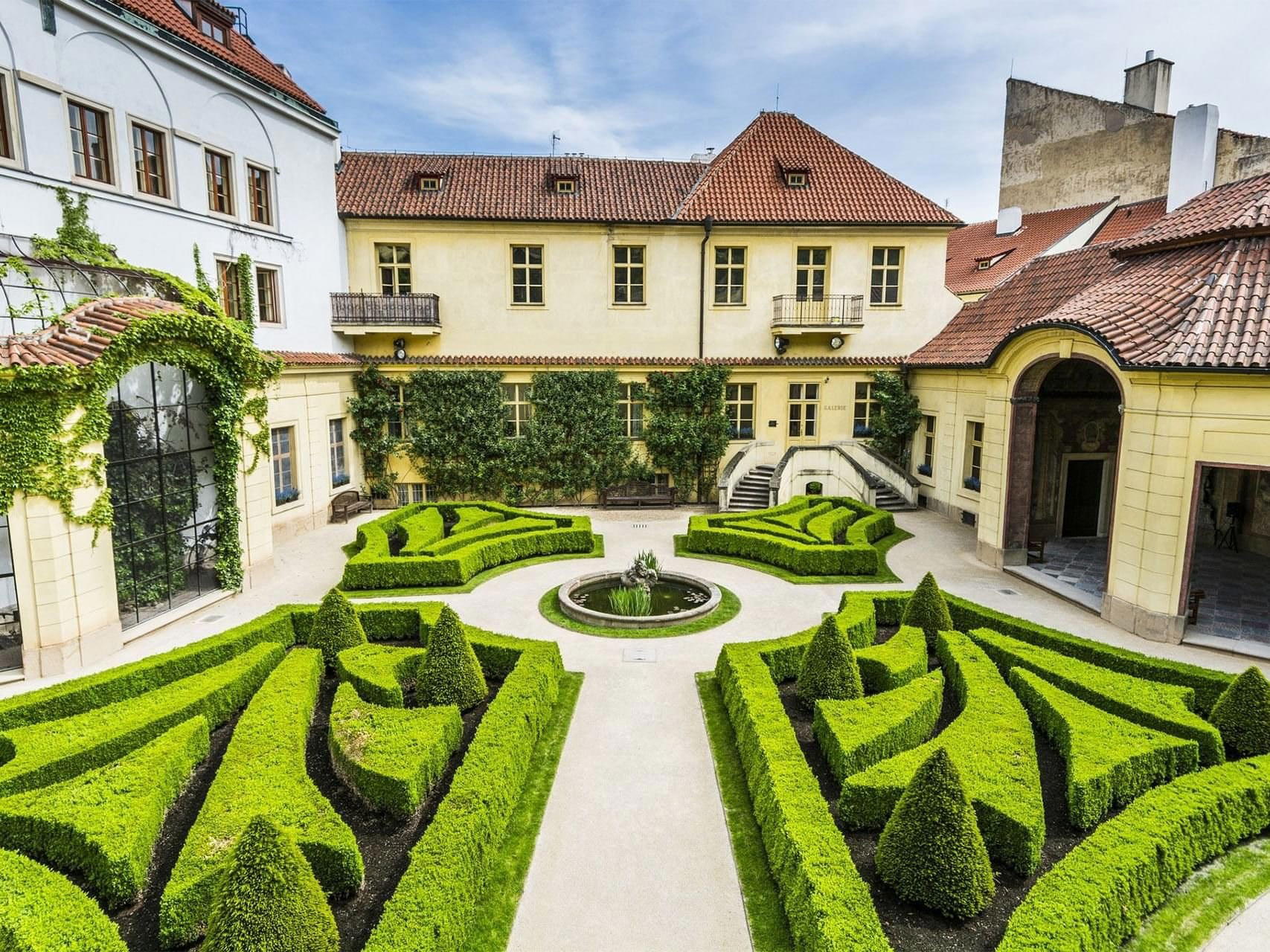
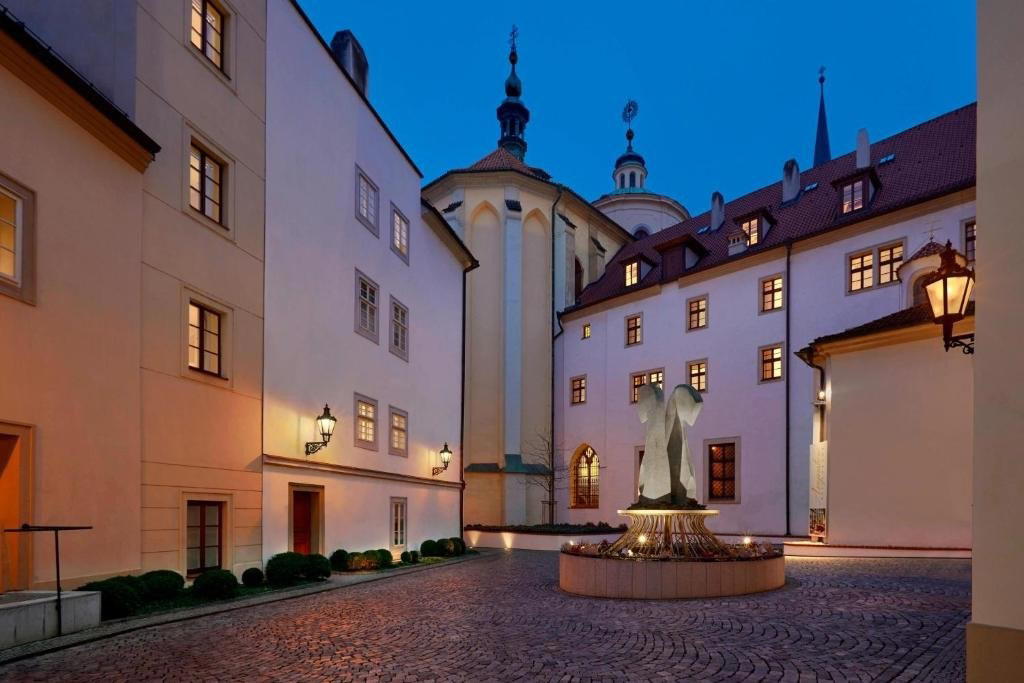
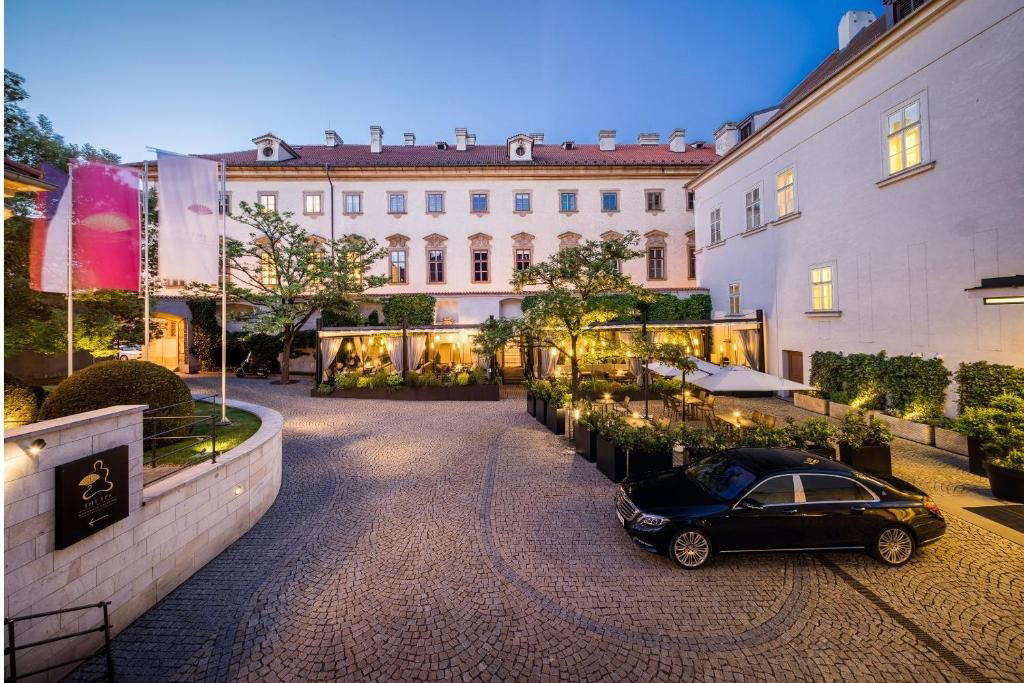
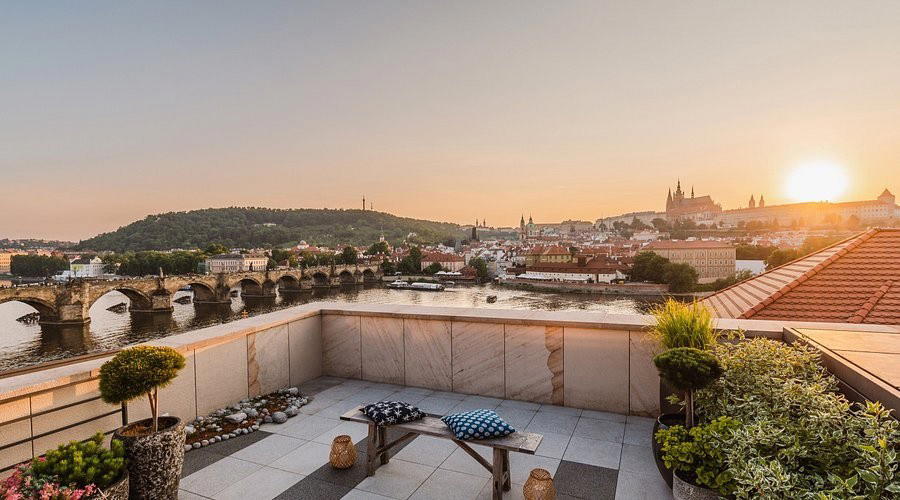
Modern-rustic interior with a pleasant, lively atmosphere and beautiful terrace views.