Duke's
Our verdict
On the upper floor of a Coyoacán address, Duke's occupies a slice of Mexico City's quieter, neighbourhood-rooted dining scene, a counterpoint to the grand-format restaurants of Polanco and Roma Norte. Details on format, pricing, and cuisine remain tightly held, which itself signals the kind of place that earns its following through word of mouth rather than press cycles.

Pearl is the En Primeur Club membership app, where members save venues, book tables and use the concierge.
The menu
What to order
- Full english breakfast
- Fish and chips
- Sausage and mash
Coyoacán and the Case for Dining Above the Street
Mexico City's most discussed restaurant addresses cluster in Polanco and Roma Norte, where the concentration of Michelin-tracked tables, international press coverage, and destination-dining crowds has reshaped both neighbourhoods into something closer to dining districts than residential ones. Pujol and Quintonil operate at the apex of that world, with tasting-menu formats, four-figure price points, and booking windows that stretch months ahead. Rosetta, in Roma Norte, sits in a slightly different register, creative, ingredient-led, priced around the $$-$$$ bracket, but still functions within the logic of a neighbourhood that has come to expect a certain density of editorial attention.
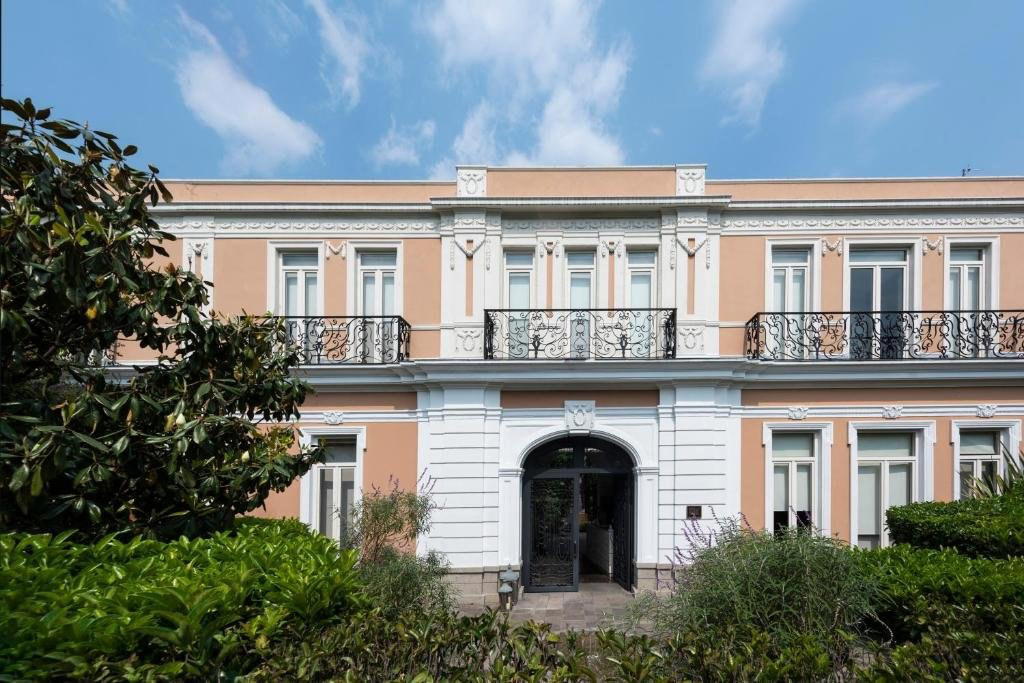
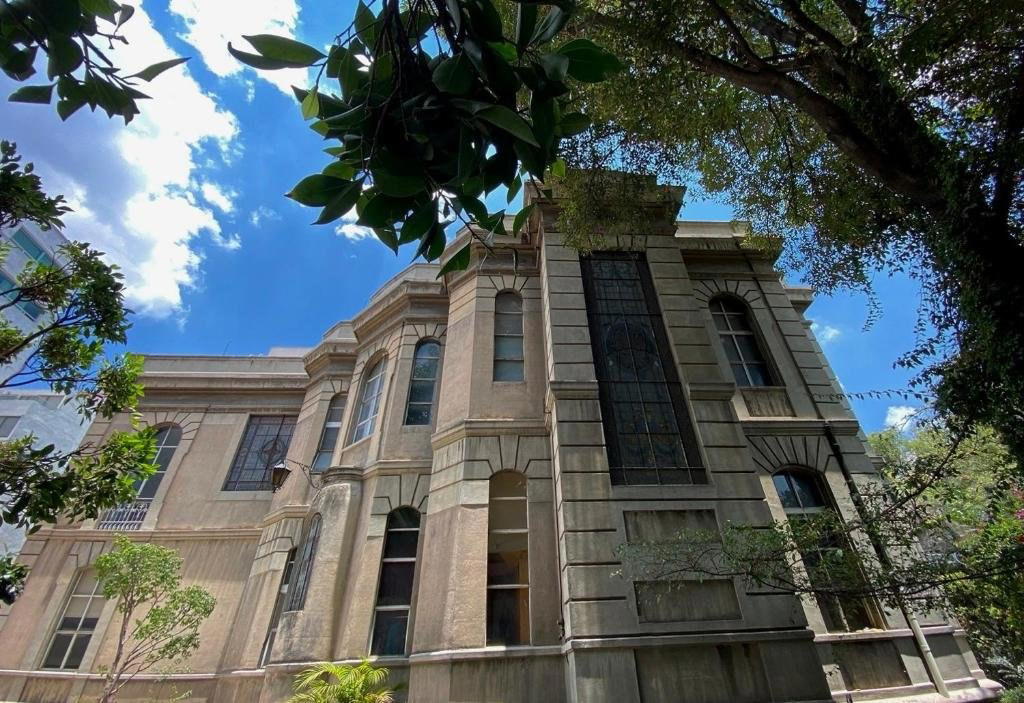
Coyoacán operates differently. The borough's identity is older and more residential, built around cobbled plazas, market stalls, and a pace that resists the acceleration visible further north. Dining here has historically meant neighbourhood cantinas and market counters rather than destination restaurants, and that character persists even as the city's food scene has expanded outward. Duke's, on the upper floor of a Felipe Carrillo Puerto address, sits inside this context: a second-storey space in a borough that tends toward ground-level informality, which already marks it as a considered act of positioning.
The Physical Container as Editorial Statement
In Mexico City's more competitive dining tiers, the room itself has become part of the offer. The architectural language of spaces like Em or the open-kitchen theatrics common to contemporary Mexican restaurants in Roma signal intent before a menu arrives. An upper-floor address in Coyoacán works differently: the elevation removes the venue from street-level foot traffic, which in practice means the room fills by destination rather than by chance. That distinction matters for the experience a space produces. Guests who climb to a second floor in a low-density neighbourhood have already made a choice; the room they enter doesn't need to compete with the street for attention.
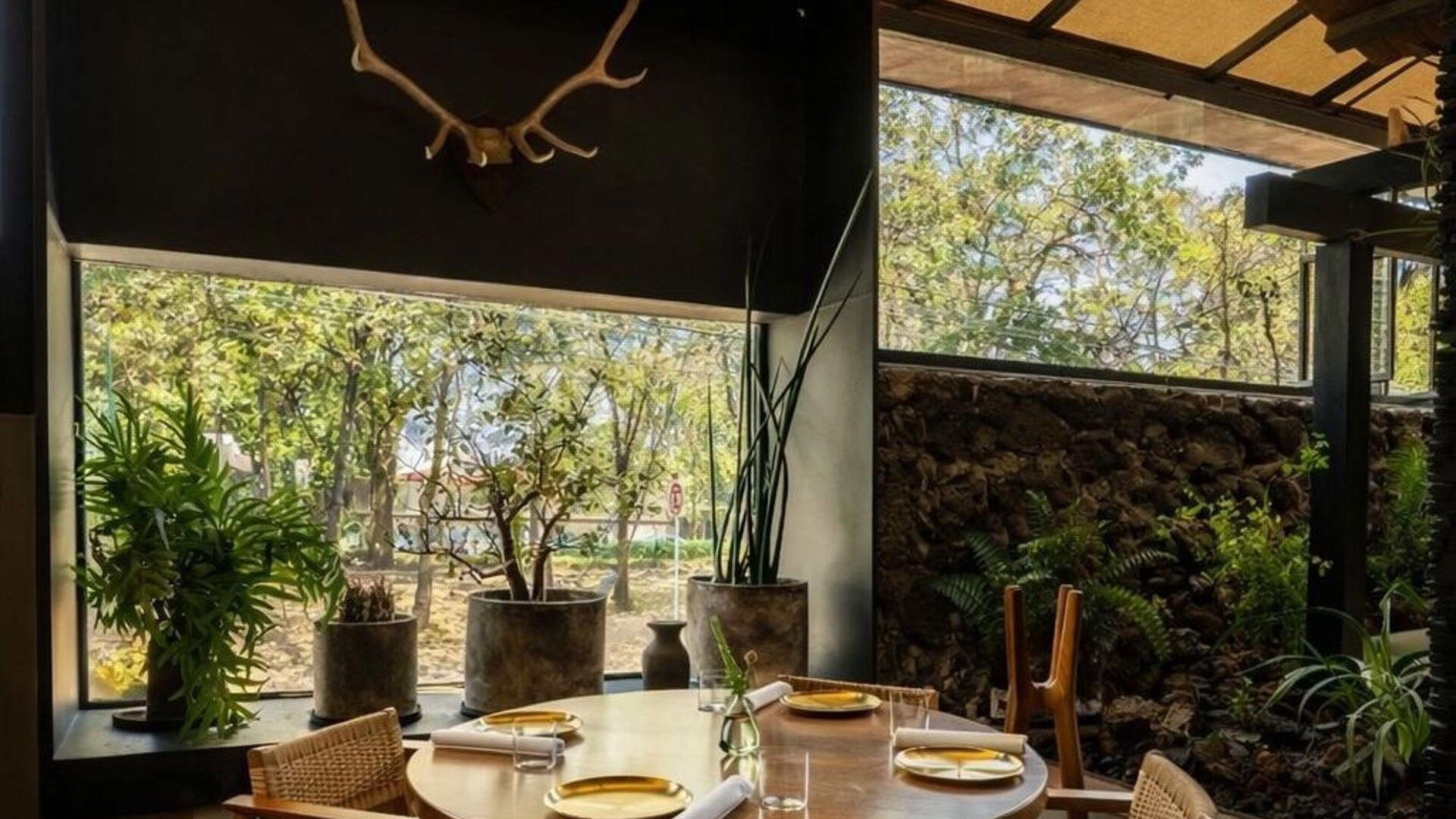
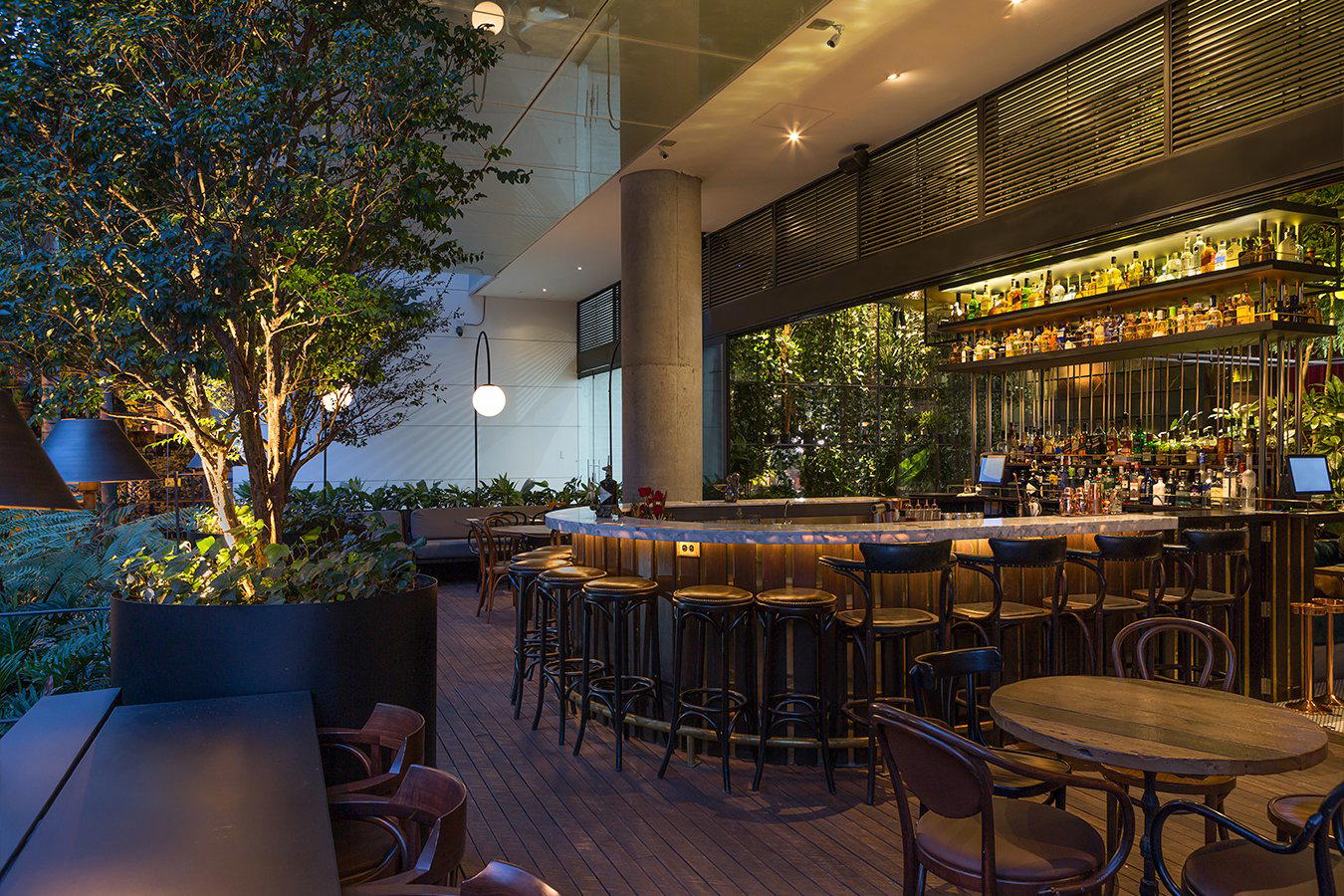
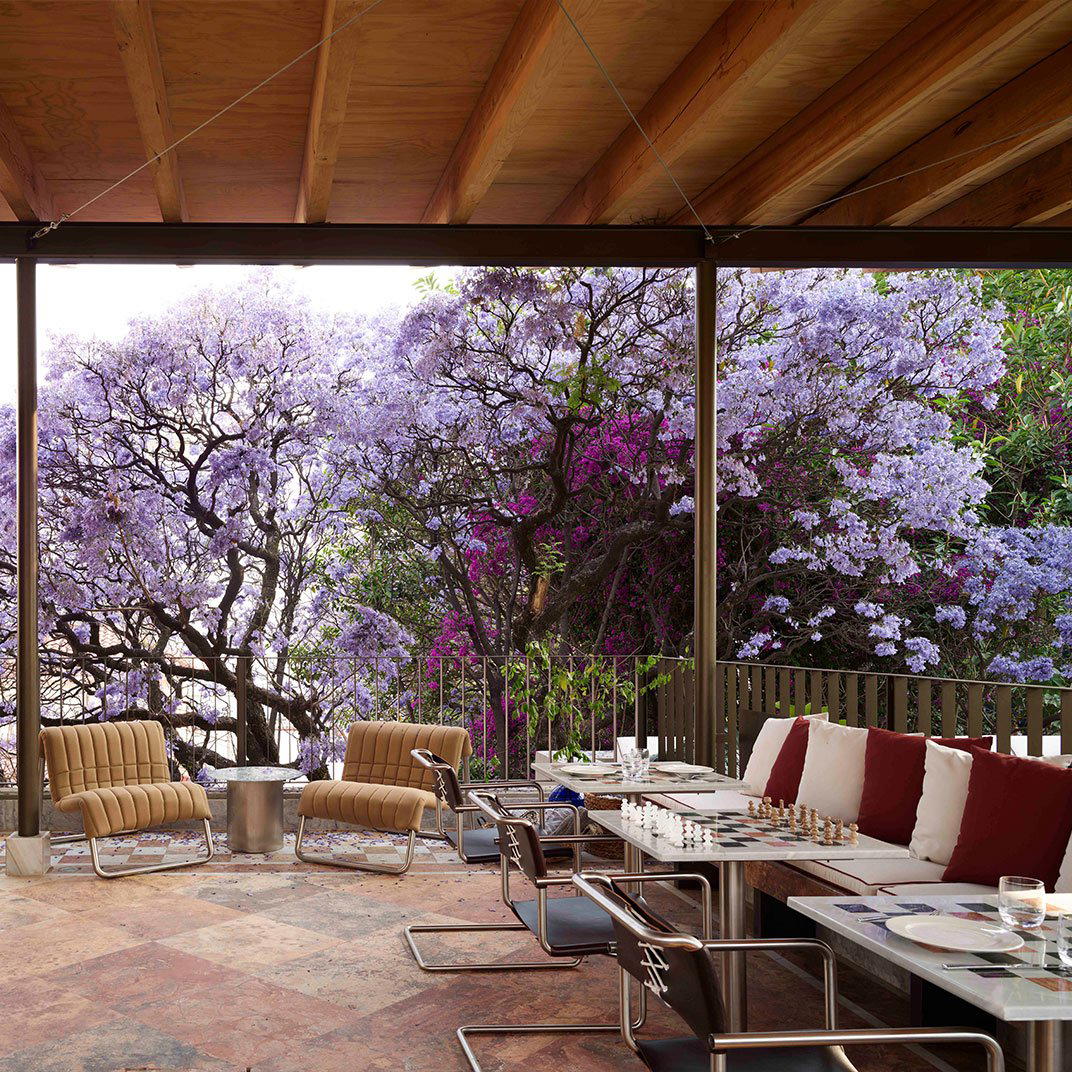
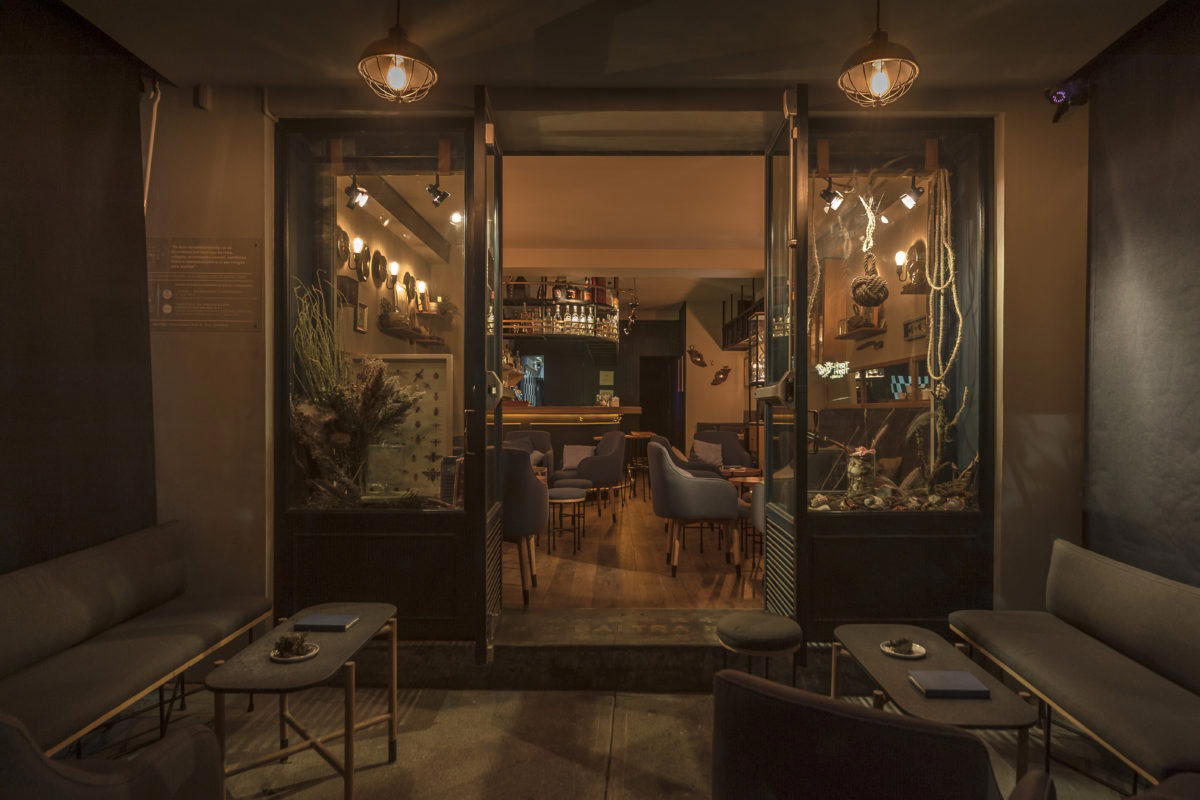
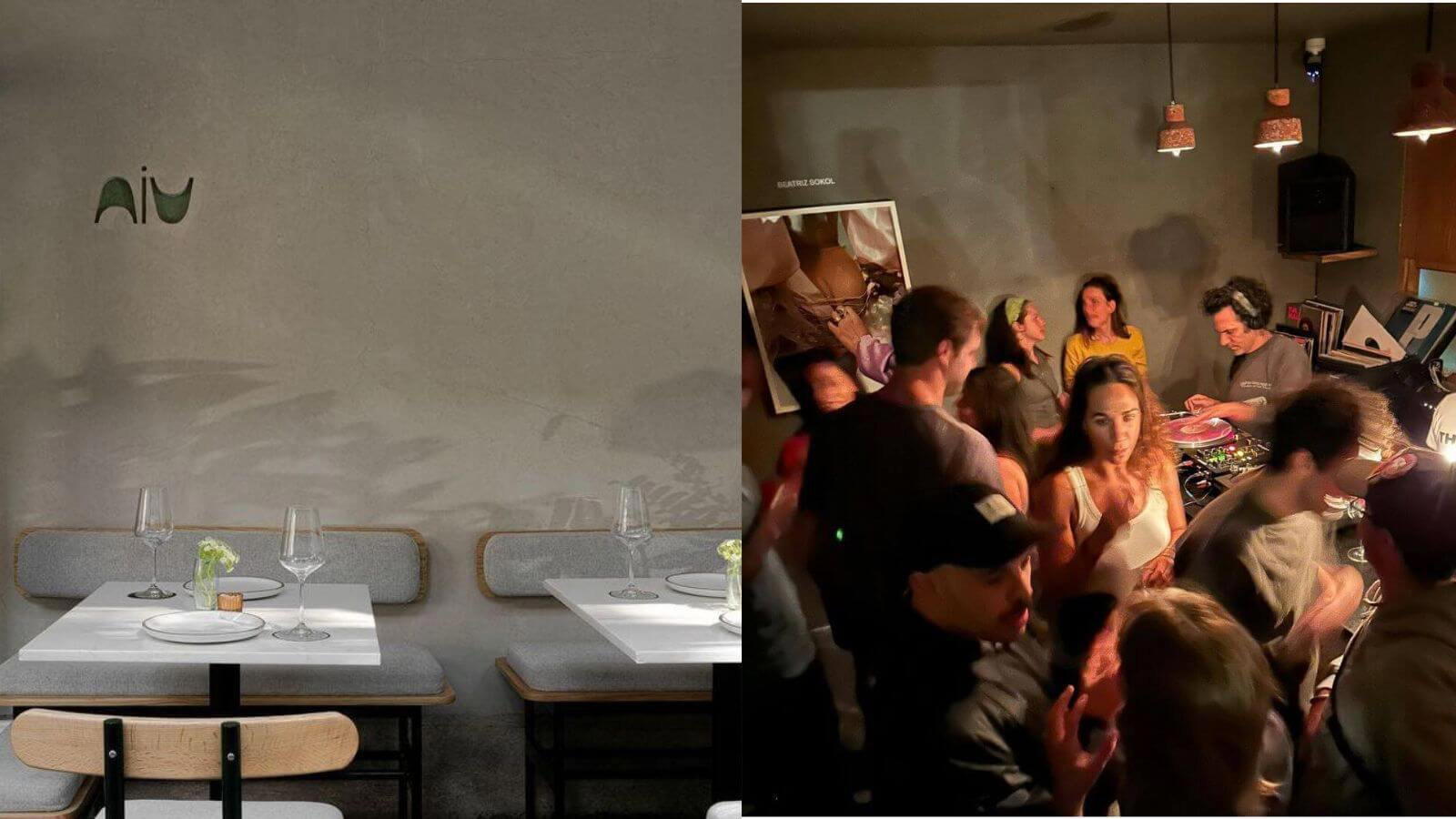
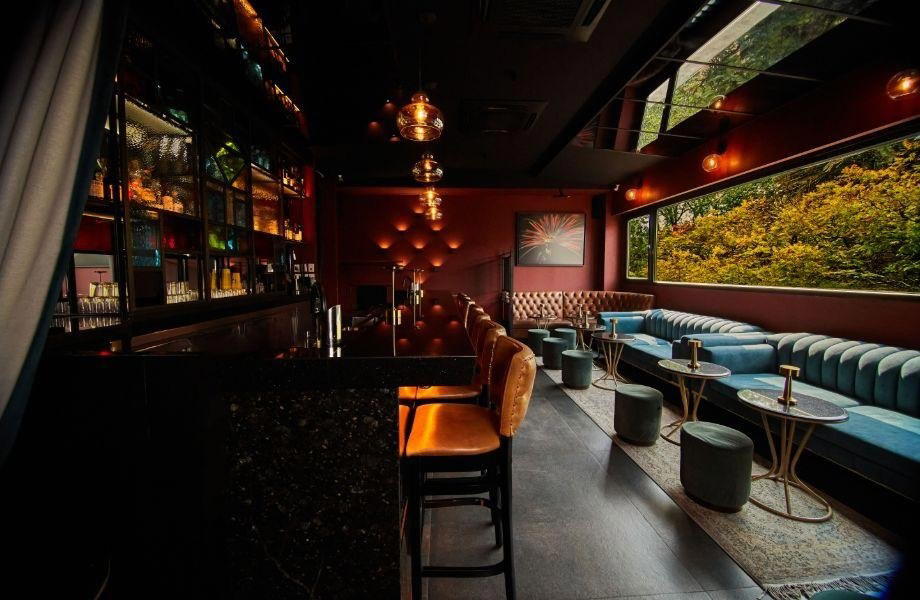
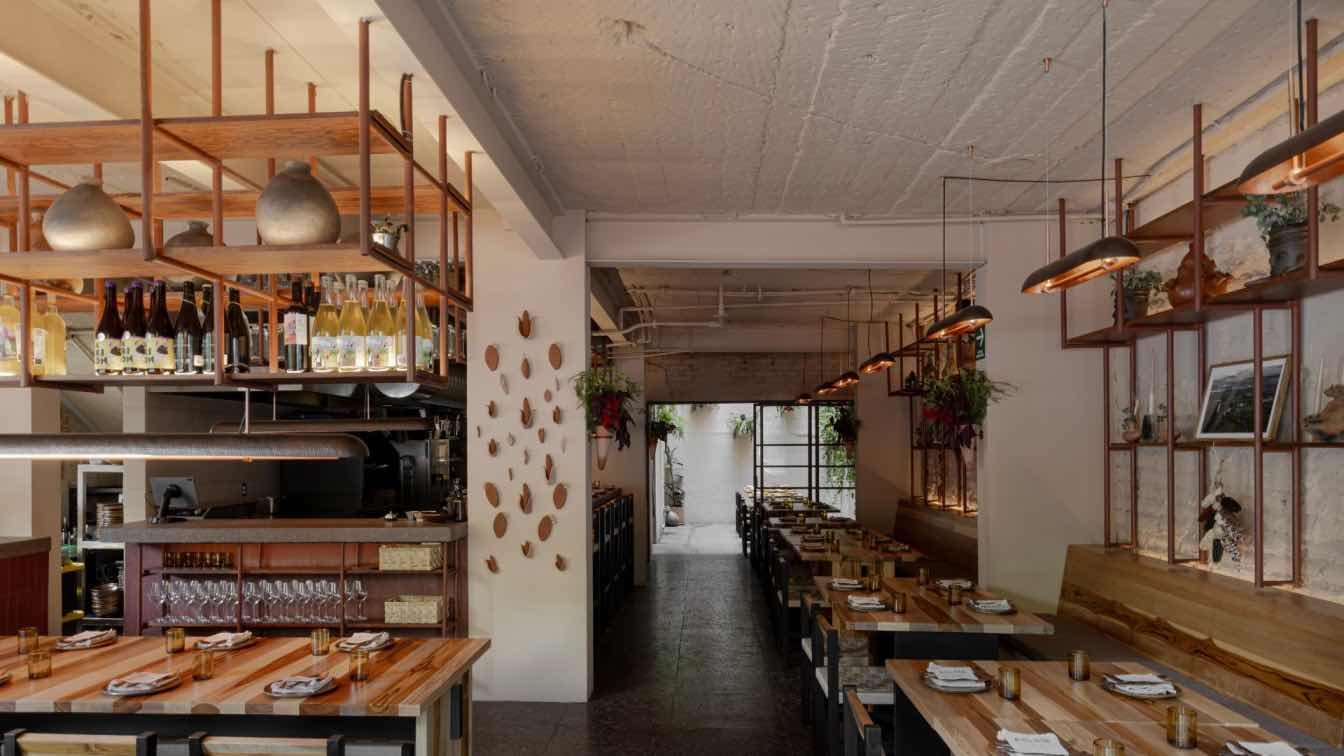
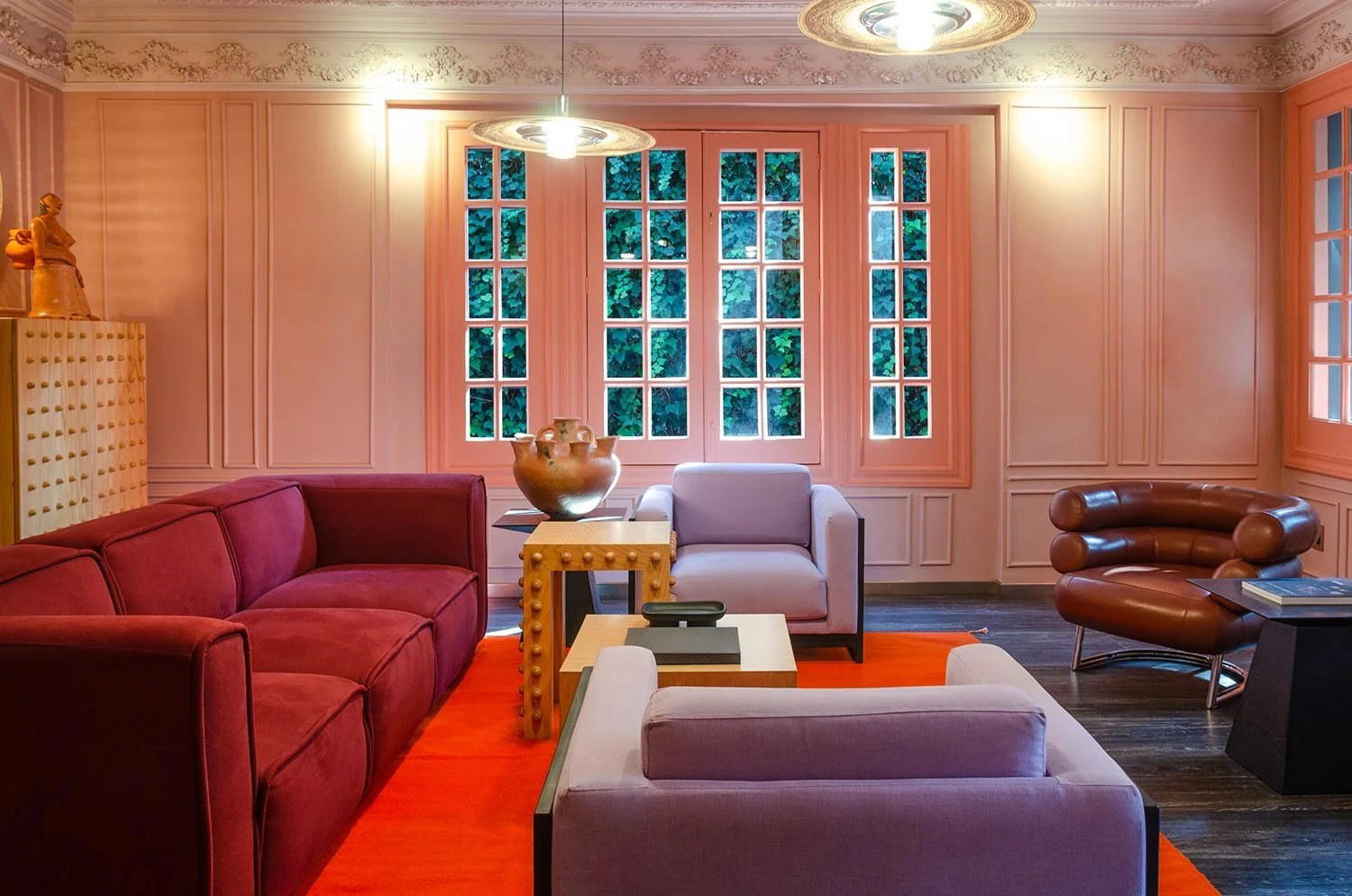
The design register of upper-floor spaces in older Mexico City buildings tends toward exposed materials and architectural inheritance rather than imported hospitality aesthetics. Whether Duke's works with or against that inheritance is a detail reserved for those who make the trip.
Where Duke's Sits in the City's Dining Structure
Mexico City's restaurant taxonomy has grown complex. At one end, Michelin-starred and Latin America's 50 Best-listed addresses set a global reference point. At the other, market stalls and neighbourhood fondas operate on entirely different terms. The middle tier, serious, consistent, neighbourhood-rooted restaurants with their own following, is where the city's dining culture is arguably most alive, and where the case for exploration beyond the obvious list-leaders is strongest.
For context, Rosetta operates in the $$ range and has built a durable reputation on creative cooking without requiring the full destination-dining apparatus. Sud 777 holds a comparable position in the city's creative tier.
The absence of a detailed public record for Duke's is worth reading carefully. In Mexico City's restaurant scene, the spaces that operate most quietly are often those serving a local clientele that has no particular need for international visibility. That's a different value proposition from a destination restaurant, and it's one that rewards the kind of traveller who finds more interest in a neighbourhood-specific place with an authentic local following than in a table that appears on every itinerary. For a fuller map of where Duke's fits among the city's documented leaders, the EP Club Mexico City guide provides the wider context.
The Broader Mexican Restaurant Scene for Reference
Understanding Duke's requires some sense of where Mexican restaurant culture sits in 2024. The country's fine-dining circuit extends well beyond the capital: Animalón in Valle de Guadalupe operates in a wine-country register entirely distinct from urban Mexico City; Le Chique in Puerto Morelos pursues a technically ambitious tasting format; KOLI Cocina de Origen in Monterrey and Alcalde in Guadalajara anchor serious regional programs. Levadura de Olla in Oaxaca works within that city's deep tradition of ingredient-specific cooking. HA' in Playa del Carmen, Arca in Tulum, and Olivea Farm to Table in Ensenada each represent distinct regional directions. Pangea in San Pedro Garza García and Lunario in El Porvenir extend the picture further. Internationally, the kind of neighbourhood-anchored, low-profile seriousness that Duke's appears to represent has parallels in places like Lazy Bear in San Francisco, a venue that built its reputation through community and format before any formal recognition caught up, or the sustained technical commitment of Le Bernardin in New York, where reputation rests on decades of consistency rather than media cycles.
Planning a Visit
The practical information available for Duke's is limited. No phone number, website, hours, or booking method appears in public records, which in itself suggests that reservations and access may operate through informal or local channels. The address, Felipe Carrillo Puerto 95, upper floor, Coyoacán, is the most reliable navigational anchor. Coyoacán is served by the Metro (Viveros and General Anaya stations are the nearest points on Lines 3), and the area is walkable from both. Rideshare services connect easily from Roma Norte or Condesa in under 20 minutes outside peak hours.
Frequently asked questions
What do regulars order at Duke's?
The most direct approach is to ask at the point of booking or on arrival, in a neighbourhood-rooted space of this type, staff familiarity with the regular menu is typically reliable guidance.
How far ahead should I plan for Duke's?
No booking window data is available. Given that Duke's operates in Coyoacán rather than in the high-traffic zones of Polanco or Roma Norte, demand pressure may differ from the weeks-to-months windows at $$$$-tier addresses like Pujol. That said, second-floor neighbourhood spaces with a local following can fill quickly through repeat visitors. Contacting the venue directly before your travel dates is the most reliable strategy.
What makes Duke's worth seeking out?
The case for Duke's rests on what it is not: it sits outside the well-documented circuit of Polanco and Roma Norte destination restaurants, in a borough with a different cultural tempo, on an upper floor that requires a deliberate decision to visit. For a traveller who has already covered the Quintonil and Rosetta tier, a space operating on neighbourhood terms in Coyoacán offers a different kind of meal, one defined less by awards and more by local continuity.
Can Duke's handle vegetarian requests?
No menu or dietary information is available for Duke's in public records. No website or phone number is published. The most reliable course is to raise dietary requirements at the time of making a reservation, which is standard practice across Mexico City's mid-range restaurant tier.
Is Duke's overpriced or worth every penny?
No price data exists for Duke's in the available record, which makes direct comparison with $$-$$$$ tier peers like Rosetta or Em impossible to substantiate. A Coyoacán address, without the real-estate and operational costs of Polanco, typically supports a more moderate price point, but that inference should be confirmed rather than assumed.
Is Duke's better suited to lunch or dinner visits?
In Coyoacán's dining rhythm, lunch tends to be the anchor meal, the borough's market culture and residential character make midday the busier service across many of its restaurants. Whether Duke's follows that pattern or skews toward evening service is a detail leading confirmed before making the trip.
Cost Snapshot
| Venue | Cuisine | Price | Awards | Notes |
|---|---|---|---|---|
| Duke'sThis venue (the venue you are viewing) | British Gastropub | $20–30 | Not listed | Not listed |
| Pujol | Modern Mexican Fine Dining | $200–300 | 2 Michelin Stars · World's 50 Best #60 | Mexican |
| Quintonil | Modern Mexican Fine Dining | $300–500 | 2 Michelin Stars · World's 50 Best #4 | Modern Mexican, Contemporary |
| Rosetta | Mexican-Italian Fusion Fine Dining | $30–50 | 1 Michelin Star · World's 50 Best #96 | Italian, Creative |
| Em | Modern Japanese-Mexican Fusion | $200–300 | 1 Michelin Star · World's 50 Best #71 | Mexican |
| Comedor Jacinta | Traditional Mexican | Not listed | Michelin Bib Gourmand | Mexico, Mexican |
Continue exploring
More in Mexico City
Restaurants in Mexico City
All restaurants in Mexico City →


Details
- Lively
- Cozy
- Classic
- Casual Hangout
- Brunch
- Live Music
- Beer Program
- A La Carte
- Beer Program
Current opening hours
- Monday
- Closed
- Tuesday
- Closed
- Wednesday
- 2–11 PM
- Thursday
- 2 PM–12 AM
- Friday
- 2 PM–12 AM
- Saturday
- 2 PM–12 AM
- Sunday
- 2–11 PM
Hours can change for holidays and private events. Hours as of .
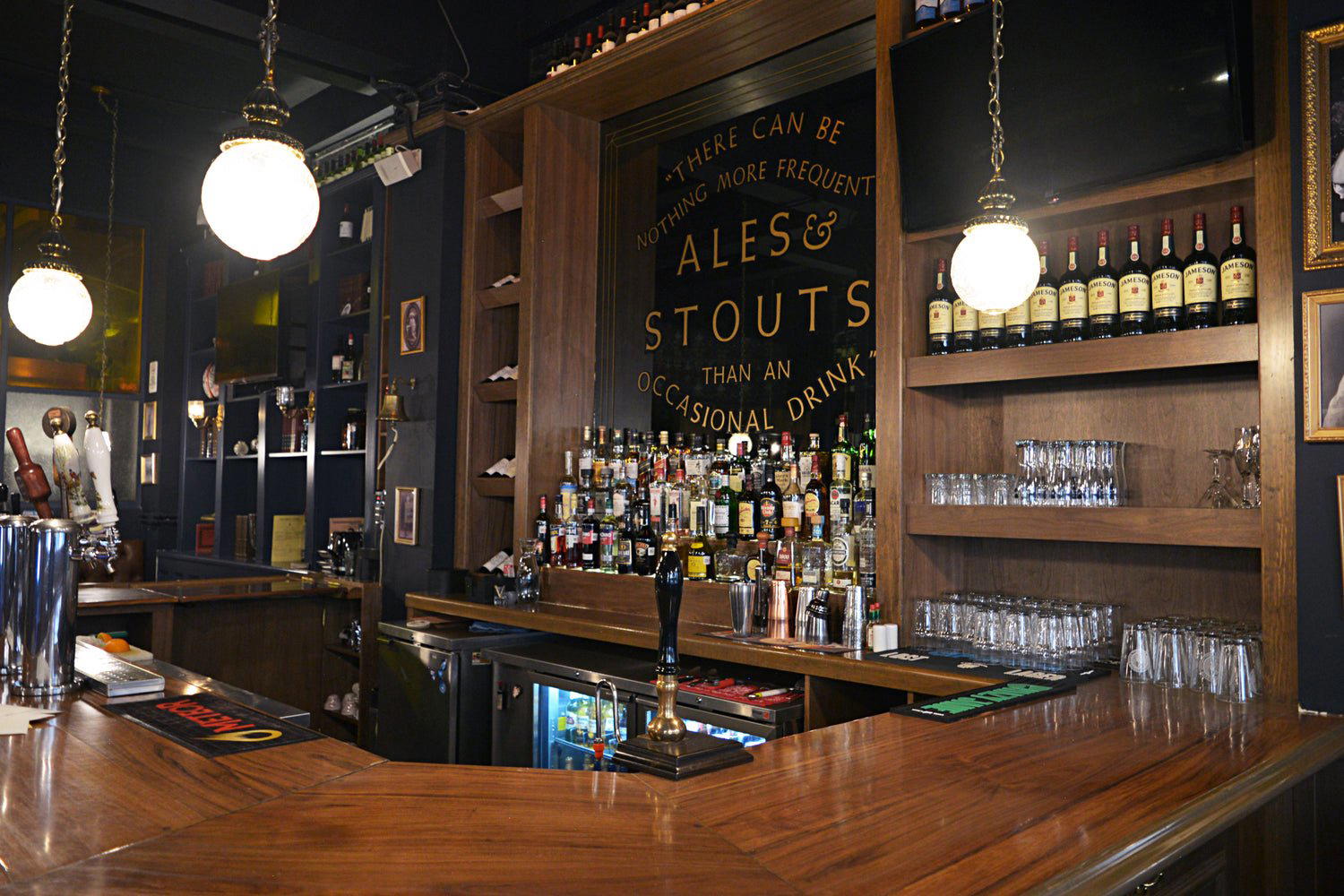
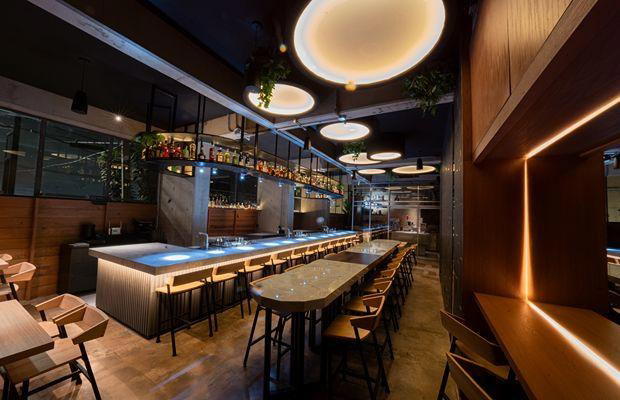
Cozy pub atmosphere mimicking an old London boozer with attentive service and a lively, welcoming vibe.