Duende
Duende anchors Oakland's Uptown district at 468 19th St, drawing on Iberian and Latin culinary traditions in a neighborhood that has become one of the Bay Area's most consequential dining corridors. The room channels the communal spirit of a Spanish taberna, where sharing plates and an assertive wine list define the rhythm of the evening. It sits comfortably within Oakland's broader identity as a city that takes cultural specificity seriously on the plate.
- Address
- 468 19th St, Oakland, CA 94612
- Phone
- +1 510 893 0174
- Website
- duendeoakland.com
- Directions
- Get directions
Uptown Oakland and the Spanish Taberna Tradition
The stretch of 19th Street running through Oakland's Uptown district has accumulated enough serious restaurants over the past decade to constitute a dining corridor. Duende, at 468 19th St, sits inside that corridor and draws on a culinary tradition that travels well to California: the Spanish taberna, built around communal eating, preserved and cured ingredients, and wine poured without ceremony. The format predates modern tasting-menu culture by centuries, and it remains one of the more direct ways to structure a restaurant.
Iberian cuisine has a specific logic that differs from the Italian or French communal-dining templates more common on the American West Coast. The emphasis on jamón, conservas, anchoas, and wood-fired cooking reflects a larder culture, food preserved at its peak and eaten later, often with little additional intervention. That philosophy, when it lands in a city with California's ingredient access, produces something with genuine culinary coherence rather than surface-level borrowing. Oakland's dining culture makes it a fitting home for a project in that tradition.
The Room and the Register
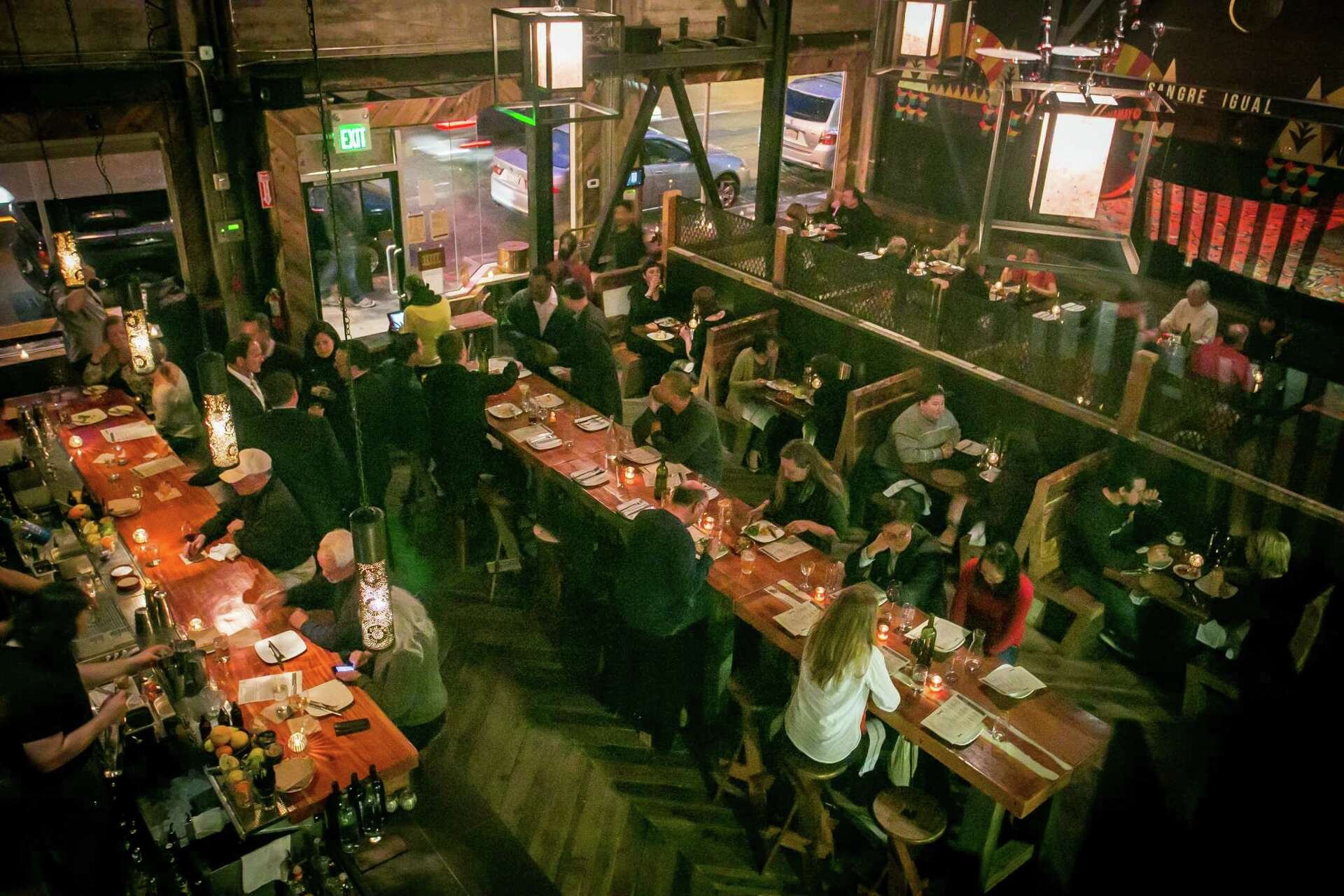
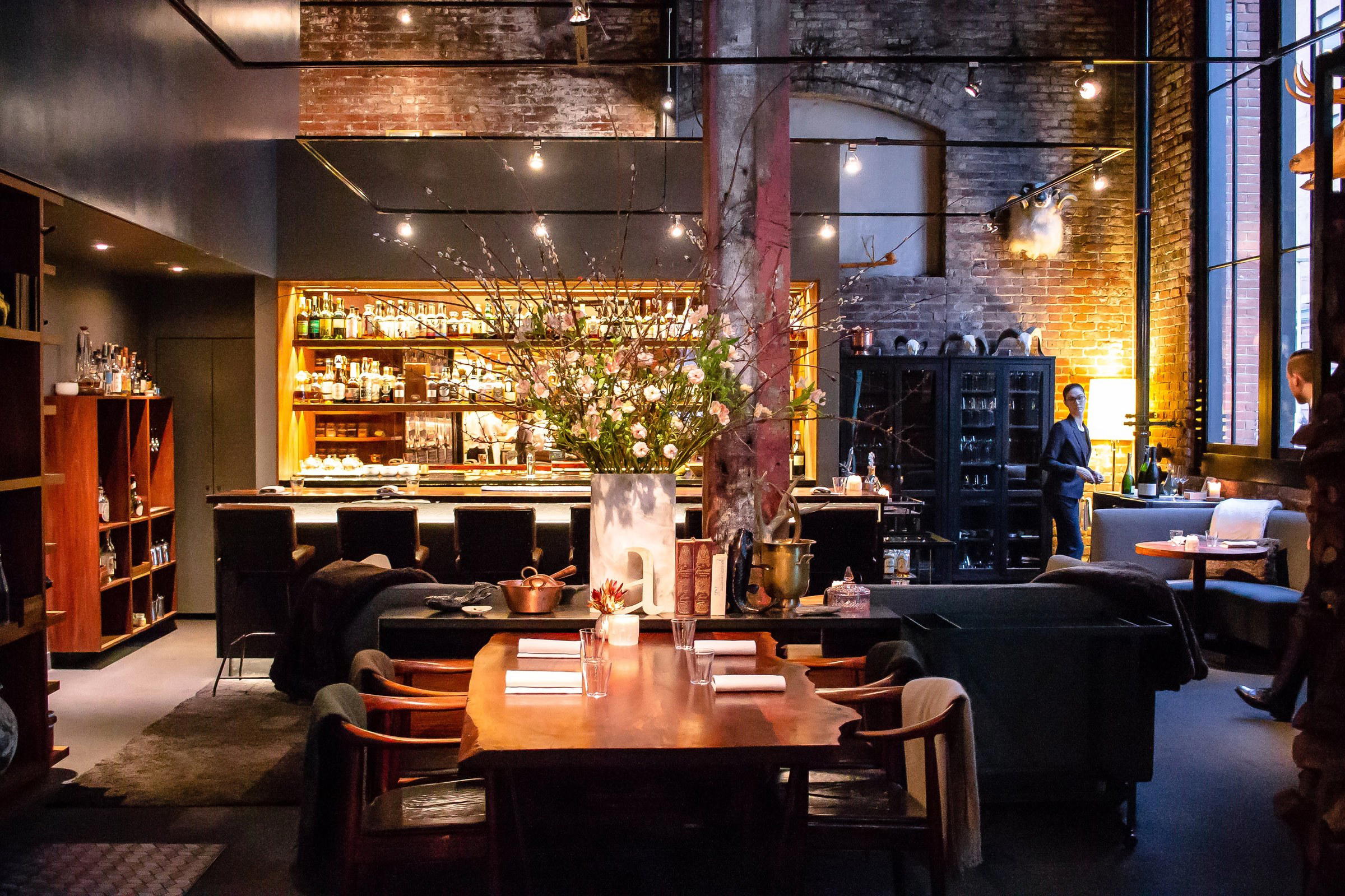
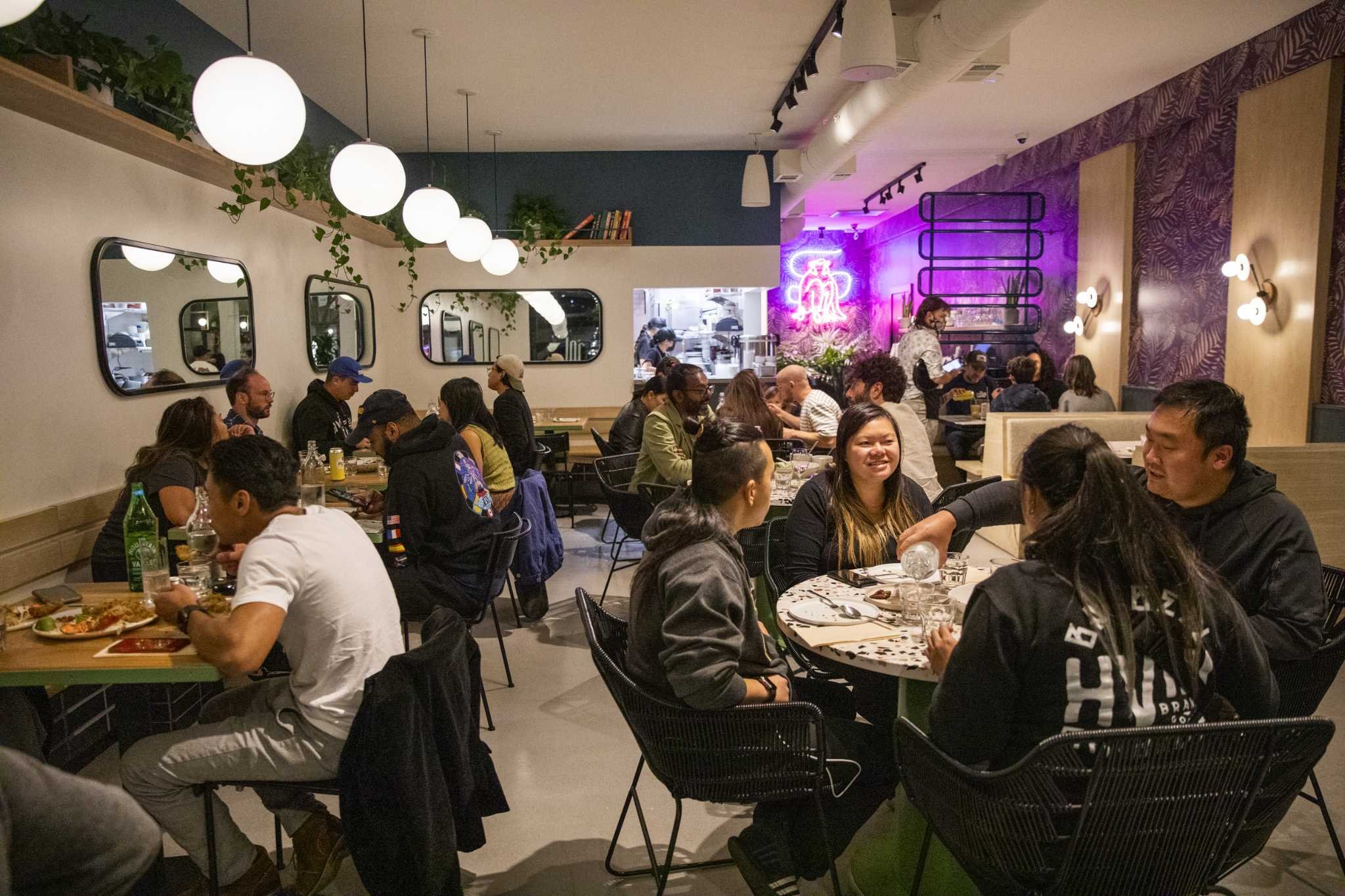
Approaching Duende from 19th Street, the building reads as part of the broader Uptown fabric: a neighborhood that has retained enough grit to keep rents from pricing out the restaurants that give it character. Inside, the spatial vocabulary leans toward warmth over minimalism, materials that absorb sound rather than amplify it, the kind of room designed for conversation across a shared plate rather than quiet reverence. The taberna format requires this. When the social structure of a meal is the point, the architecture needs to support noise, movement, and the easy passage of dishes across a table.
Alongside its dining room, Duende has operated with a programming sensibility that extends into live music and cultural events, connecting the space to Uptown's longer history as an arts district. This places it in a distinct category among Oakland restaurants: venues where the evening is not defined solely by what arrives from the kitchen. For comparable programming ambition in other American cities, you'd look at venues like Emeril's in New Orleans, where the room carries cultural freight beyond the plate, or certain formats at Smyth in Chicago, where the broader dining experience is deliberately constructed. Duende's version is more community hall in spirit.
Where Duende Sits in the Bay Area Conversation
The Bay Area's premium dining tier runs from the controlled-intensity formats of Lazy Bear in San Francisco through the farm-system precision of Single Thread Farm in Healdsburg and the long-established authority of The French Laundry in Napa. Duende operates in a different register, more invested in the kind of eating that fills a table with plates and lets conversation determine the pace. That positioning is a deliberate choice, not a concession, and it reflects how Oakland has consistently differentiated itself from San Francisco's more formalized dining culture.
Within Oakland specifically, the Uptown corridor produces a range of approaches. Agave Uptown anchors Mexican culinary traditions a short distance away, while alaMar Dominican Kitchen represents the city's Caribbean-facing identity. 3 Bottled Fish and 8th St Cafe extend the corridor's range further. Collectively, these restaurants illustrate Oakland's tendency to take cultural specificity as a starting point. Alem's Coffee nearby anchors the neighborhood's daytime identity with similar cultural seriousness.
For readers comparing Oakland's character against other West Coast cities, Providence in Los Angeles and Addison in San Diego illustrate how Southern California's premium tier trends toward French-influenced formality. Oakland, by contrast, has consistently produced restaurants that wear their cultural references more directly, and Duende's Iberian framing fits that pattern.
The Cultural Argument for Spanish-Format Dining in Oakland
The taberna and tapas tradition carries specific social architecture: smaller portions designed to accumulate, a wine and sherry list that functions as a counterpart rather than an afterthought, and a pacing logic that resists the American tendency to move tables quickly. These are features, not limitations. They require a dining room with enough ambient energy to sustain a long evening, and a kitchen confident enough in its larder to let preserved and fermented flavors carry weight alongside cooked dishes.
California's access to Spanish varietals, Garnacha, Tempranillo, Albariño, has improved substantially over the past decade, and the state's own natural wine and import scenes have expanded the available cellar options for restaurants working in this tradition. A venue committed to Iberian food today has more supporting infrastructure than its predecessors did ten years ago. That context matters for understanding what Duende is attempting and why its positioning makes sense in Oakland specifically rather than in a more internationally oriented city like New York, where venues such as Atomix or Le Bernardin operate against a different set of expectations and competitive pressures.
Planning Your Visit
Duende is located at 468 19th St in Oakland's Uptown district, walkable from the 19th Street BART station and accessible from San Francisco in under 30 minutes by rail. The Uptown corridor is most active Thursday through Saturday evenings, when the combination of dining and live programming draws a mixed crowd from across the East Bay. The concentration of restaurants along this stretch means a pre-dinner drink or post-dinner coffee can be handled within a few blocks. Our full Oakland restaurants guide covers the broader Uptown and Grand Avenue corridors in depth. Evenings with live music shift the room's energy and can affect table availability. Reservations are the sensible approach for dinner, particularly on weekends.
For those building a longer California itinerary, Blue Hill at Stone Barns and The Inn at Little Washington represent the far end of the formality spectrum, useful reference points for calibrating how different Duende's register actually is. Closer in format and geography, Atelier Moessmer Norbert Niederkofler in Brunico illustrates how European larder-based cooking with strong regional identity operates at the other end of the precision scale.
Price Lens
Comparable venues nearby, for context on price, style, and recognition.
| Venue | Cuisine | Price | Notes |
|---|---|---|---|
| DuendeThis venue — the venue you are viewing | Downtown, Modern Spanish Tapas | $$$ | Not listed |
| Agave Uptown | Downtown, Authentic Oaxacan | $$$ | Not listed |
| Shinmai | Not listed | $$$ | San Pablo Gateway, Modern Japanese Izakaya |
| Yoshi's | Not listed | $$$ | Ironworks District, Modern Japanese Sushi & Jazz |
| Venga Paella | West Oakland, Authentic Spanish Paella | $$ | Not listed |
| Jaji | Northgate, Modern Afghan | $$$ | Not listed |
Continue exploring
More in Oakland
Restaurants in Oakland
Browse all →
Bars in Oakland
Browse all →
Hotels in Oakland
Browse all →

At a Glance
- Lively
- Trendy
- Energetic
- Intimate
- Date Night
- Group Dining
- Casual Hangout
- Live Music
- Open Kitchen
- Extensive Wine List
- Craft Cocktails
- Local Sourcing
Darkly lit with a lively lounge atmosphere enhanced by music on the mezzanine.