Dröppelminna

Michelin Plate
Our verdict
Dröppelminna holds a Michelin Plate (2024) and sits at the €€€ tier in Herrenstrunden, a quiet district of Bergisch Gladbach that rarely appears on German dining itineraries. It represents the kind of serious German kitchen that anchors a regional scene rather than chasing metropolitan recognition. A focused stop for travellers willing to move beyond Cologne's dining orbit.

Pearl is the En Primeur Club membership app, where members save venues, book tables and use the concierge.
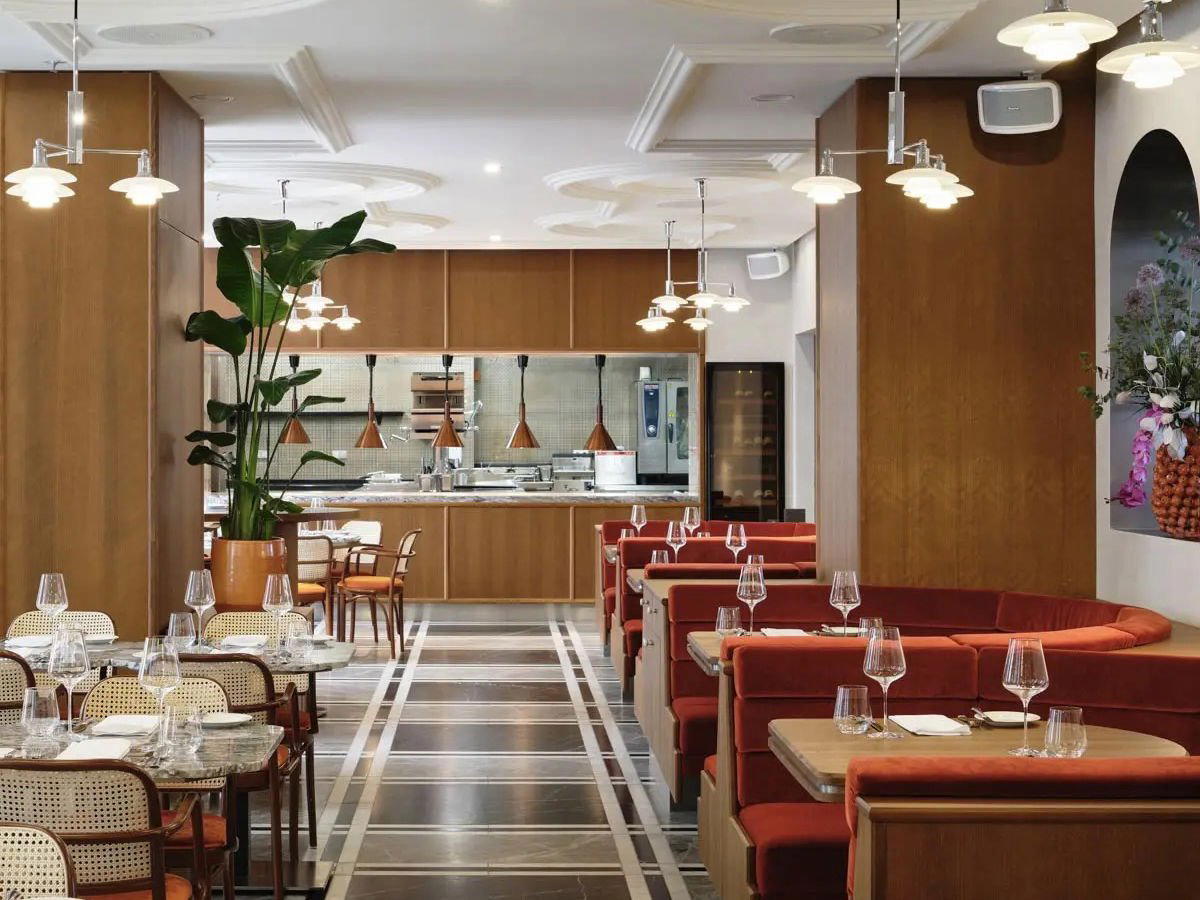
The menu
What to order
- Bouillabaisse
- Guinea Fowl
- Rillettes
- Überraschungsmenü
- Valentinsmenü
German Cooking Rooted in Place
The Bergisches Land region of North Rhine-Westphalia has long operated at a remove from Germany's headline dining cities. Cologne sits roughly 25 kilometres to the west, Düsseldorf to the north, yet Bergisch Gladbach has quietly developed a restaurant culture that rewards the detour. The town's dining scene spans a narrow but serious range: from the two-Michelin-starred Vendôme, which sits at the apex of the area's ambitions, to more grounded addresses working within traditional German frameworks. Dröppelminna belongs to that second tier, and it is arguably the more instructive place to understand what the region actually eats.
The name itself is a local cultural signal. A Dröppelminna is the distinctive tall coffee pot traditional to the Bergisches Land, used to serve the region's Sunday coffee table, a ritual spread of waffles, quark, and preserves that defines hospitality here in a way no other German sub-region quite replicates. Naming a restaurant after that object is a commitment to legibility: this kitchen intends to be read as local, not cosmopolitan.
What the Michelin Plate Means in This Context
Michelin awarded Dröppelminna a Plate recognition in 2024, a designation that signals consistently good cooking worth knowing about rather than the kind of technical ambition that earns stars. In Germany's Michelin geography, Plate restaurants occupy a large and important middle band: they sit above the undifferentiated mass of competent neighbourhood restaurants but below the pressure-cooker intensity of starred kitchens. For the traveller who finds multi-course tasting menus an obstacle rather than a draw, a Plate restaurant at the €€€ price tier often delivers the most satisfying encounter with a region's culinary character.
Bergisch Gladbach has three Michelin-recognised addresses worth cross-referencing: Vendôme at the starred level, Diepeschrather Mühle in the German fine dining register, and Dröppelminna holding the Plate. Together they form a coherent map of what serious eating looks like in a mid-sized German town without a tourist infrastructure built around food. That absence of tourism pressure tends to keep standards honest.
The Bergisches Land Table and Its Traditions
German regional cooking rarely travels well in its authentic form. The Bergisches Land tradition in particular sits apart from the more exportable tropes of Bavarian or Rhenish cuisine. Its identity is bound up in the Bergische Kaffeetafel, a communal afternoon spread that turns coffee into a social occasion with a fixed cast of accompaniments: yeast waffles, sweet and sour cherry jam, rice pudding, and Schwarzbrot alongside cold cuts. It is a cuisine of ritual more than spectacle, and restaurants that draw on it must balance nostalgia against the expectations of guests accustomed to contemporary plating.
That tension between tradition and present-tense cooking runs through serious German restaurants across the country. Addresses like Schwarzwaldstube in Baiersbronn or Schanz in Piesport resolve it by rooting technique in regional produce while abandoning any obligation to museum-piece presentation. Dröppelminna's Michelin recognition suggests a similar orientation: credible enough to earn Plate status but operating within a vernacular framework that keeps it distinct from the modernist German cooking found at, say, JAN in Munich or CODA Dessert Dining in Berlin.
Bergisch Gladbach in the Wider German Dining Map
Germany's food press tends to concentrate on Berlin, Munich, Hamburg, and the handful of destination villages with starred clusters. Bergisch Gladbach gets little national coverage despite holding addresses that would attract attention in a more media-visible location. For comparison, Restaurant Haerlin in Hamburg and Aqua in Wolfsburg operate in cities where food tourism infrastructure amplifies their reach.
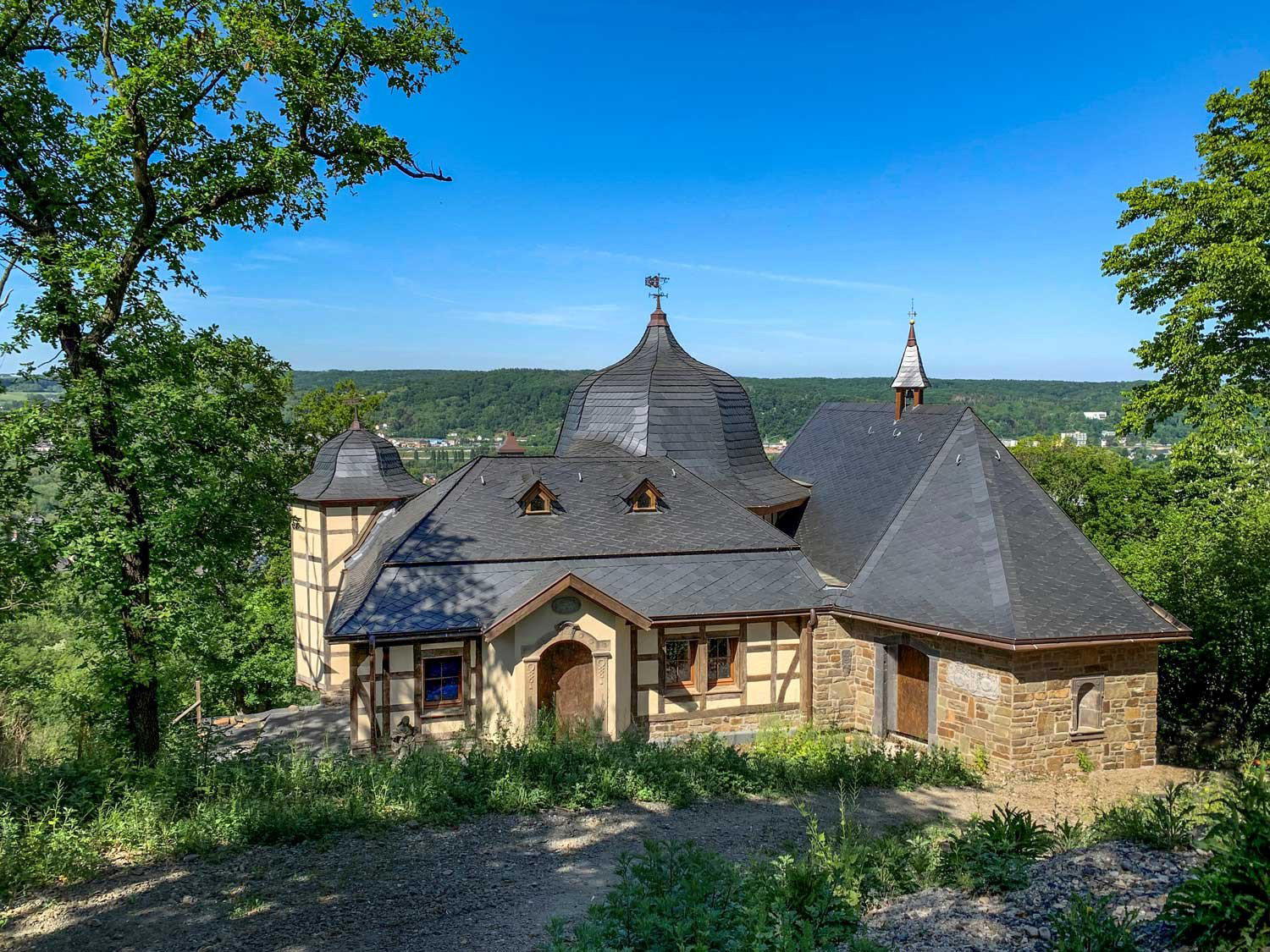
The address at Herrenstrunden 3 places it in a residential district of Bergisch Gladbach rather than the town centre, a location choice that itself communicates something about the restaurant's self-understanding. This is a kitchen for the community it sits in, not a destination built to intercept passing trade. That positioning aligns it with a particular strand of serious German cooking: the neighbourhood institution that earns recognition through consistency over decades rather than through chef-driven media moments.
For travellers approaching from the Cologne side, Restaurant Schote offers another data point in the Bergisch Gladbach picture, occupying the German Modern register at the same €€€ price tier. The two restaurants together suggest that Bergisch Gladbach's mid-range serious dining has developed its own internal coherence, separate from Cologne's more competitive and internationally-oriented scene.
German Cooking Beyond the Region
The question of what German cuisine means outside Germany is worth holding in mind when assessing Dröppelminna's place in a broader dining culture. Sühring in Bangkok has shown that classical German technique and regional product knowledge can translate into a high-recognition format for international audiences. Victor's Fine Dining by Christian Bau in Perl and ES:SENZ in Grassau represent the domestic version of that ambition. Dröppelminna occupies a different position entirely: a grounded regional address where the cultural roots of Bergisches Land cooking matter more than international legibility.
That is not a lesser ambition. It is a different one, and for the reader who wants to understand what German food actually tastes like in the towns where it evolved, a Plate-level restaurant with this kind of local identity often delivers more than a starred kitchen where regional character has been refined out in pursuit of technical precision.
Planning a Visit
Dröppelminna sits at Herrenstrunden 3, 51465 Bergisch Gladbach, in a district that requires planning rather than impulse. Arriving by car from Cologne takes around 30 minutes depending on traffic; the address is not readily served by public transport connections that would make an evening visit direct without a vehicle. The €€€ price bracket places it in the same tier as Restaurant Schote locally, and broadly comparable to mid-range serious restaurants in Cologne, though without Cologne's dense competition for tables. Booking in advance is advisable given the local following the 375-review base implies. For those building a longer Bergisch Gladbach stay, our full hotels guide, bars guide, wineries guide, and experiences guide cover the surrounding options. The full Bergisch Gladbach restaurants guide maps the complete dining picture for the area. CARLS Brasserie an der Elbphilharmonie in Hamburg offers a useful reference point for what a more brasserie-style German address looks like at a comparable price level, if contrast is useful context for the decision.
Frequently asked questions
What's the pricing like at Dröppelminna?
Pricing at Dröppelminna is listed as €€€.
Where is Dröppelminna located?
Dröppelminna is located at Herrenstrunden 3, 51465 Bergisch Gladbach, Germany, Bergisch Gladbach.
Booking and Cost Snapshot
Comparable venues nearby, for context on price, style, and recognition.
| Venue | Cuisine | Price | Awards | Notes |
|---|---|---|---|---|
| DröppelminnaThis venue (the venue you are viewing) | Fine French Cuisine | $50–100 | Michelin Plate | Not listed |
| Restaurant Schote | Modern German Fine Dining | $150–200 | 1 Michelin Star · Relais Chateaux Award | Bergisch Gladbach, Modern German Fine Dining |
| Marcolino | Sardinian Italian Seafood | $30–50 | Not listed | Innenstadt, Sardinian Italian Seafood |
| Gourmetrestaurant Lerbach (formerly Dieter Muller) | Dining | Not listed | Not listed | Not listed |
| Meating Point | Premium Steakhouse | $50–100 | Not listed | Bensberg, Premium Steakhouse |
| La Posada - Bergisch Gladbach | Argentine Steakhouse | $30–50 | Not listed | Stadtzentrum, Argentine Steakhouse |
Recognition history
Dated appearances from independent guides and award organizations, with the underlying list record or original source where available.
Michelin Plate
Michelin
Continue exploring
More in Bergisch Gladbach
Restaurants in Bergisch Gladbach
All restaurants in Bergisch Gladbach →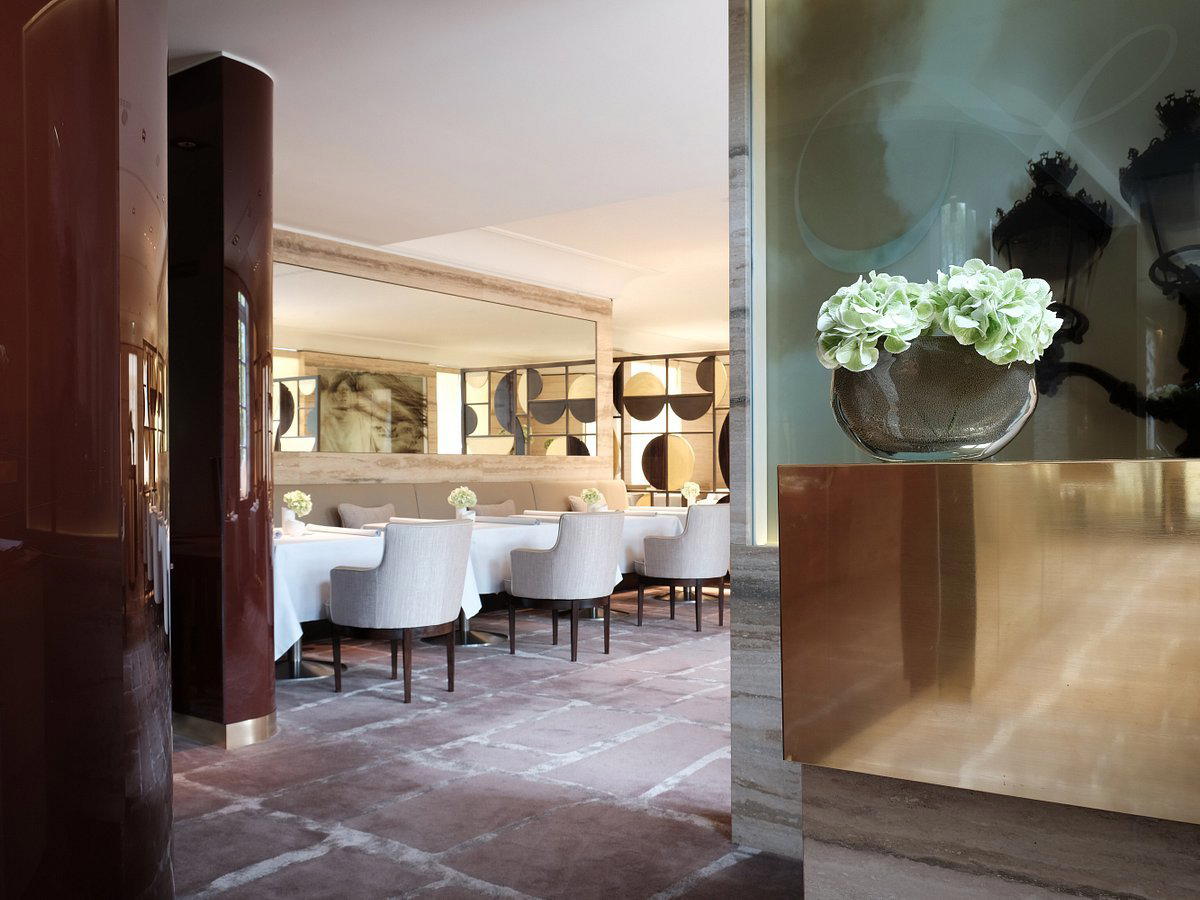
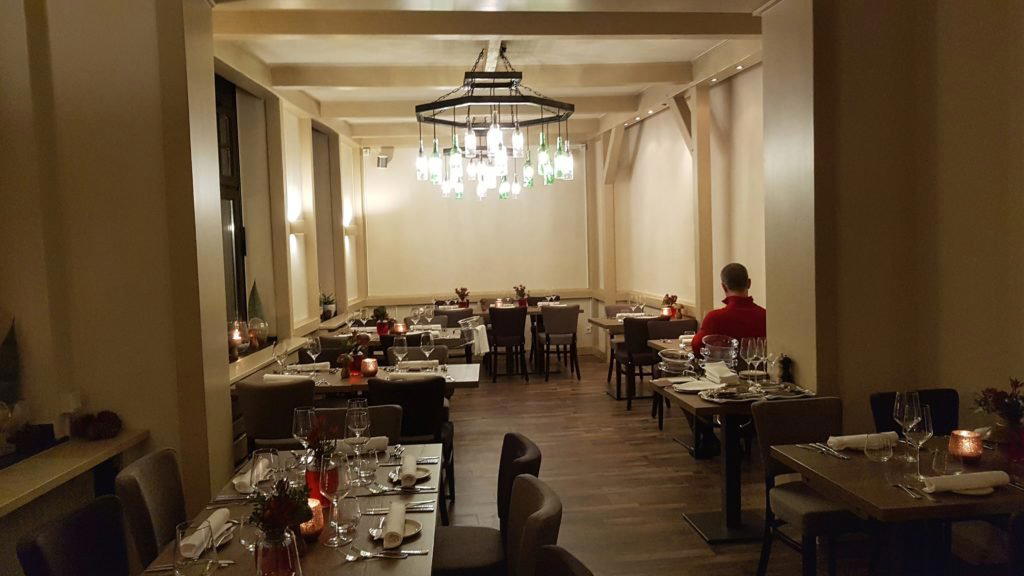
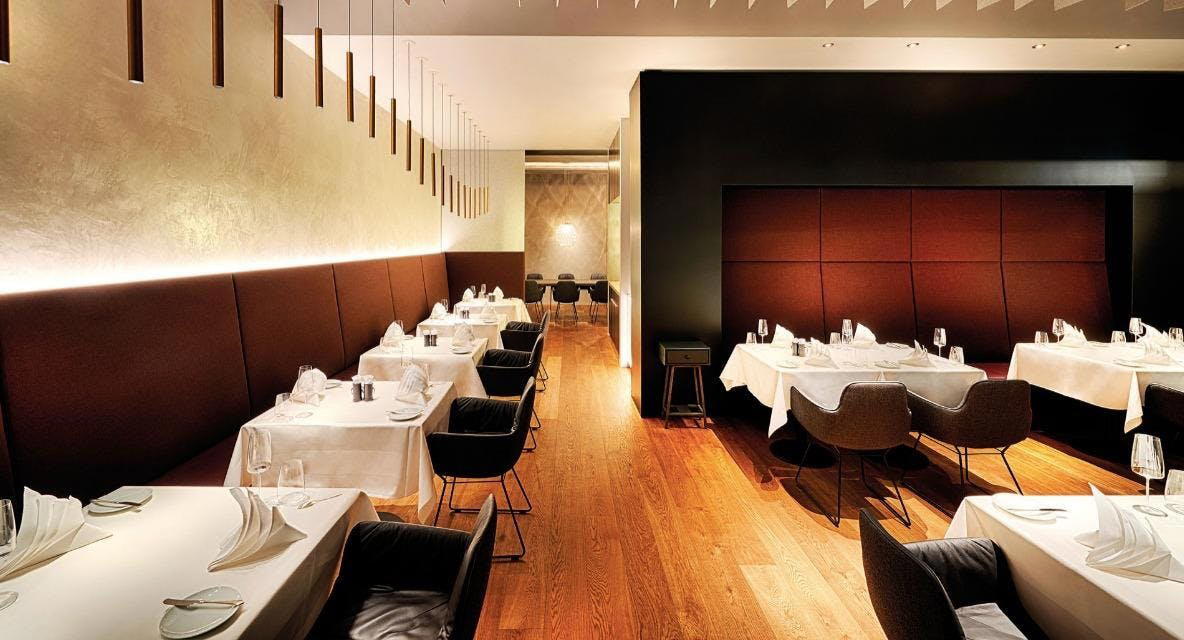
Bars in Bergisch Gladbach
Browse all →

Details
- Cozy
- Rustic
- Romantic
- Elegant
- Intimate
- Classic
- Date Night
- Special Occasion
- Celebration
- Open Kitchen
- Historic Building
- Standalone
- Terrace
- Extensive Wine List
- Sommelier Led
- A La Carte
- Set Menu
- Wine
- Alsace Wines
- Vegetarian Friendly
- Gluten Free Options
Current opening hours
- Monday
- Closed
- Tuesday
- Closed
- Wednesday
- Closed
- Thursday
- 3 PM–12 AM
- Friday
- 3 PM–12 AM
- Saturday
- 3 PM–12 AM
- Sunday
- 12–4 PM, 6–11 PM
Hours can change for holidays and private events. Hours as of .
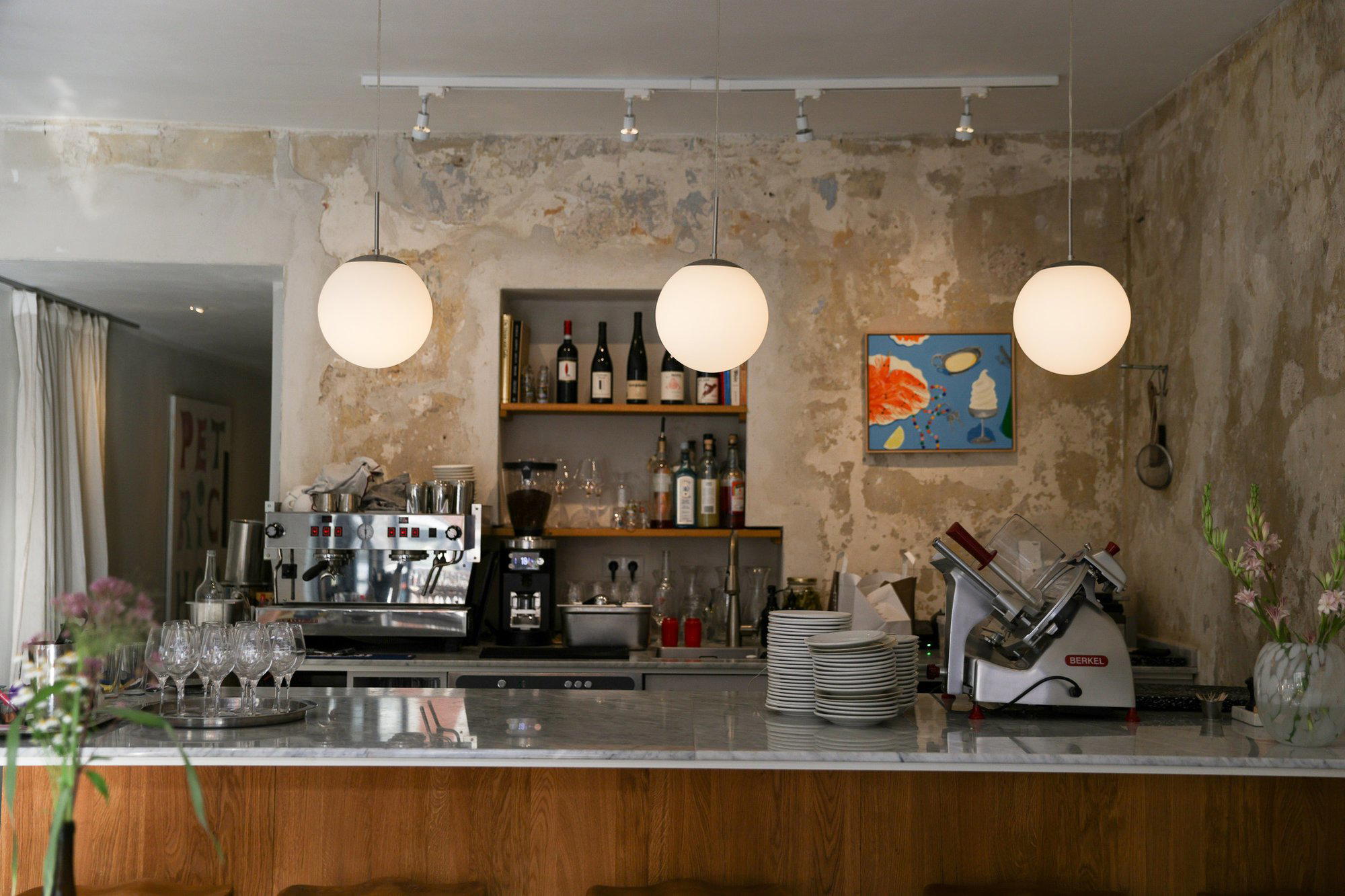
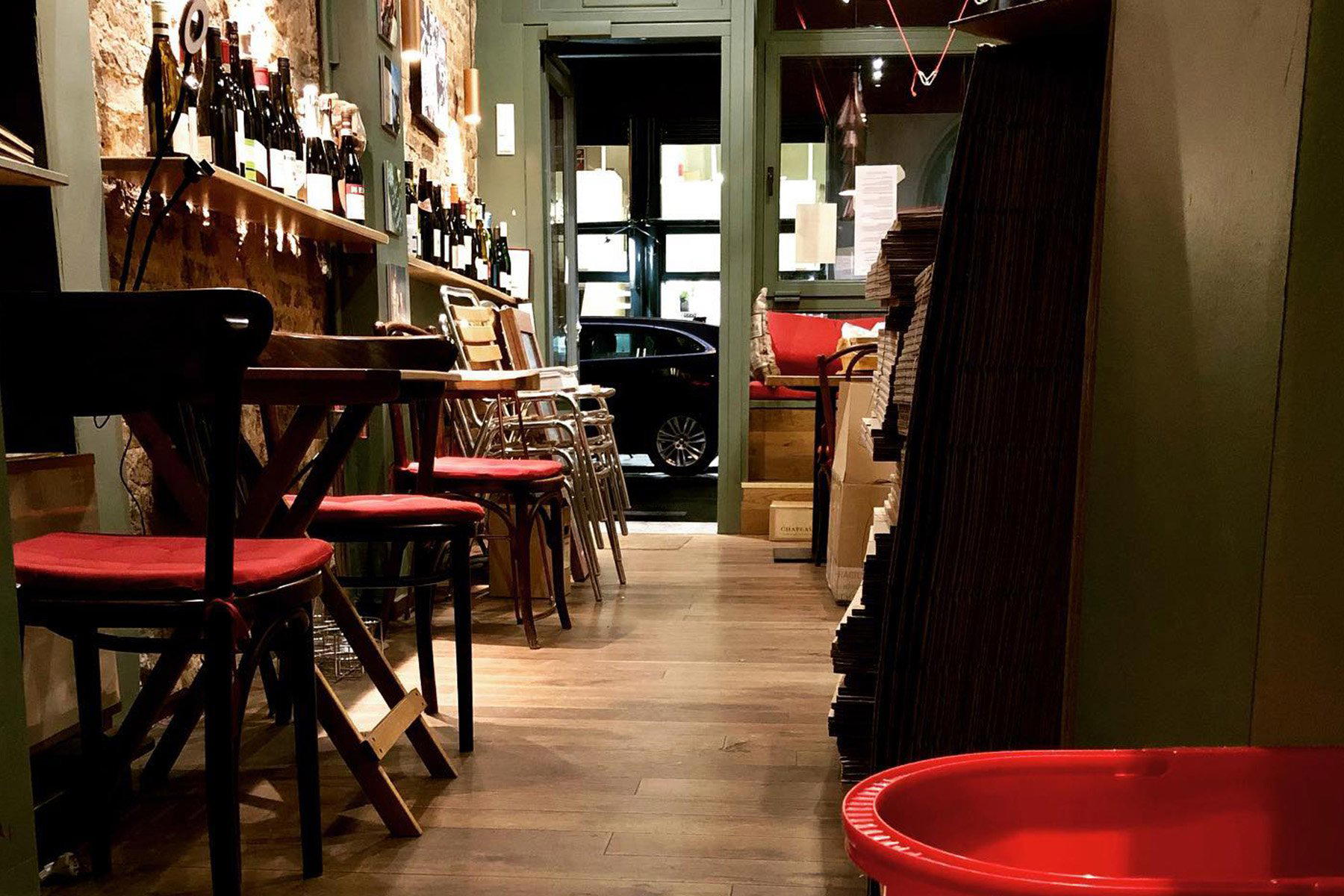
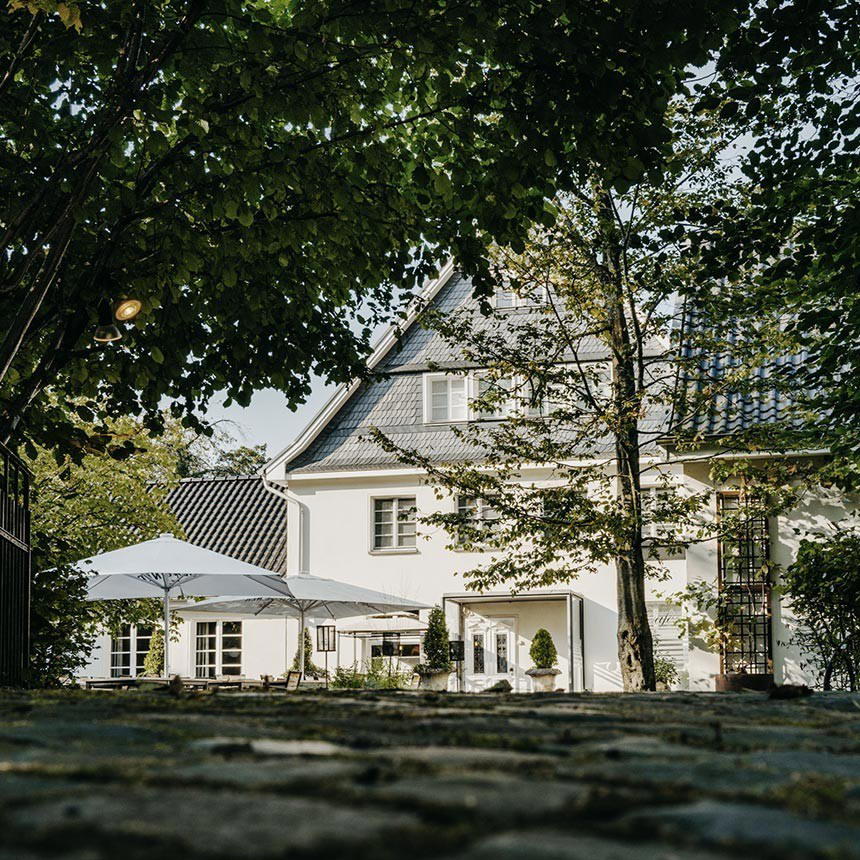
Rustic and cosy with charming antique décor, ornamental pieces, and a tiled stove creating a warm, intimate atmosphere; open kitchen visible to diners.