Dragon Horse
Dragon Horse occupies a SoMa address that places it squarely inside San Francisco's most ambitious dining corridor. The address on Folsom Street puts it within range of the city's top tasting-menu scene, where progressive technique and California ingredients define the competitive set. Specific menu and format details are limited, making a direct inquiry a reliable first step for planning.
Pearl is the En Primeur Club membership app — saves, bookings, and concierge access live there. Same editors, same standards.
- Address
- 917 Folsom St, San Francisco, CA 94107
- Phone
- +14153244742
- Website
- dragonhorsesf.com
- Directions
- Get directions
 Saves & bookings on Pearl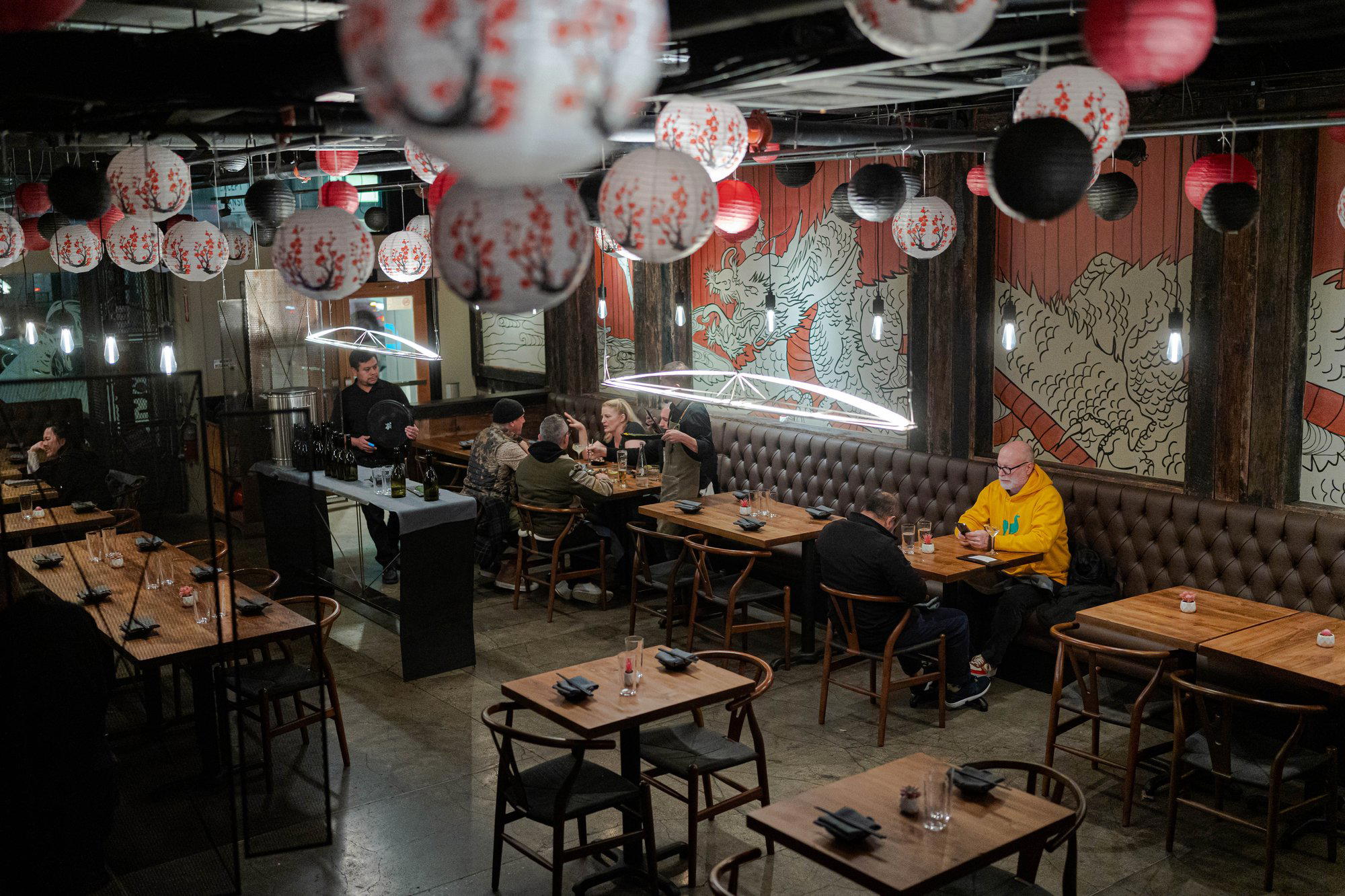
SoMa's Tasting-Menu Tier and Where Dragon Horse Sits
San Francisco's SoMa district has spent the past decade consolidating a reputation as the city's most adventurous dining zone, the kind of neighborhood where a restaurant's address on Folsom Street signals something about its ambitions before the menu arrives. The corridor running between Rincon Hill and the Tenderloin boundary now hosts a range of progressive formats, from fire-centric Californian kitchens like Saison to the French-inflected poetic tasting menus at Atelier Crenn. Dragon Horse, at 917 Folsom St, places itself inside that broader movement. What the name suggests, and what the address confirms, is a Japanese izakaya and sushi restaurant operating in a city where ambitious dining is closely watched.
San Francisco's premium dining scene is structured in a way that makes entry-level ambiguity nearly impossible. If a restaurant opens in this corridor, it is pricing and programming against Benu, Quince, and Lazy Bear, all of which have defined what a serious San Francisco meal looks like: California sourcing, precise technique, and a sequenced progression of courses where each plate is considered for what it does to the plate that follows. Dragon Horse serves Japanese izakaya and sushi, with reservations recommended and an approximate price of about $40 per person.
The Architecture of a Progressive Meal in San Francisco
In cities where tasting-menu culture has matured, the meal's narrative arc matters as much as any individual course. San Francisco arrived at this consensus later than Tokyo or Paris, but with a California-specific vocabulary: acid-forward compositions, coastal seafood, produce from the Central Valley and Sonoma farms, and fermentation techniques borrowed from Korean and Japanese traditions and applied to local ingredients. The sequence of a serious San Francisco meal tends to open with lighter, more acidic preparations, move through richer animal proteins mid-course, and close with composed desserts that restrain sweetness in favor of complexity.
That architecture is visible across the city's top tier. At Benu, Corey Lee's French-Chinese synthesis moves through a long sequence of small courses that reference Korean and Chinese culinary codes while operating within classical French structure. At Lazy Bear, the progression leans more communal, with a format closer to a dinner party than a formal tasting. The restaurant, located in the same city and subject to the same audience expectations, would be read against these reference points by any diner arriving with experience of San Francisco's premium dining room.
Nationally, the conversation around multi-course sequencing has been shaped by The French Laundry in Napa, which established the American tasting-menu template that later venues either followed or consciously departed from. Comparable frameworks in other cities, including Smyth in Chicago and Atomix in New York, demonstrate how the format has diversified: each now applies a specific cultural or agricultural lens to the same basic structure of progression, pacing, and surprise. What San Francisco adds to that national picture is proximity to some of North America's most varied agricultural regions, a fact that shapes what any serious kitchen on Folsom Street can realistically put on a plate in a given season.
Seasonal Considerations and Timing a Visit
San Francisco's restaurant season does not follow the rhythm of cities with hard winters. Dungeness crab arrives in late November and runs through spring, defining a significant portion of the city's seafood programming through that period. Citrus peaks in winter, stone fruit in summer, and the fall harvest from Sonoma and Napa valleys brings mushrooms, squash, and the kind of late-season produce that kitchen teams across the city plan around months in advance. Any visit to the restaurant should be timed against what that seasonal calendar makes available.
For comparison, Single Thread Farm in Healdsburg structures its entire program around a farm-to-table calendar that changes course by course across the year. Blue Hill at Stone Barns in Tarrytown does something structurally similar on the East Coast. The principle, that a tasting menu's quality is inseparable from the agricultural moment in which it is served, is now a baseline expectation for serious diners across the country, and San Francisco kitchens are as well-positioned as any to meet it.
San Francisco's Broader Premium Dining Context
A visit to the restaurant fits most naturally into a broader San Francisco dining itinerary that spans the city's varied premium registers. The city's top tier now encompasses French-inflected modernism at Atelier Crenn, Italian-Californian synthesis at Quince, and the fire-forward Californian identity of Saison. Nationally, San Francisco sits in a peer group that includes Providence in Los Angeles, Addison in San Diego, and Le Bernardin in New York, each of which represents a city's highest expression of a particular culinary tradition. Internationally, the format comparison extends to venues like Atelier Moessmer Norbert Niederkofler in Brunico, where hyper-regional sourcing meets a strict progression logic. For a full picture of the city's dining options, see our full San Francisco restaurants guide.
Planning a Visit
The restaurant is located at 917 Folsom St, San Francisco, CA 94107, in the SoMa district. Reservations are recommended, and the restaurant is open Mon through Thu 5 to 11 PM, Fri and Sat 5 PM to 12 AM, and Sun 5 to 10 PM. Reservations are recommended. Dress is casual. Budget: about $40 per person. Getting there: 917 Folsom St in SoMa is near public transit and accessible by rideshare.
Comparable Spots
Comparable venues nearby, for context on price, style, and recognition.
| Venue | Cuisine | Price | Notes |
|---|---|---|---|
| Dragon HorseThis venue — the venue you are viewing | Japanese Izakaya & Sushi | $$ | Not listed |
| Men Oh Tokushima Ramen | Authentic Tokushima Ramen | $$ | :none |
| Shabu House | Japanese Shabu Shabu Hot Pot | $$ | Outer Richmond |
| Miyabi Sushi 2 Go | Japanese Sushi | $$ | North Beach |
| iza | Authentic Japanese Ramen | $$ | Lower Haight |
| Tenmatsu | Japanese Bento & Donburi Takeout | $ | Financial District/South Beach |
Continue exploring
More in San Francisco
Restaurants in San Francisco
Browse all →
Bars in San Francisco
Browse all →
Hotels in San Francisco
Browse all →
At a Glance
- Lively
- Cozy
- Industrial
- Rustic
- Group Dining
- Casual Hangout
- Late Night
- Open Kitchen
- Craft Cocktails
- Sake Program
Current opening hours
- Monday
- 5–11 PM
- Tuesday
- 5–11 PM
- Wednesday
- 5–11 PM
- Thursday
- 5–11 PM
- Friday
- 5 PM–12 AM
- Saturday
- 5 PM–12 AM
- Sunday
- 5–10 PM
Hours can change for holidays and private events. Last verified .
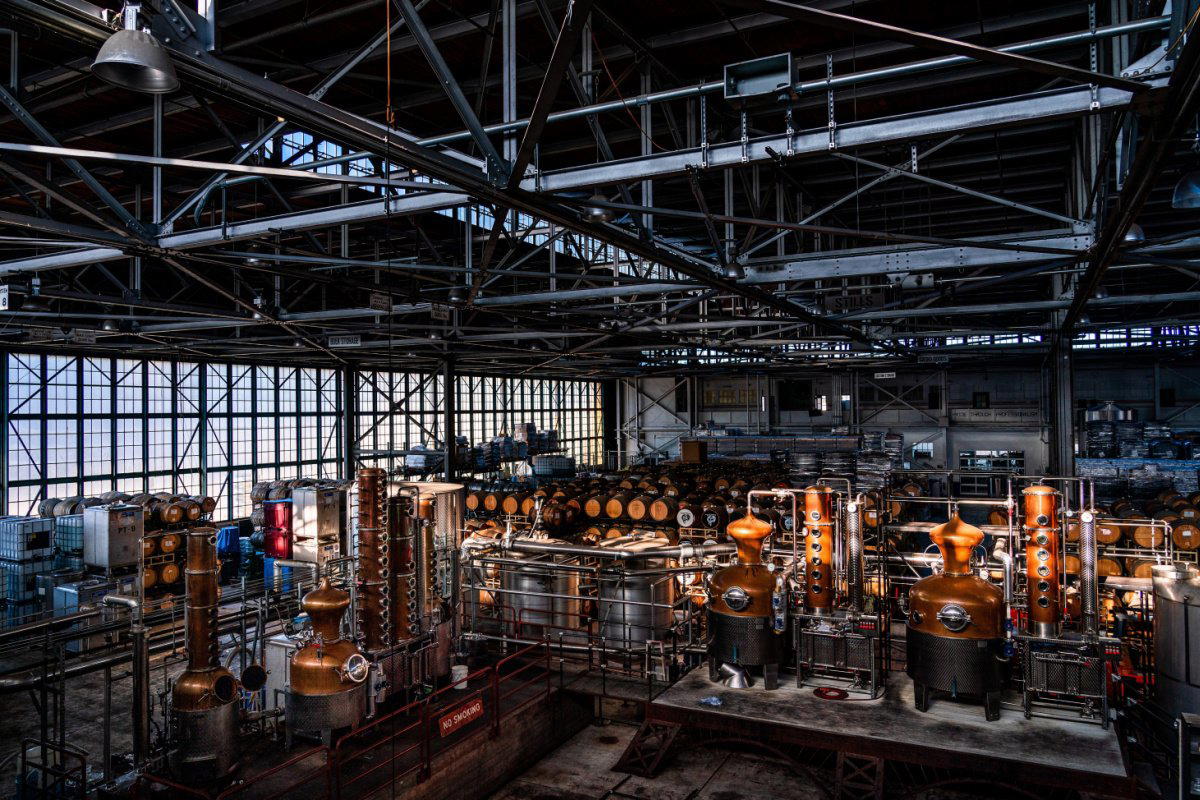
Cozy indoor space with industrial and rustic decor, booths, and a welcoming communal atmosphere.