Tenmatsu
Tenmatsu occupies a quiet address on Kearny Street in San Francisco's Financial District, placing it at the edge of a neighbourhood better known for midday lunch traffic than considered evening dining. The restaurant sits within a city whose Japanese dining scene spans everything from high-volume sushi conveyor belts to allocation-only omakase counters, and Tenmatsu has held its position in that middle ground with consistent local patronage.
Pearl is the En Primeur Club membership app — saves, bookings, and concierge access live there. Same editors, same standards.
- Address
- 336 Kearny St, San Francisco, CA 94108
- Phone
- +1 415 398 2388
- Directions
- Get directions
 Saves & bookings on Pearl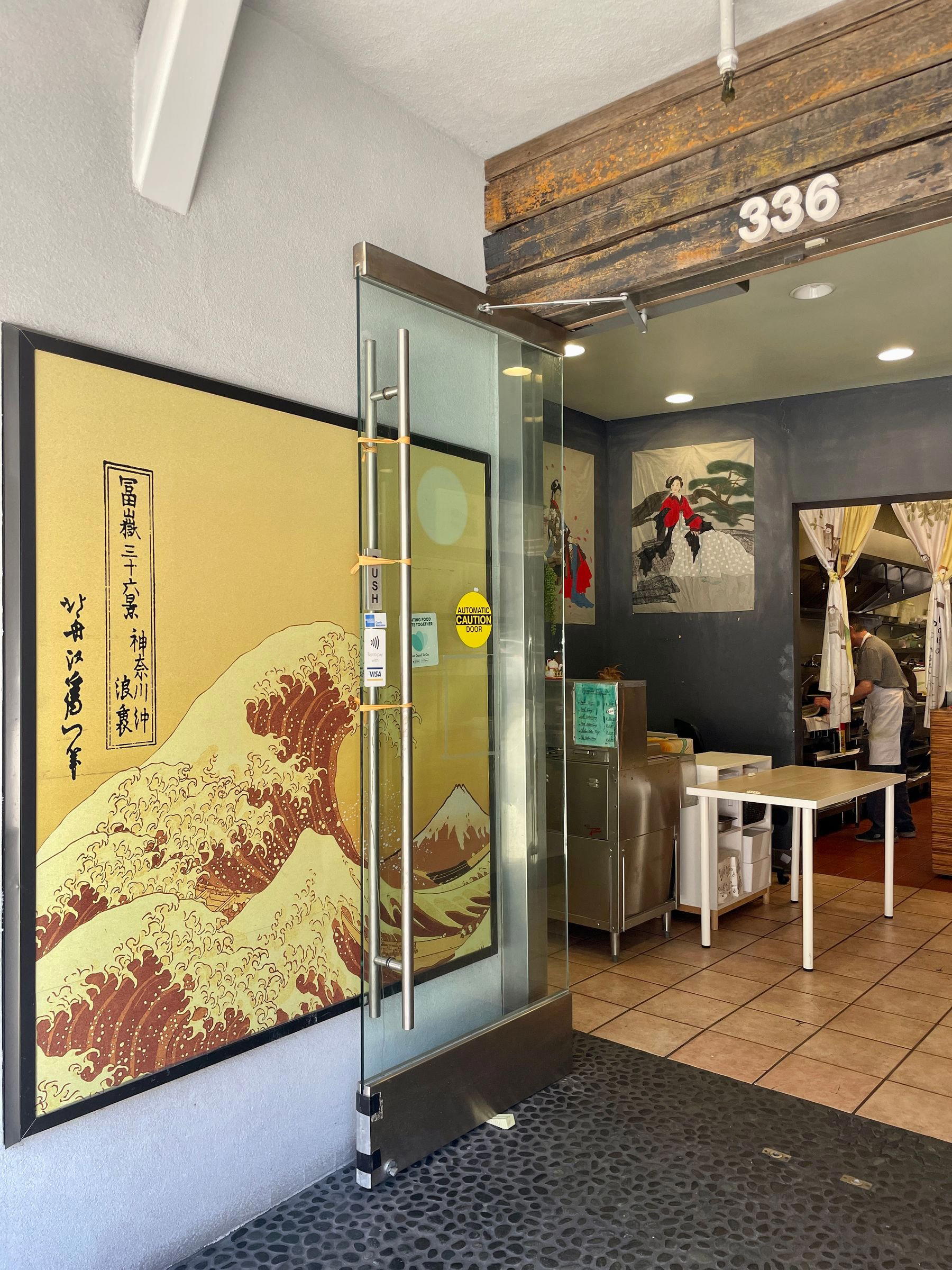
Kearny Street and the Quiet End of the Financial District
San Francisco's Financial District thins out after dark. The lunch crowds that fill the blocks around Montgomery and Kearny dissolve by early evening, leaving a quieter streetscape than most visitors expect from a neighbourhood so central. It is in this particular atmospheric pocket that Tenmatsu sits, at 336 Kearny Street, occupying a position that says something about how the restaurant has always operated: without fanfare, in San Francisco's Financial District.
That quality of restraint in address and presentation connects to a broader pattern in San Francisco's Japanese dining scene. The city's most discussed Japanese restaurants tend to cluster in the Richmond District or in purpose-built dining corridors closer to the waterfront. A Japanese restaurant holding ground in the Financial District, for a clientele that mixes neighbourhood regulars with visitors navigating a dense downtown grid, occupies a different kind of position entirely. It is a Japanese bento and donburi takeout spot that serves a neighborhood lunch crowd and steady walk-in trade.
San Francisco's Japanese Dining Tier and Where This Address Fits
San Francisco's Japanese dining scene has fractured into increasingly distinct tiers over the past decade. At the upper end, omakase counters with strict booking windows, allocation-style seat releases, and prices that position them against peers like Benu or Atelier Crenn in terms of overall spend per head, now dominate the critical conversation. Below that tier, a wider band of neighborhood Japanese restaurants, many of them family-run and decades old, continues to serve the city's actual daily dining needs. Tenmatsu occupies that second register, which in a city of this culinary density is not a diminishment but a category distinction.
The comparison set that matters here is not Lazy Bear or Quince or Saison, all of which operate at the $$$$ tier with tasting menu formats and months-long booking lead times. The comparison set is the broader cohort of accessible Japanese restaurants that have maintained a physical address in San Francisco's downtown core through multiple economic cycles, a group that is smaller than it appears given the commercial rent pressures the city has sustained.
The Physical Register: What the Space Communicates
Japanese restaurants in American cities tend to signal their position through interior decisions: the presence or absence of a counter, the use of natural wood versus laminate, the lighting temperature, the distance between tables. These are not decorative choices but editorial ones, communicating to incoming diners what kind of experience they are entering before a single dish appears. A restaurant that keeps its service efficient and its focus on the food rather than theatrical presentation is making deliberate choices about who it serves and how.
Tenmatsu's Kearny Street location places it in a block where the surrounding architecture is predominantly commercial, with the visual noise of daytime Financial District activity giving way to a much quieter sensory register in the evening hours. Walking that stretch after 6pm carries a different quality than the lunch hour rush: lower ambient sound, less foot traffic, the particular stillness of a business district that has largely emptied. For a restaurant built around considered, unhurried dining rather than high-turnover covers, that neighbourhood atmosphere is an asset rather than a liability.
Japanese Dining Traditions and the American Context
Japanese cuisine in American cities exists in a state of ongoing negotiation between tradition and adaptation. The dishes that travel most successfully, from sushi and ramen to izakaya-style small plates, carry within them entire frameworks of technique, sourcing philosophy, and service culture that often get compressed or reinterpreted in translation. Particularly durable Japanese restaurants in cities like San Francisco, New York (where Le Bernardin's neighbourhood has seen comparable pressures on mid-tier dining), Chicago (see Smyth's surrounding dining ecosystem), and Los Angeles (where Providence anchors a premium seafood tradition with overlapping sourcing concerns) tend to be those that have found a stable identity rather than chasing trend cycles.
That stability is harder to maintain than it looks. San Francisco's restaurant market has seen sustained pressure from rising commercial rents, shifting neighborhood demographics, and the ongoing recalibration of dining habits post-2020. Restaurants that have held an address on the same block for multiple years in this environment have done so through a combination of loyal repeat clientele and operational discipline. Tenmatsu's address at 336 Kearny speaks to that kind of sustained local relevance.
Placing Tenmatsu in the National Frame
The national conversation about Japanese dining in America tends to get anchored at the extremes: the allocation omakase counters that price against tasting menus at The French Laundry or Blue Hill at Stone Barns, and the fast-casual formats that have expanded into mass-market territory. The middle of that spectrum, neighborhood Japanese restaurants with a consistent physical address and a local following rather than a national press profile, does not generate the same volume of critical coverage as either pole. That asymmetry of coverage does not reflect an asymmetry of quality or of sustained dining value.
It is worth noting the parallels with how mid-tier Japanese dining has evolved in American cities. In each case, the restaurant's relationship to its immediate neighbourhood and client base tells a more complete story than its position in national rankings.
Know Before You Go
- Address: 336 Kearny St, San Francisco, CA 94108
- Neighbourhood: Financial District, downtown San Francisco
- Cuisine: Japanese
- Phone / Website: not listed at time of publication, verify directly via search or mapping platforms before visiting
- Booking: Details not confirmed; walk-in availability typical for Financial District addresses of this profile, though calling ahead is advisable for evening visits
- Getting There: Montgomery Street BART station is the closest transit point; street parking in the Financial District is limited on weekdays and more accessible after 6pm
- Leading Timing: Weekday evenings, when the neighbourhood has quieted from lunch-hour volume and the dining room operates at a more considered pace
Price and Recognition
Comparable venues nearby, for context on price, style, and recognition.
| Venue | Cuisine | Price | Notes |
|---|---|---|---|
| TenmatsuThis venue — the venue you are viewing | Not listed | $ | Not listed |
| Men Oh Tokushima Ramen | Not listed | $$ | :none, Authentic Tokushima Ramen |
| Sarku Japan | South Beach, Japanese Fast Food | $ | Not listed |
| Ramen Shop | Union Square, Japanese Ramen | $ | Not listed |
| Live Sushi Bar | Not listed | $$ | Potrero Hill, Fresh Japanese Sushi with Live Seafood |
| Marufuku Ramen | Japantown, Hakata-Style Tonkotsu Ramen | $$ | Not listed |
Continue exploring
More in San Francisco
Restaurants in San Francisco
Browse all →
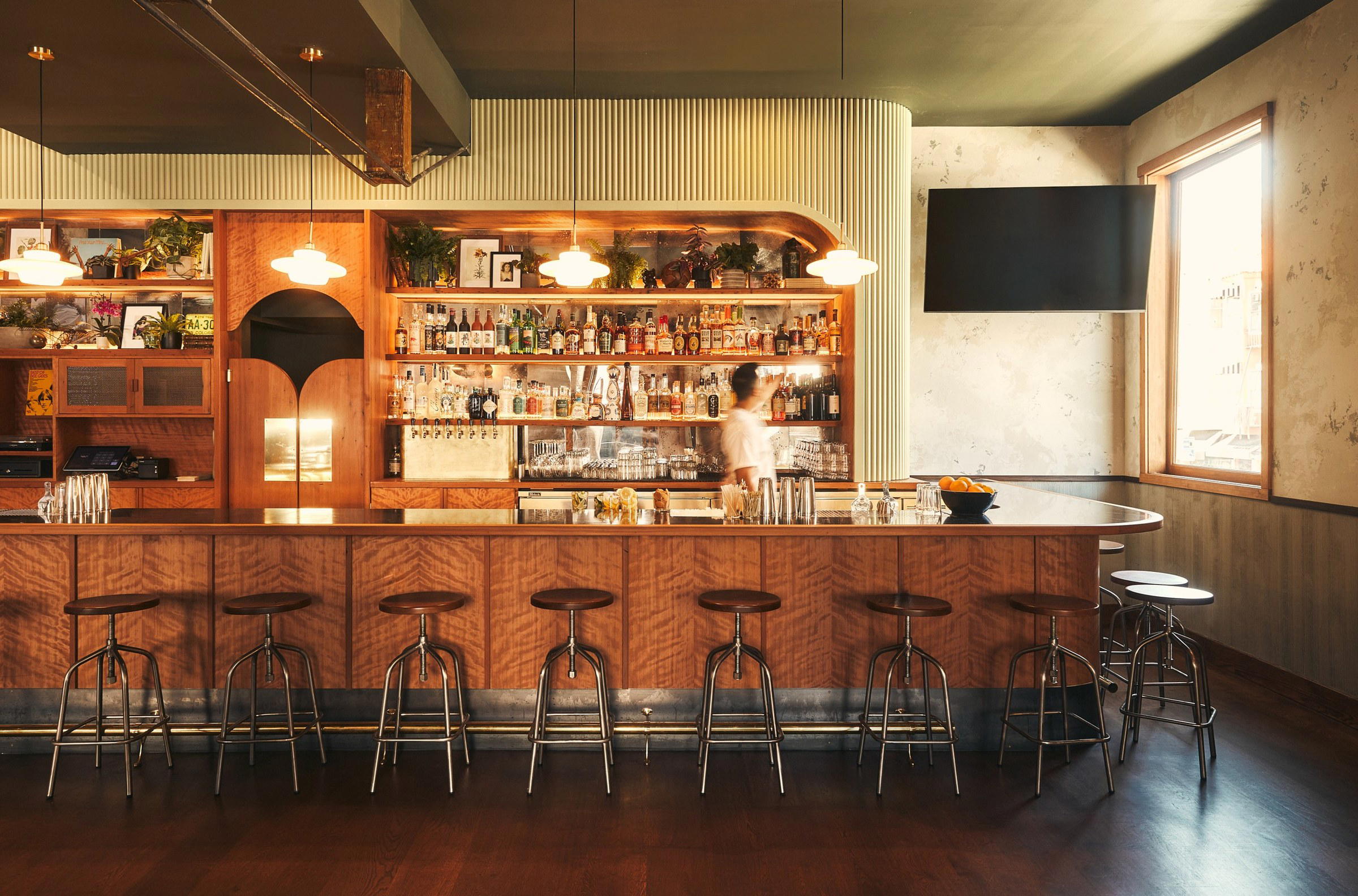
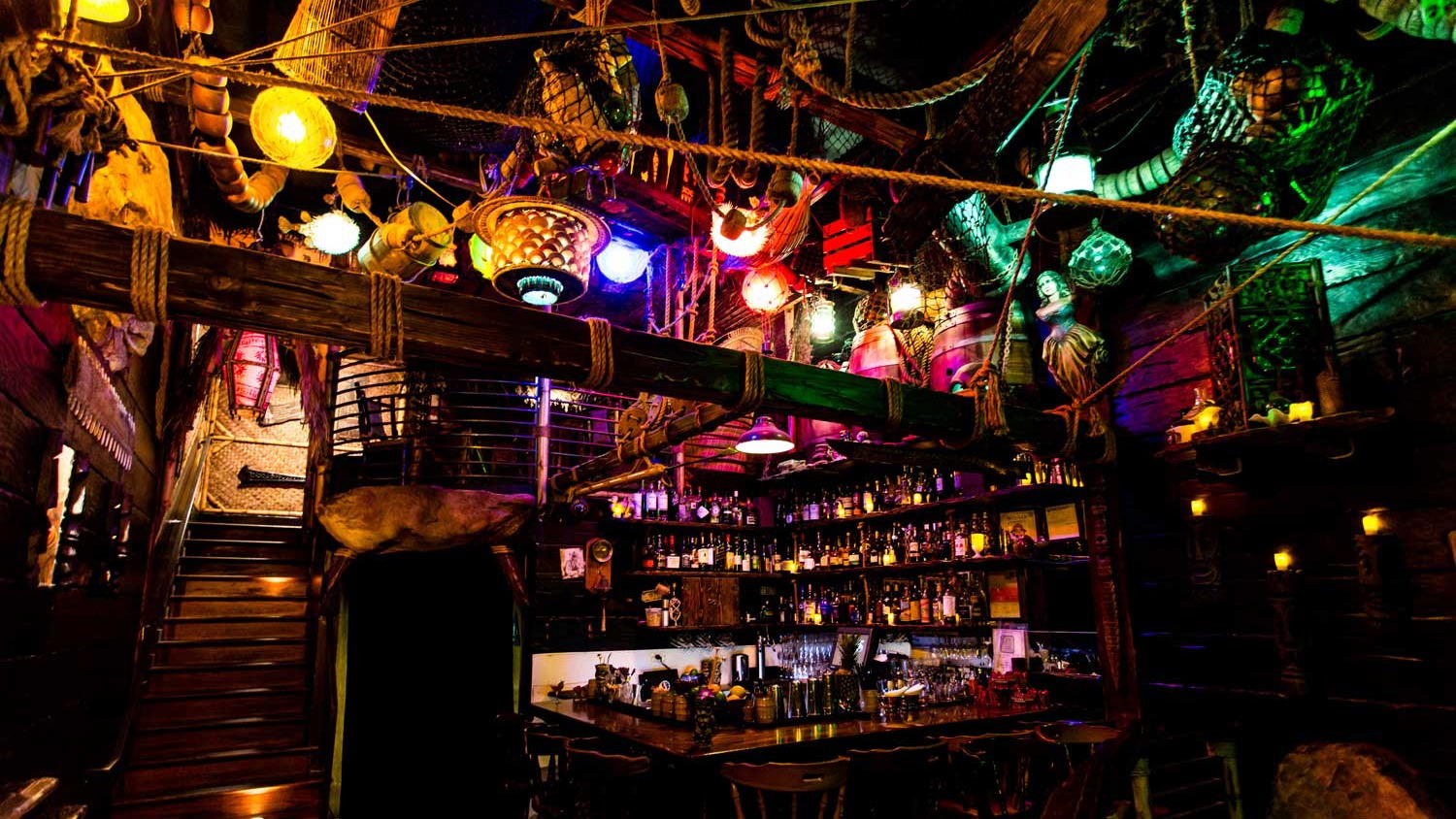
Bars in San Francisco
Browse all →
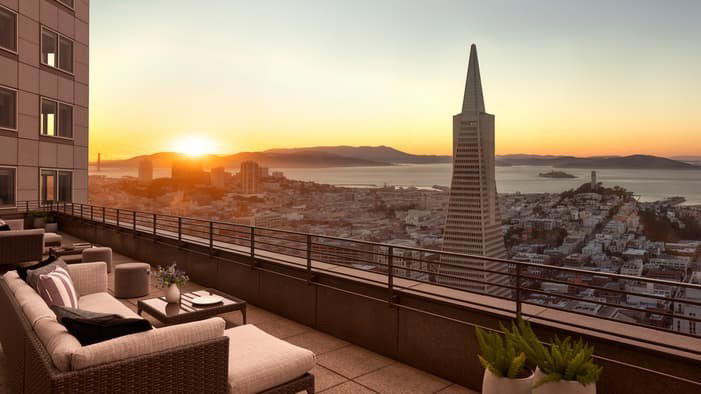
Hotels in San Francisco
Browse all →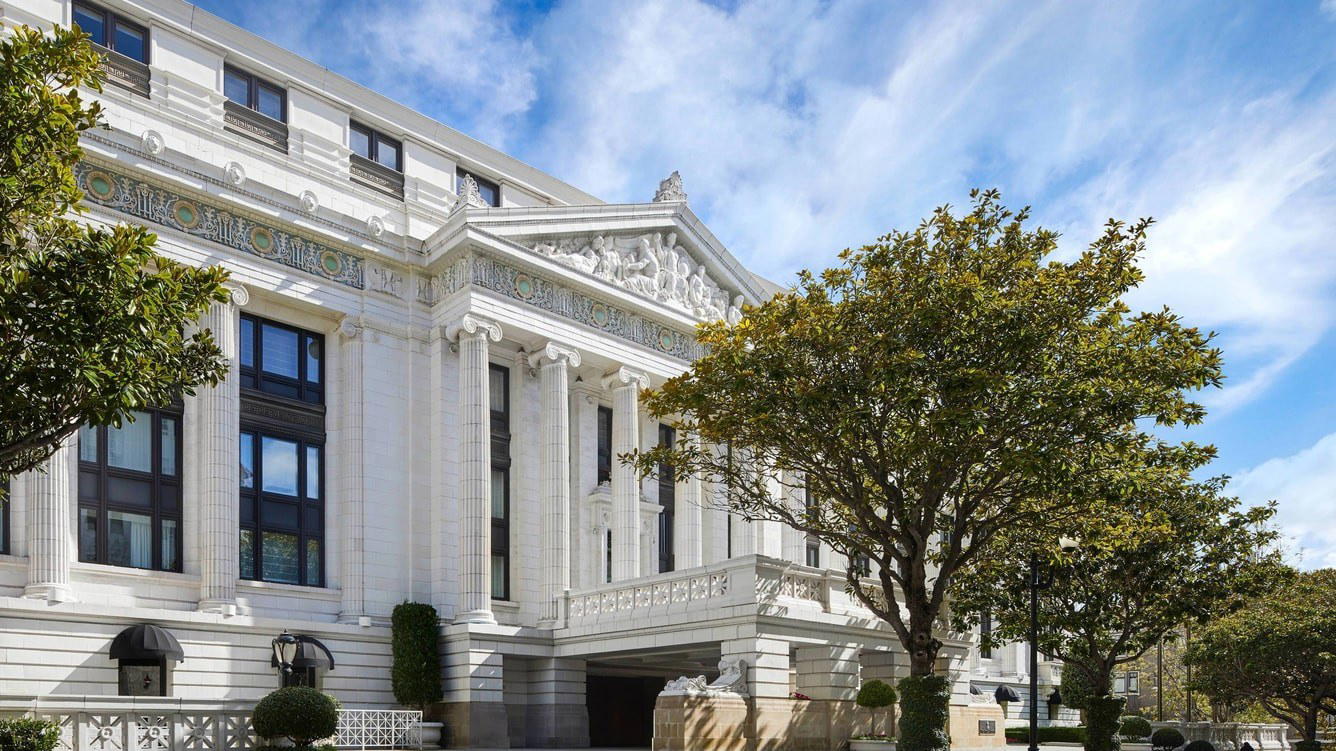
At a Glance
- Casual Hangout
Current opening hours
- Monday
- 11 AM–2:30 AM
- Tuesday
- 11 AM–2:30 PM
- Wednesday
- 11 AM–2:30 PM
- Thursday
- 11 AM–2:30 PM
- Friday
- 11 AM–2:30 PM
- Saturday
- Closed
- Sunday
- Closed
Hours can change for holidays and private events. Last verified .