Dorine
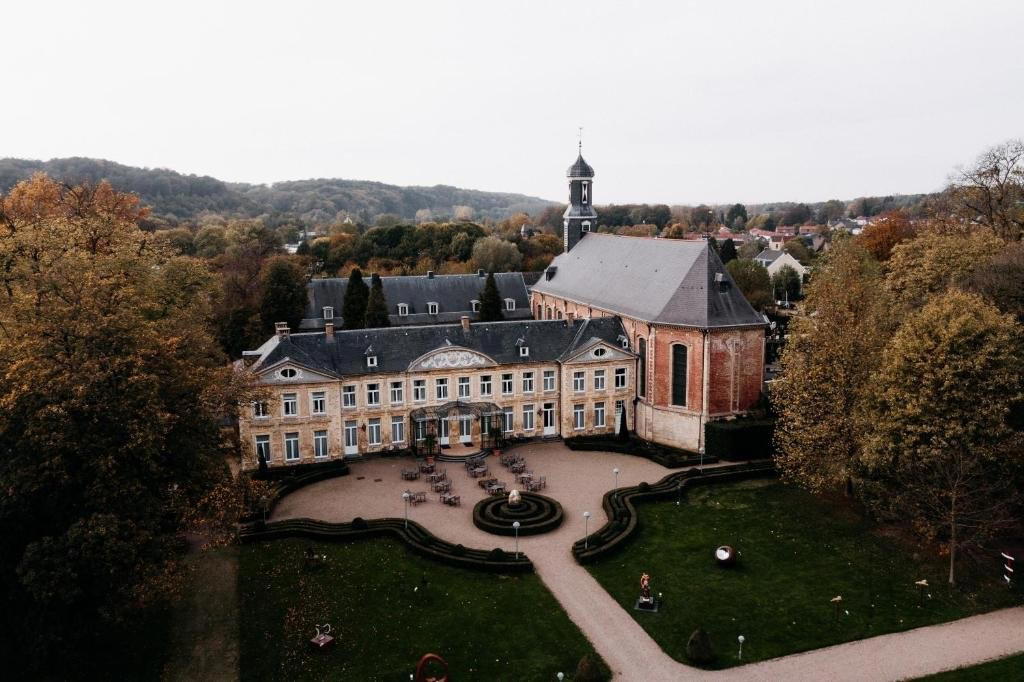
Dorine sits at Maasberg 1 in Elsloo, a quiet riverside address in the Dutch province of Limburg that places it at some distance from the Netherlands' main fine-dining corridors. Our full Elsloo guide provides the clearest local context for planning a visit.
Pearl is the En Primeur Club membership app — saves, bookings, and concierge access live there. Same editors, same standards.
- Address
- Maasberg 1, 6181 GV Elsloo, Netherlands
- Phone
- +31464377666
- Website
- kasteelelsloo.nl
- Directions
- Get directions
 Saves & bookings on Pearl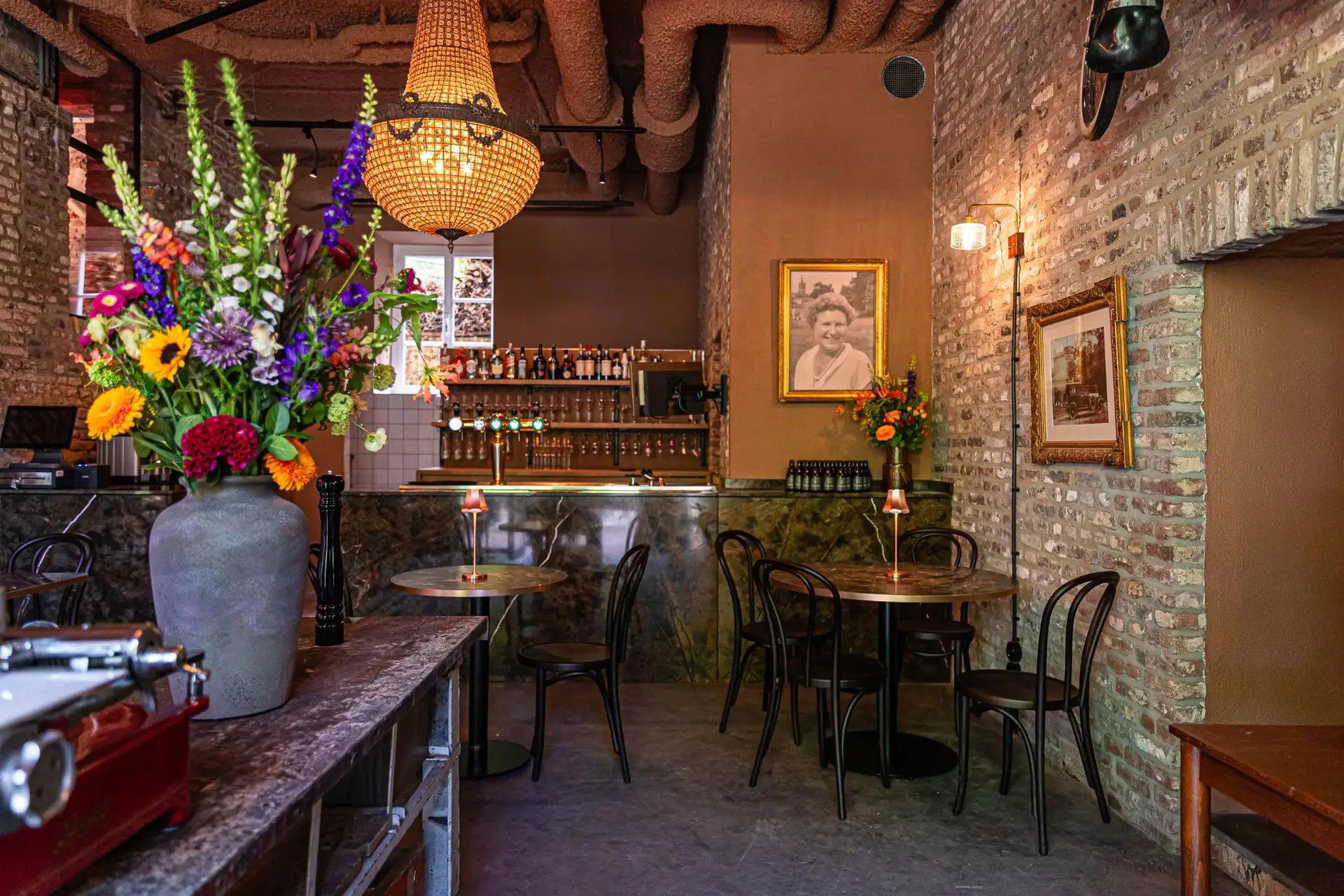
A Limburg Address on the Edge of Fine Dining's Reach
The southern Dutch province of Limburg occupies a peculiar position in the country's restaurant conversation. Its rolling terrain, proximity to the Belgian and German borders, and slower pace of development have kept it at a remove from the concentrated fine-dining activity that runs between Amsterdam, Rotterdam, and Zwolle. That distance, however, has also allowed a different kind of table to take root here: one shaped by regional produce, cross-border culinary influence, and a dining culture less fixated on metropolitan recognition than on the specific character of the land. Dorine is a Dutch Bistro in Elsloo, Netherlands, at Maasberg 1, with a recommended reservation policy and an average price of about $45 per person.
Elsloo itself is a village on the Maas river, compact enough that its restaurant addresses are inseparable from the residential fabric around them. Arriving at Maasberg 1, the setting communicates immediately that this is not a city-centre operation calibrated for footfall. That geography matters for how the kitchen is likely to operate: in Limburg, proximity to Belgian Flemish cuisine traditions, German Rhineland cooking, and the produce networks that cross those borders creates a supply context that urban Dutch kitchens cannot replicate. For the region's leading tables, sourcing is not a marketing posture but a practical reality shaped by what the surrounding countryside and its neighbours produce.
Sourcing in Limburg: What the Land and Its Borders Supply
The ingredient sourcing logic of southern Limburg restaurants reflects geography in ways that distinguish them from Dutch establishments further north. The province borders Belgium's Liège province to the west and the German state of North Rhine-Westphalia to the east, and supply chains in this corner of the Netherlands draw on all three countries. Game from the Ardennes, cheeses from across the Belgian border, and Rhine Valley wines alongside domestic Dutch produce create a kitchen palette that is inherently more layered than what a purely Dutch regional sourcing brief would deliver.
Within the Netherlands, Limburg has its own agricultural identity: asparagus cultivation around the sandy Kempen soils, lamb from the heathlands, and river fish from the Maas system. These ingredients appear across Limburg's serious kitchens because they are locally available, not because they have been imported for prestige. Restaurants in this category, including neighbours such as Brut172 in Reijmerstok and Kasteel Elsloo, Dorine's immediate local counterpart in country cooking, draw on these same regional supply relationships.
The broader Dutch fine-dining scene has developed a clear sourcing-led tier over the past decade. De Nieuwe Winkel in Nijmegen, with its strictly organic and foraged ingredient brief, represents one end of that spectrum. De Librije in Zwolle and Inter Scaldes in Kruiningen demonstrate how Michelin-level ambition anchors itself in specific regional produce even at the national conversation's highest tier. In the southern provinces, De Lindehof in Nuenen and Tribeca in Heeze follow a similar logic in North Brabant, just across the provincial border from Limburg. Dorine's position relative to this tier will depend on how its format and sourcing practice develop,
What the Elsloo Setting Implies About Format
Village-address restaurants in the Netherlands tend to operate in one of two modes: the destination table that draws from a wide radius and prices accordingly, or the neighbourhood anchor that serves a loyal local clientele with a more accessible format. Both can produce serious cooking; the distinction lies in booking patterns, seat count, and the degree to which the kitchen is oriented toward occasion dining versus regular use.
Elsloo's scale tilts toward the destination model for any restaurant at Maasberg 1 that is not functioning as a simple local café. A village of this size cannot sustain a serious kitchen on local custom alone, which means the dining room is likely calibrated for guests arriving from Maastricht (roughly fifteen kilometres to the south), the broader Limburg region, or across the Belgian border. That catchment area also describes the wine and produce networks a kitchen here might draw from: Maastricht's wine trade has historically been oriented toward Burgundy and the Moselle, and that proximity shapes what serious Limburg tables pour.
For a regional comparison that shows how this destination-village model can operate at high ambition, De Lindenhof in Giethoorn and De Groene Lantaarn in Staphorst both demonstrate how Dutch restaurants in geographically peripheral addresses have built credible fine-dining programs. Internationally, the destination-village format has a well-established logic: Lazy Bear in San Francisco and Le Bernardin in New York City anchor different ends of the destination-dining spectrum, illustrating how address and format signal a kitchen's ambitions before a dish arrives.
Planning a Visit to Dorine
Elsloo is accessible by car from Maastricht in approximately fifteen minutes via the A2 motorway, and from the broader Randstad the drive runs roughly two hours. Public transport connections to the village are limited, making a car the practical choice for most visitors. Given the venue's address in a residential village setting, arriving by daylight allows a clearer sense of the river and surrounding landscape that frames the experience.
For a broader picture of what the local area offers, the full Elsloo restaurants guide covers the dining context in more detail, including Kasteel Elsloo as the documented local alternative.
Readers building a southern Netherlands itinerary around serious cooking might also consider anchoring in Maastricht and ranging out to address the Limburg region's wider table, which includes Brut172 in Reijmerstok to the south and the North Brabant cluster of De Treeswijkhoeve in Waalre and De Bokkedoorns in Overveen for those moving north toward Amsterdam, where Ciel Bleu and Aan de Poel in Amstelveen anchor the capital's fine-dining tier, alongside FG in Rotterdam and 't Nonnetje in Harderwijk for those covering the western half of the country.
Quick Comparison
Comparable venues nearby, for context on price, style, and recognition.
| Venue | Cuisine | Price | Awards | Notes |
|---|---|---|---|---|
| DorineThis venue — the venue you are viewing | Dutch Bistro | $$$ | Not listed | Not listed |
| Kasteel Elsloo | French Bistro | $$$$ | Michelin Plate | Elsloo |
| Stoof Maastricht | Dutch Stew House | $$ | Not listed | City Center |
| Nectar | Modern Dutch Seafood | $$$ | Not listed | centrum |
| Pakhoes | Classic French-Belgian | $$$ | Not listed | Wyck |
| Rozemarijn | Modern French with Zeeland Roots | $$$ | Not listed | Stokstraat Quarter |
At a Glance
- Cozy
- Elegant
- Scenic
- Romantic
- Date Night
- Special Occasion
- Group Dining
- Terrace
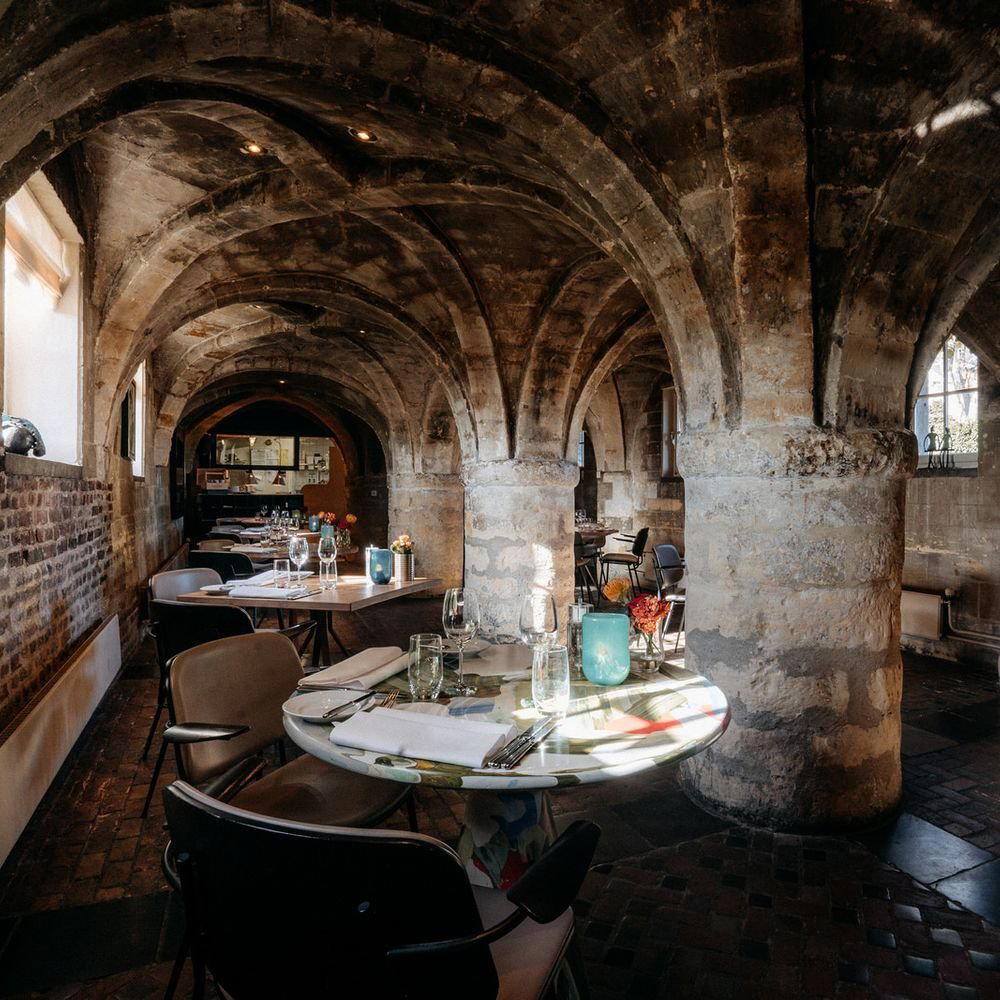
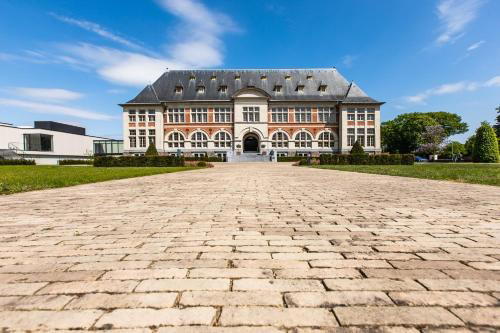
- Historic Building
- Private Dining
- Extensive Wine List
- Local Sourcing
- Garden
Current opening hours
- Monday
- 11 AM–11 PM
- Tuesday
- 11 AM–11 PM
- Wednesday
- 11 AM–11 PM
- Thursday
- 11 AM–11 PM
- Friday
- 11 AM–11 PM
- Saturday
- 11 AM–11 PM
- Sunday
- 11 AM–11 PM
Hours can change for holidays and private events. Last verified .
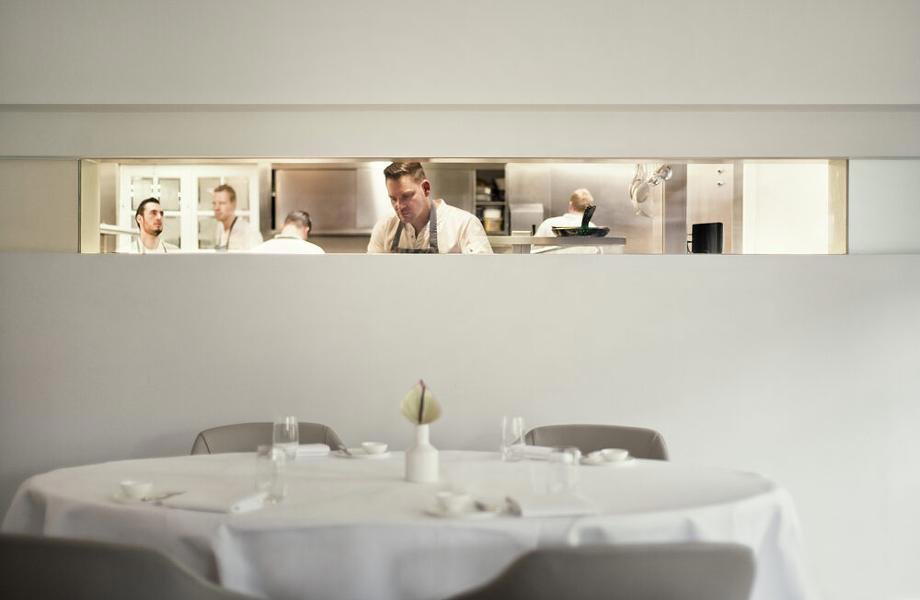
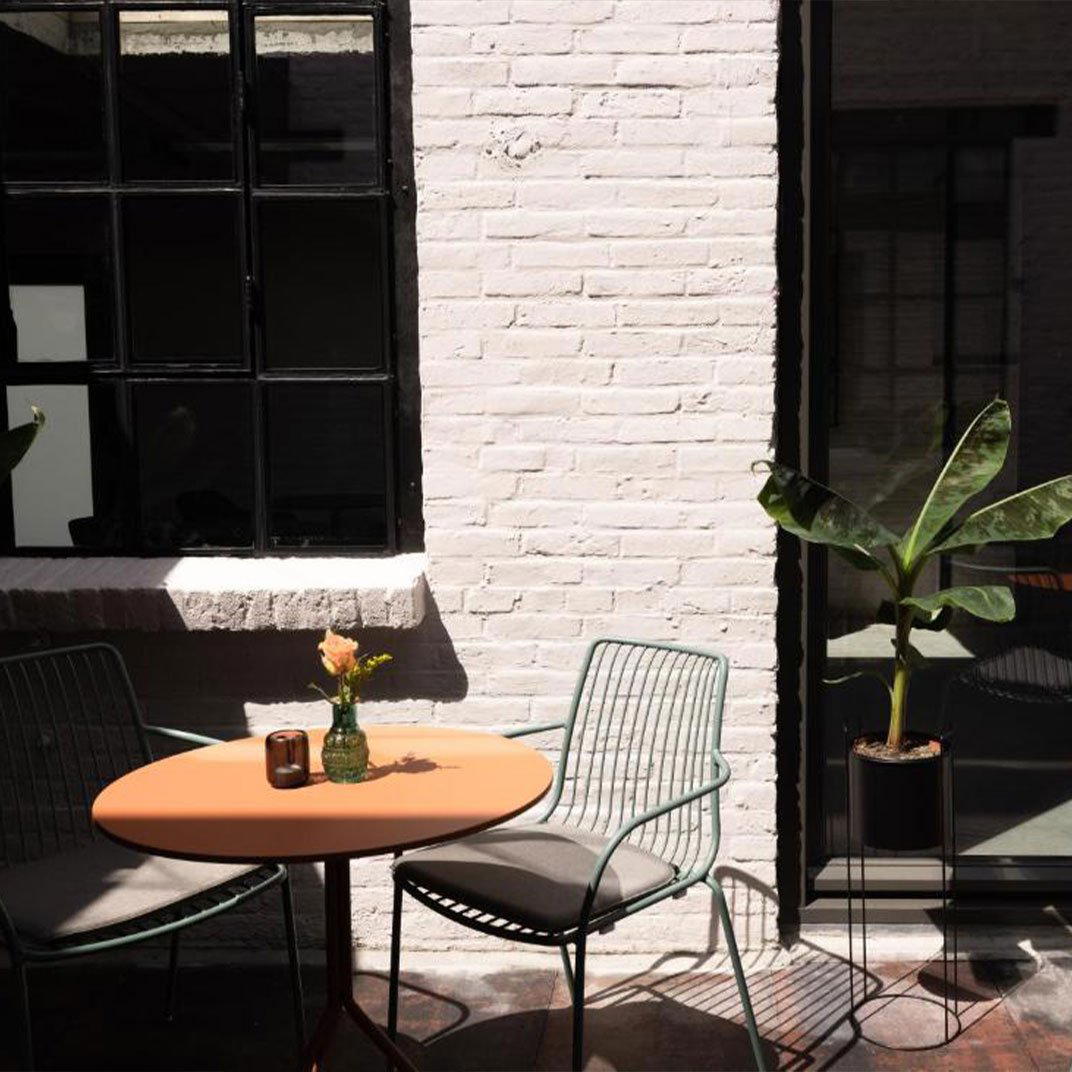
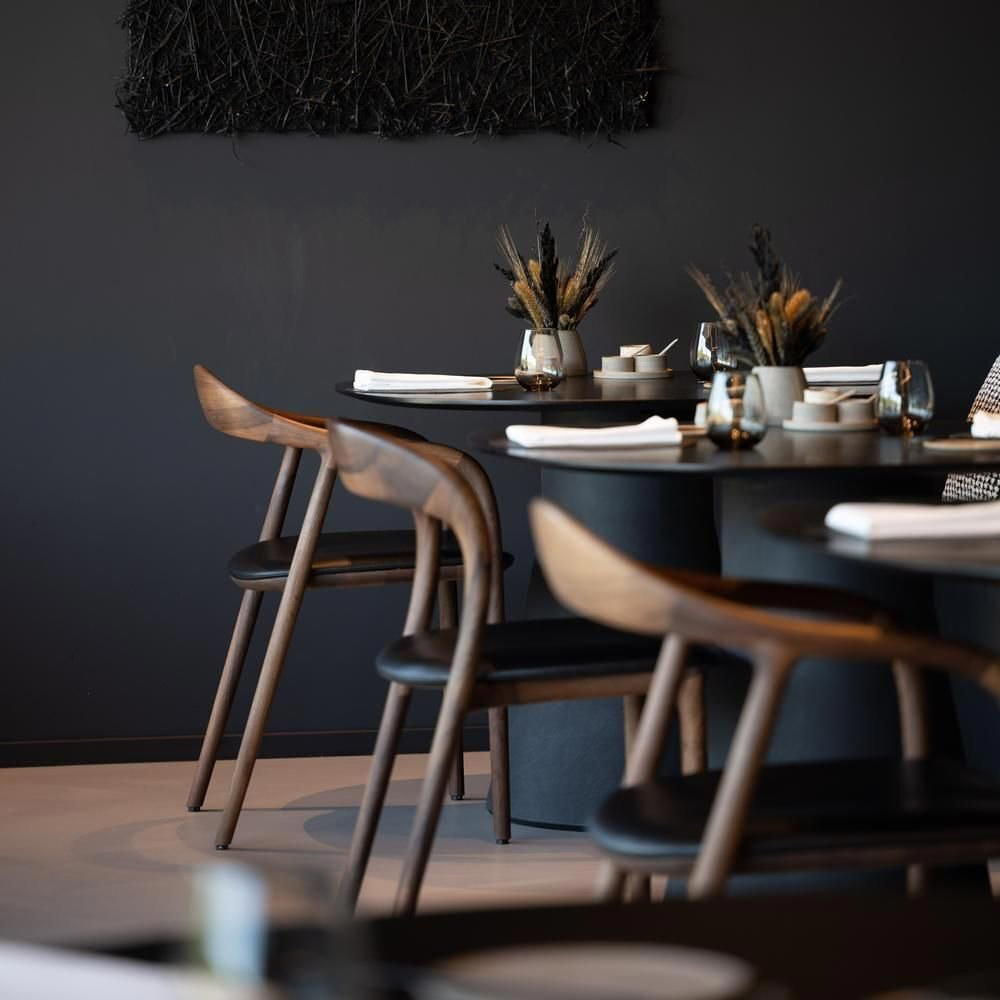
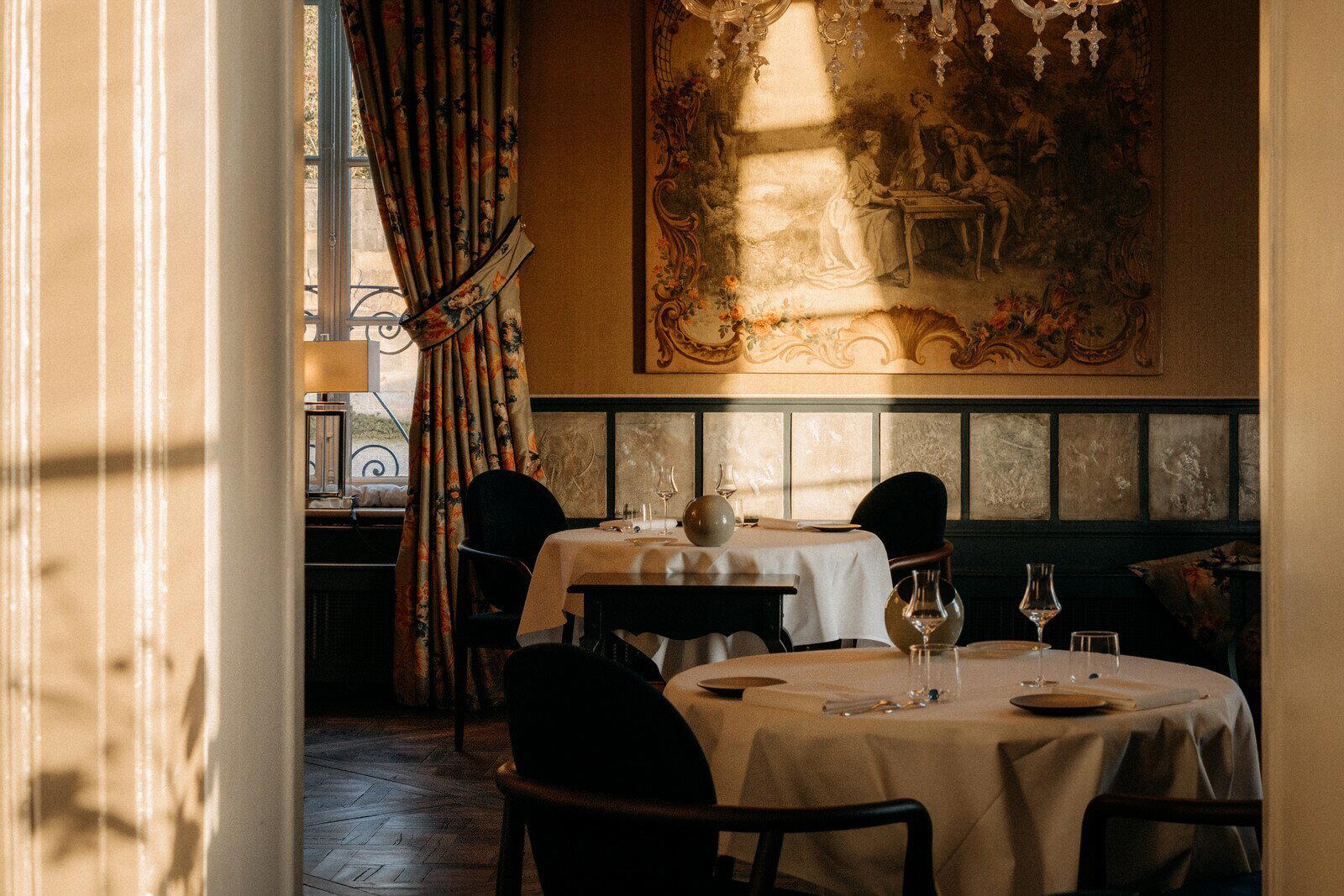
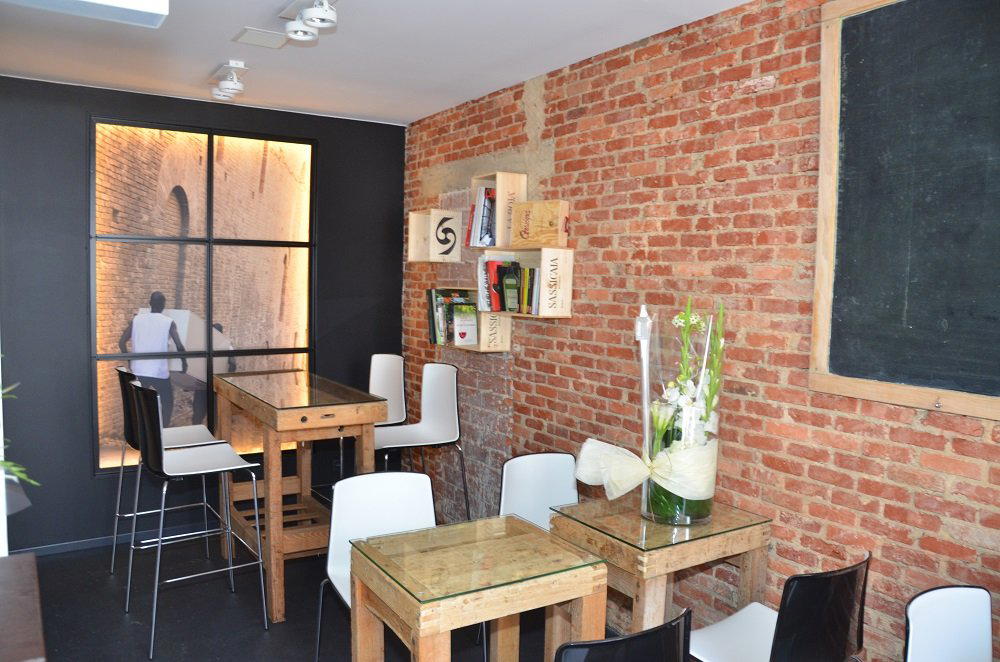
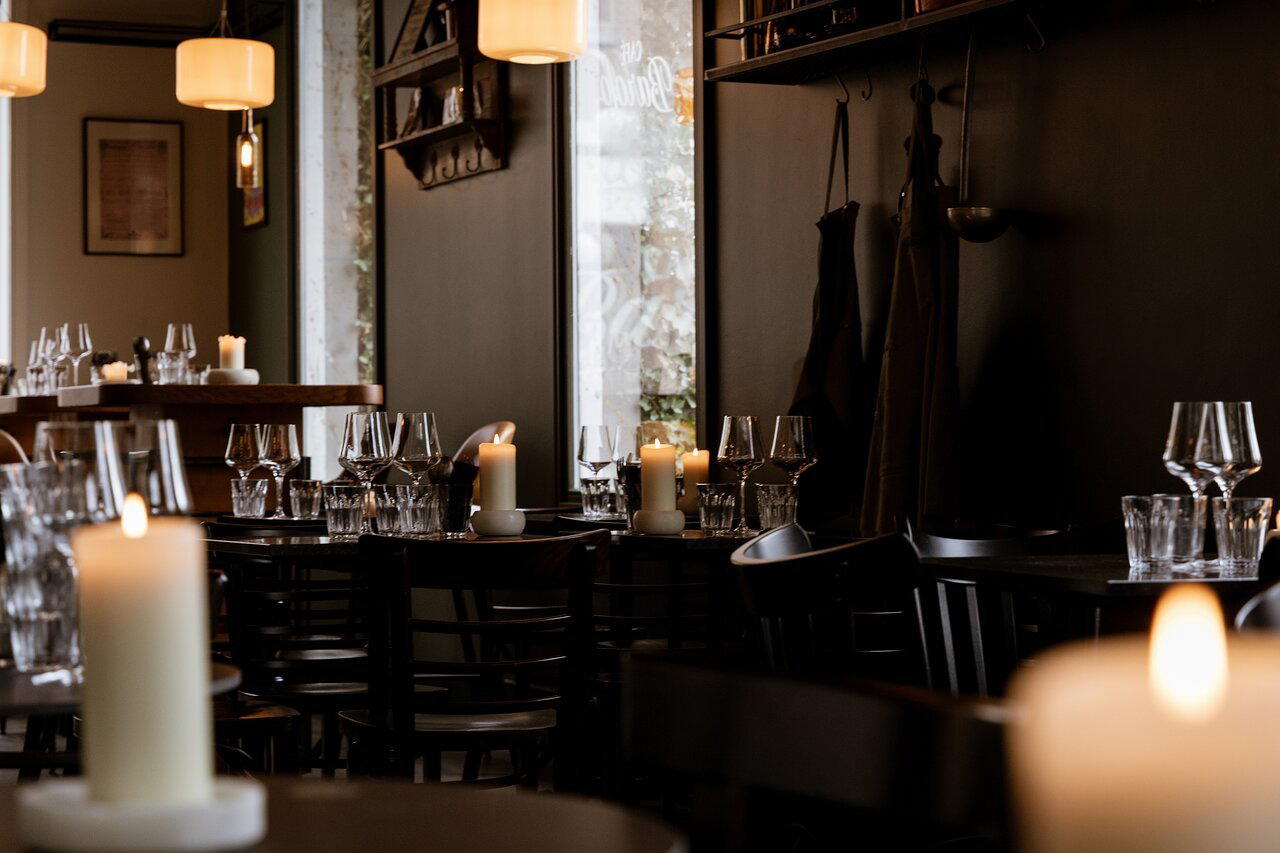
Atmospheric and elegant with classic charm, warm lighting, and cozy terrace overlooking greenery.