Domačija pri Damjanu
Our verdict
Domačija pri Damjanu sits in Kozina, a junction village on the Karst plateau where the hinterland tradition of farm-rooted cooking has survived largely intact. The setting and approach place it within Slovenia's broader farmhouse dining category, where sourcing proximity and seasonal rhythm matter more than tasting-menu theatrics. For travellers moving between the Istrian coast and Ljubljana, it represents a grounded alternative to the region's more formalised restaurant circuit.

Pearl is the En Primeur Club membership app — saves, bookings, and concierge access live there. Same editors, same standards.
- Address
- Slope 12, 6240 Kozina, Slovenia
- Phone
- +38651755980
- Hours
- Mon–Wed ClosedThu–Sun 12–10 PM
- Directions
- Get directions
The menu
What to order
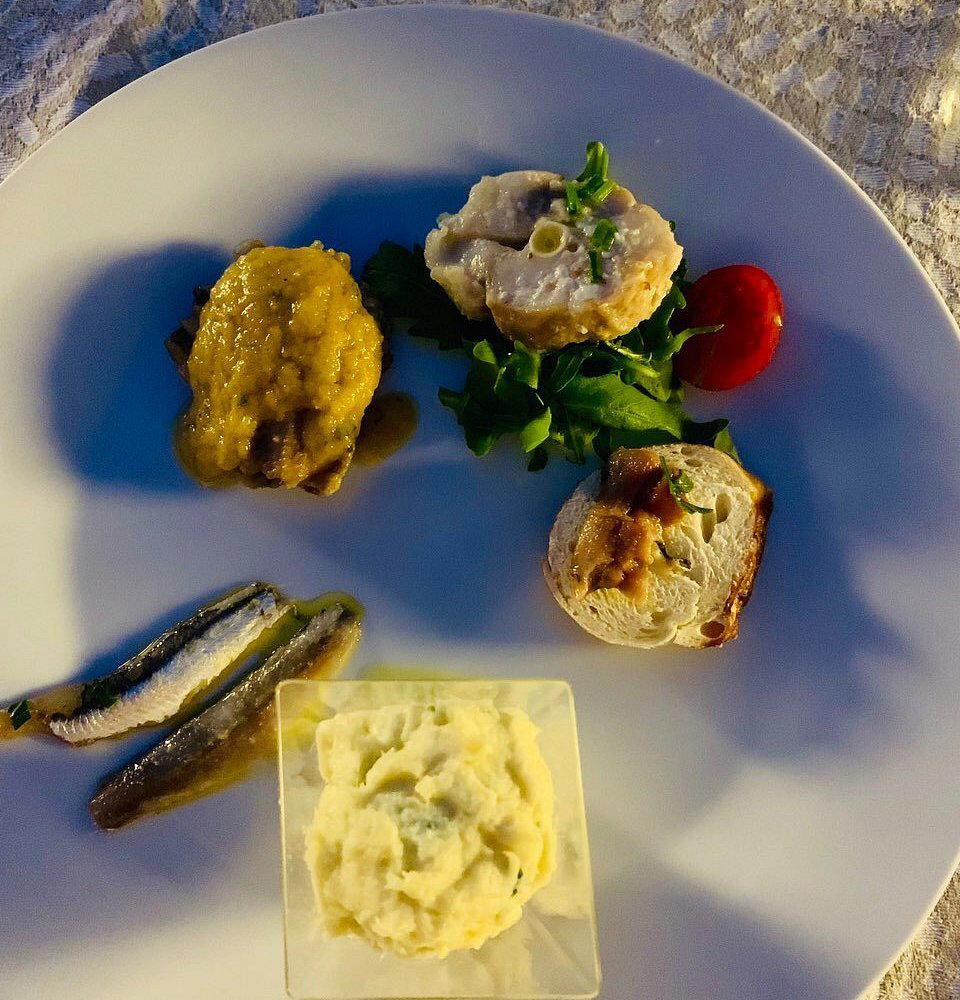
- Homemade prosciutto
- Grilled meats
- Veal under baking bell
The Karst Plateau and the Farmhouse Dining Tradition
The limestone plateau stretching between the Slovenian interior and the Adriatic coast has always operated on its own culinary logic. Thin soils, cold winters, and a landscape scoured by the bora wind shaped a cooking culture built around preservation, patience, and proximity to the land rather than proximity to a market. Kozina sits at the edge of that plateau, a crossroads village where the road from Ljubljana drops toward Trieste and the Istrian peninsula. It is not a destination town in the conventional sense, which is precisely why the farmhouse dining tradition here has remained less performed than in more visited parts of Slovenia.
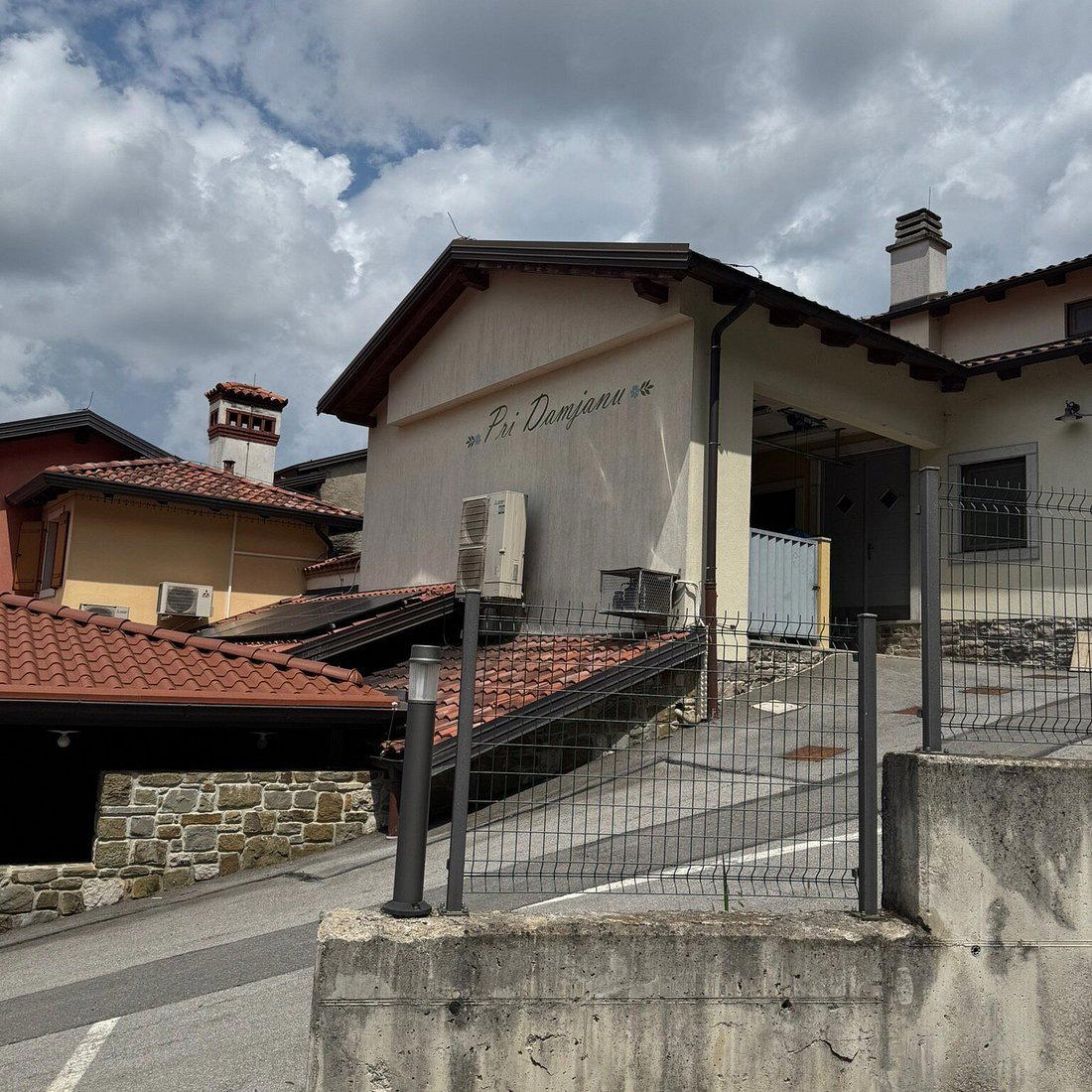
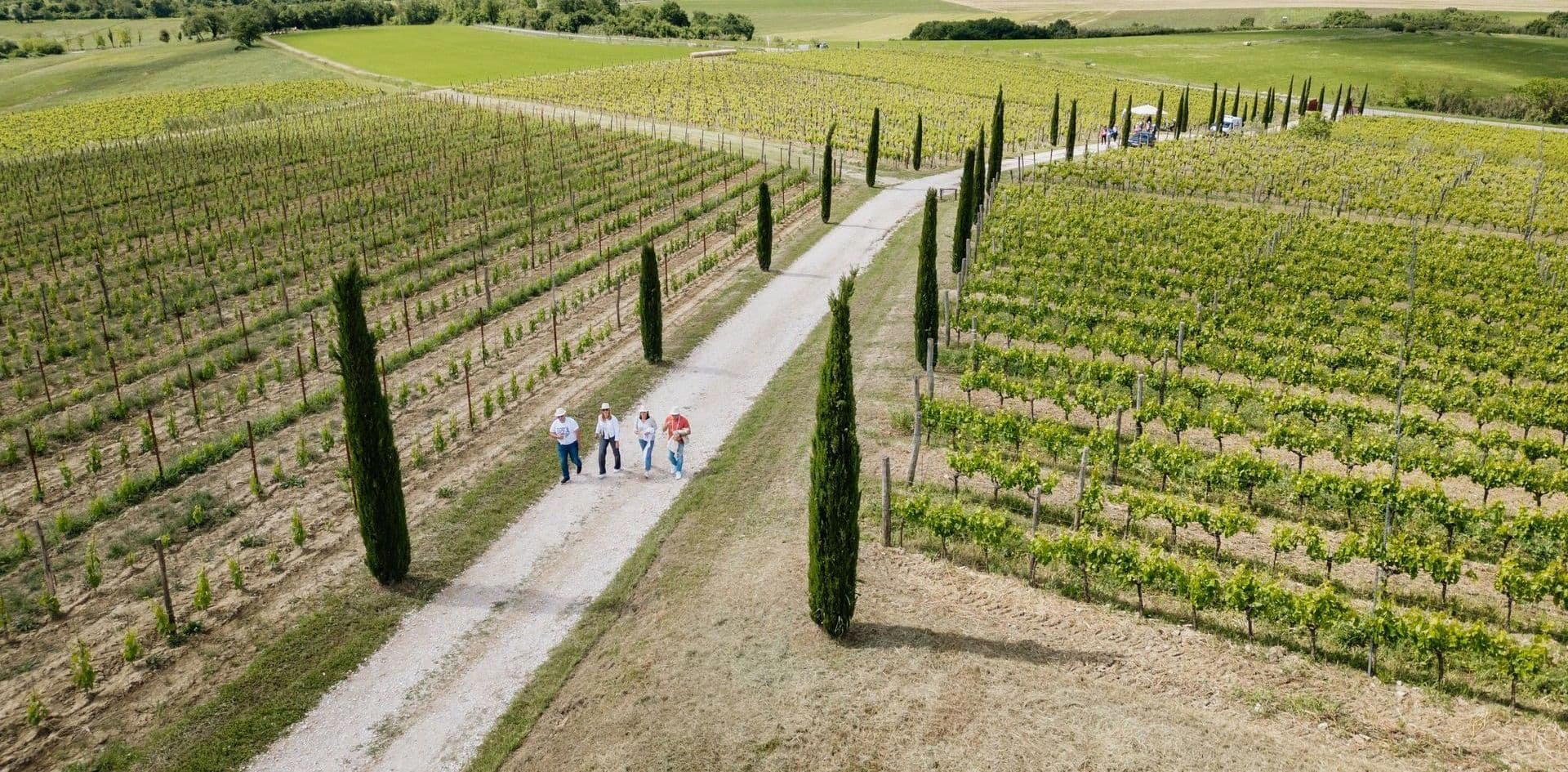
Domačija pri Damjanu is located at Slope 12 in Kozina, and the address itself signals the format: a farmstead address rather than a town-centre one. In the Slovenian dining context, the word domačija carries specific weight. It refers to a homestead, a working farm or its direct descendant, and the cooking that emerges from that kind of place is governed by what grows, what is raised, and what the season allows. This is a different operating logic from the farm-to-table positioning that urban restaurants adopt as a marketing stance. Here, the sourcing is the structure, not the story layered over the structure.
Where Sourcing Governs the Menu
Slovenia's fine dining tier, represented by venues like Hiša Franko in Kobarid and Hiša Linhart in Radovljica, has built international recognition on exactly the principle that ingredient provenance should anchor a menu's creative ambition. That upper tier commands €€€€ price points and tasting-menu formats designed to communicate that sourcing philosophy explicitly, course by course. The farmhouse category that Domačija pri Damjanu occupies works from the same sourcing logic but without the curatorial apparatus. The kitchen's constraints are the menu's constraints, and the result is cooking that tends toward depth of flavour over decorative complexity.
The Karst region specifically produces ingredients with a reputation well beyond Slovenia's borders. Karst prosciutto, cured in the bora wind rather than in a controlled environment, carries a protected designation of origin. Local lamb grazes on terrain so sparse that the animals develop a density of flavour that lowland equivalents rarely match. Wild herbs, foraged mushrooms, and the particular mineral character of vegetables grown in red Karst soil all feed into a regional pantry that needs little intervention to communicate a sense of place. A farmhouse kitchen in this geography is not working against its location; it is working directly through it.
For comparison, places like Gostilna Pri Lojzetu in Vipava and Dam in Nova Gorica operate in the adjacent wine-rich Vipava Valley, where the sourcing story is inseparable from the winemaking culture of the valley floor. Kozina's version is drier, more austere, and more plateau-defined, reflecting a different set of agricultural constraints and, by extension, a different set of flavours on the plate.
The Farmstead Setting
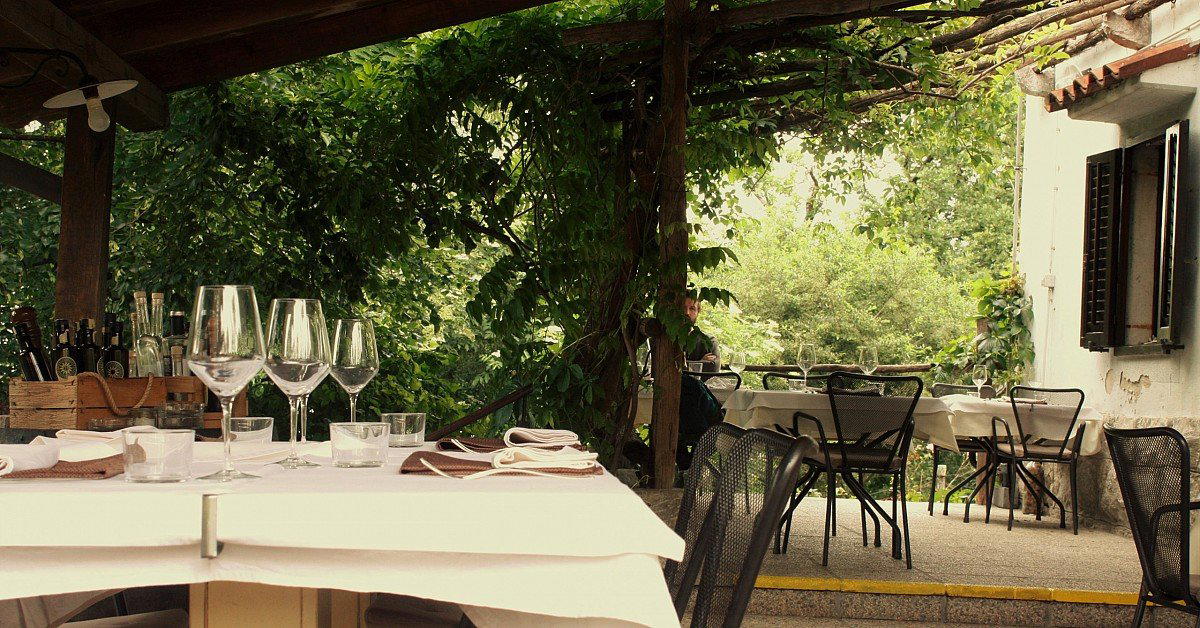
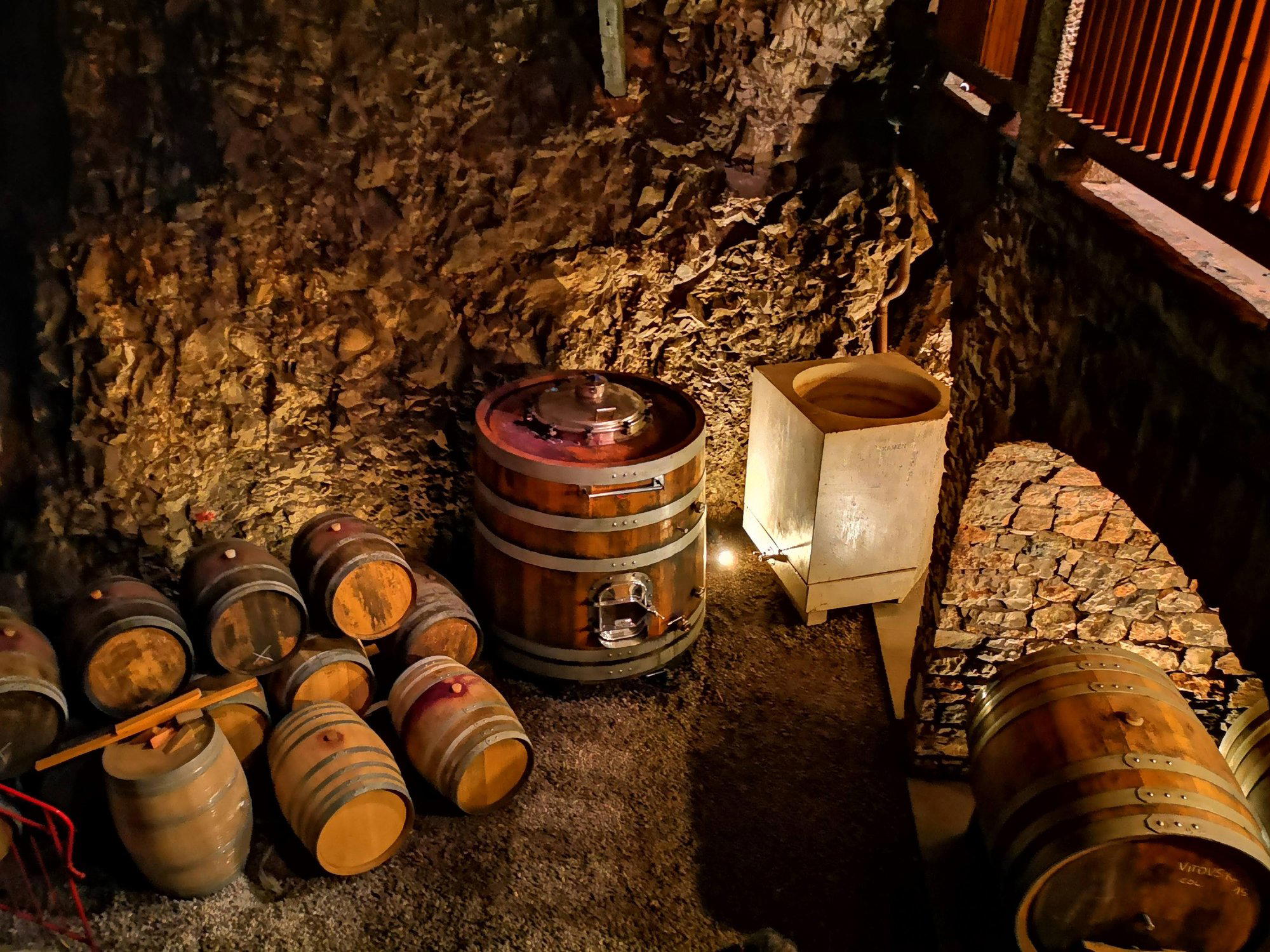
Farmhouse dining rooms in this part of Slovenia tend to follow a recognisable physical grammar: stone walls or rendered plaster, wooden furniture built for durability rather than design, and windows that frame agricultural land rather than curated gardens. The experience of arriving at a farmstead address on the Karst is different from arriving at a restaurant on a pedestrianised street. The approach itself contextualises what you are about to eat, because you can see or sense the land that produced it. That spatial honesty is part of what separates this category from restaurants that perform rurality as aesthetic while sourcing conventionally.
Slovenia's broader gostilna and domačija circuit includes properties like Gostilna Skaručna in Vodice and Grič in Šentjošt nad Horjulom, each of which anchors its cooking in a specific agricultural territory. The pattern across all of them is consistent: the further you get from Ljubljana's restaurant district, the more the menu is governed by actual seasonal availability rather than by a chef's ability to source ingredients from across the country.
Planning a Visit
Kozina is positioned along the main arterial route connecting Ljubljana to the coast, which makes Domačija pri Damjanu a logical stop for travellers moving between the capital and the Istrian shoreline rather than a detour from a primary route. The Karst plateau is roughly an hour's drive south of Ljubljana and sits above the coastal towns of the Gulf of Trieste. Given that the venue operates as a farmstead rather than an urban restaurant, contacting ahead of any visit is advisable, as hours and availability at properties of this type in Slovenia are not always standardised.
Travellers with more time in the region might extend their Slovenian dining itinerary to include Stara Gostilna in Piran along the coast, or move north toward Milka in Kranjska Gora for a contrasting take on how Slovenian kitchens use altitude and alpine ingredients. For those building a more comprehensive picture of what Slovenian restaurant cooking looks like at its most formally ambitious, Restavracija Strelec in Ljubljana and Hiša Denk in Zgornja Kungota represent the country's awarded end of the spectrum. See our full Hrpelje Kozina restaurants guide for a broader map of what the municipality offers.
Internationally, the farmhouse-sourcing model that defines places like Domačija pri Damjanu shares a structural kinship with how certain American farm-dining formats have developed. Lazy Bear in San Francisco represents one version of that, where communal format and hyper-local sourcing converge, though in a far more produced and urban setting than a Karst plateau farmstead. The principle connecting them is the same: the sourcing decision precedes and shapes every other decision in the kitchen.
Frequently asked questions
Is Domačija pri Damjanu a family-friendly restaurant?
The farmhouse format at Slope 12, Kozina lends itself to relaxed, multigenerational dining. Stone-walled farmstead dining rooms in this part of the Karst plateau typically accommodate groups and families more comfortably than urban fine dining counters. That said, check the venue's official channels to confirm capacity and any group dining arrangements before visiting.
What's the vibe at Domačija pri Damjanu?
Domačija pri Damjanu fits the established Karst farmhouse idiom: unhurried, rooted in the agricultural setting of the limestone plateau between Ljubljana and the Adriatic. The address at Slope 12 in Kozina places it away from tourist infrastructure, which shapes the pace and tone of a meal here. Expect a working-farmstead atmosphere rather than a polished restaurant environment.
How far is Domačija pri Damjanu from Ljubljana, and is it worth the detour?
Kozina sits along the main arterial route connecting Ljubljana to the Slovenian Adriatic coast, placing Domačija pri Damjanu on a natural travel corridor rather than a dedicated detour destination. Slovenian farmhouse dining at this latitude operates within a tradition that venues like Hiša Franko in Kobarid have brought to international attention, rooted in local sourcing and plateau produce. For travellers already moving between the capital and the coast, Slope 12, Kozina represents a logical and considered stop within that journey.
What should I eat at Domačija pri Damjanu?
The Karst plateau has a well-defined culinary identity built around cured meats, aged cheeses, wild herbs, and produce shaped by thin limestone soils and a sharp bora wind. Farmhouse venues in this corridor typically anchor their menus to what the land and season provide rather than a fixed à la carte structure. Confirm current menu offerings directly with the venue, as sourcing-led kitchens shift with availability.
What's Domačija pri Damjanu's location?
Domačija pri Damjanu is located at Slope 12, 6240 Kozina, Slovenia, Hrpelje Kozina.
Is Domačija pri Damjanu reservation-only?
Farmstead dining venues along the Kozina corridor frequently operate on a reservation or pre-arranged basis given limited seating and kitchen logistics tied to daily sourcing. Arriving without prior contact carries a real risk of a closed door. Reach out before making the trip, particularly if you are travelling the Ljubljana-to-coast route with a planned stop.
Fast Comparison
Comparable venues nearby, for context on price, style, and recognition.
| Venue | Cuisine | Price | Awards | Notes |
|---|---|---|---|---|
| Domačija pri DamjanuThis venue — the venue you are viewing | Slovenian Mediterranean with Brkini and Trieste influences | Not listed | Not listed | Not listed |
| Turistična Kmetija Breg | Traditional Brda & Friulian Farm Cuisine | Not listed | Not listed | Dobrovo, Brda region |
| Allegria | Slovenian & Mediterranean | $10–20 | Not listed | Downtown Ljubljana |
| Restavracija Most | Slovenian Mediterranean | $30–50 | Not listed | Central Ljubljana |
| Bistro Grad Štanjel | Modern Karst Regional Cuisine | $50–100 | Michelin Plate · Wine Spectator Award of Excellence | Štanjel |
| Papillon bistrot | Modern Mediterranean Bistro | $20–30 | Not listed | Center |
Continue exploring
More in Hrpelje Kozina
Restaurants in Hrpelje Kozina
Browse all →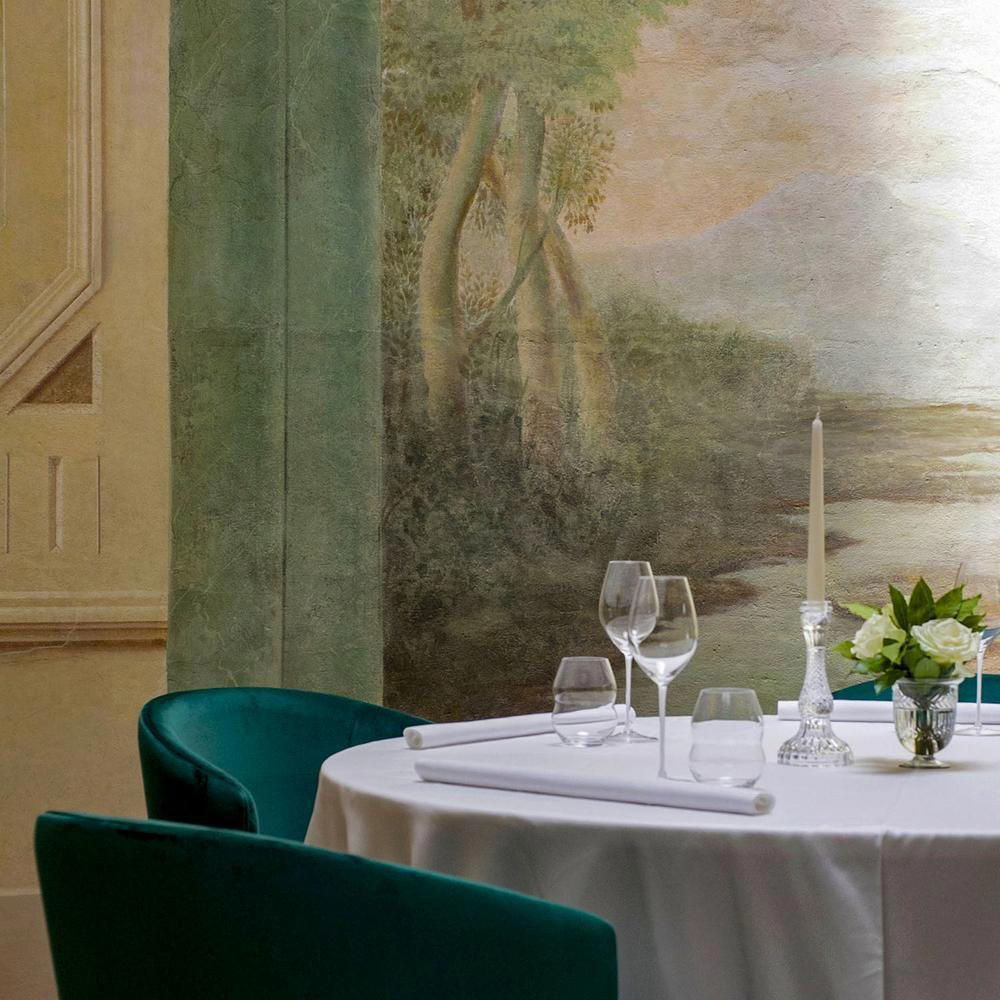
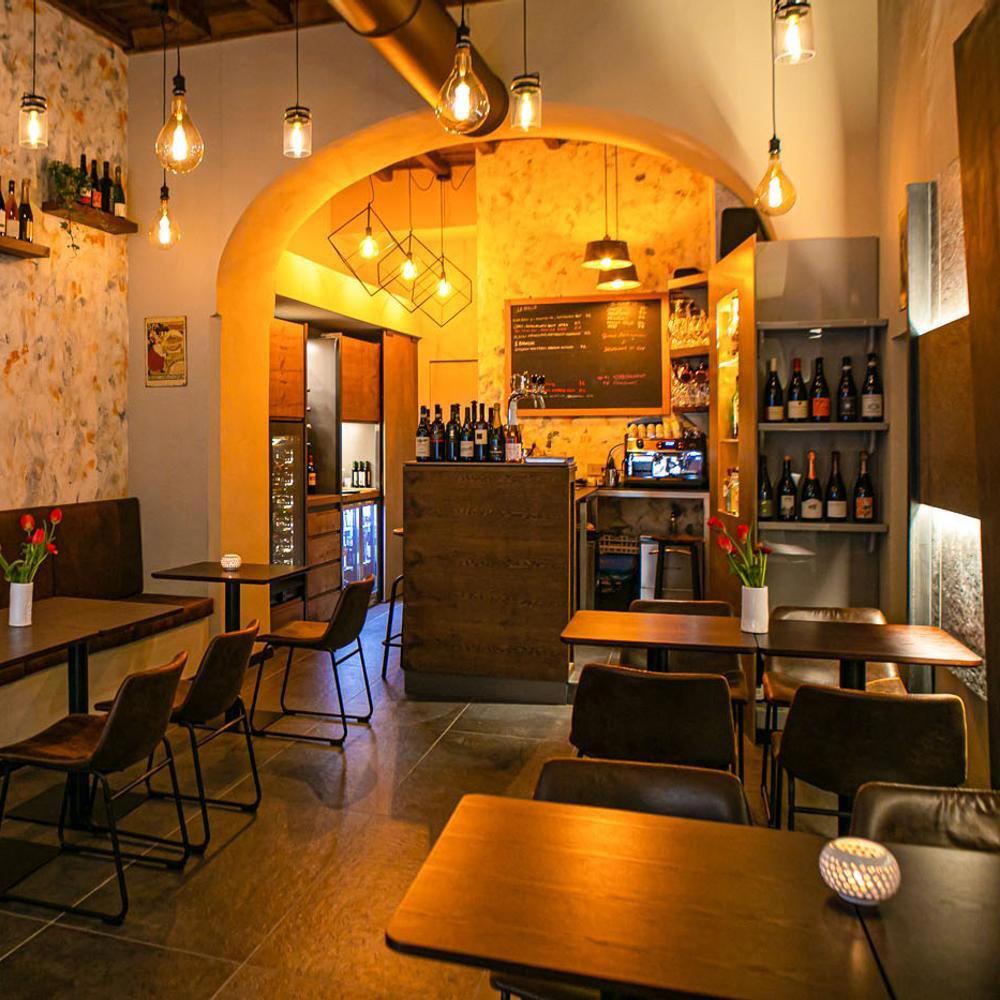
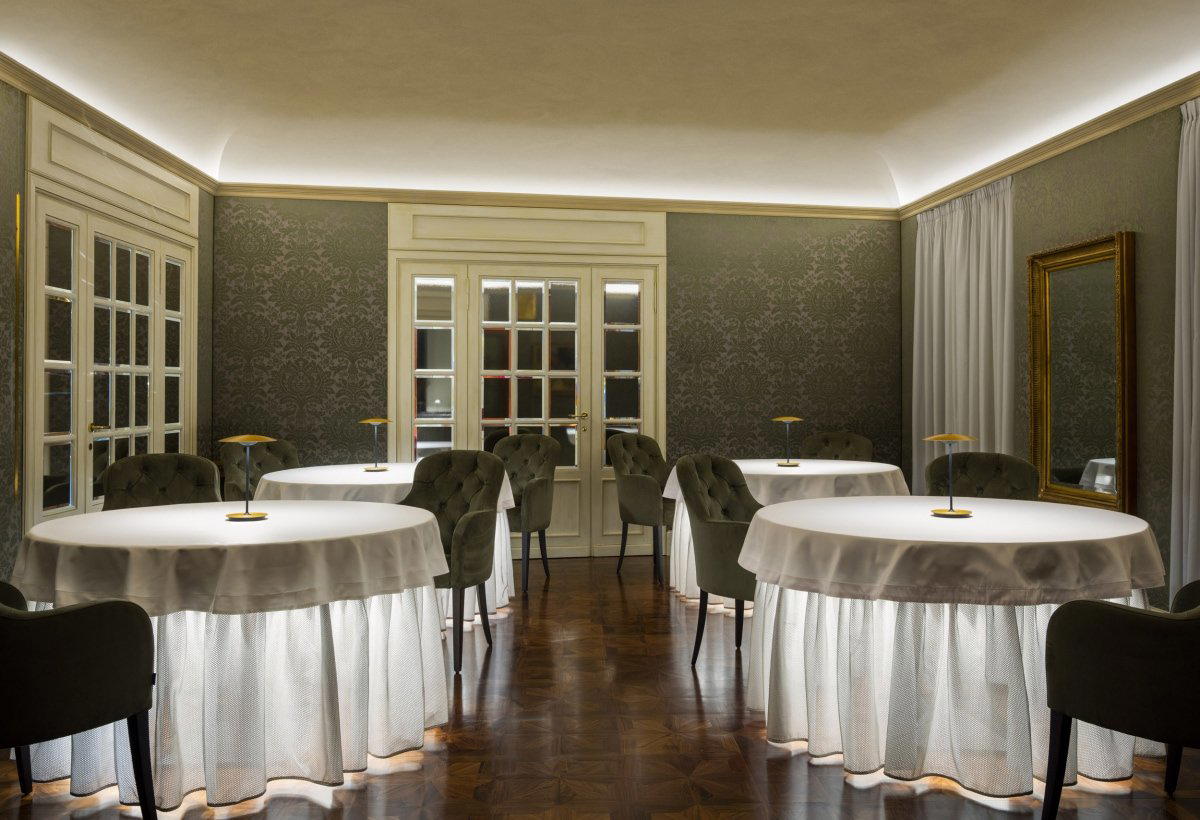
Bars in Hrpelje Kozina
Browse all →
Hotels in Hrpelje Kozina
Browse all →
Wineries in Hrpelje Kozina
Browse all →
Details
- Rustic
- Cozy
- Romantic
- Family
- Group Dining
- Special Occasion
- Terrace
- Local Sourcing
- A La Carte
- Vegetarian Friendly
- Gluten Free Options
Current opening hours
- Monday
- Closed
- Tuesday
- Closed
- Wednesday
- Closed
- Thursday
- 12–10 PM
- Friday
- 12–10 PM
- Saturday
- 12–10 PM
- Sunday
- 12–10 PM
Hours can change for holidays and private events. Last verified .
Traditional rustic farmhouse atmosphere with elegant, well-kept interiors, pleasant outdoor terrace seating, and family-run welcoming vibe.