Doc

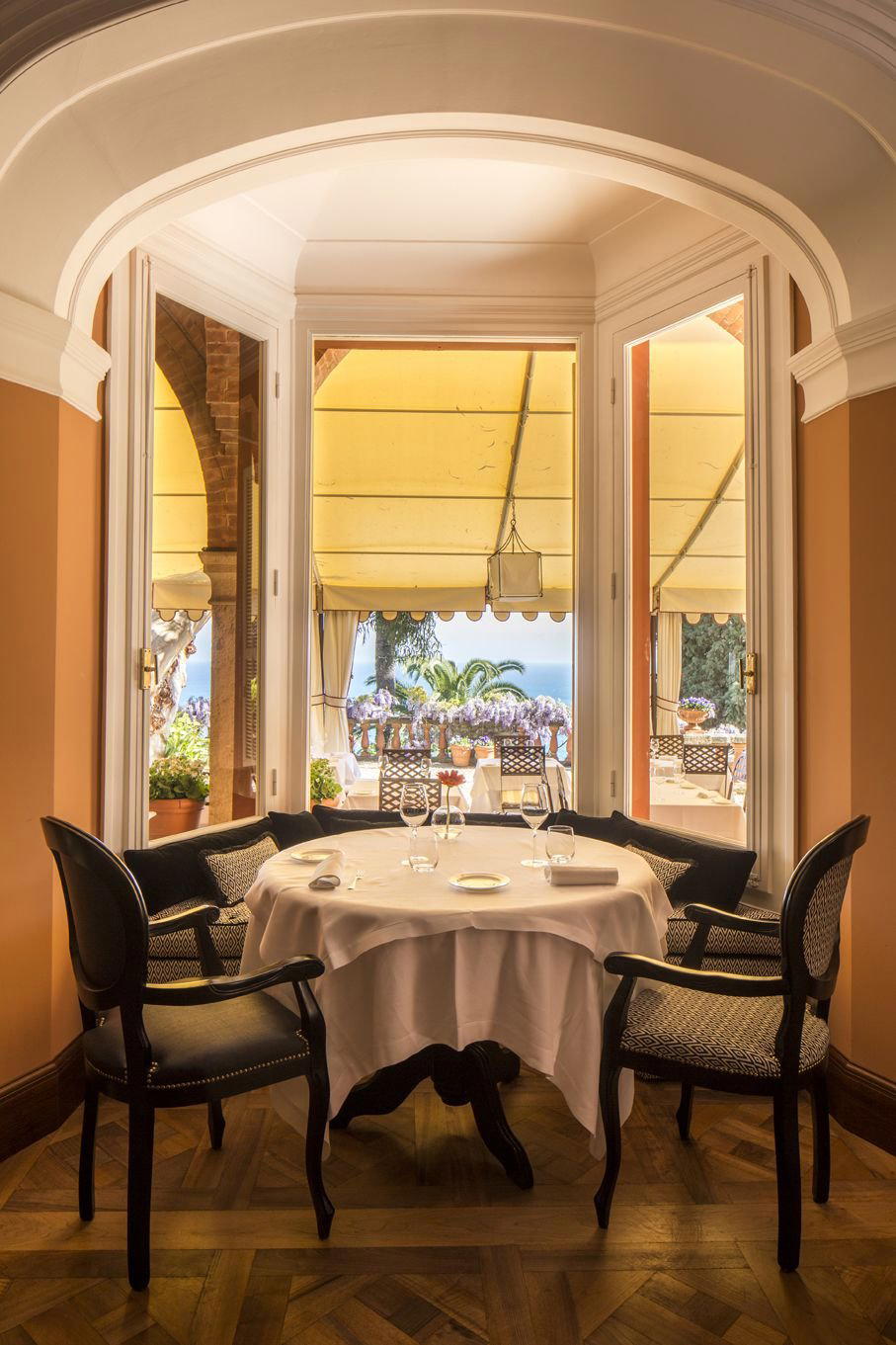
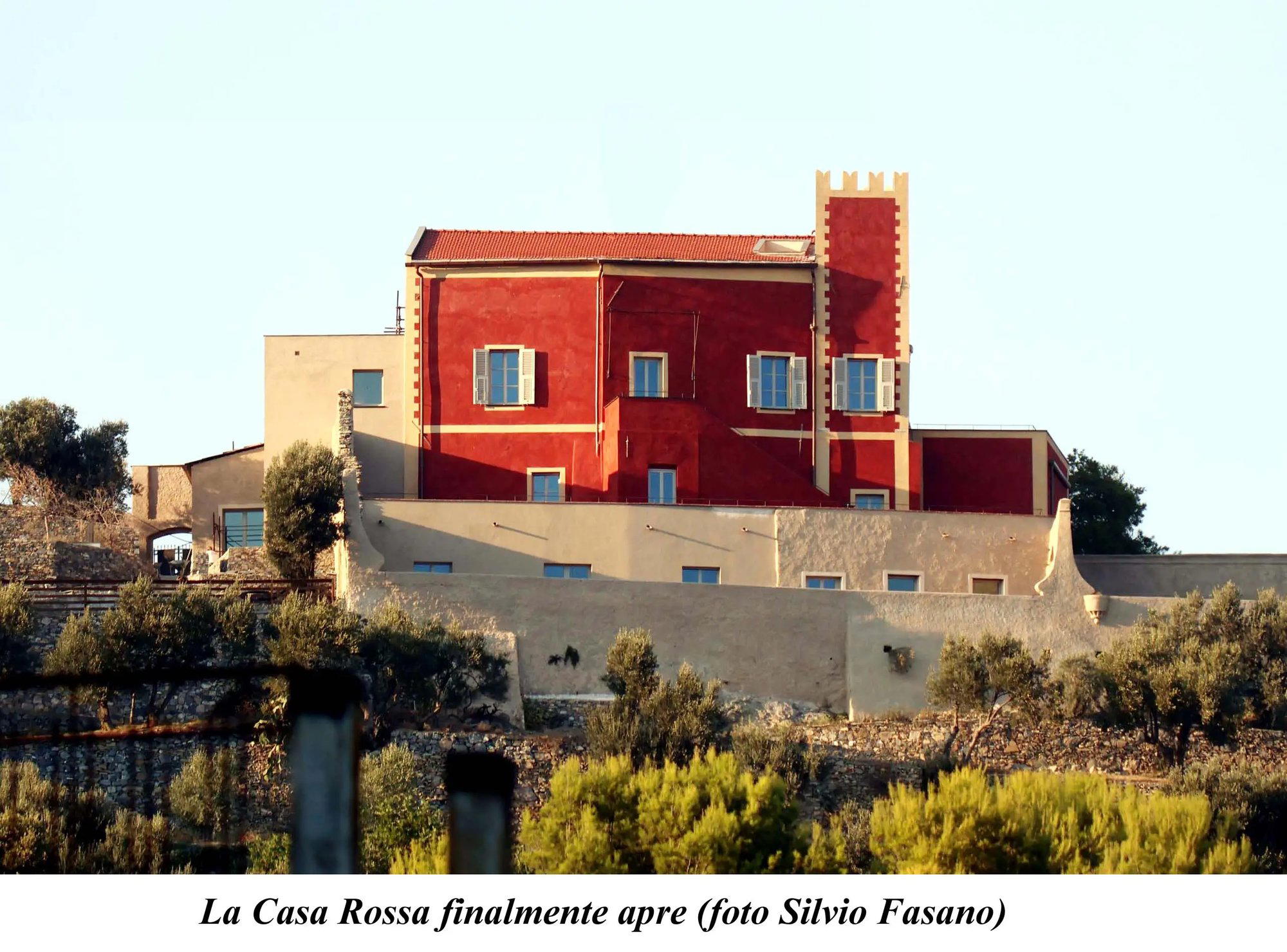
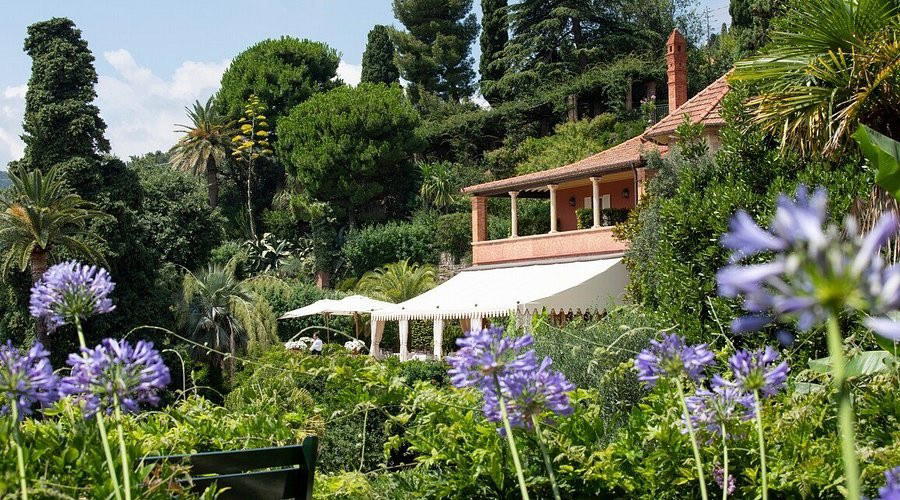
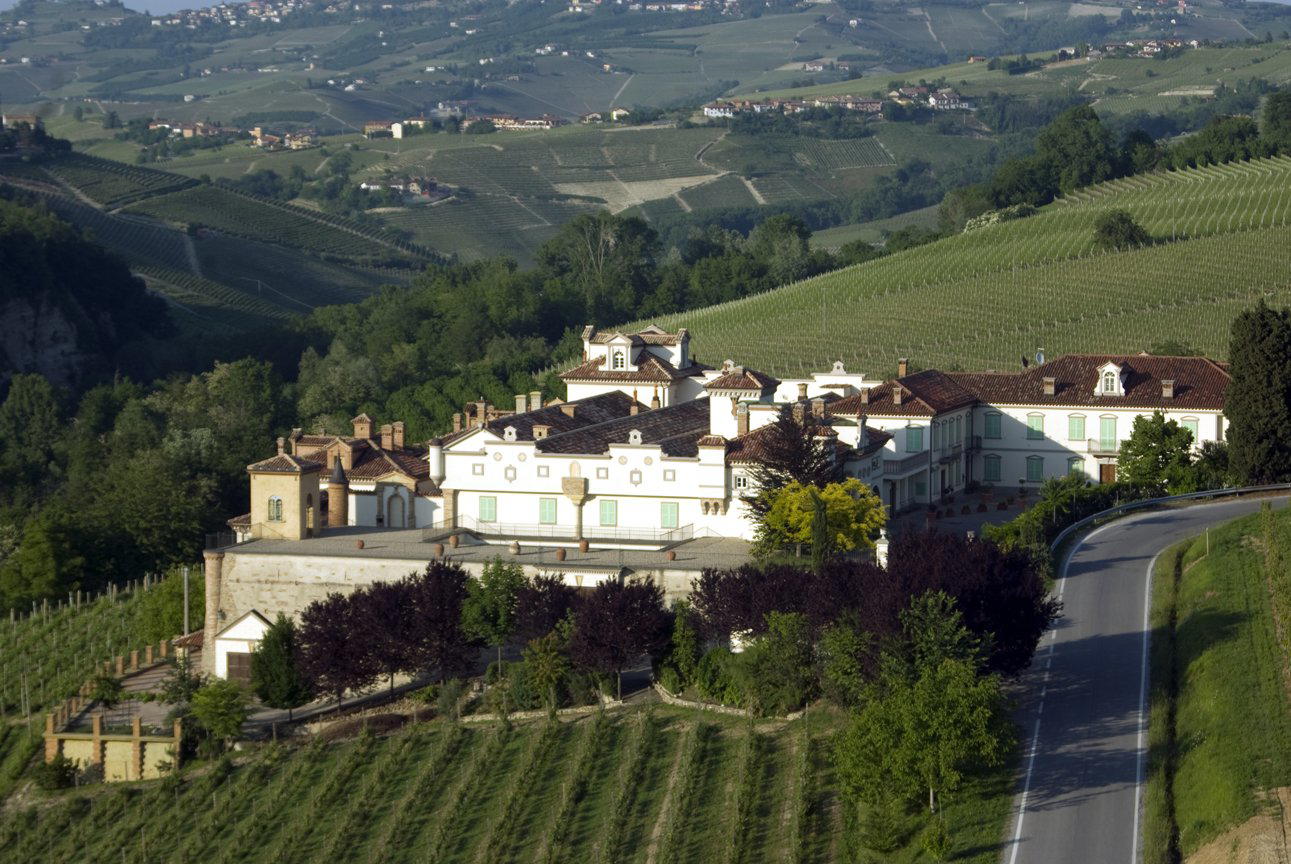
Set inside an early twentieth-century aristocratic villa in the Ligurian village of Borgio Verezzi, Doc holds consecutive Michelin Plate recognition for 2024 and 2025 and serves classic cuisine at a mid-range price point that is rare for this quality of setting. The garden surroundings and unhurried format make it one of the more considered dining stops on the western Riviera di Ponente.
Pearl is the En Primeur Club membership app — saves, bookings, and concierge access live there. Same editors, same standards.
- Address
- Via Vittorio Veneto, 1, 17022 Borgio Verezzi SV, Italy
- Phone
- +39 019 611477
- Website
- ristorantedoc.it
- Directions
- Get directions
 Saves & bookings on Pearl
A Villa Setting on the Riviera di Ponente
The western stretch of the Ligurian coast operates differently from the Cinque Terre circuit to the east. Towns like Borgio Verezzi attract fewer international visitors, which means the dining rooms here answer primarily to local and regional clientele rather than to tourist throughput. That dynamic tends to produce more disciplined cooking at more honest prices, and Doc sits squarely within that tradition. The restaurant occupies an early twentieth-century aristocratic villa on Via Vittorio Veneto, its garden providing a physical separation from the street that signals a certain seriousness of purpose before you reach the door. In a region where many restaurants trade on sea-view terraces alone, a setting built around architecture and planted grounds makes a different kind of argument.
Classic Cuisine and Where the Liguria Table Draws Its Ingredients
Ligurian cooking is defined as much by restraint and sourcing specificity as by any particular technique. The coastal strip between Savona and the French border produces some of Italy's most distinctive raw materials: Taggiasca olives pressed into oil with a low bitterness and high fruitiness, basil grown in the maritime microclimate of the Genoese hinterland that differs measurably from inland varieties, anchovies from Monterosso and Noli cured with salt alone. A kitchen operating under the classic cuisine designation in this territory has both an obligation and an opportunity: the obligation to respect ingredient character rather than mask it, and the opportunity to work with produce that already has an argument to make on the plate.
Doc's Michelin Plate recognition, held across both 2024 and 2025, signals that the kitchen meets a standard of consistency the guide considers worth noting, without yet crossing into the star tier. The Plate designation in the current Michelin framework marks cooking that uses quality ingredients and prepares them with care, which in a village restaurant at the €€ price range is a meaningful credential. It places Doc in a different conversation from the three-star Italian tables that operate at stronger examples from the country's formal dining hierarchy, restaurants like Dal Pescatore in Runate, Enoteca Pinchiorri in Florence, or Le Calandre in Rubano. The comparison matters because it frames what Doc actually is: a well-kept, ingredient-attentive classic table rather than an ambitious modernist project.
Classic cuisine in Italy does not mean frozen in amber. It means a kitchen that treats established technique as the correct vehicle for seasonal produce rather than an obstacle to personal expression. Liguria's harvest calendar shapes the menu in ways that any table serious about sourcing must acknowledge: spring brings pre-salted anchovies and the first courgette flowers; summer loads the coast with tomatoes and peppers; autumn arrives with mushrooms from the Ligurian Apennines that stand twenty kilometres inland. A restaurant working inside this calendar at the classic register will read differently in July than it does in October, which is a reasonable argument for more than one visit.
Positioning Within the Italian Classic Dining Scene
Italy's mid-range classic restaurant category is not evenly distributed across the country. The north concentrates the density of serious tables, from Piedmont's Langhe to the Veneto, and the major cities anchor the high-end tier. The Ligurian Riviera di Ponente has historically been underrepresented in serious dining coverage relative to its ingredient quality, partly because the coastal geography limits the kind of agricultural hinterland that drives destination-restaurant cultures in regions like Emilia-Romagna or Lombardy.
That relative quiet creates conditions where a restaurant like Doc can hold genuine local authority without competing in the media-heavy circuits that surround tables such as Osteria Francescana in Modena, Piazza Duomo in Alba, or Reale in Castel di Sangro. Ambition at different scales produces different kinds of value. Uliassi in Senigallia and Quattro Passi in Marina del Cantone show what Italian coastal cooking can reach at the three-star level; Doc answers a different question, one about what consistent, honest cooking looks like at a price accessible to a regular table.
That kind of score distribution typically reflects repeat custom and word-of-mouth from a regional base, which in practice means the kitchen is cooking for people who will return and notice if standards slip.
Among comparable classic-register European restaurants worth examining in this context, KOMU in Munich and Maison Rostang in Paris occupy similar territory in their respective cities: formal enough to carry awards recognition, grounded enough to serve a non-occasion clientele. Atelier Moessmer Norbert Niederkofler in Brunico represents the more ambitious end of northern Italian ingredient-led cooking. Enrico Bartolini in Milan and Casa Perbellini 12 Apostoli in Verona show the three-star ceiling in the contemporary Italian creative mode. Doc occupies none of these tiers, and that is not a criticism: a Michelin Plate restaurant in a Ligurian villa at mid-range prices is not trying to.
Planning a Visit
Doc is located at Via Vittorio Veneto, 1, in Borgio Verezzi, a small municipality in the Province of Savona. The village sits on the Riviera di Ponente, accessible by train via the Borgio Verezzi station on the coastal line between Genoa and Ventimiglia, with the villa a short distance from the centre. The €€ price positioning means a full meal for two with wine should remain accessible relative to comparable Ligurian options closer to Genoa. The garden setting makes warmer months an obvious draw, though the villa interior carries its own character through winter. Given the small-village context and the consistently positive local ratings, booking ahead is advisable, particularly on weekends.
Side-by-Side Snapshot
Comparable venues nearby, for context on price, style, and recognition.
| Venue | Cuisine | Price | Awards | Notes |
|---|---|---|---|---|
| DocThis venue — the venue you are viewing | Authentic Ligurian Seafood | $$$ | Michelin Plate | Not listed |
| Enoteca di Canelli - Casa Crippa | Modern Piedmontese | $$$ | Michelin Plate | Canelli |
| Quintogusto | Modern Ligurian with South American Influences | $$$ | Michelin Plate | central Savona |
| Ape Vino e Cucina | Piedmontese Italian Wine Bar | $$$ | Michelin Plate | Piazza Risorgimento |
| Campamac | Modern Piedmontese Osteria | $$$ | Michelin Plate | Barbaresco |
| Il Cavallo Scosso | Modern Piedmontese Tasting Menu | $$$ | Michelin Plate | residential area, 2km from city centre |
Recognition history
Dated appearances from independent guides and award organizations, with the underlying list record or original source where available.
Michelin Plate
Michelin
Michelin Plate
Michelin
Michelin Plate
Michelin
Continue exploring
More in Borgio Verezzi
Restaurants in Borgio Verezzi
Browse all →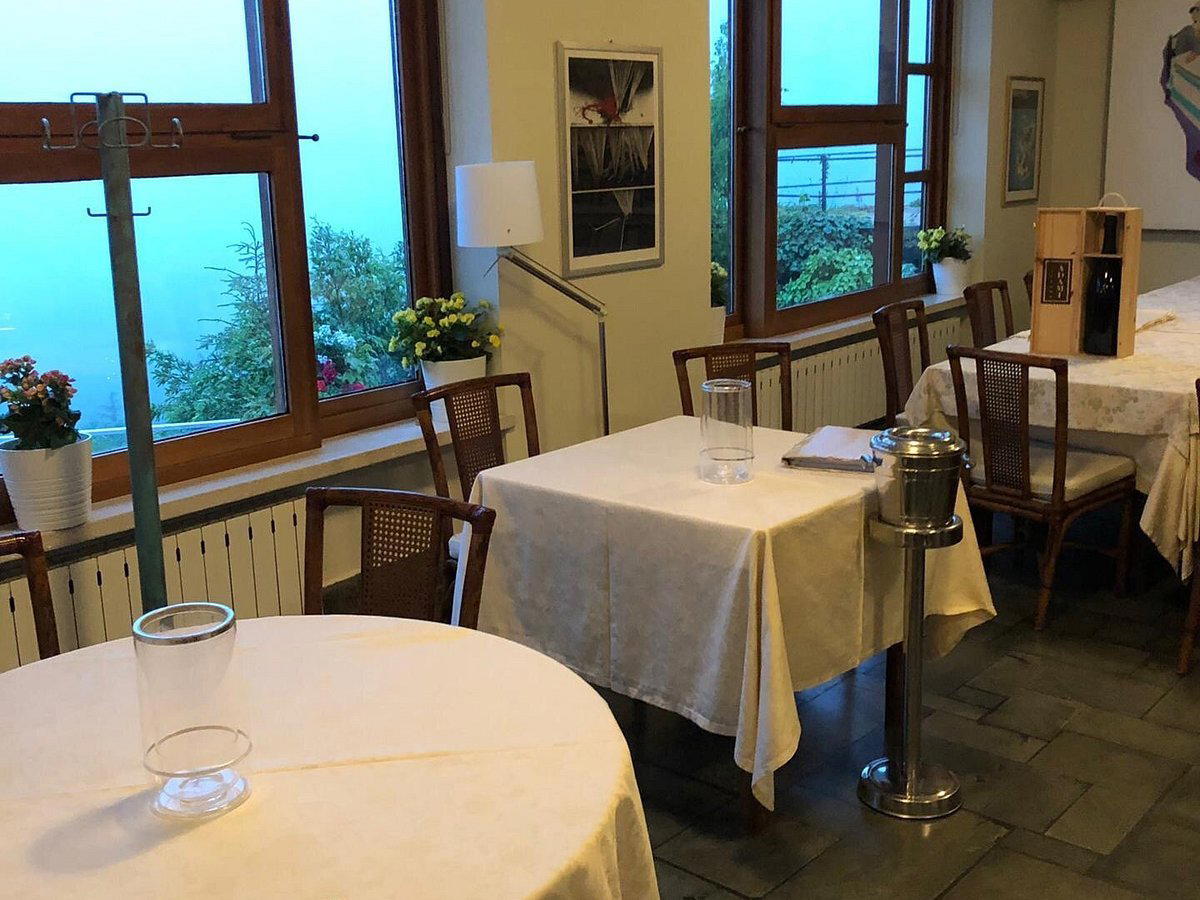
Bars in Borgio Verezzi
Browse all →
Hotels in Borgio Verezzi
Browse all →
At a Glance
- Romantic
- Cozy
- Elegant
- Date Night
- Special Occasion
- Garden
- Private Dining
- Extensive Wine List
- Local Sourcing
- Garden
Current opening hours
- Monday
- Closed
- Tuesday
- Closed
- Wednesday
- Closed
- Thursday
- Closed
- Friday
- 8–9 PM
- Saturday
- 8–9 PM
- Sunday
- 1–2 PM, 8–9 PM
Hours can change for holidays and private events. Last verified .
Romantic and cozy atmosphere in a quiet, well-kept aristocratic villa surrounded by pretty garden greenery.