

Michelin Selected · Leading Hotels of World Member
A Leading Hotels of the World member on the Ligurian Riviera, Grand Hotel Alassio Beach & SPA Resort occupies a prime position along Alassio's seafront promenade. The property sits within a category of Italian coastal hotels defined by belle époque architectural heritage and direct beach access, placing it firmly in the upper tier of the Riviera di Ponente's accommodation offer.

Pearl is the En Primeur Club membership app, where members save venues, book tables and use the concierge.
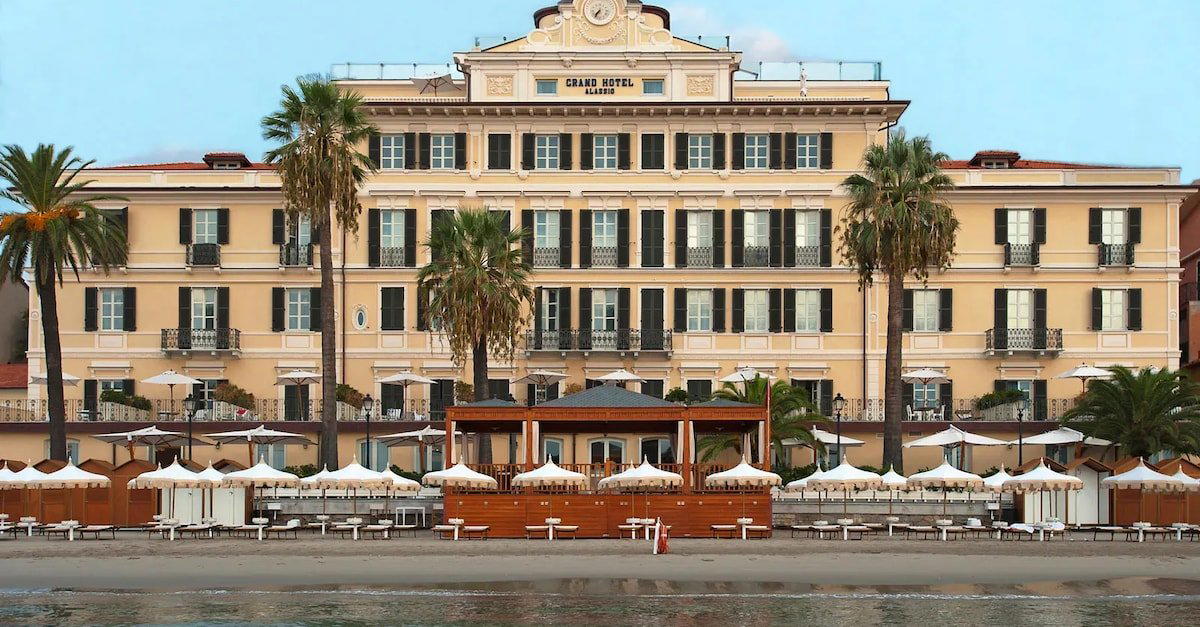
The Ligurian Seafront and What It Demands of a Hotel
Alassio has a particular problem: the town's seafront is one of the most recognisable stretches of the Ligurian Riviera, a long sandy crescent backed by pastel-coloured buildings and the low hills of the Maritime Alps, and almost every property on it makes some claim to prestige. The hotels that actually hold weight in this context are those whose architecture does visible work, whose presence on the lungomare registers as more than another painted facade.
That membership matters as context. The Leading Hotels of the World portfolio does not admit properties on volume; it admits on consistent delivery across categories that include physical plant, guest services, and food and beverage quality. For a Ligurian coastal hotel, that standard is measured against properties like Il Pellicano in Porto Ercole and Borgo Santandrea on the Amalfi Coast, both of which operate in the same association and share the same expectation of environment over spectacle.
Architecture as the Primary Argument
The grand hotels of the Italian Riviera emerged in the late nineteenth and early twentieth centuries as purpose-built destinations for northern European aristocracy and the nascent upper-middle class travelling south for the climate. That architectural era produced buildings with wide sea-facing terraces, high-ceilinged public rooms, and a formal relationship between interior space and the water beyond. In Alassio, those structures have aged at different rates. Some have been subdivided or modernised past the point of coherence. The ones that hold their original spatial logic tend to be the ones that remain identifiable at a distance.
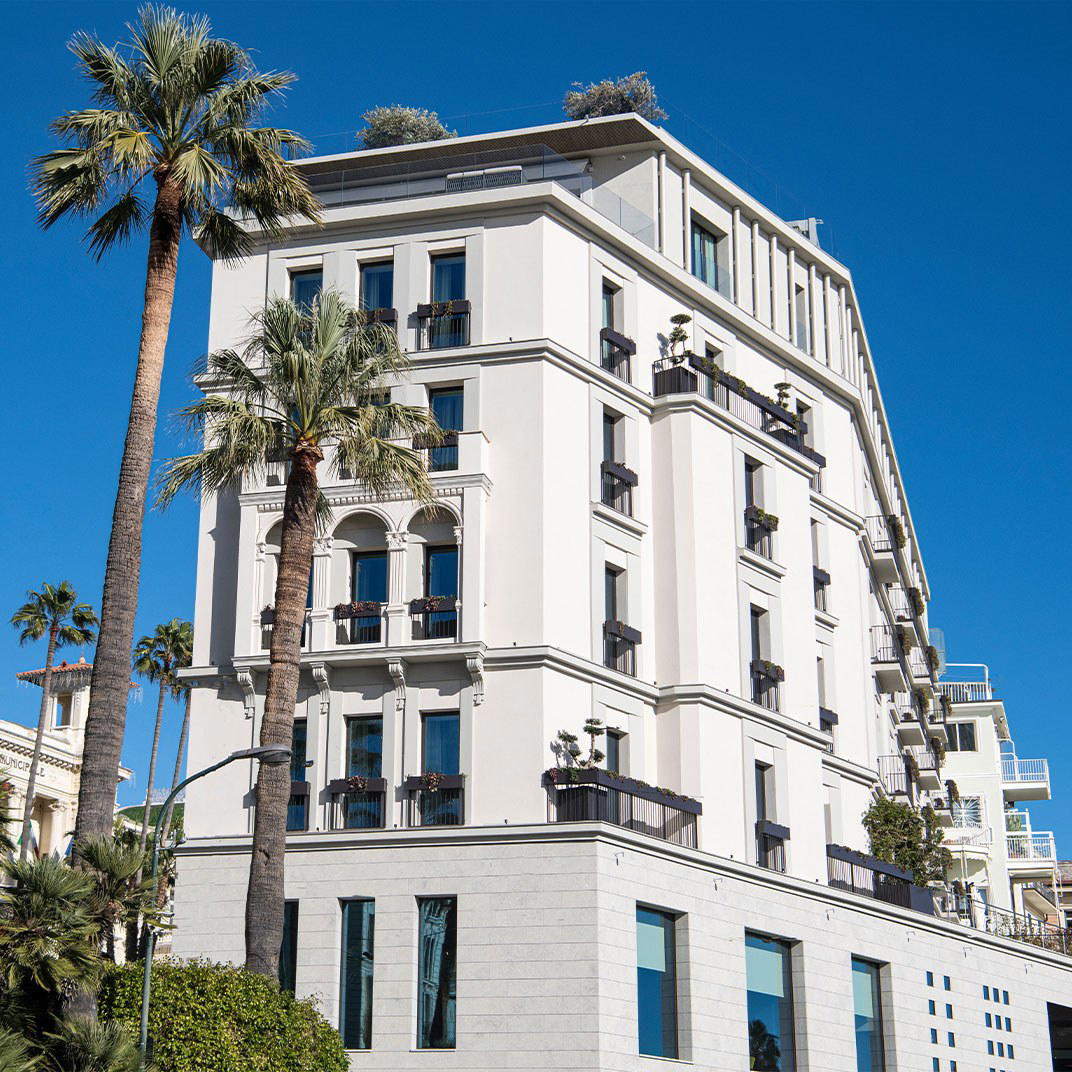
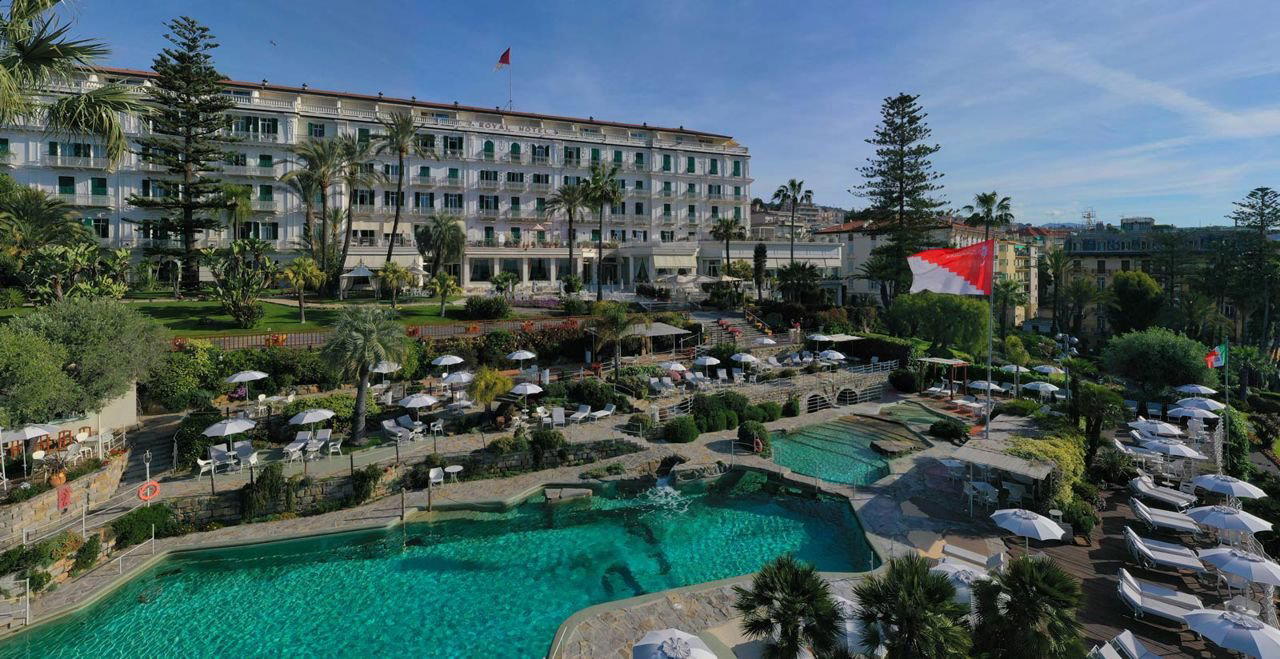
Grand Hotel Alassio sits within this tradition. The building's seafront position and scale reflect the period's premise: that a luxury hotel on the Ligurian coast should announce itself through its relationship to the landscape rather than through interior decoration alone. The wider context of Italian coastal hospitality is now split between properties that work with their original architectural frame and those that have replaced it with a contemporary design language, as seen at newer-format Italian hotels including EALA My Lakeside Dream on Lake Garda or the mountain-embedded Forestis Dolomites in the South Tyrol. Grand Hotel Alassio occupies the classical end of that divide.
Beach Access and the Riviera Logic
Direct beach access is the controlling variable for any serious hotel on this stretch of the Ligurian coast. Alassio's beach is narrow by Mediterranean standards and managed through a concession system, meaning that hotels without direct or priority beach relationships operate at a structural disadvantage relative to those that control their own section of sand and sea. A property at Via Antonio Gramsci, 2, at the seafront address, is positioned to resolve that variable entirely. The beach here is organised through private lidos rather than public open access, and a Leading Hotels of the World member at this address would be expected to have a defined beach presence integrated with its guest offer.
The Riviera di Ponente runs west from Genoa toward the French border, with Alassio sitting roughly midway along the arc. It draws a different traveller profile from the Riviera di Levante to the east: slightly less day-tripper pressure, more Italian domestic tourism, and a town centre (the historic Budello pedestrian lane is one of the Riviera's more atmospheric shopping streets) that functions as a genuine destination rather than a backdrop. For readers comparing Italian coastal properties, the Alassio market sits below the volume intensity of San Remo and above the quiet remove of Finale Ligure.
Where Grand Hotel Alassio Sits in the Italian Luxury Hotel Conversation
Italian luxury hospitality has sorted itself into several distinct registers. At one end, city palaces like Aman Venice and Bulgari Hotel Roma operate at the upper limit of price and exclusivity, with converted historic buildings and single-property positioning. In the countryside, the converted estate model, seen at Castello di Reschio and Rosewood Castiglion Del Bosco, trades on agricultural scale and Tuscan or Umbrian provenance. Coastal resort hotels like Grand Hotel Alassio sit in a third register: they are not urban palaces and not rural estates, but seafront institutions with their own architectural authority and a guest experience built around proximity to water and Mediterranean climate.
On the Ligurian coast itself, the immediate comparison is Villa della Pergola, also in Alassio, which operates in a smaller, more villa-format style within the same town. The two properties represent different models: villa restraint versus grand hotel scale.
Planning a Stay: What the Address and Membership Indicate
For travellers considering Alassio as a base, the practical logic runs as follows. The town is accessible by train from Genoa (roughly 90 minutes) and from Nice (around two hours) via the coastal rail line, which stops at Alassio station a short walk from the seafront. By road, the A10 motorway connects to the town with exits at Albenga and Andora. The hotel's address at the start of the promenade makes it walkable to the Budello and to the main concentration of Alassio's restaurants and cafes.
Leading Hotels of the World membership carries a booking infrastructure of its own: the association operates a reservations platform and a preferred-guest programme (Leaders Club) that integrates across the portfolio globally. For travellers who use that system across Passalacqua, Four Seasons Hotel Firenze, or Casa Maria Luigia in Modena, the Grand Hotel Alassio fits naturally into an Italy itinerary structured around LHW properties. Summer occupancy on the Ligurian Riviera concentrates in July and August; late June and September offer the same beach conditions with considerably less pressure on the town's restaurant and transport infrastructure.
In Context: Similar Options
Comparable venues nearby, for context on price, style, and recognition.
| Venue | Cuisine | Price | Awards | Notes |
|---|---|---|---|---|
| Grand Hotel Alassio Beach & SPA ResortThis venue (the venue you are viewing) | Neo-classical luxury beach resort | Not listed | Michelin Selected · Leading Hotels of World Member | Not listed |
| Grand Hotel Alassio Resort & Spa | Historic neoclassical beach resort with modern restoration | Not listed | Michelin Selected · Leading Hotels of World Member | Alassio |
| Villa della Pergola | Luxury heritage boutique hotel positioned as a refined retreat for informed travelers seeking historical charm combined with contemporary wellness and gastronomic excellence. | $300–500 | Michelin Selected · La Liste Top Hotels | Alassio |
| Tivoli Portopiccolo Sistiana Wellness Resort & Spa | Modern boutique retreat inspired by Gio Ponti | Not listed | Michelin Selected | Portopiccolo |
| Hotel Première Abano | Luxury 5-star thermal spa resort in a renovated Art Nouveau building surrounded by a large private park. | $100–200 | Not listed | Not listed |
| My Arbor - Dolomites | Sustainable family-run treehouse hotel polished in the forest | $200–300 | Michelin Selected · Mr & Mrs Smith Seal of Approval | Plose |
Recognition history
Dated appearances from independent guides and award organizations, with the underlying list record or original source where available.
Michelin Selected
Michelin
Leading Hotels of World Member
Leading Hotels of World
Continue exploring
More in Alassio
Hotels in Alassio
All hotels in Alassio →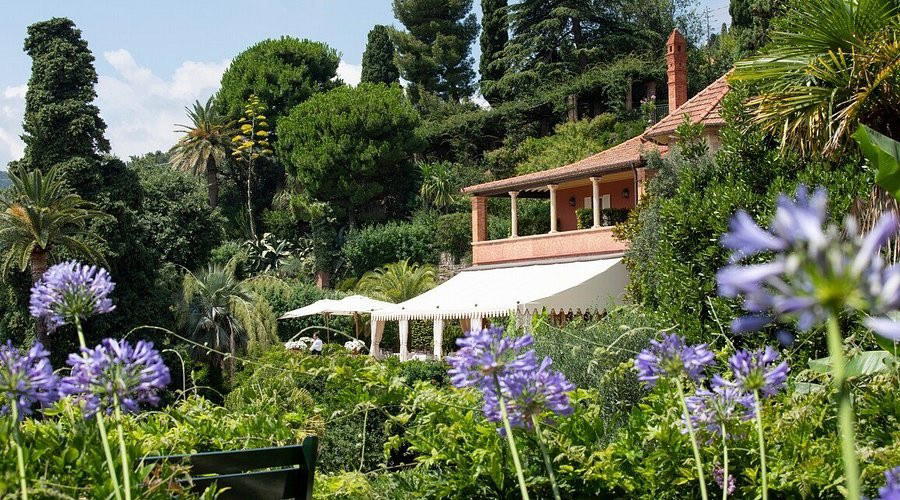
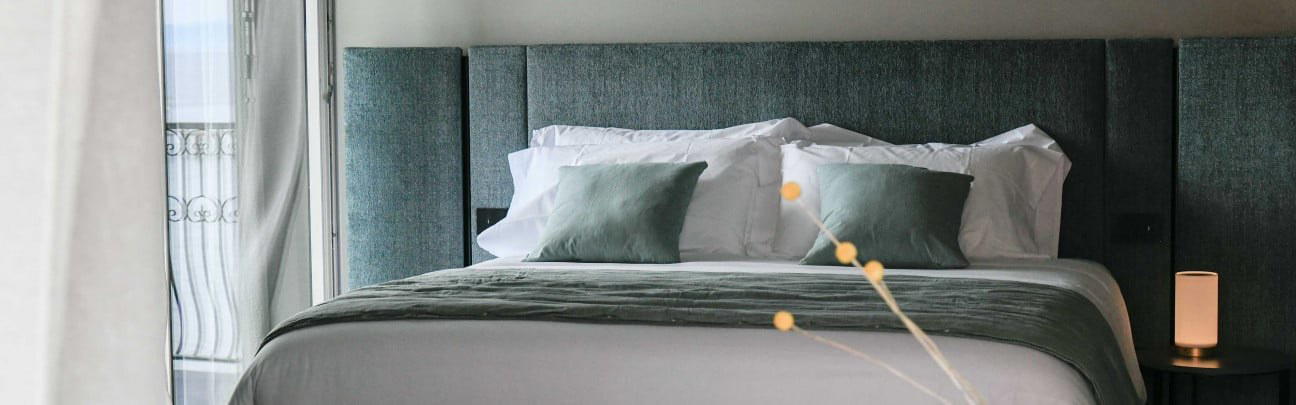
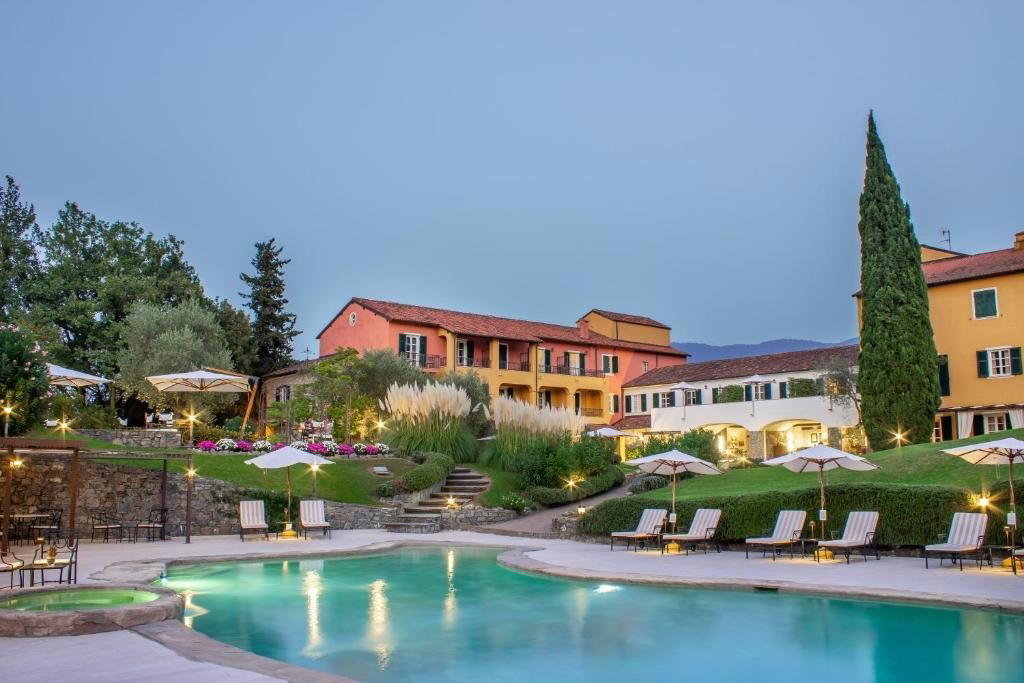
Restaurants in Alassio
All restaurants in Alassio →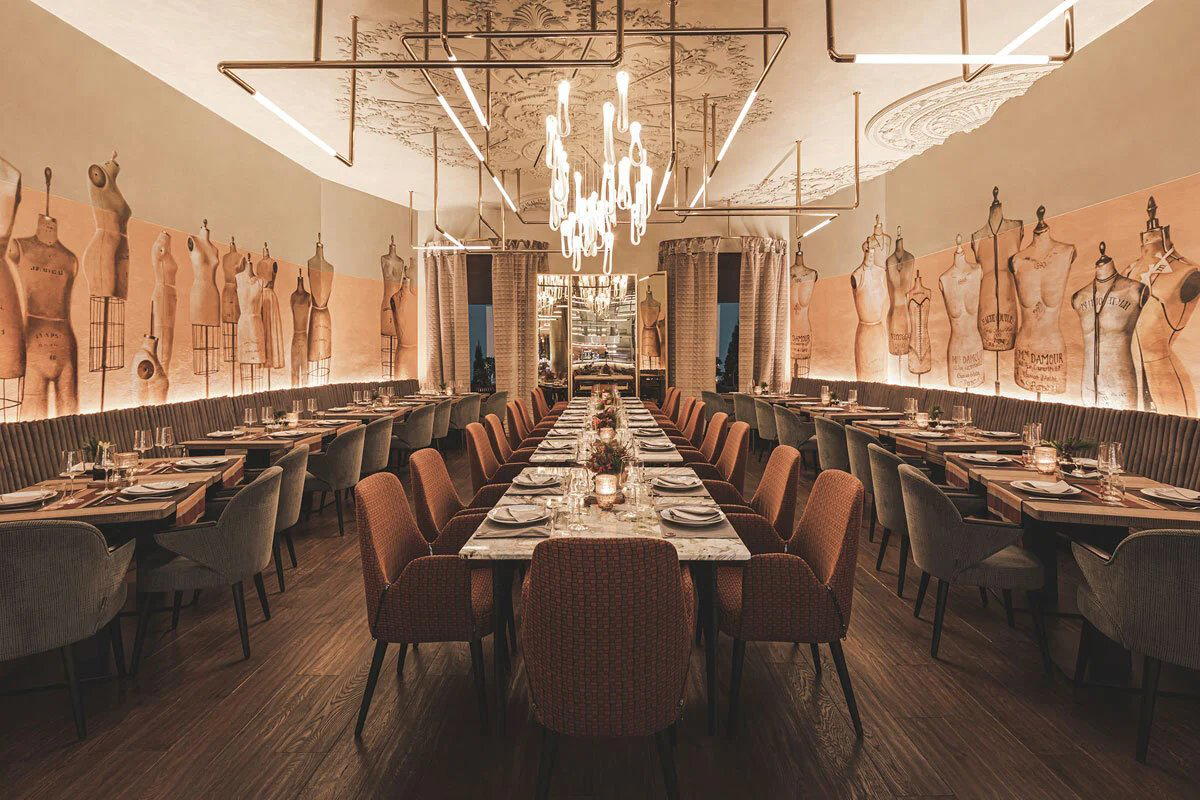

Details
- Elegant
- Sophisticated
- Scenic
- Classic
- Romantic Getaway
- Family Vacation
- Wellness Retreat
- Beachfront
- Destination Spa
- Spa
- Pool
- Fitness Center
- Beach Access
- Room Service
- Concierge
- Kids Club
- Wi Fi
- Waterfront
- Wheelchair Accessible
- Elevator
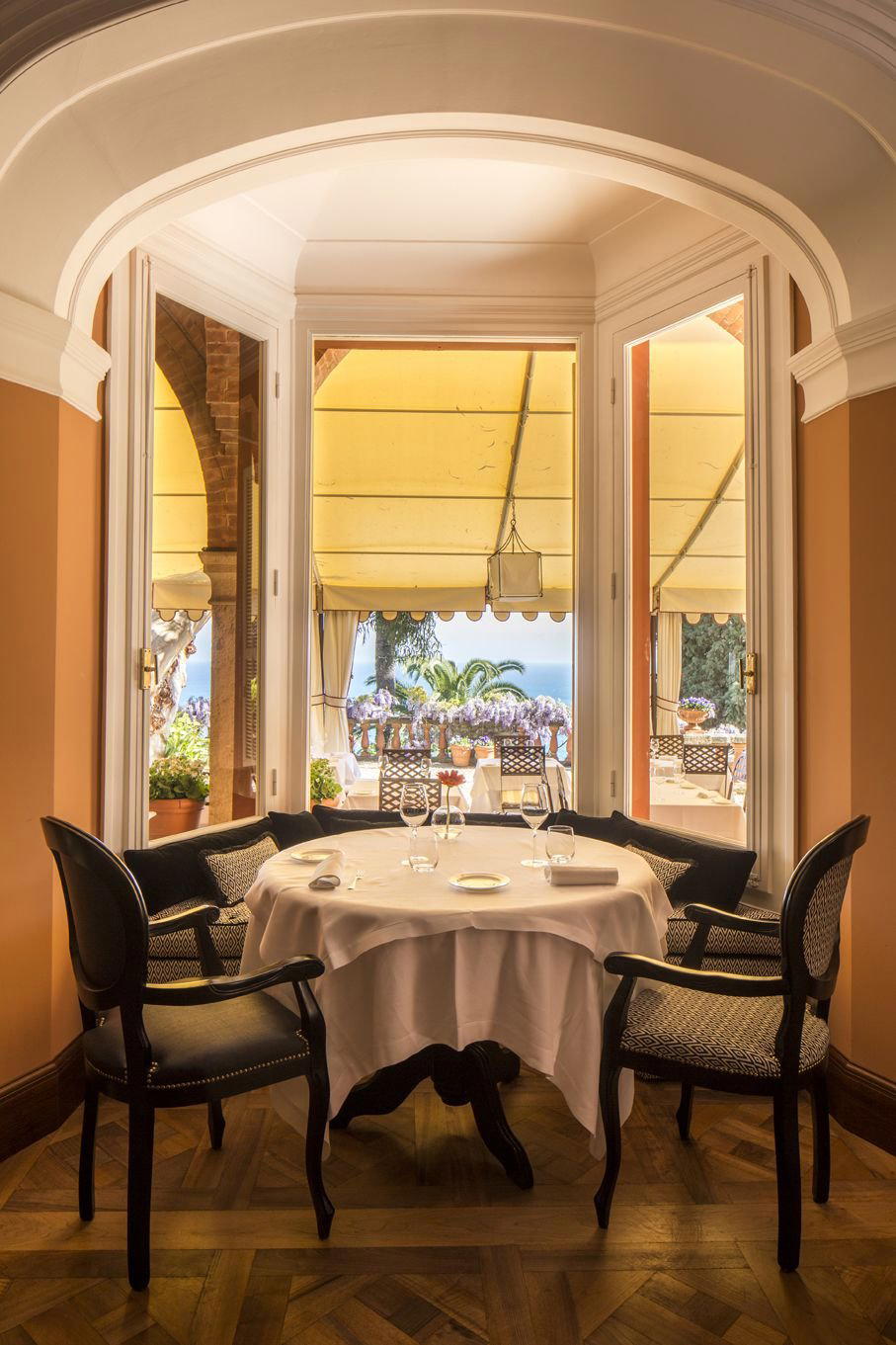
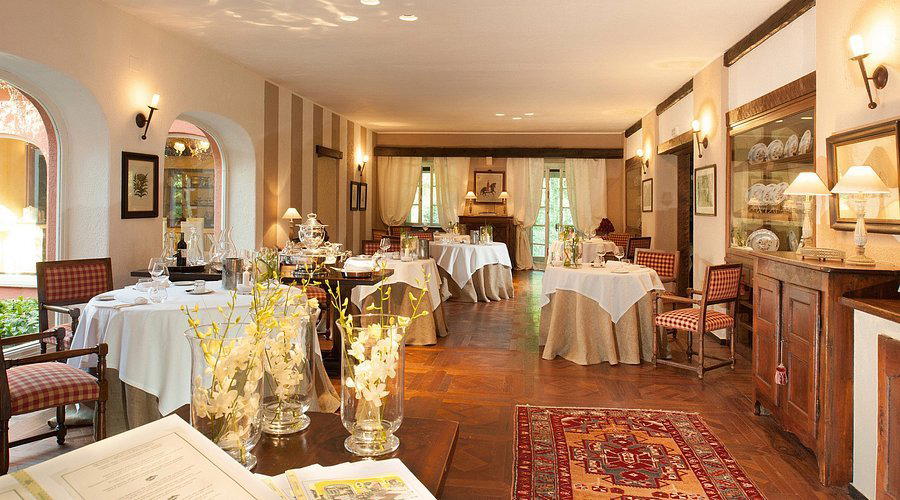
Charming and elegant atmosphere with modern comforts, sea views, and a welcoming vibe praised in guest reviews.