Délice occupies a quiet address on Waversesteenweg in Putte, a small Antwerp province town that sits well outside Belgium's main fine-dining circuits. With almost no public data trail, it operates the way many of the country's most serious neighbourhood restaurants do: through word-of-mouth and repeat custom rather than awards noise. Visitors researching Belgian dining at this level should treat it as a local discovery rather than a confirmed destination.
Pearl is the En Primeur Club membership app — saves, bookings, and concierge access live there. Same editors, same standards.
- Address
- Waversesteenweg 41, 2580 Putte, Belgium
- Phone
- +3215243550
- Website
- delice.be
- Directions
- Get directions
 Saves & bookings on Pearl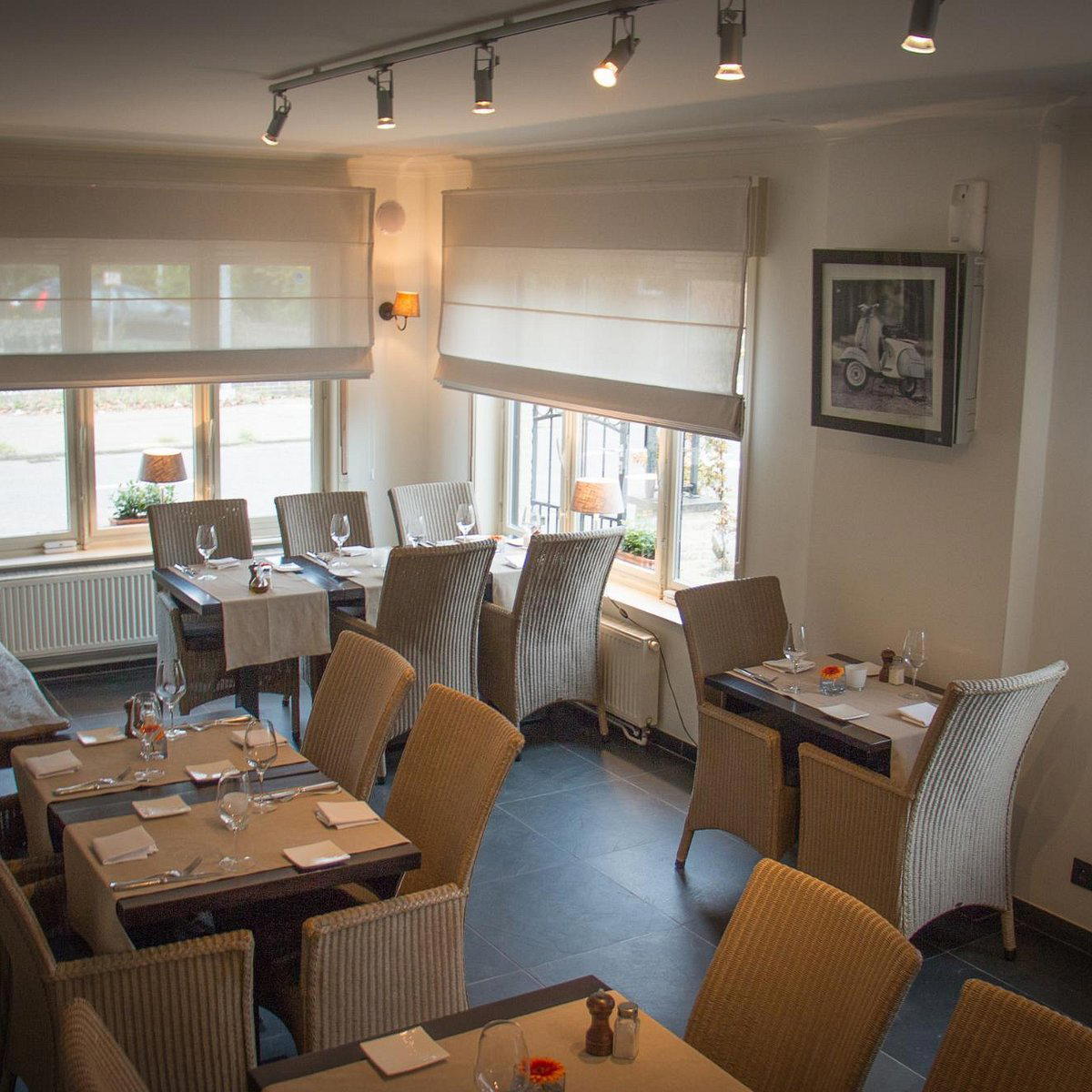
A Small Town, a Serious Dining Tradition
Délice is a Belgian Bistro in Putte, Antwerp province, at Waversesteenweg 41, 2580 Putte, Belgium. Belgium's restaurant culture has long operated on a paradox: some of its most considered cooking happens in towns that rarely appear on itineraries shaped by Michelin maps or food-media shortlists. Putte, a municipality in the Antwerp province roughly equidistant between Antwerp and Mechelen, fits that pattern. It is not a destination town in the way that Roeselare or Ghent are, yet the provincial Flemish dining tradition that produced places like Vrijmoed in Gent and Boury in Roeselare runs deep through communities exactly like this one. Délice, on Waversesteenweg 41, exists within that tradition rather than apart from it.
The address itself signals something about the approach. Waversesteenweg is a through-road, functional and unhurried, the kind of street where restaurants succeed because the food justifies the detour rather than because foot traffic converts passing strangers. In that sense, Délice occupies a category common across Belgian provincial dining: the neighbourhood restaurant that earns loyalty by delivering consistent quality to a local audience that knows what it is looking for.
Where the Food Comes From and Why That Question Matters
Belgium's geography gives its serious kitchens an unusual advantage. Within a relatively compact territory, cooks can draw on North Sea catch from the coast, Ardennes game and dairy from the south, polders vegetables from around Mechelen, and some of the continent's most reliable artisan producers in between. The Mechelen region specifically has a long association with market gardening, and the sandy soils around the Antwerp province have historically supplied urban kitchens with produce that travels short distances. This matters in practice: sourcing integrity in Belgian cooking is less about fashionable philosophy and more about proximity and habit. The supply chains have existed for generations.
Restaurants operating in this register, from La Durée in Izegem to Cuchara in Lommel, tend to anchor their menus in seasonal availability rather than fixed signatures. The discipline that comes from working close to a supply source, accepting what is available and building around it, produces a different kind of cooking than import-led kitchens. It is not a constraint so much as a creative framework, and it is one of the defining characteristics of Flemish provincial fine dining at its most considered.
For a venue in Putte's position, with the agricultural corridor between Antwerp and Mechelen nearby, ingredient sourcing is not an abstraction. It is the practical foundation on which the menu rests. Ralf Berendsen in Neerharen and Castor in Beveren illustrate how Flemish kitchens at this tier tend to work: the produce determines the direction, and the cooking follows.
The Belgian Provincial Dining Tier
To understand where Délice sits, it helps to map the wider Belgian restaurant structure. At the leading, a small number of destination restaurants, including Hof van Cleve in Kruishoutem and Zilte in Antwerp, draw international visitors and carry multiple Michelin stars. Below that, a broader tier of serious neighbourhood restaurants operates with fewer covers, less media attention, and often more personal cooking. This is the tier that defines Belgian dining character more than the starred outliers do, because it is where the population actually eats well on a regular basis.
Venues like De Jonkman in Sint-Kruis, Le Chalet de la Forêt in Uccle, and La Paix in Anderlecht each occupy slightly different niches within this structure, whether by cuisine register, price point, or neighbourhood context. What they share is a model where reputation is built through consistency over time rather than launch-moment visibility. Délice, based in a town without a significant tourist economy, operates in the same logic.
Délice sits below that price point while keeping the same sourcing discipline and a smart_casual room. Restaurants in smaller towns sometimes operate at a step below that price point while maintaining comparable sourcing discipline, which makes them worth seeking out for visitors who prefer depth of experience over occasion-dining theatrics.
Planning a Visit
Putte sits in the Antwerp province, accessible by car from both Antwerp city and Mechelen, each roughly 20 to 25 kilometres away depending on the route. The address, Waversesteenweg 41, 2580 Putte, places Délice on one of the main roads through the town. Délice is recommended for reservations and is open Monday to Friday from 11:45 AM to 1:30 PM and 5:30 PM to 8:30 PM.
For visitors building a wider Belgian dining itinerary, Délice pairs logically with a day in Mechelen or an Antwerp stop. The city's leading tables, including Zilte, operate at a different register and price point, but the contrast between a destination restaurant in a major city and a provincial address like Délice often reveals more about Belgian food culture than either venue does alone. Further afield, Bozar Restaurant in Brussels and Willem Hiele in Oudenburg represent the range that Belgian serious dining spans, from urban institutional settings to deeply local coastal addresses.
The logic is the same even when the scale and ambition differ considerably.
At-a-Glance Comparison
Comparable venues nearby, for context on price, style, and recognition.
| Venue | Cuisine | Price | Notes |
|---|---|---|---|
| DéliceThis venue — the venue you are viewing | Belgian Bistro | $$ | Not listed |
| Vizier | Modern Belgian with French and worldly influences | $$ | Edegem |
| Fernand Obb Delicatessen | Belgian Delicatessen | $$ | Saint-Gilles |
| The Best | Belgian Bistro | Not listed | Old Town |
| Fernand Obb Delicatessen | Belgian Delicatessen | $$ | Sint-Pieters Woluwe |
| Denis | Belgian Gastropub | $$ | Onze-Lieve-Vrouw-Olen |
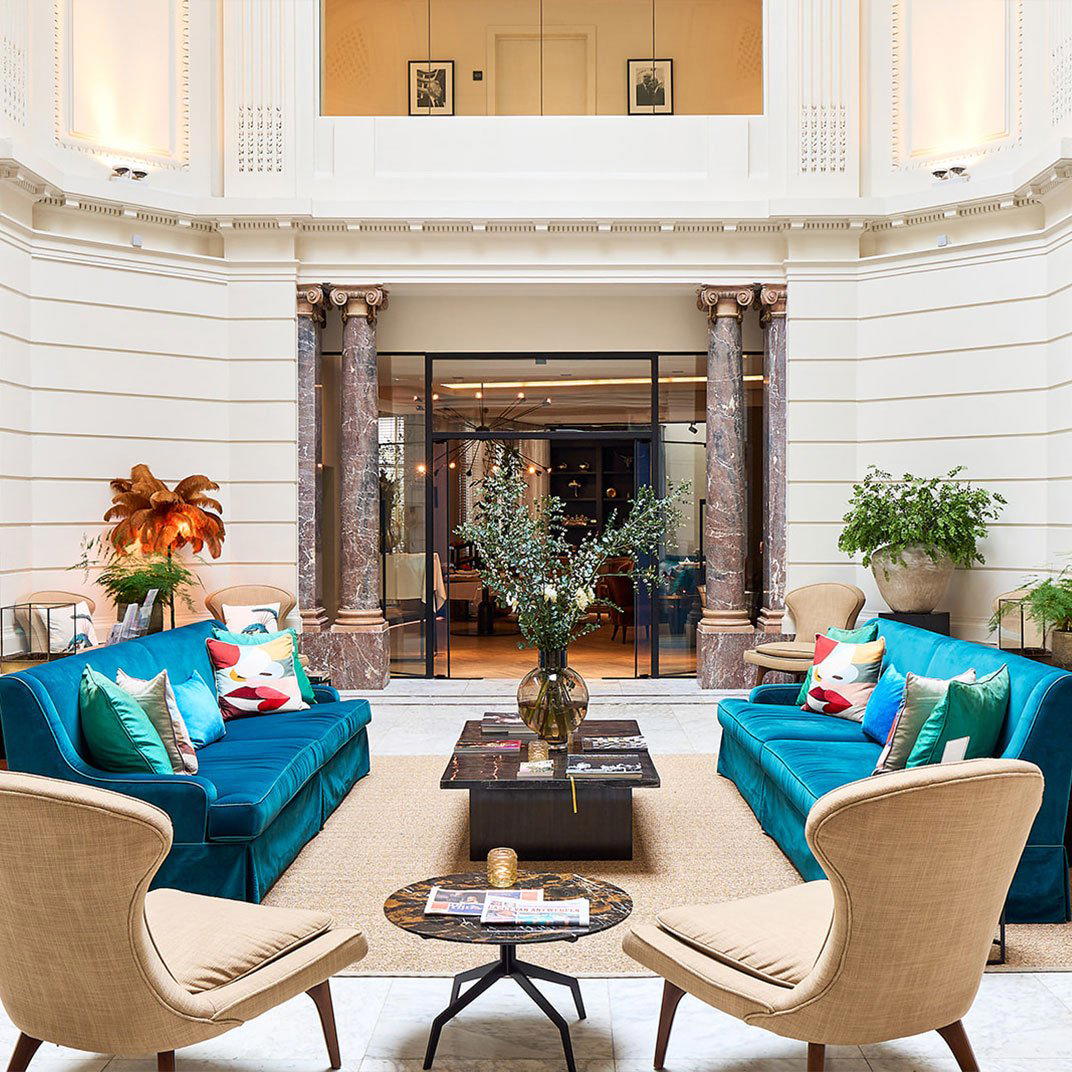
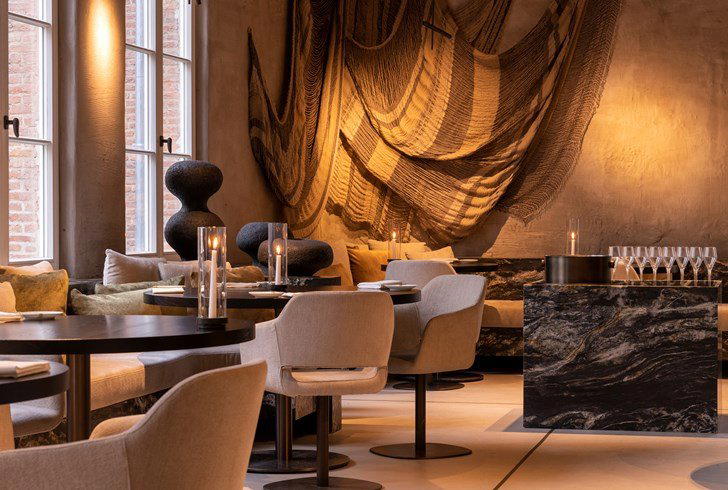
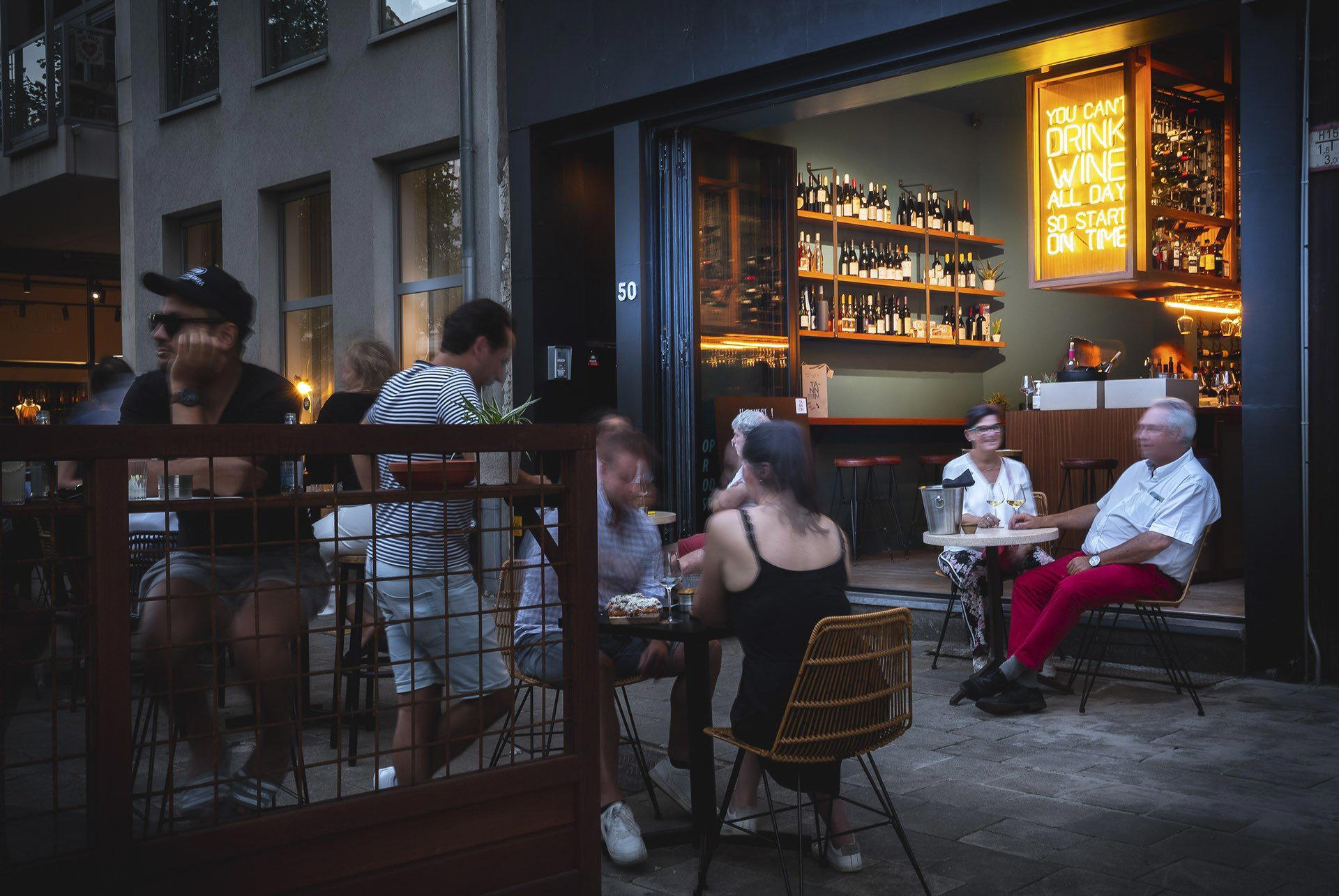
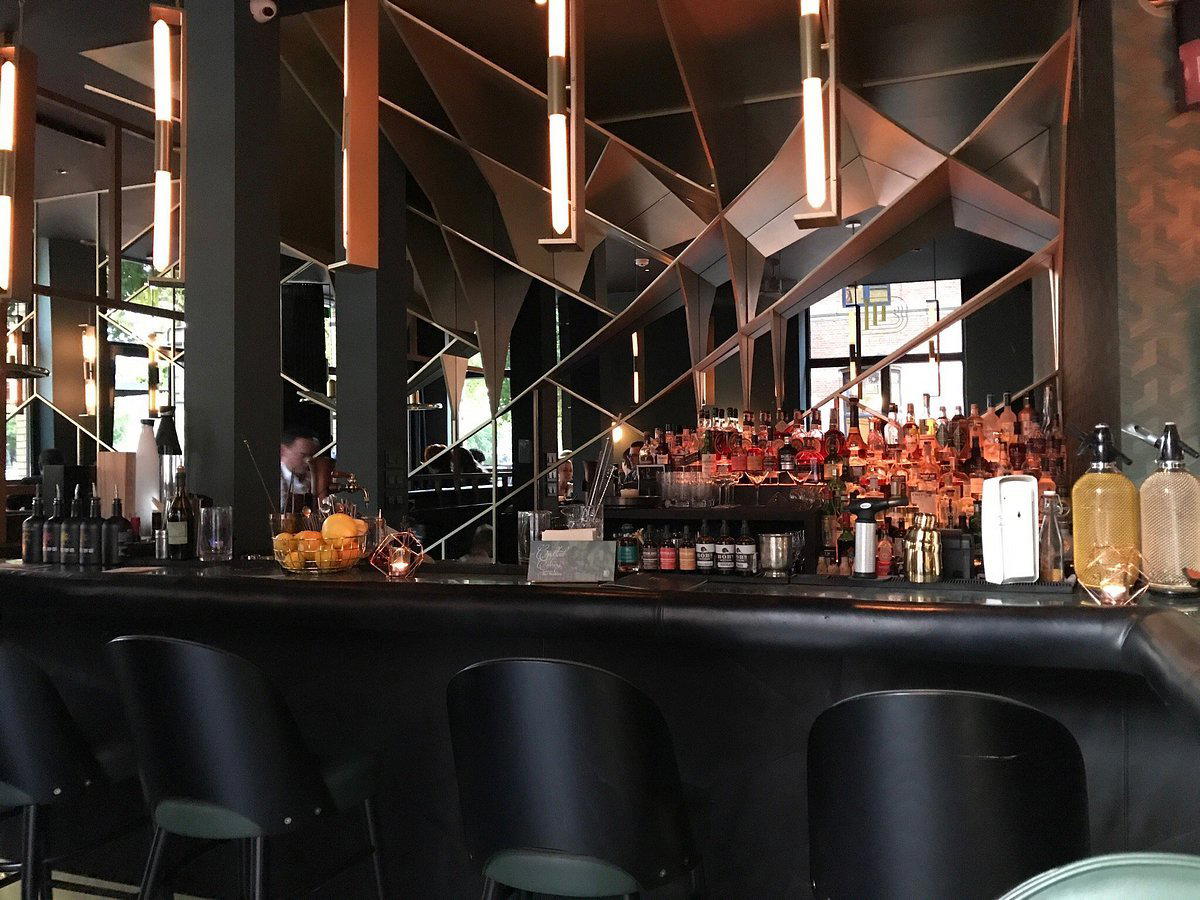
At a Glance
- Cozy
- Trendy
- Charming
- Family
- Casual Hangout
- Terrace
Current opening hours
- Monday
- 11:45 AM–1:30 PM, 5:30–8:30 PM
- Tuesday
- 11:45 AM–1:30 PM, 5:30–8:30 PM
- Wednesday
- 11:45 AM–1:30 PM, 5:30–8:30 PM
- Thursday
- 11:45 AM–1:30 PM, 5:30–8:30 PM
- Friday
- 11:45 AM–1:30 PM, 5:30–8:30 PM
- Saturday
- Closed
- Sunday
- Closed
Hours can change for holidays and private events. Last verified .
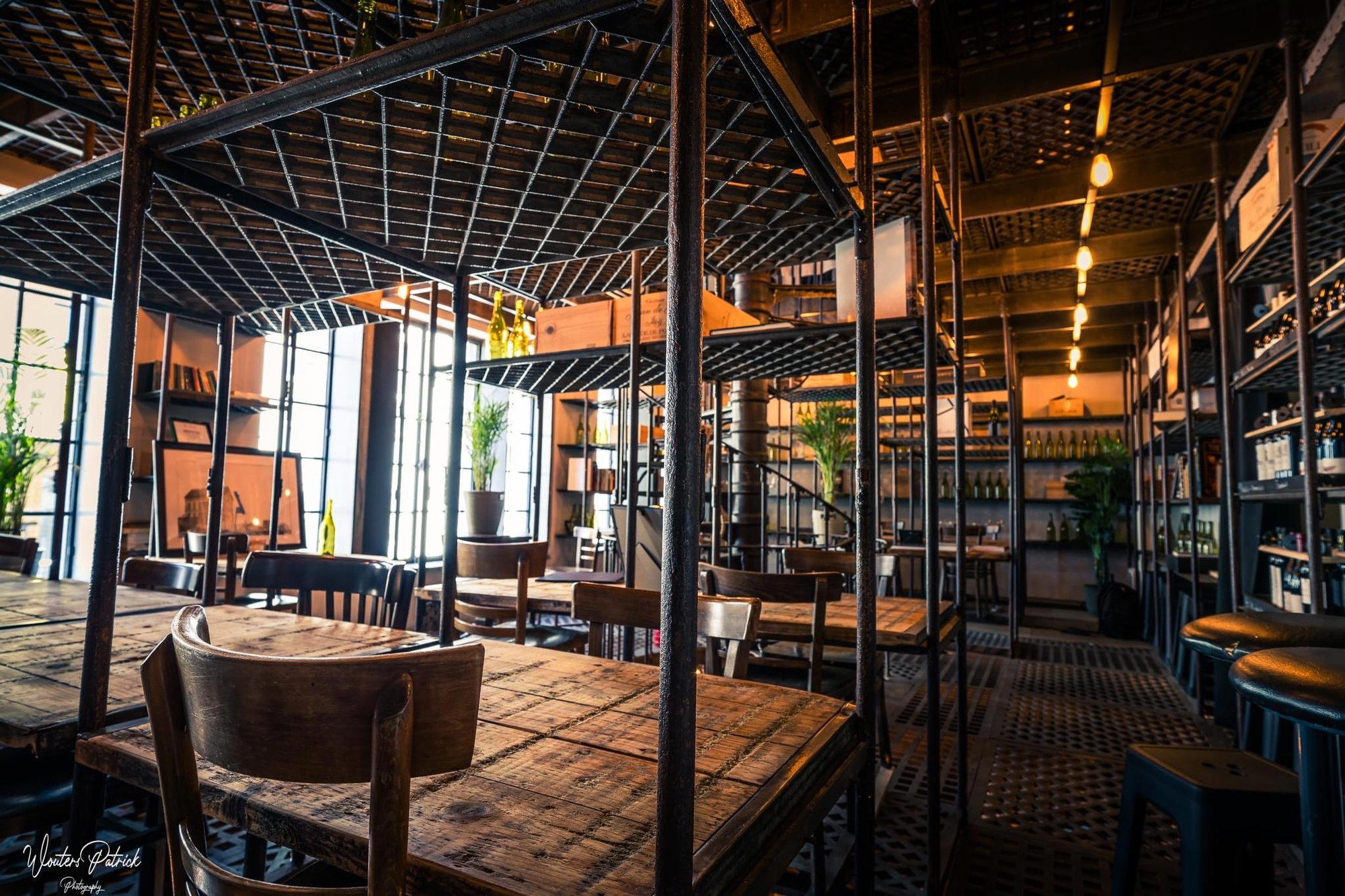
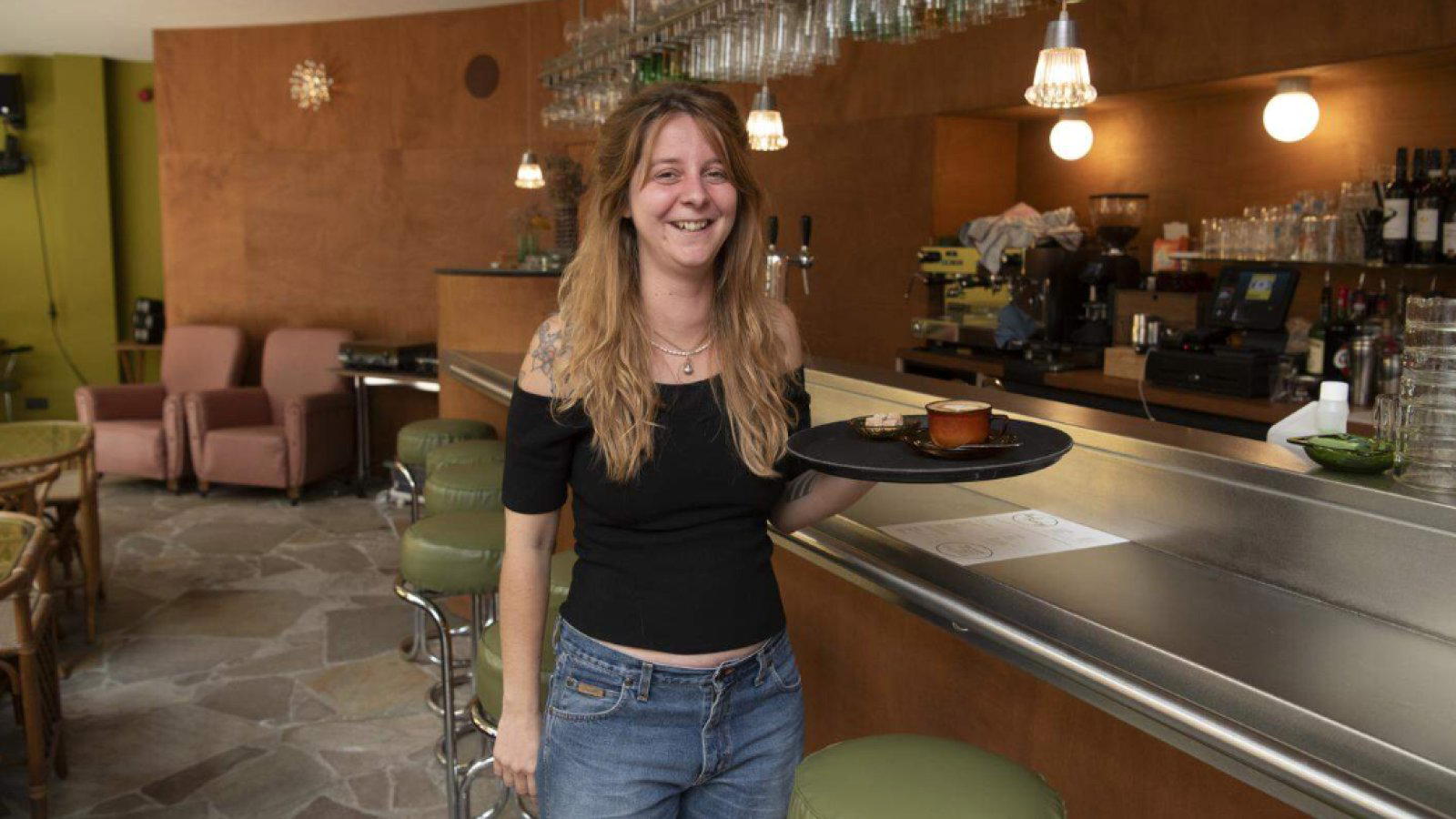
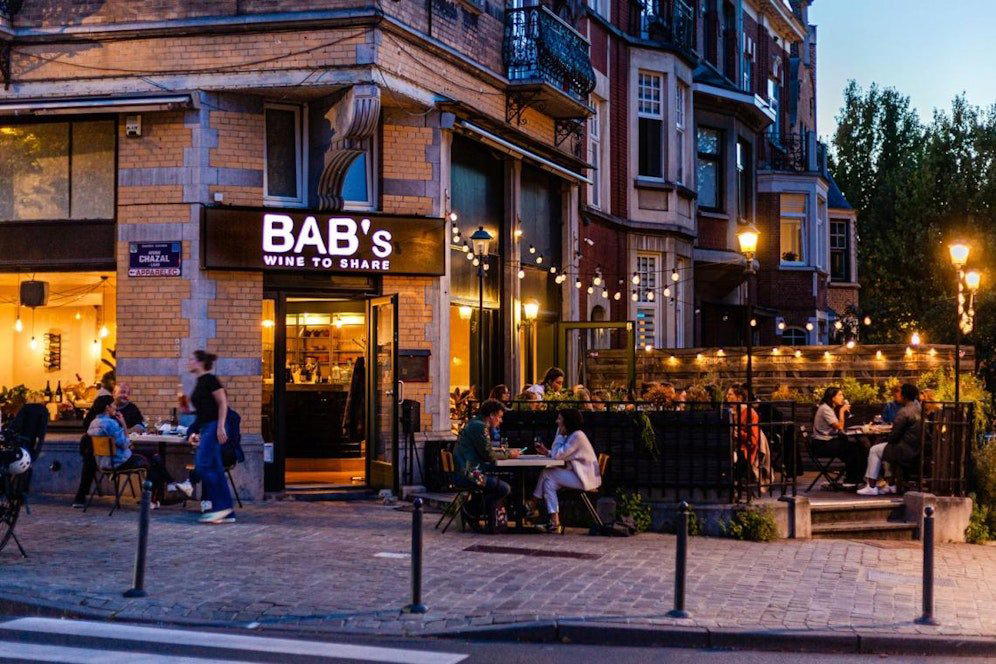
Cozy and pleasant atmosphere with friendly service and a nice terrace.