Djapa Mogi
Djapa Mogi sits on Avenida Cap. Manoel Rudge in Vila Oliveira, positioning itself within Mogi das Cruzes's emerging dining scene east of São Paulo's metropolitan sprawl. The name signals Japanese-Brazilian fusion, a culinary tradition with deep roots across interior São Paulo state. For those exploring beyond the capital's well-documented restaurant circuit, it represents a credible local address worth tracking.
Pearl is the En Primeur Club membership app — saves, bookings, and concierge access live there. Same editors, same standards.
- Address
- Av. Cap. Manoel Rudge, 1170 - Vila Oliveira, Mogi das Cruzes - SP, 08780-290, Brazil
- Phone
- +551147268773
- Website
- djapa.com.br
- Directions
- Get directions
 Saves & bookings on Pearl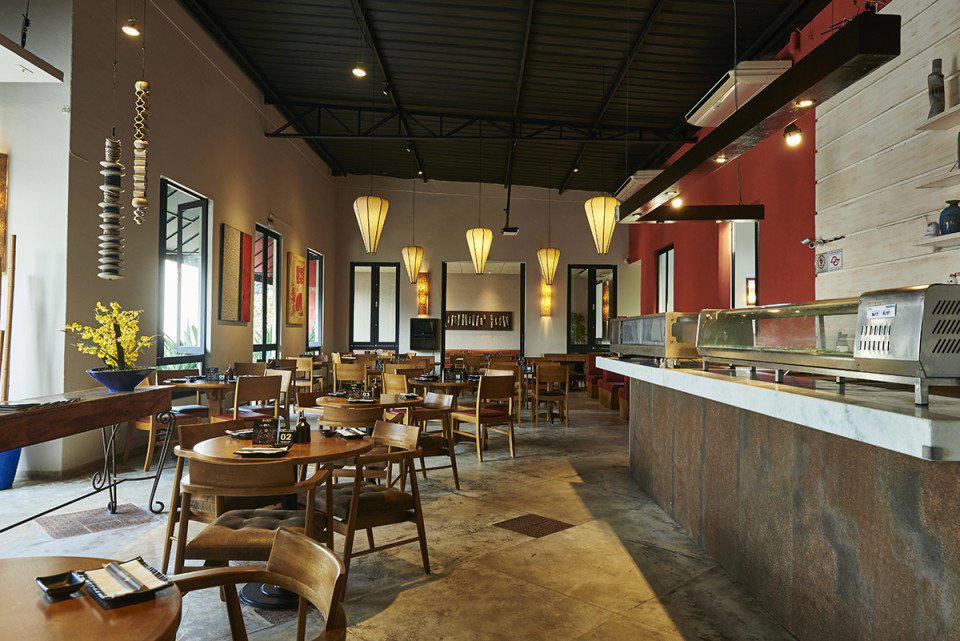
East of São Paulo: Dining in the Serra do Mar Shadow
The stretch of cities running east from São Paulo along the Via Dutra corridor rarely appears in national restaurant conversation. That gap has less to do with kitchen quality than with critical attention, which clusters around the capital's Jardins and Pinheiros neighbourhoods. Mogi das Cruzes sits roughly 60 kilometres from central São Paulo, close enough to the metropolitan area to absorb its ingredient networks and culinary influences, distant enough to develop its own dining rhythm. Djapa Mogi, addressed on Avenida Cap. Manoel Rudge in the Vila Oliveira district, operates inside that quieter register.
Japanese-Brazilian Cooking and Where Its Ingredients Come From
The name Djapa is a colloquial Brazilian Portuguese contraction of japonês, the kind of casual shorthand that signals community familiarity rather than formal distance. Japanese-Brazilian cuisine is not fusion in the contemporary branding sense. It is the product of over a century of settlement, beginning with the 1908 Kasato Maru migration to São Paulo state's coffee plantations, and the subsequent adaptation of Japanese culinary technique to whatever the Brazilian interior and coast could supply. The result is a cooking tradition that runs parallel to, rather than derivative of, mainstream Japanese cuisine.
Ingredient sourcing sits at the centre of what makes this tradition distinctive. São Paulo state's Japanese-Brazilian farming communities, particularly concentrated in the Cotia, Mogi das Cruzes, and Suzano belt, became the primary suppliers of Asian vegetables, negi, shiso, edamame, burdock root, to the broader metropolitan market. Mogi das Cruzes itself has long carried a reputation as an agricultural zone feeding the capital. That supply proximity matters: a kitchen drawing on local Japanese-Brazilian smallholders can access produce that a São Paulo restaurant often sources from the same region but at greater logistical remove.
The broader pattern across Brazilian cities that have absorbed Japanese-Brazilian cooking, from the yakisoba stalls of interior São Paulo towns to the sushi counters of Liberdade in the capital, shows how the cuisine calibrates itself to local supply. Compare the coastal sourcing logic that drives places like Oteque in Rio de Janeiro or D.O.M. in São Paulo, where access to rare Amazonian and Atlantic ingredients shapes menu identity, and you begin to see how the inland Japanese-Brazilian tradition works with a different but equally coherent pantry.
The Vila Oliveira Address and What It Suggests
Vila Oliveira is a residential neighbourhood within Mogi das Cruzes, the kind of district where restaurants succeed on repeat local custom rather than tourism or destination dining. A restaurant on Avenida Cap. Manoel Rudge in this context is not positioning for São Paulo weekend visitors; it is embedded in community dining. That embeddedness tends to produce menus calibrated to what the neighbourhood eats regularly, which in a city with Mogi das Cruzes's Japanese-Brazilian demographic composition means dishes that carry genuine generational familiarity rather than novelty-market adaptation.
For comparison, consider how other Brazilian cities outside the major capitals have developed credible dining addresses that reward attention: Mina in Campos do Jordão operates in a mountain resort context that attracts São Paulo visitors, while Olivetto Restaurante E Enoteca in Campinas sits within a larger inland city with its own metropolitan dining culture. Mogi das Cruzes is a different case: large enough to sustain genuine local restaurant culture, small enough that venues are not curated for external audiences. That dynamic typically produces honest cooking over performative cooking.
Where Djapa Mogi Sits in Brazil's Wider Japanese-Brazilian Restaurant Tier
Brazil's Japanese-Brazilian restaurant scene spans a wide range, from Michelin-recognised addresses in São Paulo's Liberdade district to neighbourhood teppanyaki grills in interior cities. The São Paulo capital end of this spectrum is well-documented. Venues like Manu in Curitiba and Manga in Salvador demonstrate how Brazilian regional cooking commands serious critical attention outside the two main capitals, but those venues operate at price points and with award recognition that places them in a different competitive bracket.
Djapa Mogi belongs to a category that the national critical apparatus largely does not cover: the credible mid-market address in a secondary city, sustained by neighbourhood regulars rather than critics. The Japanese-Brazilian addresses that critics in São Paulo have celebrated in recent years often trace their culinary logic back to exactly this kind of community restaurant, operating without external validation for decades before broader recognition arrived.
For those willing to range across Brazil's restaurant geography, the São Paulo state interior offers perspectives that the capital circuit does not. Birosca S2 in Belo Horizonte and Orixás North Restaurant in Itacaré both show how Brazilian regional identity shapes cooking outside obvious destination contexts. Mogi das Cruzes belongs to that same broader argument about where Brazilian food culture actually lives, as opposed to where it is most frequently documented.
Planning a Visit
Djapa Mogi is located at Av. Cap. Manoel Rudge, 1170, Vila Oliveira, Mogi das Cruzes, São Paulo state. The venue sits within the metropolitan east zone, reachable from central São Paulo by rail on the CPTM Line 11 (Diamond Line) to Mogi das Cruzes station, with local transport onward to Vila Oliveira, or by road along the Via Dutra. Current hours are Mon: Closed; Tue through Fri: 12-3 PM and 6:30-11 PM; Sat: 12-11 PM; Sun: 12-10 PM. Reservations are recommended. For those already in Mogi das Cruzes or transiting the eastern metropolitan zone, the address is worth considering. Visitors drawn to the broader Brazilian restaurant scene may also find value in destinations like Lobby Café in Belém, Açaí Cuiabano in Cuiabá, Açaí da Barra in Presidente Prudente, and Primrose in Gramado for a fuller picture of how Brazil's secondary cities approach food culture. For reference points at the international end of the dining spectrum, Le Bernardin in New York City and Lazy Bear in San Francisco illustrate how ingredient sourcing logic shapes menus at a different scale. Those exploring regional Brazilian cooking beyond the Serra Gaúcha wine country may also find Castelo Saint Andrews in Gramado's Vale do Bosque, Aero Burguer e Grill in Santa Cruz do Sul, and State of Espírito Santo in Rio Bananal useful counterpoints to the São Paulo state east corridor's Japanese-Brazilian identity.
In Context: Similar Options
Comparable venues nearby, for context on price, style, and recognition.
| Venue | Cuisine | Price | Notes |
|---|---|---|---|
| Djapa MogiThis venue — the venue you are viewing | Japanese Rodízio | $$ | Not listed |
| Maki Sushi | Japanese Sushi Rodízio | $$ | City Center |
| Hoka Hoka Japanese Food | Japanese Sushi | $$ | Centro |
| Temakeria Paulista | Japanese Temaki & Sushi | $$ | Agua Rasa |
| Restaurante Jangada Mogi Guaçu | Japanese Seafood | $$ | Jardim Tabajara |
| Dojô Sushi Santos | Japanese Sushi Rodízio | $$ | Pompéia |
Continue exploring
More in Mogi Das Cruzes
Restaurants in Mogi Das Cruzes
Browse all →
Bars in Mogi Das Cruzes
Browse all →
At a Glance
- Cozy
- Elegant
- Family
- Group Dining
- Celebration
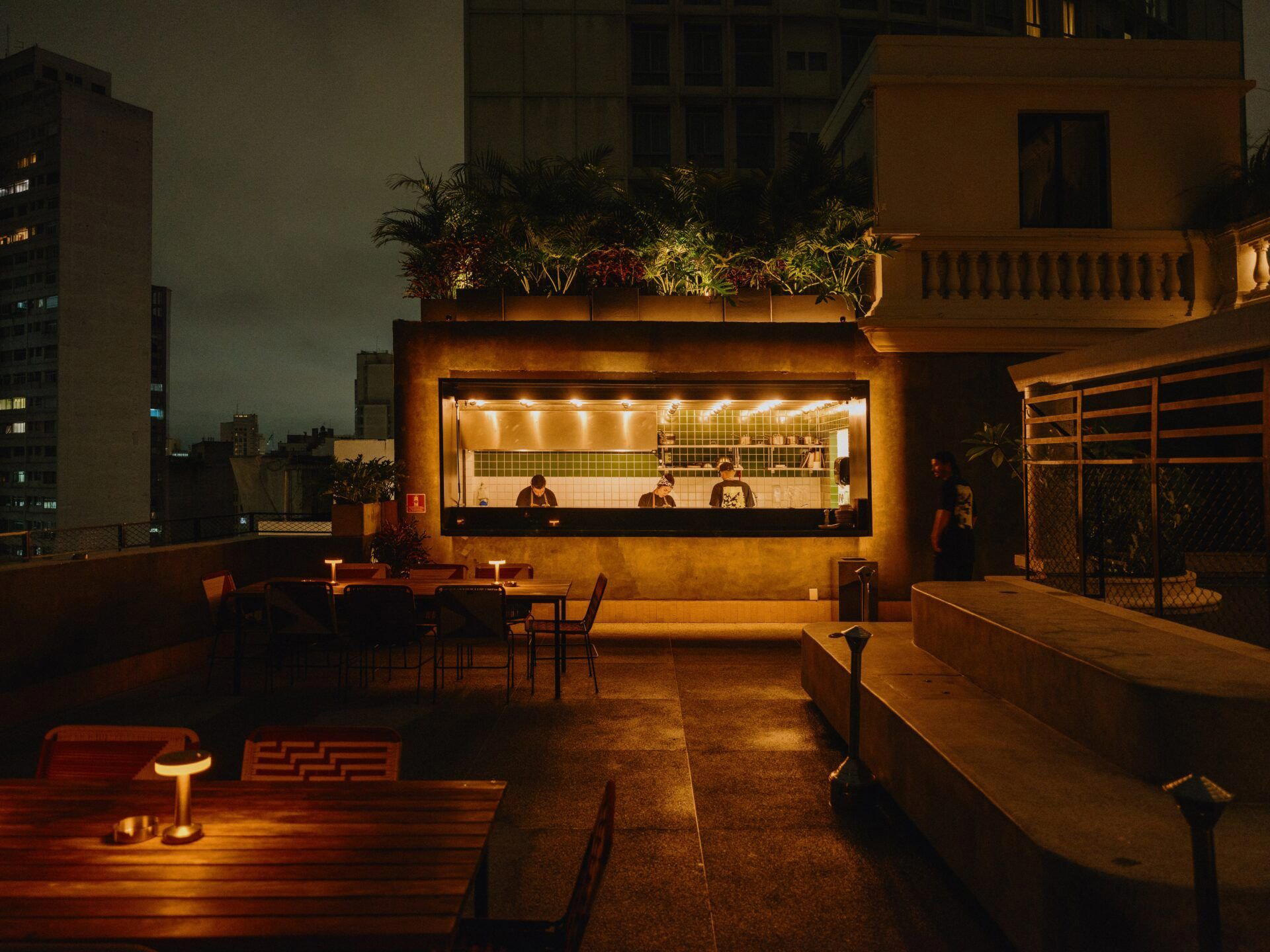
- Open Kitchen
Current opening hours
- Monday
- Closed
- Tuesday
- 12–3 PM, 6:30–11 PM
- Wednesday
- 12–3 PM, 6:30–11 PM
- Thursday
- 12–3 PM, 6:30–11 PM
- Friday
- 12–3 PM, 6:30–11 PM
- Saturday
- 12–11 PM
- Sunday
- 12–10 PM
Hours can change for holidays and private events. Last verified .
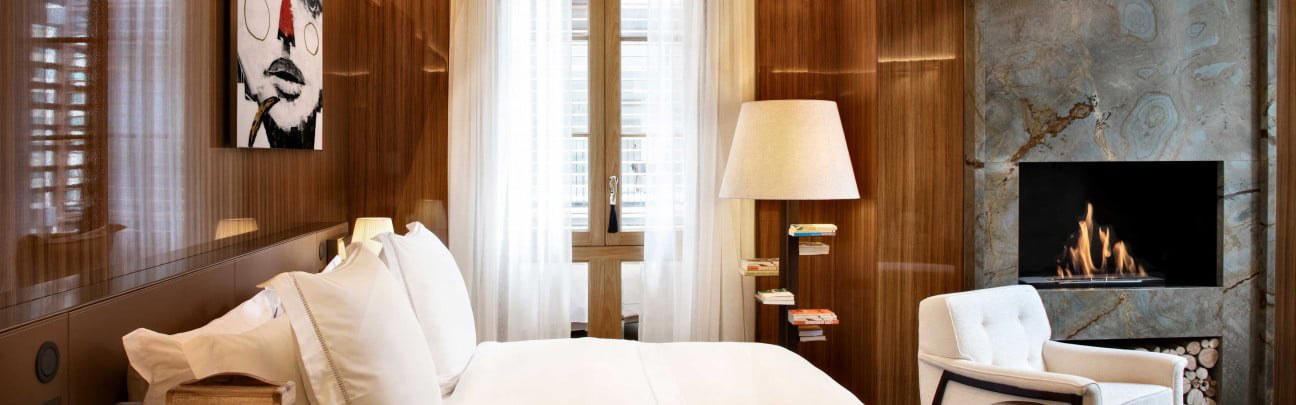
Aconchegante atmosphere with attentive service and varied dining environments praised in guest reviews.