Our verdict
At Dunajska cesta 18 in Ljubljana, Dinner In The Dark strips the visual layer from the meal entirely, placing guests in total darkness to redirect attention toward taste, texture, and smell. The format, well-established across European cities since the late 1990s, occupies a specific experiential tier in Ljubljana's increasingly serious dining scene, sitting between casual neighbourhood eating and the full tasting-menu register.

Pearl is the En Primeur Club membership app — saves, bookings, and concierge access live there. Same editors, same standards.
- Address
- Dunajska c. 18, 1000 Ljubljana, Slovenia
- Phone
- +38631608030
- Hours
- Mon–Sat 8:30 AM–9 PMSun 10 AM–7 PM
- Website
- dinnerinthedark.si
- Directions
- Get directions
- Booking
- Book on the venue's website
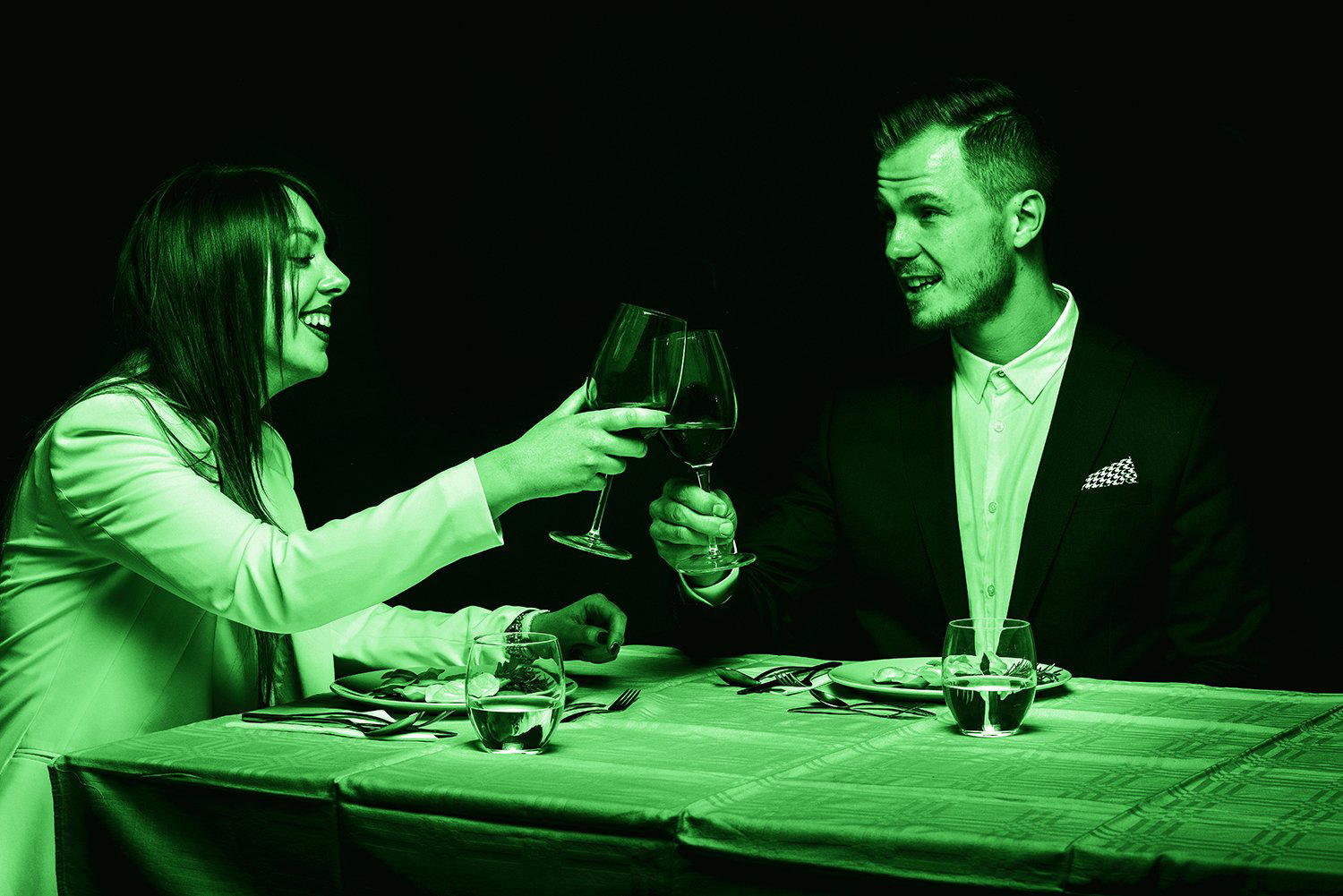
Dining Without Sight in a City That Rewards Attention
Ljubljana has spent the better part of two decades building a dining culture that rewards deliberate choices. The city's leading tables, from the medieval tower setting of Restavracija Strelec to the sharper-edged modernism of AFTR, operate on the premise that context shapes perception. Dinner In The Dark Restaurant on Dunajska cesta pushes that premise to its logical extreme: the room goes black, and the meal becomes purely sensory, stripped of the visual cues that normally anchor a dining experience. That format, well-established in cities from Paris to Toronto, finds a particular logic in Ljubljana, where the gap between casual eating and considered dining has narrowed sharply over the past decade.
What the Format Actually Does
Darkness dining is a format with a documented history in European cities, originating in Zurich in 1999 before spreading across the continent as both a novelty and, at better-run venues, a genuine exercise in sensory recalibration. The premise is consistent: guests eat in total or near-total darkness, typically guided by staff trained in low-vision navigation. The absence of sight is said to heighten taste and smell perception, though the research on this is mixed enough that serious venues tend to frame the experience around surprise and presence rather than making hard neurological claims.
What differentiates better darkness dining operations from gimmick formats is the underlying kitchen. The theatrical wrapper only holds if the food beneath it merits attention on its own terms. Ljubljana's dining scene, which now includes Michelin-recognised kitchens at destinations like Hiša Franko in Kobarid and Gostilna Pri Lojzetu in Vipava, has raised the baseline for what Slovenian kitchens can produce. The question any darkness dining venue in this city faces is whether its food can carry the format when the spectacle of the room is, by definition, invisible.
The Lunch-to-Dinner Divide
Across Ljubljana's mid-range and experience-led restaurants, the split between lunch and dinner service is more pronounced than the menus alone suggest. Lunch in this city tends to draw a local, purposeful crowd: shorter sittings, lighter plates, lower spend. The experience-format venues, where the theatrical element is the primary draw, skew heavily toward evening. Dinner In The Dark operates most naturally in that evening register, where guests arrive with time, curiosity, and some appetite for the unexpected. The darkness format requires psychological buy-in that a quick midday meal rarely allows; you need to settle, adjust, and let the absence of light become normal before the food can do its work.
That evening orientation places the venue in a specific tier of Ljubljana dining: not the weekly-dinner casual end, represented by spots like Abi Falafel or Altrokè, and not the full-tasting-menu register of a destination like Allegria, but the experiential middle ground where the format itself is the product. Internationally, this tier is well-mapped: Lazy Bear in San Francisco and similar experience-forward operations have demonstrated that format-led dining can sustain serious culinary ambition. The critical variable is always execution over time, not novelty at launch.
Ljubljana as a Testing Ground for Experiential Formats
Slovenia's capital is a sensible city for an experience-format venue to operate. The tourist infrastructure has grown steadily since Ljubljana received the European Green Capital designation in 2016, and the visitor profile has shifted toward cultural travellers with higher per-night spend. At the same time, the local dining public is more sophisticated than its size would suggest, partly because proximity to Italy, Austria, and Croatia has kept Slovenian diners calibrated against regional European standards.
The Slovenian dining circuit beyond Ljubljana reinforces this point. The concentration of Michelin-starred restaurants across a small country, including Milka in Kranjska Gora, Dam in Nova Gorica, Pavus in Lasko, Hiša Linhart in Radovljica, Hiša Denk in Zgornja Kungota, Gostilna Skaručna in Vodice, and Grič in Dobrova Polhov Gradec, as well as Grič in Šentjošt nad Horjulom, signals a national kitchen culture punching above its weight. An experiential format venue in this environment must contend with an informed local audience, not merely tourist novelty-seekers.
Planning a Visit: What to Know
Dinner In The Dark Restaurant is located at Dunajska cesta 18 in Ljubljana, a northern arterial street that runs from the city centre toward the motorway. The address sits outside the compact Old Town zone and is accessible by bus or taxi rather than a leisurely walk from the main square. That slight remove from the tourist core is worth noting: the clientele mix tends toward intentional visitors rather than passing foot traffic, which affects the room's atmosphere. Booking in advance is the sensible approach for any format-led venue of this type; walk-in availability cannot be assumed, and the experience relies on kitchen preparation that does not absorb last-minute additions easily. For a broader picture of where this venue sits within the city's dining options, see our full Ljubljana restaurants guide.
The Wider Frame
Experience-format dining, whether the chef's-table immersion of Le Bernardin in New York City or more theatrically structured formats, succeeds when the conceit serves the food rather than replacing it. Darkness dining at its most considered uses sensory deprivation to remove the guest's default reliance on visual presentation and plate composition, two things that modern restaurant culture has arguably over-indexed on. What can be said is that the format occupies a specific and coherent position in Ljubljana's dining offer, and that the city's growing culinary seriousness gives any well-run operation here a stronger foundation than the same concept would find in a less considered dining environment.
Frequently asked questions
What's the address for Dinner In The Dark Restaurant?
Dinner In The Dark Restaurant is located at Dunajska c. 18, 1000 Ljubljana, Slovenia, Ljubljana.
How does dining in complete darkness at a Ljubljana restaurant actually work in practice?
At Dinner In The Dark Restaurant on Dunajska cesta 18, guests are guided into a fully darkened dining room by trained staff — typically individuals experienced in low or zero-visibility environments. The format, established in European cities since the late 1990s, relies on structured seatings rather than open-plan service, meaning arrival timing and pre-meal briefings are part of the process. Ljubljana's growing infrastructure for experience-format venues makes it a practical city for this kind of operation, though specific service details should be confirmed directly with the restaurant.
What dish is Dinner In The Dark Restaurant famous for?
The venue's premise means no single dish defines its reputation — the format does. Guests eat in complete darkness at Dunajska cesta 18, which shifts attention from the visual identity of food to texture, temperature, and flavour in isolation. The specific menu has not been published in available documentation.
Can I walk in to Dinner In The Dark Restaurant?
Walk-ins are not advisable for a format-led venue of this kind. Darkness dining operations require staff coordination, seating choreography, and often fixed sittings, all of which depend on advance reservations. Contact the restaurant at Dunajska cesta 18, Ljubljana, or check directly for current booking procedures.
What's the defining dish or idea at Dinner In The Dark Restaurant?
The defining idea is the removal of sight as a dining condition. Located in Ljubljana, the restaurant follows a format with documented European roots dating to Zurich in 1999, where eating in total darkness was first commercialised as a structured dining concept. The food itself becomes secondary architecture — the experience is built around perception, not plating.
Do they accommodate allergies at Dinner In The Dark Restaurant?
Allergy accommodation details are not published in available documentation. Given the darkness format, communicating dietary requirements in advance is especially important — staff guidance replaces the visual cues guests normally rely on when assessing dishes. Contact Dinner In The Dark Restaurant at Dunajska cesta 18, Ljubljana directly before booking.
Is eating at Dinner In The Dark Restaurant worth the cost?
That depends on what you're assessing. The darkness dining format, which has operated across European cities for over two decades, charges a premium for the controlled sensory environment rather than ingredient provenance or chef profile alone.
Cuisine and Awards Snapshot
Comparable venues nearby, for context on price, style, and recognition.
| Venue | Cuisine | Price | Awards | Notes |
|---|---|---|---|---|
| Dinner In The Dark RestaurantThis venue — the venue you are viewing | Modern Slovenian | $50–100 | Not listed | Not listed |
| Birdie Restaurant | Modern European Bistro | Not listed | Not listed | Trnovo |
| Maxim | Modern European with Slovenian and Mediterranean Influences | $50–100 | Not listed | City Centre |
| PEN KLUB Restavracija | Modern European with Slovenian Traditions | $100–150 | Michelin Plate · Falstaff Restaurant - 93 Falstaff Points | Ljubljana city center |
| Restaurant Manna | Slovenian-Mediterranean Fine Dining | $30–50 | Not listed | Trnovo |
| EK BISTRO | Modern Bistro Brunch | $20–30 | Not listed | Petkovškovo nabrežje |
Continue exploring
More in Ljubljana
Restaurants in Ljubljana
Browse all →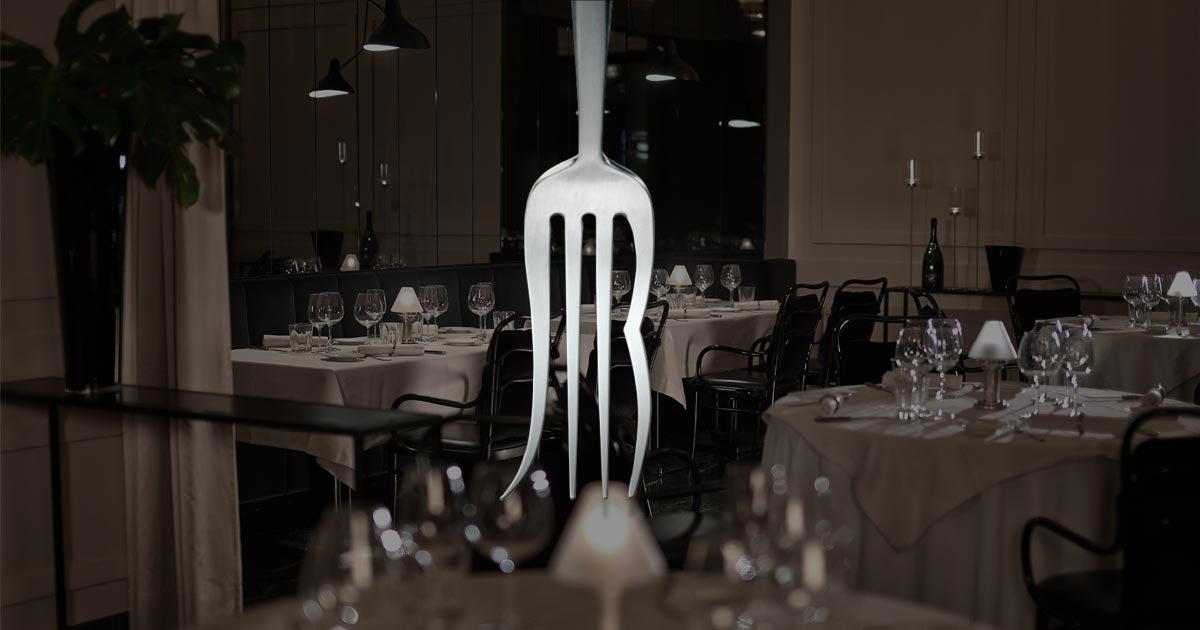
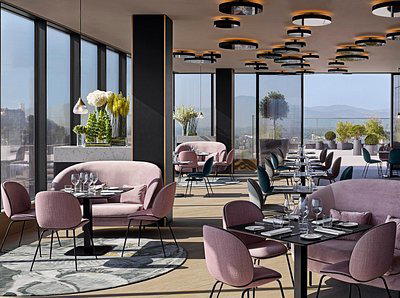
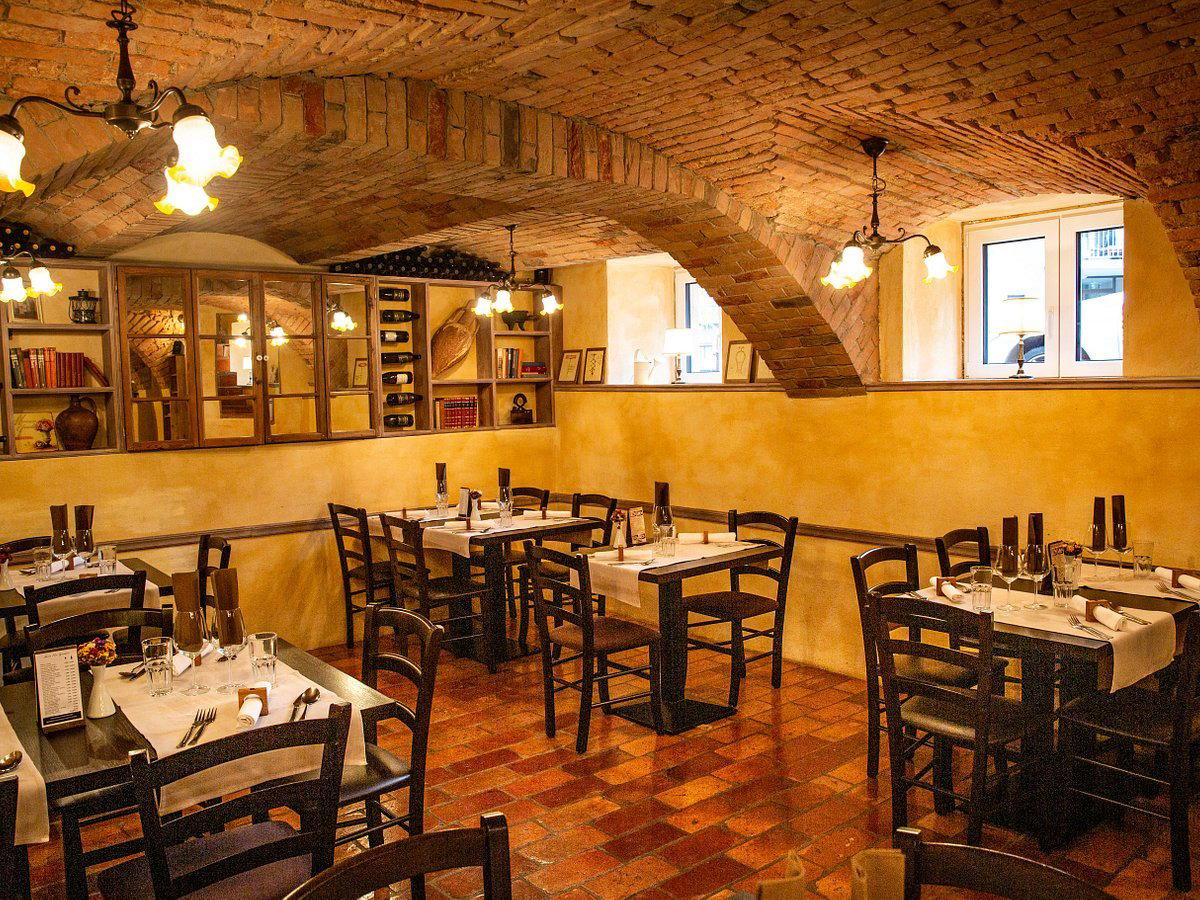
Bars in Ljubljana
Browse all →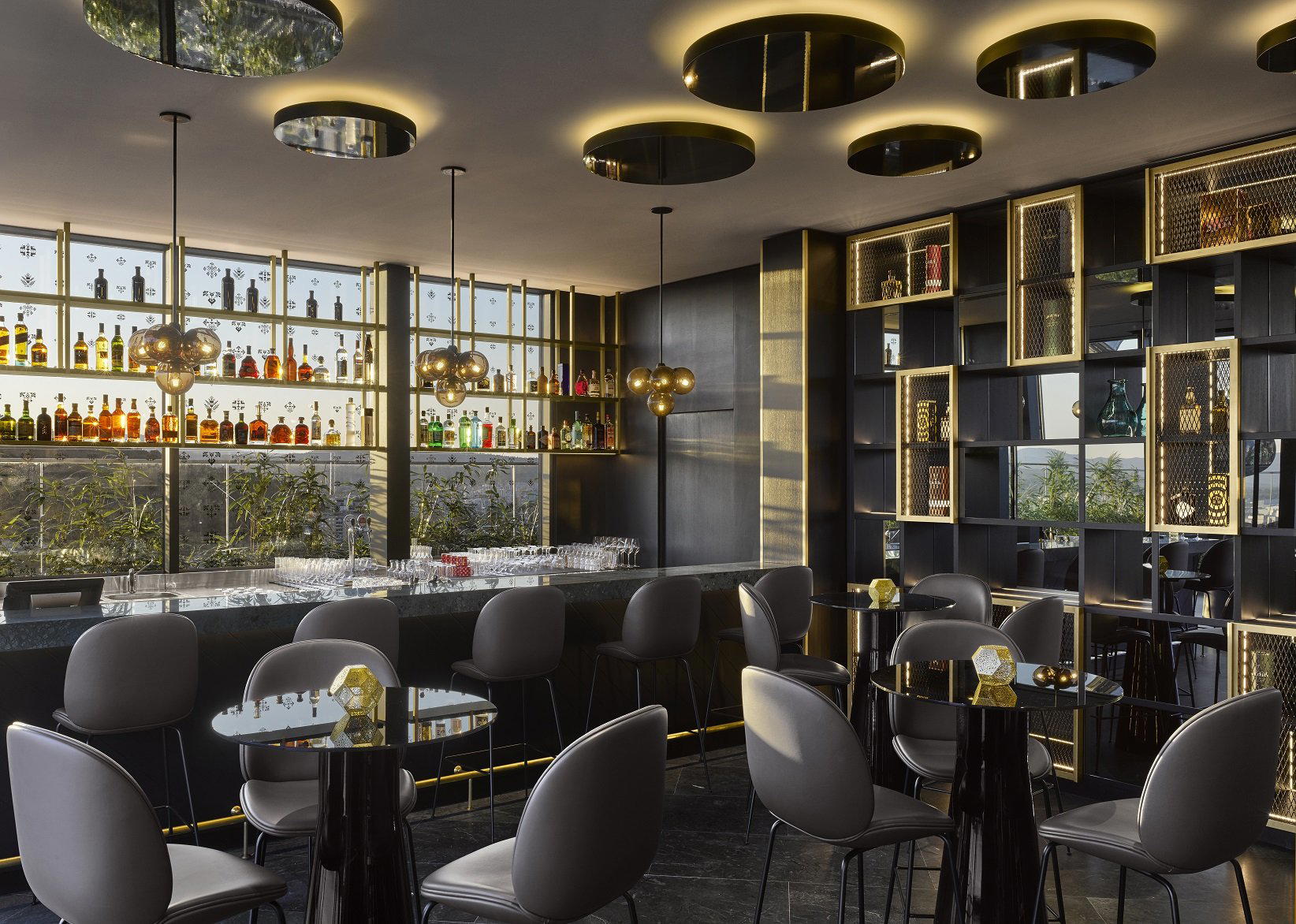
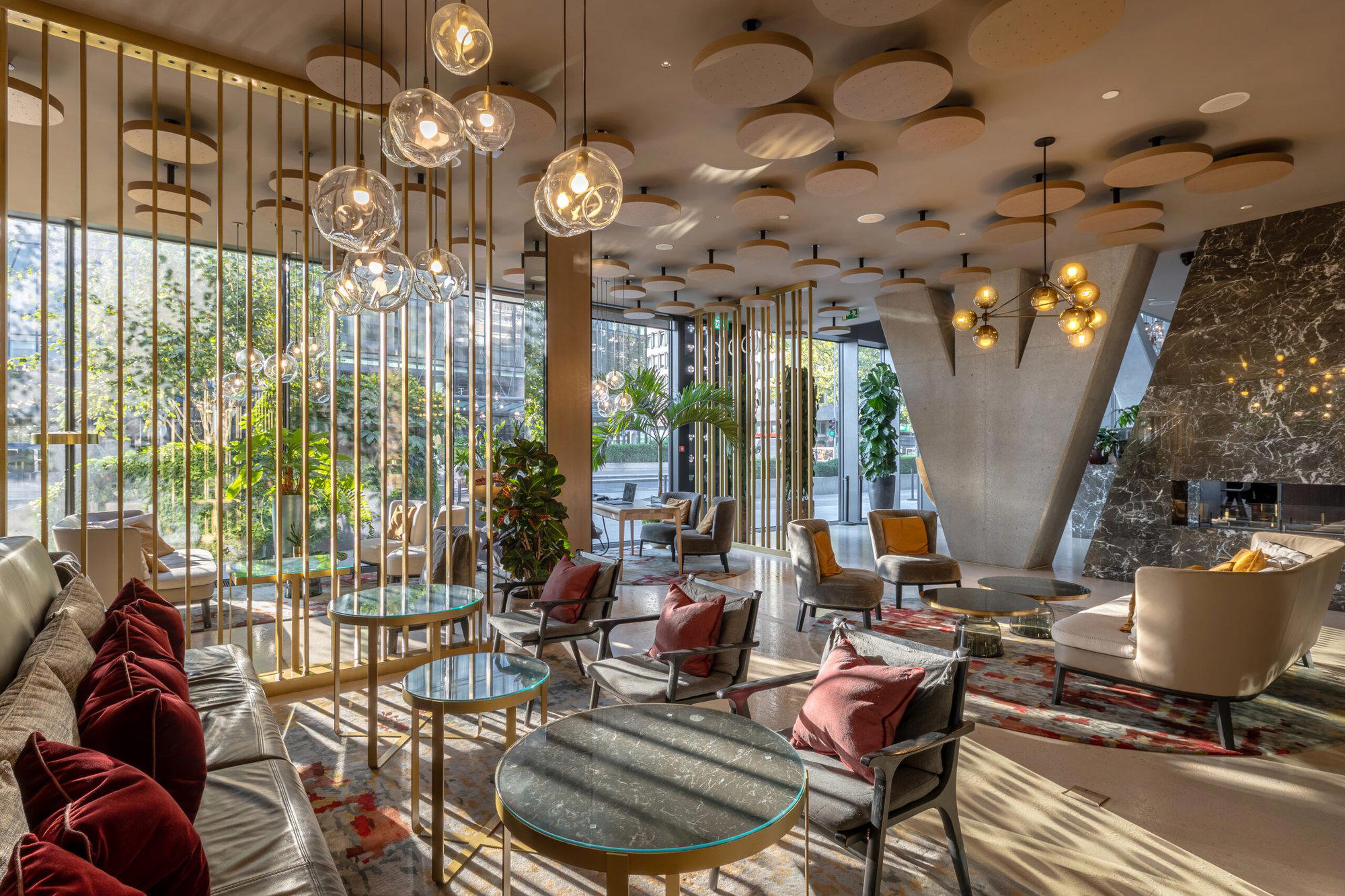
Hotels in Ljubljana
Browse all →
Wineries in Ljubljana
Browse all →
Dinner In The Dark Restaurant
The wine
- Wine program
- Curated wine list
- Extensive wine list
Details
- Intimate
- Romantic
- Date Night
- Special Occasion
- Group Dining
- Private Dining
- Extensive Wine List
- Set Menu
- Vegetarian Friendly
- Vegan Options
Current opening hours
- Monday
- 8:30 AM–9 PM
- Tuesday
- 8:30 AM–9 PM
- Wednesday
- 8:30 AM–9 PM
- Thursday
- 8:30 AM–9 PM
- Friday
- 8:30 AM–9 PM
- Saturday
- 8:30 AM–9 PM
- Sunday
- 10 AM–7 PM
Hours can change for holidays and private events. Last verified .
Pitch-black basement setting creating an intimate, mysterious atmosphere focused on sensory immersion with relaxing background music and interactive entertainment.