Dindigul Thalappakatti brings one of Tamil Nadu's most recognised biryani traditions to Bengaluru's Koramangala food court circuit. The brand's Dindigul-style biryani, made with seeraga samba rice and a distinct spice profile, occupies a different register from the city's Hyderabadi-leaning competitors. For diners tracking regional South Indian cooking across Karnataka, it represents a direct line to a specific culinary geography.
Pearl is the En Primeur Club membership app — saves, bookings, and concierge access live there. Same editors, same standards.
- Address
- The Forum Mall, Food court, 21-22, Adugodi Main Road Chikku Lakshmaiah Layout, Adugodi, Koramangala, Bengaluru, Karnataka 560095, India
- Phone
- +917825890036
- Website
- thalappakatti.com
- Directions
- Get directions
 Saves & bookings on Pearl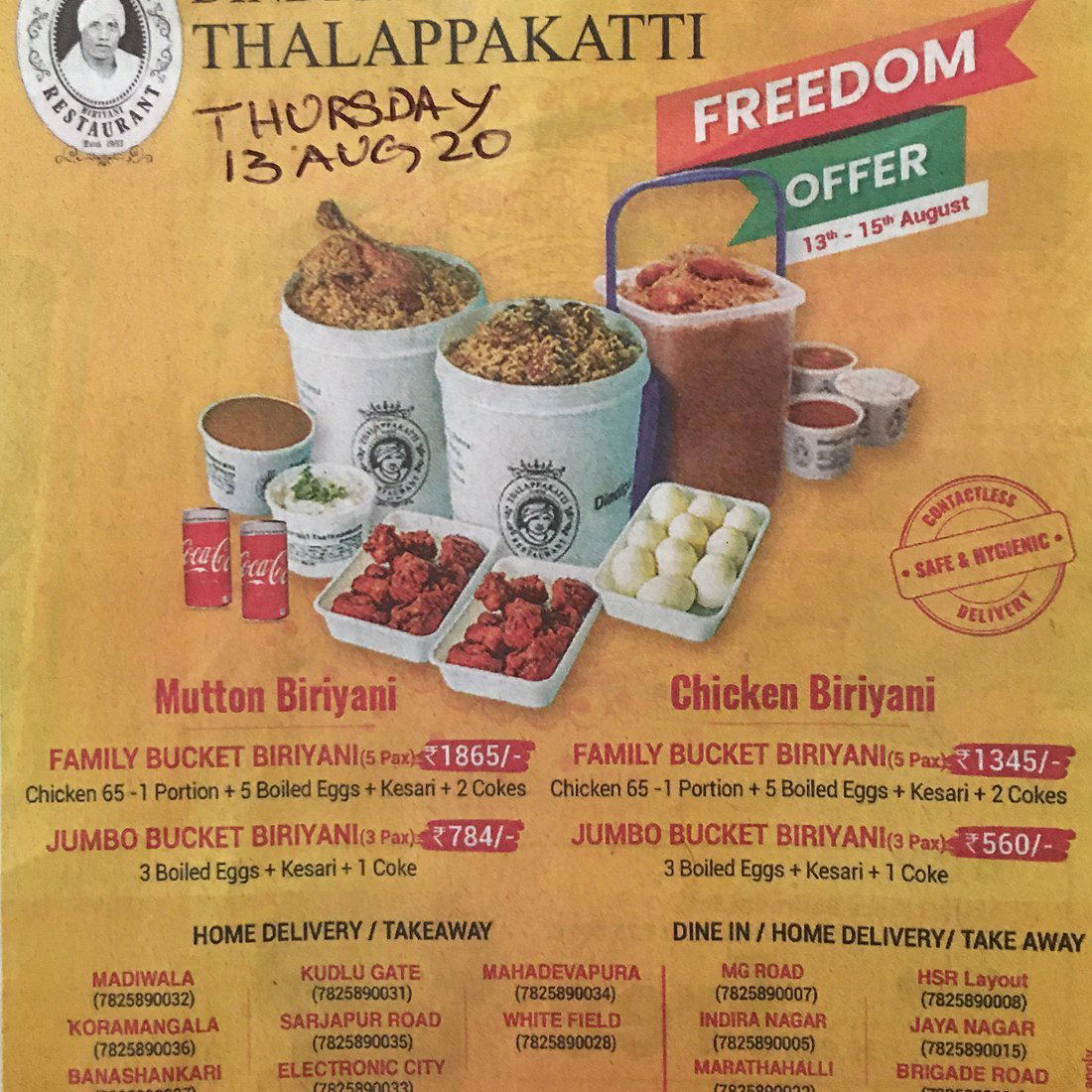
Koramangala's Food Court Circuit and Where Regional Specificity Fits
Food courts in Bengaluru's major malls tend to follow a familiar logic: maximum coverage, broad appeal, regional variety compressed into a single floor. The Forum Mall on Adugodi Main Road in Koramangala is no exception, drawing a mixed crowd of working professionals, families, and weekend shoppers who want speed and reliability in the same transaction. Within that format, the presence of Dindigul Thalappakatti Restaurant signals something more specific than its surroundings might suggest. This is not a pan-Indian operation approximating southern flavours. It is an outpost of a brand built on a single, geographically rooted dish tradition, transplanted into one of Bengaluru's most commercially dense neighbourhoods.
Koramangala itself occupies an interesting position in the city's dining geography. It runs parallel to the tech-corridor restaurant culture of Indiranagar and Whitefield, but carries a slightly more neighbourhood character, with food options ranging from fast-casual chains to specialist regional kitchens. The Burma Burma Restaurant & Tea Room and Bombay Brasserie at Orion Mall represent the kind of concept-driven mid-market dining that has expanded across Bengaluru in recent years. Thalappakatti sits in a different part of that spectrum, less about concept and more about fidelity to a regional original.
The Dindigul Biryani Tradition and Its Distance from the Hyderabadi Default
To understand what Thalappakatti is doing in Bengaluru, it helps to understand what Dindigul biryani actually is. The Dindigul district of Tamil Nadu produces a style of biryani built on seeraga samba rice, a short-grain, aromatic variety that behaves differently from the long-grain basmati that defines the Hyderabadi and Lucknawi traditions. Seeraga samba absorbs spices more aggressively and holds together in a denser, more textured way. The meat, typically mutton or chicken, is cooked with curd, tomato, and a spice composition that leans into tartness rather than the slow-cooked sweetness associated with dum-style preparation.
This matters in the Bengaluru context because the city's biryani conversation has historically defaulted to Hyderabadi registers, particularly in casual and mid-market settings. Thalappakatti represents a counter-tradition, one rooted in Tamil Nadu's culinary geography rather than the Deccan. For diners familiar with the regional spread of South Indian cooking, the distinction is immediate. For those arriving from Bengaluru's tech-worker demographic, many of whom have roots across Tamil Nadu and Karnataka, it functions as a reliable reference point for a specific taste memory. Comparable explorations of regional specificity in Indian dining are happening across the country, from Kappa Chakka Kandhari in Chennai, which champions Kerala's nadan tradition, to Adaa at Falaknuma Palace in Hyderabad, which works at the formal end of Nizami cuisine.
Brand Footprint and the Question of Consistency Across Locations
Thalappakatti is not a small operation. The brand has built a substantial presence across Tamil Nadu and beyond, with multiple Bengaluru locations including a separate outlet at Basaveshwara Nagar. That scale raises the question that follows any regional brand when it expands: whether the specific characteristics of the original survive the logistics of replication. The seeraga samba rice and the spice ratios that define Dindigul biryani are knowable, reproducible elements, but execution consistency across a chain format depends on supply chain discipline and kitchen standardisation that varies by outlet.
The Forum Mall location sits within a food court format, which means the experience is shaped by that environment as much as by the food itself. Seating is shared or proximate, service operates at food-court pace, and the atmosphere reflects the broader retail context rather than a dedicated dining room. This is not a criticism of the format so much as a framing note: the decision to eat here is a decision about the food, and the surrounding environment plays a supporting role at leading. Diners seeking a more composed South Indian dining experience in Bengaluru might also consider Farmlore in Bangalore, which approaches the region's ingredients from a farm-sourcing and tasting-menu angle, or the broader range covered in our full Bengaluru restaurants guide.
Where This Fits in Bengaluru's Regional Indian Dining Picture
Bengaluru's restaurant scene has expanded considerably in its upper registers, with concepts informed by fine-dining technique and seasonal sourcing now operating alongside the city's established mid-market and fast-casual tiers. That expansion has not displaced the demand for regional authenticity at accessible price points. If anything, it has sharpened the appetite for both ends of the spectrum simultaneously. The same diner who books a tasting menu at a chef-driven concept on a Friday might spend a weekday lunch at a Thalappakatti outlet specifically because the food delivers a direct version of a regional dish done to a recognisable standard.
Across India, this bifurcation between the formal and the regionally specific is producing interesting results. In places like Bomras in Anjuna or Inja in New Delhi, chefs are working at the intersection of regional tradition and technique-led presentation. Thalappakatti operates at the other end of that axis, where the value proposition is fidelity to the original rather than reinterpretation. Both positions have a legitimate claim on the diner's attention, and both are part of what makes the current Indian dining moment genuinely interesting to follow. For context on how other cities are handling the regional-specificity question, the programming at Naar in Kasauli, Leela Kerala Terrace in Trivandrum, and Neel in Patiala each represent a different regional strategy. The contrast with internationally scaled fine dining, from Le Bernardin in New York City to Lazy Bear in San Francisco, illustrates just how wide the spectrum of considered dining has become.
Planning a Visit: Practical Notes
The Forum Mall location places Thalappakatti on Adugodi Main Road in Koramangala, accessible from the Adugodi junction and within reasonable distance of the Silk Board corridor. The food court setting means no reservation is required and walk-in capacity is determined by mall-wide footfall rather than a fixed seat count. Weekend afternoons, when Forum Mall draws heavy retail traffic, will see longer waits at the counter. Weekday lunch hours offer a more efficient visit for those coming specifically for the food. The Bengaluru Restaurant listing on EP Club carries further context on how this outlet sits within the city's broader dining options. For those exploring the Bengaluru Thalappakatti presence more widely, the Basaveshwara Nagar outlet provides an alternative access point outside the mall environment. For drinks and bar options nearby, Highland Nectar at ITC Gardenia and Americano in Mumbai represent different points on the cocktail and spirits spectrum for those planning a longer evening. The Dining Tent in Jaisalmer serves as a useful reminder that regionally specific dining in India often operates furthest from the formal restaurant format.
The Quick Read
Comparable venues nearby, for context on price, style, and recognition.
| Venue | Cuisine | Price | Notes |
|---|---|---|---|
| Dindigul Thalappakatti RestaurantThis venue — the venue you are viewing | Not listed | $$ | Not listed |
| Bengaluru Restaurant | Not listed | $ | Basavanagudi, Well-known South Indian Dosa House |
| The Ritz-Carlton, Bangalore | Not listed | $$$$ | Residency Road, Progressive Indian & Global Fine Dining |
| Dindigul Thalappakatti Restaurant Basaveshwara Nagar | Not listed | $$ | Basaveshwara Nagar, Thalappakatti Biryani |
| House of Commons | Koramangala, Indian Pub Fare | $$ | Not listed |
| ZLB23 | Kodihalli, Kyoto-inspired Speakeasy Bar | $$$$ | Not listed |
Continue exploring
More in Bengaluru
Restaurants in Bengaluru
Browse all →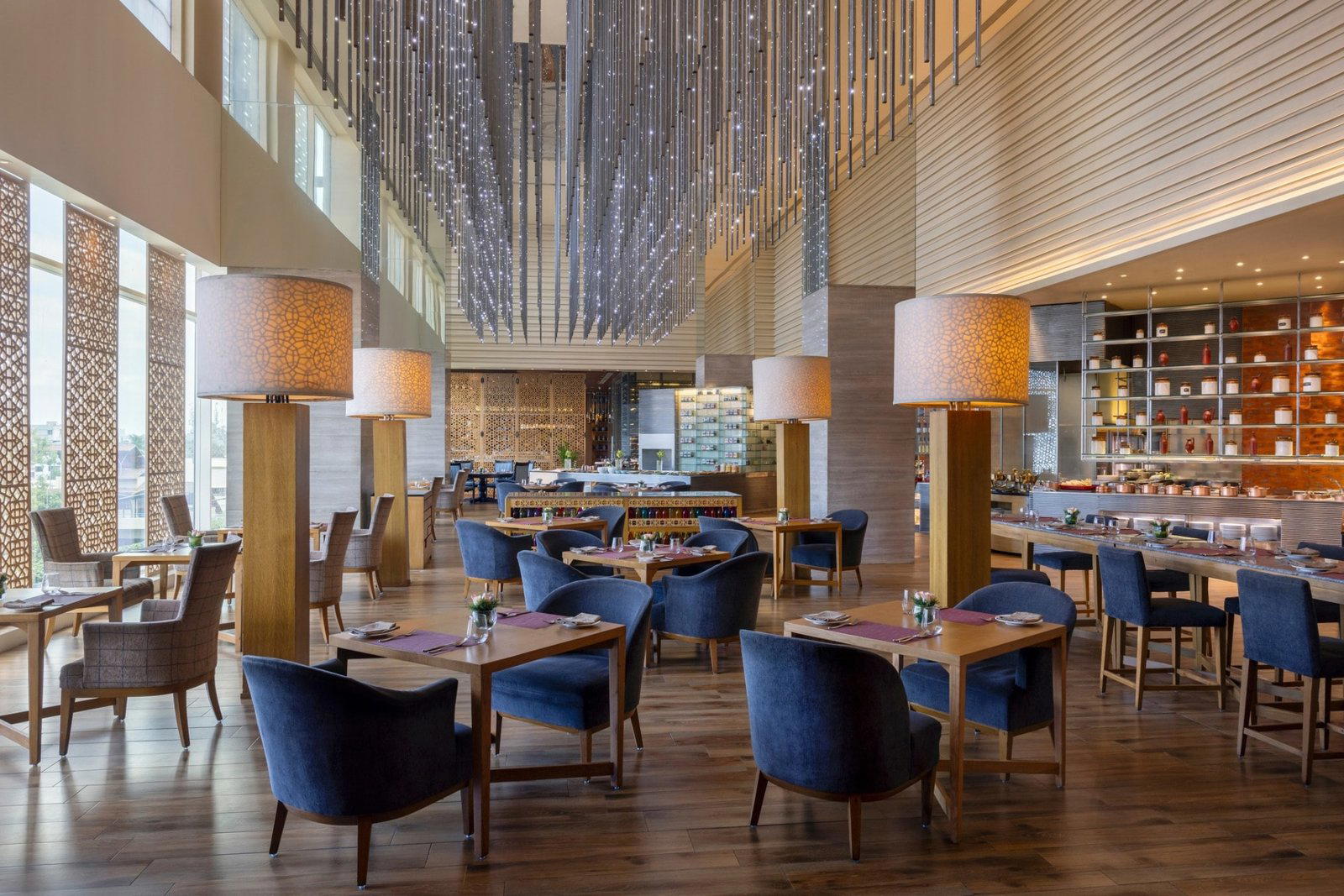
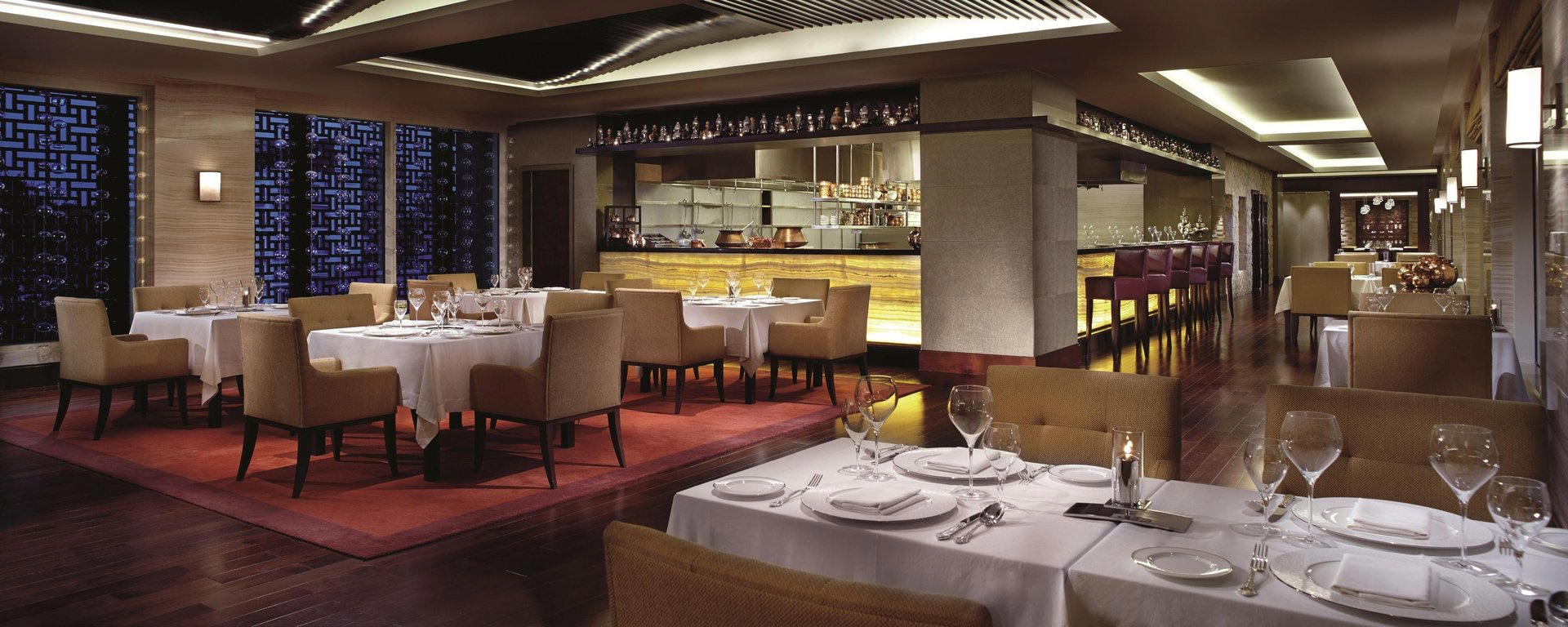
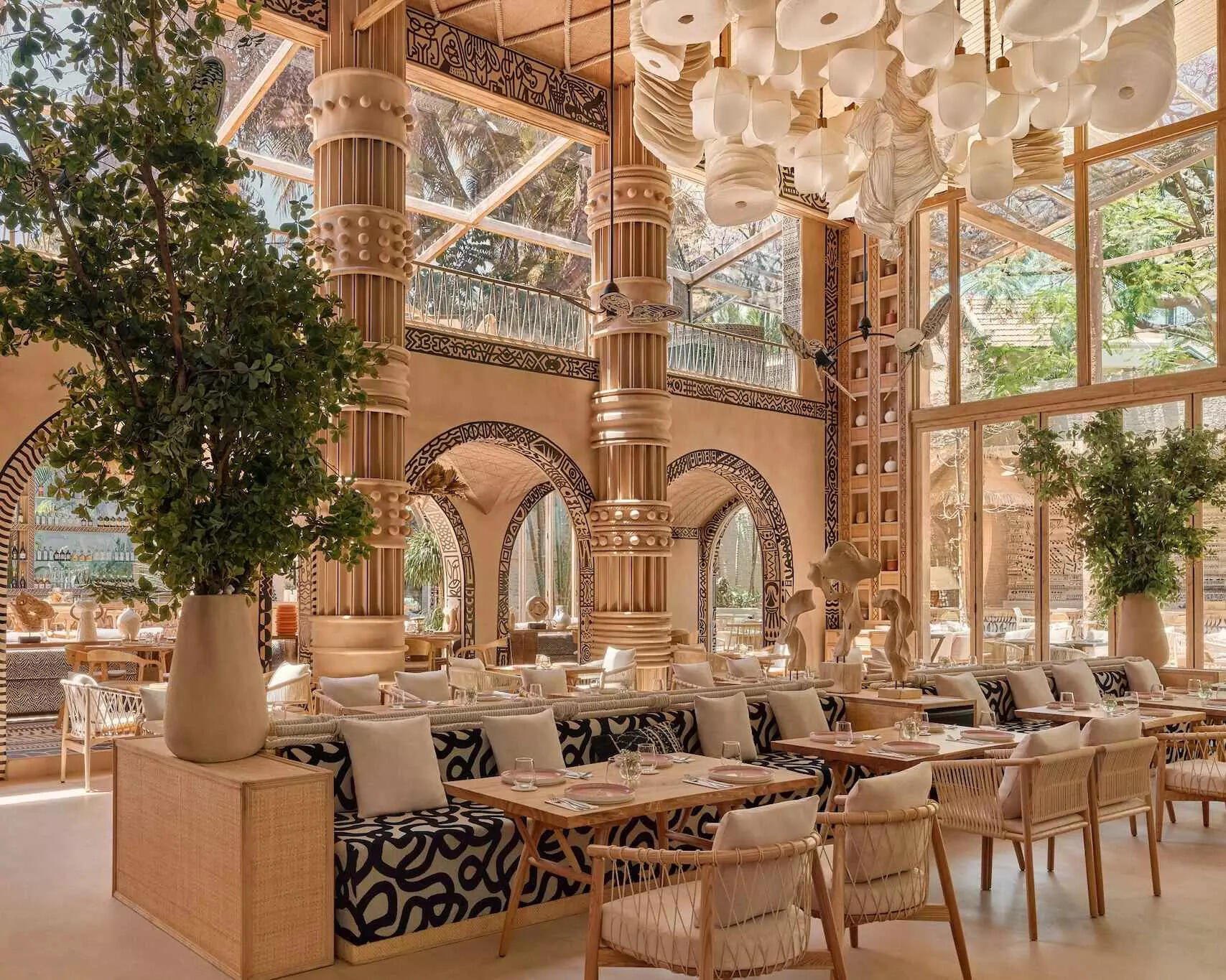
Bars in Bengaluru
Browse all →
Hotels in Bengaluru
Browse all →
Wineries in Bengaluru
Browse all →
At a Glance
- Well Known
- Classic
- Rustic
- Casual Hangout
- Group Dining
- Family
- Standalone
Current opening hours
- Monday
- 10 AM–11 PM
- Tuesday
- 10 AM–11 PM
- Wednesday
- 10 AM–11 PM
- Thursday
- 10 AM–11 PM
- Friday
- 10 AM–11 PM
- Saturday
- 10 AM–11 PM
- Sunday
- Closed
Hours can change for holidays and private events. Last verified .
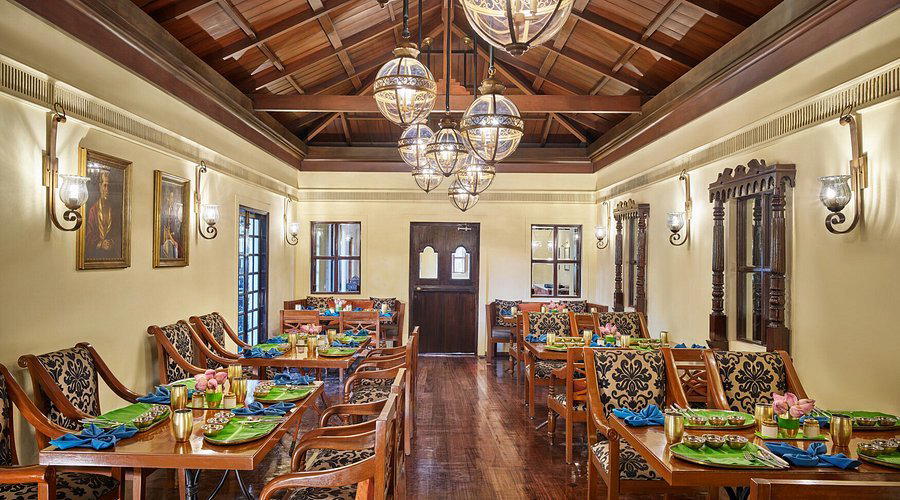
Casual dining atmosphere with traditional banana leaf service, warm and welcoming environment reflecting deep South Indian heritage.