Current operating status was confirmed in a June 2026 audit; detailed venue content is being refreshed from verified sources.
Pearl is the En Primeur Club membership app — saves, bookings, and concierge access live there. Same editors, same standards.
- Address
- Ganigara, C, Gurkar Ramanayak Ln, Bengaluru, Karnataka 560002, India
- Directions
- Get directions
 Saves & bookings on Pearl
Where Old Bengaluru Sets the Table
Gurkar Ramanayak Lane is not a street that appears on most visitors' itineraries. The Ganigara neighbourhood, tucked inside the 560002 pin code, belongs to the older, denser Bengaluru that predates the tech-corridor expansion, a part of the city where the built fabric is compressed, the street life is continuous, and the food has been shaped by long-running local supply chains rather than imported culinary references. Arriving here from the wider city, you feel the shift quickly: fewer branded storefronts, more wholesale traders, and the particular rhythm of a neighbourhood that feeds itself first.
That geography matters when you think about ingredient sourcing. South Indian restaurant culture has historically been anchored in hyper-local procurement in a way that fine-dining circuits in other parts of the world often claim but rarely achieve. The wet markets that ring Bengaluru's older quarters receive produce from the agricultural belt that stretches toward Mysuru, Tumakuru, and the Hassan district, leafy greens, raw banana, drumstick, fresh coconut, and seasonal tubers that rotate in and out of availability depending on the month and the monsoon cycle. A restaurant positioned inside this neighbourhood is not operating at a logistical remove from that supply; it is embedded in it.
The Ingredient Argument in Bengaluru's Dining Scene
Bengaluru occupies an unusual position in India's restaurant geography. It draws culinary influence from Karnataka's coast (Mangalorean seafood traditions), from Tamil Nadu to the south, from Andhra Pradesh to the east, and from the old Kannada heartland. That overlap makes ingredient provenance more contested and more interesting than in cities with a more singular food identity. Which coconut, which rice variety, which chilli, these are not incidental questions in a Bengaluru kitchen; they carry cultural and regional weight.
The broader trend across the city's more considered restaurants has been a return to that specificity after decades in which standardisation flattened South Indian cooking into a recognisable but approximate version of itself. You can see the same pattern at Farmlore in Bangalore, where the farm-to-table framework is built around documented sourcing relationships with producers in Karnataka's agricultural zones. You can trace a parallel logic in how Kappa Chakka Kandhari in Chennai has positioned itself around Kerala's indigenous ingredient vocabulary, a reminder that across South India, interesting dining conversations are increasingly about where the raw material comes from, not just what technique was applied to it.
Bengaluru Restaurant, located at this particular address in the old city, sits inside that wider shift. The neighbourhood itself functions as a form of sourcing infrastructure: proximity to wholesale markets, familiarity with seasonal cycles, and access to suppliers who stock ingredients that don't always reach the city's newer commercial districts.
Reading Bengaluru Through Its Older Neighbourhoods
The 560002 postcode covers a section of Bengaluru that includes some of the city's oldest residential and commercial streets. Understanding this part of the city means understanding that Karnataka's food culture is not a single register. The coastal Tulu-speaking communities brought their own fish-based preparations; the Brahmin communities of old Mysuru left a distinct vegetarian imprint; the communities who traded along the older road networks connecting Bengaluru to the Deccan plateau added another layer. These traditions don't always coexist tidily, but they are all present in the food supply chains that run through neighbourhoods like this one.
That layered history gives older Bengaluru addresses a reference pool that newer restaurant districts in Indiranagar or Koramangala can approximate but not replicate. When a restaurant in this part of the city sources its ingredients locally, it is drawing on supply lines that have been in place for generations rather than procurement systems built for a contemporary dining audience.
For context on how different Bengaluru addresses position themselves within the city's broader restaurant scene, the EP Club Bengaluru restaurants guide maps the full spread, from the polished hotel dining of properties like Highland Nectar at ITC Gardenia to the more accessible format of Bombay Brasserie at Orion Mall. The old-city addresses occupy a different register entirely: less curated for the international traveller, more embedded in the actual supply and demand of Bengaluru's food economy.
South Indian Dining Beyond the Obvious Circuits
Travellers who spend time with South India's restaurant culture often note the gap between what gets written about and what is actually eaten. The celebrated addresses, the long-running South Indian chains, the hotel coffee shops, the Instagram-documented new openings, represent one layer of the scene. But much of particularly grounded eating happens in addresses that have been operating the same way for decades, in parts of the city that don't attract editorial attention, sourcing from the same suppliers their predecessors used.
This is the context in which to read an address like Bengaluru Restaurant on Gurkar Ramanayak Lane. It does not fit neatly into the categories that contemporary dining discourse has built around South Indian food, neither a heritage destination nor a new-wave farm-to-table project. It occupies the more difficult middle ground: a neighbourhood address in a historically significant part of the city, where the sourcing story is embedded in geography rather than announced through branding.
Comparable questions about provenance and positioning come up repeatedly across India's most interesting regional dining addresses. Adaa at Falaknuma Palace in Hyderabad situates Hyderabadi cooking within a heritage frame that makes sourcing and tradition inseparable. Naar in Kasauli builds its argument around Himalayan ingredient specificity. Inja in New Delhi works a different angle, fusing Indian ingredient logic with Korean technique. Each approach reflects a different answer to the same underlying question: what does a restaurant's location actually owe to the food culture around it?
At Bengaluru Restaurant, the answer is shaped first by the neighbourhood, then by the supply chains that run through it, and then by what that means for what arrives on the table.
Planning a Visit
The address, Ganigara, C, Gurkar Ramanayak Lane, Bengaluru 560002, places the restaurant in the older central belt of the city, accessible from the main arteries that connect to both the heritage core and the newer commercial districts. Bookings, if required, may be handled in person or through local knowledge rather than through a centralised reservation system. Visitors should plan accordingly, particularly if arriving during peak meal service periods. The price tier is budget-friendly, and the restaurant is walk-in friendly.
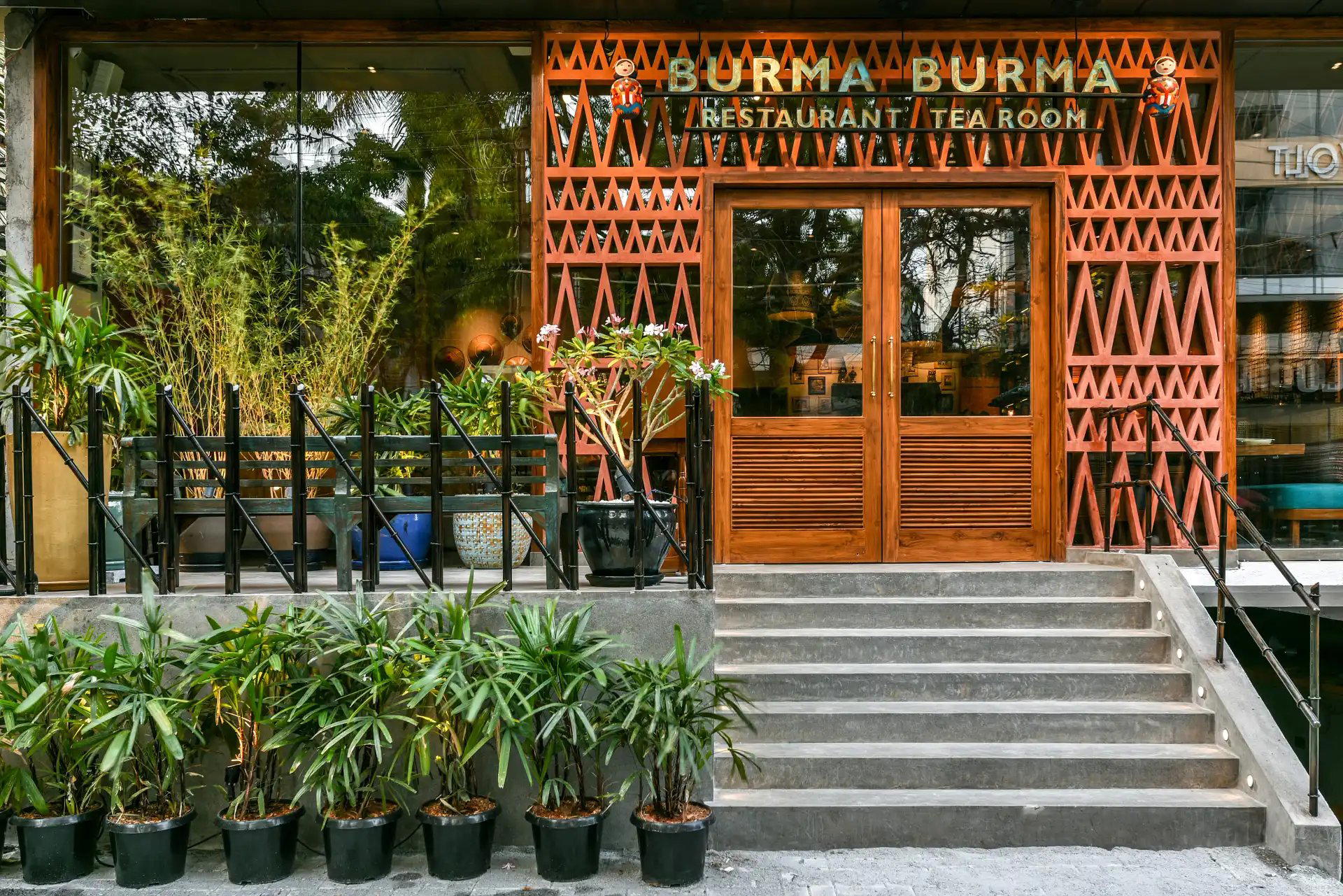
Burma Burma Restaurant and Tea Room and the two Dindigul Thalappakatti locations, including the Basaveshwara Nagar branch, offer well-documented alternatives with clearer logistics for first-time visitors. Beyond the city, Bomras in Anjuna, Leela Kerala Terrace in Trivandrum, and Dining Tent in Jaisalmer map the further range of India's regionally embedded dining addresses. Le Bernardin in New York City and Lazy Bear in San Francisco offer instructive parallels, as does Neel in Patiala within the Indian context. Americano in Mumbai rounds out the picture for those tracing India's broader urban dining evolution.
In Context: Similar Options
Comparable venues nearby, for context on price, style, and recognition.
| Venue | Cuisine | Price | Notes |
|---|---|---|---|
| Bengaluru RestaurantThis venue — the venue you are viewing | Well-known South Indian Dosa House | $ | Not listed |
| Bombay Brasserie - Orion Mall | Modern Indian Brasserie | $$$ | Rajajinagar |
| House of Commons | Indian Pub Fare | $$ | Koramangala |
| The Ritz-Carlton, Bangalore | Progressive Indian & Global Fine Dining | $$$$ | Residency Road |
| Dindigul Thalappakatti Restaurant Basaveshwara Nagar | Thalappakatti Biryani | $$ | Basaveshwara Nagar |
| Burma Burma Restaurant & Tea Room | Authentic Burmese Vegetarian | $$$ | Indiranagar |
Continue exploring
More in Bengaluru
Restaurants in Bengaluru
Browse all →
Bars in Bengaluru
Browse all →
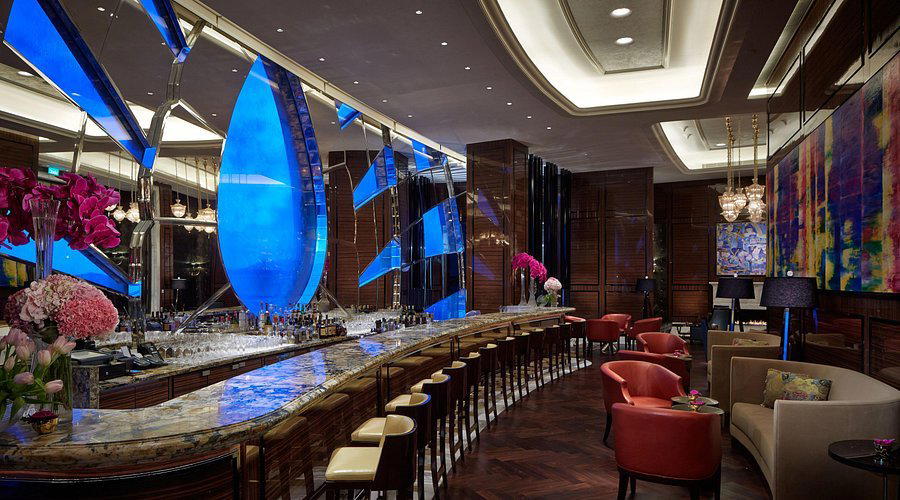
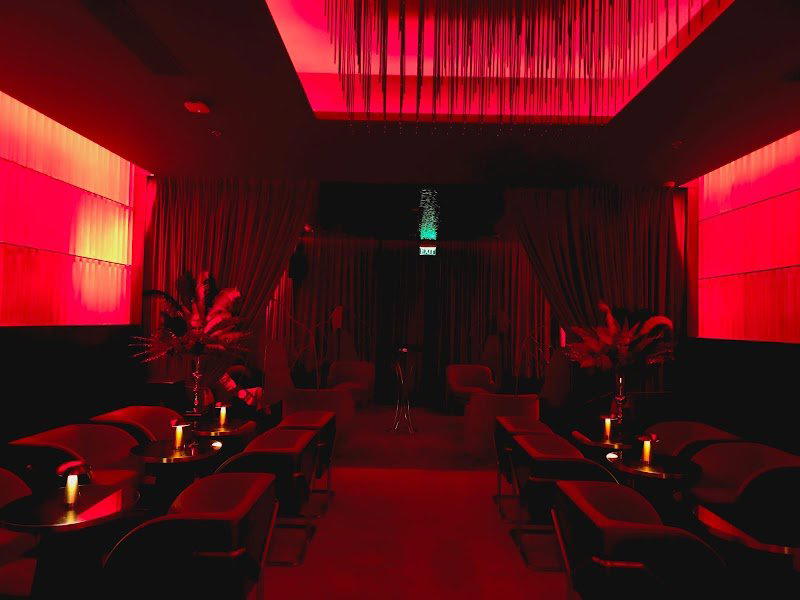
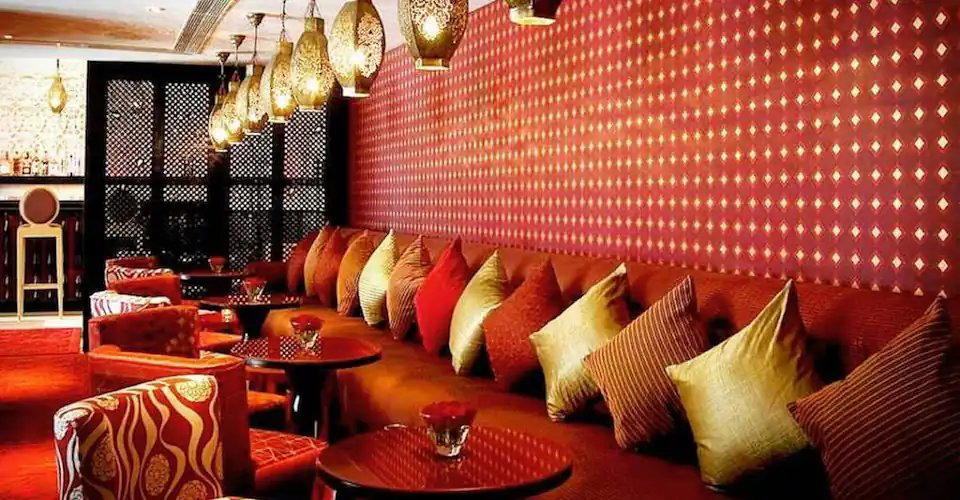
Hotels in Bengaluru
Browse all →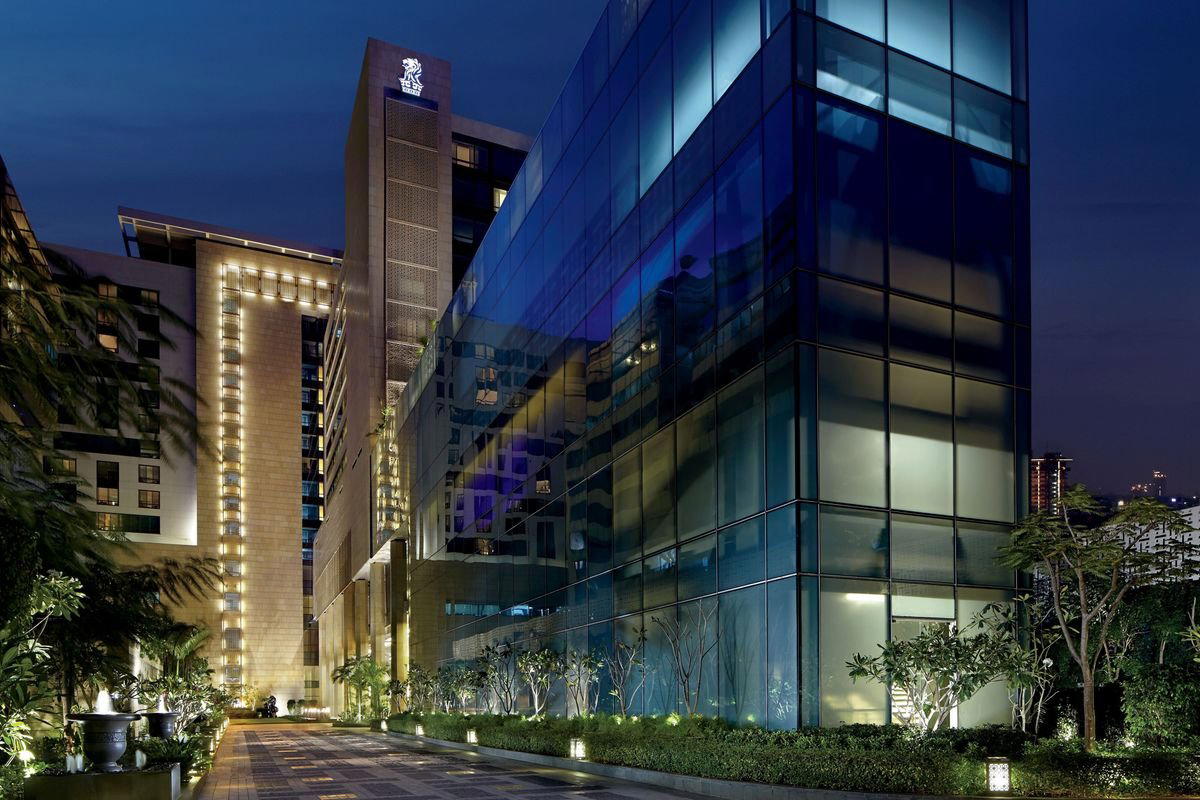
Wineries in Bengaluru
Browse all →
At a Glance
- Cozy
- Casual
- Family
- Casual Hangout
- Group Dining
- Celebration
- Standalone
Warm, inviting, and calmly lit dining room with soft lighting and a relaxed, nicely designed atmosphere, aiming to create a memorable but unfussy sit‑down experience.