Burma Burma on Brigade Road is Bengaluru's most sustained argument for Burmese cuisine as a standalone dining tradition rather than a footnote to broader Southeast Asian cooking. The tea room format sets a deliberate, layered pace across drinks and food. Located in Forum Rex Walk, it draws a consistent crowd that treats the meal as an occasion rather than a stopover.
Pearl is the En Primeur Club membership app — saves, bookings, and concierge access live there. Same editors, same standards.
- Address
- Unit No 109, Ground Floor, Forum Rex Walk, Brigade Rd, Shanthala Nagar, Ashok Nagar, Bengaluru, Karnataka 560001, India
- Phone
- +919920240092
- Website
- burmaburma.in
- Directions
- Get directions
 Saves & bookings on Pearl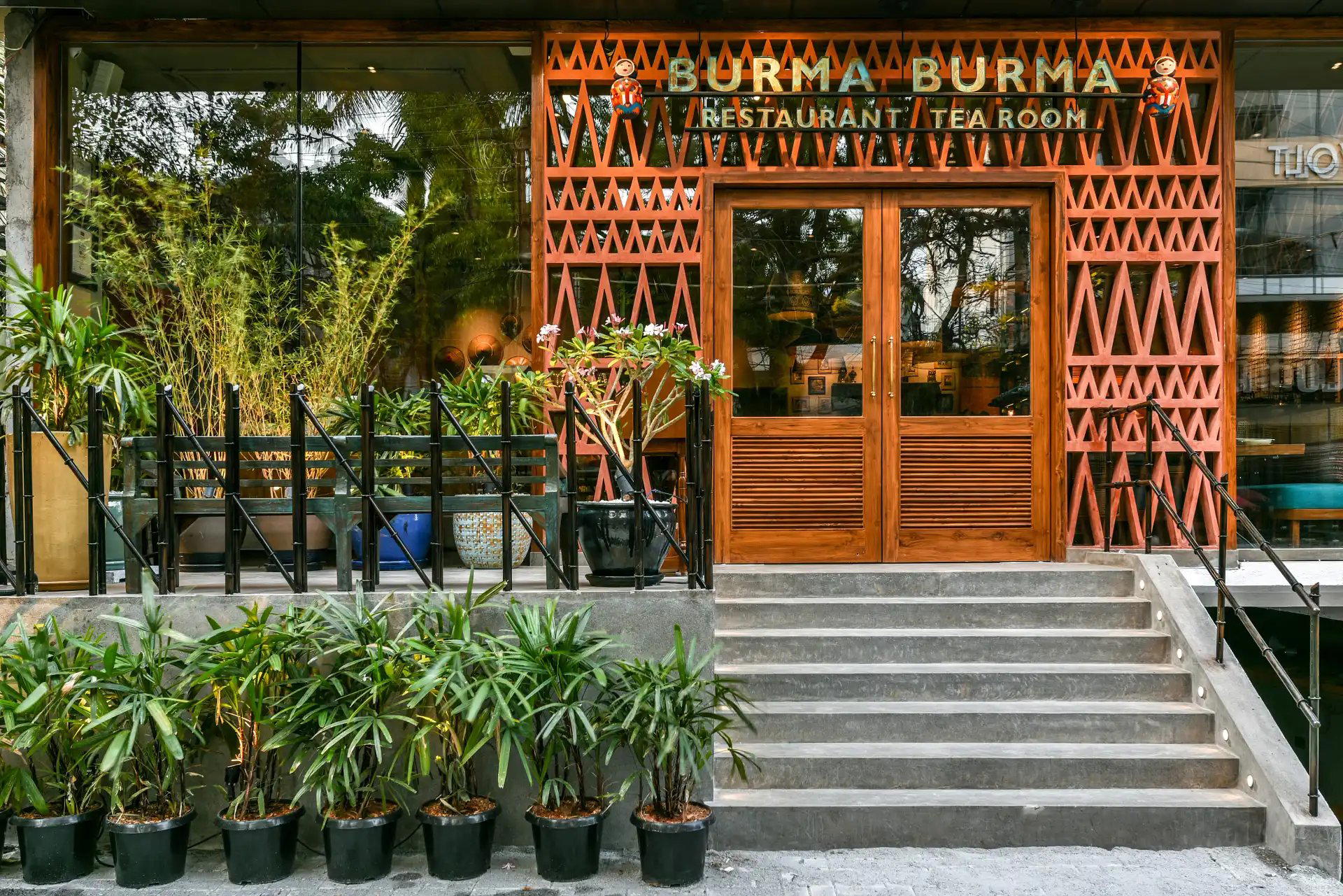
Brigade Road and the Case for Burmese Dining in Bengaluru
Forum Rex Walk on Brigade Road sits at one of Bengaluru's most trafficked commercial intersections, which makes Burma Burma's choice of location pointed rather than incidental. The restaurant occupies ground-floor space in a building that hosts fast-casual and mid-market dining on multiple levels, yet Burma Burma operates on a different register entirely: a tea room format that requires the guest to slow down, work through a structured sequence of drinks and dishes, and treat the meal as something with a beginning, middle, and end. In a city where dining rooms frequently blur into each other across cuisines and price points, that insistence on pace and format is itself a statement. For a broader view of where Burma Burma sits within the city's dining options, our full Bengaluru restaurants guide maps the field across neighbourhoods and cuisine categories.
The Ritual of the Tea Room: How the Meal Is Structured
The tea room designation is not decorative. In Burmese culinary tradition, tea drinking is woven into the social architecture of eating, and Burma Burma treats this seriously enough to build the meal around it. Lahpet, the fermented tea leaf salad that functions as both condiment and dish in Myanmar, is a useful orientation point: it arrives as something to be mixed at the table, combining fermented leaves with fried garlic, toasted sesame, dried shrimp, and peanuts into a preparation that requires the diner's participation. This is not the passive delivery of a completed plate. It asks something of the person eating it, which is closer to the spirit of Burmese communal dining than most South Asian restaurant formats allow for.
The broader meal tends to move through a sequence that parallels how Burmese households structure their tables: tea and lighter preparations first, then noodle-based dishes and curries, with the tea room's drinks threading throughout rather than being confined to the end. This sequencing distinguishes the format from the standard Bengaluru restaurant experience, where the meal is more often a single undifferentiated act of ordering and receiving. Visitors expecting to move quickly through the menu will find the format gently resistant to that pace, which is precisely the point.
Burmese Cuisine in the Indian Context
Burmese food occupies an unusual position in Indian dining. The two culinary traditions share some ingredients, particularly in the use of dried shrimp, fermented preparations, and legumes, but the flavour register diverges significantly. Where South Indian cooking frequently builds heat and sourness into its structural base, Burmese cooking tends toward a more layered umami depth, with fermented elements and fish sauce doing work that tamarind and chilli do elsewhere. This makes Burma Burma's menu legible to Bengaluru's diners without being redundant. The mohinga, Myanmar's fish-broth noodle soup that functions as the country's most emblematic everyday dish, reads as both familiar and genuinely foreign to a South Indian palate in ways that are more interesting than straightforwardly comfortable.
The vegetarian adaptation of this cuisine, which Burma Burma pursues seriously, is worth noting in its own right. Bengaluru has one of India's strongest vegetarian dining cultures, and translating a cuisine that relies heavily on fish paste, dried shrimp, and fish sauce into a vegetarian idiom without flattening it is a genuine technical challenge. The restaurant's reputation rests partly on how effectively it manages that translation. Indian restaurants addressing this challenge across different traditions can be found at venues like Farmlore in Bangalore, which applies a similar rigour to farm-to-table sourcing and ingredient integrity.
Where Burma Burma Sits in Bengaluru's Dining Tier
Bengaluru's mid-to-upper casual dining tier has expanded considerably over the past decade, with neighbourhoods like Indiranagar and Koramangala drawing the majority of critical attention and new openings. Brigade Road operates differently: it is primarily a commercial and retail corridor, which means restaurants here compete for footfall as much as destination dining. Burma Burma's positioning within Forum Rex Walk places it in the path of shoppers and office workers as much as deliberate diners, yet the format actively selects against casual drop-ins. The tea room pacing and the menu's learning curve suggest it has built a loyal audience that returns.
For comparison within the city's restaurant field, Bengaluru Restaurant and Bombay Brasserie at Orion Mall each occupy different positions in the mid-market. Dindigul Thalappakatti Restaurant and its Basaveshwara Nagar outpost handle Tamil Nadu's biryani tradition with a directness that contrasts sharply with Burma Burma's more layered, instructional approach to cuisine. Highland Nectar at ITC Gardenia moves into the hotel fine-dining register. Burma Burma occupies the space between these tiers: more considered than a fast-casual operation, more accessible than a hotel dining room, but requiring more from its guest than either.
Burmese Dining Across India: The Broader Context
Burma Burma's Bengaluru location sits within a small national field of restaurants taking Burmese cuisine seriously. Bomras in Anjuna is the other name that comes up consistently in this conversation, applying a similar seriousness to Burmese and Myanmar-influenced cooking in a Goa coastal setting. The gap between these two venues and the broader Indian restaurant market for Burmese food is significant: most exposure to Myanmar-adjacent cooking in India arrives via Manipuri or Northeastern Indian cuisines, which share some techniques but represent distinct traditions. Burma Burma and Bomras are effectively building audience for a cuisine that has no deep precedent in Indian dining consciousness, which makes the tea room format at Burma Burma less of a quirk and more of a pedagogical tool: it teaches the meal as it serves it.
For travellers moving between India's more experimental dining rooms, the comparison set extends further. Inja in New Delhi operates in the India-Korea fusion register, while Kappa Chakka Kandhari in Chennai does for Kerala's toddy shop tradition what Burma Burma does for Burmese tea culture: takes a specific, historically grounded dining ritual and makes it legible to a metropolitan audience. Adaa at Falaknuma Palace in Hyderabad and Leela Kerala Terrace in Trivandrum handle royal and regional Indian traditions with comparable specificity. Internationally, the translation of deeply local dining rituals into accessible restaurant formats is a challenge that places like Lazy Bear in San Francisco and Le Bernardin in New York City have each addressed in their own registers, though the cultural stakes and the starting point differ considerably.
Planning Your Visit
Burma Burma is located at Unit 109, Ground Floor, Forum Rex Walk, Brigade Road, Bengaluru. The Brigade Road address means it is accessible from the central business district on foot or by auto, and the Mahatma Gandhi Road metro station is within reasonable walking distance. Given the restaurant's consistent popularity and the deliberate pace of the meal, arriving without a reservation, particularly on weekends, carries real risk of a wait. The format rewards those who book ahead and allow time for the meal to move at its own pace. Naar in Kasauli, Neel in Patiala, and Dining Tent in Jaisalmer each present analogous planning considerations in their respective markets, where format and setting dictate the rhythm of the visit as much as the food itself. For those building a longer Bengaluru itinerary, Americano in Mumbai offers a useful contrast point in how a different Indian metropolis handles internationally-inflected dining formats.
Cuisine and Recognition
Comparable venues nearby, for context on price, style, and recognition.
| Venue | Cuisine | Price | Notes |
|---|---|---|---|
| Burma Burma Restaurant & Tea RoomThis venue — the venue you are viewing | Authentic Burmese Vegetarian | $$$ | Not listed |
| Bombay Brasserie - Orion Mall | Modern Indian Brasserie | $$$ | Rajajinagar |
| Maffei Kitchen | Authentic Lebanese, Moroccan & Greek | $$$$ | Koramangala |
| The Ritz-Carlton, Bangalore | Progressive Indian & Global Fine Dining | $$$$ | Residency Road |
| Highland Nectar - ITC Gardenia | Club Cuisine & Finger Food Lounge Bar | $$$$ | Richmond Town |
| Soka | Modern Fusion Cocktail Bar | $$$ | Indiranagar |
Continue exploring
More in Bengaluru
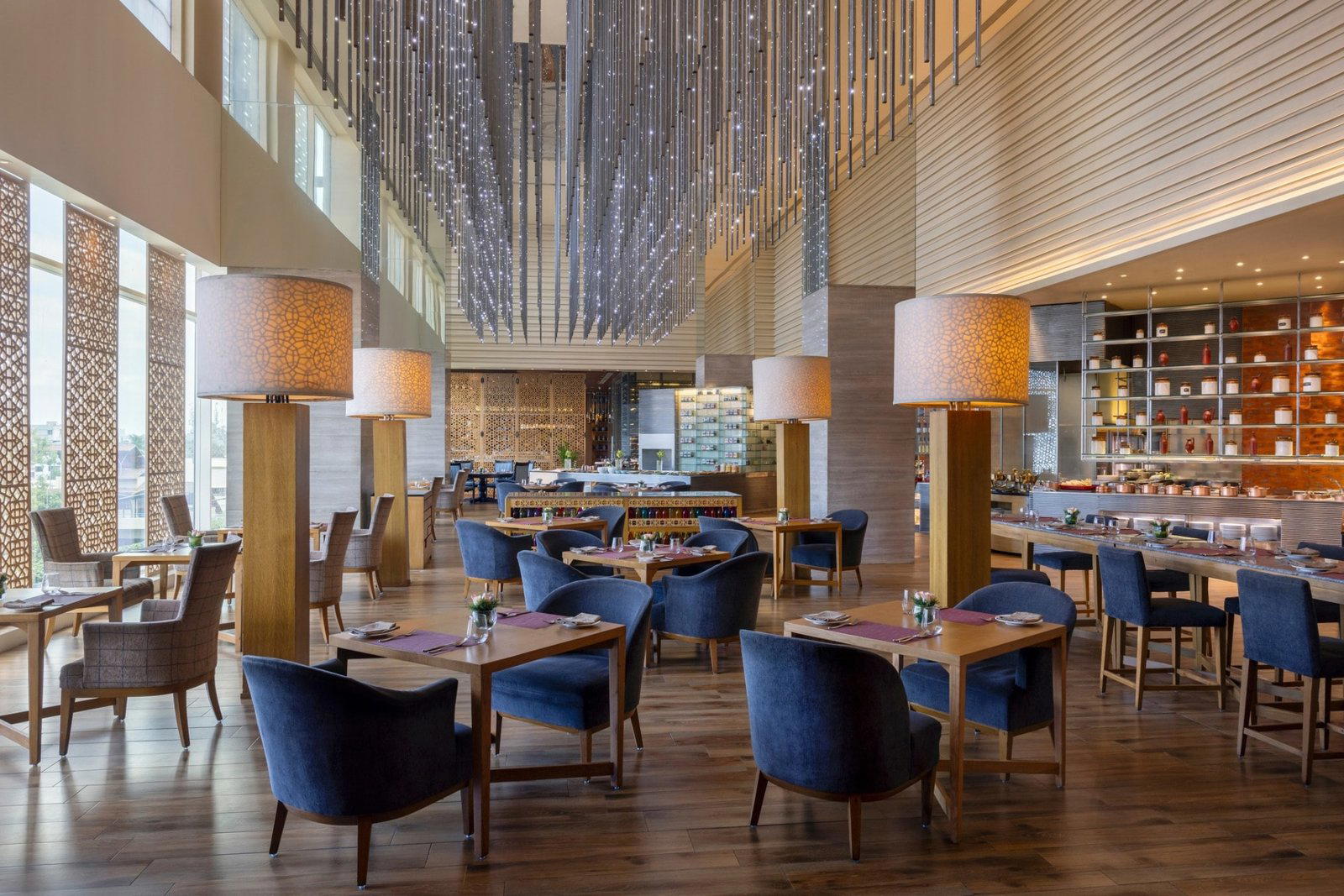
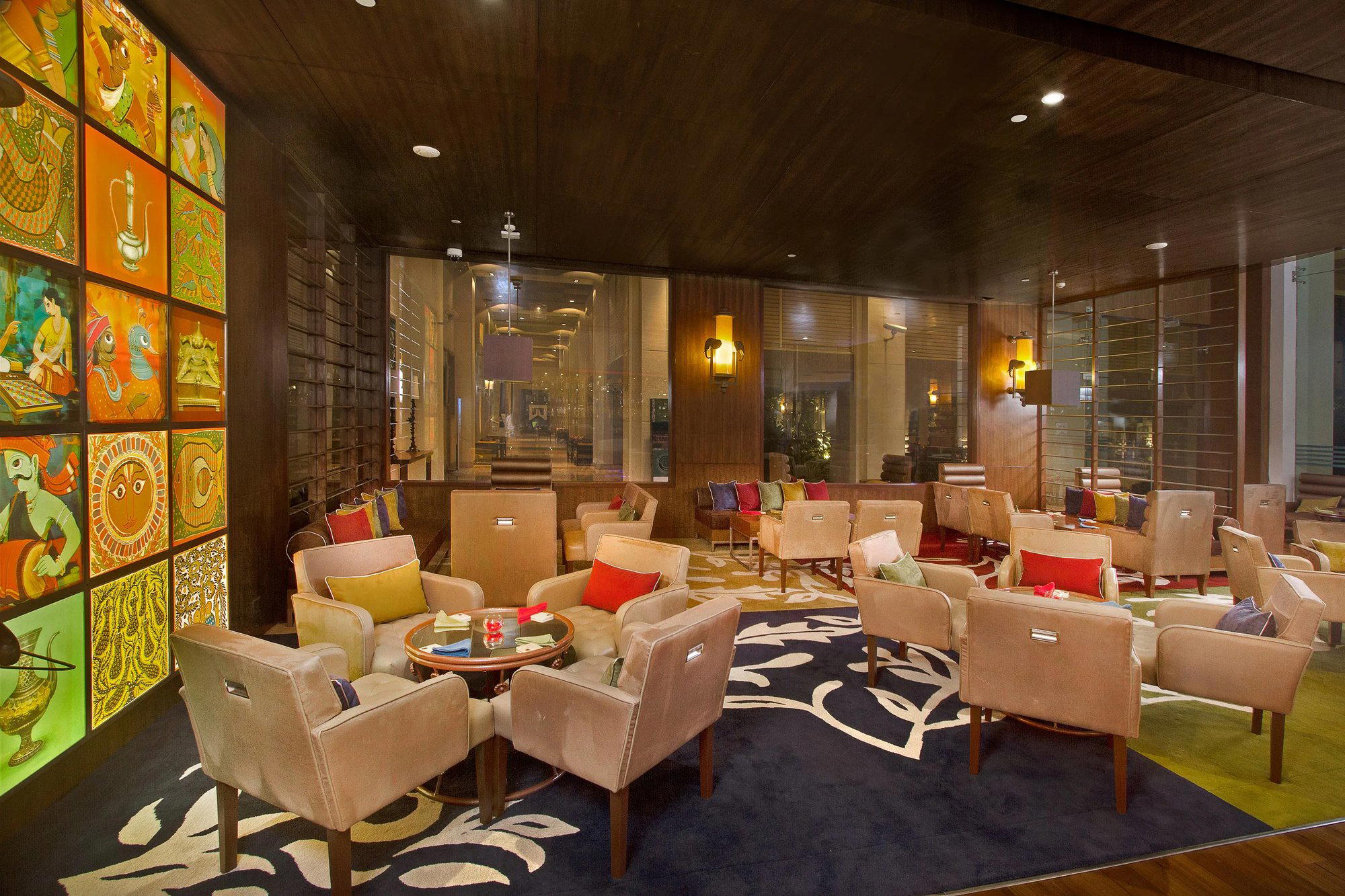
Restaurants in Bengaluru
Browse all →
Bars in Bengaluru
Browse all →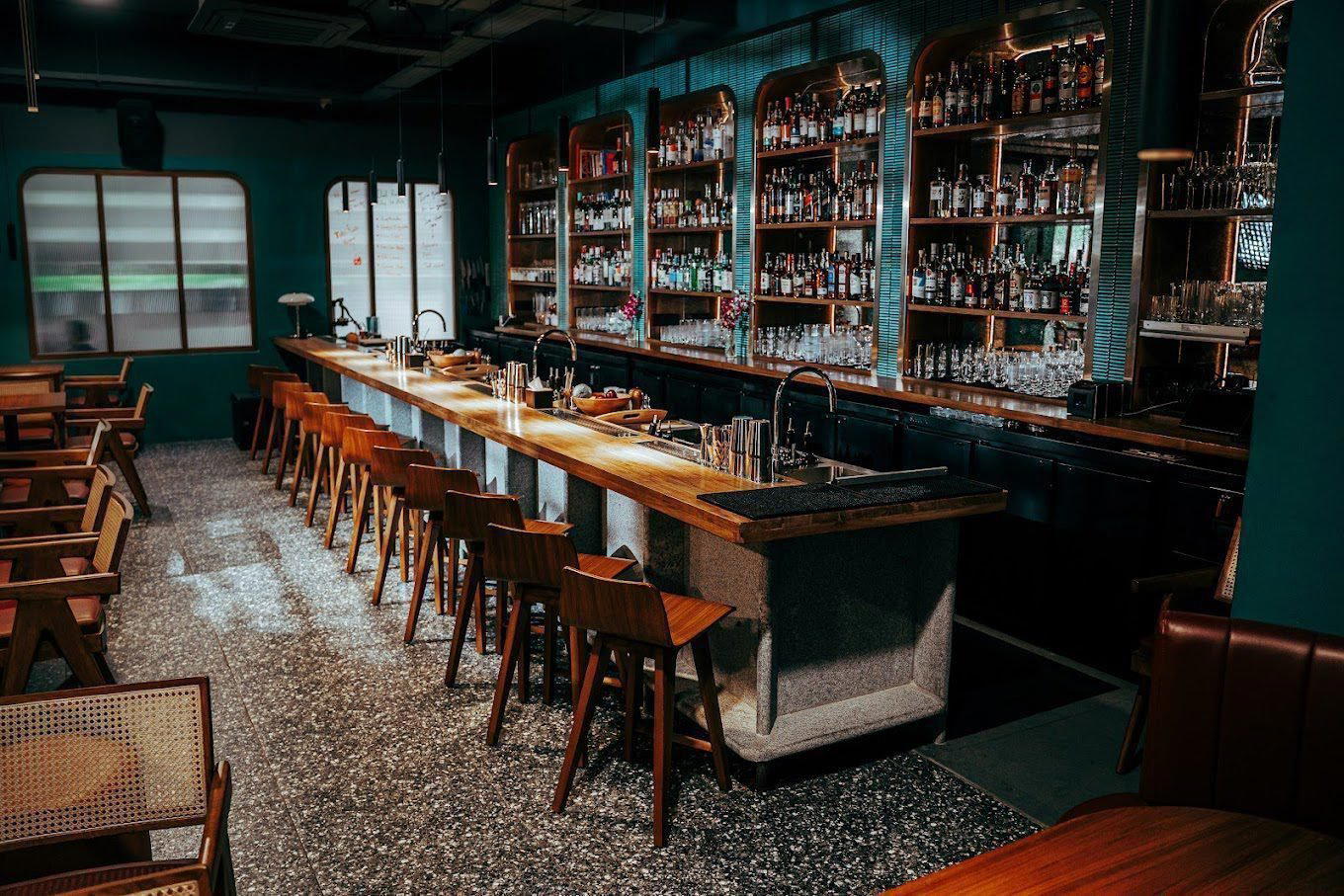
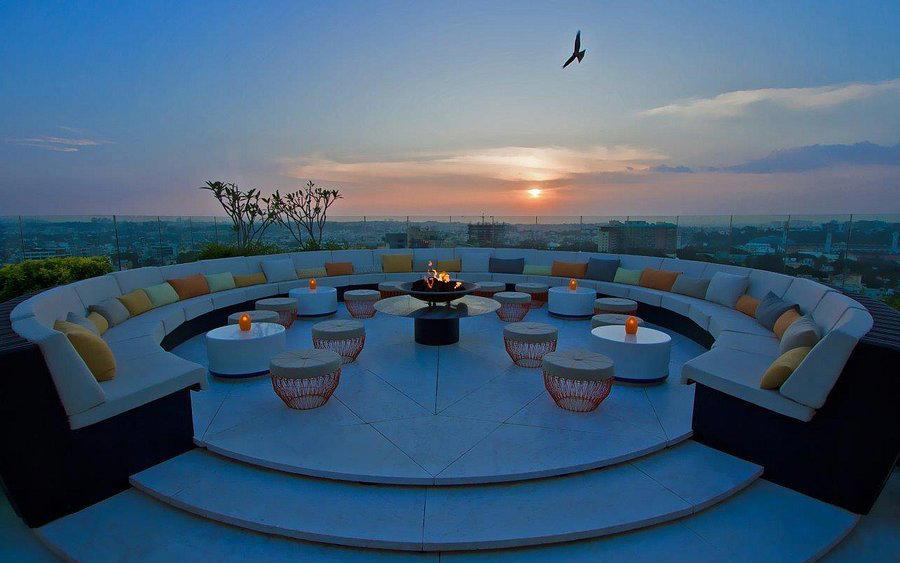
Hotels in Bengaluru
Browse all →
Wineries in Bengaluru
Browse all →
At a Glance
- Cozy
- Elegant
- Trendy
- Date Night
- Group Dining
- Casual Hangout
Current opening hours
- Monday
- 12:30–4 PM, 6:30–10:30 PM
- Tuesday
- 12:30–10:30 PM
- Wednesday
- 12:30–4 PM, 6:30–10:30 PM
- Thursday
- 12:30–4 PM, 6:30–10:30 PM
- Friday
- 12:30–10:30 PM
- Saturday
- 12:30–10:30 PM
- Sunday
- 12:30–10:30 PM
Hours can change for holidays and private events. Last verified .
Cozy and elegant atmosphere celebrating Burmese culture with thoughtful service and a dedicated tea room.