Michelin Plate
Our verdict
Dil Se on Roncesvalles holds back-to-back Michelin Plate recognition (2024 and 2025), placing it among the most consistent Indian kitchens in Toronto. The $$ price point makes it one of the more accessible addresses in the city's Michelin-recognised tier. Coastal Indian cooking, the kind built around coconut, tamarind, and curry leaf, is where the menu earns its reputation.

Pearl is the En Primeur Club membership app, where members save venues, book tables and use the concierge.
Roncesvalles and the Case for Neighbourhood Indian
Toronto's recognised Indian dining has historically concentrated in Scarborough's Golden Mile corridor and, more recently, in the downtown core, where higher rents and tourist traffic tend to reward broader, accessible menus. Roncesvalles Ave operates on different logic. The strip is known for Polish delis, Portuguese bakeries, and the kind of mid-scale independent restaurants that serve the neighbourhood rather than a destination-dining circuit. Dil Se fits that character: a $$ Indian kitchen at 335 Roncesvalles Ave that has accumulated back-to-back Michelin Plate recognition in 2024 and 2025 without repositioning itself as a formal dining experience.
For context, the Michelin Plate is the guide's signal that a restaurant produces consistently good cooking; it sits below the starred tier but above the general guide listings. Among Toronto's Indian restaurants recognised by Michelin, Dil Se occupies a value position that peers like Aanch and Adrak Yorkville do not, given their different price and neighbourhood contexts. The consistency implied by two consecutive Plate inclusions suggests the kitchen is not coasting on a single strong year.
The Coastal Spice Register
South Indian and Goan coastal cooking operates on a spice logic distinct from the North Indian canon that dominates many Western Indian restaurant menus. Where North Indian cooking leans on dry-heat spices, cumin, coriander, dried chillies processed into thick, fat-rich gravies, the coastal register works with fresh aromatics and souring agents. Curry leaf, applied in hot oil at the start of a dish or as a final tempering, contributes a volatile citrus-pine note that fades within minutes of cooking; it cannot be replicated with dried substitutes and signals kitchen attentiveness when it reads clearly on the plate. Coconut, used as milk, cream, or freshly grated flesh, rounds and carries rather than dominates. Tamarind and kokum provide sourness with different characters: tamarind is fruity and warm, kokum cooler and more astringent, the latter especially common in the Konkan and Goan coastal belt.
This is the tradition that coastal Indian kitchens in diaspora cities handle unevenly. Kokum is harder to source and less familiar to non-Indian diners; many kitchens substitute tamarind throughout, which flattens the regional specificity. The presence of a genuinely coastal-oriented menu, one that honours the full spice vocabulary of the Indian littoral rather than a simplified approximation, is what distinguishes a kitchen working in this register from one using coastal framing as a marketing category. Toronto's Indian dining scene, covered more broadly in our full Toronto restaurants guide, includes addresses across the regional spectrum, from street food formats like Indian Street Food Company to the Goa-anchored drinking and eating at Bar Goa.
Where Dil Se Sits in the Toronto Indian Tier
Toronto's Michelin-recognised restaurant tier spans a wide price range. At the upper end, addresses like Alo (one Michelin star, $$$$) operate in a formal tasting-menu format that targets a narrow demographic. Dil Se at $$ sits closer to the floor of the recognised tier, pricing against neighbourhood restaurants rather than destination dining. They are repeat customers from the neighbourhood and the broader west-end catchment, which is a harder demographic to consistently satisfy than occasion diners who arrive with high tolerance and low frequency.
Within the Indian category specifically, the comparison is instructive. Progressive Indian formats at the higher price points, Trèsind Studio in Dubai and Opheem in Birmingham represent that tier internationally, tend to use Indian flavour systems as raw material for fine-dining technique. Dil Se does not operate in that register. The Michelin Plate signal here is about execution and consistency within a traditional format, not about modernist ambition. For readers more interested in the Canadian fine-dining context generally, Tanière³ in Québec City, AnnaLena in Vancouver, and Jérôme Ferrer - Europea in Montreal illustrate how Michelin recognition plays out at the starred level across the country.
The Roncesvalles Experience
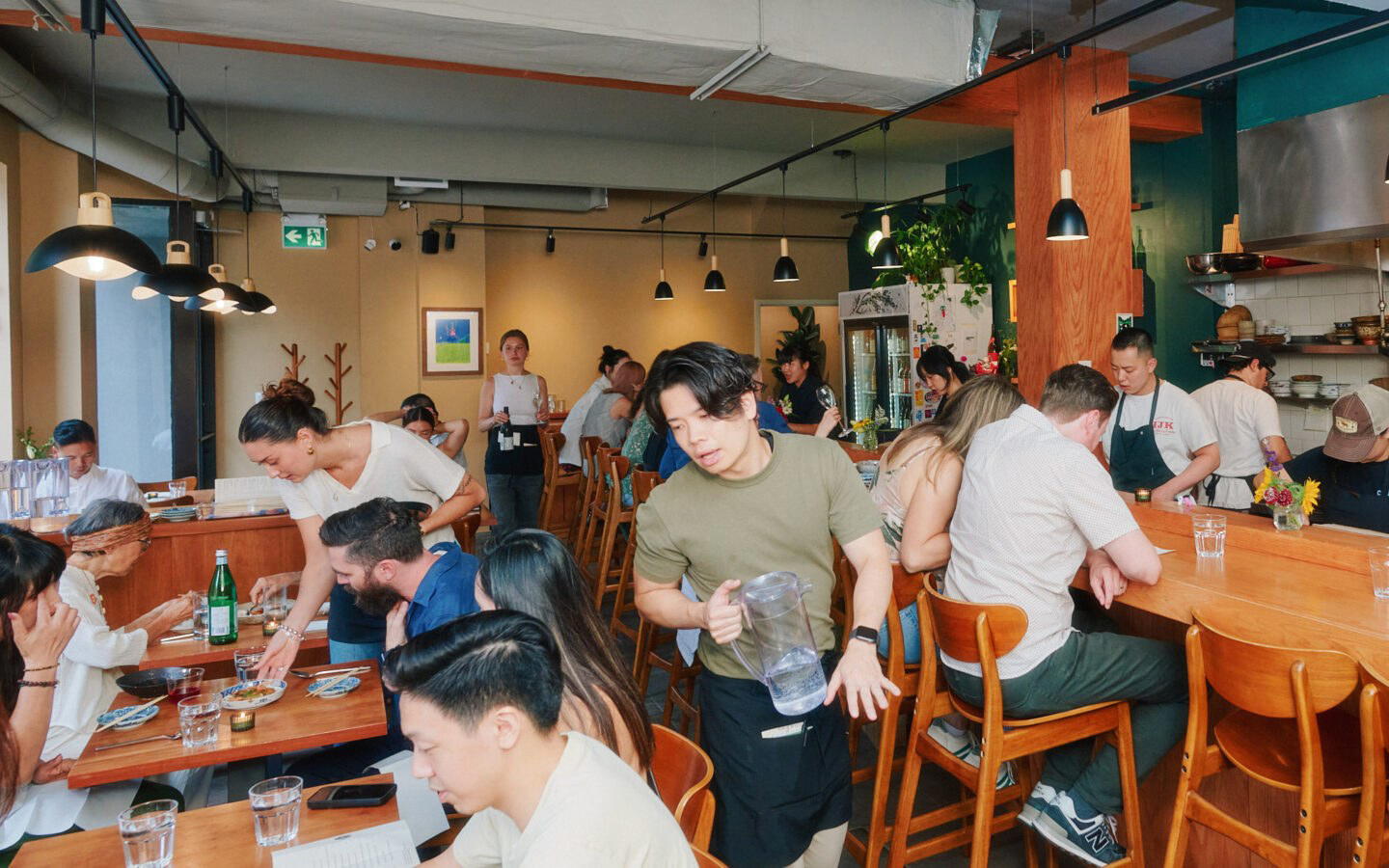
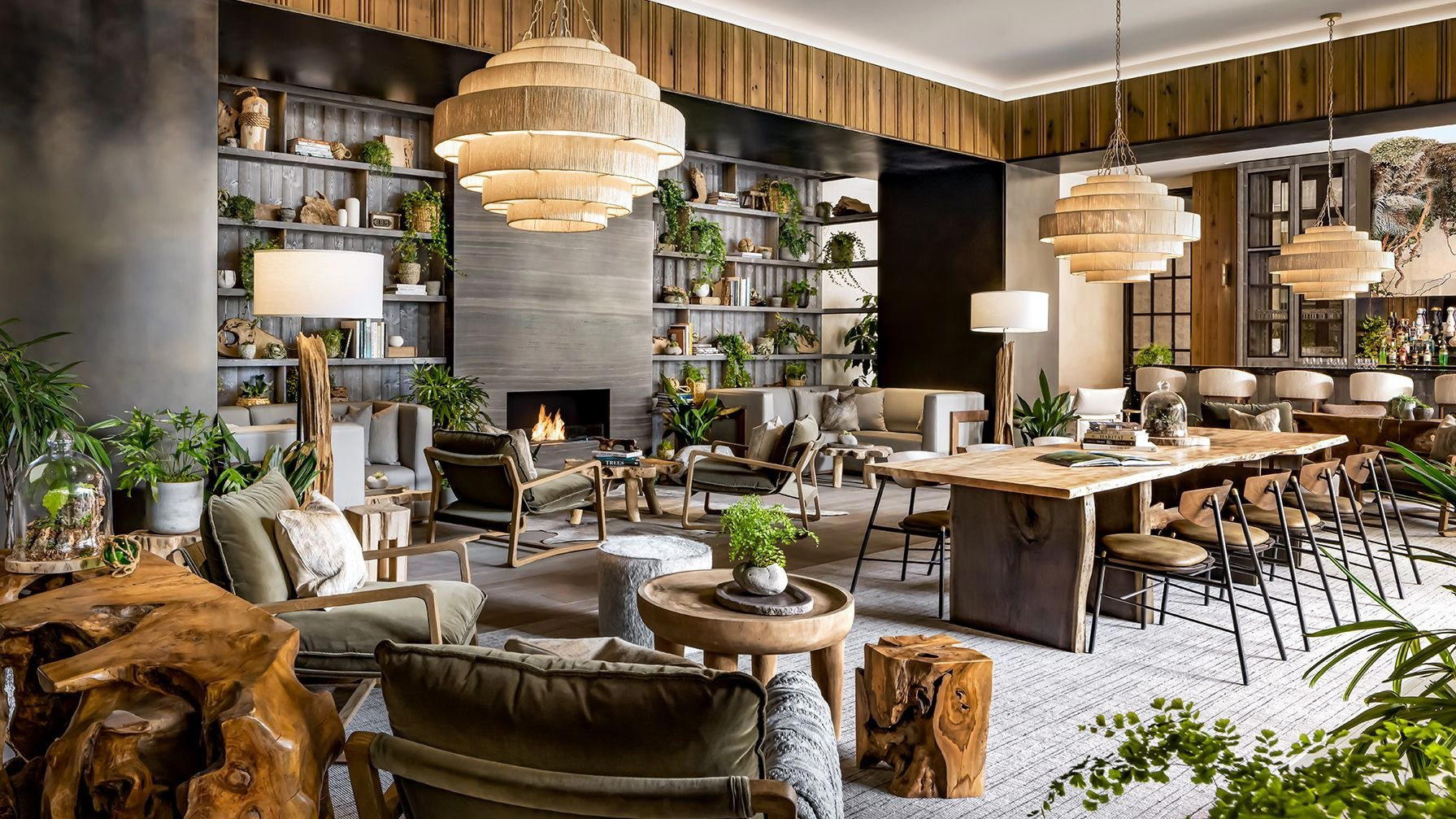
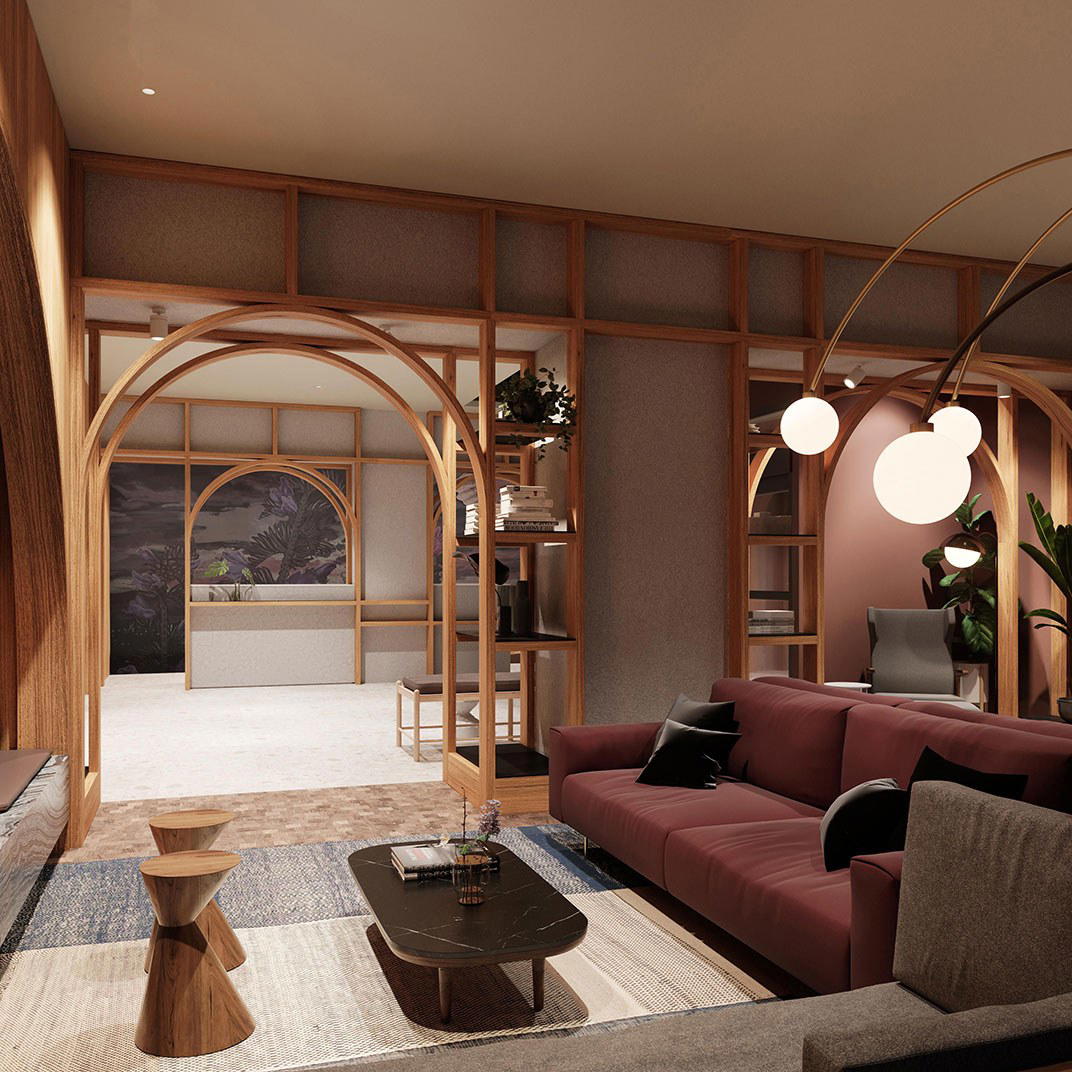
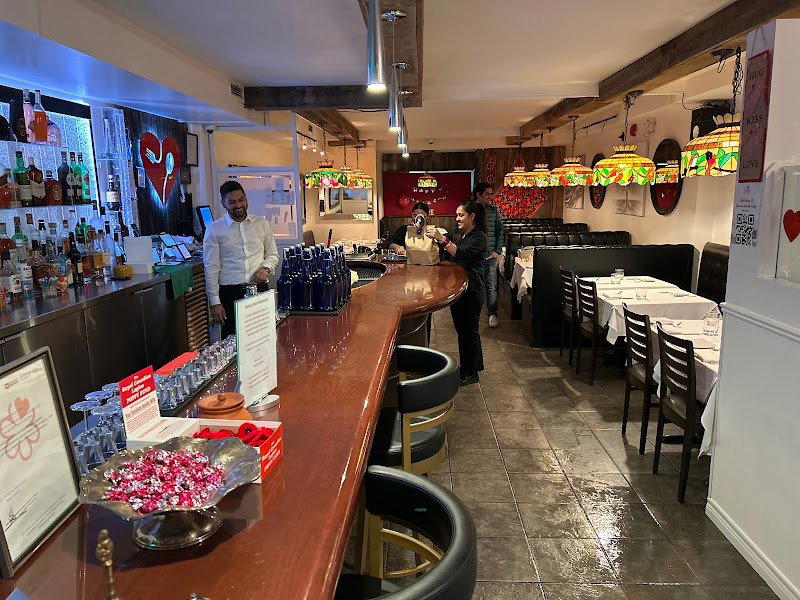
Approaching the Roncesvalles strip from the south, the neighbourhood reads as a mid-density residential corridor with occasional retail anchors. There is no hospitality cluster here in the sense of a concentrated dining destination; restaurants are distributed along the avenue between drycleaners and grocery stores. That environment shapes how a restaurant like Dil Se operates. The dining room is likely compact and without the design investment of a destination restaurant. The experience is proximate and unpretentious: the kind of meal where the cooking carries the room rather than the room carrying the cooking. In a city where Indian restaurants are often judged against the formal, white-tablecloth Indian dining model inherited from British restaurant culture, the Roncesvalles context positions Dil Se in a more direct, less ceremonial tradition.
For those planning a broader west-end or Toronto visit, our full Toronto hotels guide, bars guide, wineries guide, and experiences guide cover the full range of options. Outside Toronto, Restaurant Pearl Morissette in Lincoln, The Pine in Creemore, and Narval in Rimouski extend the regional picture for readers covering the broader Canadian dining circuit.
Planning a Visit
Dil Se is at 335 Roncesvalles Ave, Toronto, reachable by the Queen streetcar west to Roncesvalles, or a short walk from Dundas West station. At $$, the per-head spend is accessible relative to other Michelin-recognised addresses in the city. Weekday evenings are typically the lower-pressure window for neighbourhood restaurants of this type.
Frequently asked questions
Has Dil Se won any awards?
Dil Se has received recognition including: Michelin Plate (2025); Michelin Plate (2024).
How much does it cost to eat at Dil Se?
Pricing at Dil Se is listed as $$.
What's the must-try dish at Dil Se?
Dil Se's kitchen is rooted in South Indian and Goan coastal cooking, a register built on tamarind, kokum, and seafood-forward spice profiles rather than the North Indian cream-and-butter canon. Given those Michelin Plate recognitions in both 2024 and 2025, the coastal preparations, fish curries and rice-based dishes in particular, are the expressions that define the kitchen's identity. Specific menu items change, so checking directly at 335 Roncesvalles Ave is the most reliable way to confirm current offerings.
What should I expect cuisine-wise at Dil Se?
Price and Recognition
| Venue | Cuisine | Price | Awards | Notes |
|---|---|---|---|---|
| Dil SeThis venue (the venue you are viewing) | Authentic Northern Indian | Not listed | Michelin Plate | Not listed |
| Alo | Modern French Fine Dining with Asian Influences | $200–300 | 1 Michelin Star · La Liste Top Restaurants | Contemporary |
| Sushi Masaki Saito | Edomae-Style Omakase | $500+ | 1 Michelin Star · La Liste Top Restaurants | Sushi, Japanese |
| Aburi Hana | Modern Japanese Kyō-Kaiseki | $300–500 | 1 Michelin Star · The Best Chef One Knife | Kaiseki, Japanese |
| Don Alfonso 1890 | Modern Italian Fine Dining | $200–300 | 1 Michelin Star · La Liste Top Restaurants | Contemporary Italian, Italian |
| Edulis | Mediterranean Seafood Tasting Menu | $150–200 | 1 Michelin Star · World's 50 Best #25 | Canadian, Mediterranean Cuisine |
Recognition history
Dated appearances from independent guides and award organizations, with the underlying list record or original source where available.
Michelin Plate
Michelin
Full recognition history (2 entries)
Michelin Plate
Michelin