Die Bürgermeisterei 1728

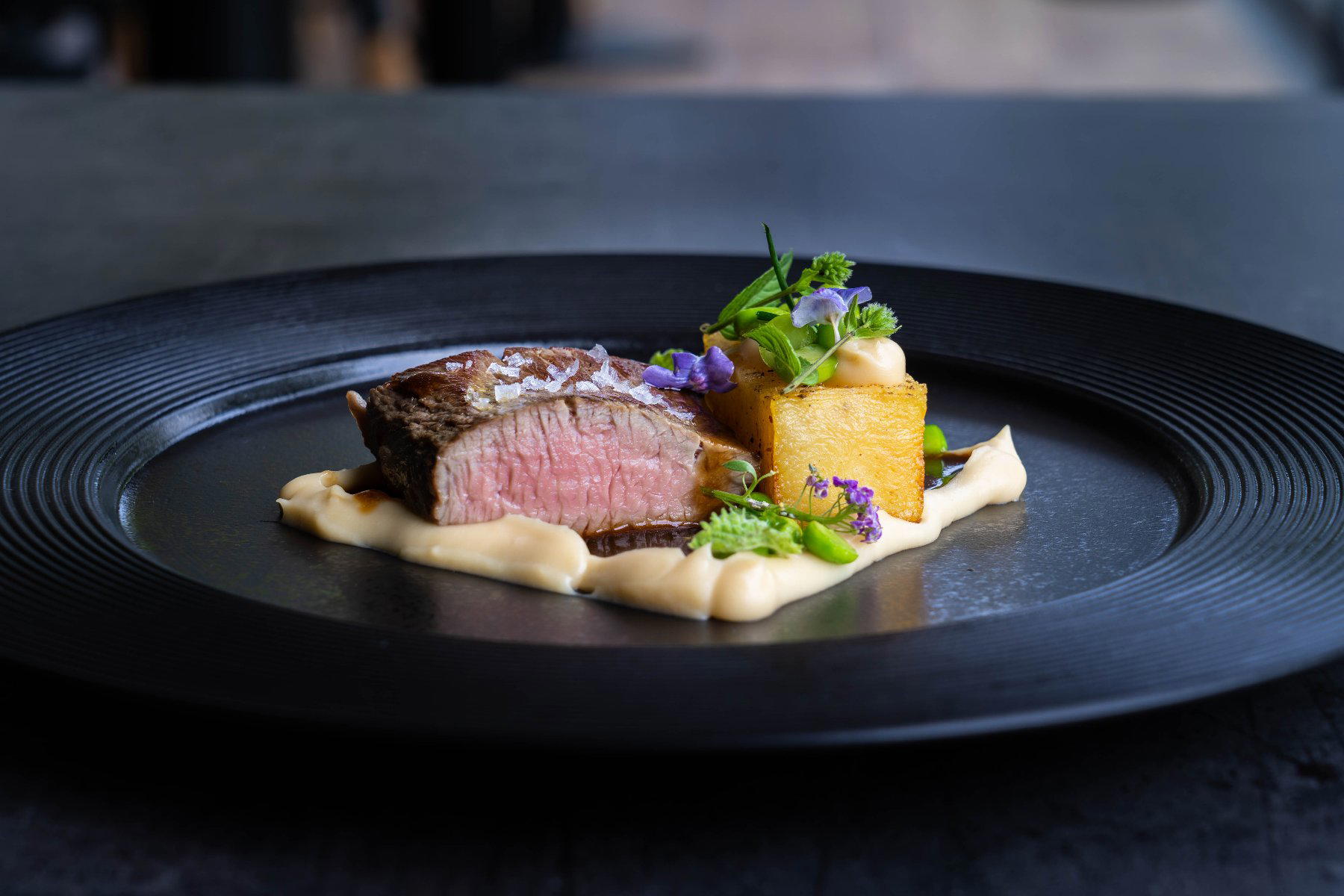
A 2024 Michelin Bib Gourmand recipient housed in a lovingly restored 18th-century mayor's residence on Mühlhausen's market square, Die Bürgermeisterei 1728 serves ambitious contemporary menus at a mid-range price point. Seasonal produce drives dishes like beef bourguignon with dried fig crumble and potato-parsnip mash, with a dedicated vegetarian set menu and a sheltered summer terrace.
Pearl is the En Primeur Club membership app — saves, bookings, and concierge access live there. Same editors, same standards.
- Address
- Untermarkt 13, 99974 Mühlhausen/Thüringen, Germany
- Phone
- +49 1520 9121728
- Website
- die-buergermeisterei.de
 Saves & bookings on Pearl
A Market Square Address with Three Centuries of Weight
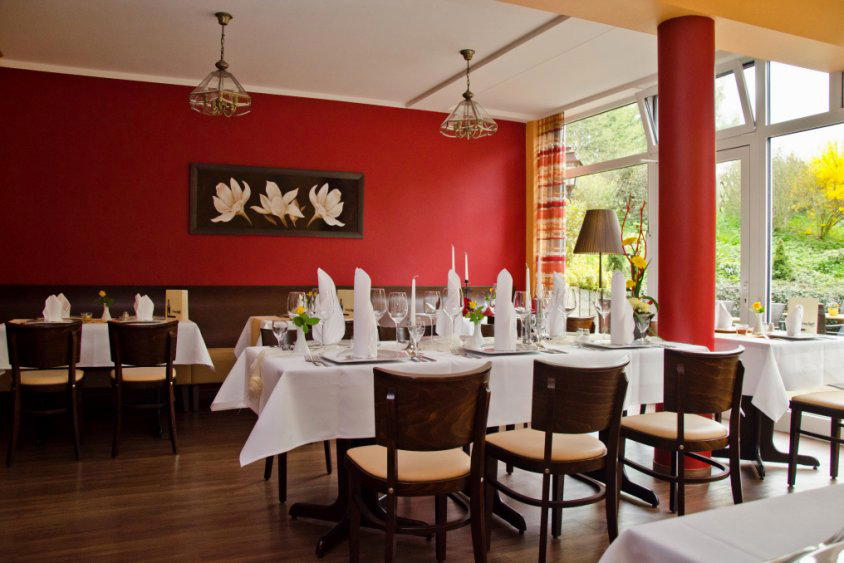
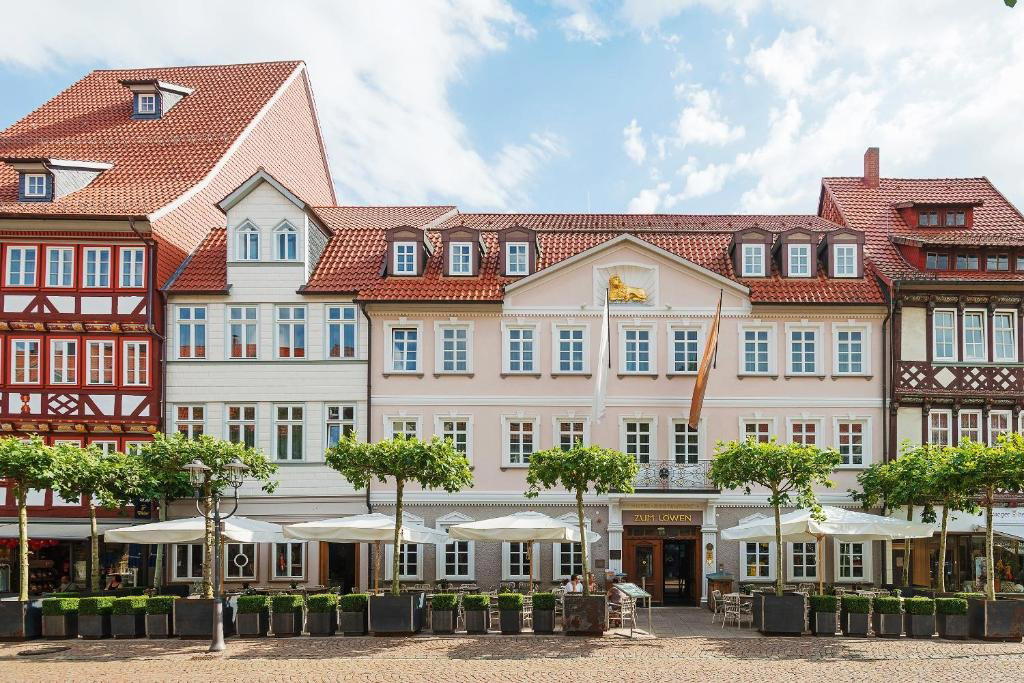
Approaching Untermarkt 13, the building announces itself before you reach the door. The facade of what was once Mühlhausen's mayoral residence dates to 1728, and the square it faces has been the commercial and civic heart of this Thuringian town for far longer. In a region where medieval streetscapes survive largely intact, that kind of address carries genuine context rather than decorative history. What the restoration has achieved here is the harder part: keeping the structural bones readable, exposed period details, the proportions of a serious civic building, while introducing a modern dining interior that doesn't compete with or apologise for either.
Thuringia sits in the geographic centre of Germany but rarely features in the same conversations as Berlin, Hamburg, or Munich when the country's dining scene is discussed. Which makes its Bib Gourmand award in 2024 worth noting.
What the Bib Gourmand Tells You About the Food
Michelin's Bib Gourmand designation, which Die Bürgermeisterei 1728 holds for 2024, is a specific signal: good cooking at prices that don't require a long justification. It sits below the starred tier occupied by places like Aqua in Wolfsburg, Schwarzwaldstube in Baiersbronn, or Vendôme in Bergisch Gladbach, but it is a meaningful credential in a town where the competition for any Michelin recognition is thin. At a €€ price point, the kitchen works under constraints that higher-bracket restaurants do not face. The award confirms that the cooking clears a quality threshold despite those constraints.
The menu description points toward a kitchen that thinks in terms of sourcing and seasonality first. Beef bourguignon, as a dish, lives or dies on the quality of what goes into the braise: the cut, the wine, the aromatics, and the time given to the process. Pairing it with dried fig crumble and potato-parsnip mash moves the dish away from its French regional template into something more contemporary, where textural contrast and sweetness from the fig play against the richness of the braise. That kind of construction requires ingredients with enough character to carry the modification. A kitchen relying on undifferentiated commodity produce cannot make that combination work.
Thuringia's agricultural geography matters here. The region produces a wide range of vegetables, root crops, and grain, and the proximity to smaller-scale producers in central Germany gives kitchens access to seasonal supply chains that differ from what a large urban restaurant can assemble. The potato-parsnip combination on that menu reads as a deliberate nod to regional produce in a contemporary format, rather than a heritage recreation. That distinction separates ingredient-led contemporary cooking from either nostalgic regional cuisine or generic modern European. For a broader view of how German contemporary kitchens are approaching sourcing at different price tiers, our full Mühlhausen restaurants guide maps the local options across categories.
The Seasonal Menu Structure
The kitchen organises its evening offer around a small selection of seasonal dishes, structured as set menus. One of those menus is vegetarian, which at this price bracket and in a town of this size reflects deliberate menu architecture rather than a token inclusion. Building a coherent vegetarian set menu around seasonal ingredients requires the same sourcing rigour as the meat-led options, and often more creativity with texture and depth. The evening menu is described as ambitious, fresh, and full of flavour.
Set menu formats at mid-range price points serve a specific function: they allow a small kitchen to manage purchasing tightly, reduce waste, and maintain consistency across service. For the diner, they concentrate the kitchen's leading current thinking into a defined sequence rather than spreading effort across a large à la carte list. At a venue where the seasonal supply drives what appears on the plate, the set menu format is also the most honest way to present that supply: what's on the menu is what arrived that week from the producer.
The Terrace and the Timing Question
The terrace at Die Bürgermeisterei 1728 is secluded, which suggests a protected rear or courtyard position. In summer, that distinction matters considerably: a market square in a historic Thuringian town is a pleasant visual backdrop but not always a quiet one. A sheltered terrace removes the ambient noise variable while keeping the sense of being within the old city's fabric. The summer months, roughly May through September in this part of central Germany, represent the period when that terrace becomes the primary reason to time a visit around the season.
Where This Sits in the German Contemporary Scene
Germany's contemporary restaurant tier spans an enormous range. At the leading end, multi-starred addresses like JAN in Munich, CODA Dessert Dining in Berlin, Restaurant Haerlin in Hamburg, Schanz in Piesport, ES:SENZ in Grassau, and Victor's Fine Dining by Christian Bau in Perl operate at €€€€ with extensive tasting menus, large brigade kitchens, and buying power that sources from across Europe. Waldhotel Sonnora in Dreis and Bagatelle in Trier represent the regional fine dining model in smaller cities. Die Bürgermeisterei 1728 occupies a different position entirely: a recognised kitchen in a secondary city, working at a price point accessible to a broader audience, in a building that provides context the starred tier often cannot match. The 4.9 Google rating across 119 reviews confirms strong approval from local and visiting diners.
For comparison points outside Germany, the approach to contemporary cooking at accessible prices shares some logic with what César in New York City and Jungsik in Seoul represent in their respective markets.
Planning a Visit
Die Bürgermeisterei 1728 is located at Untermarkt 13, 99974 Mühlhausen, directly on the market square in the old town. The €€ pricing makes it accessible without pre-trip financial planning of the kind required at starred venues. The Michelin Bib Gourmand recognition and a 4.9 Google score across over 100 reviews make advance booking a sensible precaution, particularly on weekend evenings and during the summer terrace season. Mühlhausen is served by rail connections from Erfurt and Kassel, with the old town compact enough that the restaurant is walkable from the main station.
At-a-Glance Comparison
Comparable venues nearby, for context on price, style, and recognition.
| Venue | Cuisine | Price | Awards | Notes |
|---|---|---|---|---|
| Die Bürgermeisterei 1728 | Modern German Contemporary | $$$ | Bib Gourmand | Untermarkt |
| Weinrestaurant Turmschänke | Modern German Fine Dining | $$$ | Bib Gourmand | Nicolaiturm |
| Wirtschaft von Johann Gerner | Seasonal Franconian Country Cooking | $$$ | Bib Gourmand | Heßdorf |
| Zöllner's Weinstube | Regional Franconian with Mediterranean Influences | $$$ | Bib Gourmand | Sigritzau |
| Freihardt | International Steakhouse with Bavarian Beef | $$$ | Bib Gourmand | Heroldsberg |
| Gasthaus Hofmann | Regional German Country Cooking | $$$ | Bib Gourmand | Rauhenebrach |
Continue exploring
More in Mühlhausen
Restaurants in Mühlhausen
Browse all →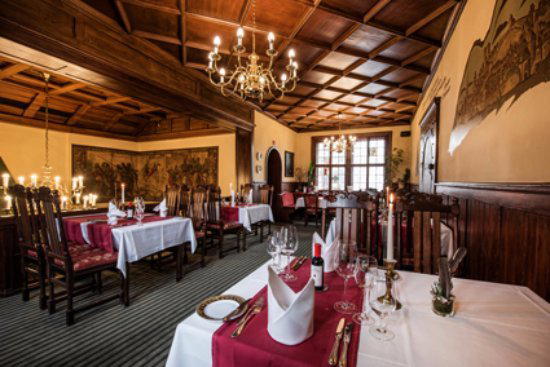
At a Glance
- Cozy
- Elegant
- Historic
- Intimate
- Date Night
- Special Occasion
- Historic Building
- Open Kitchen
- Terrace
- Street Scene
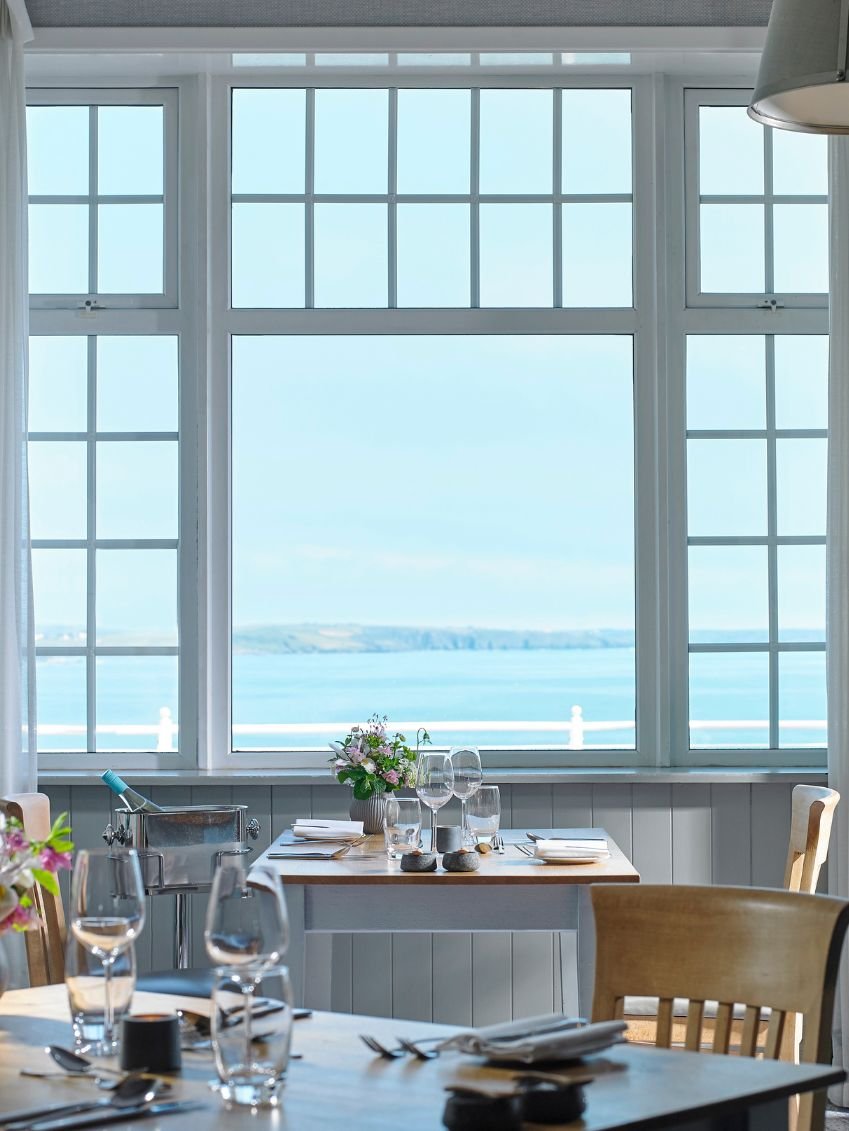
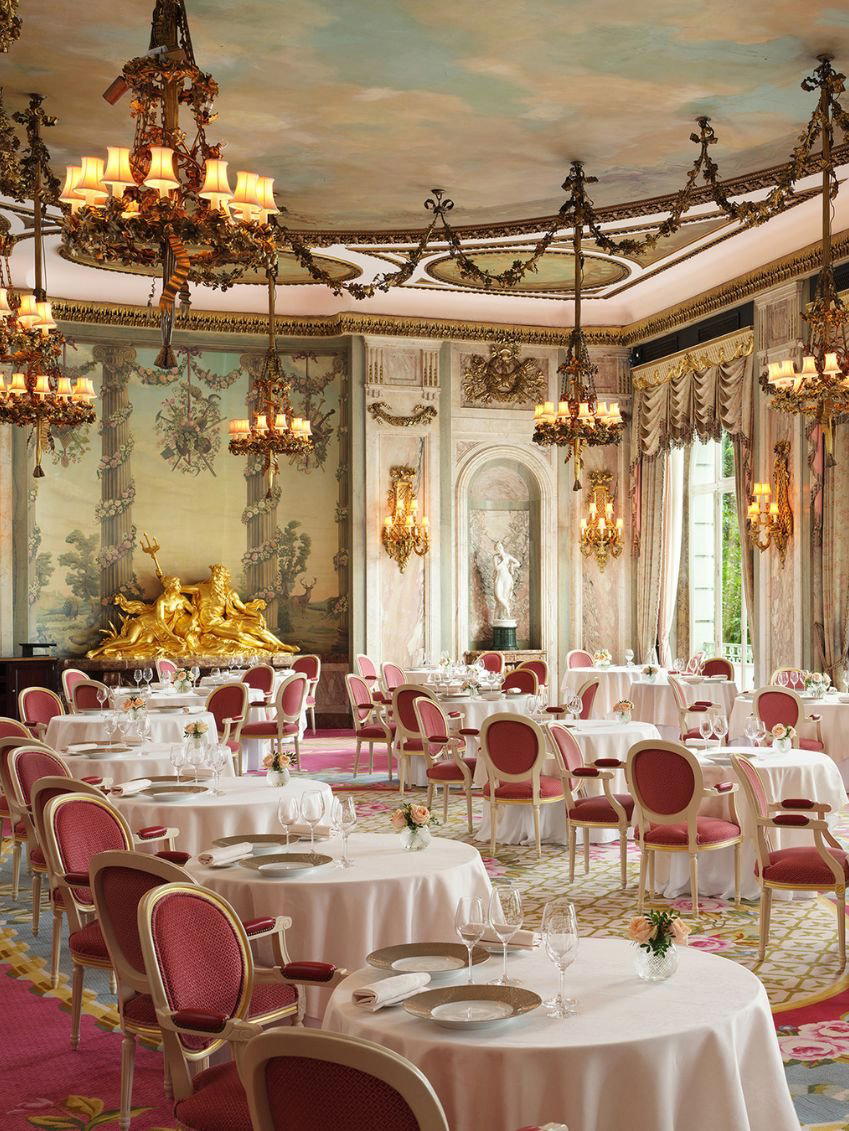
Cozy, stylish fusion of modern decor and historical details with warm lighting and open kitchen views.