Didier Smeets operates in Dalhem, a quiet Pays de Herve commune fifteen kilometres south-east of Liège, placing it inside one of Belgium's most coherent regional pantries: protected-designation Herve cheese, Ardennes game, and orchard-fruit traditions within reach of the kitchen. The address draws a specifically motivated diner from both the Liège dining public and the Maastricht cross-border catchment.
Pearl is the En Primeur Club membership app — saves, bookings, and concierge access live there. Same editors, same standards.
- Address
- Chau. du Comté de Dalhem 38, 4607 Dalhem, Belgium
- Phone
- +3243795571
- Website
- didiersmeets.com
 Saves & bookings on Pearl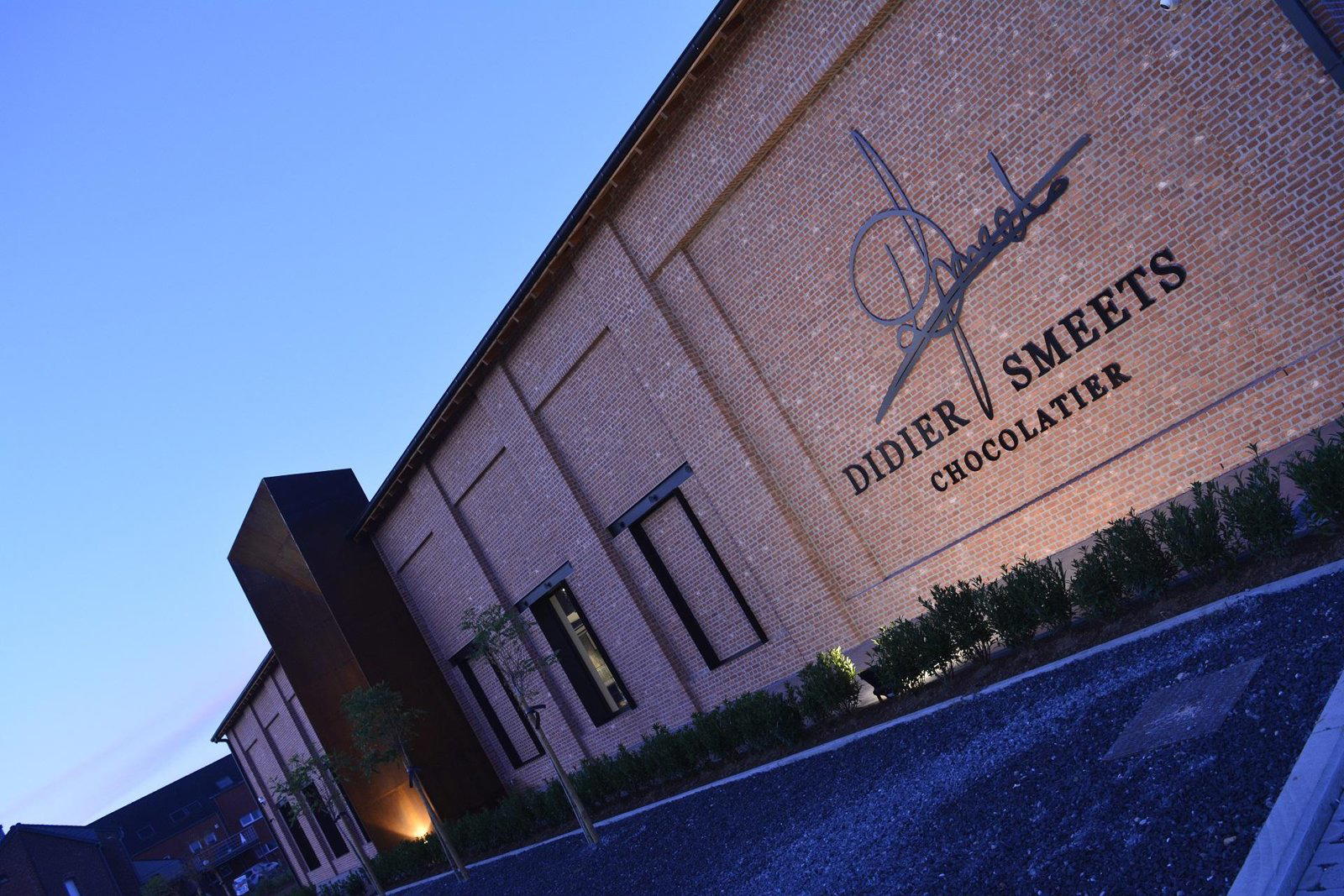
Where the Ardennes Edge Meets the Liège Table
The drive into Dalhem already does some editorial work. The Chaudfontaine valley gives way to limestone plateau, and the villages along the Chaussée du Comté de Dalhem carry the particular quietness of a region that has always fed itself well without needing to advertise the fact. This is the Pays de Herve, a pocket of eastern Belgium where the farmland between Liège and Maastricht has supplied cheeses, river fish, and game to professional kitchens for centuries. Didier Smeets is a restaurant in Dalhem, Belgium, focused on Artisan Chocolate & Pastry and priced at about $25 per person.
Didier Smeets sits at Chau. du Comté de Dalhem 38, a location that places it squarely inside the gravitational field of Liège gastronomy while remaining at enough remove from the city to draw a specifically motivated diner. That distance is itself a kind of editorial statement. Restaurants that require an intentional journey rather than a casual detour tend to attract guests who have already decided what kind of evening they want. The Pays de Herve, with its slow-moving agricultural rhythms and its proximity to both the Meuse valley and the Dutch border, makes that journey feel purposeful rather than inconvenient.
The Ingredient Logic of Eastern Belgium
Belgian fine dining has, over the past two decades, developed a strong sourcing identity. Across the country's most discussed tables, from Boury in Roeselare in West Flanders to Vrijmoed in Gent in the Ghent creative cluster, the argument for provenance has shifted from optional to structural. Menus are increasingly organised around what the surrounding region produces at a given time of year rather than around fixed signature preparations. Eastern Belgium's version of this logic is shaped by specific raw materials: Herve cheese, Liège's distinctive semi-dry sausage traditions, the game of the Ardennes foothills, and the orchard fruit that has defined this part of Wallonia since the medieval abbeys started pressing pears and apples into syrup and spirit.
A kitchen working in Dalhem is sitting on top of one of Belgium's more coherent regional pantries. The Pays de Herve has protected designation status for its soft-rind cheese, one of Belgium's few products to carry that level of institutional recognition. The streams running off the plateau have historically supported trout and other cold-water species. The proximity to the Ardennes means venison and boar move in and out of the supply picture as seasons turn. For a kitchen inclined toward ingredient-led cooking, the address is less a constraint than a set of specific possibilities. The kitchens at Willem Hiele in Oudenburg and Ralf Berendsen in Neerharen have both demonstrated that Belgium's regional pockets reward this approach when executed with discipline.
The Village Table, Belgian Edition
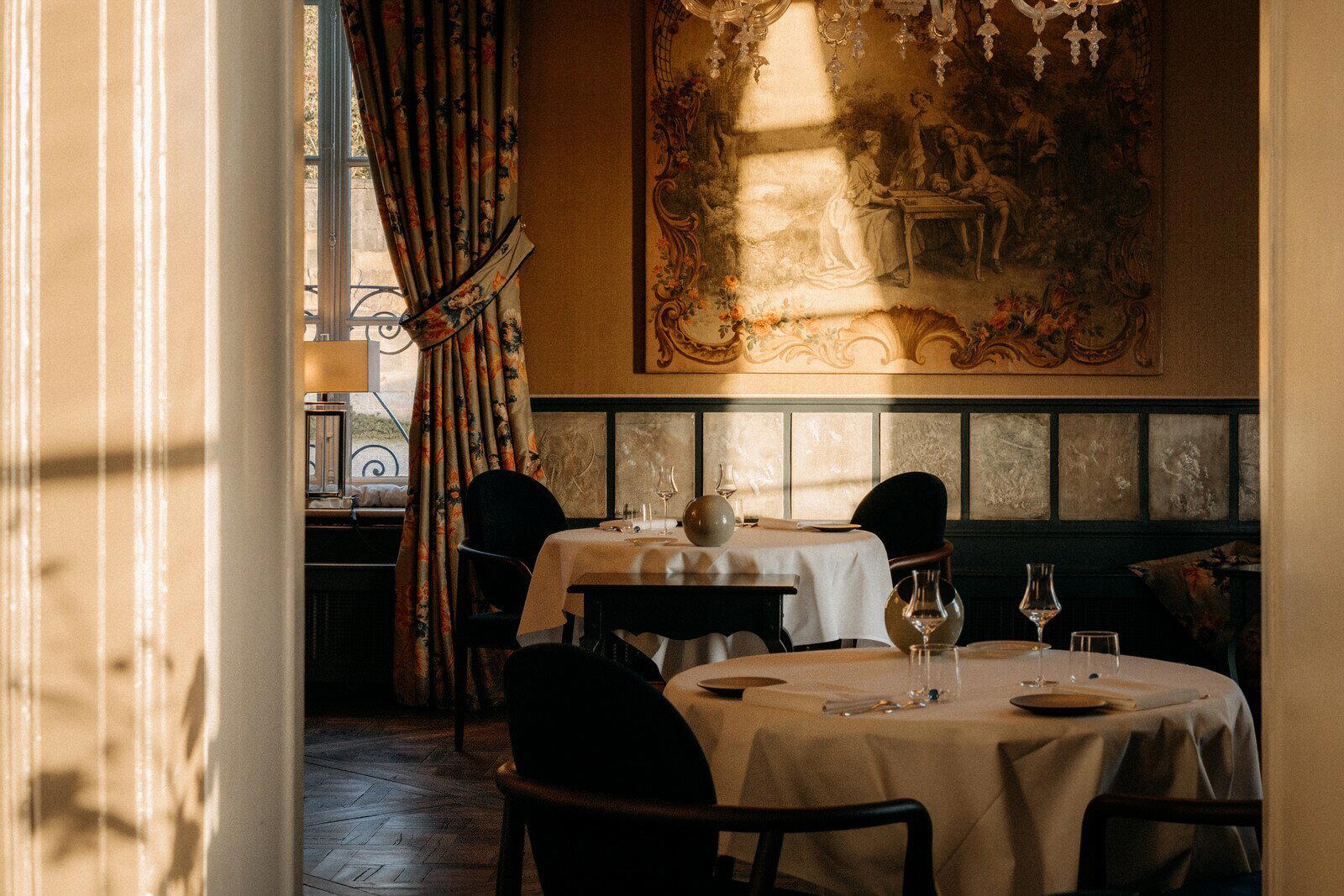
The format of a fine dining address in a small Walloon commune differs structurally from its urban equivalents. There is no walk-in trade, no neighbourhood foot traffic to absorb an off night, and no ambient energy borrowed from a surrounding district. The room either generates its own atmosphere or it does not. Belgian village restaurants that work at the higher end of the market, like d'Eugénie à Emilie in Baudour or La Table de Maxime in Our, tend to compensate with the particularity of the setting itself: stone walls, garden views, the specific quietness of a place that closes when the last table finishes rather than when a licensing hour arrives.
Dalhem as a commune has about 7,000 inhabitants and sits roughly fifteen kilometres south-east of Liège. The road north connects to Maastricht inside thirty minutes. That dual orientation, drawing from both a Belgian city with serious gastronomic expectations and a Dutch border town with its own appetite for cross-border dining, gives a restaurant at this address a wider catchment than the population of the commune alone would suggest. The Liège dining public, historically anchored to a classical French-Belgian register that places it closer to Bozar Restaurant in Brussels or Le Chalet de la Forêt in Uccle than to the more technique-forward Flemish scene, nonetheless follows reputation across provincial borders when the argument is convincing enough.
Positioning Inside Belgium's Wider Fine Dining Map
Belgium's recognised fine dining tier is geographically concentrated, with Flanders holding a disproportionate share of the country's Michelin-starred addresses relative to population. Wallonia has always operated a smaller, less internationally visible scene, though kitchens like La Paix in Anderlecht and De Jonkman in Sint-Kruis have demonstrated that the gap is not about technique. It is largely about visibility and about the structural choices different regions make in how they present their dining identity to international audiences.
A Dalhem address puts Didier Smeets in a comparable set that includes serious provincial tables across Liège province and the Belgian Ardennes rather than in direct competition with Brussels or the Flemish cluster. The relevant comparisons are with kitchens that have built reputations through local sourcing discipline, regional specificity, and the kind of word-of-mouth that accrues when a dining room is too small and too far from a city centre to sustain itself on anything other than repeat visits and personal recommendation. Hof van Cleve in Kruishoutem and Zilte in Antwerp operate in the Flemish fine dining upper tier; the Walloon equivalent is smaller in scale and less decorated but not necessarily less rigorous at the table.
For broader international context, the structural dynamic at play here, a regionally rooted kitchen in a rural commune building a case through provenance and intent rather than urban visibility, has parallels at Lazy Bear in San Francisco and at the French-inflected seafood seriousness of Le Bernardin in New York City. The category logic is different, but the underlying argument, that ingredient sourcing and format discipline can replace the borrowed energy of a major city address, is the same.
Planning a Visit
Dalhem sits outside the reach of convenient public transport from Liège, making a private car the practical choice for most visitors. The drive from Liège city centre runs under twenty minutes on the E40/A3 corridor. From Maastricht, the crossing takes roughly the same time heading south-west. Arriving by car also means the return journey requires planning if wine is part of the evening, and in this part of Belgium it is almost certainly part of the evening. Staying overnight in Liège or arranging a designated driver is the standard solution for tables that intend to work through a wine programme properly. Current hours are Tuesday to Saturday from 9 AM to 6 PM, Sunday from 9 AM to 5 PM, and the restaurant is closed on Monday; reservations are recommended.
At-a-Glance Comparison
Comparable venues nearby, for context on price, style, and recognition.
| Venue | Cuisine | Price | Notes |
|---|---|---|---|
| Didier SmeetsThis venue — the venue you are viewing | Artisan Chocolate & Pastry | $$ | Not listed |
| Demaret | Belgian Chocolatier Cafe | $$ | Herve |
| Belle & Chocolat | Ethical Bean-to-Bar Chocolate | $$ | Loyers |
| Le Marmiton | Traditional Belgian Brasserie | $$ | Pl. de Brouckere |
| IN CHOC by Tom Coosemans | Artisanal Belgian Chocolatier | $$ | Eilandje |
| Centho | Belgian Artisan Chocolatier | $$ | Tervuren |
At a Glance
- Cozy
- Elegant
- Brunch
- Family
- Casual Hangout
- Special Occasion
- Private Dining
- Open Kitchen
- Local Sourcing
- Organic
Current opening hours
- Monday
- Closed
- Tuesday
- 9 AM–6 PM
- Wednesday
- 9 AM–6 PM
- Thursday
- 9 AM–6 PM
- Friday
- 9 AM–6 PM
- Saturday
- 9 AM–6 PM
- Sunday
- 9 AM–5 PM
Hours can change for holidays and private events. Last verified .
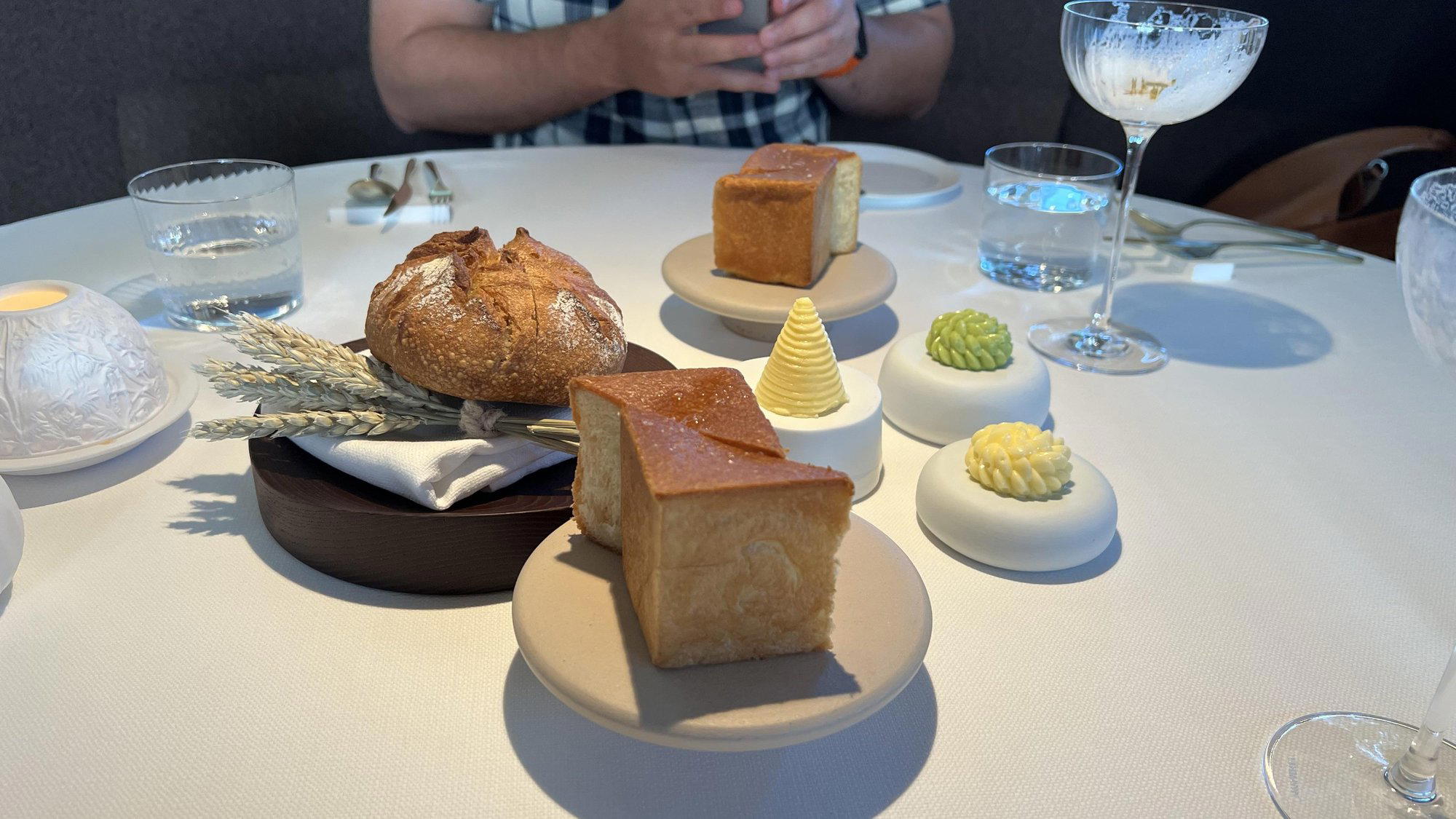
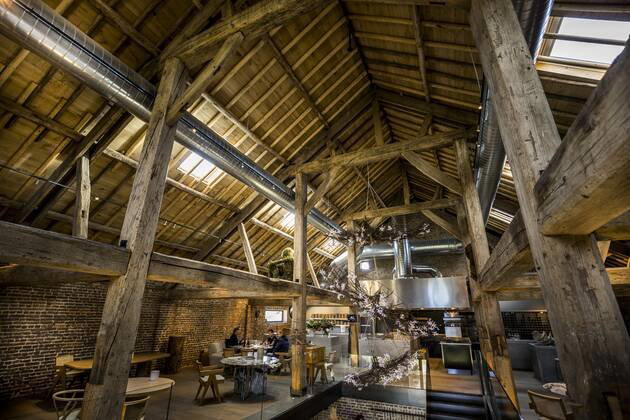
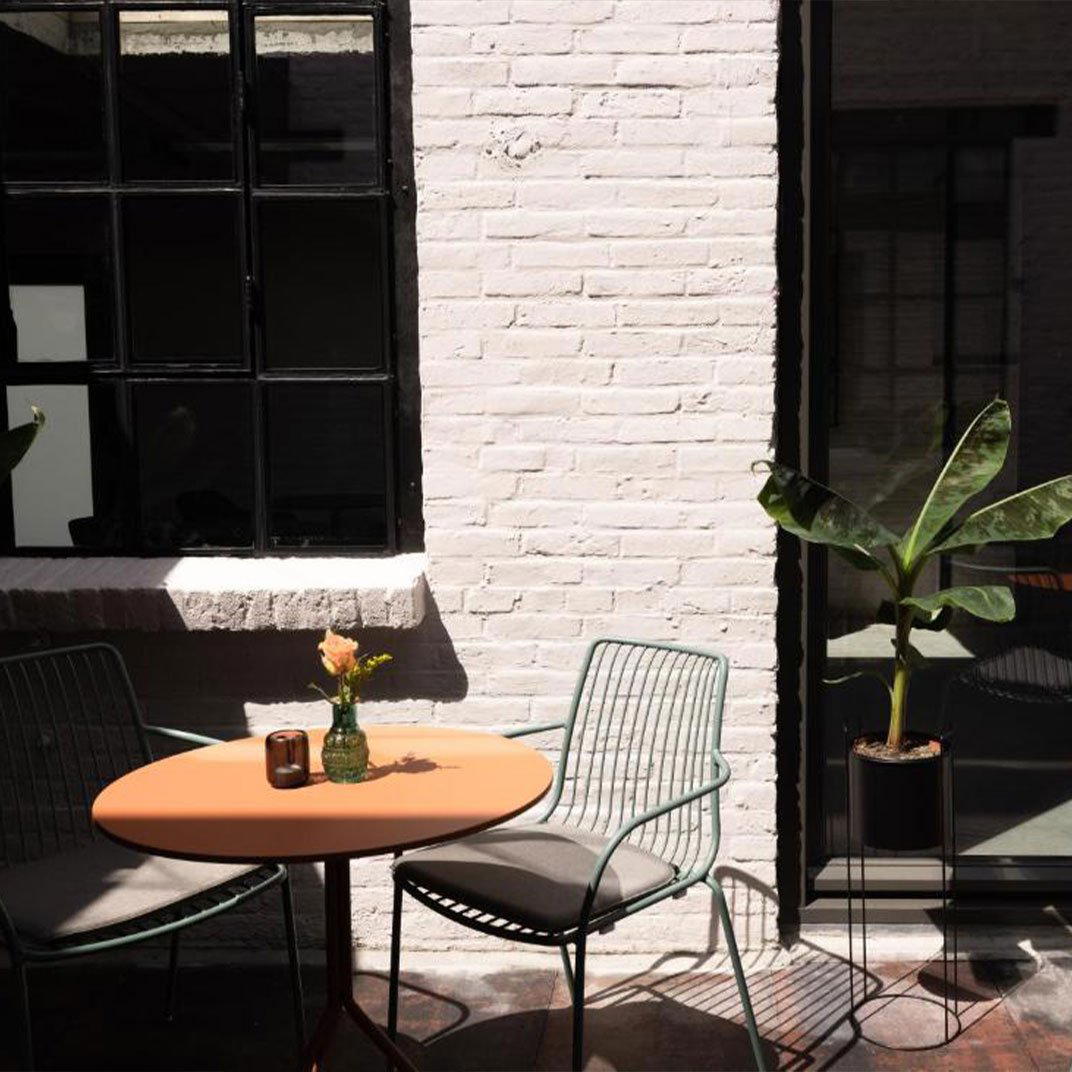
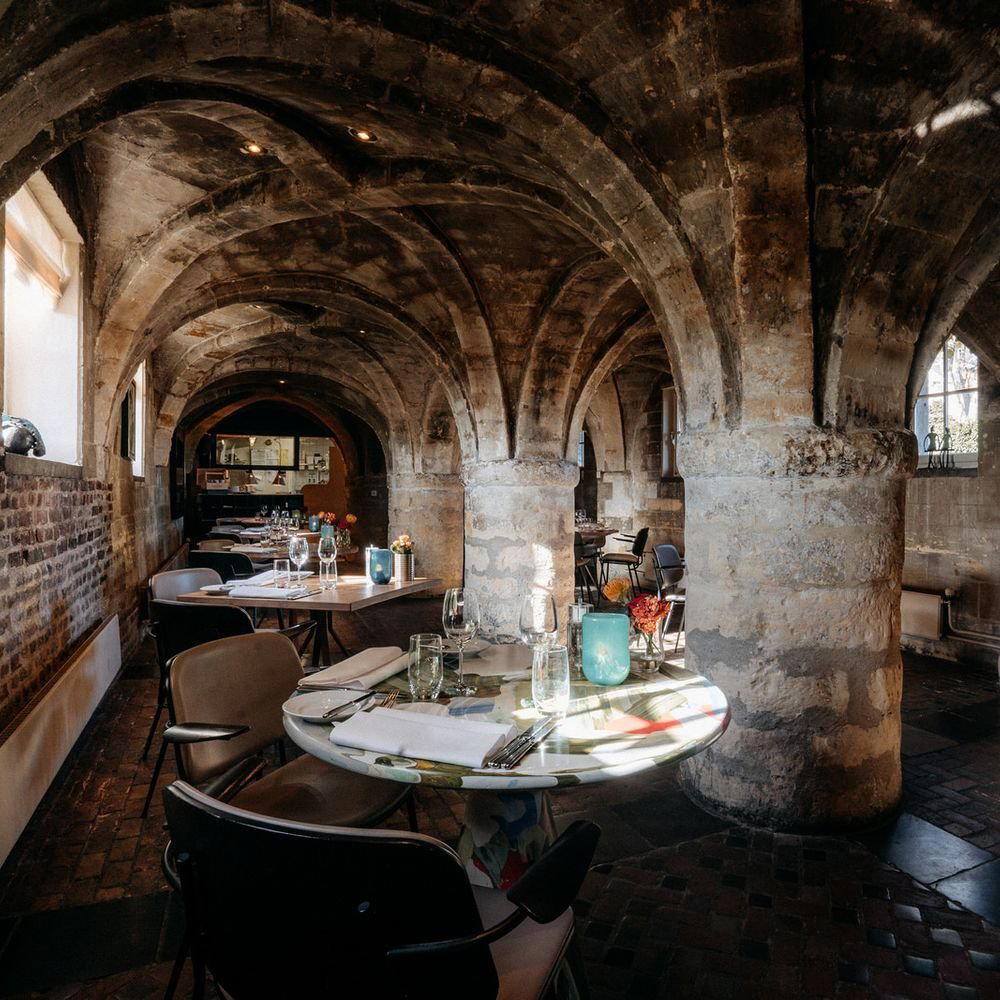
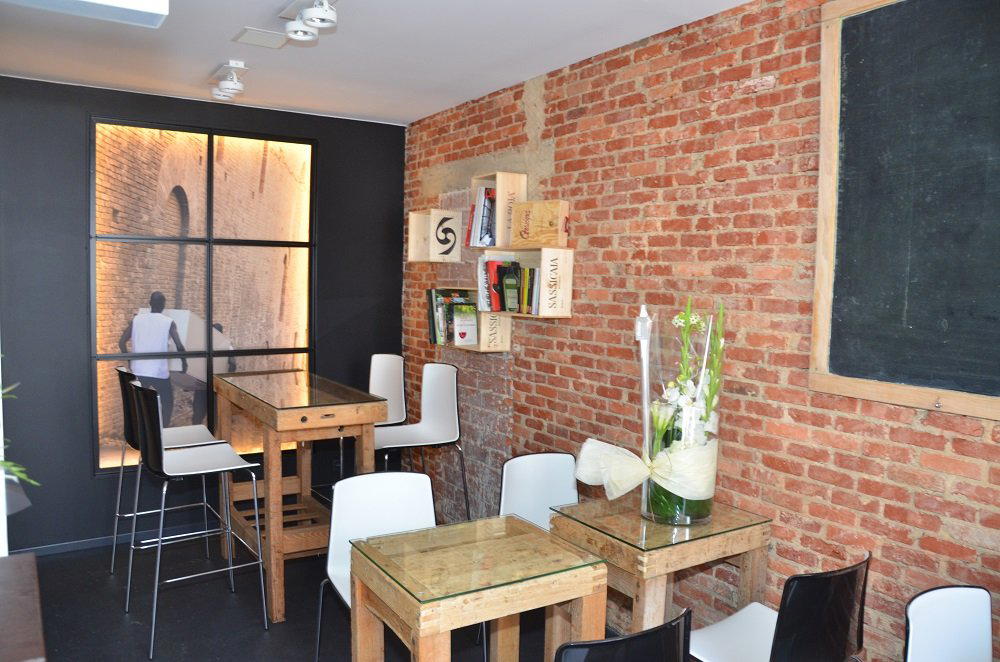
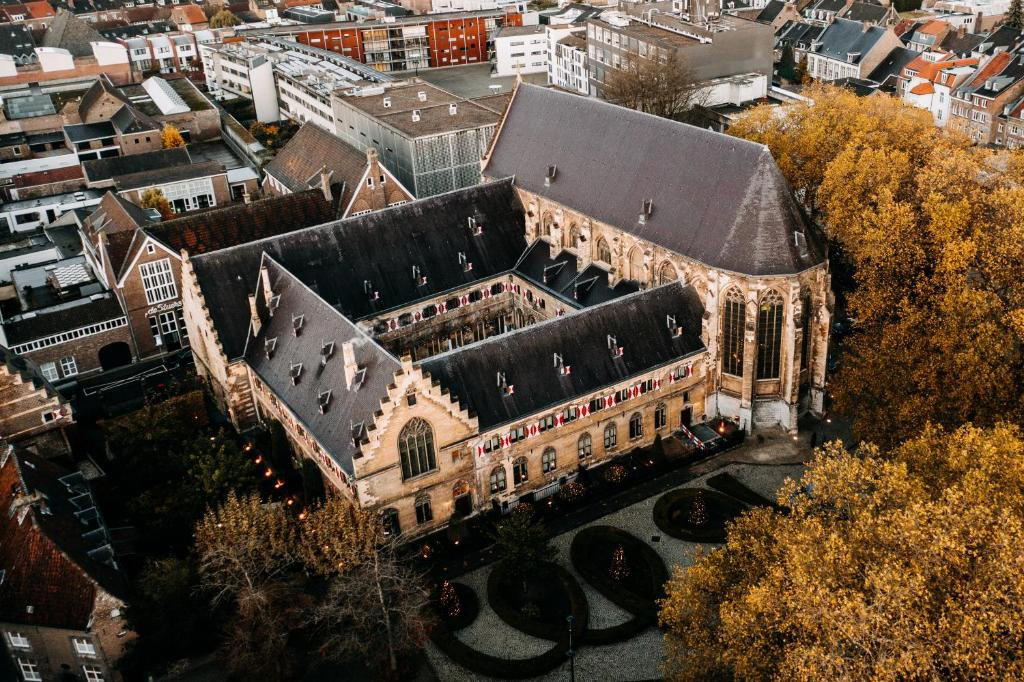
Bright and welcoming with natural light, featuring an appealing display counter showcasing handcrafted chocolates and pastries in a refined workshop setting.