Diana Restaurant
Diana Restaurant sits on one of Mexico City's most traversed avenues, Paseo de la Reforma, in the Cuauhtémoc district. The address places it firmly within the corridor that connects the city's financial core to Chapultepec Park, a stretch where formal dining rooms compete with hotel restaurants and neighborhood institutions for the attention of a well-traveled clientele. Expect a setting that reflects the boulevard's own gravitational pull between tradition and contemporary ambition.
 Discover on Pearl
Pearl is the En Primeur Club membership app — saves, bookings, and concierge access live there. Same editors, same standards.
- Address
- Av. P.º de la Reforma 439, Cuauhtémoc, 06500 Ciudad de México, CDMX, Mexico
- Phone
- +525552281888
- Website
- taptastego.com
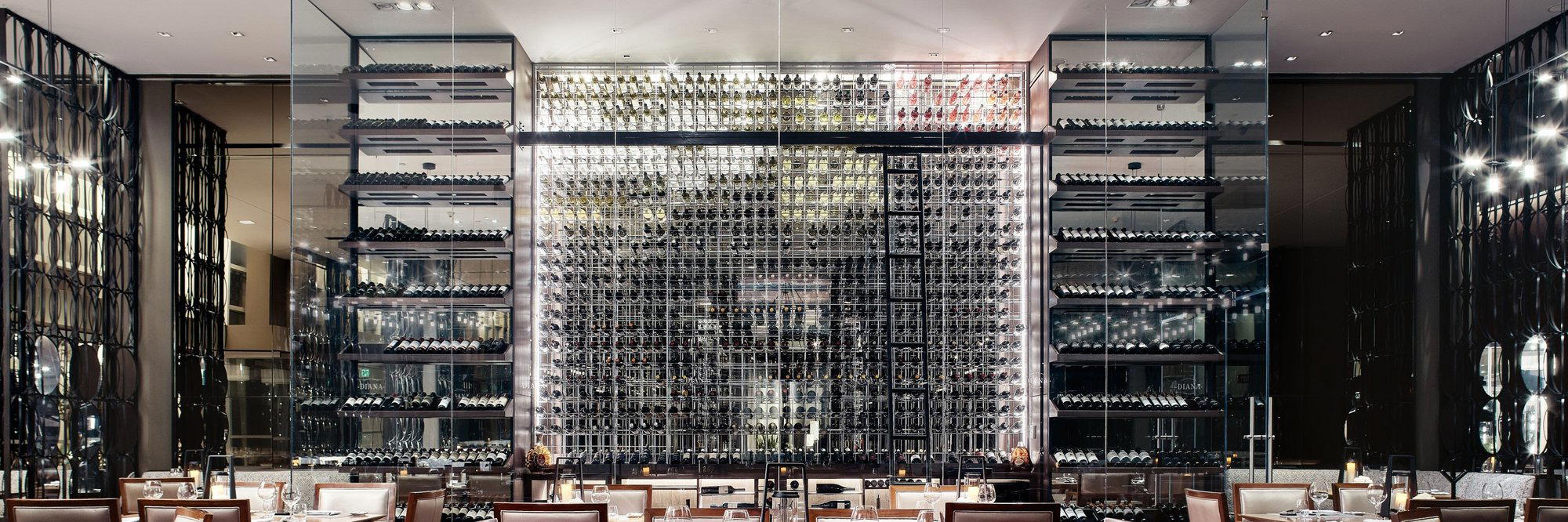
Paseo de la Reforma and the Dining Gravity of Mexico City's Central Spine
Few addresses in Mexico City carry as much contextual weight as Paseo de la Reforma. The boulevard was modeled on the grands boulevards of Paris by Emperor Maximilian in the 1860s, and its dining rooms have tracked the city's economic and cultural shifts ever since. Today, the stretch running through Cuauhtémoc hosts everything from global hotel chains to independent restaurants attempting to hold their own against the financial pull of corporate food-and-beverage programs. Diana Restaurant, at Reforma 439, sits directly in this current.
The neighborhood's dining character is defined less by a single cuisine type than by a set of expectations: white-tablecloth service, a clientele that includes business lunches and pre-theater dinners, and menus that tend toward the legible rather than the experimental. Contrast this with the more aggressive culinary ambition found in Roma Norte or Polanco, where venues like Pujol and Quintonil have positioned themselves as standard-bearers of contemporary Mexican fine dining on the international stage, and you get a clearer sense of what Reforma's central corridor actually offers: stability and address prestige over avant-garde programming.
Collaboration on the Floor: What Team Dynamics Tell You About a Dining Room
In Mexico City's maturing fine-dining sector, the visible coordination between a kitchen, a beverage program, and a front-of-house team has become one of the more reliable indicators of a restaurant's seriousness. At the top tier, venues like Em and Sud 777 have invested heavily in service architecture, training staff not just to deliver plates but to guide a guest through a meal's logic, matching beverage pairings to preparation methods and explaining sourcing decisions with the same fluency a sommelier brings to a wine list.
Diana Restaurant's position on Reforma places it in a context where this kind of integrated team performance matters. The boulevard's clientele includes foreign executives, visiting dignitaries, and locals who have dined widely enough to notice when front-of-house and kitchen are operating in alignment versus when they are pulling in separate directions. A well-calibrated dining room on this corridor reads as institutional confidence; a poorly synchronized one reads as a step below the address's implied promise.
This dynamic is not unique to Mexico City. At venues like Le Bernardin in New York City or Lazy Bear in San Francisco, the front-of-house team functions as a co-author of the guest experience rather than a delivery mechanism. Mexico City's leading rooms are moving toward that model, and the Reforma corridor, given its business-formal expectations, is where the gap between aspirational service and actual service execution tends to show most clearly.
How Reforma Fits Into Mexico City's Broader Restaurant Geography
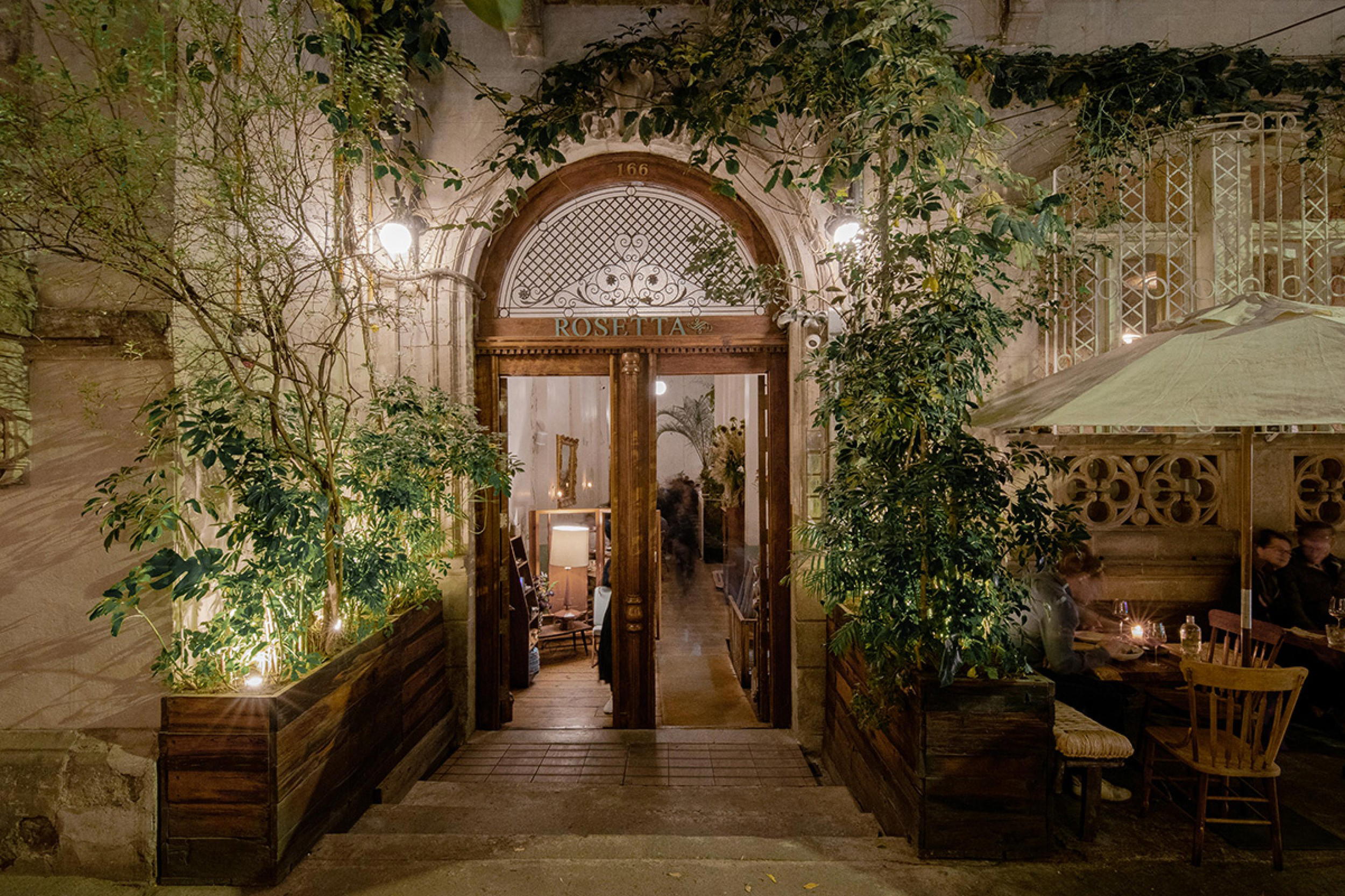
Mexico City's restaurant geography has spread considerably over the past decade. The concentration of creative energy in Roma Norte and Colonia Juárez, where Rosetta operates one of the city's most-discussed Italian creative programs, has pulled critical attention away from the central boulevard addresses. That shift means a restaurant on Reforma is working against a perception challenge: the city's food press tends to treat the corridor as establishment rather than destination.
That framing is partly earned and partly unfair. The Cuauhtémoc stretch does attract a different kind of diner than Polanco's luxury-hotel adjacents or Coyoacán's neighborhood-focused rooms. But it also benefits from foot traffic, proximity to major cultural institutions, and the kind of consistent demand that keeps a dining room financially stable across seasons, a foundation that more experimental rooms in trendier neighborhoods sometimes lack.
For a broader read of where Mexican fine dining is heading, the country's regional programs offer useful counterpoints. KOLI Cocina de Origen in Monterrey and Alcalde in Guadalajara have built serious reputations outside the capital, while coastal programs like Le Chique in Puerto Morelos, HA' in Playa del Carmen, and Arca in Tulum compete for the international traveler's attention in ways that a city-center Reforma address simply cannot replicate. In wine country, Animalón in Valle de Guadalupe, Lunario in El Porvenir, and Olivea Farm to Table in Ensenada anchor a Baja California dining identity that feels distinct from anything the capital produces. And Levadura de Olla Restaurante in Oaxaca represents the kind of deep regional specificity that Reforma addresses historically resist. Pangea in San Pedro Garza García rounds out a northern Mexico fine-dining picture that has grown increasingly confident. Understanding Diana against this national backdrop clarifies what its location implies: urban centrality over regional identity, and a formal dining register over chef-driven experimentation.
Planning Your Visit: What the Address Tells You About Timing and Context
Reforma addresses tend to perform strongest at midweek business lunches and early weekend dinners, when the boulevard's professional and tourist traffic peaks. The high season for Mexico City dining broadly runs from October through December, when the capital's social calendar is most active and the weather is cooler. January through March is quieter on the corporate side but can be favorable for leisure travelers who prefer a less crowded room.
| Venue | Neighborhood | Price Range | Primary Dining Register |
|---|---|---|---|
| Diana Restaurant | Cuauhtémoc / Reforma | Not confirmed | Formal / central boulevard |
| Pujol | Polanco | $$$$ | Contemporary Mexican tasting menu |
| Quintonil | Polanco | $$$$ | Modern Mexican tasting menu |
| Em | Roma Norte | $$$ | Modern Mexican, chef-led |
| Rosetta | Roma Norte | $$ | Italian creative, neighborhood |
Peers You’d Cross-Shop
Comparable venues nearby, for context on price, style, and recognition.
| Venue | Cuisine | Price | Notes |
|---|---|---|---|
| Diana RestaurantThis venue — the venue you are viewing | Modern Mexican with International Influences | $$$$ | |
| Filomeno | Traditional Mexican Cantina | $$$$ | Juarez |
| La Nacional | Modern Mexican Regional (Comida Regia) | $$$$ | Centro Urbano Benito Juarez |
| AlmaMía Restaurante | Modern Mexican Fine Dining | $$$$ | Roma Norte |
| Hacienda de los Morales | Traditional Mexican Fine Dining | $$$$ | Del Bosque |
| Cachava | Mexican Steakhouse with Raw Bar | $$$$ | Cooperativa Palo Alto |
Continue exploring
More in Mexico City
Restaurants in Mexico City
Browse all →
Bars in Mexico City
Browse all →
At a Glance
- Elegant
- Sophisticated
- Scenic
- Date Night
- Brunch
- Special Occasion
- Terrace
- Hotel Restaurant
- Open Kitchen
- Extensive Wine List
- Local Sourcing
- Skyline
- Street Scene
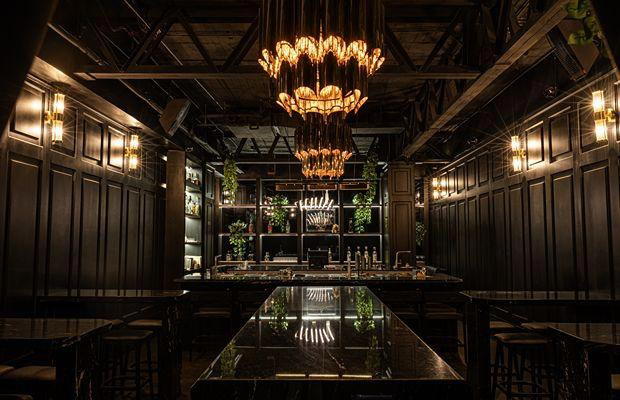
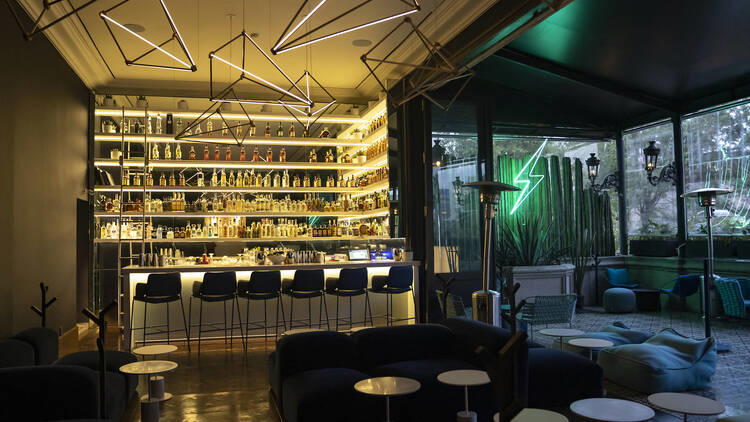
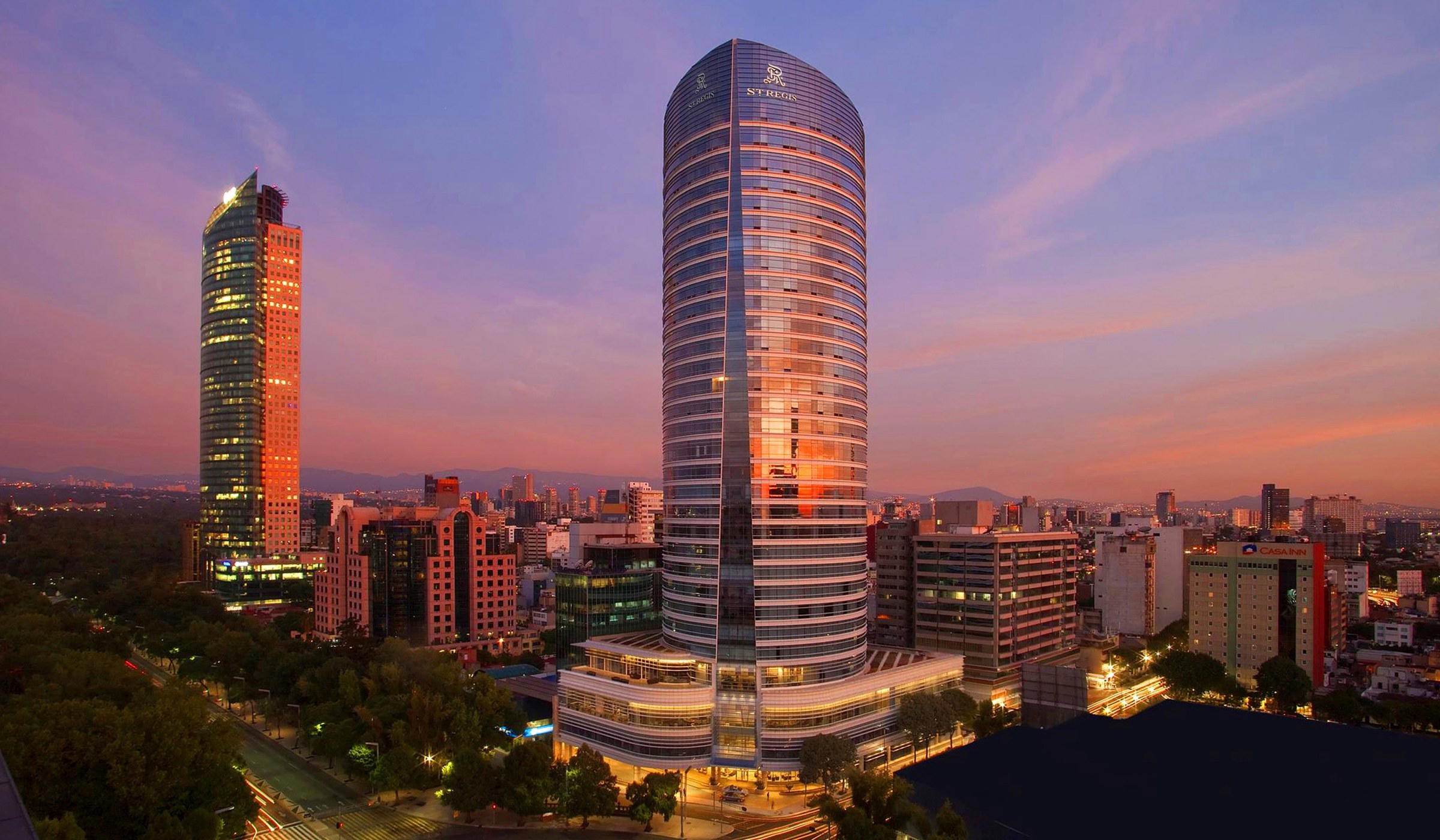
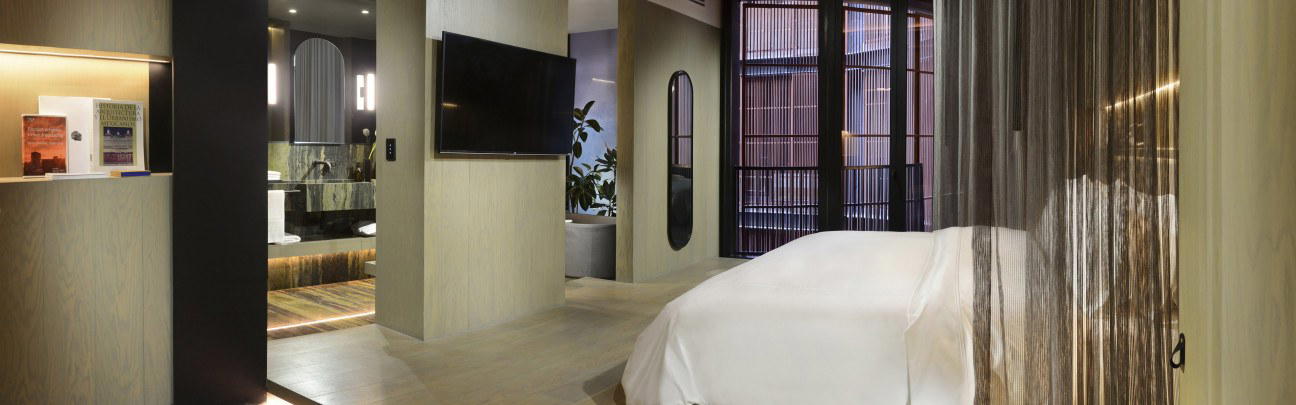
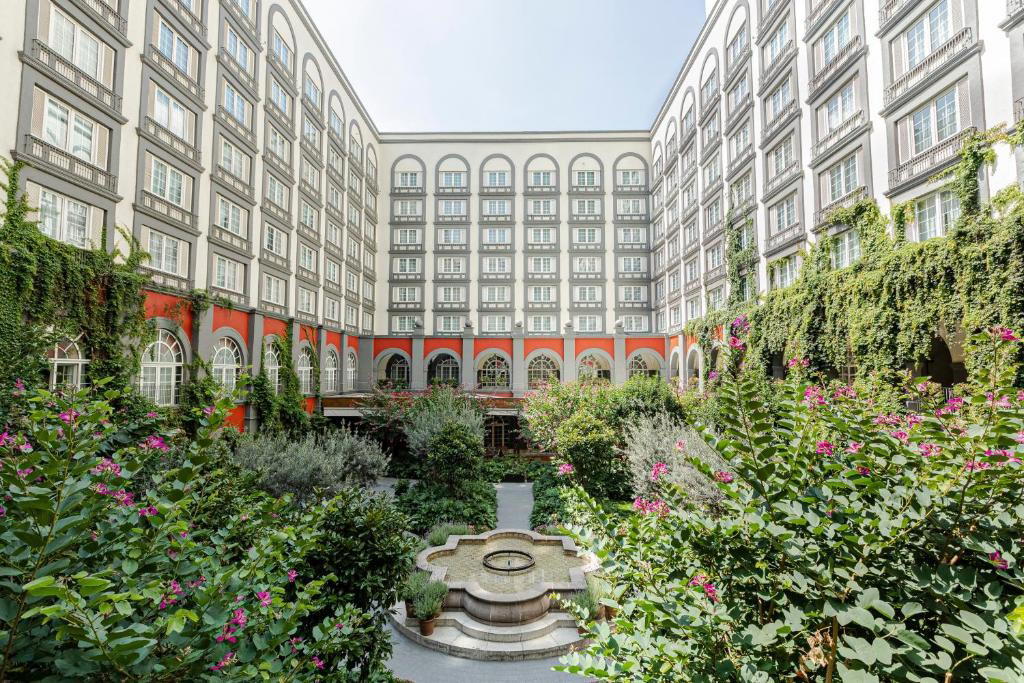
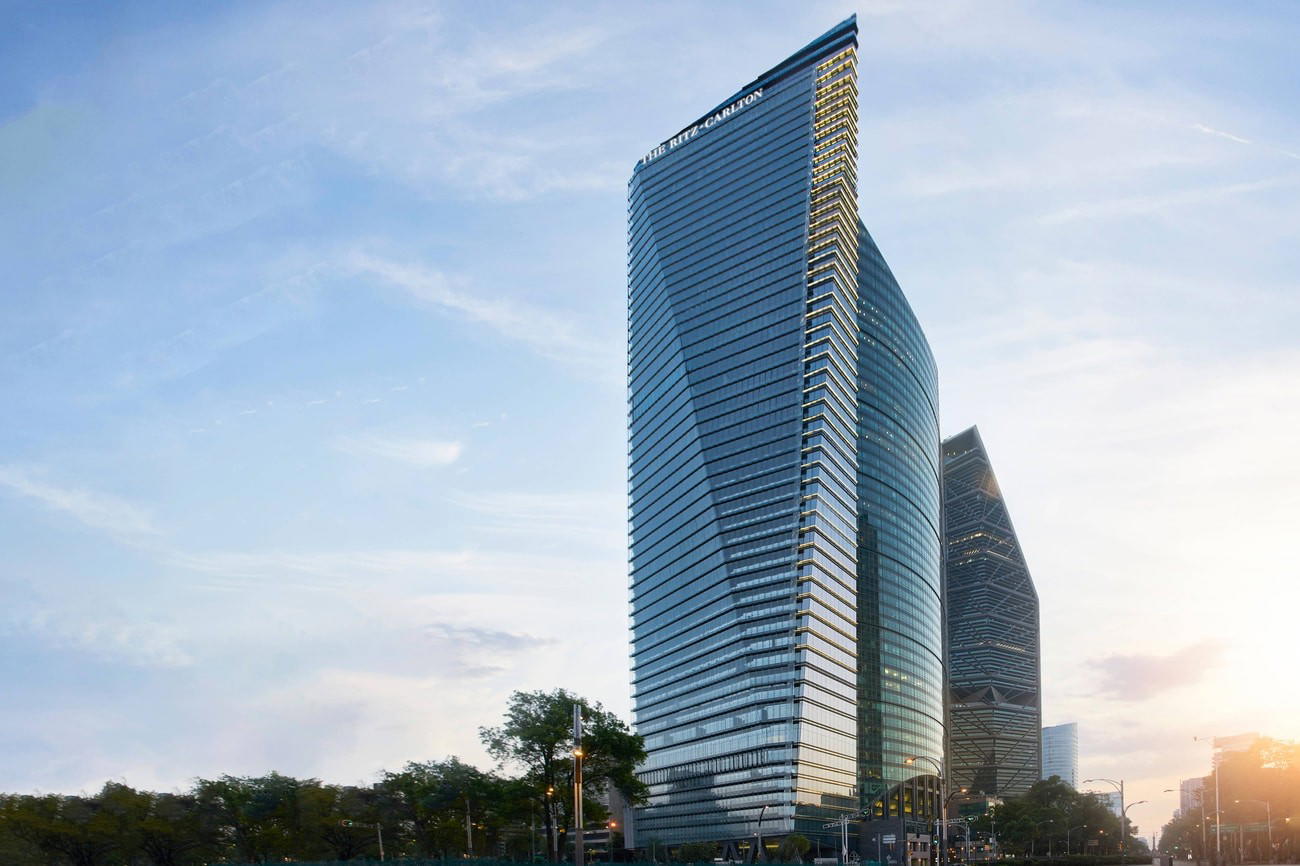
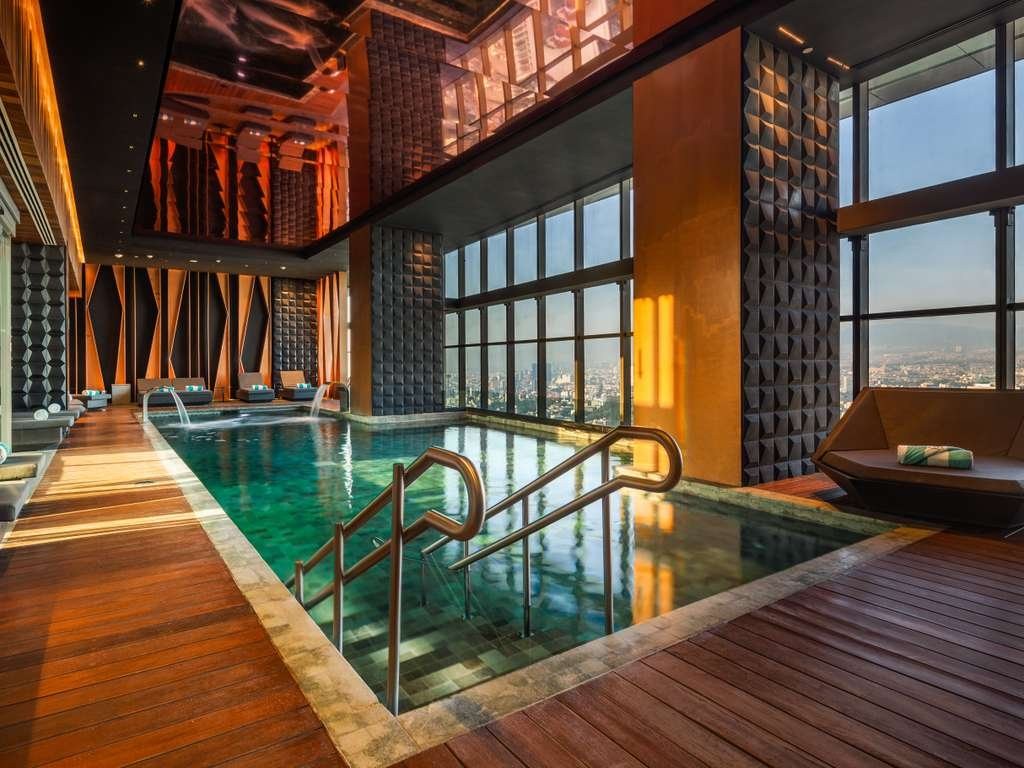
Refined indoor dining room and charming outdoor terrace with city views, featuring a stunning glass wine cellar centerpiece.