AlmaMía Restaurante
AlmaMía Restaurante occupies a quietly compelling address on Avenida Álvaro Obregón in Colonia Roma Norte, one of Mexico City's most concentrated dining corridors. Within a neighbourhood defined by ambitious creative kitchens, AlmaMía contributes its own register to a street that has become a reference point for the capital's contemporary dining conversation. Its presence on Roma Norte's main boulevard places it in direct dialogue with the restaurants reshaping how the city eats.
Pearl is the En Primeur Club membership app — saves, bookings, and concierge access live there. Same editors, same standards.
- Address
- Av. Álvaro Obregón 124, Roma Nte., Cuauhtémoc, 06700 Ciudad de México, CDMX, Mexico
- Phone
- +525591285913
- Website
- opentable.com
- Directions
- Get directions
 Saves & bookings on Pearl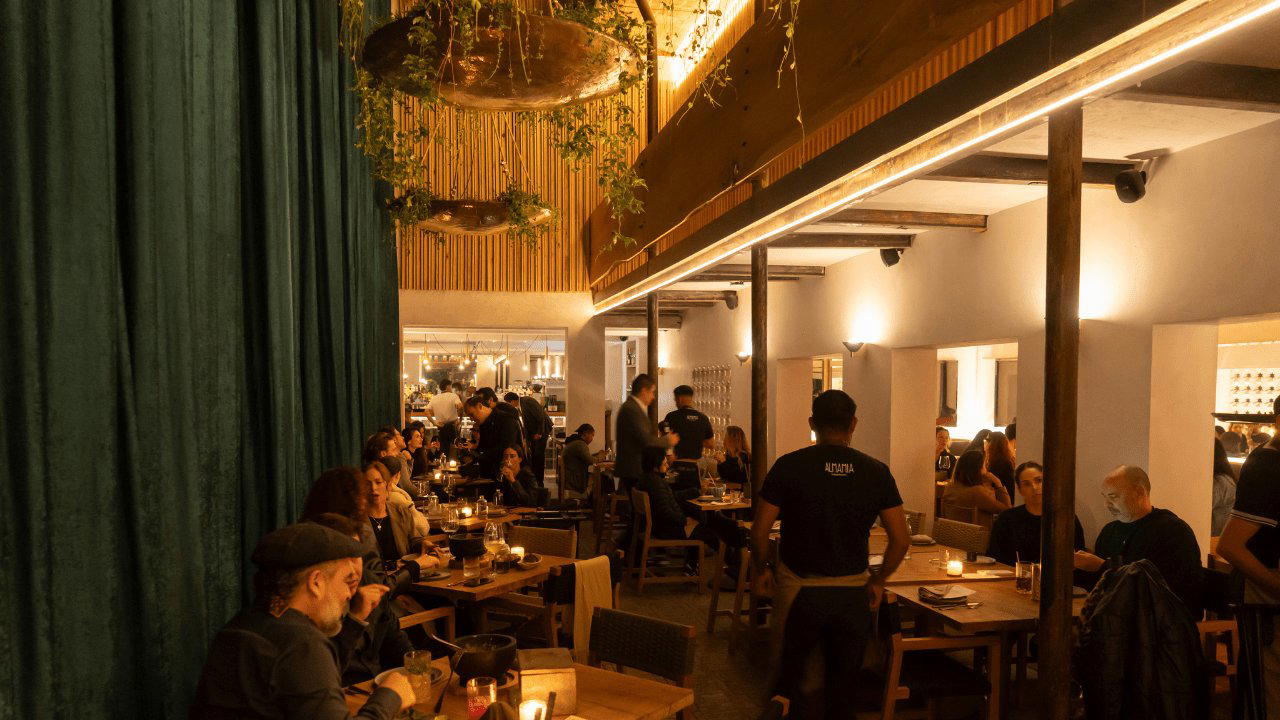
Roma Norte and the Street That Defines Contemporary Mexico City Dining
Avenida Álvaro Obregón runs through the heart of Colonia Roma Norte like a slow editorial argument about what Mexican cooking can be. Tree-lined and pedestrian-friendly, it channels foot traffic past a density of independent restaurants that few streets in the capital can match. The neighbourhood has spent the better part of a decade repositioning itself from a leafy residential enclave into one of the more consequential dining addresses in Latin America, drawing chefs who want proximity to like-minded kitchens, producers who can move product to multiple accounts, and diners who treat a Roma Norte evening as a series of stops rather than a single destination. AlmaMía Restaurante, at number 124, sits within that pattern.
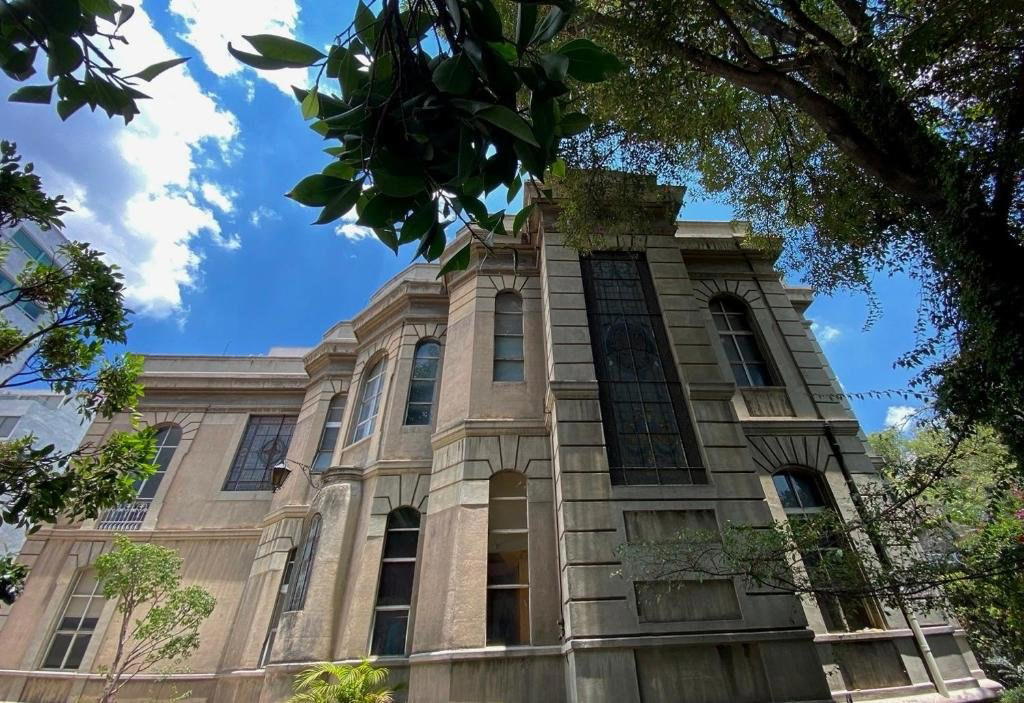
The building's street-level presence on Obregón reflects the aesthetic logic that Roma Norte has developed over time: neither the aggressively branded entry of a hotel dining room nor the intentionally blank facade of a reservation-only counter. It reads as a place that expects you to arrive with some context, which is itself a signal about the kind of experience inside.
The Wine Conversation in Roma Norte
Mexico City's wine culture has matured faster than most international observers expected. A decade ago, the capital's serious wine lists skewed heavily toward conventional French and Italian references; the sommelier as a distinct professional figure was largely confined to the hotel dining rooms of Polanco. Roma Norte changed that calculus. The neighbourhood's density of independent restaurants created conditions where wine programmes could develop their own identities rather than serving as supplements to kitchen ambition. Producers from the Valle de Guadalupe, Ensenada's emerging fine wine tier, and Baja California's coastal appellations now appear alongside European references on serious Mexico City lists, a shift that reflects both growing domestic production quality and a change in how local sommeliers present their country's output.
The broader national picture is instructive: restaurants like Animalón in Valle de Guadalupe and Lunario in El Porvenir have made wine-forward programming central to their identities in ways that a Mexico City audience increasingly recognises as a reference point. That sensibility has migrated north into the capital, where a restaurant's cellar depth is now read as part of its broader editorial position, not simply as a beverage service function. In this context, how a Roma Norte address constructs and presents its wine list carries more meaning than it did even five years ago.
Mexican fine dining's relationship with wine has also been shaped by the international recognition that kitchens like Pujol and Quintonil have achieved at the top of the price spectrum. When those kitchens invest in serious cellar programmes and trained sommelier staff, it raises the implied standard for every ambitious restaurant in the city. The effect is most visible in neighbourhoods like Roma Norte, where mid-tier creative restaurants are now expected to offer something more considered than a short list of recognisable labels.
Cuisine and Kitchen in Context
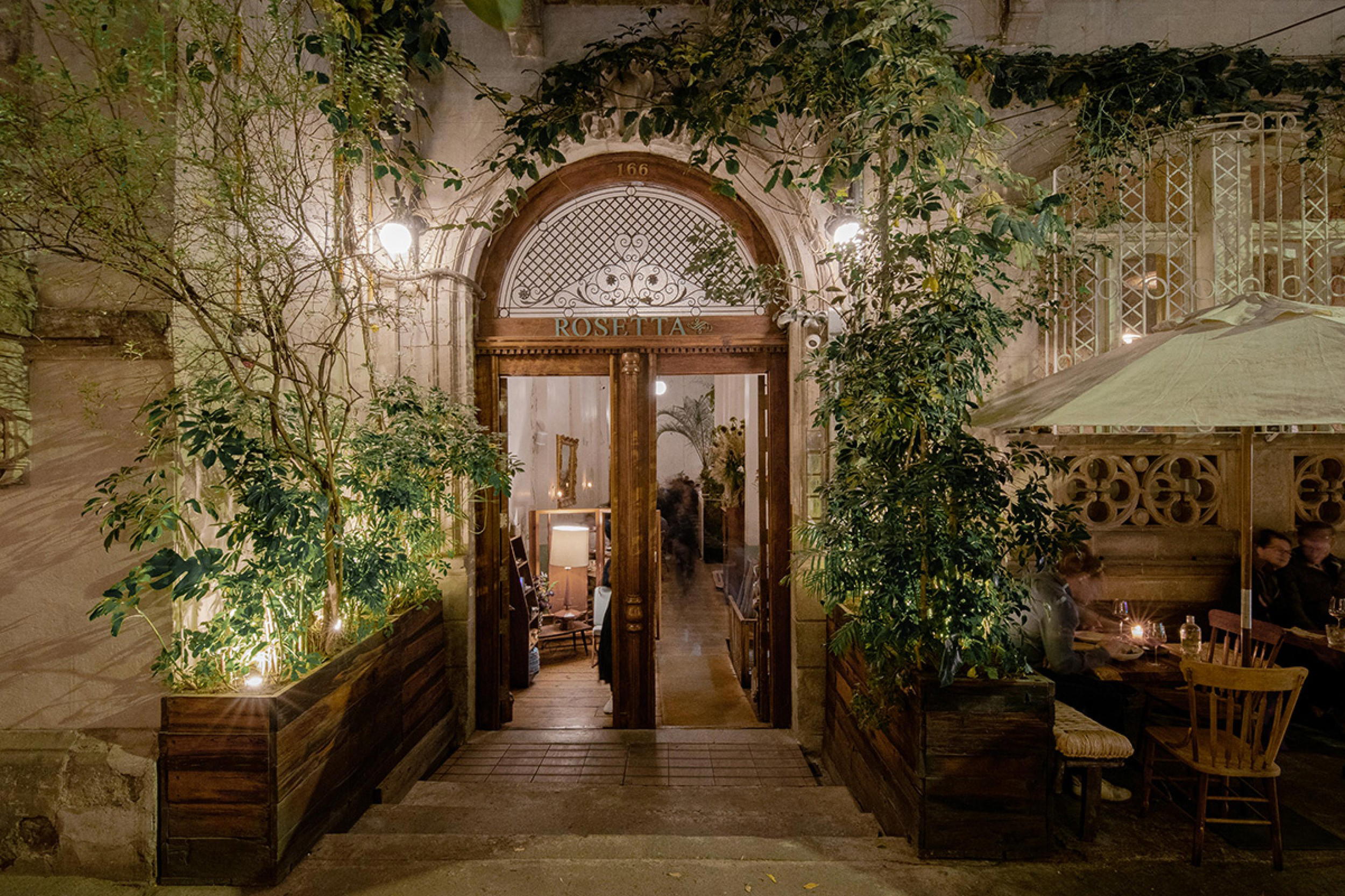
Roma Norte's kitchen culture has never been monolithic. The neighbourhood hosts Italian-inflected creative cooking at Rosetta, contemporary Mexican at several price points, and a growing number of addresses that resist easy category labels. What connects the more serious among them is a shared orientation toward product sourcing and technique over decoration and nostalgia. The Mexican kitchens in this tier, including Em in its own register, treat traditional ingredients as material for contemporary expression rather than as fixed reference points to be reproduced faithfully.
That approach has found audiences across the capital's price spectrum. Sud 777 represents the creative end of southern Mexico City's dining at a higher price tier; Roma Norte produces similar ambition at a more accessible bracket. The result is a neighbourhood where the cooking conversation is unusually dense, and where a new address must establish its own specific position within that conversation rather than simply arriving and expecting the location to do the work.
Mexico's broader restaurant geography reinforces this point. Ambitious kitchens in Guadalajara (Alcalde), Oaxaca (Levadura de Olla), and the Yucatán coast (HA' in Playa del Carmen and Le Chique in Puerto Morelos) have demonstrated that serious cooking is no longer a Mexico City monopoly. But the capital still concentrates the critical mass of trained kitchen talent, engaged media, and internationally mobile diners that makes ambition legible and sustainable. A restaurant on Obregón benefits from all of that infrastructure, and is judged by it accordingly.
Planning a Visit
AlmaMía Restaurante is located at Avenida Álvaro Obregón 124 in Roma Norte, a neighbourhood well served by the Metro (Insurgentes station on Line 1 is the closest major stop), ride-share services, and the city's cycling infrastructure along Obregón's dedicated lanes. Roma Norte dining tends to operate at its highest intensity Thursday through Saturday evenings, when the street's collective foot traffic creates the kind of ambient energy that sustains a longer, more exploratory meal. For full contact details, hours, and booking information, checking current sources directly is advisable given the pace at which Roma Norte's restaurant landscape updates. Our full Mexico City restaurants guide provides broader neighbourhood context and current operational details for addresses across the capital.
Reputation Context
| Venue | Cuisine | Price | Awards |
|---|---|---|---|
| AlmaMía RestauranteThis venue — the venue you are viewing | Not listed | Not listed | This venue |
| Pujol | Mexican | $$$$ | Michelin 2 Star |
| Quintonil | Modern Mexican, Contemporary | $$$$ | Michelin 2 Star |
| Rosetta | Italian, Creative | $$ | Michelin 1 Star |
| Em | Mexican | $$$ | Michelin 1 Star |
| Comedor Jacinta | Mexico, Mexican | $$ | Mexico, Mexican |
Continue exploring
More in Mexico City
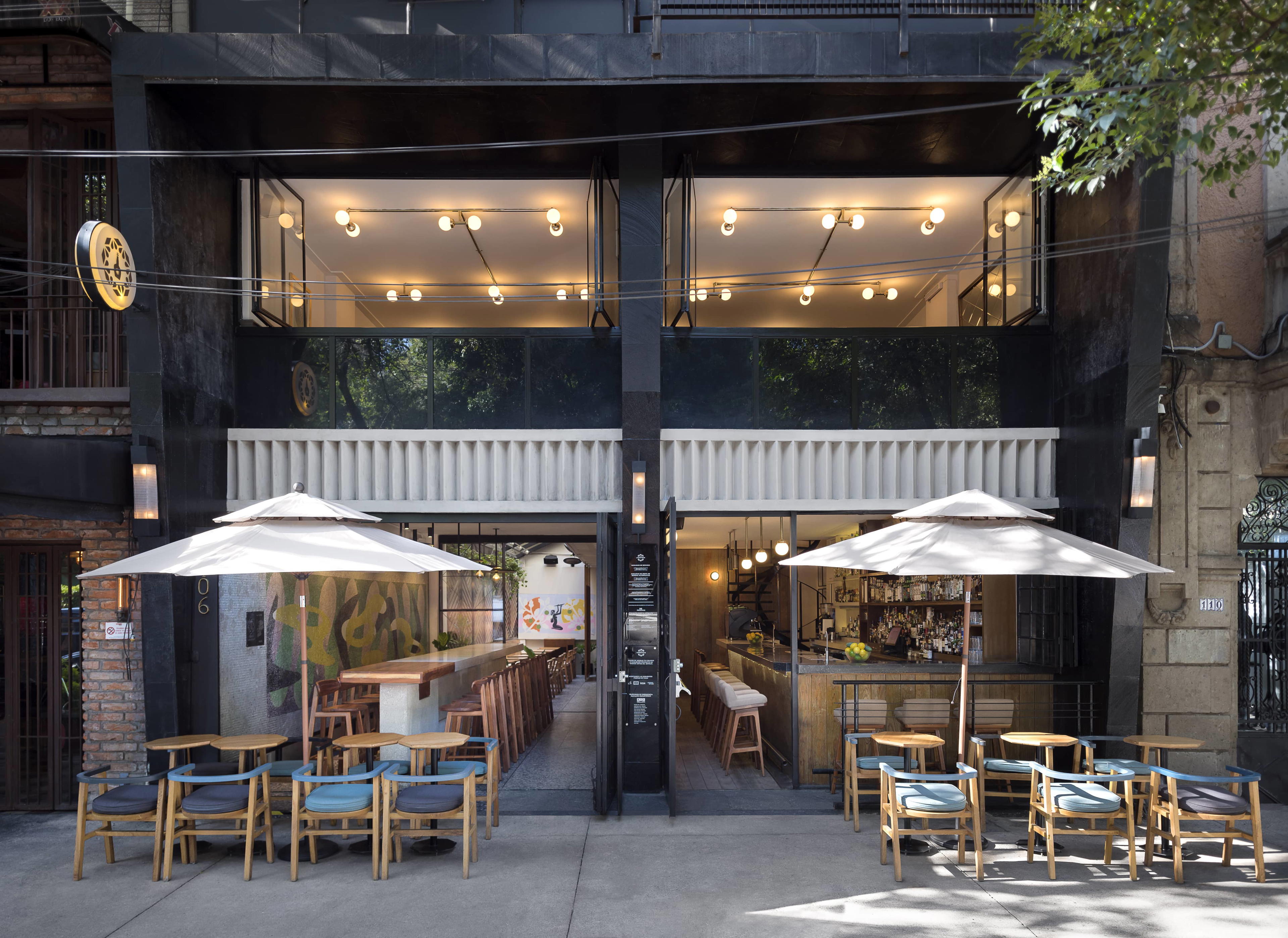
Restaurants in Mexico City
Browse all →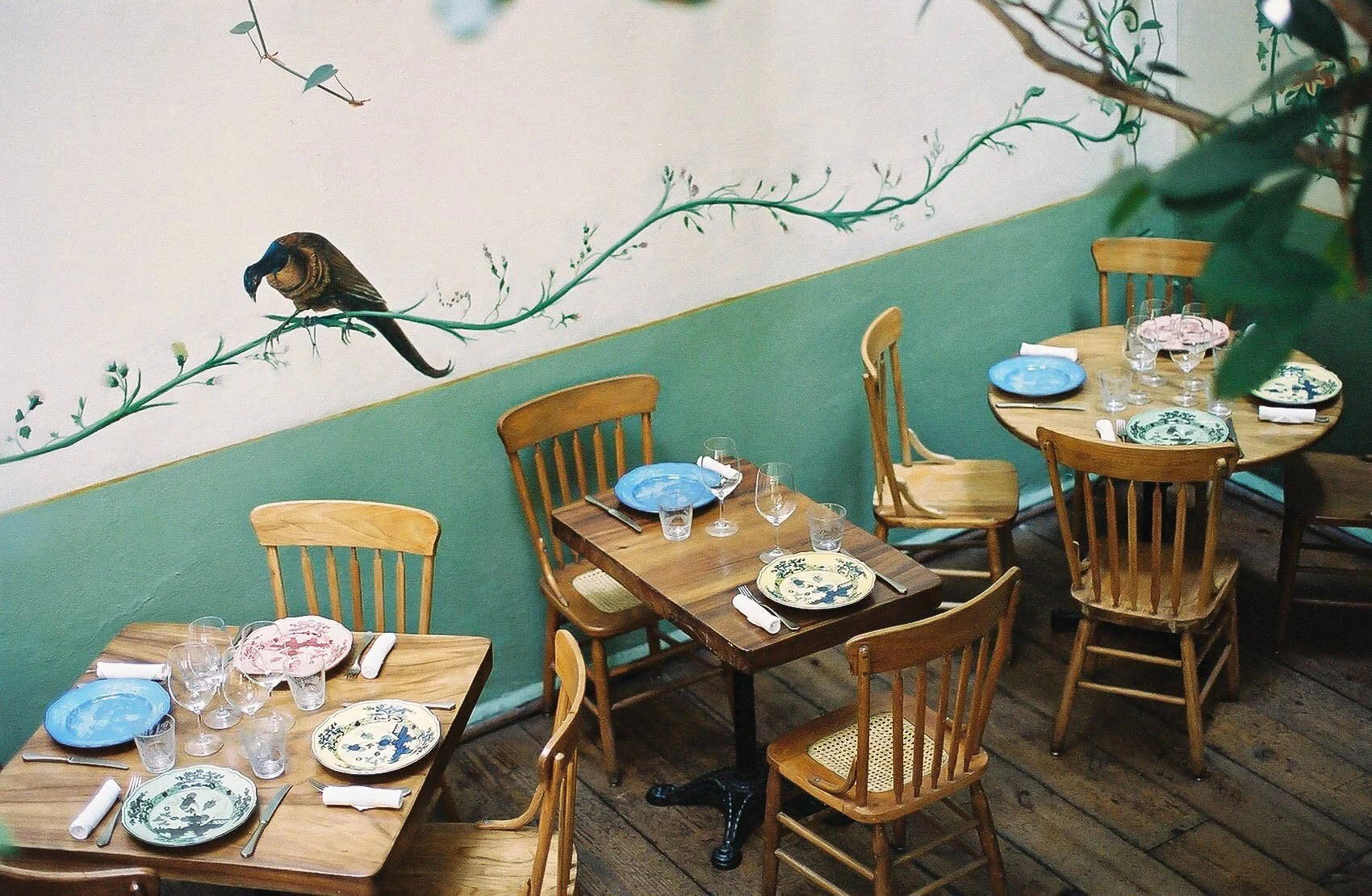
Bars in Mexico City
Browse all →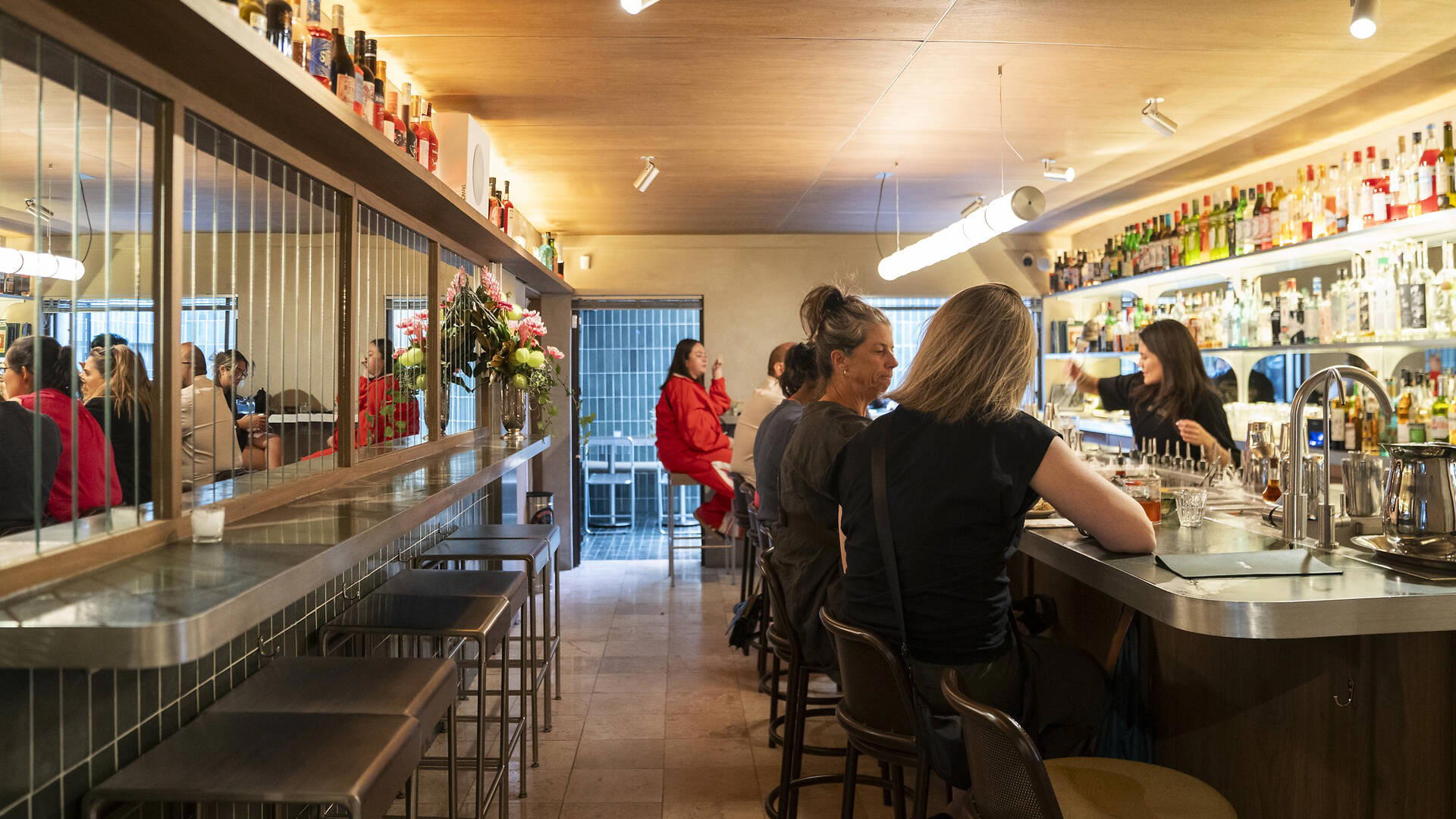


At a Glance
- Modern
- Elegant
- Sophisticated
- Intimate
- Date Night
- Special Occasion
- Business Dinner
- Open Kitchen
- Courtyard
- Historic Building
- Extensive Wine List
Current opening hours
- Monday
- 1 PM–12 AM
- Tuesday
- 1 PM–12 AM
- Wednesday
- 1 PM–12 AM
- Thursday
- 1 PM–1 AM
- Friday
- 1 PM–1 AM
- Saturday
- 1 PM–1 AM
- Sunday
- 1–6 PM
Hours can change for holidays and private events. Last verified .
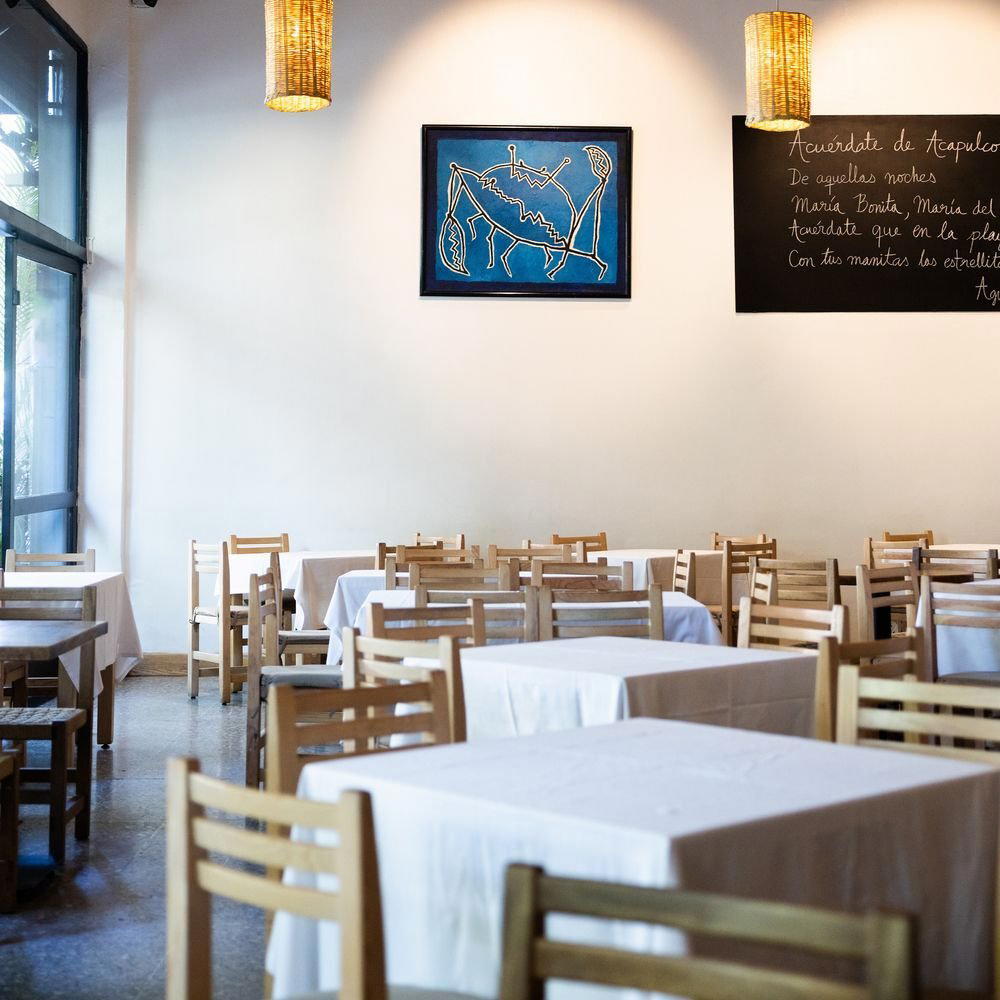
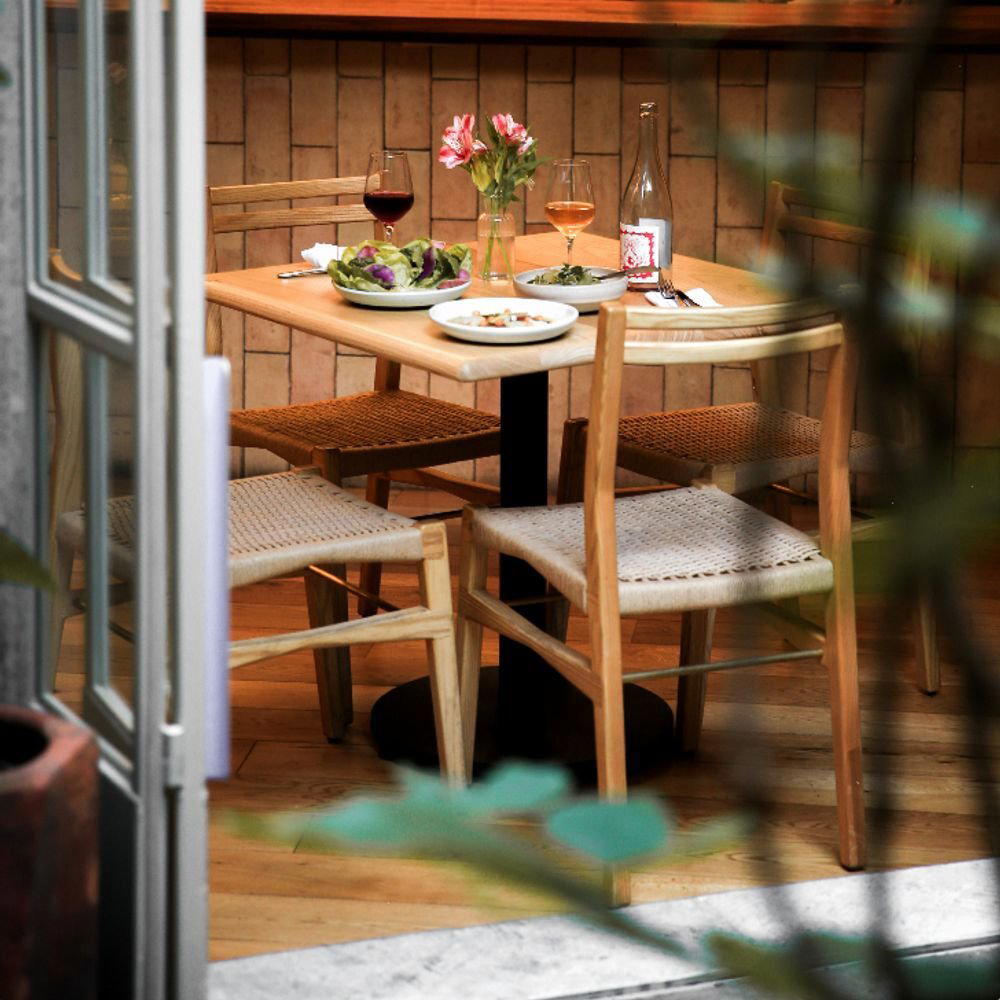
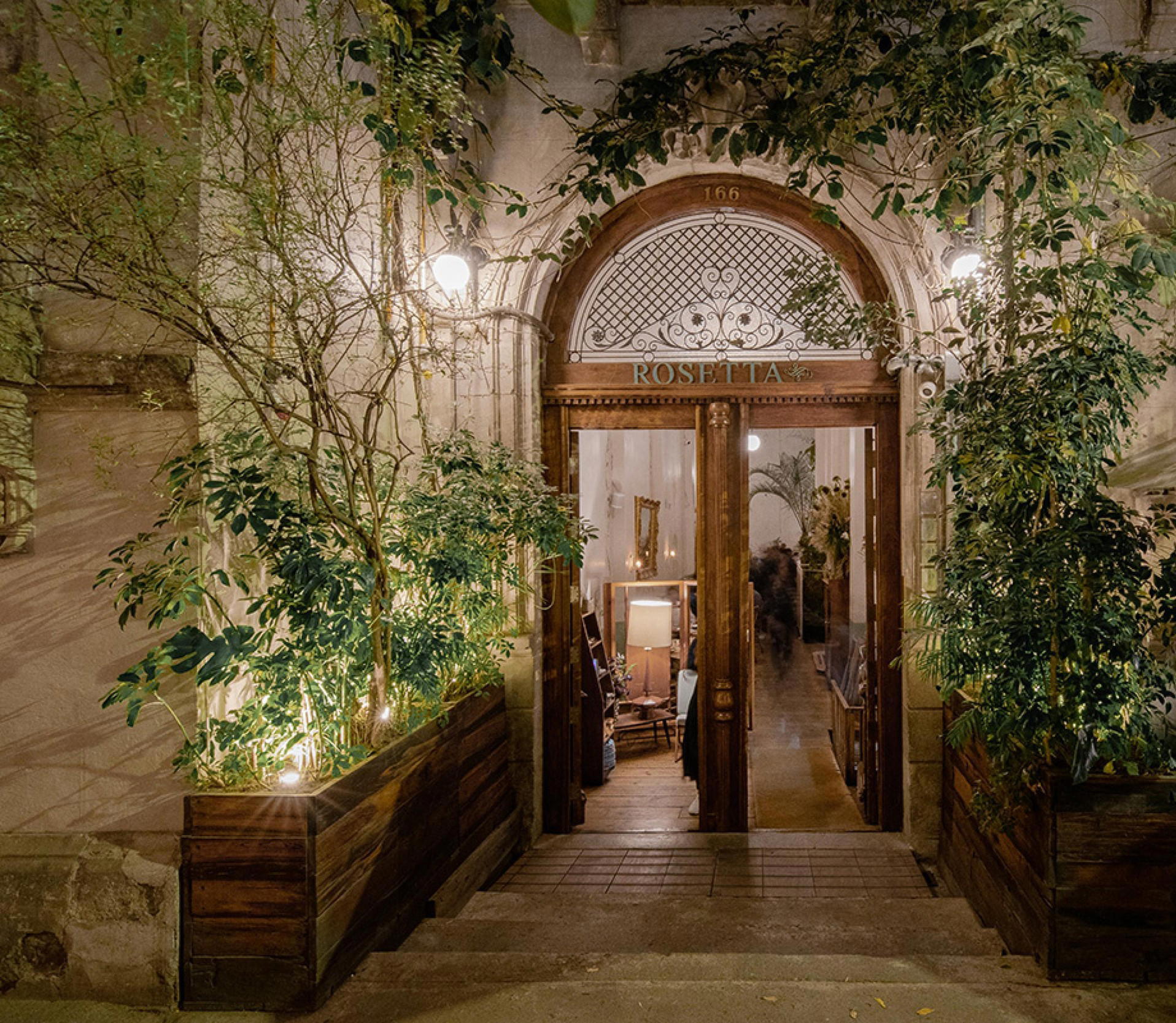
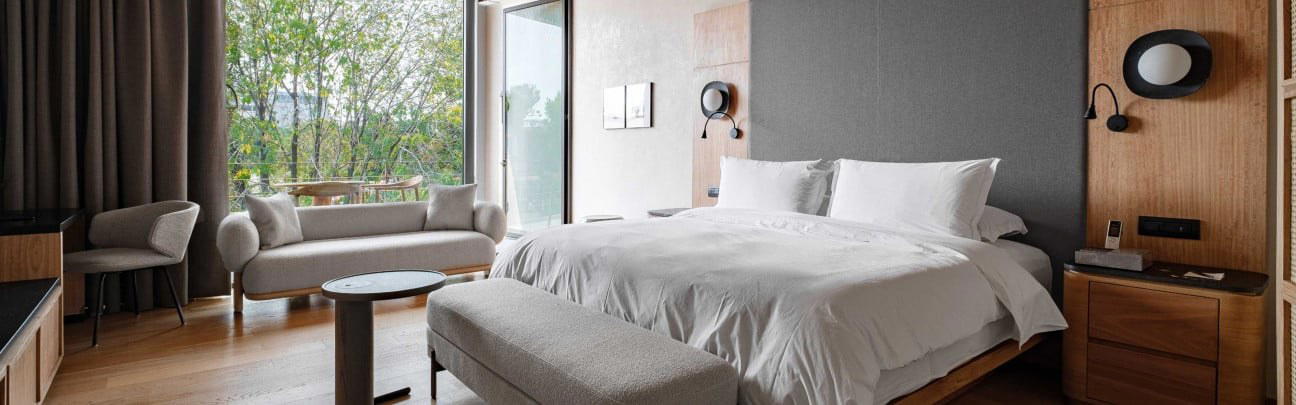
Minimalist design in a historic casona with a harmonious fusion of tradition and modernity, creating an elegant and sensory atmosphere.
Know Before You Go
- Getting there
- Av. Álvaro Obregón 124, Roma Nte., Cuauhtémoc, 06700 Ciudad de México, CDMX, Mexico