Den Røde Cottage sits on Strandvejen in Klampenborg, along the storied coastal road north of Copenhagen that has anchored Danish fine dining for generations. The address alone signals a particular kind of ambition: proximity to the Øresund coast, a setting that has shaped how kitchens in this corridor think about produce and place. It belongs to a Denmark where landscape and larder are inseparable.
 Discover on Pearl
Pearl is the En Primeur Club membership app — saves, bookings, and concierge access live there. Same editors, same standards.
- Address
- Strandvejen 550, 2930 Klampenborg, Denmark
- Phone
- +45 31 90 46 14
- Website
- denroedecottage.dk
The Coastal Road That Shapes a Kitchen
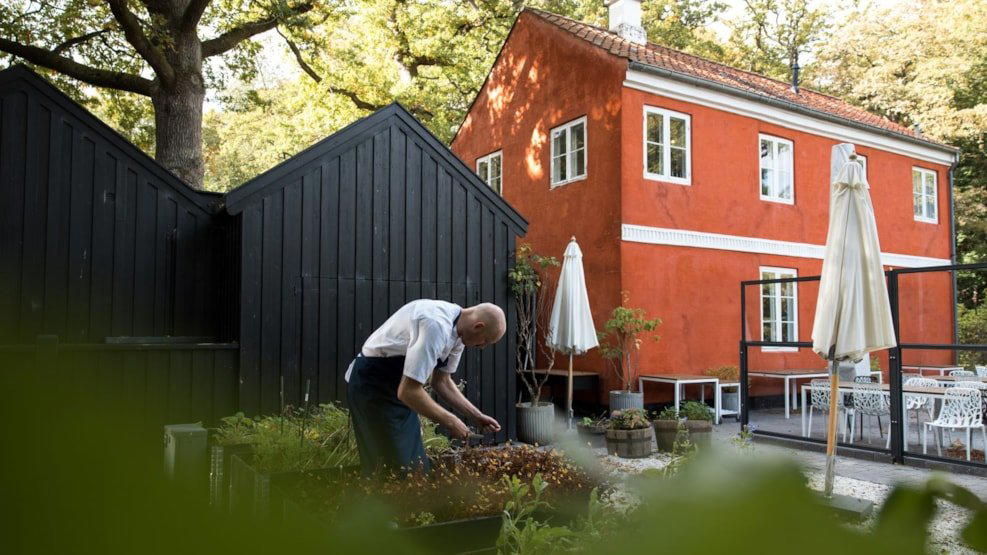
North of Copenhagen, Strandvejen runs along the Øresund shore through a sequence of towns, Charlottenlund, Klampenborg, Taarbæk, that have long supported a particular style of Danish dining. The road is not merely scenic; it is logistically significant. Proximity to the coast, to the forests of Dyrehaven, and to the network of small-scale Danish producers that supply kitchens along this corridor has historically shaped what ends up on the plate in this part of the Capital Region. Den Røde Cottage is a restaurant in Klampenborg, Denmark, serving Seasonal Danish Fine Dining at about $100 per person. Den Røde Cottage, at Strandvejen 550 in Klampenborg, sits inside that tradition. The address is meaningful before you even open the door.
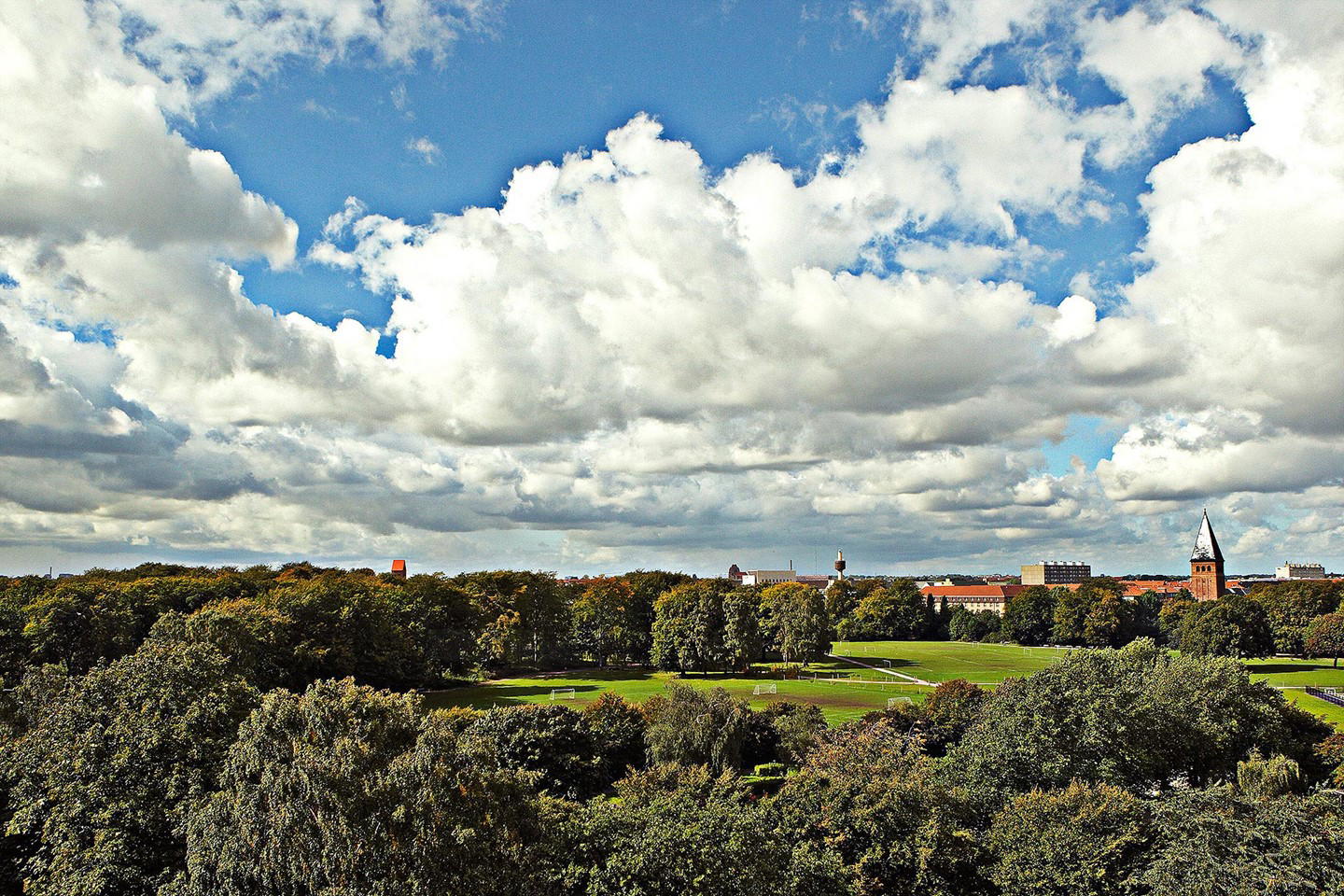
This stretch of coastline operates differently from Copenhagen's inner-city dining scene, where restaurants compete on density and visibility. Out here, the draw is the setting itself: water to the east, protected woodland to the west, and a quieter rhythm that tends to attract kitchens with something deliberate to say about where their food comes from. The Strandvejen corridor has produced serious destination dining for decades, and Den Røde Cottage is one of the addresses that sustains that reputation.
Ingredient Sourcing and the Logic of Place
Danish fine dining's relationship with ingredient sourcing has been well-documented since the New Nordic movement formalized what many coastal and rural kitchens were already doing: building menus around what grows, swims, or grazes close by, and treating that proximity as an editorial position rather than a practical constraint. The restaurants that have endured in this register, from Geranium in Copenhagen to Jordnær in Gentofte, which lies just a few kilometres down the coast, have done so partly because their sourcing logic is coherent and their relationship with the surrounding environment is genuine rather than decorative.
Klampenborg's position reinforces this logic. The Øresund provides access to seafood that changes with the season: herring runs, coastal shellfish, fish whose availability shifts month to month. The forests inland supply game, mushrooms, and foraged material that Danish kitchens have incorporated into tasting menus for years. A kitchen operating on Strandvejen with any seriousness about its provenance has a credible geography to work with. Whether Den Røde Cottage exploits that geography fully is a question answered at the table, but the infrastructure for it is there in a way it simply isn't for a city-centre restaurant with no immediate hinterland.
This sourcing framework connects Den Røde Cottage to a broader set of Danish restaurants that have built their identities around rural or semi-rural placement. Henne Kirkeby Kro in Henne and Dragsholm Slot Gourmet in Hørve operate on similar principles: the address is not incidental but integral to the food's identity. Frederiksminde in Præstø pursues comparable ground further south. These kitchens share a conviction that where you cook shapes what you cook, and that conviction tends to produce menus with more specificity than those assembled from national distribution networks.
Atmosphere and Setting on Strandvejen
The building itself, the red cottage that gives the restaurant its name, is the kind of structure that carries its own story in Danish architectural terms. Painted timber cottages along this coastline date back centuries, originally serving as summer residences for Copenhagen's prosperous classes who retreated north along the sound during warmer months. The Klampenborg area in particular developed as a leisure destination in the nineteenth century, with Dyrehavsbakken, one of the oldest amusement parks in the world, drawing visitors from the capital by train along what became one of Denmark's most frequented suburban rail lines.
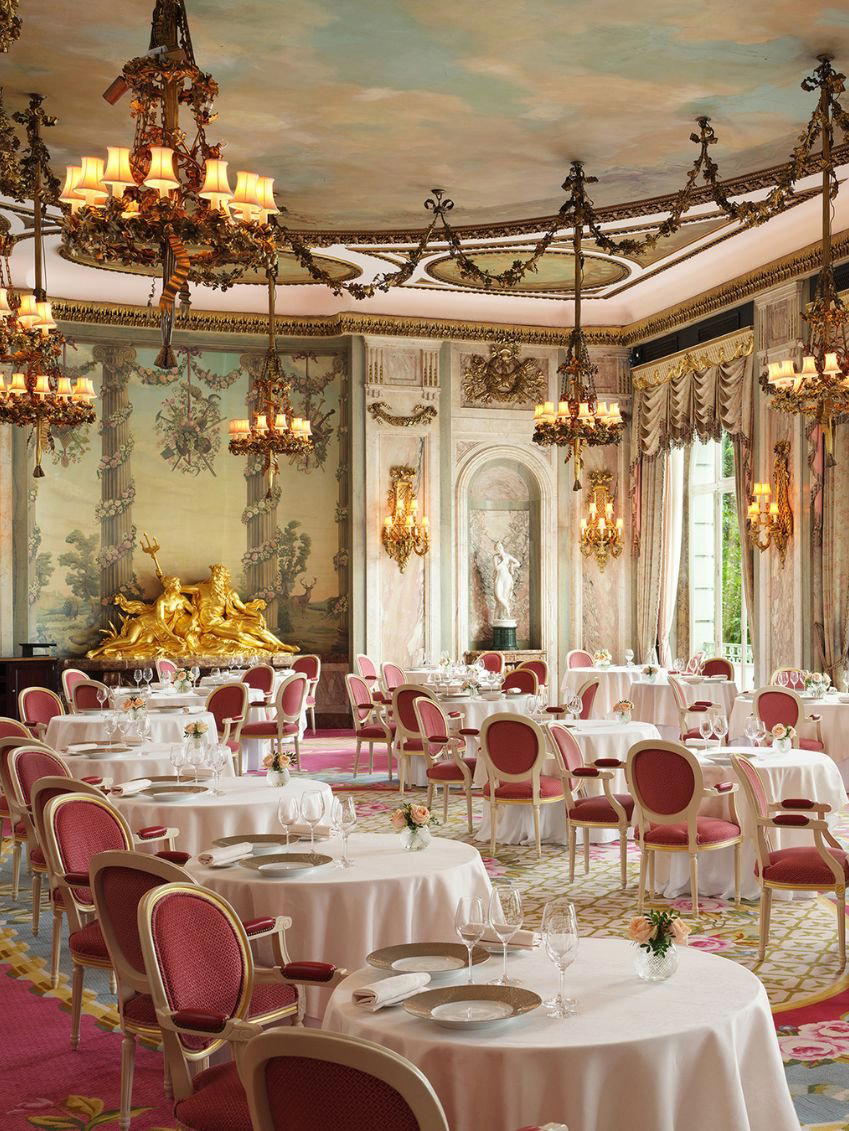
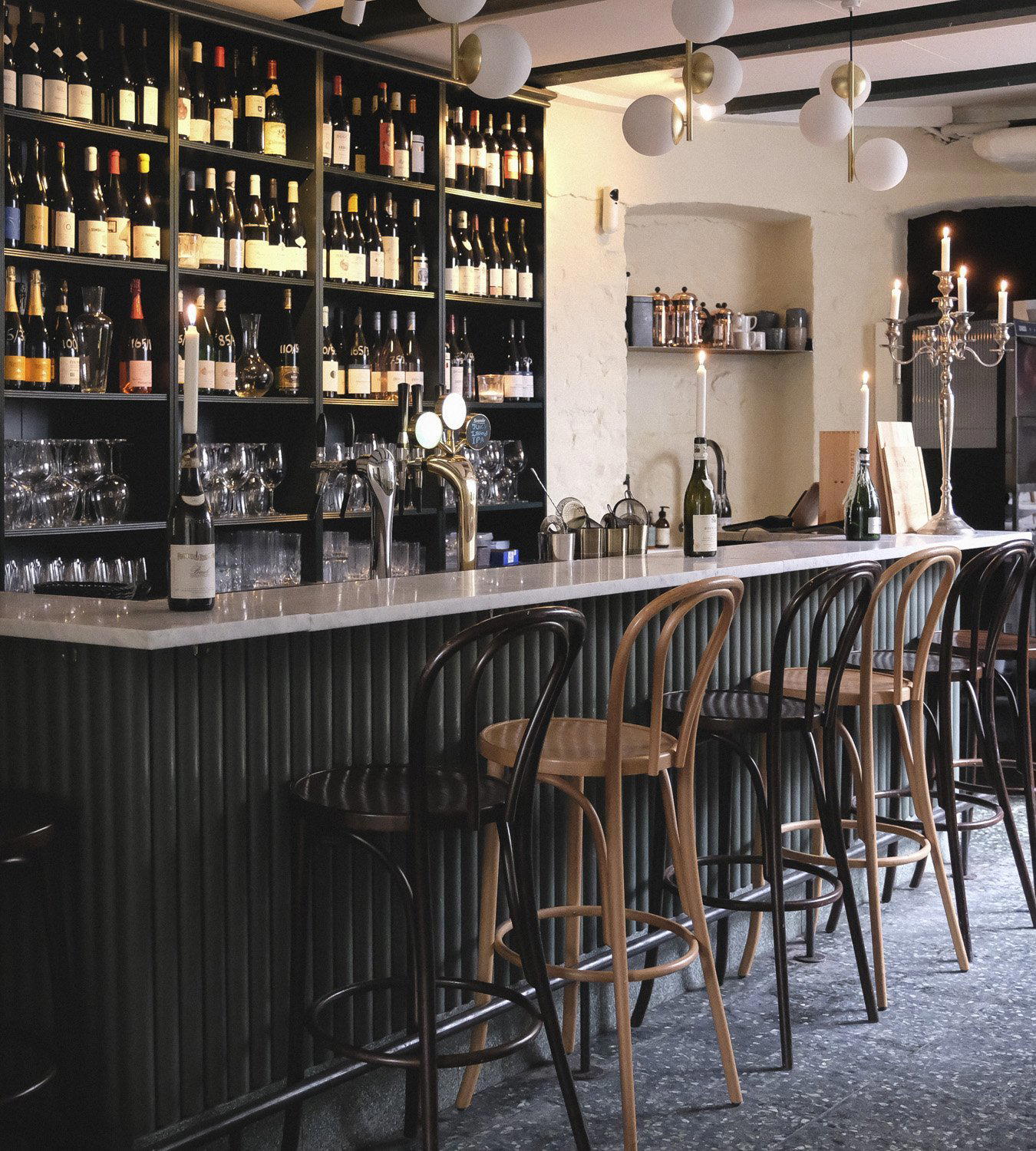
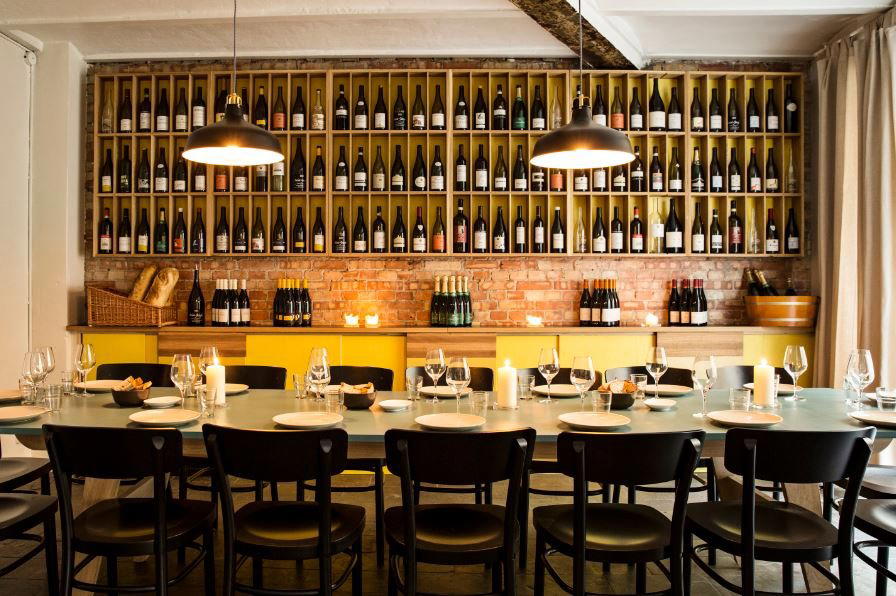
A restaurant operating inside that kind of building carries a different atmospheric weight than a contemporary fit-out in a converted warehouse. The proportions tend to be domestic rather than theatrical, the light more intimate, the noise levels lower. For the style of dining this coastline tends to support, considered, unhurried, occasion-oriented, that scale is appropriate. It signals something about who the room is for and what the meal is expected to do.
The comparable set Along Denmark's Coastline
Placing Den Røde Cottage in its competitive context requires looking at what serious Danish dining outside Copenhagen's centre now looks like. The capital has its multi-Michelin anchors, Geranium most prominently, and its newer generation of creative kitchens. But the country's most interesting dining has increasingly spread across geographies. Frederikshøj in Aarhus, LYST in Vejle, Ti Trin Ned in Fredericia, Tri in Agger, and Pearl by Paul Proffitt in Kruså each represent kitchens that have chosen or inherited their geography and made it productive. Syttende in Sønderborg, Domæne in Herning, ARO in Odense, and Alimentum in Aalborg extend that geography further.
Den Røde Cottage's position on the northern coast road places it in a different register: not a destination requiring significant travel, but a forty-minute drive or a direct S-train ride from central Copenhagen to Klampenborg station, then a short distance along Strandvejen. For Copenhagen residents, it occupies the role that a serious country-house restaurant plays in other European cities: close enough for a weeknight with purpose, far enough to feel like a deliberate departure from the city's routine. Parsley Salon in Hellerup operates in a comparable suburban-adjacent register, though with a different format and culinary emphasis.
Internationally, the pattern of serious cooking anchored to coastal or semi-rural settings with strong ingredient provenance maps onto kitchens in other traditions. Le Bernardin in New York City has built a decades-long reputation on seafood sourcing discipline; Lazy Bear in San Francisco operates on a community-rooted, seasonal format that shares a philosophical proximity with how the better Scandinavian coastal kitchens approach their menus. The common thread is a kitchen that knows what it is for and sources accordingly.
Planning a Visit
Klampenborg is accessible by the Copenhagen S-train network, with the C line running directly to Klampenborg station from central Copenhagen in roughly forty minutes. Strandvejen runs along the coast from the station, and Den Røde Cottage's address at number 550 places it within the Klampenborg stretch. Booking ahead is advisable; reservations are recommended. The restaurant is open Tuesday through Sunday, 12 pm to 5 pm, and is closed on Mondays.
Side-by-Side Snapshot
Comparable venues nearby, for context on price, style, and recognition.
| Venue | Cuisine | Price | Awards | Notes |
|---|---|---|---|---|
| Den Røde CottageThis venue — the venue you are viewing | Seasonal Danish Fine Dining | $$$ | , | |
| SommerPONY | New Age Nordic | $$$ | , | Allinge |
| Restaurant Ida Davidsen | Traditional Danish Smørrebrød | $$$ | , | Indre By |
| Restaurant 1733 | Traditional Danish | $$ | , | Indre By |
| Parterre Christianshavn | Danish Café | $$ | , | Indre By |
| Fiasco | Nordic Bistro | $$ | København K |
At a Glance
- Cozy
- Elegant
- Rustic
- Scenic
- Date Night
- Special Occasion
- Garden
- Local Sourcing
- Garden
Charming cozy elegance with natural surroundings, enhanced by gardens and attentive service.