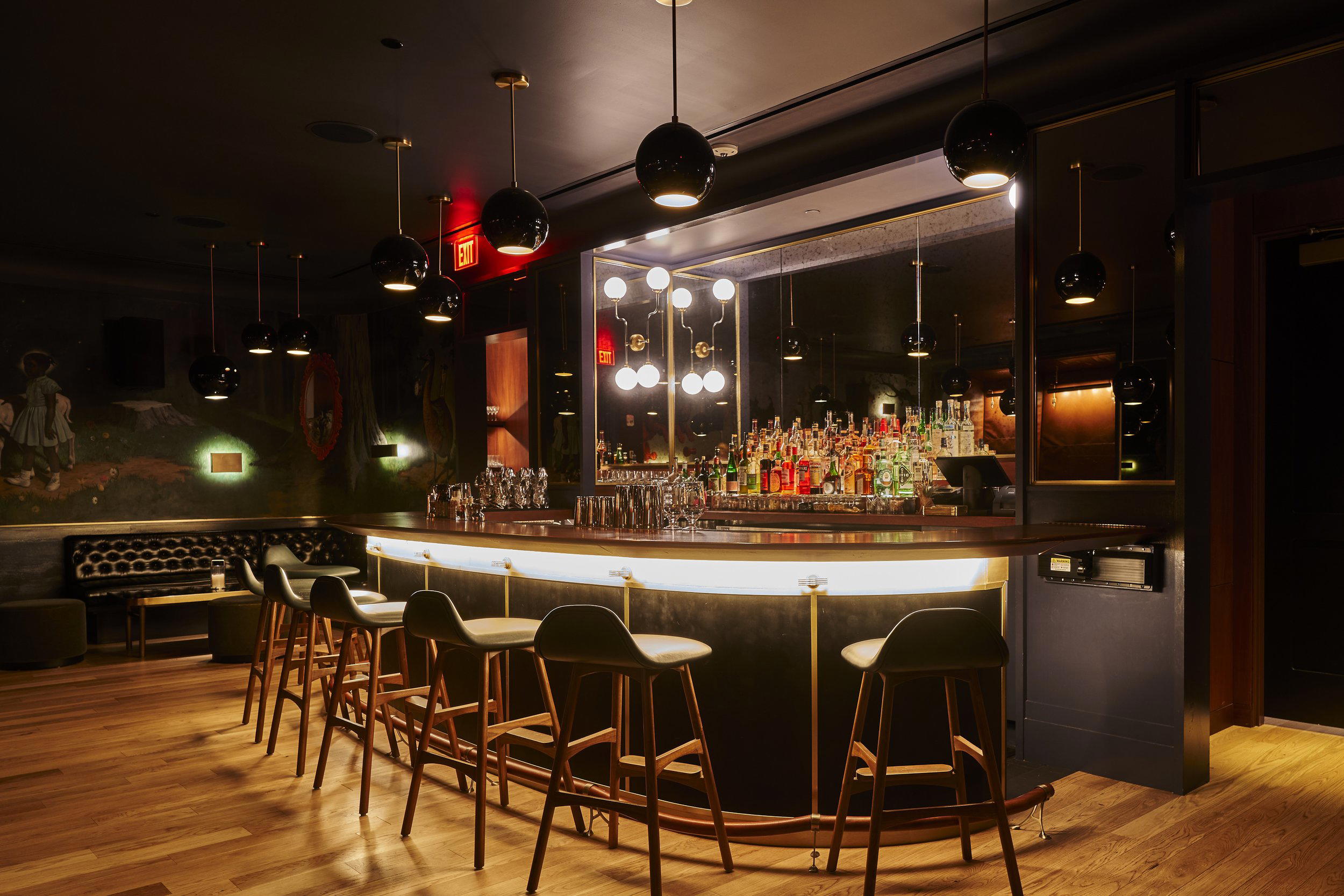
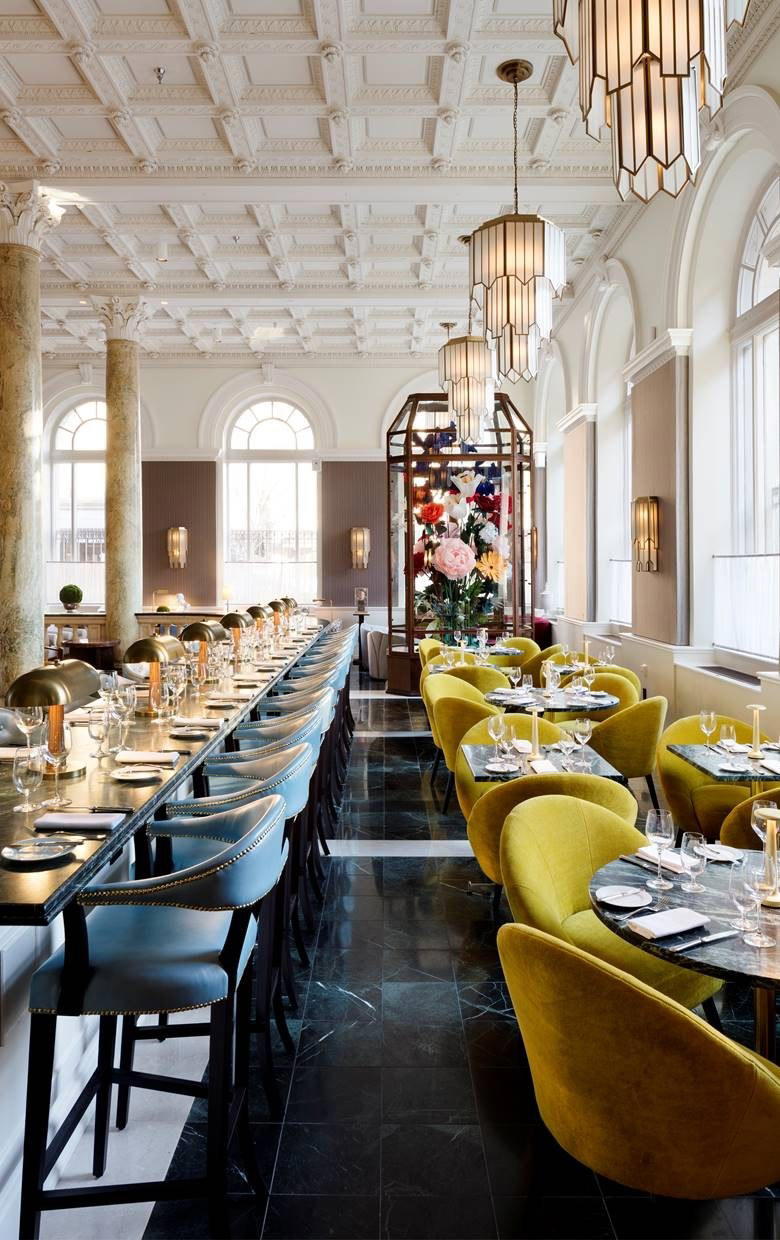
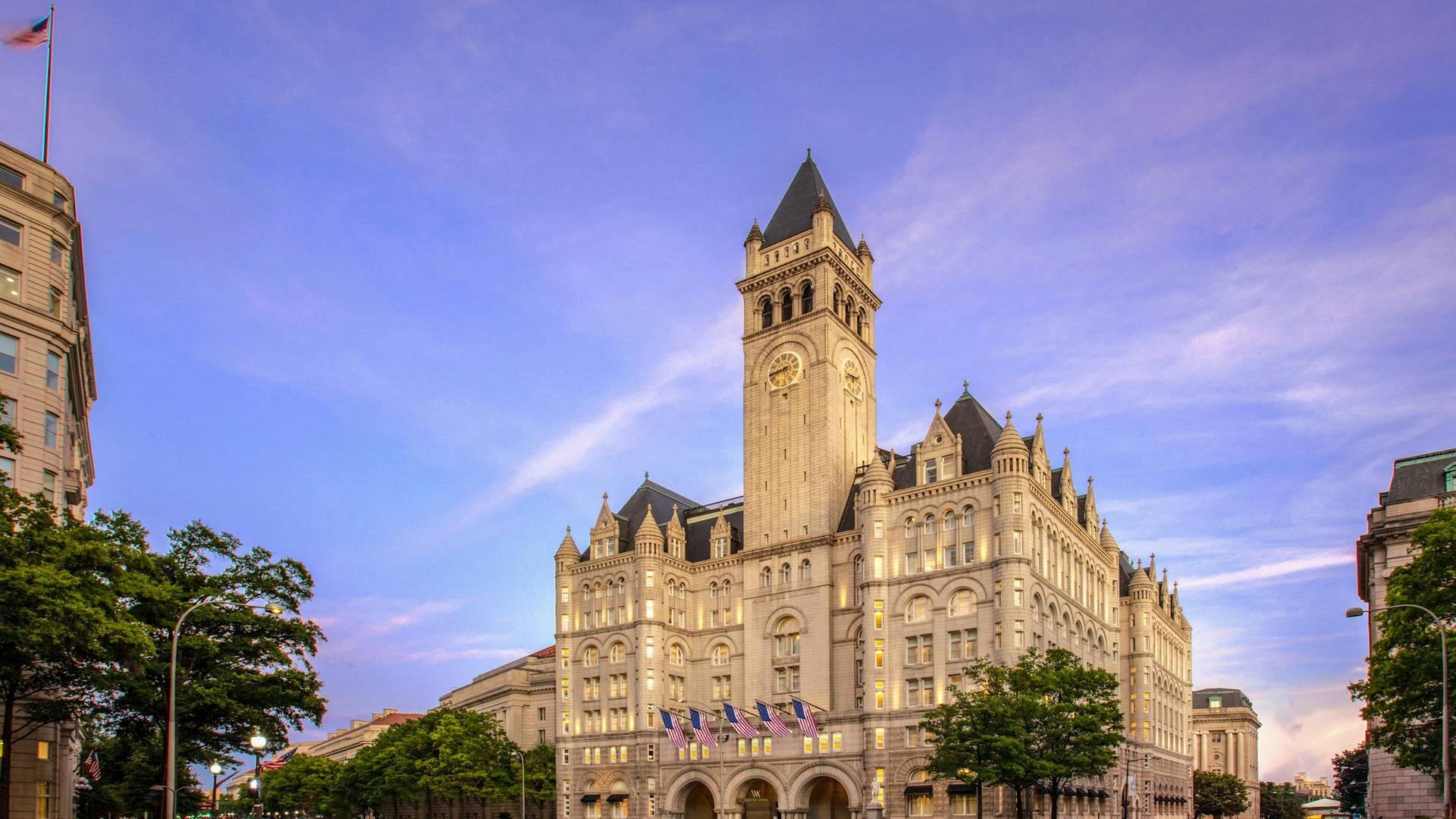
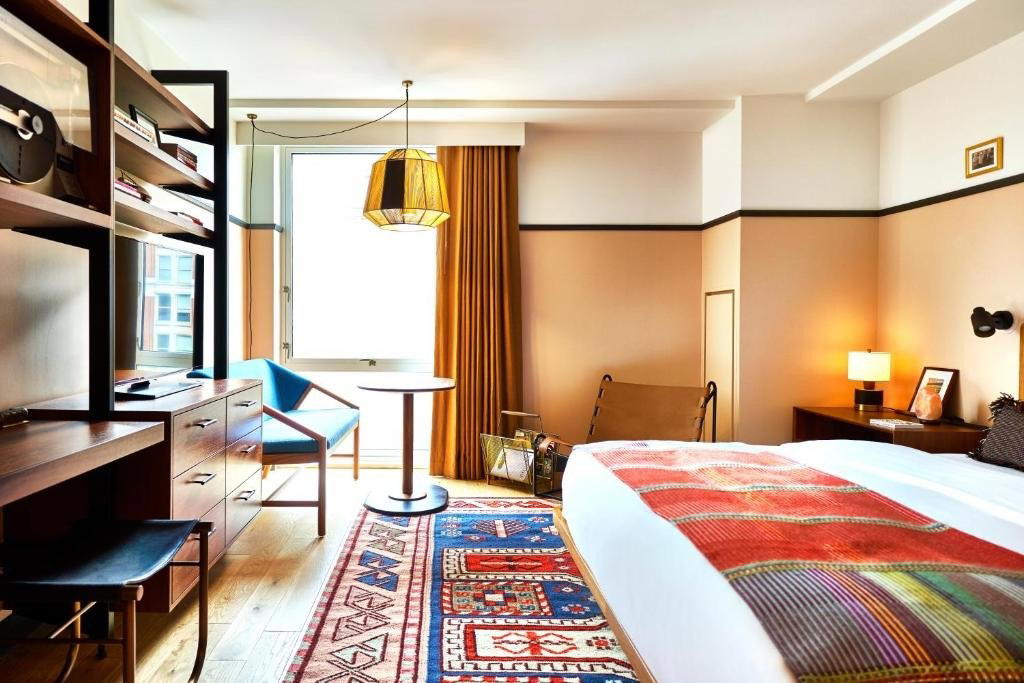
Dear Sushi at Love, Makoto

Michelin Plate
Our verdict
Dear Sushi at Love, Makoto holds back-to-back Michelin Plate recognition (2024 and 2025),300 reviews, placing it among Washington, D.C.'s more consistently regarded sushi addresses. Located in the Massachusetts Avenue corridor, it operates within the city's mid-to-upper sushi tier, where Japanese technique meets a dining room that draws both regulars and first-time visitors seeking something beyond the standard roll format.

Pearl is the En Primeur Club membership app — saves, bookings, and concierge access live there. Same editors, same standards.
- Address
- 200 Massachusetts Ave NW Suite 150, Washington, DC 20001
- Phone
- (202) 992-7730
- Hours
- Daily 11 AM–10 PM
- Website
- lovemakoto.com
- Directions
- Get directions
- Booking
- Book on the venue's website
The menu
What to order
- Old school and new school sushi
- Hand rolls
- Sashimi
- Monaka
Sushi in the Capital: Where D.C. Stands in the American Japanese Tradition
American sushi has sorted itself into distinct tiers over the past two decades. At the leading sit omakase-only counters with fixed menus, seasonal sourcing from Toyosu, and price points that rival a Tokyo meal at Ginza addresses like Harutaka or a Hong Kong institution such as Sushi Shikon. Below that is a wider, more accessible middle band — restaurants where Japanese craft is taken seriously, sourcing is considered, and the experience doesn't require either a months-long waitlist or a blank-check budget. Dear Sushi at Love, Makoto occupies that second tier in Washington, D.C. and does so with the kind of consistency that earns repeat Michelin recognition without the theatre of a pure omakase format.
D.C.'s sushi scene has grown from a handful of mid-century Japanese restaurants catering primarily to embassy staff into a market with genuine range. Addresses like Sushi Nakazawa DC anchor the high-ceremony omakase end, while Kaz Sushi Bistro has long represented the more inventive, Franco-Japanese hybrid strand. Dear Sushi at Love, Makoto sits within neither of those sub-categories: the Michelin Plate designation signals consistent quality at the craft level without the ceremony of a starred counter, which positions it for a broader dining audience.
The Cultural Weight of a Michelin Plate
The Michelin Plate is frequently misread as a consolation category, but that misreads the Guide's own framework. A Plate recognises restaurants where the kitchen demonstrates good cooking — technique applied with purpose, ingredients handled with care, at a price point and format accessible to more diners than a starred counter. For sushi specifically, where the distance between average and genuinely skilled preparation is immediately legible on the plate, two consecutive Plate recognitions (2024 and 2025) indicate a kitchen that has maintained its standard across inspector visits rather than performing on a single occasion.
In the broader context of Japanese cuisine's global spread, the sushi Michelin Plate category is worth placing carefully. The form carries its own hierarchy: from conveyor-belt kaiten to the hyper-disciplined edomae tradition that shaped everything from high-end Tokyo counters to operations like this one. Edomae sushi, rooted in the preserved-fish traditions of pre-refrigeration Tokyo, refined nigiri to something close to a minimalist art form, rice temperature, vinegar ratio, fish conditioning, and knife technique all working together within a few bites. That sensibility, even translated into an American dining room, is what separates sushi worth a Michelin reference from restaurants simply serving Japanese food.
Massachusetts Avenue and What the Address Tells You
The 200 Massachusetts Avenue NW address places Dear Sushi at Love, Makoto in a corridor that has become one of D.C.'s more interesting mixed-use dining destinations, drawing professionals from nearby offices alongside visitors staying in the adjacent hotel-heavy stretch toward Union Station. It is not a neighbourhood dining room in the way that parts of Columbia Heights or Georgetown function, the footfall here skews toward a lunch and post-work crowd as much as a deliberate dinner-reservation audience. That context matters for understanding how the restaurant positions itself: accessible by Metro, embedded in a suite-style ground-floor space, and priced at the $$$ tier, which in D.C. terms places it clearly above casual dining without crossing into the $$$$-bracket territory occupied by starred operations like Albi, Causa, or Oyster Oyster.
That price positioning is a deliberate editorial point. In a city where Michelin-starred restaurants at the $$$$ tier have multiplied, and where comparable nationally acclaimed rooms like Le Bernardin in New York City, Alinea in Chicago, or The French Laundry in Napa occupy a categorically different financial tier, a Michelin-recognised sushi address at $$$ represents something genuinely useful: craft-led Japanese dining that doesn't require an occasion to justify the spend.
At the latter volume, a 4.8 suggests a consistent guest experience across a broad sample, not just enthusiast regulars who self-select into leaving reviews, but a cross-section of diners who encountered the restaurant through different channels and came away satisfied at a high rate. For a sushi restaurant in the $$$ price tier, where expectations around freshness, rice quality, and service attentiveness are refined by the format's inherent formality, that consistency is a more meaningful signal than a handful of five-star endorsements.
How Dear Sushi Fits the D.C. Dining Picture
Washington's dining scene in the mid-2020s has developed genuine critical depth. The Michelin Guide's D.C. coverage has grown to include starred restaurants across multiple cuisines, and the broader ecosystem now supports thoughtful cooking at multiple price points. Dear Sushi at Love, Makoto contributes to that depth specifically in the Japanese register, where the city's options are narrower than in New York or Los Angeles but growing. It is not the only address worth knowing, Sushi Nakazawa DC handles the ceremony-led omakase segment, and Kaz Sushi Bistro occupies the creative-hybrid lane, but it fills a specific position in the market: Michelin-acknowledged sushi at a price point that makes it a plausible regular choice rather than a once-a-year event.
For a fuller picture of where D.C. dining sits right now, our full Washington, D.C. restaurants guide maps the field across cuisines and price tiers. If you're building a longer stay, our Washington, D.C. hotels guide, bars guide, wineries guide, and experiences guide cover the rest of the city's offer.
Planning Your Visit
Dear Sushi at Love, Makoto is located at 200 Massachusetts Ave NW, Suite 150, Washington, DC 20001, a ground-floor suite position that makes it direct to find on foot from Union Station or the Massachusetts Avenue Metro access points. At the $$$ price tier, expect a per-head spend that sits comfortably above casual dining but below the city's starred dinner menus.
Frequently asked questions
Is Dear Sushi at Love, Makoto good for families?
A sushi-focused concept in a Suite 150 ground-floor setting at 200 Massachusetts Ave NW is generally better suited to adults and older children who are comfortable with a Japanese dining format. The Michelin Plate recognition across 2024 and 2025 signals a kitchen operating at a level where attentive dining is part of the experience, which tends to work better with guests prepared for that pace.
What kind of setting is Dear Sushi at Love, Makoto?
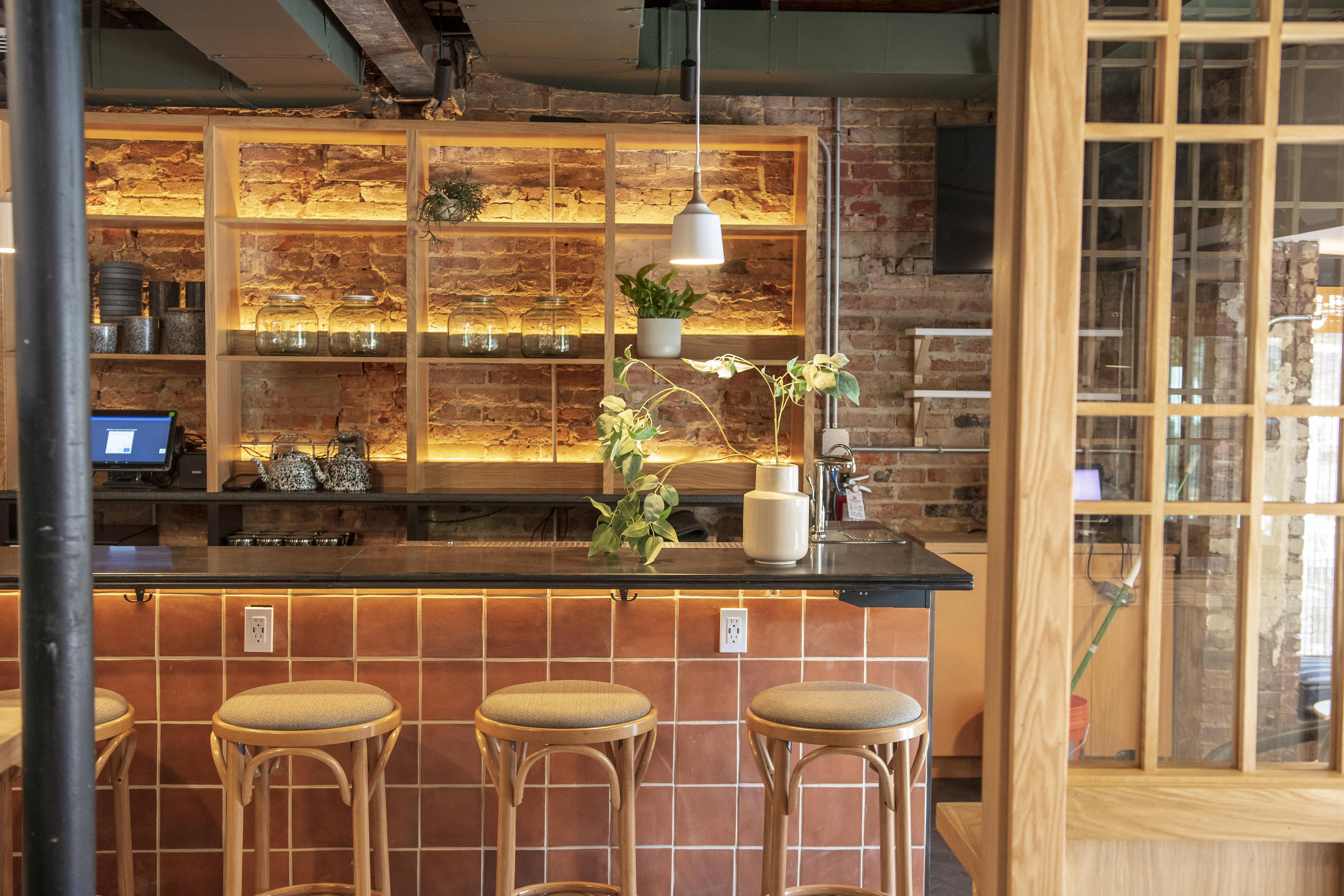
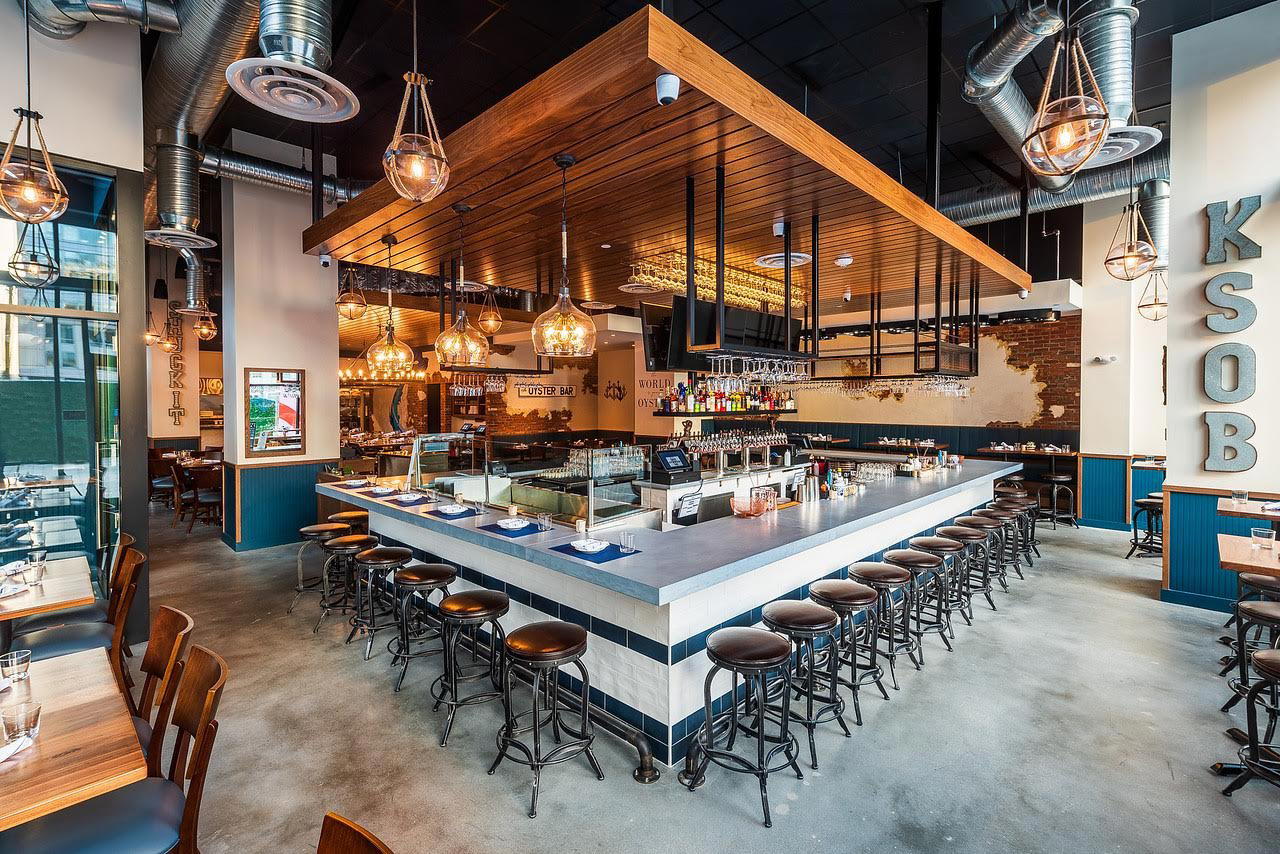
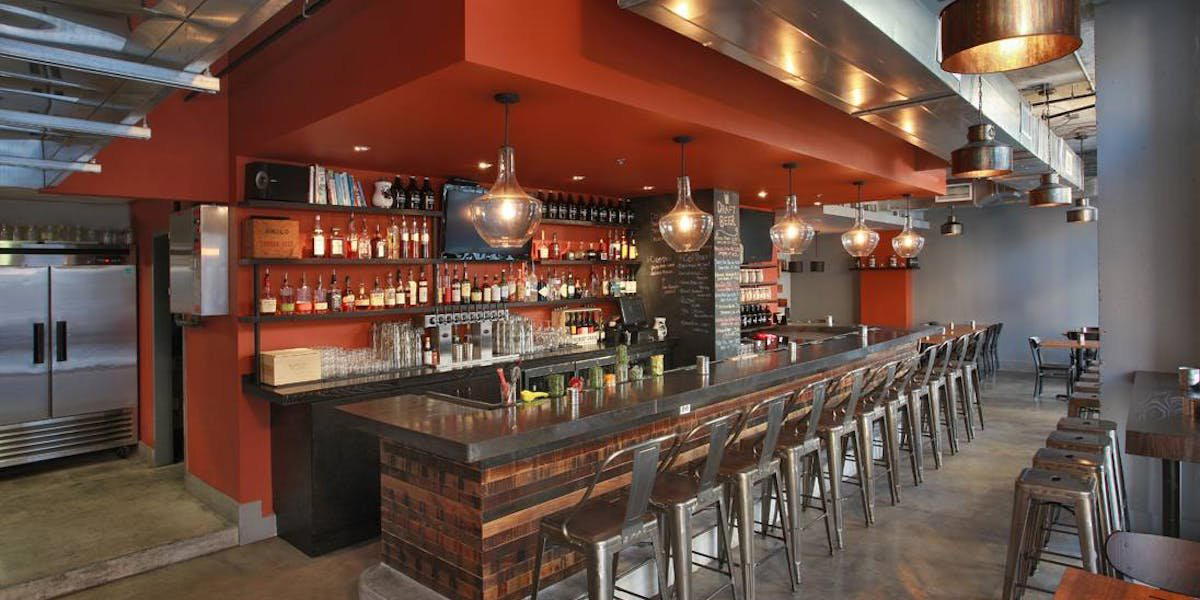
The address — Suite 150 at 200 Massachusetts Ave NW — places it in a ground-floor position within one of D.C.'s more active mixed-use corridors, giving it street-accessible entry without the formality of a standalone townhouse space. Two consecutive Michelin Plate recognitions (2024, 2025) indicate a room where the food is taken seriously, though the $$$ price range positions it below the full omakase-only tier in D.C.
What kind of recognition has Dear Sushi at Love, Makoto received?
Dear Sushi at Love, Makoto has received recognition including: Michelin Plate (2025); Michelin Plate (2024).
What's the best thing to order at Dear Sushi at Love, Makoto?
The venue's cuisine type is listed as sushi, and its Michelin Plate status in both 2024 and 2025 confirms the kitchen is delivering at a recognised level of quality. For the most considered approach to the menu, deferring to whatever the counter or chef recommends on the day is standard practice at sushi restaurants operating at this tier.
How would you describe the cuisine at Dear Sushi at Love, Makoto?
How much does it cost to eat at Dear Sushi at Love, Makoto?
Pricing at Dear Sushi at Love, Makoto is listed as $$$.
Awards and Standing
| Venue | Cuisine | Price | Awards | Notes |
|---|---|---|---|---|
| Dear Sushi at Love, MakotoThis venue — the venue you are viewing | Modern Omakase Sushi | $50–100 | Michelin Plate | Not listed |
| Albi | Modern Levantine Fine Dining | $300–500 | 1 Michelin Star · World's 50 Best #6 | United States, Middle Eastern |
| Causa | Modern Peruvian Fine Dining | $150–200 | 1 Michelin Star · James Beard Award Best Chef: Mid-Atlantic | Peruvian |
| Oyster Oyster | Modern Vegetable-Focused Tasting Menu | Not listed | 1 Michelin Star · James Beard Award Outstanding Chef #1 | New American, Vegetarian, Vegetarian (Sustainable) |
| Bresca | Modern French Bistronomy | $150–200 | 1 Michelin Star · James Beard Award Semi Finalist | Modern French, Contemporary |
| Gravitas | Modern American Fine Dining | $150–200 | 1 Michelin Star | New American, Contemporary |
Recognition history
Dated appearances from independent guides and award organizations, with the underlying list record or original source where available.
Michelin Plate
Michelin
Full recognition history (2 entries)
Michelin Plate
Michelin