Koryouri Urara

Washingtonian 100 Very Best Restaurants #61
Our verdict
A Wisconsin Avenue dining room with a small-plates Japanese frame, Koryouri Urara belongs to Washington’s quieter wave of focused neighborhood restaurants rather than the city’s power-dining circuit. Its placement at No. 61 on Washingtonian’s 100 Very Best Restaurants 2026 list gives it a clear editorial signal in a city where recognition often clusters around louder dining rooms.

Pearl is the En Primeur Club membership app, where members save venues, book tables and use the concierge.
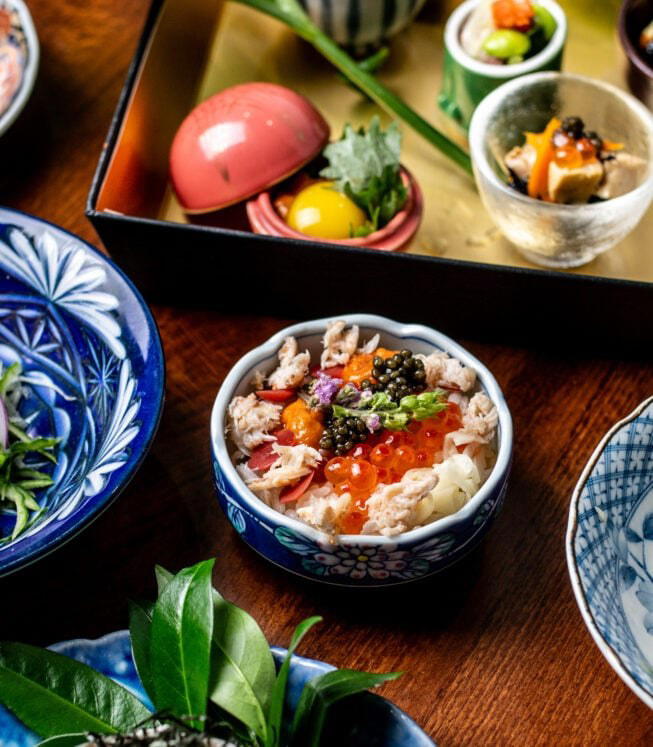
The menu
What to order
- Egg-dashi custard
- Chawanmushi
- Wagyu tataki
- Gindara cheese yaki
Washington, D.C. has many restaurants built for spectacle and others designed for repeat interest. Koryouri Urara fits that second category. The useful way to read it is through the way a meal is assembled: paced less like a trophy performance than a table shaped by choices, with the emphasis on how diners order, sequence, and decide whether to return.
That distinction matters in Washington, where dining can split into several familiar lanes: formal rooms, casual rooms, and broader neighborhood restaurants. Koryouri Urara sits closer to a focused restaurant idea, where the experience depends on the ordering path rather than a single headline premise. In practical terms, the format rewards diners who pay attention to the menu in front of them, not diners looking for a chef-driven biographical narrative.
Focused cooking gives the meal its shape
The appeal of this style is not scale; it is sequencing. A table can move through the menu according to appetite, conversation, and the rhythm of the evening. Without relying on a single fixed ceremony, the restaurant can make the meal feel edited while leaving diners in control of the experience. That places it in a different decision set from more rigid dining formats, where the commitment is made before anyone sits down.
Washington has been receptive to that middle register because the city’s dining habits are unusually hybrid. Formal dining exists, but so does a large audience for precise, lower-ceremony restaurants. The broader city rewards places that can serve both planned dinners and repeat visits. That is the context that makes Koryouri Urara interesting: it is not competing on theatrical scarcity, but on whether a focused restaurant can sustain attention over multiple visits.
The Washingtonian 100 Very Best Restaurants 2026 list included Koryouri Urara, a useful signal because the list covers a broad D.C.-area field rather than a single dining category. In the same city conversation, Lutèce occupies one lane, while Los Cuates, Springbone Kitchen, Alara, and Brasserie Liberté point to how varied Washington’s restaurant map has become. The comparison is not about similarity; it is about where recognition now lands. Smaller, more specific rooms can sit beside more familiar formats when the execution gives editors a reason to pay attention.
Washington, D.C. context, not downtown theater
The city setting also explains part of the experience. A restaurant in Washington, D.C. is read differently depending on whether it is built around destination energy, local rhythm, or polished occasion dining. Koryouri Urara’s role is best understood through that local cadence rather than through a need for spectacle. Diners come for a meal that can hold a conversation, not a room engineered for a social-media reveal.
For travelers using food as a way to understand the city, that difference is instructive. Washington’s dining identity is often flattened into power tables, high-ambition rooms, and international cooking. The fuller picture includes restaurants like this, where a focused kitchen is translated into a local cadence. The meal’s structure, ordered through choices rather than dictated in advance, also makes it a strong fit for diners who want a composed dinner without committing to the cost and rigidity of a more formal format.
Readers comparing categories across the city should use Our full Washington, D.C. restaurants guide for the broader dining map, then place this restaurant against nearby or citywide alternatives such as other Washington, D.C. dining rooms and neighborhood restaurants. For the rest of the trip, the city separates cleanly into other planning tracks: Our full Washington, D.C. hotels guide, Our full Washington, D.C. bars guide, Our full Washington, D.C. wineries guide, and Our full Washington, D.C. experiences guide keep those decisions separate rather than forcing every meal into one itinerary.
How to read the choice before you go
The right expectation is a restaurant whose strength is likely to be cumulative rather than declarative. A focused dining format rarely announces itself through a single centerpiece; it succeeds when the ordering path feels coherent, when the table can adjust pace, and when the bill reflects choices rather than a fixed ceremony. That makes it useful for couples, small groups, and repeat local diners who prefer a meal assembled with judgment over a set menu that removes the negotiation.
There is also a broader comparison to make without pretending every focused restaurant is pursuing the same goal. Across Washington, D.C. and beyond, tightly defined formats can carry a place when they tell diners how to approach the table. Some restaurants make the drink program the frame; others narrow attention to one central form, one service style, or one kind of occasion. Even comparisons outside Koryouri Urara’s lane underline the same point: format is often the clearest way to understand what a restaurant is asking from the diner.
Koryouri Urara’s case for attention is therefore disciplined rather than loud. Washingtonian recognition gives it a citywide marker, the Washington, D.C. setting gives it local grounding, and the focused structure gives diners a practical way to build a meal around appetite rather than ceremony. In a city crowded with concept-heavy openings, that is a sharper proposition than another room trying to announce importance before the first order is placed.
Frequently asked questions
What's Koryouri Urara's location?
Washington, D.C.
Is Koryouri Urara reservation-only?
The listing does not specify a reservation policy. For a Washington, D.C. restaurant, the sensible move is to confirm the booking format before planning an evening.
What's the standout thing about Koryouri Urara?
Its appeal is the focused dining format, which makes sequencing and ordering choices part of the meal rather than relying on a single large centerpiece. That approach also fits its placement on Washingtonian’s 100 Very Best Restaurants 2026.
Can Koryouri Urara handle vegetarian requests?
Those details are not published. Its Washington, D.C. setting and focused format suggest asking ahead rather than assuming a fixed plant-based course. Check the venue's official channels for the latest details.
Standing Among Peers
Nearby venues at a similar price tier for orientation.
| Venue | Cuisine | Price | Awards | Notes |
|---|---|---|---|---|
| Koryouri UraraThis venue (the venue you are viewing) | Modern Japanese Omakase | $100–150 | Washingtonian 100 Very Best Restaurants #61 | Not listed |
| Los Cuates | Authentic Mexican & Tex-Mex | Not listed | Not listed | Not listed |
| Lutèce | Modern French Bistro | $50–100 | Michelin Plate · Washingtonian 100 Very Best Restaurants #5 | French, Contemporary |
| Springbone Kitchen | Gluten-Free Bone Broth Bowls | $10–20 | Not listed | Bone broth / health-focused |
| Alara | Modern Mediterranean: Turkish, Greek & Levantine | $30–50 | Not listed | Not listed |
| Brasserie Liberté | Modern French Brasserie | $50–100 | Not listed | Not listed |
Recognition history
Dated appearances from independent guides and award organizations, with the underlying list record or original source where available.
Washingtonian 100 Very Best Restaurants #61
Washingtonian
Continue exploring
More in Washington DC
Restaurants in Washington DC
All restaurants in Washington DC →
Bars in Washington DC
All bars in Washington DC →
Details
- Intimate
- Sophisticated
- Cozy
- Elegant
- Date Night
- Special Occasion
- Celebration
- Solo
- Chefs Counter
- Terrace
- Standalone
- Sake Program
- Natural Wine
- Street Scene
- Tasting Menu
- A La Carte
- Omakase
- Wine Pairings
- Sake
- Pescatarian Friendly
Current opening hours
- Monday
- Closed
- Tuesday
- 5–10 PM
- Wednesday
- 5–10 PM
- Thursday
- 5–10 PM
- Friday
- 5–10 PM
- Saturday
- 5–10 PM
- Sunday
- Closed
Hours can change for holidays and private events. Hours as of .
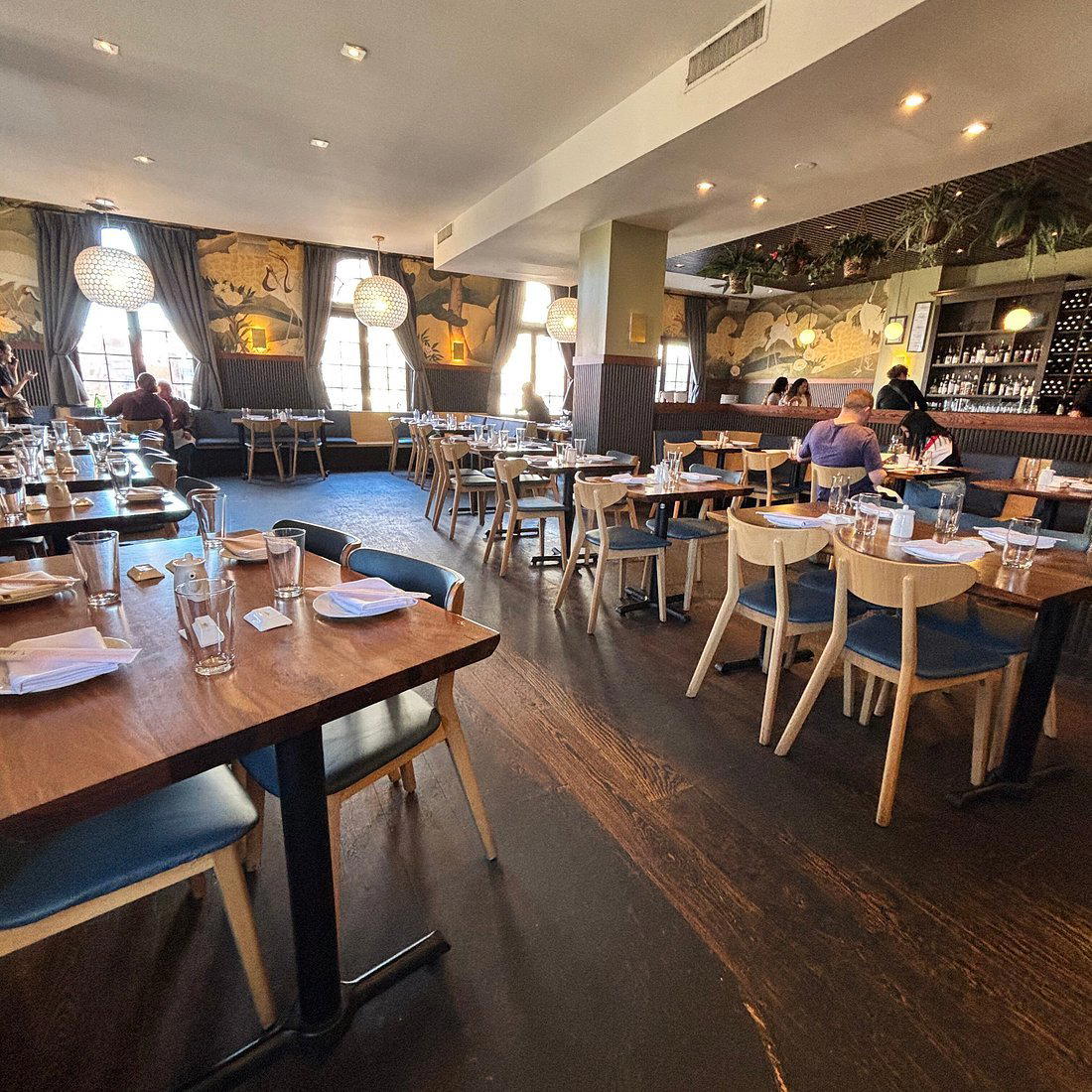
Small, warm, and personal, with a refined but relaxed feel that suits a chef-driven tasting experience and a casual outdoor patio option.