De Tuinkamer

We're Smart World Top 100 #46
Our verdict
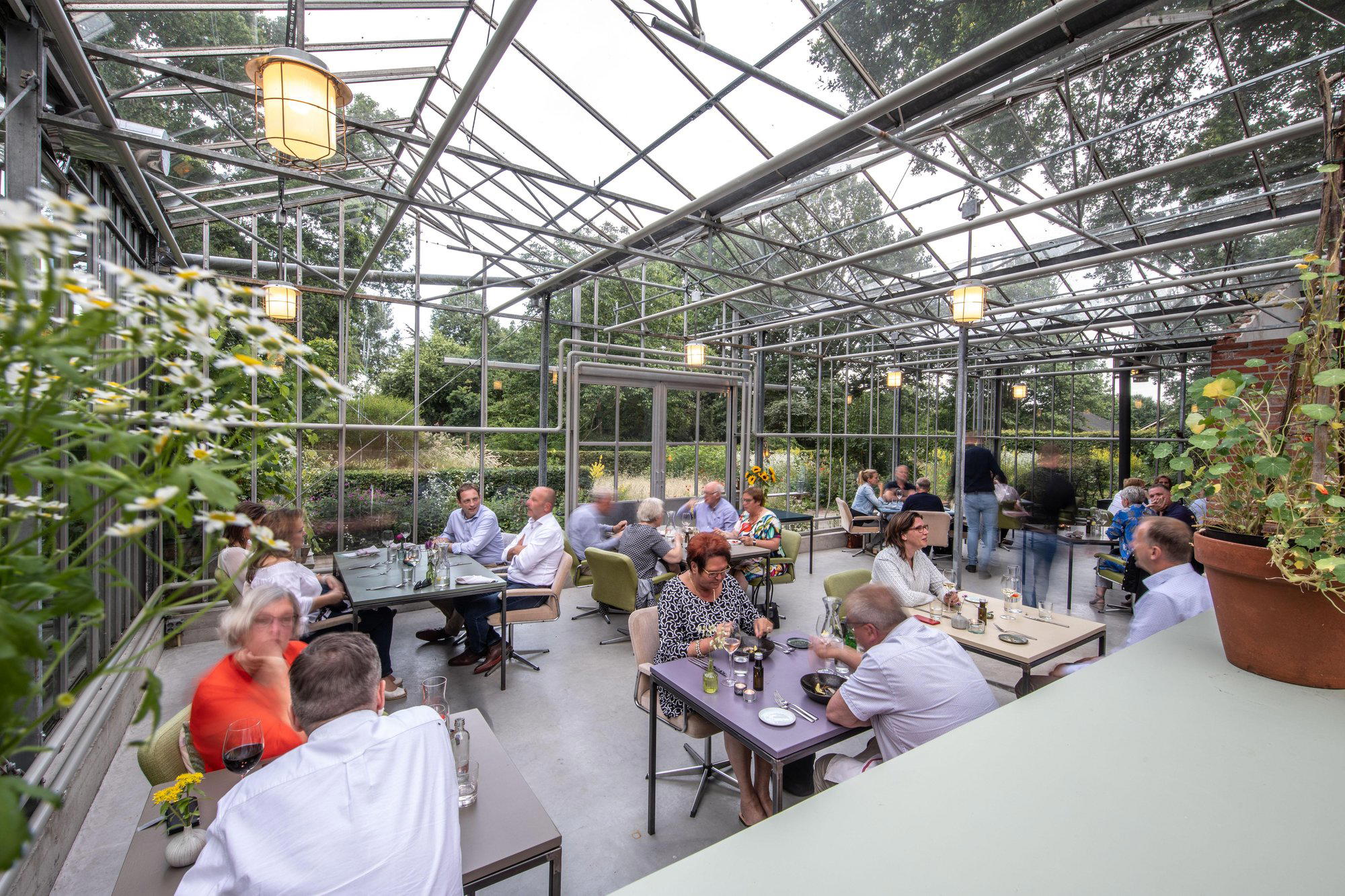
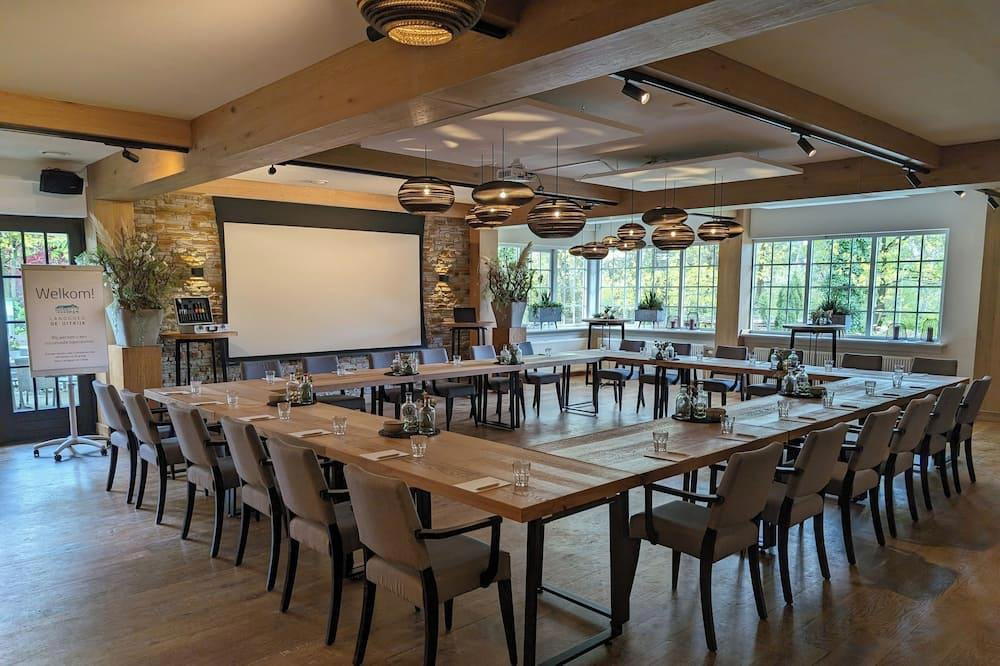
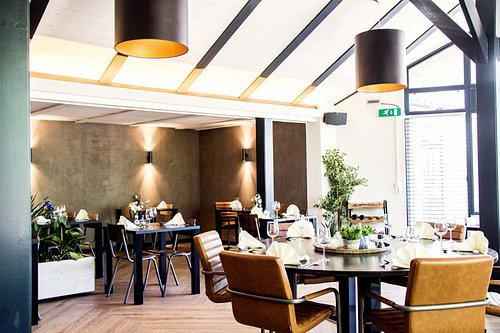
Set inside a converted greenhouse at the edge of the Priona gardens in Schuinesloot, De Tuinkamer runs a weekly-changing menu built almost entirely on what the surrounding estate produces. The gardens, designed six decades ago as a reference point for Dutch wave-landscape architecture, have operated ecologically since their inception and contain over 6,000 plant species, including 1,000 previously on the red list. Every dish carries a minimum of 80% plant content. The restaurant operates from April through December only.

Pearl is the En Primeur Club membership app, where members save venues, book tables and use the concierge.
A Garden That Dictates the Menu
Overijssel's rural interior does not typically generate the kind of dining pilgrimage that draws visitors from Amsterdam or beyond, but De Tuinkamer at Rondweg 1a in Schuinesloot has built a quiet case for exactly that. The setting alone reframes expectation: an old greenhouse converted into a dining room, positioned at the boundary of the Priona gardens, one of the more significant designed landscapes in the eastern Netherlands. Arriving here, the architecture of the gardens registers before the food does. The wave-landscape design, developed over six decades ago, uses undulating planted borders and layered ecological planting to create enclosure and sequence. It is a gardening philosophy as much as an aesthetic, and it is the direct source of what ends up on the plate.
That relationship between place and plate is not incidental or decorative. It is structural. Chef Alwin Leemhuis works with plants drawn directly from the Priona gardens, and the menu changes each week in response to what is ready and what has come into condition. The kitchen does not fix a dish and then source ingredients to match it. The sourcing happens first. This is a meaningful inversion of how most restaurants, including ambitious ones, actually operate, and it produces a menu calendar that is entirely dictated by ecological time rather than by season in any broad commercial sense.
What Priona Represents as a Source
The Priona gardens' credentials as a sourcing base go beyond scale, though scale matters: over 6,000 plant species across the estate, with roughly 1,000 of those previously listed on the red list for threatened species. The gardens have been managed ecologically since their founding, without synthetic inputs, making them one of the longer-running examples of committed organic horticulture in the Netherlands. For context, most restaurants that trade on garden-to-table sourcing work with kitchen gardens of a few hundred square metres. Priona represents a different order of botanical depth, one that gives the kitchen access to plant material that would not appear in conventional supply chains at all.
Dutch wave-landscape architecture, the design tradition the Priona gardens exemplify, emerged as a response to the formal European garden tradition and placed ecological function alongside aesthetic intention. The gardens became a reference point for that movement, cited in Dutch horticultural literature as a formative example of the approach. For De Tuinkamer, this matters because the garden's design was never purely ornamental. It was always meant to support biodiversity, which means the kitchen inherits that biodiversity as a working resource.
This positions De Tuinkamer in an interesting relationship with the broader Dutch fine dining scene. Restaurants like De Nieuwe Winkel in Nijmegen, which operates at the €€€€ level with a plant-forward organic focus, and De Lindenhof in Giethoorn approach contemporary Dutch cuisine from positions of regional rootedness. De Tuinkamer's distinction is the specificity of its single-source dependency: not a network of local suppliers, but one living garden, with the kitchen's output changing weekly as that garden shifts. The comparison set also includes De Librije in Zwolle and 't Nonnetje in Harderwijk at the top end of Dutch fine dining, though De Tuinkamer operates in a different register, one defined less by classical technique benchmarking and more by the constraints and possibilities of its singular source.
The 80% Rule and What It Means for the Plate
Every dish at De Tuinkamer contains a minimum of 80% plant content. The kitchen is not exclusively vegetarian or vegan, but plants hold structural primacy in every preparation. This is a kitchen that treats root systems, leaves, seeds, and flowers as the primary ingredient category, with anything else functioning as accent or support. In the context of European fine dining, where animal proteins have historically anchored the high-end tasting menu format, this ratio represents a genuine departure from the default. It is less a philosophical statement than a practical consequence of working from a garden as your primary larder.
The weekly menu rotation means that a visit in May will produce a different table from one in September, and both will differ again from anything available in November, when the season approaches its close. The restaurant operates from April through Christmas, its rhythm set by the growing calendar of the estate rather than by commercial demand. This is a constraint that functions as a quality signal: the kitchen cannot extend its season artificially or substitute when a plant falls short. What the garden offers is what the menu contains.
The Dutch Plant-Forward Context
The Netherlands has developed a credible cluster of vegetable-forward and ingredient-provenance restaurants over the past decade, partly driven by the country's horticultural infrastructure and partly by a generation of chefs who trained internationally and returned with different ingredient priorities. De Tuinkamer sits within that broader shift, alongside references like Aan de Poel in Amstelveen, De Bokkedoorns in Overveen, and Ciel Bleu in Amsterdam, though the format and price positioning differ substantially across that group. What distinguishes the Schuinesloot address is geographic isolation combined with source specificity. This is not a restaurant that happens to emphasise provenance. It is a restaurant that cannot function without a specific piece of land.
For comparison across wider geographies, the sourcing logic has some kinship with farm-restaurant models in France and the American northeast, where a single agricultural property supplies the kitchen and the menu is built backwards from what the land provides. Globally recognised examples like Le Bernardin in New York City demonstrate how singular sourcing commitments can define an entire restaurant identity. De Tuinkamer's version is botanical rather than maritime, and the scale of Priona gives it a depth of plant material that few comparable formats can access.
Planning a Visit
De Tuinkamer is located at Rondweg 1a, 7777 SM Schuinesloot, in Overijssel province. The restaurant operates from April through Christmas, a window determined by the growing season of the Priona gardens. Visitors travelling from Amsterdam should allow roughly two hours by road; from Zwolle, the journey is considerably shorter, making the Overijssel restaurant cluster a viable day or overnight itinerary. Given the weekly menu rotation and the remote location, this is a destination that rewards advance planning rather than spontaneous arrival. Booking ahead is strongly advised (experiences guide). Other Overijssel and Dutch regional restaurants worth considering alongside De Tuinkamer include De Groene Lantaarn in Staphorst, De Lindehof in Nuenen, De Treeswijkhoeve in Waalre, and Brut172 in Reijmerstok for a wider picture of what contemporary Dutch fine dining is producing outside the major cities. For international reference, Emeril's in New Orleans illustrates how strong regional sourcing identity can anchor a restaurant's reputation over time.
Frequently asked questions
Is De Tuinkamer suitable for children?
The restaurant sits within the monumental Priona gardens in rural Overijssel, which creates a genuinely engaging setting for curious younger visitors. The weekly-changing, plant-led menu is unlikely to suit very young or restrictive eaters, but the garden environment itself adds a layer that goes beyond the dining room. It is worth contacting the restaurant directly before booking with children.
What kind of setting is De Tuinkamer?
De Tuinkamer occupies a converted greenhouse at Rondweg 1a, Schuinesloot, surrounded by the Priona gardens, a 60-year-old estate recognised as a reference point in Dutch wave-landscape garden design. The gardens contain over 6,000 plant species, and the restaurant operates only while those gardens are productive, from April through Christmas. The effect is closer to a working estate than a conventional restaurant.
What's the signature dish at De Tuinkamer?
The menu changes weekly in response to what the Priona gardens are producing, so no single dish defines the kitchen permanently. What remains constant is the 80% plant minimum across every plate, with chef Alwin Leemhuis drawing directly from an ecological garden that has never used pesticides and includes around 1,000 species previously on the Dutch red list. The garden is the dish, in rotating form.
Where is De Tuinkamer in Schuinesloot?
De Tuinkamer is located at Rondweg 1a, 7777 SM Schuinesloot, Netherlands.
Can I walk in to De Tuinkamer?
De Tuinkamer is a destination restaurant in rural Overijssel with a menu that changes weekly and a season running only from April to Christmas. That combination strongly suggests advance booking is necessary. Contact the restaurant directly before visiting.
What's the defining dish or idea at De Tuinkamer?
The defining idea is structural: every dish must contain at least 80% plant content, sourced directly from the Priona gardens on the same property. The kitchen is not exclusively vegetarian, but plants carry the weight of every plate. That constraint, self-imposed and tied to a specific ecological garden rather than a supplier network, is what separates De Tuinkamer from the broader Dutch plant-forward dining scene.
Fast Comparison
Quick context for similar venues.
| Venue | Cuisine | Price | Awards | Notes |
|---|---|---|---|---|
| De TuinkamerThis venue (the venue you are viewing) | Garden-to-Table Fine Dining | Not listed | We're Smart World Top 100 #46 | Not listed |
| De Librije | Modern Dutch Fine Dining | $200–300 | 3 Michelin Stars · World's 50 Best #46 | Modern Cuisine |
| 't Nonnetje | Modern French with Portuguese Influences | $100–150 | 2 Michelin Stars · La Liste Top Restaurants | Creative |
| De Lindehof | Contemporary Dutch, Creative | Not listed | Michelin 2 Star | Not listed |
| De Nieuwe Winkel | Botanical Fine Dining | $300–500 | 2 Michelin Stars · La Liste Top Restaurants | Organic |
| Fred | Modern French Fine Dining | $200–300 | 2 Michelin Stars · La Liste Top Restaurants | Creative French |
Recognition history
Dated appearances from independent guides and award organizations, with the underlying list record or original source where available.
We're Smart World Top 100 #46
We're Smart World
Full recognition history (2 entries)
We're Smart World 5 Radishes
We're Smart World
Continue exploring
More in Schuinesloot
Restaurants in Schuinesloot
All restaurants in Schuinesloot →
Bars in Schuinesloot
Browse all →
Details
- Scenic
- Cozy
- Elegant
- Intimate
- Date Night
- Special Occasion
- Garden
- Farm To Table
- Local Sourcing
- Organic
- Garden
- Set Menu
- Vegetarian Friendly
Current opening hours
- Monday
- Closed
- Tuesday
- Closed
- Wednesday
- Closed
- Thursday
- Closed
- Friday
- 6–10 PM
- Saturday
- 6–10 PM
- Sunday
- 12–6 PM
Hours can change for holidays and private events. Hours as of .
Cozy and relaxed atmosphere in a beautifully decorated former industrial greenhouse amidst dramatic gardens, creating an intimate and nature-immersed dining experience.