De Troubadour occupies a quiet residential address on Driekoningenstraat in Antwerp's Berchem district, sitting at some remove from the city's more trafficked dining corridors. With minimal public data available, the address itself signals an operation that relies on word of mouth rather than visibility. For context on Antwerp's broader dining scene, see EP Club's full city coverage.
 Discover on Pearl
Pearl is the En Primeur Club membership app — saves, bookings, and concierge access live there. Same editors, same standards.
- Address
- Driekoningenstraat 72, 2600 Antwerpen, Belgium
- Phone
- +32 3 239 39 16
- Website
- detroubadour.be
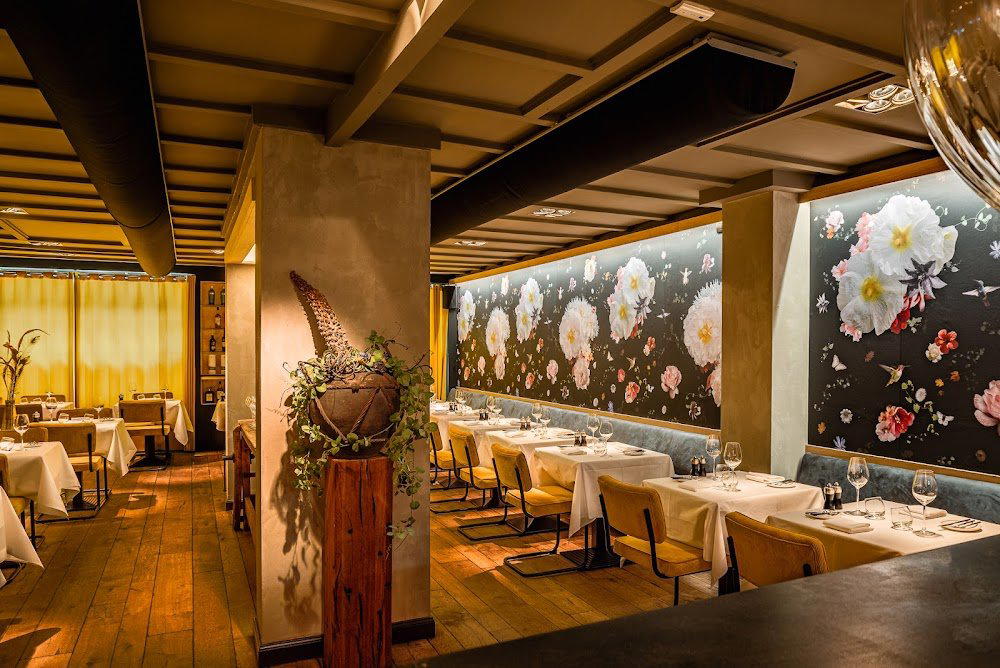
A Street Address, a Space, and What Antwerp's Quieter Dining Addresses Tell You
De Troubadour is a Modern Belgian restaurant at Driekoningenstraat 72 in Antwerp’s Berchem district.
Antwerp's dining scene has long been structured around a tension between its visible fine-dining tier, places like Zilte commanding panoramic city views from MAS, or Hertog Jan at Botanic operating within the formal language of Modern Flemish tasting menus, and a quieter, less codified stratum of neighbourhood rooms that answer to different rules. The latter rarely advertise aggressively and tend to fill through regulars and personal recommendation. The physical container of these places reflects that orientation: rooms that feel inhabited rather than designed for photographic impact, furniture that has accumulated use, and a spatial logic built around the comfort of return visitors rather than the first impression of newcomers.
What the Space Signals
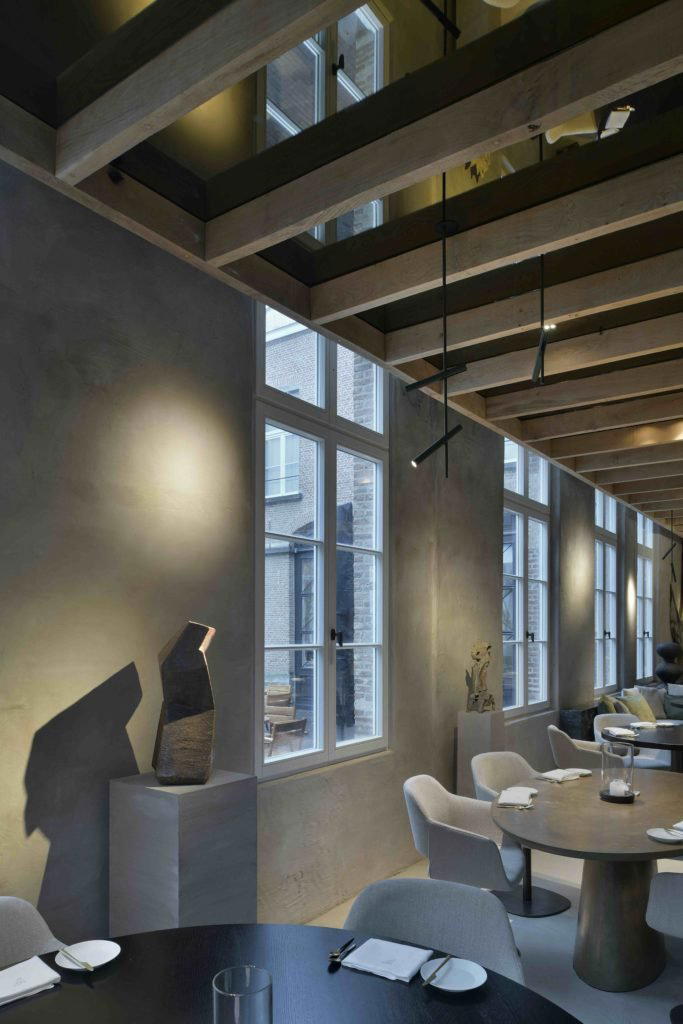
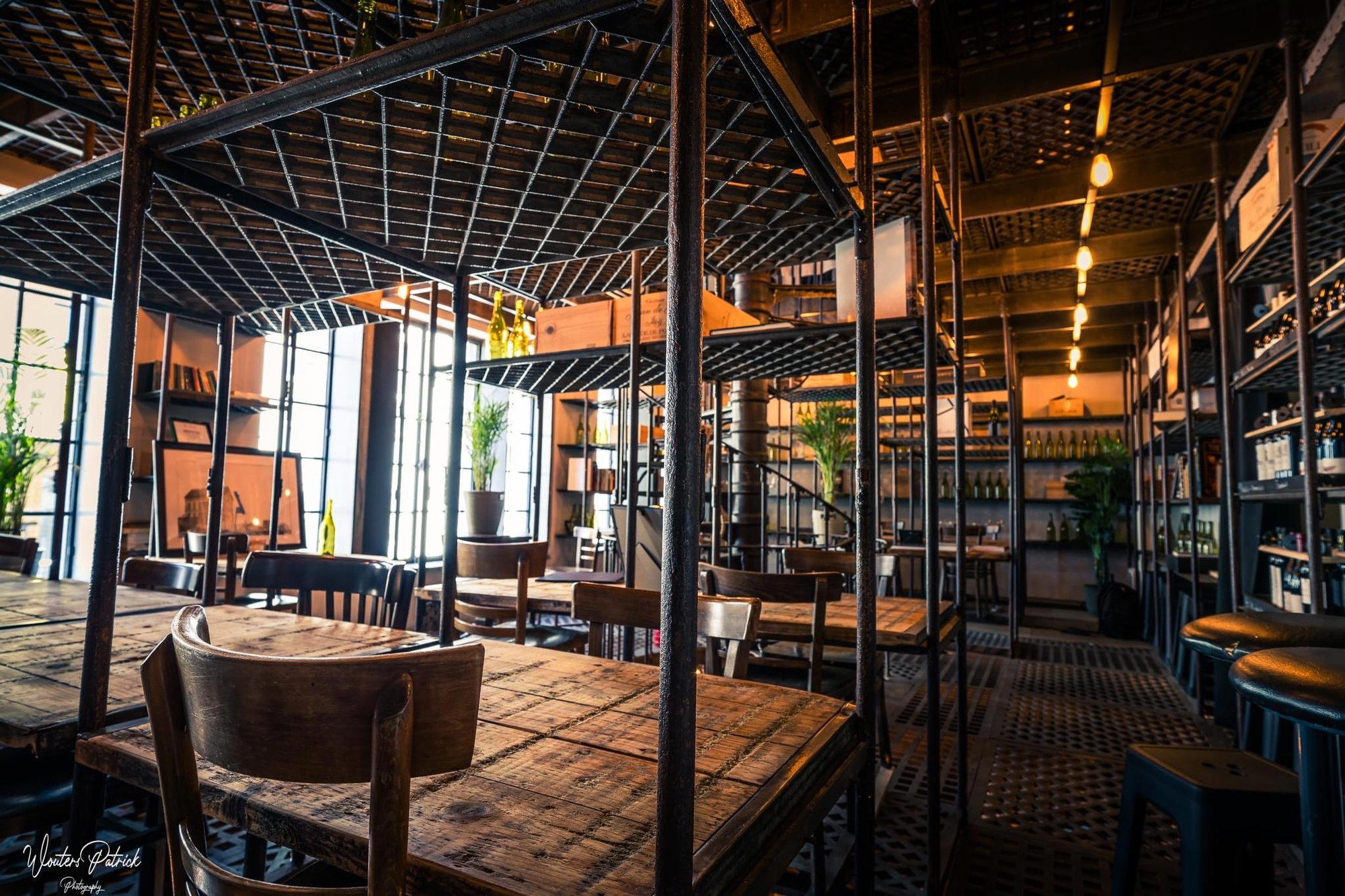
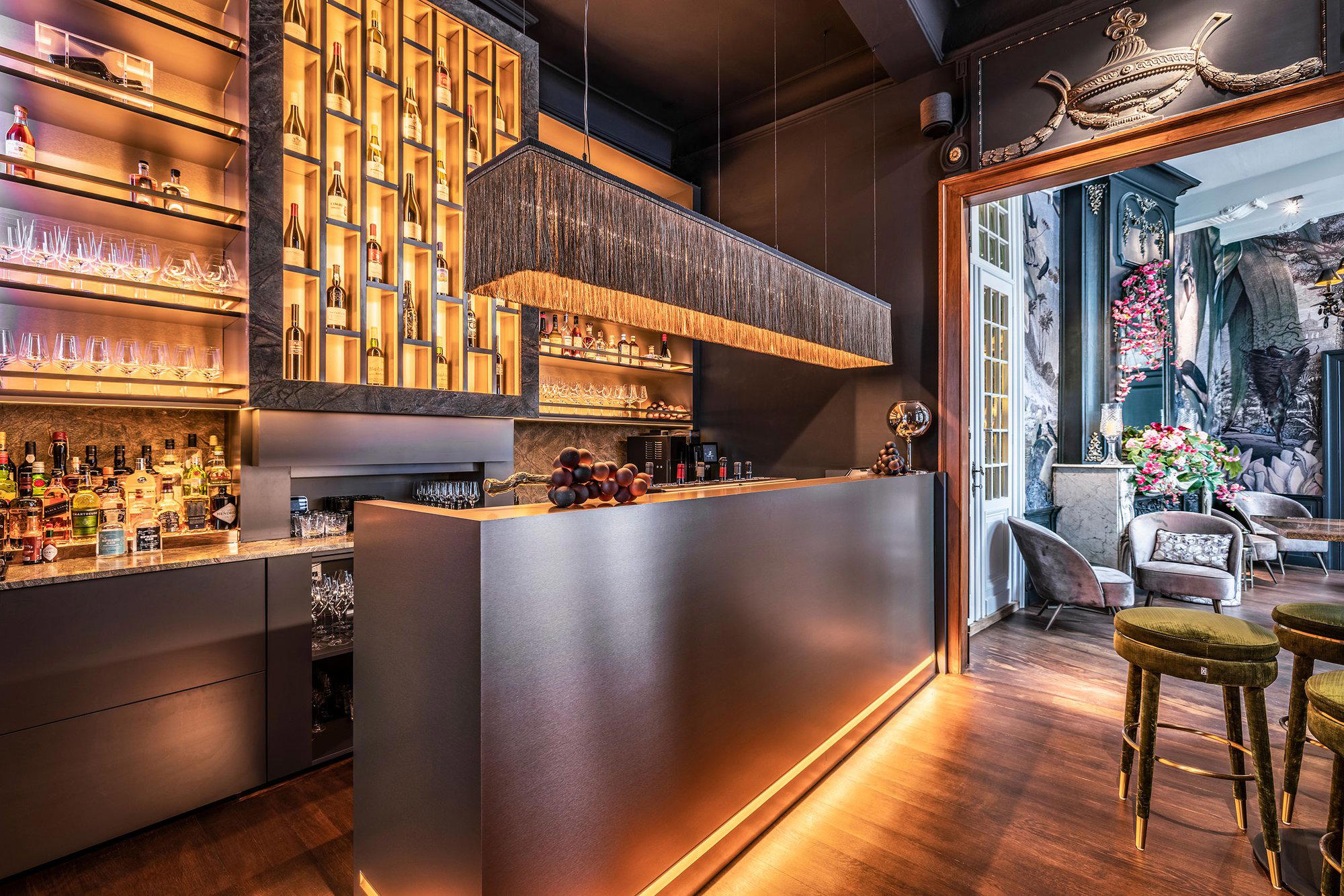
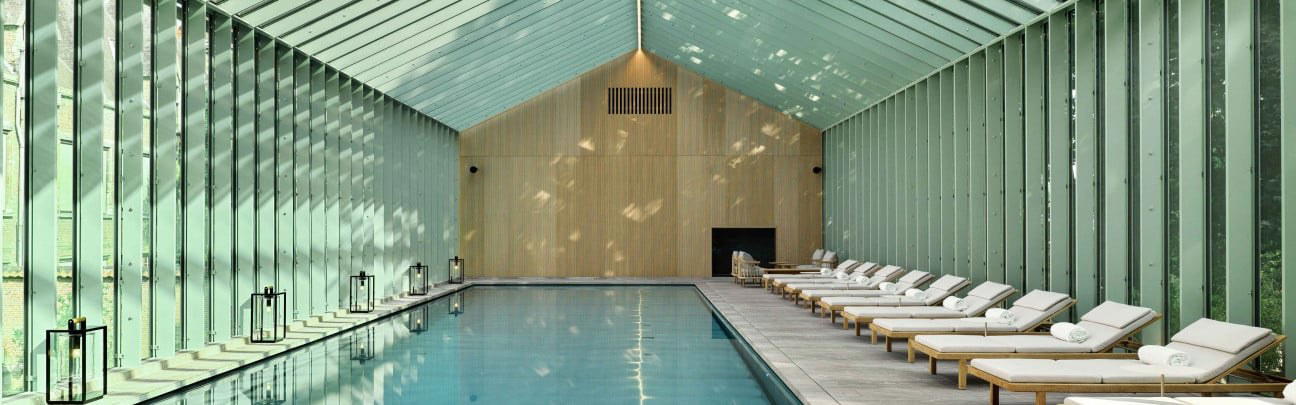
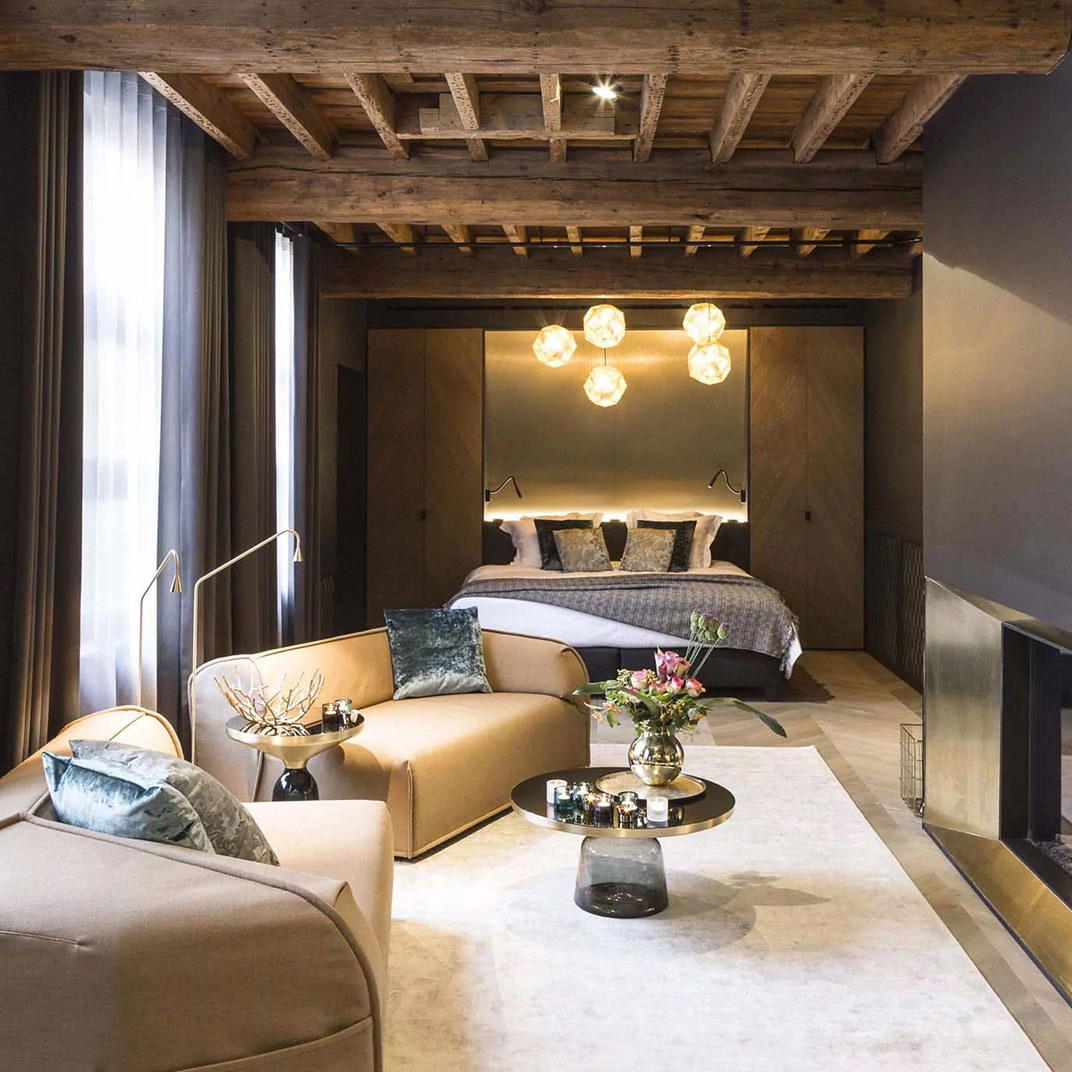
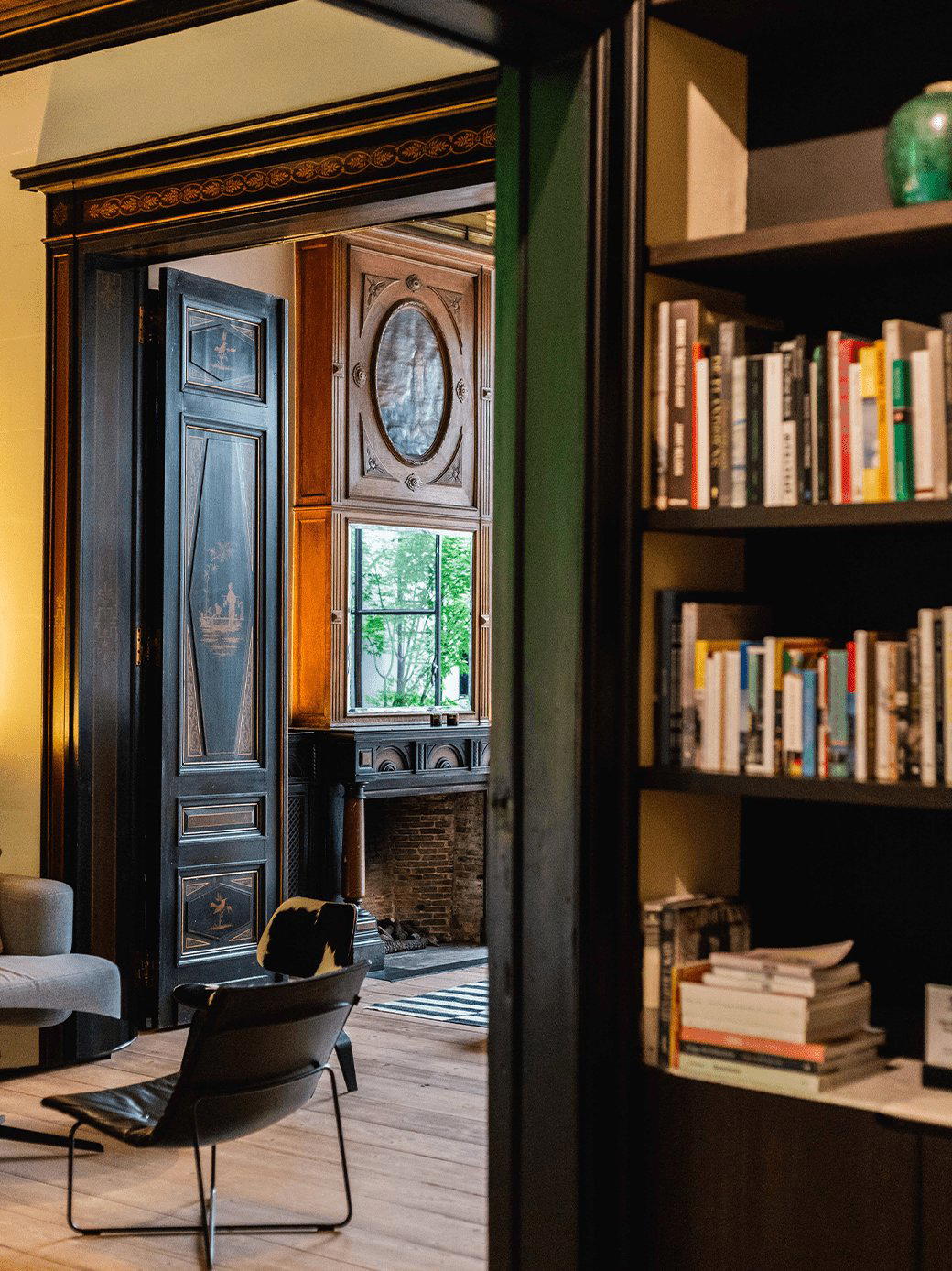
When a venue operates on a residential street with no published price range, no publicly listed chef, and no awards trail, the space itself becomes the primary text. Rooms of this type in Antwerp, and there are several, including the more classical register of 't Fornuis on Reyndersstraat, tend to prioritise acoustic warmth over visual drama. The ceiling heights, the materials, the table spacing: these are all decisions that shape whether a room reads as a destination or as a regular's place. On a street like Driekoningenstraat, the presumption is the latter.
Berchem as a district reinforces this reading. It sits south of the ring, closer in character to a working residential borough than to the tourist-facing streets of the old centre or the design-conscious Eilandje waterfront. Restaurants that position themselves here are making a statement about their intended audience, one that does not require a notable postcode to validate the experience.
Antwerp's Neighbourhood Dining and What It Costs to Know
Belgium's dining culture operates across a wider price distribution than many neighbouring countries. The leading end, represented nationally by addresses like Hof van Cleve in Kruishoutem or Boury in Roeselare, uses Michelin recognition as its primary credentialing language. Below that tier, a substantial body of neighbourhood dining operates with fewer formal signals, pricing more in line with what a regular weekly visitor might sustain. In Antwerp specifically, this middle stratum has historically offered some of the country's most interesting eating: places running Flemish-inflected menus with French technical grounding, less invested in tasting-menu formality and more in cooking that reads as habitual rather than occasional.
Within the city, the comparison set for an address like De Troubadour might reasonably include places such as Bistrot du Nord, which operates in the French traditional register at a mid-range price point, or DIM Dining, which represents the city's growing appetite for Japanese and Asian formats at the higher end of the neighbourhood dining price bracket. Neither comparison is meant to imply stylistic similarity, only to illustrate the range of what neighbourhood Antwerp holds outside the formal fine-dining tier.
The Wider Belgian Table
Antwerp's neighbourhood dining sits within a national tradition of serious, locally sourced cooking that extends well beyond the Michelin circuit. Across Belgium, addresses like Vrijmoed in Gent, Willem Hiele in Oudenburg, and La Durée in Izegem demonstrate that the country's most considered cooking is often found at a remove from its most famous cities. For visitors calibrated to the formality of international fine dining, the register of, say, Le Bernardin in New York City or Lazy Bear in San Francisco, the Belgian neighbourhood table can require a recalibration: less ceremony, different pacing, and a relationship with the room that assumes you will be back.
That is the mode in which an address on Driekoningenstraat makes most sense. It is not the format for a single-occasion special-event dinner. It is the format for building a relationship with a particular kitchen and room over time.
Planning a Visit
The practical approach is to verify current details directly; the Berchem district is compact, and the address at number 72 is direct to locate. For broader orientation across Antwerp's dining categories and price tiers, EP Club's full Antwerp restaurants guide maps the scene in detail. Visitors planning a wider Belgian itinerary might also consider the Brussels end of the national dining spectrum: Bozar Restaurant represents the capital's cultural-institution dining format, while addresses like d'Eugénie à Emilie in Baudour, Cuchara in Lommel, Ralf Berendsen in Neerharen, and Le Chalet de la Forêt in Uccle extend the national picture into formats that share some of the neighbourhood character of the Berchem address.
Cuisine Context
Comparable venues nearby, for context on price, style, and recognition.
| Venue | Cuisine | Price | Awards | Notes |
|---|---|---|---|---|
| De TroubadourThis venue — the venue you are viewing | Modern Belgian | $$ | , | |
| Café Commercial | Seasonal Belgian Bistro | $$ | , | Slachthuiswijk |
| DelReY | Belgian Chocolates & Pastries | $$ | , | Diamond District |
| Lux | Bar | $$ | 1 recognition | Eilandje |
| The Chocolate Line | Artisanal Belgian Chocolatier | $$$ | , | Meir |
| Tango | Seasonal Small Plates & Cocktails | $$ | , | Sint-Paulusplaats |
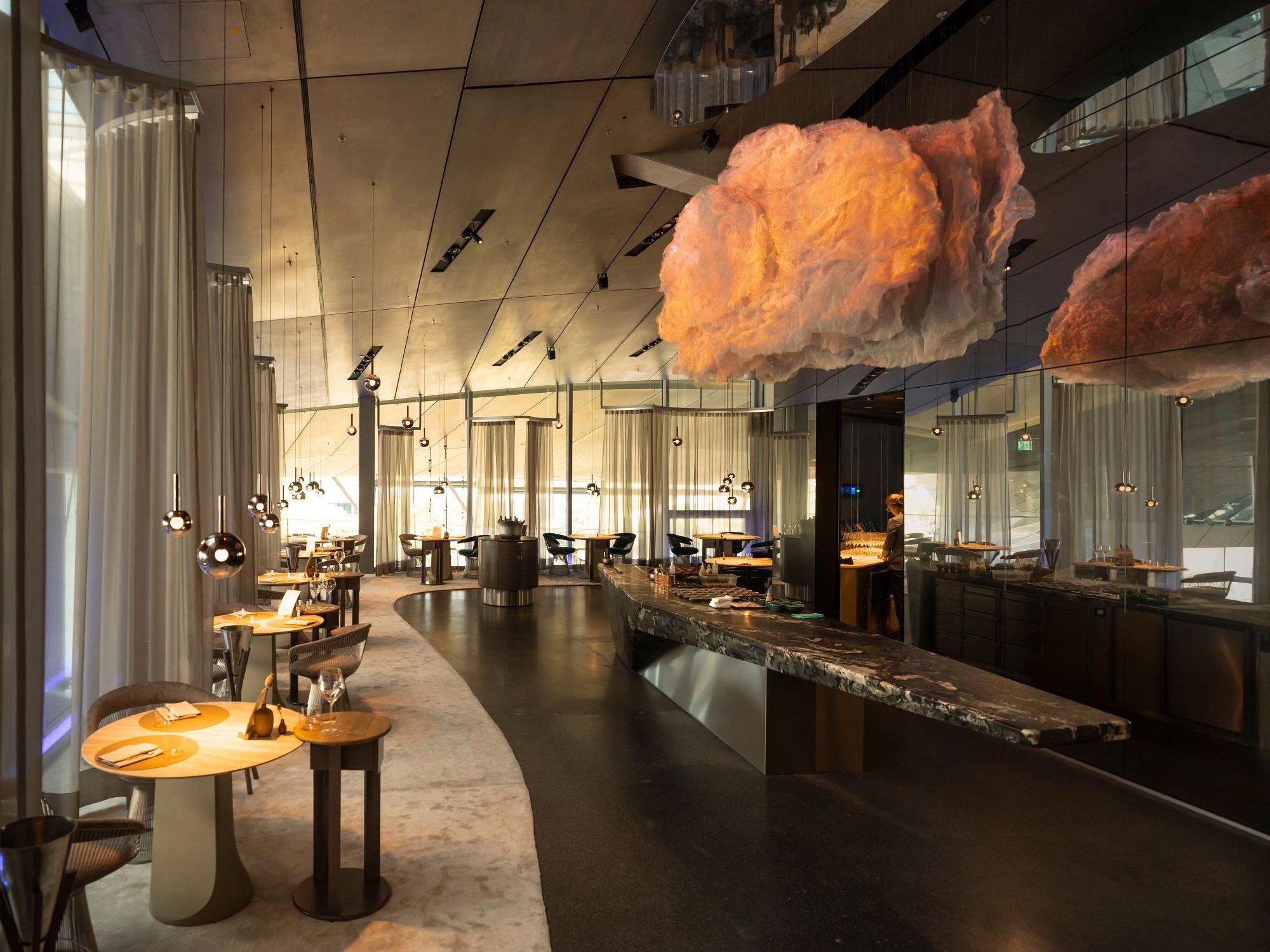
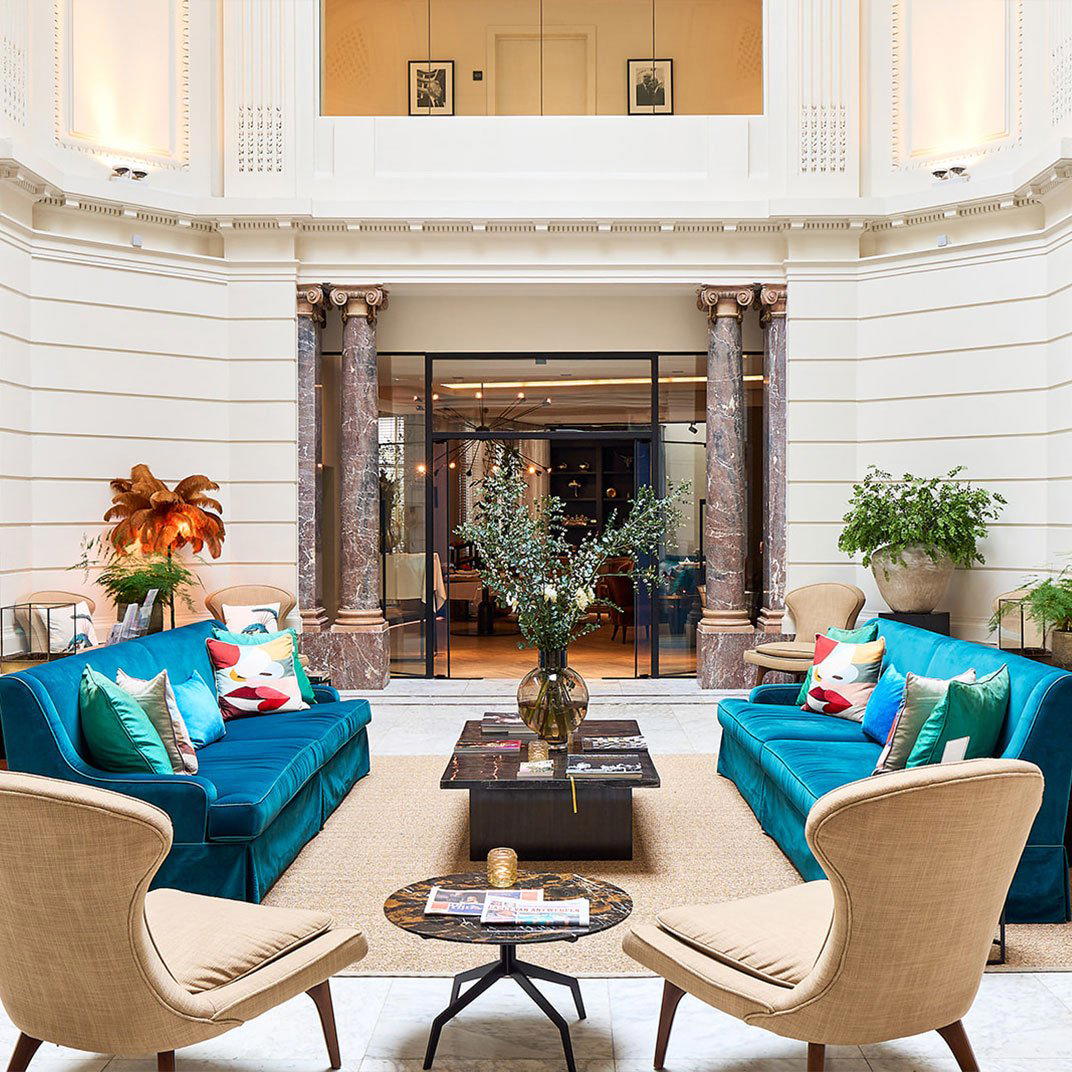
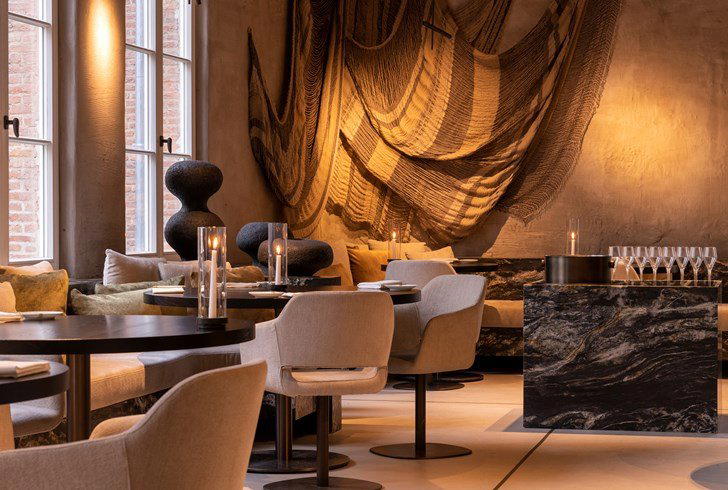
At a Glance
- Cozy
- Elegant
- Classic
- Date Night
- Special Occasion
- Extensive Wine List
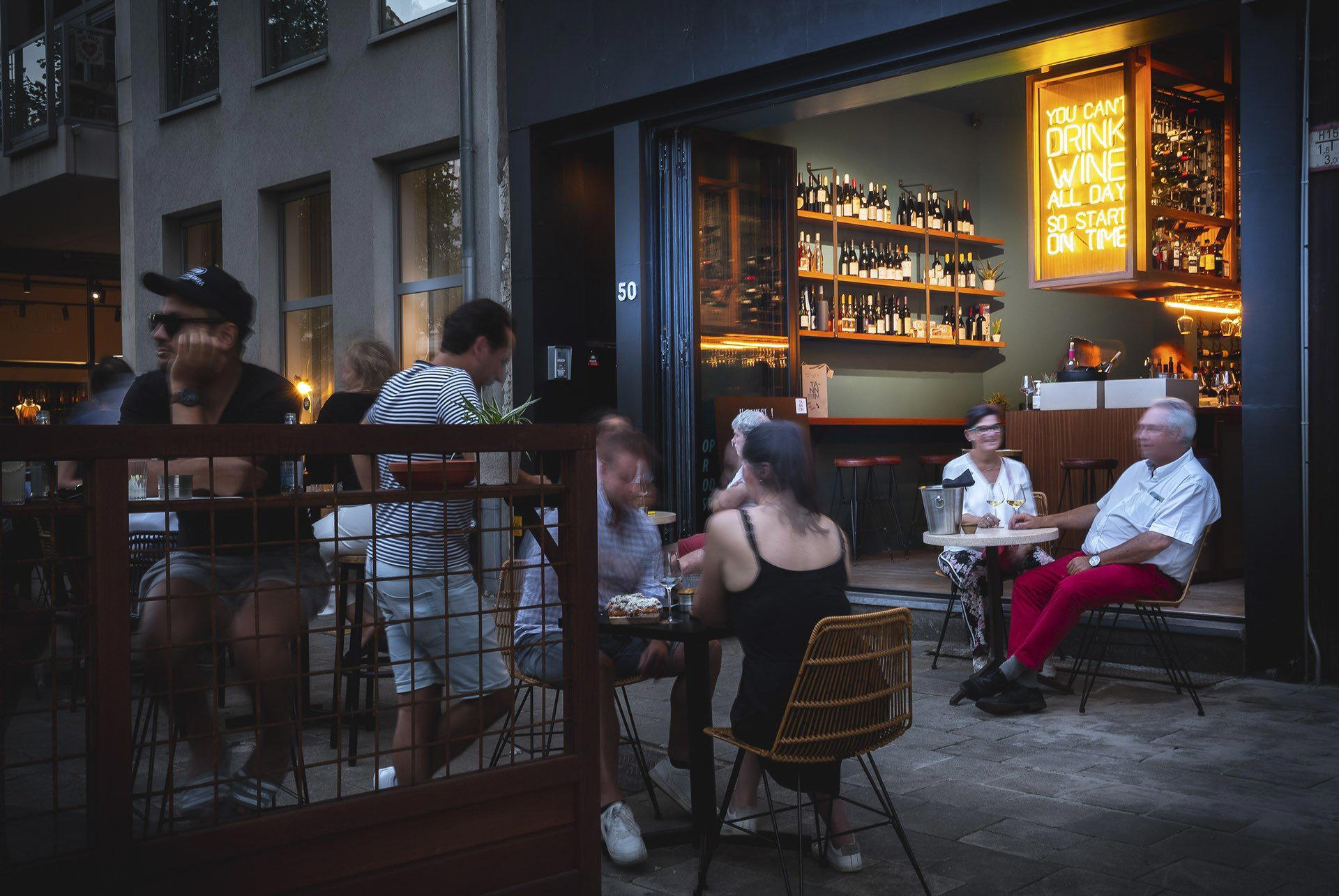
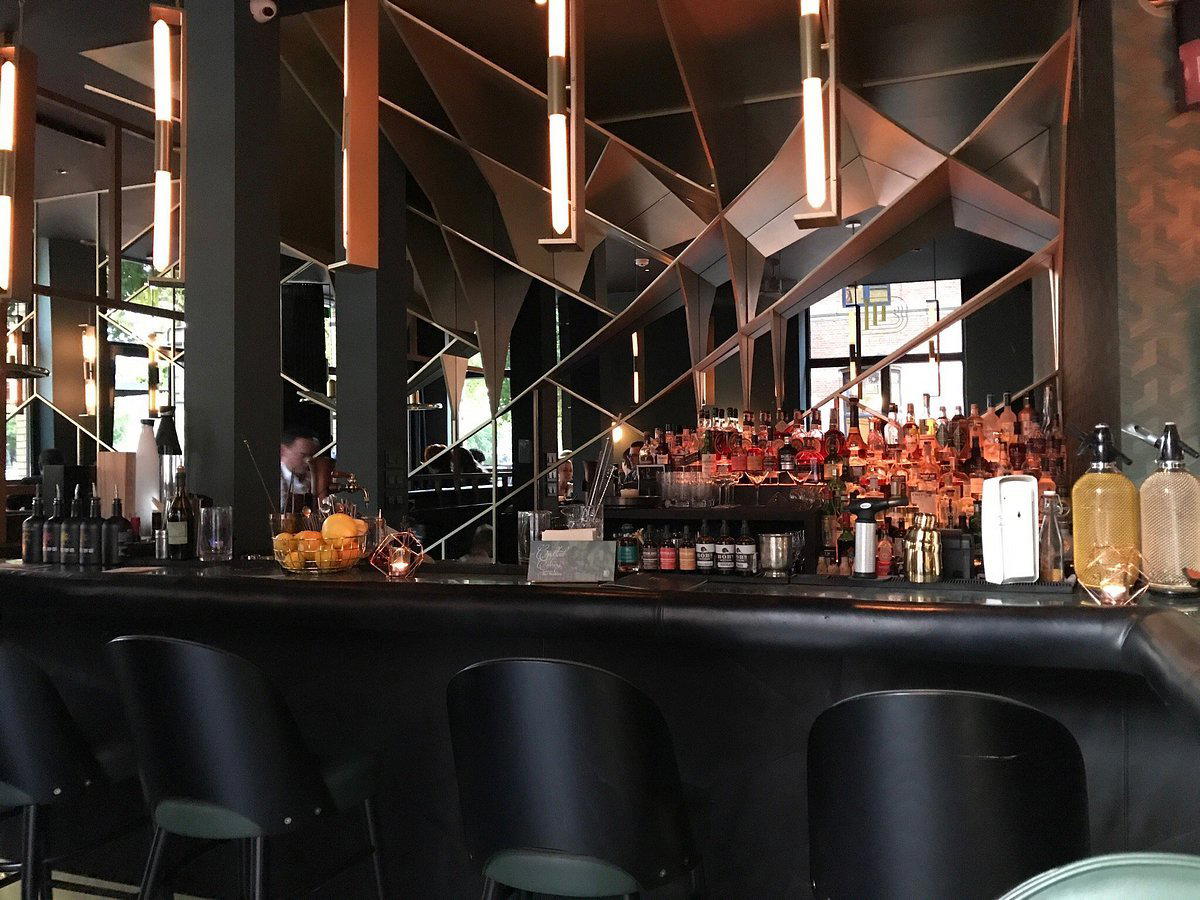
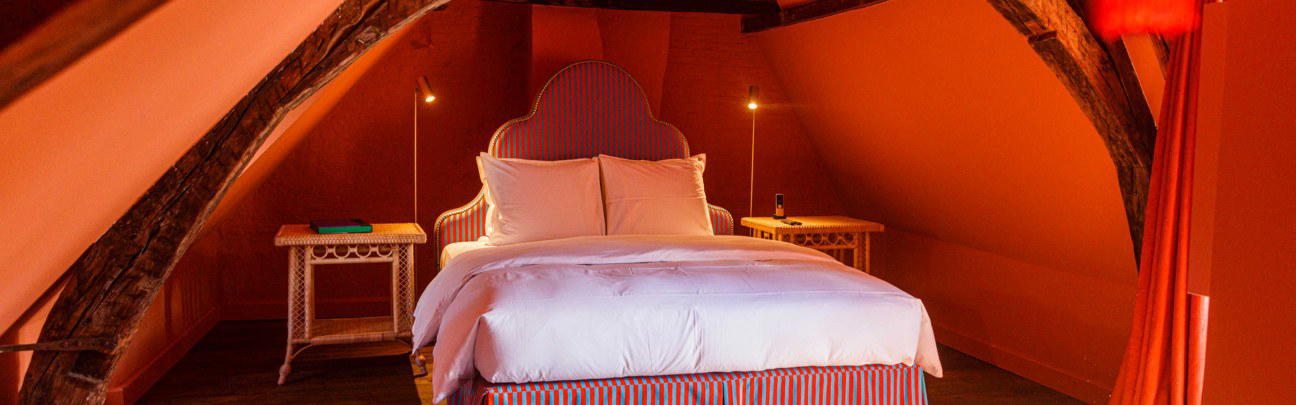
Warm and relaxing atmosphere with fancy decor that makes guests feel at ease.