
Lux on Adriaan Brouwerstraat brings together Mastercook Bert Zaman's vegetable-forward approach to Belgian fine dining, pairing rooted seasonal produce with proteins like lobster, pork, and guinea fowl. The kitchen treats salsify, kohlrabi, and oat root with the same seriousness as the centrepiece proteins, producing compositions built on structural contrast rather than garnish. Currently temporarily closed, Lux holds a particular place in Antwerp's serious dining conversation.
- Address
- Adriaan Brouwerstraat 13, 2000 Antwerpen, Belgium
- Website
- luxantwerp.com
- Directions
- Get directions
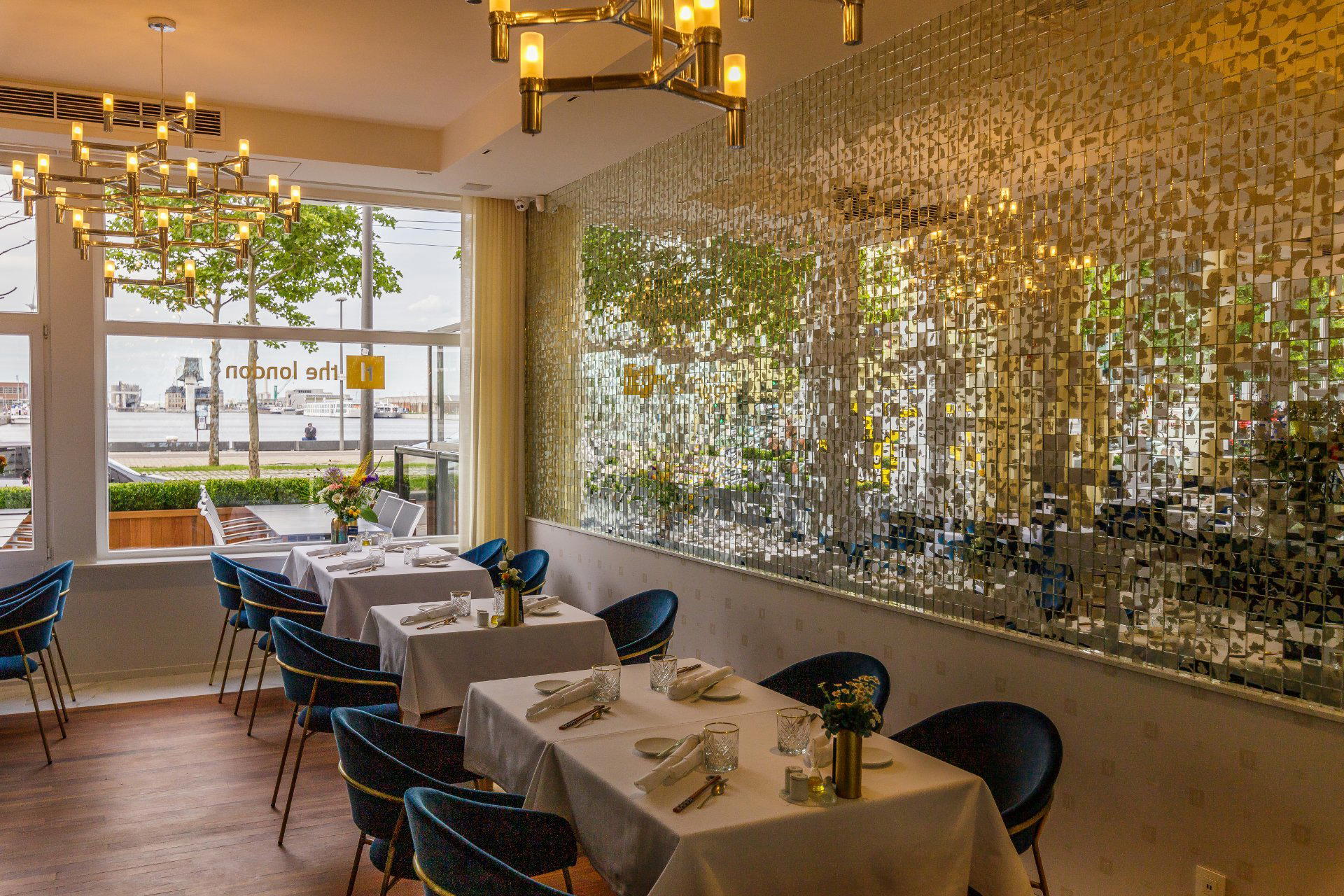
A Street, a Counter, a Set of Priorities
Adriaan Brouwerstraat sits in the older, denser fabric of Antwerp's city centre, a short walk from the cathedral quarter where the city's restaurant scene splits between tourist-facing brasseries and a smaller tier of kitchens that operate almost entirely on reputation and repeat custom. Lux belongs to the latter group. The address is modest; the ambition on the plate is not. That gap between setting and seriousness is itself characteristic of how Belgium's most interesting fine dining tends to work. From Zilte in Antwerp to Hof van Cleve in Kruishoutem, the country has a tradition of placing serious cooking in buildings that announce nothing from the outside.
At the time of writing, Lux is temporarily closed. Readers planning a visit should confirm current status directly before making arrangements. What the closure does not change is the kitchen's documented approach, which offers a useful case study in how a Belgian chef at Mastercook level constructs a menu around vegetables rather than in spite of them.
The Ritual of the Meal: Pacing Built Around the Vegetable
Belgian fine dining at this tier generally follows a tasting format, where the rhythm of the meal is set by the kitchen rather than the diner. That structure matters here because Bert Zaman's vegetable pairings are not incidental. They are compositional. Each course appears to be conceived as a negotiation between texture, bitterness, sweetness, and structure, with the vegetable providing at least one of those registers rather than filling space around the protein.
Consider the logic of a plate that pairs fennel, kohlrabi, and broccoli with both lobster and veal cheek. That combination places two proteins with opposing textures — the firm, sweet resistance of lobster against the long-braised collapse of veal cheek — alongside three vegetables chosen, it seems, to provide a range of crunch, anise fragrance, and mild brassica earthiness. The result is not a protein course with vegetable garnish. It is a course where the vegetables do structural work. This is a meaningful distinction in Belgian fine dining, where the classical tradition has historically placed protein at the centre and treated vegetables as accompaniment.
The salsify and red cabbage pairing with pork follows a different logic. Both vegetables carry strong identity: salsify with its faint oyster mineral note, red cabbage with its density and acid-responsive colour. Pairing them with pork positions the dish in a northern European root-and-brassica register that has a long culinary history in Belgium and the Netherlands. What Zaman appears to be doing is not reinventing that tradition but restating it with more deliberate construction.
Guinea fowl with carrot, oat root, and arugula completes the picture. Oat root, scozonera or a related variety, is a vegetable that Belgian chefs have returned to with some frequency as local sourcing has become a higher priority across the country's fine dining tier. Its mild, starchy character works well against the slight gaminess of guinea fowl, while arugula introduces a bitter, peppery cut that lifts the composition. This is cooking that reads the calendar and responds to it.
Vegetables as Seasonal Architecture
The decision to search for suitable vegetables throughout the year rather than building fixed menus around a protein rotation places Lux in a cohort of Belgian and broader European kitchens that have reordered their sourcing logic. Boury in Roeselare and Willem Hiele in Oudenburg both operate with a similar sensitivity to seasonal availability, and both carry significant recognition as a result. The pattern across Belgian fine dining is clear: kitchens that treat vegetables as primary rather than secondary tend to produce menus that change more often, read more distinctly from month to month, and create a reason for return visits that protein-led menus do not always generate.
That seasonal responsiveness also carries a practical implication for the diner. A meal at Lux in autumn will read differently from one in spring. The oat root and carrot compositions of winter months give way to lighter, more acidic vegetable registers as the year turns. This is not a menu you can fully anticipate before you arrive, which is precisely the point of the format.
Each operates in a distinct register, but taken together they map the range of what serious dining in the city currently offers. Lux sits among these as a kitchen defined by a specific compositional philosophy rather than by format novelty or a particularly high-profile address.
In the wider Belgian context, the country's cooking tradition has produced a number of kitchens that have earned international recognition precisely through this kind of structural seriousness. Bozar Restaurant in Brussels and Bartholomeus in Heist both demonstrate how Belgian fine dining can hold its own in conversations that extend well beyond the country's borders. Internationally, the approach to careful protein-and-vegetable composition at this level has parallels in kitchens like Le Bernardin in New York City, where structural discipline rather than extravagance drives the menu.
Planning a Visit
Lux is located at Adriaan Brouwerstraat 13, 2000 Antwerp. Given the temporary closure, any visit requires confirming current trading status in advance. The address places the restaurant within walking distance of the historic city centre, making it direct to combine with the broader range of what Antwerp offers for serious travellers. For accommodation context, see our full Antwerp hotels guide. For the wider dining picture, our full Antwerp restaurants guide maps the city's current scene by tier and neighbourhood. Those looking to extend their visit across other aspects of the city can also consult our Antwerp bars guide, wineries guide, and experiences guide.
Cuisine and Credentials
| Venue | Cuisine | Awards |
|---|---|---|
| LuxThis venue — the venue you are viewing | Temporarely closed In his search for new flavor combinations and structures, Mastercook Bert Zaman also does not forget the vegetables. He gives salsify and red cabbage with pork; combining fennel, kohlrabi and broccoli with lobster and veal cheek; and guinea fowl, carrot, oat root and arugula. For example, he searches for suitable vegetables throughout the year for his preparations. | This venue |
Recognition history
Dated appearances from independent guides and award organizations, with the underlying list record or original source where available.
We're Smart World 1 Radish
We're Smart World
At a Glance
- Trendy
- Modern
- Lively
- Casual Hangout
- After Work
- Terrace
- Beer Program
- Street Scene
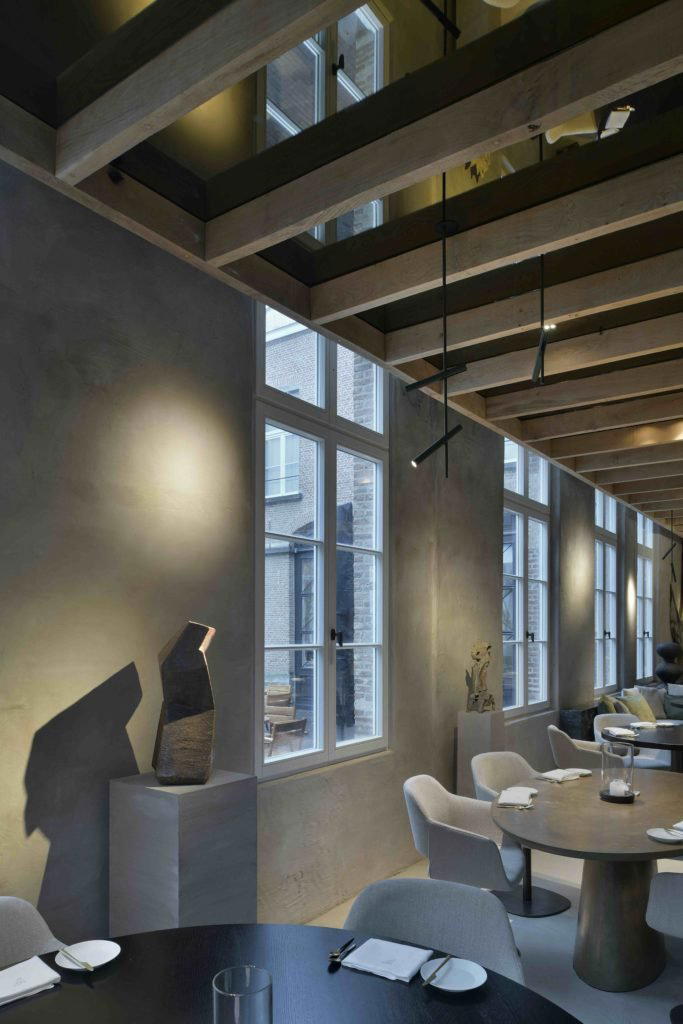
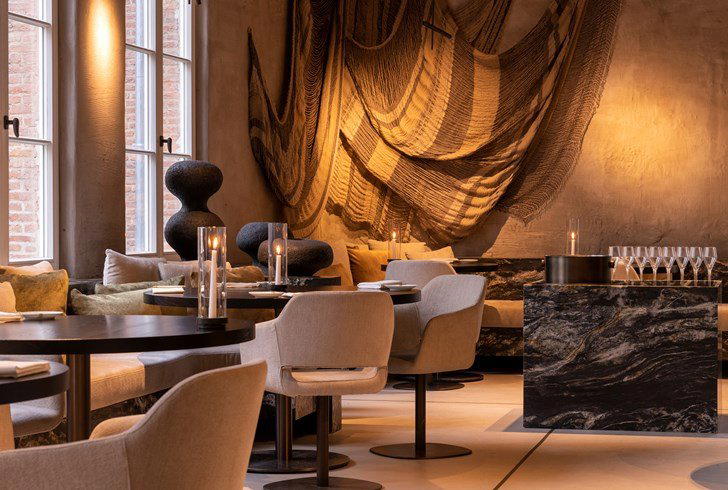
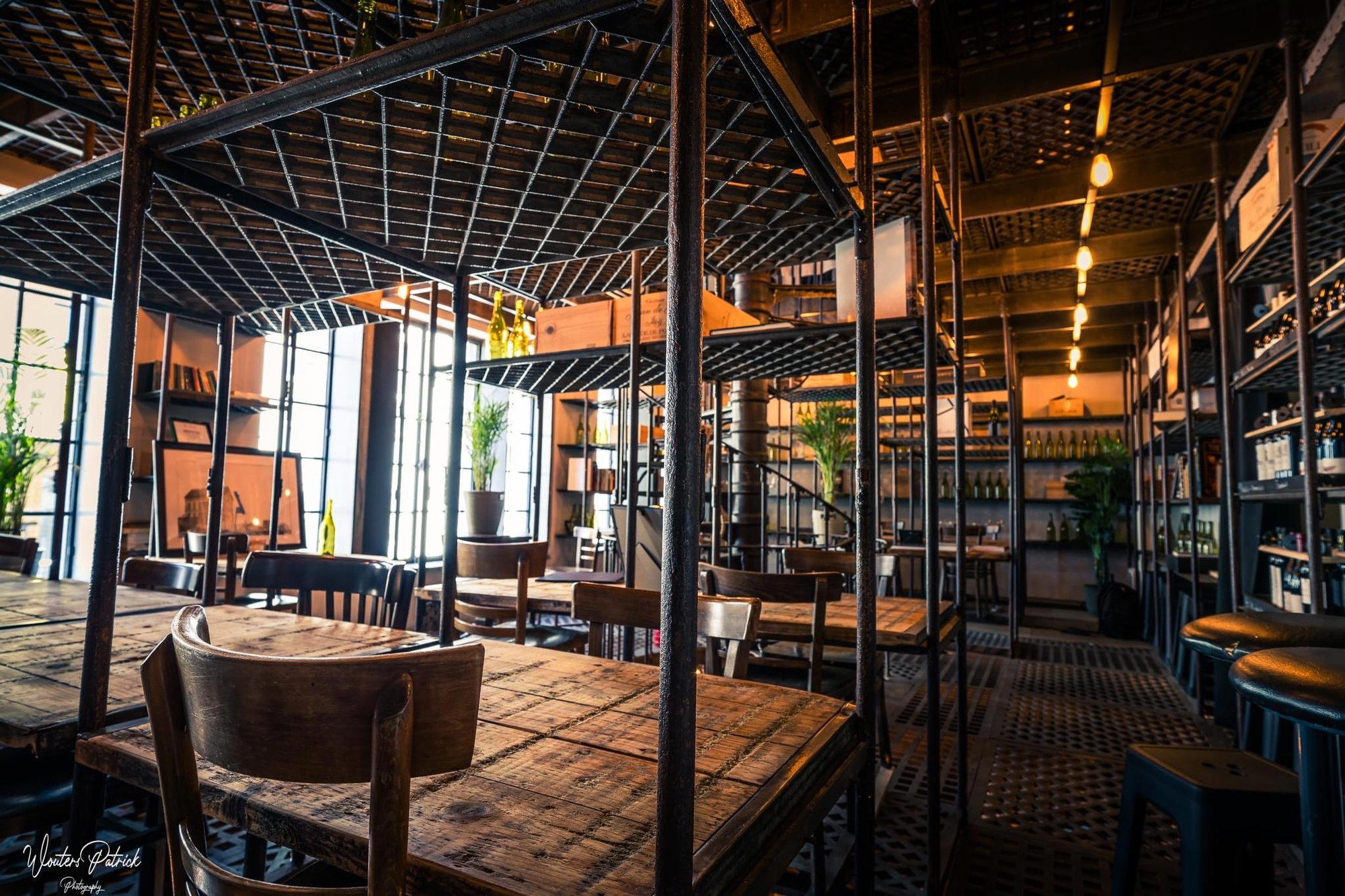
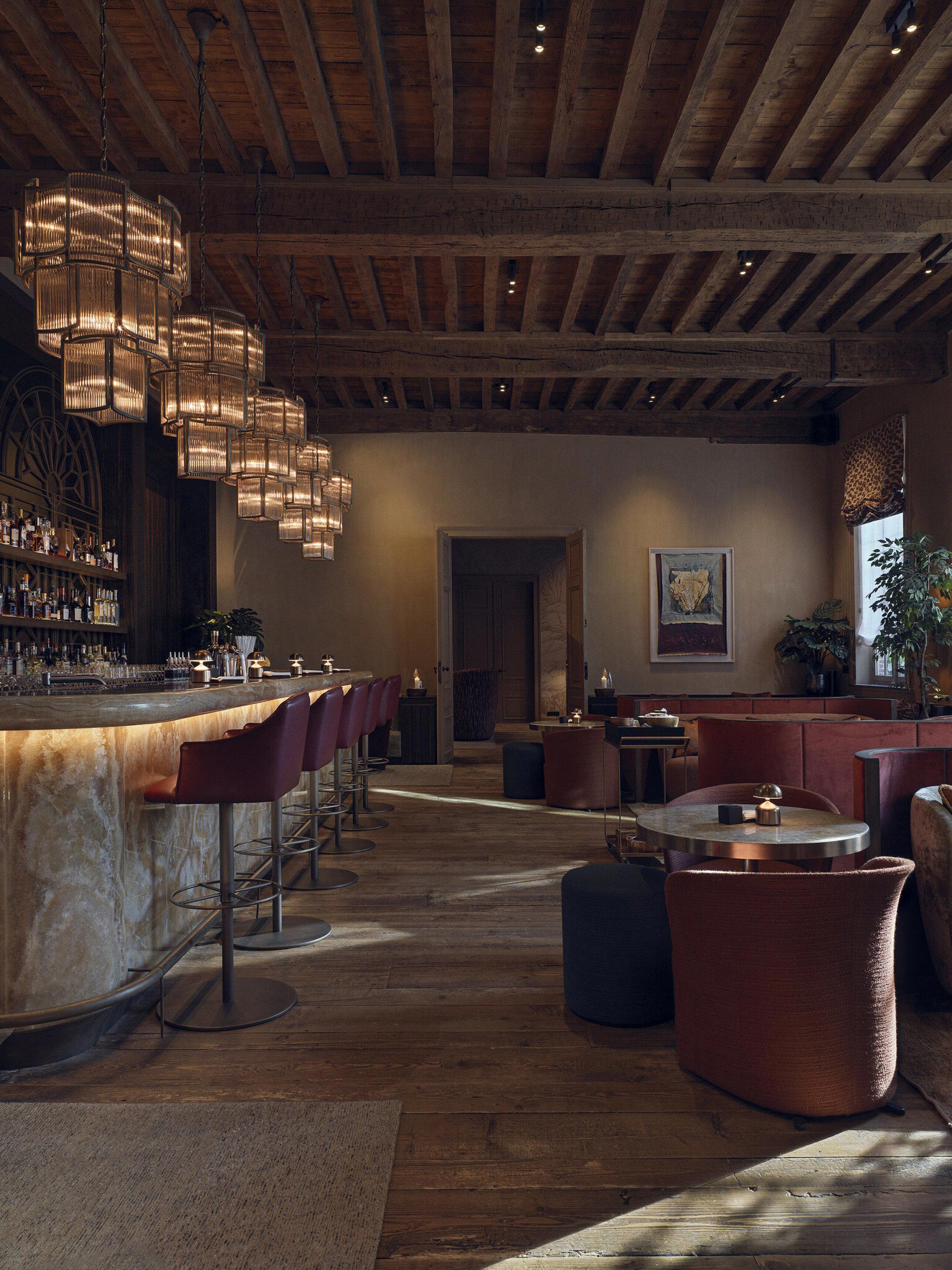
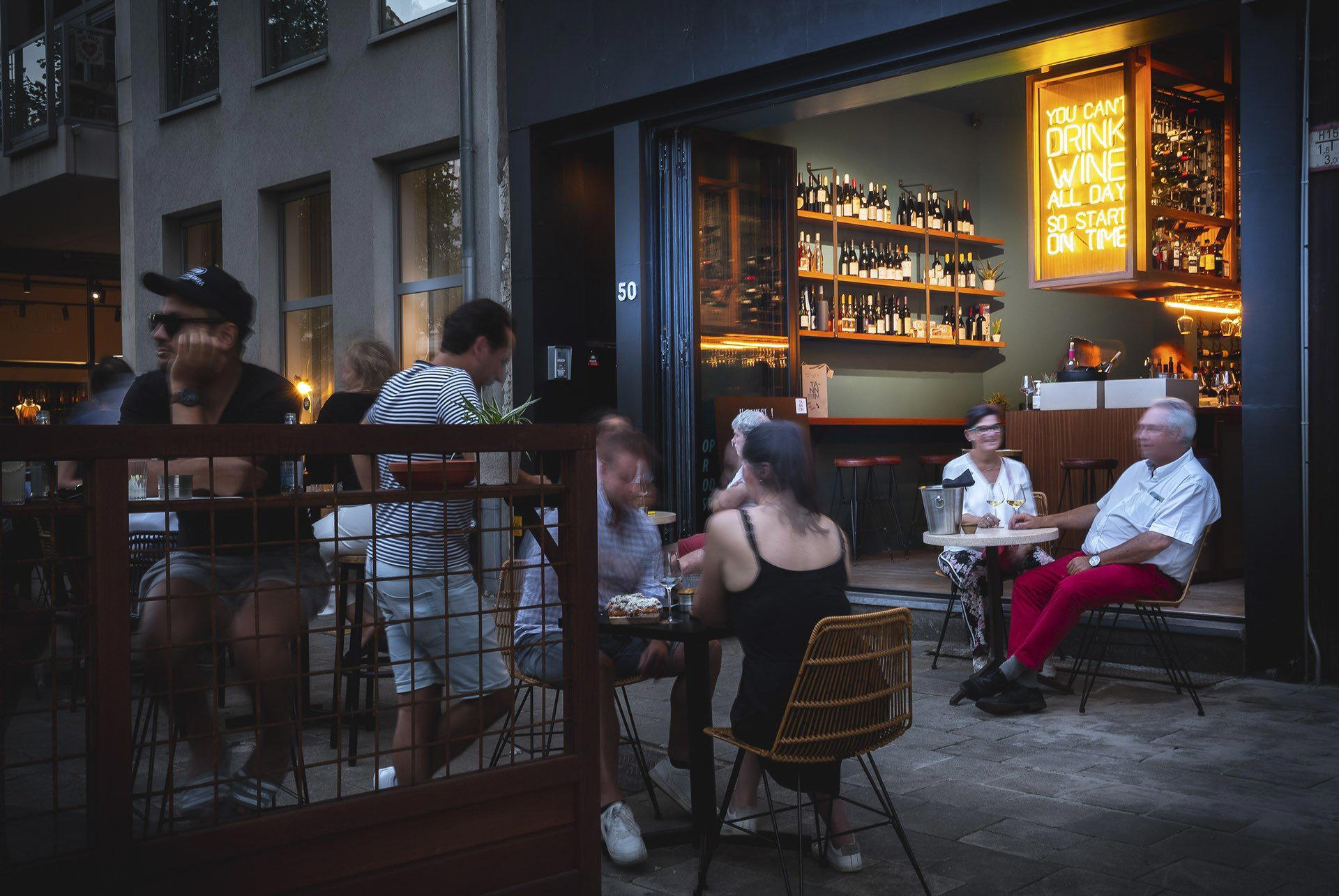
Modern bar with glitzy decor, lively street-side terrace atmosphere.
Know Before You Go
- Getting there
- Adriaan Brouwerstraat 13, 2000 Antwerpen, Belgium