Barbacoa
Barbacoa brings a distinctly Latin-inflected approach to the Belgian table at Dokter Haubenlaan 69 in Maasmechelen, a town better known for its designer outlet than its restaurant scene. The name alone signals a cuisine built around fire, smoke, and slow-cooked tradition. For the Limburg province, that kind of culinary specificity is genuinely uncommon.
Pearl is the En Primeur Club membership app — saves, bookings, and concierge access live there. Same editors, same standards.
- Address
- Dokter Haubenlaan 69, 3630 Maasmechelen, Belgium
- Phone
- +3289790282
- Website
- barbacoamaasmechelen.be
- Directions
- Get directions
 Saves & bookings on Pearl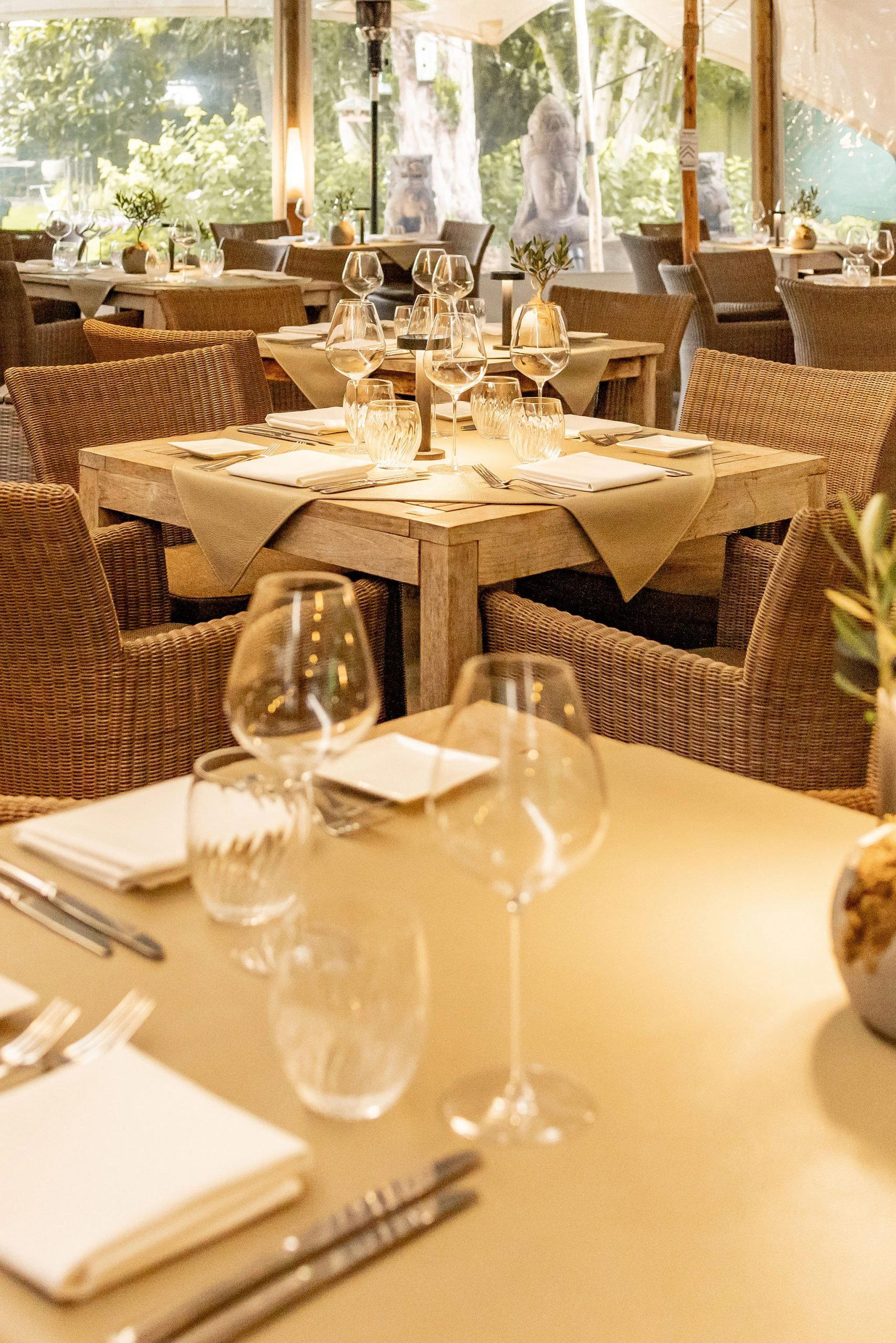
Fire and Slow Cook in the Belgian Lowlands
Maasmechelen sits in the eastern finger of the Belgian province of Limburg, pressed against the Dutch border along the Meuse river plain. The town draws most of its visitors to its designer outlet complex rather than its dining rooms, which makes any restaurant that builds a reputation here on culinary specificity rather than footfall worth paying attention to. In this context, Barbacoa, addressed at Dokter Haubenlaan 69, occupies an unusual position: a name that references one of the oldest cooking traditions in the Americas, planted in a Flemish commuter town.
The word barbacoa itself traces back to the Taino people of the Caribbean, describing a method of slow-cooking meat over fire or in earthen pits. Spanish colonisers carried the technique across the Americas, where it evolved into regional variations, from the consommé-drenched lamb barbacoa of Hidalgo, Mexico, to the beef-cheek preparations common in the Texas border region. By the time the word migrated into international restaurant culture, it carried weight: smoke, patience, and a particular understanding of what heat does to tough cuts over long hours. A restaurant in Belgium choosing that name is making a declaration about where its cooking sits in relation to that tradition.
What the Name Implies About the Cooking
Belgian dining has historically organised itself around French classical technique and the raw material quality of the North Sea coast and Ardennes hinterland. The rise of Latin American reference points in Belgian restaurant culture is a more recent phenomenon, and it has taken different forms in different cities. In Brussels and Antwerp, it has tended toward high-concept interpretations; in smaller provincial towns, it more often means a grilled-meat format with Latin American flavouring rather than structural technique.
Slow-cook traditions matter in this part of Europe because they run counter to the dominant short-order and brasserie culture that defines much of Flemish casual dining. A restaurant built around extended cook times, wood or charcoal heat, and cuts that reward patience is operating on a different schedule from most of its neighbours. That discipline, when executed consistently, tends to build a specific kind of repeat clientele: people who understand the difference between a braised short rib and a grilled one, and who are willing to plan a meal around it.
Maasmechelen's Restaurant Scene and Where Barbacoa Fits
The Maasmechelen dining scene is smaller and more locally oriented than what you find across the Belgian restaurant circuit in cities like Ghent or Antwerp. Limburg province has produced credible fine dining in pockets, and the cross-border influence from the Dutch south adds a layer of culinary curiosity to the local appetite. Within Maasmechelen itself, the dining options include Da Lidia and Osteria Luca, both representing the Italian strand that runs through Belgian provincial dining, alongside De Heerlyckheyt and Leonardo, which occupy different registers of the local market. B-art Chocolates represents a specialist confectionery offer rather than a full restaurant experience.
Against that backdrop, a concept built around Latin American fire-cooking is a genuine departure. It sits closer in spirit to what venues like Cuchara in Lommel, roughly 40 kilometres northwest, have been doing with Latin American technique in Limburg, and further afield to Ralf Berendsen in Neerharen, where the emphasis on product and precision in a provincial setting demonstrates what ambition outside a major city can look like.
For context on what Belgian fine dining looks like at its highest register, venues such as Hof van Cleve in Kruishoutem, Boury in Roeselare, Zilte in Antwerp, Vrijmoed in Gent, and Willem Hiele in Oudenburg represent the benchmark. Barbacoa operates in a different register entirely, but the existence of that ecosystem matters: Belgian diners who follow serious cooking are not an unsophisticated audience, and a concept that holds their attention in a provincial market is doing something right.
The Cultural Weight of Fire Cooking
Internationally, the conversation around open-fire and live-fire cooking has been significant for more than a decade, driven partly by South American restaurants and partly by a broader reassessment of what technique means in serious cooking. Venues like Lazy Bear in San Francisco have built reputations around communal, fire-adjacent formats that sit outside the classical European service model. At the other end of the formality spectrum, places like Le Bernardin in New York City demonstrate how much a kitchen can achieve through absolute command of a single protein type and technique set. Barbacoa, by aligning itself with a specific traditional cooking method rather than a general Latin American identity, is making a similar kind of argument about focus.
That argument is harder to sustain in a market where the reference points are less established. Belgian diners in Limburg are not comparing a slow-cooked lamb barbacoa to versions they have eaten in Mexico City or San Antonio. The restaurant is, in effect, writing the local vocabulary for this kind of cooking as it goes. That can be a commercial advantage or a burden, depending on how consistently the kitchen executes. For the broader picture of Belgian dining beyond Maasmechelen, the full Maasmechelen restaurants guide and comparative reference points like Bozar Restaurant in Brussels, d'Eugénie à Emilie in Baudour, and La Durée in Izegem give a sense of how diverse and geographically spread Belgian serious dining has become.
Planning a Visit
Barbacoa is located at Dokter Haubenlaan 69, 3630 Maasmechelen, accessible by car from both the Hasselt and Genk directions along the E314 corridor, and within reasonable reach of the Dutch border crossings for visitors coming from Maastricht. Given the limited public record, checking current opening hours, booking availability, and pricing directly before visiting is advisable. As with any independent restaurant operating in a provincial market, conditions can change across seasons.
How Barbacoa Maasmechelen compares with similar nearby venues.
| Venue | Cuisine | Price |
|---|---|---|
| La Strada | Italian | €€€ |
| Osteria Cellini | Italian | €€ |
Continue exploring
More in Maasmechelen
Restaurants in Maasmechelen
Browse all →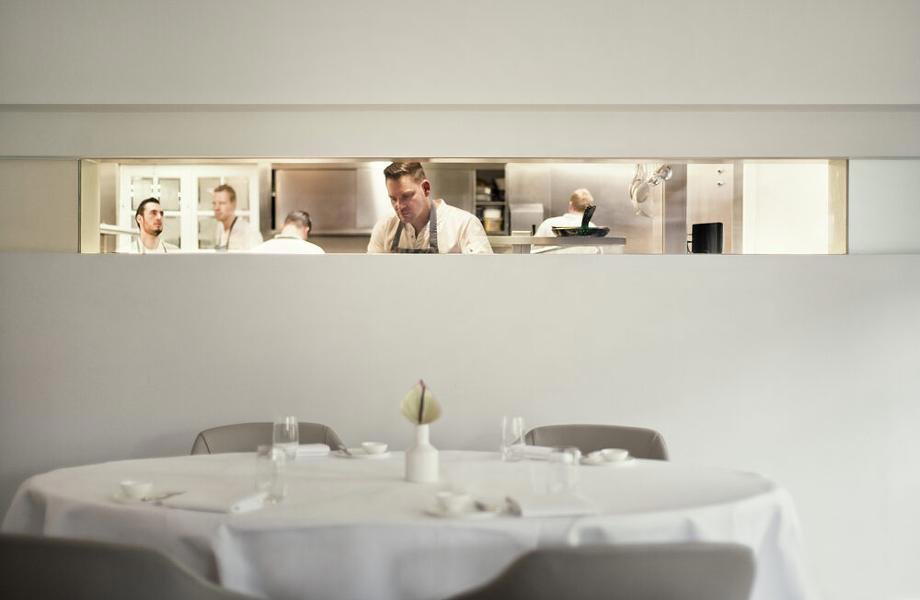
Bars in Maasmechelen
Browse all →
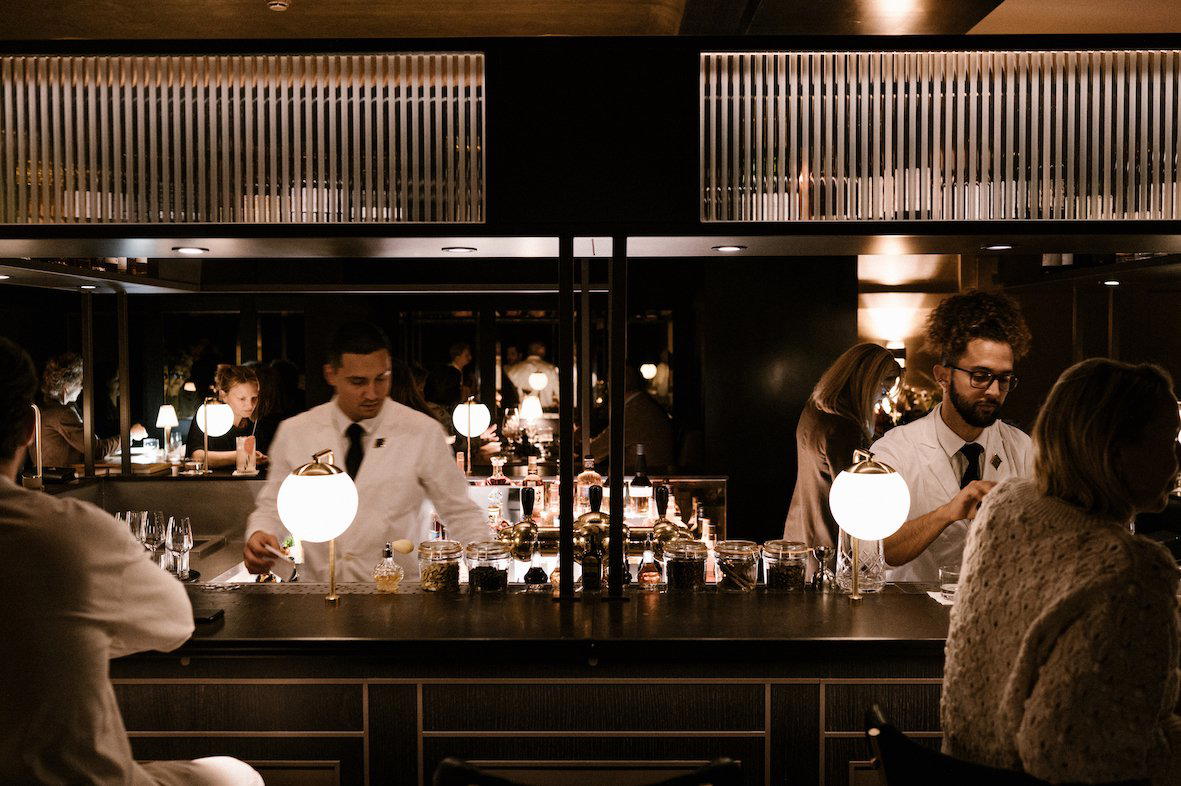
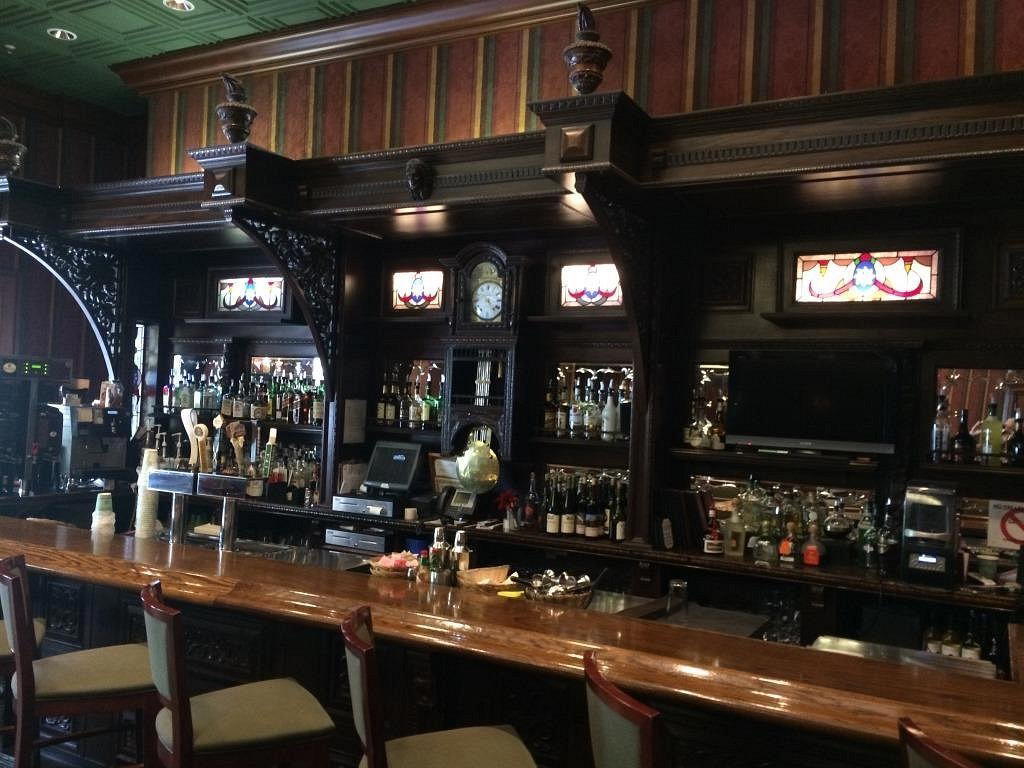
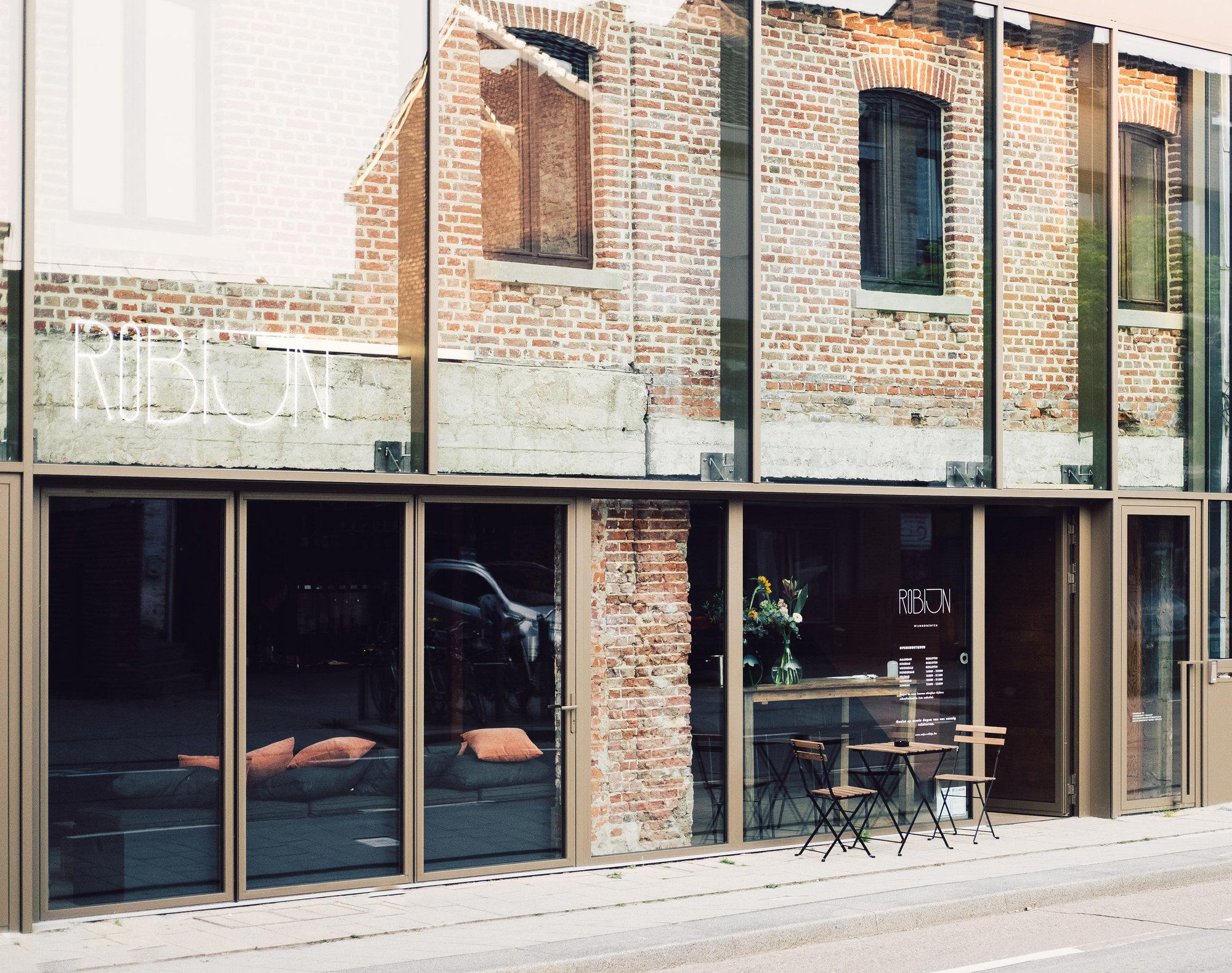
Hotels in Maasmechelen
Browse all →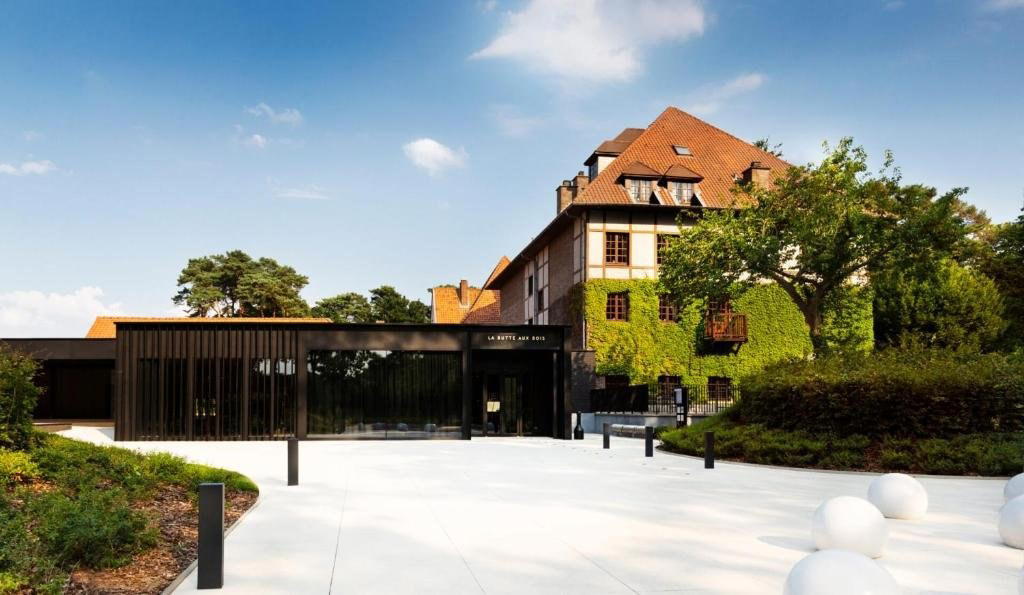
Wineries in Maasmechelen
Browse all →
At a Glance
- Trendy
- Modern
- Cozy
- Group Dining
- Casual Hangout
- Open Kitchen
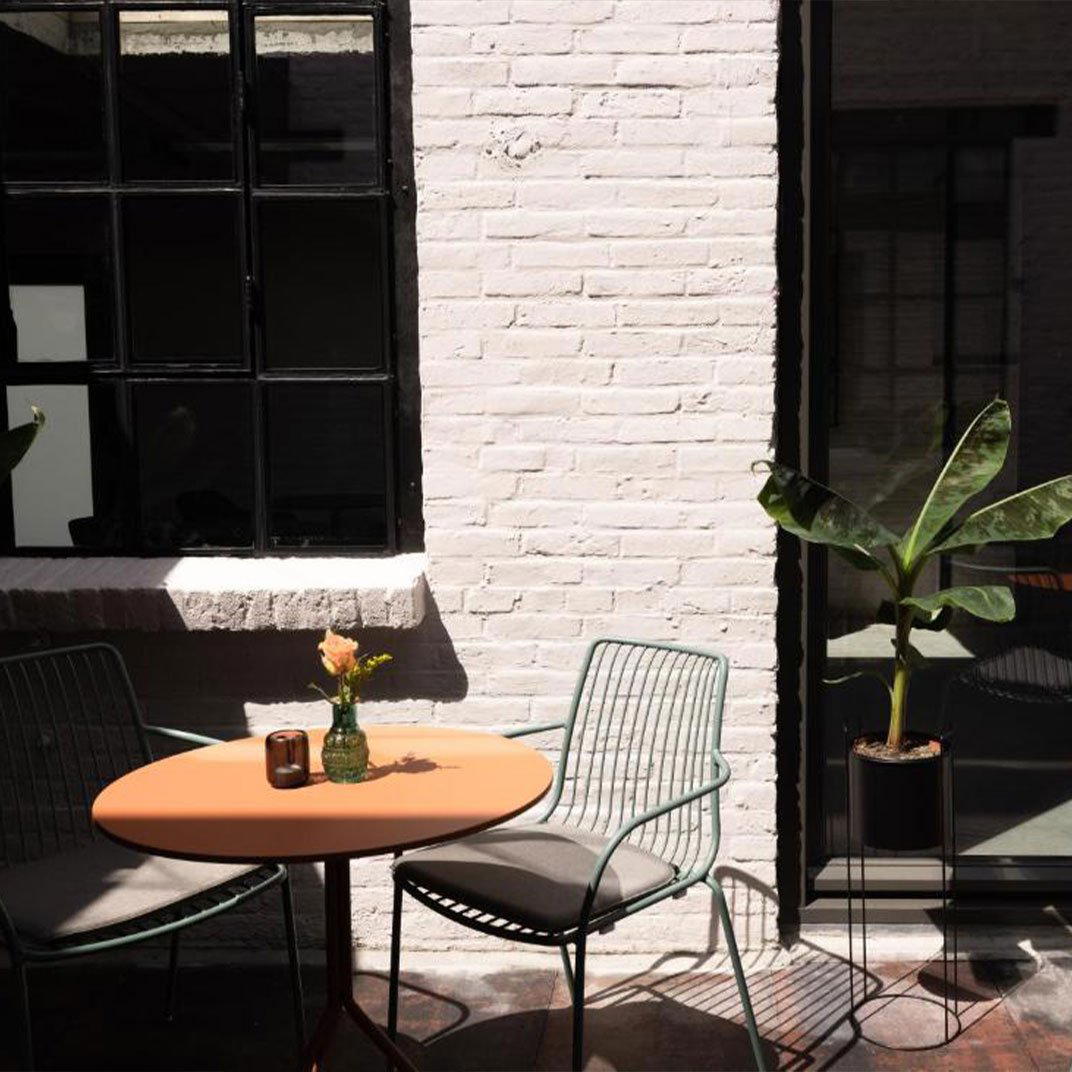
- Terrace
- Extensive Wine List
- Local Sourcing
- Garden
Current opening hours
- Monday
- Closed
- Tuesday
- Closed
- Wednesday
- Closed
- Thursday
- 6–9 PM
- Friday
- 6–9 PM
- Saturday
- 6–9 PM
- Sunday
- 12–2 PM, 6–9 PM
Hours can change for holidays and private events. Last verified .
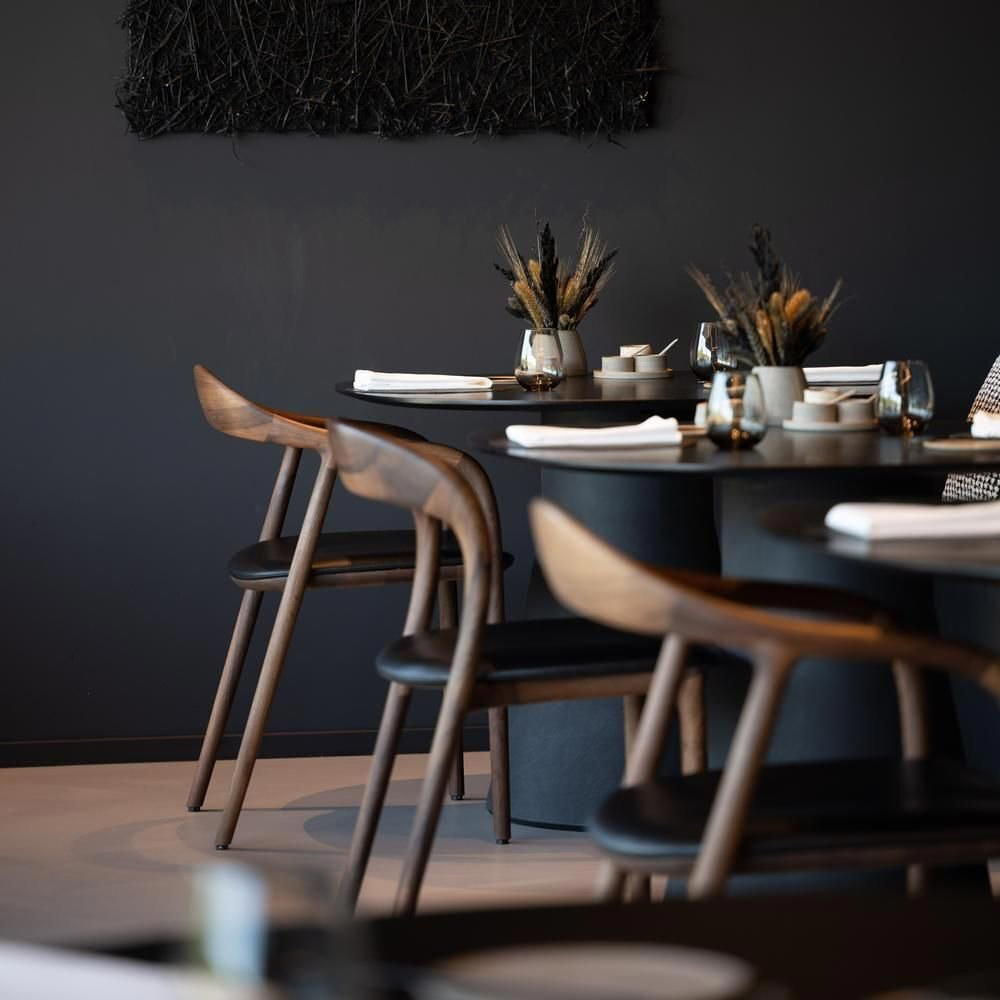
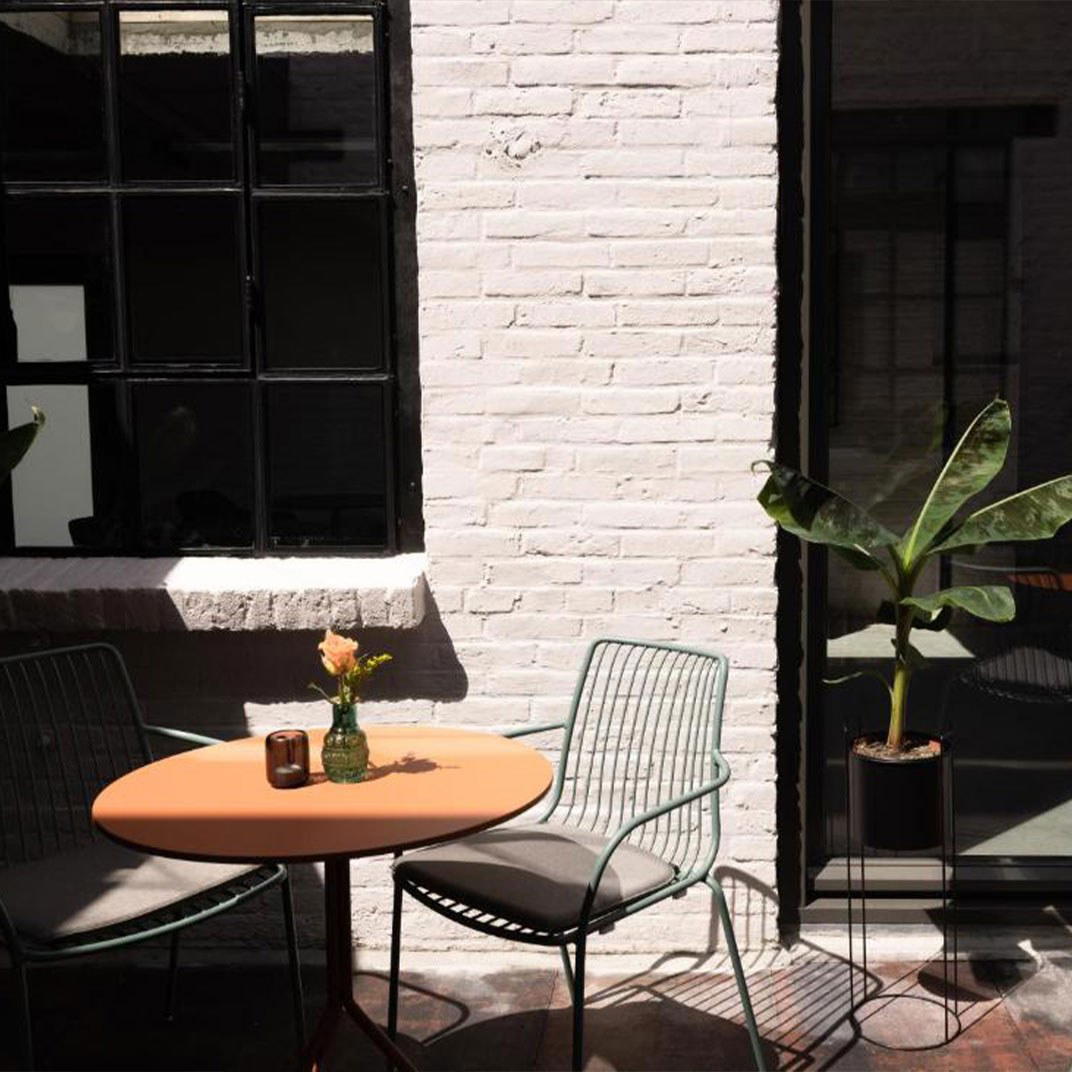
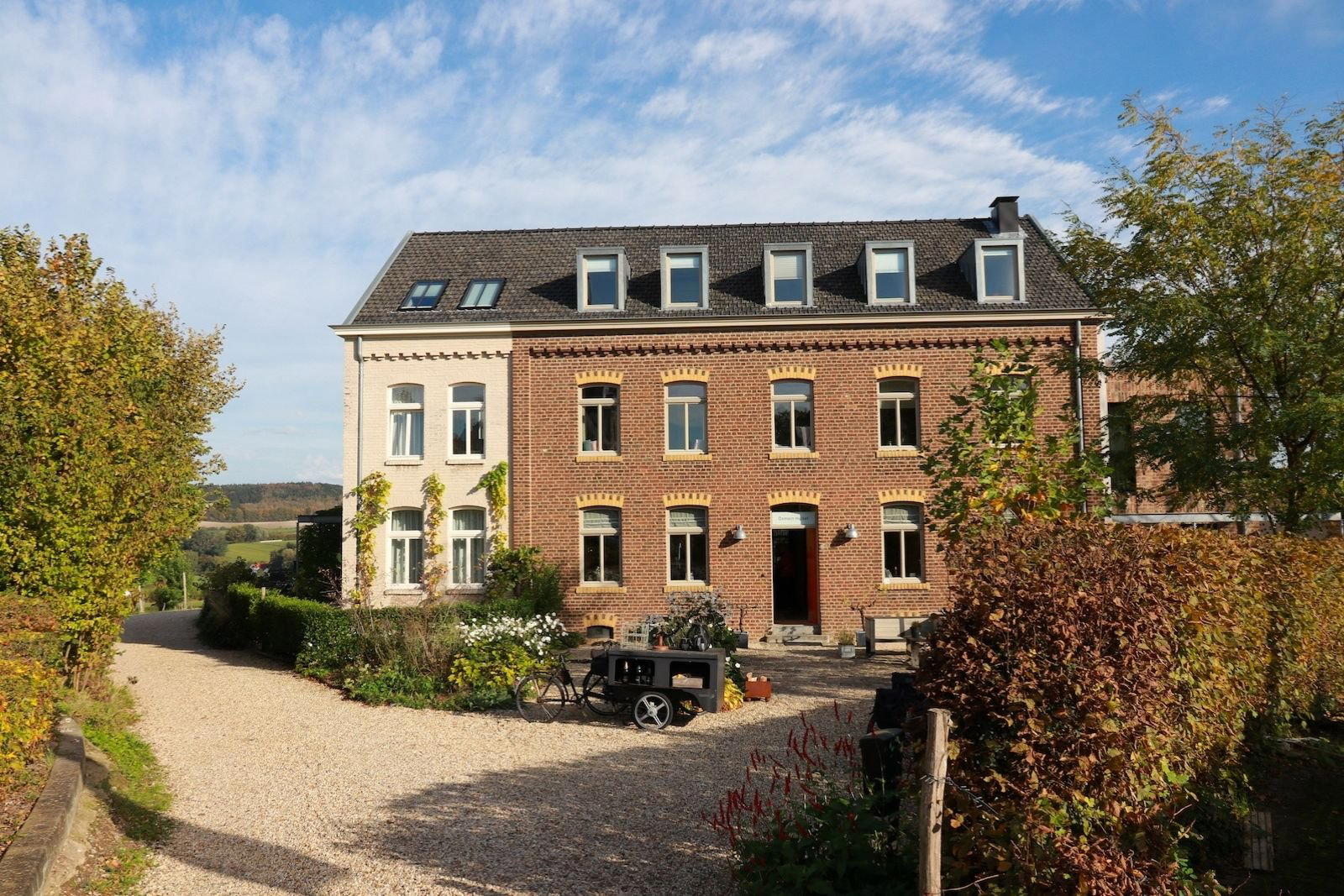
Sfeervol modern interieur with atmospheric decor and a covered terrace in green surroundings.
Know Before You Go
- Getting there
- Dokter Haubenlaan 69, 3630 Maasmechelen, Belgium