De Houtloods
De Houtloods occupies a converted industrial space on Burgemeester Brokxlaan in Tilburg, placing it within the city's growing cluster of destination dining rooms that have taken root in repurposed architecture. The address positions it away from the historic centre, consistent with a broader Dutch trend of serious kitchens choosing character-rich spaces over prime retail streets. Verify current hours and booking directly before visiting.
Pearl is the En Primeur Club membership app — saves, bookings, and concierge access live there. Same editors, same standards.
- Address
- Burgemeester Brokxlaan 1041, 5041 RP Tilburg, Netherlands
- Phone
- +31138509200
- Website
- houtloods.com
- Directions
- Get directions
 Saves & bookings on Pearl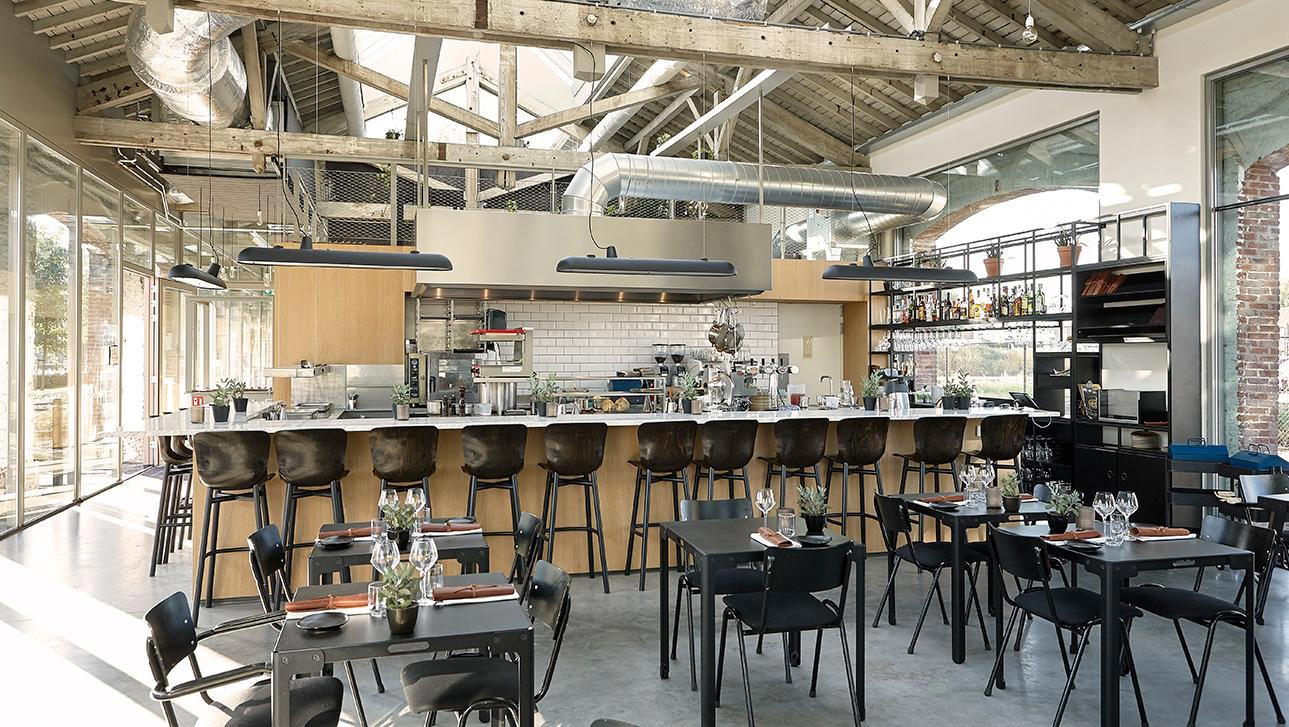
Industrial Tilburg and the Case for Eating Away from the Centre
Tilburg has spent the better part of a decade repositioning itself as a credible dining destination within Noord-Brabant, a province that already houses De Lindehof in Nuenen and sits within reach of the Michelin-mapped kitchens of the broader Dutch south. The city's restaurant scene has developed in two directions simultaneously: a concentration of mid-market plates around the historic centre, and a looser scattering of more ambitious rooms in repurposed industrial and commercial buildings on its outskirts. De Houtloods belongs to the second current. De Houtloods belongs to the second current. Its address on Burgemeester Brokxlaan places it in a part of the city defined less by footfall than by deliberate arrival, the kind of location that filters out casual passersby and draws guests who have already made a decision.
This geography is not incidental to Dutch dining culture. The Netherlands has a long tradition of serious cooking appearing in unexpected settings, from converted farmhouses in Staphorst, where De Groene Lantaarn operates, to the waterside rooms of De Lindenhof in Giethoorn. A destination address, in the Dutch context, is often a signal rather than a liability. It suggests that the kitchen believes the food is reason enough.
The Houtloods Setting: Converted Timber and the Architecture of Occasion
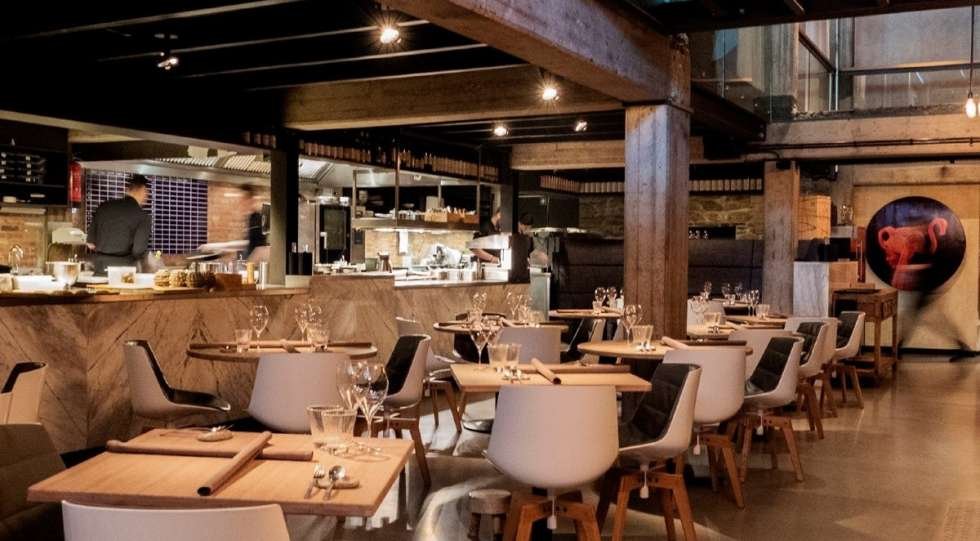
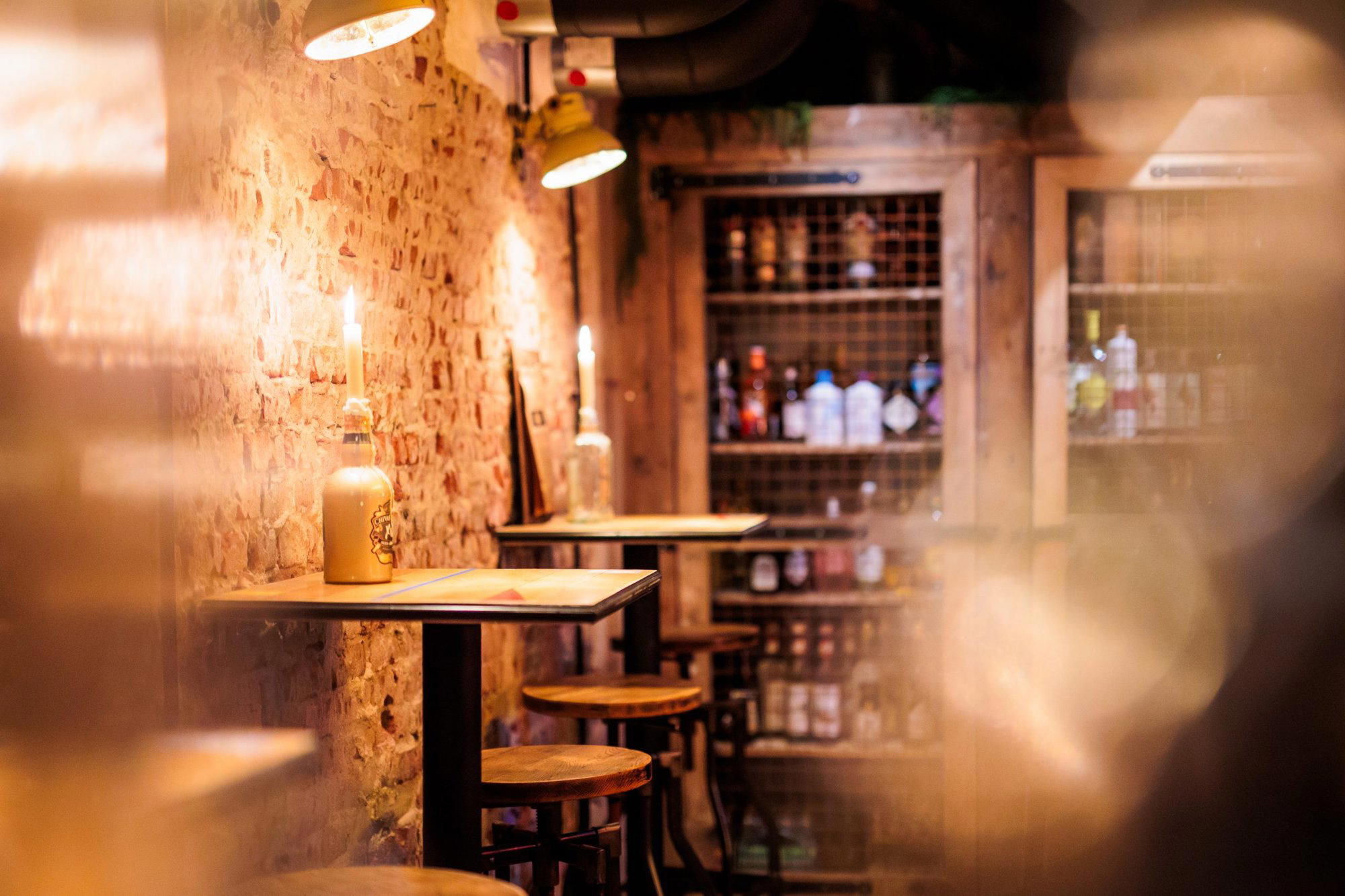
The name itself carries architectural information. Houtloods translates directly as timber shed or wood store, pointing to an industrial past that the space either preserves or references. Across the Netherlands and Belgium, this category of conversion, former warehouses, factory floors, and storage facilities repurposed as dining rooms, has become one of the dominant formats for ambitious mid-range and premium restaurants over the past fifteen years. The aesthetic tends toward high ceilings, exposed structural elements, and materials that resist the softening that hotel dining rooms default to. At its leading, the format creates a particular kind of atmosphere: spacious without being cold, casual in posture but serious in intent.
Within Tilburg specifically, this positions De Houtloods in a different register from the more formal table-and-tablecloth dining of Monarh, which operates at the €€€€ tier with a creative tasting format, and from the neighbourhood brasserie feel of Brasserij Kok Verhoeven, which anchors the seafood end of the market. The converted-industrial format occupies a middle space, where the room signals ambition without signalling ceremony.
Noord-Brabant's Culinary Position and What It Means for a Kitchen Here
Noord-Brabant operates as one of the more productive culinary provinces in the Netherlands. The region's agricultural output, including dairy, pork, and vegetables from the Peel and Meierij areas, has historically fed both domestic tables and professional kitchens. That proximity to primary produce matters at the restaurant level. Kitchens in the province that choose to work with regional suppliers are not working against the grain of what Dutch cooking can do; they are drawing on a supply chain that has sustained serious cooking here for generations.
The broader Dutch fine dining circuit, which runs from Ciel Bleu in Amsterdam through Aan de Poel in Amstelveen to De Librije in Zwolle and the Limburg kitchens like Brut172 in Reijmerstok, has increasingly moved toward ingredient-led menus that reflect specific geography rather than generic European technique. Rooms like De Nieuwe Winkel in Nijmegen have pushed that further into plant-forward territory. The restaurant sits in a province where those conversations are active, and where a kitchen that takes its sourcing seriously has the raw material to make that count.
Where De Houtloods Sits in Tilburg's Dining Spread
Tilburg's restaurant range runs from the regional cuisine positioning of Hofstede de Blaak at the €€ tier through to the fermentation-focused approach at GIST and the more casual, market-style format of Gourmet Market Central Station. Each represents a distinct strand of how the city's eating culture has developed: some rooted in local agricultural identity, others tracking international technique, a few operating in formats that prioritise access and volume over occasion dining.
The restaurant, given its address and the specificity implied by its name and setting, occupies the occasion-dining segment without the formality that the city's leading creative table, Monarh, requires. That is a viable and increasingly popular position in mid-sized Dutch cities, where diners want a room that feels considered and food that reflects kitchen investment, but where the full tasting-menu ritual feels disproportionate for a midweek dinner.
For visitors arriving from outside Tilburg and looking to map the city against the wider Dutch dining circuit, the reference points worth knowing are the seafood-led rooms of the coast, the Michelin-tracked kitchens of Brabant's smaller towns, and the Amsterdam tier represented by rooms like Le Bernardin's equivalent in ambition or the Korean-inflected precision of Atomix in New York, which illustrate how far the international benchmark has moved. Against that backdrop, a well-executed regional kitchen in a converted industrial space in Tilburg is not a consolation option; it is a specific and increasingly respected format.
Planning Your Visit
The restaurant is located at Burgemeester Brokxlaan 1041, 5041 RP Tilburg. The address sits outside the immediate centre, which means arriving by car or arranging transport in advance is the practical approach rather than walking from the main station. Opening hours are Tuesday to Thursday from 5:30 to 11 PM, Friday and Saturday from 5:30 PM to midnight, with Monday and Sunday closed. Reservations are recommended. The converted-industrial format at this kind of address tends to attract groups and celebratory bookings alongside couples, so reservations are recommended. Confirming availability early is sensible.
Cost Snapshot
Comparable venues nearby, for context on price, style, and recognition.
| Venue | Cuisine | Price | Notes |
|---|---|---|---|
| De HoutloodsThis venue — the venue you are viewing | Spoorzone, Modern Seasonal Dutch | $$$ | Not listed |
| Waanzinnig | Not listed | $$ | Centrum, Vegetarian European with Dutch influences |
| KRAS2 Broodjeszaak | Centrum, Dutch Deli Sandwiches | $ | Not listed |
| Gourmet Market Central Station | Not listed | $$ | Spoorzone, International Street Food Market |
| Kok Verhoeven | Besterd, Modern Seafood Fine Dining | $$$ | Not listed |
| Rijslust pizzabar | Centrum, Modern Italian Pizza Bar | $$ | Not listed |
At a Glance
- Industrial
- Modern
- Sophisticated
- Trendy
- Date Night
- Special Occasion
- Group Dining
- Open Kitchen
- Historic Building
- Design Destination
- Chefs Counter
- Beer Program
- Local Sourcing
Current opening hours
- Monday
- Closed
- Tuesday
- 5:30–11 PM
- Wednesday
- 5:30–11 PM
- Thursday
- 5:30–11 PM
- Friday
- 5:30 PM–12 AM
- Saturday
- 5:30 PM–12 AM
- Sunday
- Closed
Hours can change for holidays and private events. Last verified .
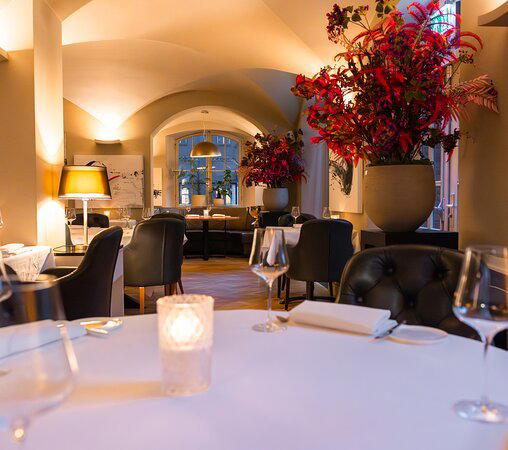
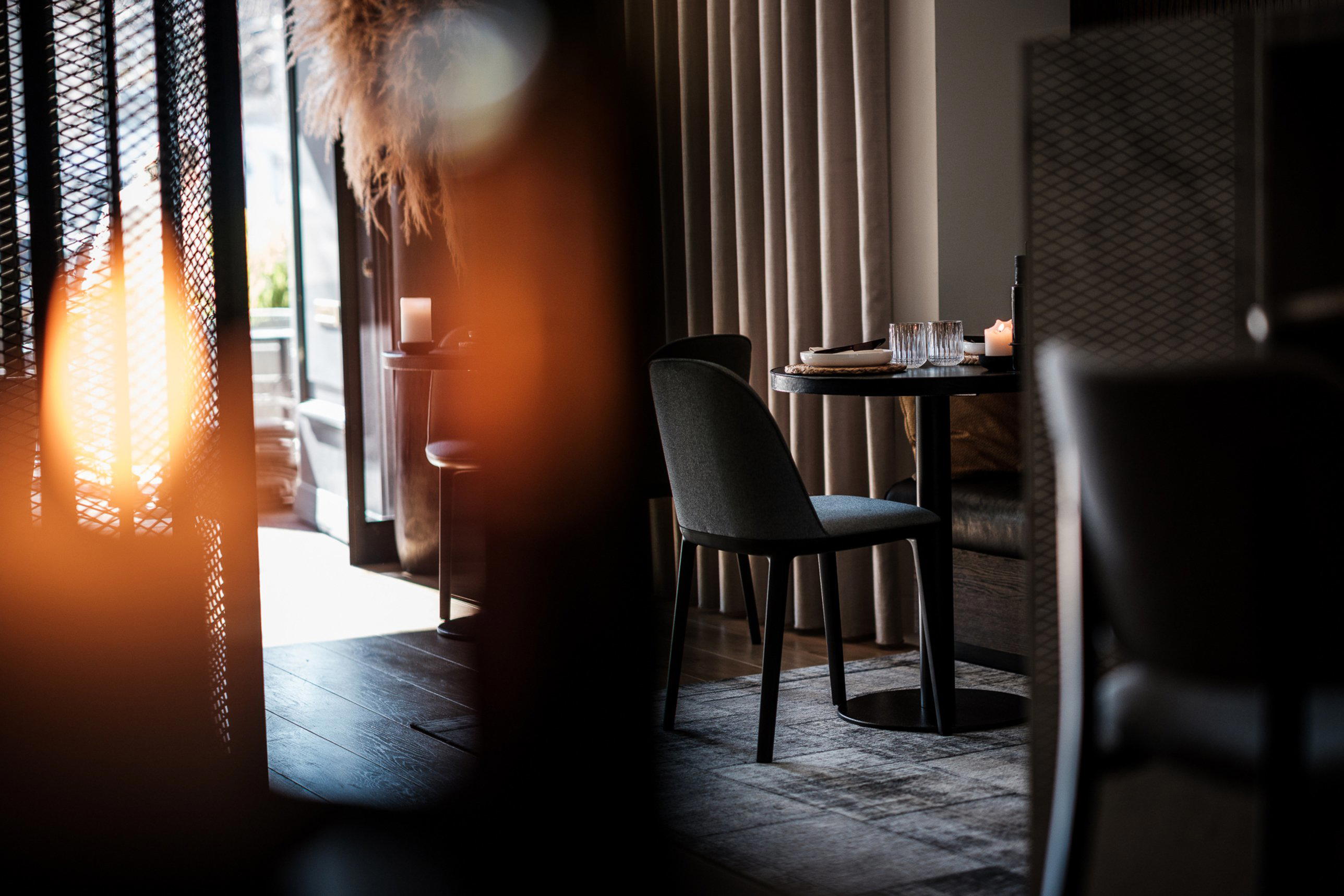
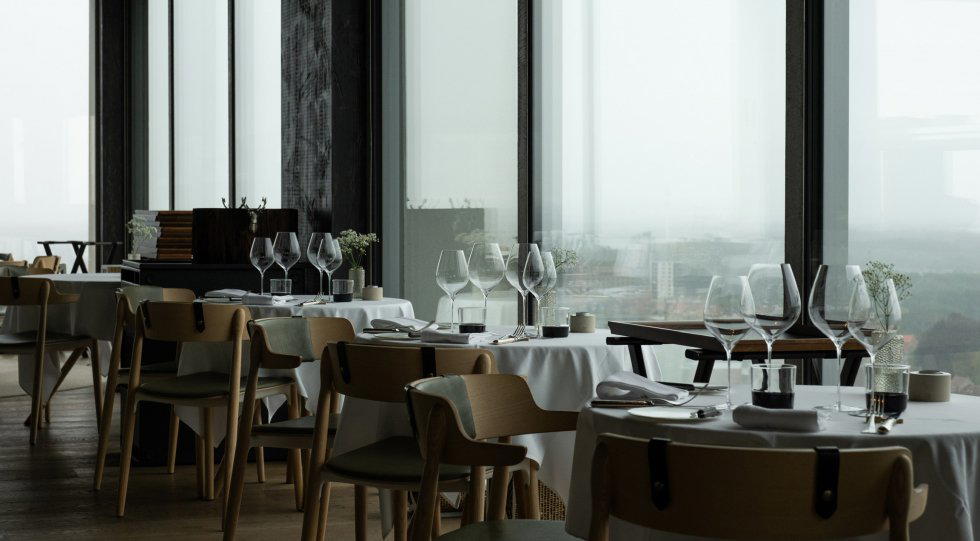
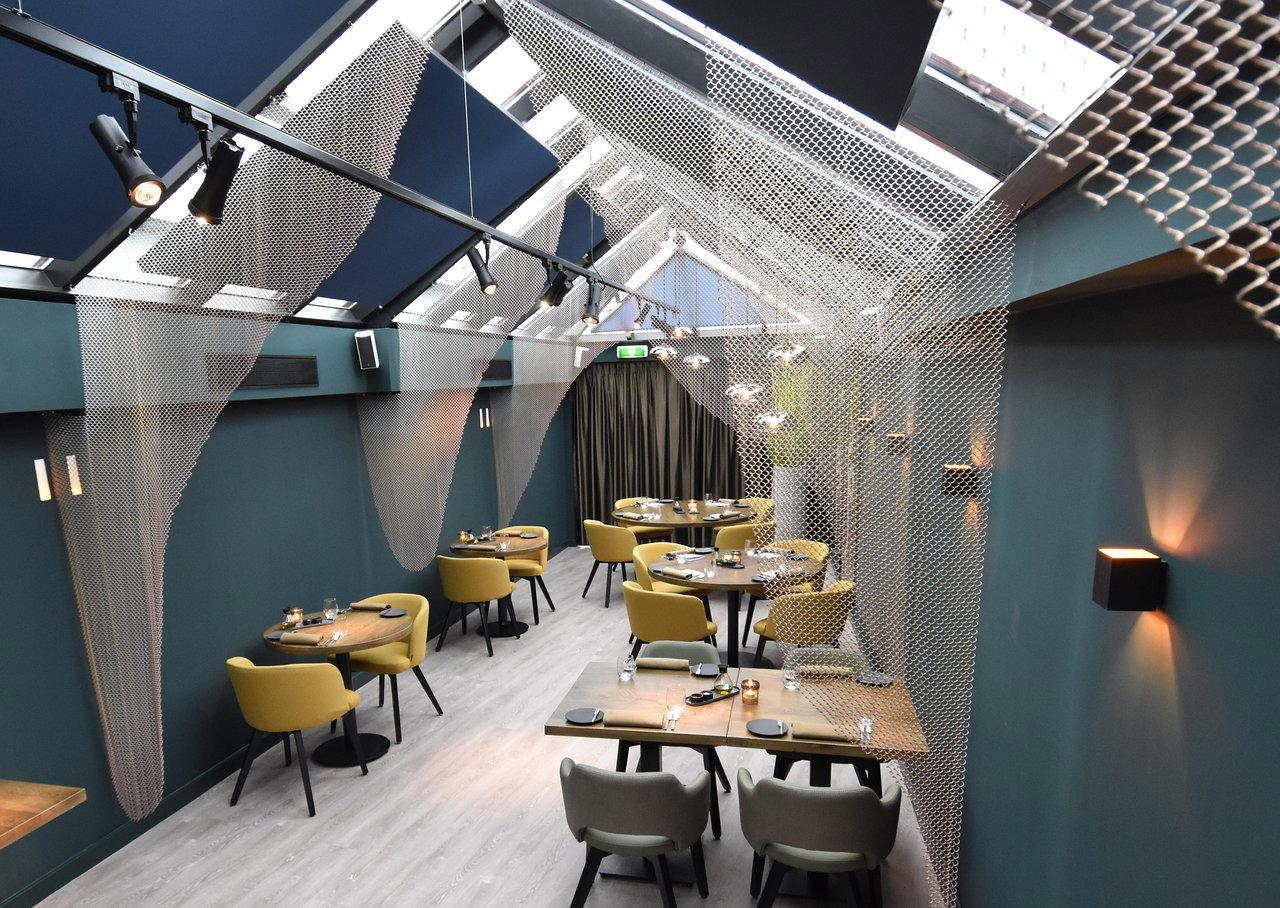
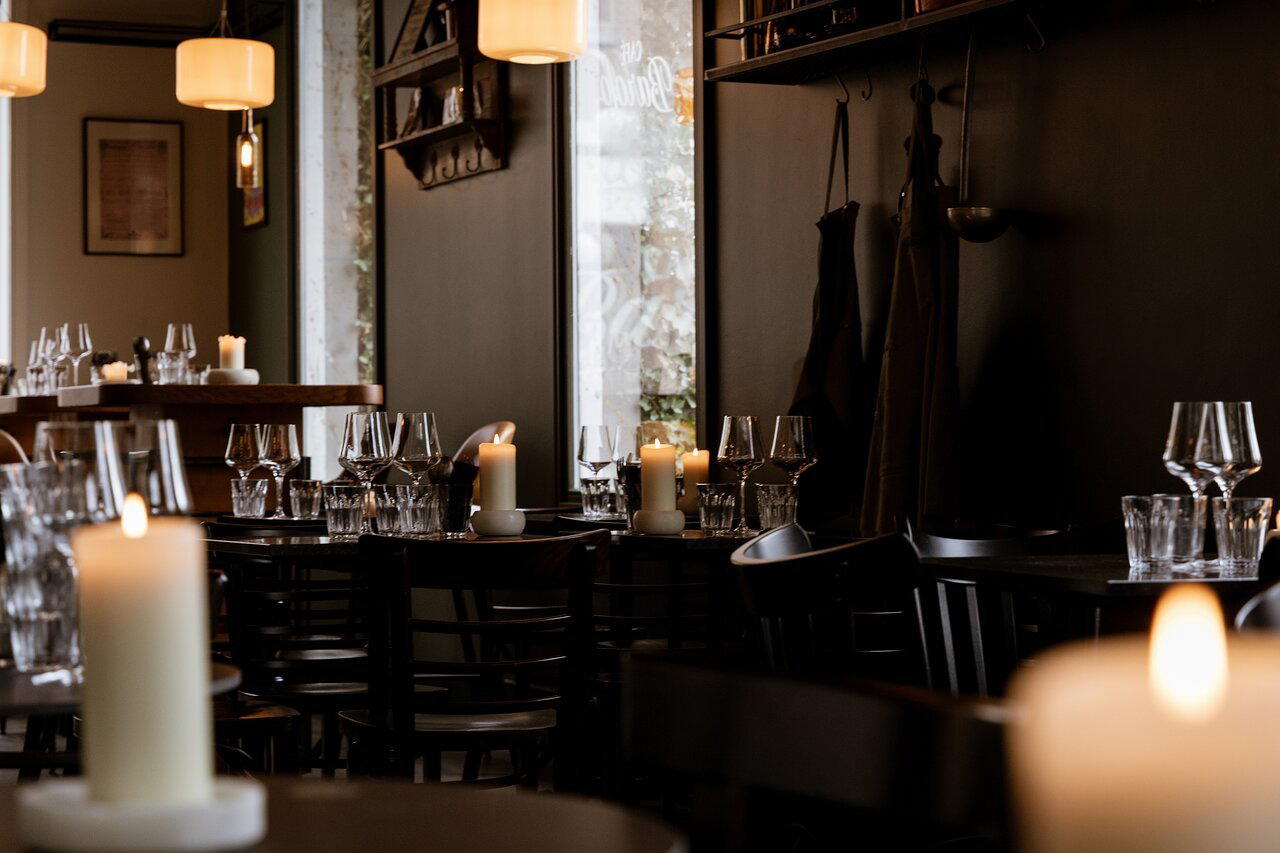
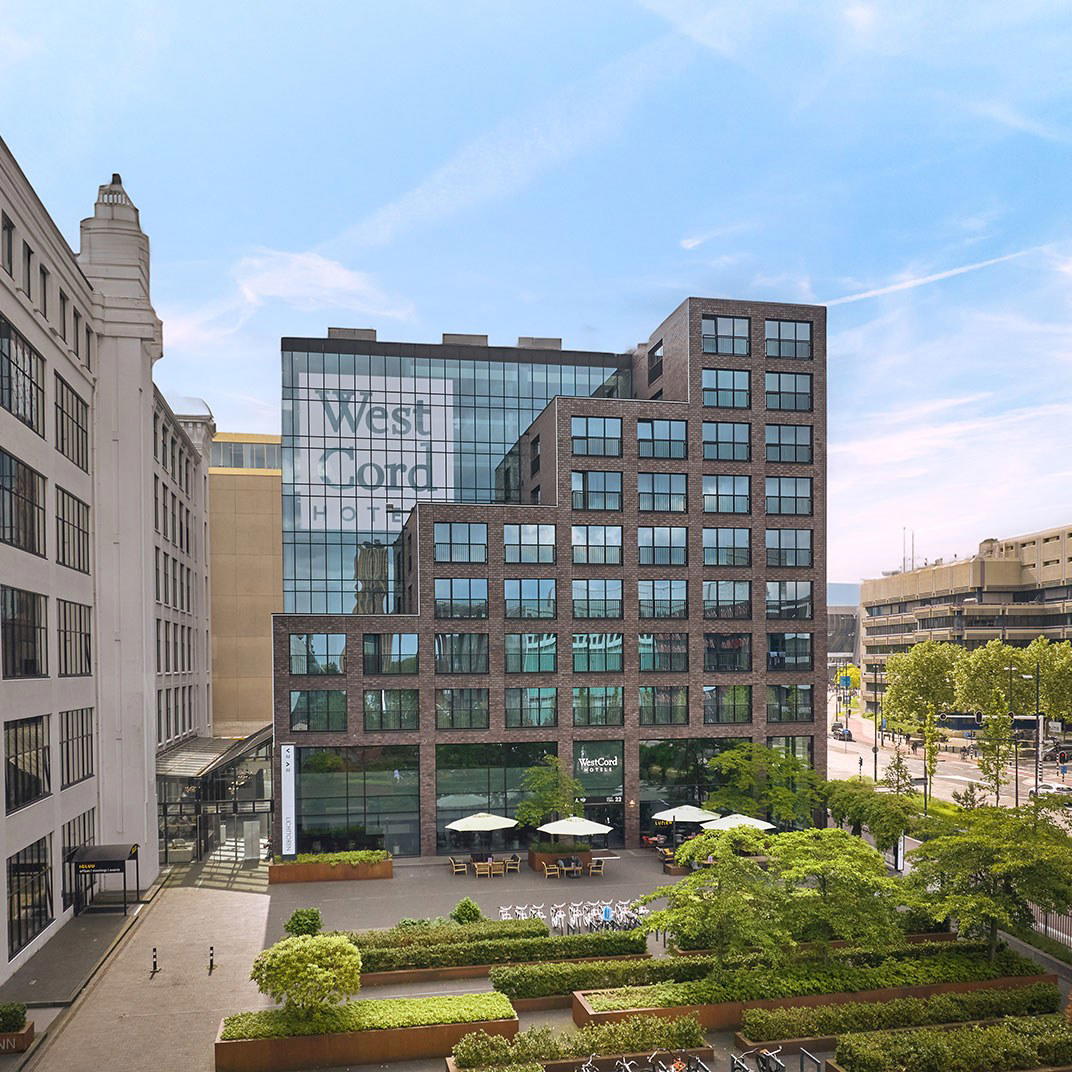
Modern yet rustic industrial setting with original brickwork, glass facades, and warm lighting that blends old warehouse character with contemporary comfort.