De Boet

De Boet brings Michelin Plate-recognised modern cuisine to Urk, a working fishing village on the IJsselmeer where the catch arriving at the harbour and the kitchen are rarely more than a kilometre apart.
Pearl is the En Primeur Club membership app — saves, bookings, and concierge access live there. Same editors, same standards.
- Address
- Wijk 1 61, 8321 EM Urk, Netherlands
- Phone
- +31 527 688 736
- Website
- restaurantdeboet.nl
- Directions
- Get directions
 Saves & bookings on Pearl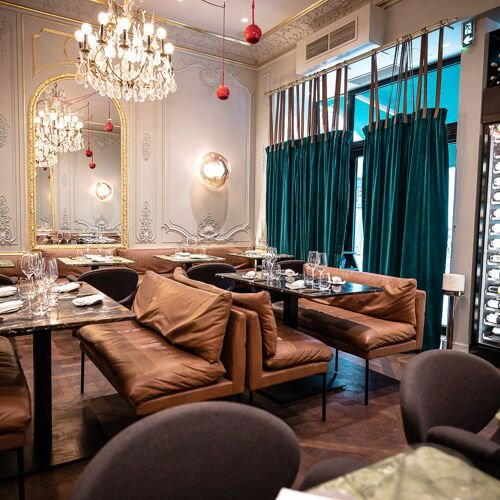
Urk and the Logic of Eating Fish Where It Lands
There is a particular discipline to modern Dutch cooking when practised at the water's edge. The Netherlands has a long tradition of treating its coastal and inland waters as primary larders, from the herring fleets of the Golden Age to the eel smokers of the IJsselmeer towns, and that tradition has never fully separated from the professional kitchen. In Urk, a compact fishing community that once sat as an island in the Zuiderzee before the Noordoostpolder reclamation connected it to the mainland, that connection between water and plate is not a menu concept. It is geography. The harbour at Wijk 1, the oldest and most densely packed quarter of the village, where addresses run along a single numbered street system that winds through centuries of fishermen's houses, is where boats come in. De Boet sits within that same neighbourhood, at Wijk 1 61, and the logic of sourcing here is not aspirational. It is structural.
For context on where this fits in the broader Dutch dining picture: the country's highest-recognised modern tables, De Librije in Zwolle at three Michelin stars, 't Nonnetje in Harderwijk at two, operate at the €€€€ price tier with formats built around long tasting menus and significant advance reservation windows. The €€ bracket, which De Boet occupies, represents a different proposition: modern technique applied with editorial restraint on pricing, which in fishing-village contexts almost always means leaning harder on what is proximate and seasonal rather than importing prestige ingredients to justify a higher cover charge.
The Michelin Plate and What It Signals
De Boet has held a Michelin Plate in both the 2024 and 2025 editions of the Netherlands guide. The Plate designation, awarded to restaurants the inspectors consider worth knowing about but not yet in star contention, functions as a quality floor rather than a ceiling. Within the Dutch guide, it places De Boet in a broad peer group that includes recognised regional tables across the country, from Bij Hammingh in Garnwerd to Bistro Sophie in Eindhoven, all working in the €€ modern cuisine register. Consecutive Plates across two guide years indicate sustained consistency rather than a one-cycle anomaly, which at the €€ level in a small village is a meaningful signal.6 from 349 reviews reinforces that the consistency is not being observed only by Michelin inspectors.
For comparison, two-star houses like De Lindehof in Nuenen or De Nieuwe Winkel in Nijmegen sit two full price tiers above and operate with formats and investment levels that reflect that distance. The restaurant competes on a different set of terms, accessibility, location specificity, and the credibility that comes from cooking in a place with a defined and traceable ingredient identity.
Ingredient Sourcing as the Central Argument
The editorial angle that makes the restaurant worth the detour from larger Dutch cities is not its awards position but its sourcing logic. Urk remains among the more active fishing ports in the Netherlands. The IJsselmeer, now a freshwater lake since the Afsluitdijk closed in 1932, produces eel, perch, pike-perch, and bream in quantities that still define the local economy. North Sea access via the wider Dutch fishing fleet means that saltwater species, plaice, sole, turbot, North Sea shrimp, also move through Urk's supply chain. A modern cuisine kitchen sitting in this address can, by proximity alone, access a range of Dutch fish that restaurants in Amsterdam or Rotterdam typically source through distribution intermediaries.
Modern Dutch cuisine at its more considered end, as seen at Aan de Poel in Amstelveen or De Bokkedoorns in Overveen, has increasingly moved toward restraint with Dutch primary ingredients rather than French-derived richness, and a harbour-adjacent kitchen in Urk is structurally well-positioned to work in that register. The cuisine type listed is modern, which in the Dutch context typically means classical technique reoriented around local and seasonal produce rather than international luxury goods.
The Setting: Wijk 1 and What That Address Means
Wijk 1 is Urk's oldest quarter, a neighbourhood of narrow lanes, low gabled houses, and harbourside views that retains a physical character unlike anywhere else on the Dutch mainland. The reclamation of the Noordoostpolder in 1942 connected Urk to the surrounding land, but the village's physical and cultural identity remained distinct, it still runs on fishing schedules, still orients socially around the harbour, and still feels more like a working maritime settlement than a leisure destination. Dining in Wijk 1 means dining inside that context, which is not decorative. The surroundings explain the menu's ingredient logic in a way that no amount of provenance copy on a city restaurant's menu can replicate.
For visitors travelling from Amsterdam, Urk sits roughly an hour and a half northeast by car via the A6, a journey that takes in the flat polder range of Flevoland and arrives at a coastline that feels removed from the urban Dutch dining circuit. That geographical separation is precisely the point: eating fish this close to where it was caught, in a kitchen that has earned consecutive Michelin recognition at an accessible price point, is the specific proposition the restaurant represents.
Where De Boet Fits in the Regional Picture
The Netherlands has a number of modern cuisine restaurants working in smaller or rural settings that have drawn Michelin attention in recent years. De Groene Lantaarn in Staphorst, De Lindenhof in Giethoorn, and De Treeswijkhoeve in Waalre all demonstrate that the Dutch guide consistently tracks cooking outside the major cities. Brut172 in Reijmerstok and Ciel Bleu in Amsterdam sit at higher price tiers and represent different ambitions. The restaurant's position in this map is specific: it is the Michelin-recognised modern table in a working fishing village, at a price point that makes it a plausible regular destination rather than a special-occasion-only address.
Planning a Visit
The restaurant is located at Wijk 1 61 in the 8321 EM postcode, within walking distance of the Urk harbour. The €€ price positioning means a meal here runs at roughly mid-range Dutch restaurant costs, meaningfully below the two- and three-star houses that otherwise represent the region's fine dining tier.
Quick Comparison
Comparable venues nearby, for context on price, style, and recognition.
| Venue | Cuisine | Price | Awards | Notes |
|---|---|---|---|---|
| De BoetThis venue — the venue you are viewing | Modern Dutch Seafood | $$$ | Michelin Plate | Not listed |
| De Hinde | Dutch Regional Seafood | $$$ | Michelin Plate | Hindeloopen |
| Restaurant MANNA | Modern Seafood Fine Dining | $$$ | Michelin Plate | Stadscentrum |
| Het Binnenhof | Dutch Seafood with Zeeland Specialties | $$$ | Michelin Plate | centrum |
| De Kromme Bistro | Zeeland Seafood Bistro | $$$ | Michelin Plate | Hoofdplaat |
| Kale & de Bril | Modern Zeeland Seafood | $$$$ | Michelin Plate | Goes-Centrum |
Recognition history
Dated appearances from independent guides and award organizations, with the underlying list record or original source where available.
Michelin Plate
Michelin
Michelin Plate
Michelin
Continue exploring
More in Urk
Restaurants in Urk
Browse all →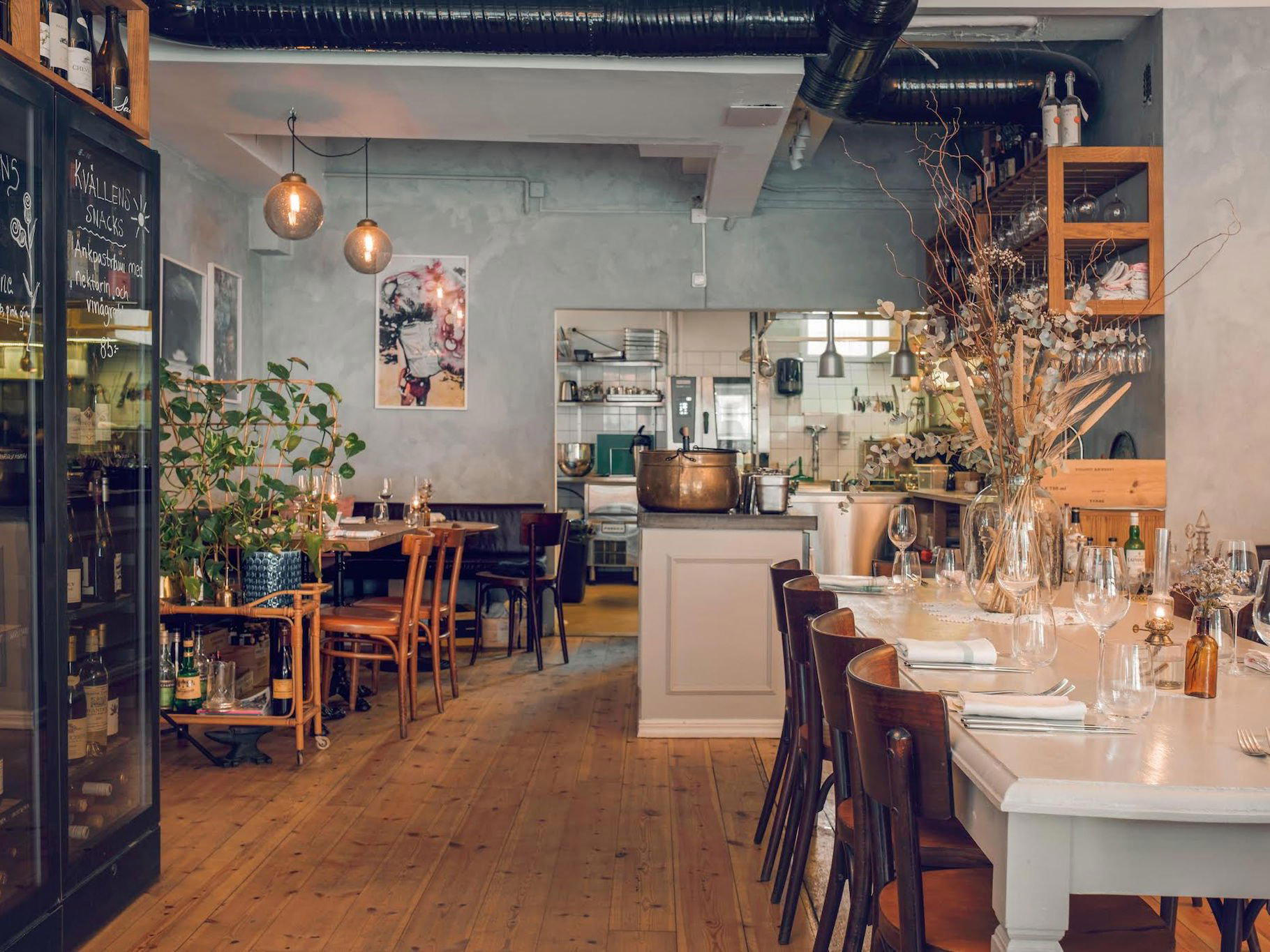
At a Glance
- Cozy
- Elegant
- Scenic
- Sophisticated
- Date Night
- Special Occasion
- Open Kitchen
- Waterfront
- Terrace
- Extensive Wine List
- Waterfront
Current opening hours
- Monday
- Closed
- Tuesday
- 12–2:30 PM
- Wednesday
- 12–2:30 PM, 5–10 PM
- Thursday
- 12–2:30 PM, 5–10 PM
- Friday
- 12–2:30 PM, 5–10 PM
- Saturday
- 5–10 PM
- Sunday
- Closed
Hours can change for holidays and private events. Last verified .
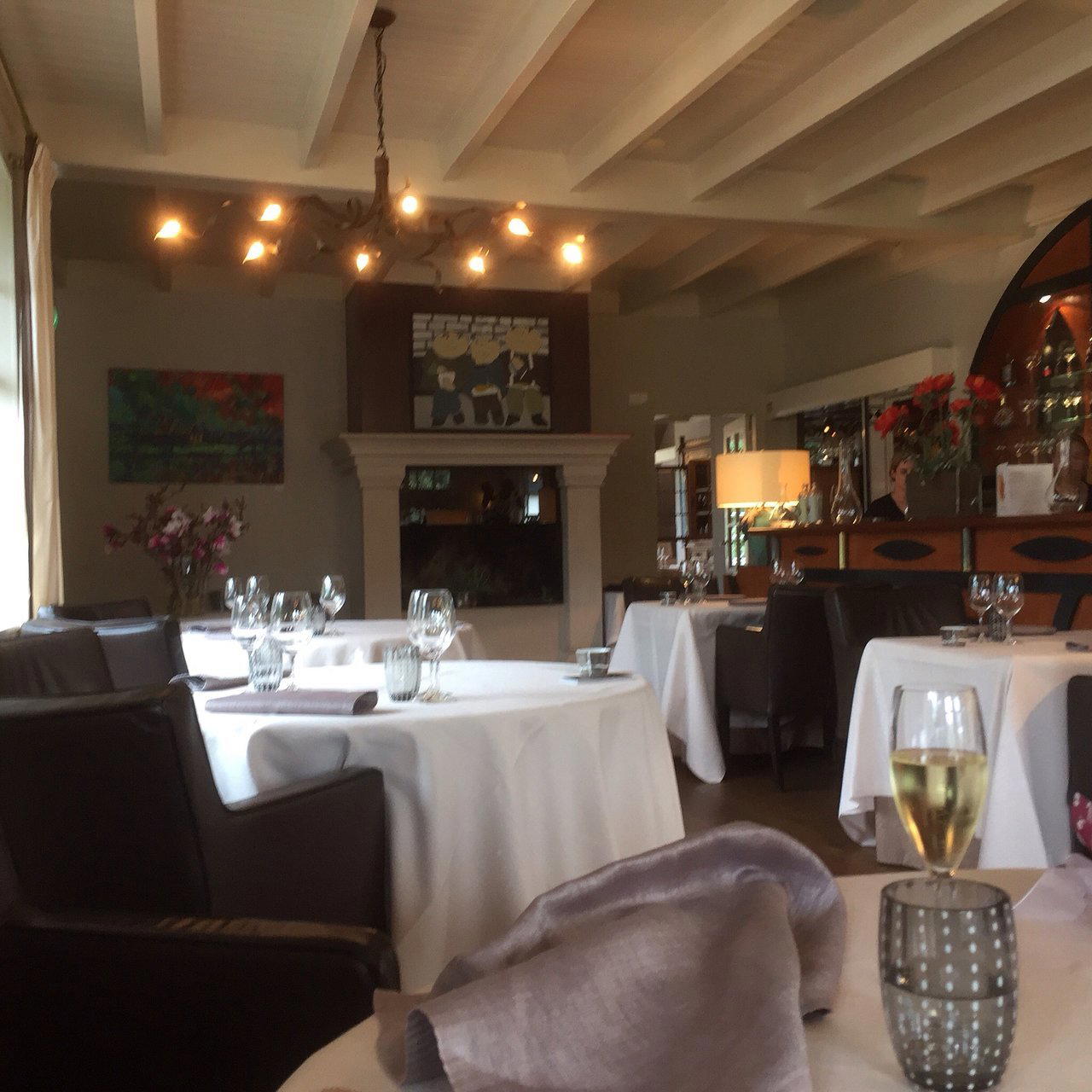
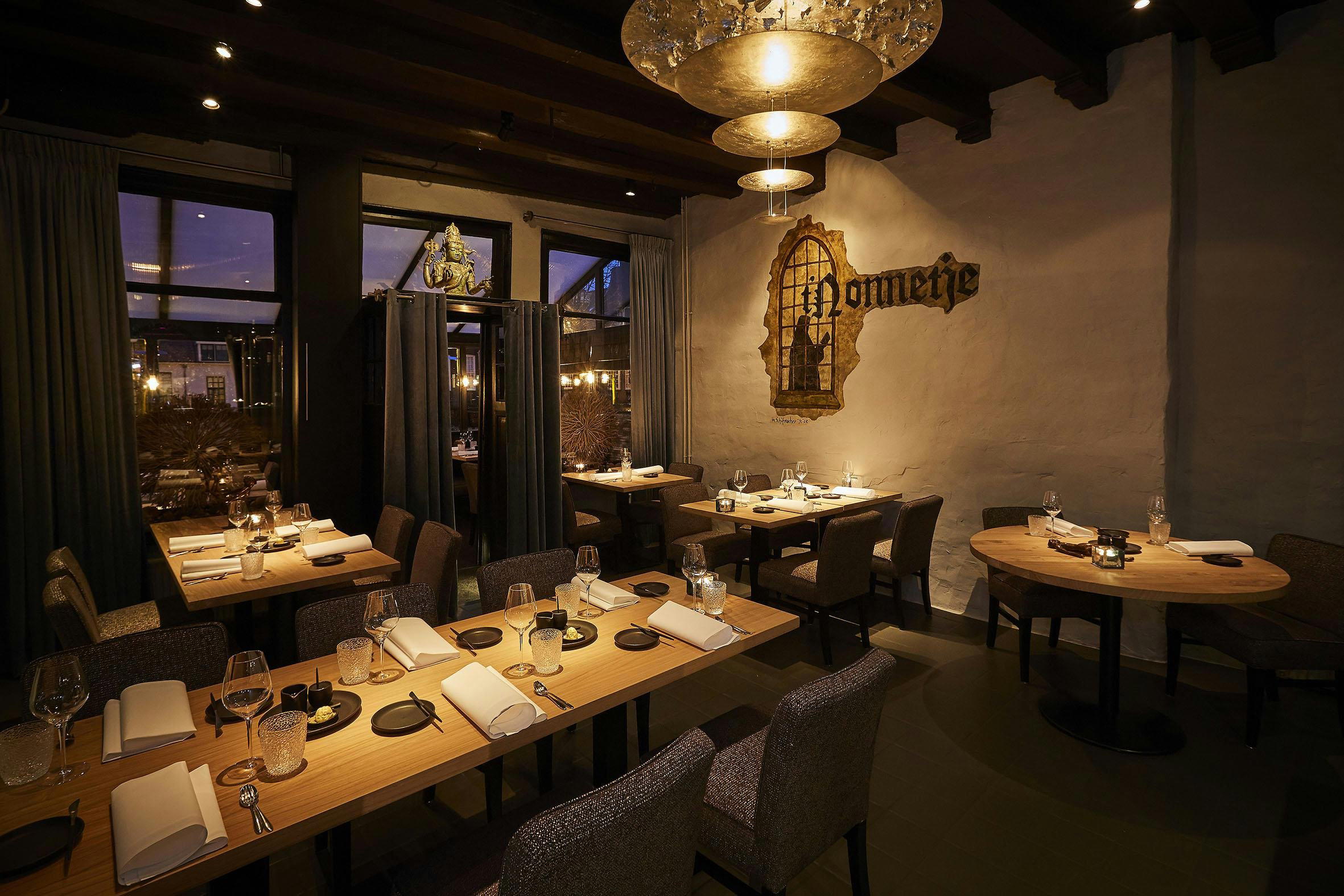
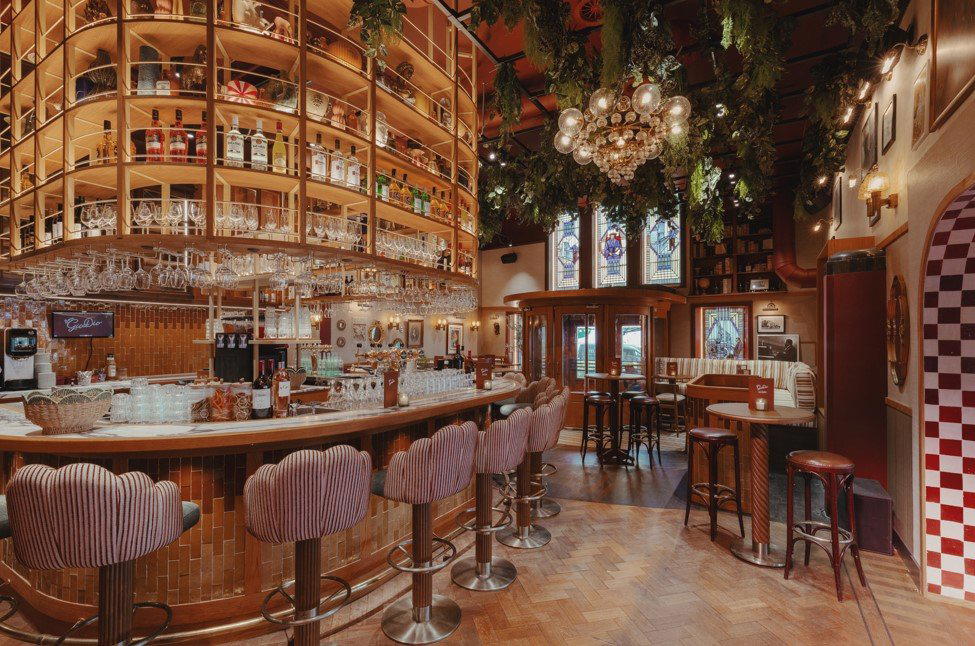
Sfeervolle ambiance with warm lighting, harbor views, and an open kitchen creating a cozy yet elegant atmosphere.