In the quiet city of Shunan, Yamaguchi Prefecture, 日本料理 藤壷 represents the kind of regional Japanese dining room that rewards patience and local knowledge. Situated in the Sakaemachi district, it operates in a prefecture where seafood provenance and seasonal discipline drive the kitchen calendar. For travellers moving through western Honshū, it offers a grounded alternative to the headline counters of Osaka or Tokyo.
Pearl is the En Primeur Club membership app — saves, bookings, and concierge access live there. Same editors, same standards.
- Address
- 2 Chome-6 Sakaemachi, Shunan, Yamaguchi 745-0037, Japan
- Phone
- +81834212020
- Website
- fujiyoshi-group.com
- Directions
- Get directions
 Saves & bookings on Pearl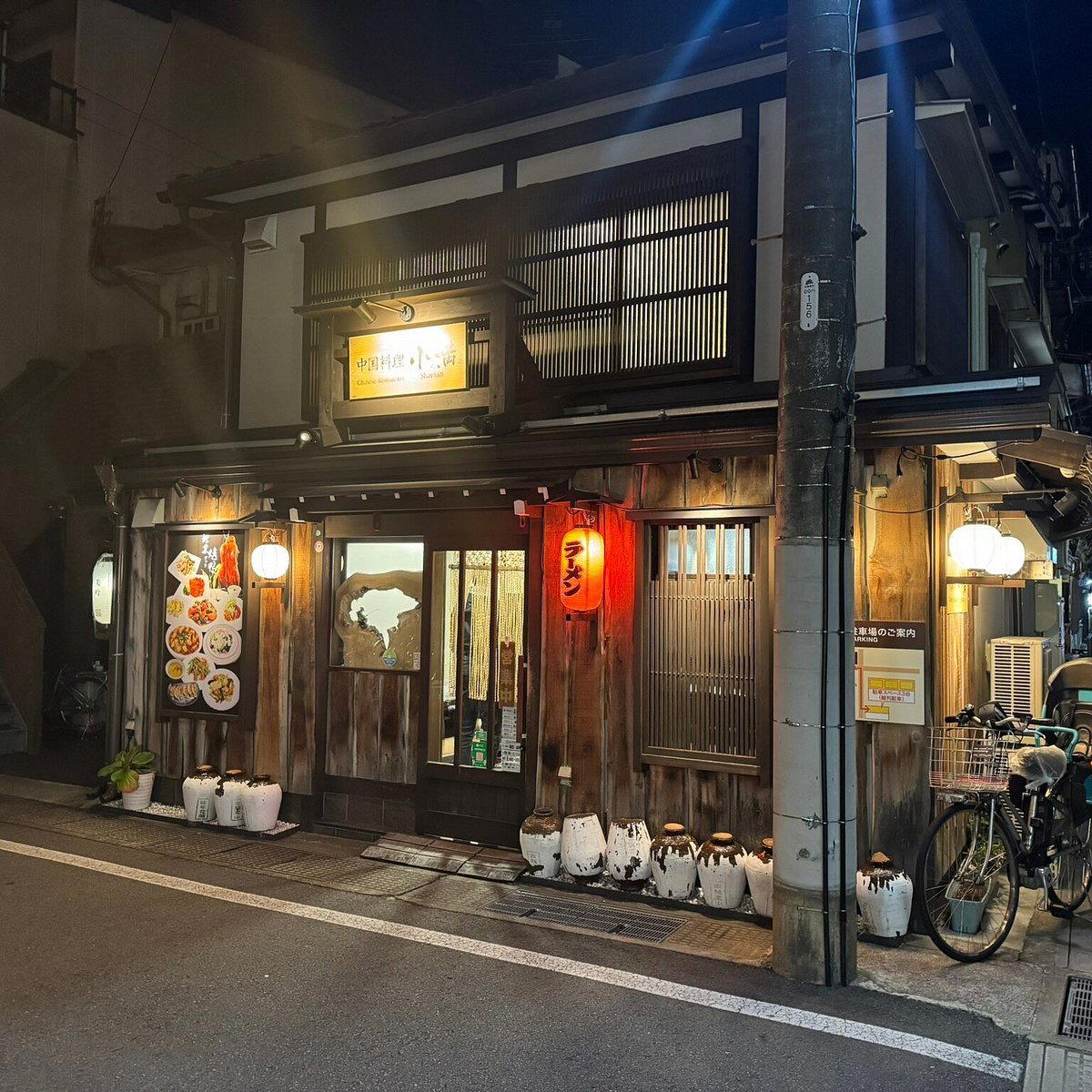
Shunan and the Case for Regional Japanese Dining
Japan's premium dining conversation tends to compress around a handful of cities. Kyoto's Gion Sasaki draws visitors specifically for its kaiseki tradition. What this concentration obscures is the parallel dining culture that runs through Japan's smaller cities — places where kitchens source directly from known producers, where the room holds fewer covers, and where the absence of international press attention has not meaningfully changed the standard of the cooking.
Shunan sits in that category. A city of roughly 140,000 in Yamaguchi Prefecture on the western tip of Honshū, it is positioned between the industrial coastline of the Seto Inland Sea and the mountains of the prefecture's interior. That geography is not incidental to what ends up on the table. Yamaguchi's waters produce fugu (blowfish) that the prefecture has exported as a culinary identity marker for generations, alongside sea bream, yellowtail, and a seasonal procession of shellfish that tracks closely with water temperature rather than restaurant calendar convenience. For travellers already plotting a route through western Japan — perhaps using Goh in Fukuoka or akordu in Nara as anchors, Shunan represents a credible detour rather than a concession.
The Sakaemachi Address and What It Signals
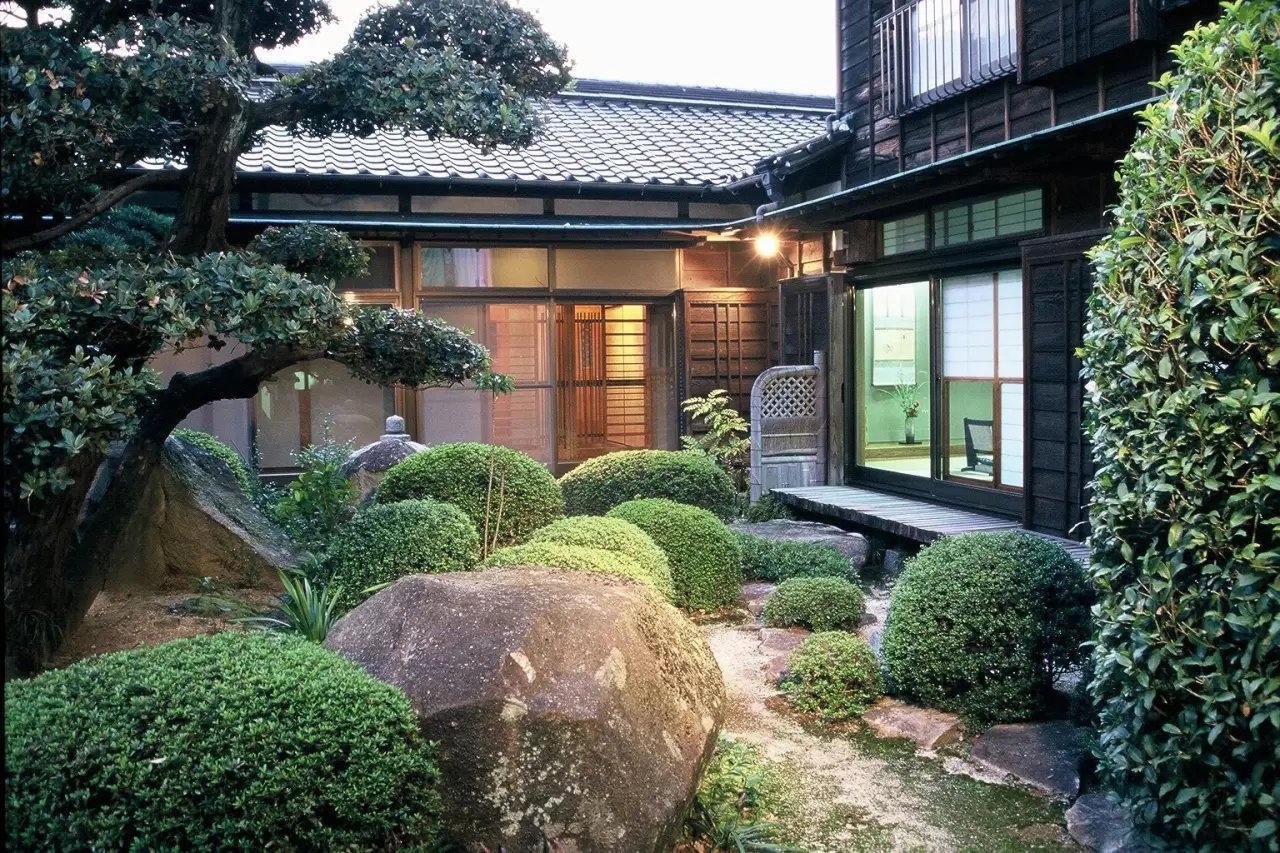
日本料理 藤壷 (Nihon Ryori Fujitsubo) is located at 2 Chome-6 Sakaemachi, a district that carries the low-profile commercial character typical of mid-sized Japanese city centres, not the tourist-polished lanes of Kyoto's Gion, but not anonymous either. Dining rooms in neighbourhoods like this tend to operate on local loyalty rather than reservation platforms optimised for overseas visitors. The approach to the building is accordingly quiet: no queue management, no ambient hum from a neighbouring bar strip, no social media prop at the entrance. What you encounter is closer to the architectural restraint that marks serious Japanese dining rooms regardless of city size, the kind of space that directs your attention inward rather than outward.
This address format is common across Japan's regional culinary tier, from Aji Arai in Oita to Amegen in Saga. The venues are not difficult to find, but they are not designed to be found accidentally. That distinction matters: a room oriented around repeat local custom tends to price against local expectations and source against what is available regionally, rather than constructing a menu around what a visiting critic might expect to see.
Ingredient Provenance in a Prefecture That Takes Sourcing Seriously
Yamaguchi Prefecture's relationship with its own produce is structured differently from the supply chains that feed Japan's major metropolitan kitchens. Fugu from Shimonoseki, the city that controls more of Japan's blowfish trade than any other, travels west to east in a way that Shunan, positioned along the same coastal corridor, can access at a different point in the chain than a Tokyo restaurant sourcing the same fish. Sea bream from the Seto Inland Sea and local river fish from the prefecture's interior mountain streams feed into a seasonal pattern that a kitchen in this location can track with more granularity than one operating at greater remove from the source.
This matters because the logic of Japanese cuisine, particularly within the nihon ryori (Japanese cuisine) category that the restaurant's name announces, is inseparable from proximity to ingredient origin. The kaiseki traditions codified in Kyoto and the sushi disciplines refined in Tokyo both depend, at their most serious, on a kitchen's ability to make decisions based on that day's catch or harvest rather than a standing menu. Regional rooms in cities like Shunan are, in this sense, structurally better positioned for that kind of sourcing discipline than their metropolitan counterparts. Comparable dynamics appear at affetto akita in Akita, where northern Honshu's fisheries and agricultural calendar drive the kitchen, and at Ajidocoro in Yubari District, where Hokkaido's produce specificity shapes the offer in ways that resist standardisation.
That is not a demotion. It is a different measure of quality, one that the international dining press has been slower to calibrate than the domestic Japanese food media.
How This Fits a Broader Japan Itinerary
For readers building a western Japan route, the practical question is whether Shunan functions as a destination or a waypoint. The honest answer is both, depending on what you are optimising for. The Sanyo Shinkansen line connects Tokuyama Station (Shunan's main rail access point) to Hiroshima in under thirty minutes and to Shin-Osaka in roughly ninety. A diner routing from Fukuoka to Osaka, already a journey that rewards stops for food, can add Shunan with minimal schedule friction. Those approaching from the Yamaguchi-Shimonoseki corridor gain access to one of Japan's most food-dense prefectures without backtracking.
For context on how regional Japanese dining compares to the high-end international tier, it is worth noting that venues like Le Bernardin in New York City and Lazy Bear in San Francisco have built their reputations partly on the same sourcing-first philosophy that Yamaguchi Prefecture kitchens apply by default rather than by design choice. The difference is that in western Japan, the proximity to source is geographic rather than philosophical.
For a fuller picture of what Shunan offers beyond this address, our full Shunan restaurants guide maps the city's dining options against the broader Yamaguchi Prefecture context.
Planning Your Visit
For a venue operating in a regional Japanese city at this address format, the standard approach is to contact the restaurant directly or ask your hotel concierge to call ahead, English-language reservation infrastructure at this level of regional dining is not guaranteed, and a Japanese-speaking intermediary significantly improves the process. Timing your visit around Yamaguchi's seasonal fish calendar (fugu season runs roughly October through March; summer months bring different but equally specific coastal produce) will do more for the experience than any other single variable.
Comparable Spots, Quickly
| Venue | Cuisine | Price | Awards |
|---|---|---|---|
| æ¥æ¬æç è¤åThis venue — the venue you are viewing | This venue | Not listed | Not listed |
| HAJIME | French, Innovative | ¥¥¥¥ | Michelin 3 Star |
| Harutaka | Sushi | ¥¥¥¥ | Michelin 3 Star |
| L'Effervescence | French | ¥¥¥¥ | Michelin 3 Star |
| RyuGin | Kaiseki, Japanese | ¥¥¥¥ | Michelin 3 Star |
| Crony | Innovative, French | ¥¥¥¥ | Michelin 2 Star |
Continue exploring
More in Shunan
Restaurants in Shunan
Browse all →
At a Glance
- Casual
- Family
- Group Dining
- Casual Hangout
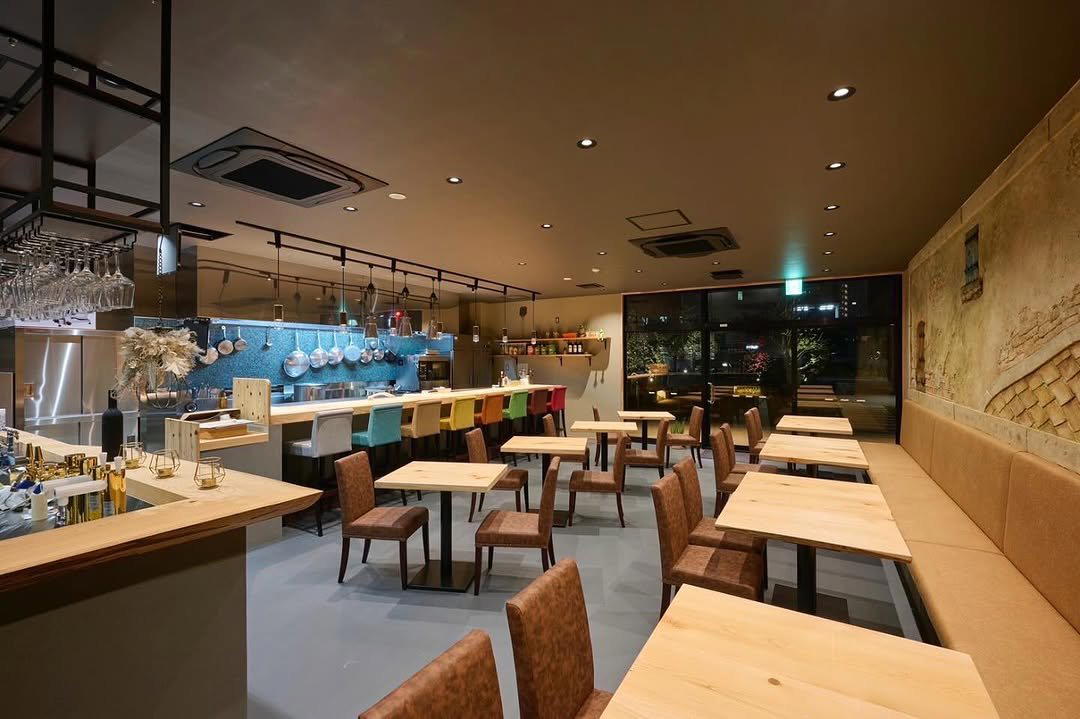
Casual atmosphere suitable for family meals and group gatherings.
Know Before You Go
- Getting there
- 2 Chome-6 Sakaemachi, Shunan, Yamaguchi 745-0037, Japan