菜のはな sits in Yuda Onsen, Yamaguchi's main hot spring district, where the tradition of kaiseki-adjacent dining runs quietly alongside the ryokan circuit. The restaurant's name, which translates roughly to 'flower of vegetables,' signals a menu orientation toward seasonal produce rather than protein-led showmanship — a structural choice that places it in a distinct tier among Yamaguchi's dining options.
Pearl is the En Primeur Club membership app — saves, bookings, and concierge access live there. Same editors, same standards.
- Address
- 3 Chome-3-4 Yudaonsen, Yamaguchi, 753-0056, Japan
- Phone
- +81839221312
- Website
- nanohana.edisone.jp
- Directions
- Get directions
 Saves & bookings on Pearl
Yuda Onsen and the Quieter End of Japanese Regional Dining
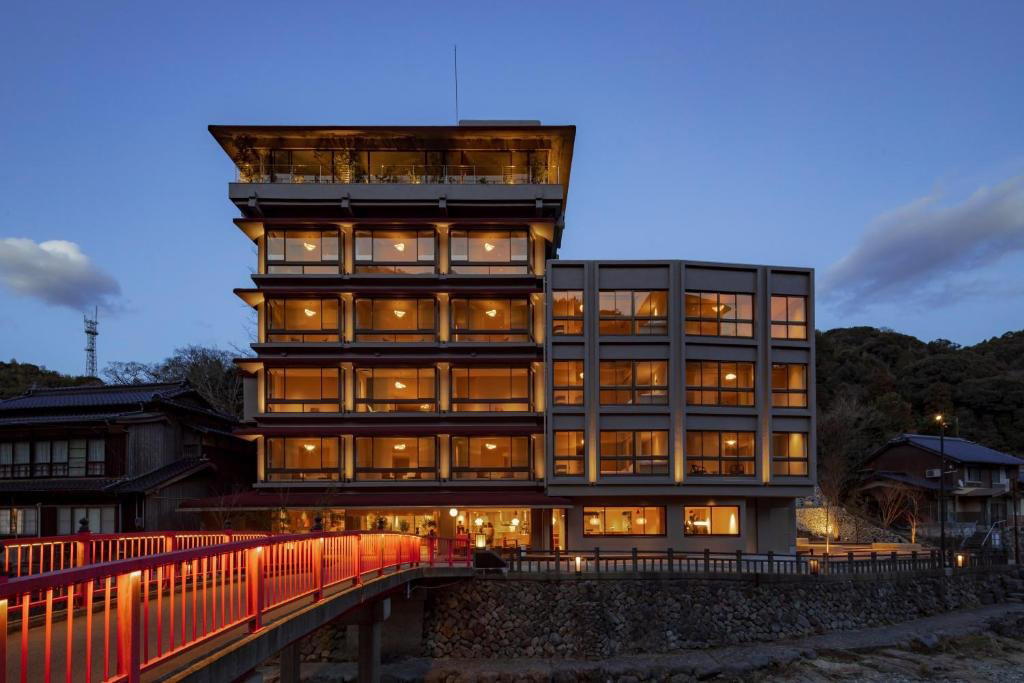
Yuda Onsen is not a destination that announces itself. The hot spring town sits a short distance from central Yamaguchi city, and its dining scene operates largely within the logic of ryokan hospitality: seasonal ingredients, measured portion structures, and a kitchen pace shaped by guests who are staying rather than passing through. 菜のはな (Nanohana) occupies an address at 3 Chome-3-4 Yudaonsen, placing it at the heart of that district, where the expectations around food are set by the onsen culture rather than by the metropolitan restaurant circuits of Osaka or Tokyo.
That context matters when reading a restaurant like this one. In cities such as Kyoto or Fukuoka, a vegetable-forward restaurant must compete for attention against a deep field of kaiseki institutions and technically driven modern kitchens. For comparable produce-driven precision in a larger city context, Gion Sasaki in Kyoto and Goh in Fukuoka represent the upper tier of that regional spectrum.
What the Name Tells You About the Menu
The restaurant's name, 菜のはな, translates to something close to 'flower of vegetables' or 'canola blossom' — a reference to the bright yellow rapeseed flower that signals the arrival of spring across Japan's rural prefectures. The choice of name is a structural statement about what the kitchen prioritises. Restaurants that build their identity around a single ingredient category or seasonal marker tend to organise their menus around that logic at every level: which produce arrives and when, how portions are sequenced, and how much of the plate's narrative is driven by the ingredient rather than the cooking technique applied to it.
This is distinct from the protein-first architecture common in yakitori specialists or kaiseki counters where dashi and aged protein form the backbone. A vegetable-forward menu in the Japanese tradition draws on a different set of culinary references: the shojin ryori temple cuisine that eliminates meat entirely, the farm-to-table sensibility that has reshaped regional dining across Japan's rural prefectures over the past two decades, and the quiet discipline of letting an ingredient speak at its seasonal peak rather than engineering complexity around it. For a sense of how this kind of menu philosophy operates at an internationally recognised level, HAJIME in Osaka offers a point of reference, though its scale and format differ considerably from what a Yuda Onsen address suggests.
Yamaguchi's Dining Scene: Smaller Field, Distinct Character
Yamaguchi prefecture is not a primary stop on Japan's established fine dining circuit, which runs most densely between Tokyo, Kyoto, and Fukuoka. That relative quietness creates conditions where individual restaurants carry more weight in defining the local character of a meal. The city's dining options include Western-influenced rooms such as le-sorcier, Japanese formats at Kigokoro and Kyo-no-kaze, and more casual addresses like Masala Curry Shop and Mitsuwa. In that context, a restaurant anchored to the vegetable-forward tradition occupies a specific and relatively uncrowded niche.
Regional dining in western Honshu draws on Yamaguchi's agricultural character and its proximity to the Seto Inland Sea, which provides a different ingredient vocabulary than the Pacific-facing kitchens of Tokyo or the mountainous produce zones of Nagano and Niigata. A menu built around seasonal vegetables in this prefecture will reflect Yamaguchi's own growing seasons and local produce varieties — conditions that create a dining experience tied to place in a way that more itinerant fine dining formats rarely achieve. For comparison, restaurants in equally rural or smaller-city contexts across Japan demonstrate how this regional rootedness shapes format: 湖魚庵 in Takashima and 庄羽屋 in Nishikawa Machi both operate within similarly localised ingredient logics.
Planning a Visit to 菜のはな
Yuda Onsen is accessible from Yamaguchi city by bus or taxi, with the onsen district clustered tightly enough that most addresses are within walking distance of one another once you arrive. The onsen town format means that many visitors come as part of a ryokan stay, and timing a dinner here alongside an overnight in the district is the most natural approach. Spring, when nanohana itself is in season across Yamaguchi's countryside, is an alignment worth considering if the restaurant's name is taken as a literal guide to its seasonal emphasis. Specific booking methods, hours, and current pricing for 菜のはな are not confirmed in available records, so contacting the restaurant directly or checking current listings through a Japan-based reservation platform is advisable before visiting. Our full Yamaguchi restaurants guide provides broader context for planning a dining itinerary across the city and surrounding area.
For visitors building a wider Japan itinerary that includes stops beyond Yamaguchi, the Shinkansen corridor through western Honshu connects the prefecture to Hiroshima, Kitakyushu, and Fukuoka to the south and west, and to Kyoto and Osaka to the east. Restaurants at the upper end of those cities' dining hierarchies, including akordu in Nara and Harutaka in Tokyo, operate in considerably higher-volume and higher-profile environments, which underscores how different the register of a Yuda Onsen dinner is likely to be. That difference is not a deficiency, it is the point. Quieter regional dining in Japan often delivers a more direct relationship between ingredient, season, and place than anything available in the country's major metropolitan restaurant markets. Further afield, restaurants such as Le Bernardin in New York City and Atomix in New York City operate in formats where seasonal ingredient focus is also central, though within entirely different culinary and cultural frameworks.
Continue exploring
More in Yamaguchi
Restaurants in Yamaguchi
Browse all →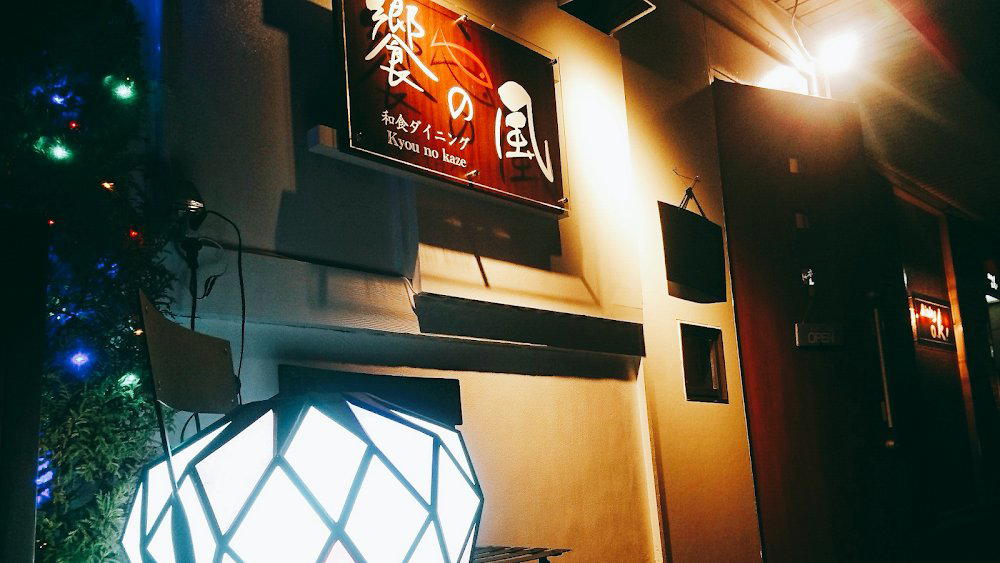
Bars in Yamaguchi
Browse all →
Hotels in Yamaguchi
Browse all →
At a Glance
- Elegant
- Sophisticated
- Special Occasion
- Celebration
- Business Dinner
- Private Dining
- Historic Building
- Sake Program
- Garden
Current opening hours
- Monday
- 12–2 PM, 7–10 PM
- Tuesday
- Closed
- Wednesday
- 12–2 PM, 7–10 PM
- Thursday
- 12–2 PM, 7–10 PM
- Friday
- 12–2 PM, 6–10 PM
- Saturday
- 12–2 PM, 7–10 PM
- Sunday
- 12–2 PM, 6–10 PM
Hours can change for holidays and private events. Last verified .
Intimate and refined atmosphere in private rooms suitable for various occasions including celebrations.
Know Before You Go
- Getting there
- 3 Chome-3-4 Yudaonsen, Yamaguchi, 753-0056, Japan