いか鮮本家 occupies the ground floor of the Lulusas Hofu shopping complex in Sakaemachi, positioning itself within Hofu's modest but committed seafood dining scene. The restaurant's name signals a direct focus on squid (ika), a cornerstone of Yamaguchi Prefecture's coastal food culture. Practical access and a commercial-centre address make it one of the more approachable seafood options in this mid-sized Yamaguchi city.
Pearl is the En Primeur Club membership app — saves, bookings, and concierge access live there. Same editors, same standards.
- Address
- Japan, 〒747-0035 Yamaguchi, Hofu, Sakaemachi, 1 Chome−5−1 ルルサス防府 1F
- Phone
- +81835287699
- Website
- ikasenhonke.com
- Directions
- Get directions
 Saves & bookings on Pearl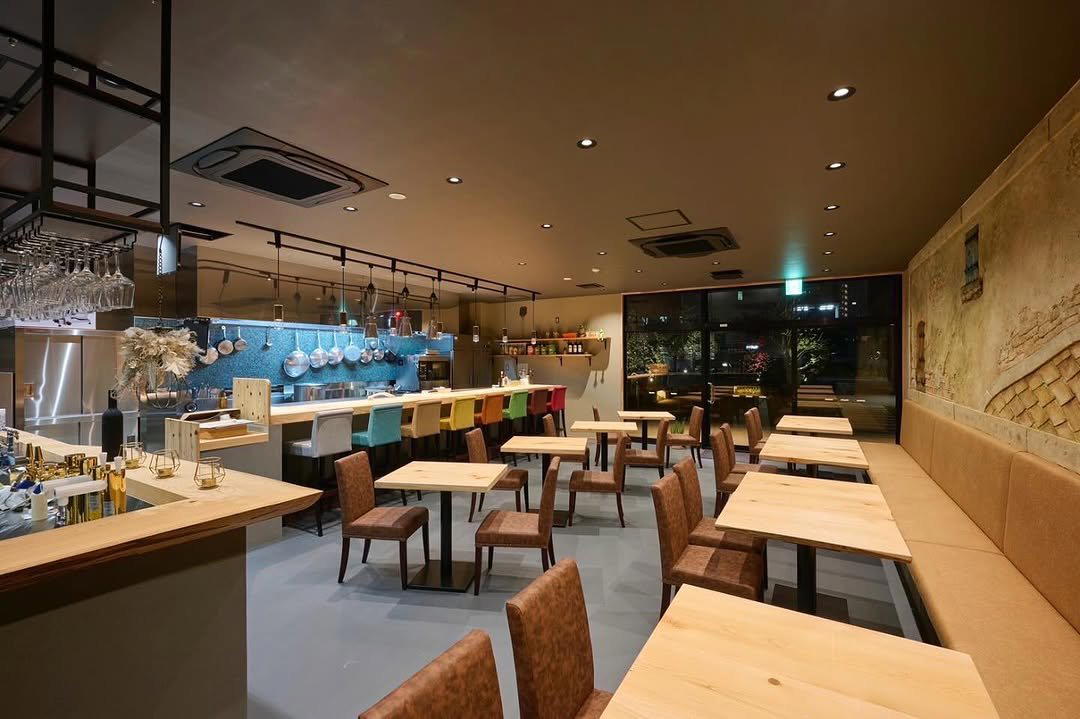
Squid, Yamaguchi, and the Coastal Pantry of Western Honshu
Yamaguchi Prefecture sits at the southwestern tip of Honshu, flanked by the Seto Inland Sea to the south and the Sea of Japan to the north. That dual coastline has shaped a food culture in which seafood is not an occasional luxury but an everyday vernacular. Squid, or ika, occupies a particular place in that vernacular: prized for its translucency when freshly cut, its firm-then-yielding texture, and the way it absorbs the clean, cold-water character of the surrounding seas. In Yamaguchi towns and cities, a restaurant that anchors its identity around squid is making a regional statement, not merely a menu choice.
Hofu itself is a city more often associated with its Tenmangu shrine and its place in Yamaguchi's manufacturing corridor than with destination dining. That context matters. The seafood restaurants that operate here do so for a local clientele with specific expectations rather than for passing culinary tourism. いか鮮本家 sits inside the Lulusas Hofu commercial complex on Sakaemachi, a ground-floor position inside a shopping centre that situates it firmly in the everyday-dining tier. The address telegraphs accessibility over ceremony, which reflects a broader pattern across mid-sized Japanese cities: the most consistent seafood cooking is often found not in refined stand-alone premises, but in well-run neighbourhood operations embedded in the commercial fabric of the city.
The Cultural Weight of Ika in Japanese Coastal Cooking
To understand what a restaurant named いか鮮本家 is reaching for, it helps to understand how seriously squid is treated across Japanese coastal prefectures. In Hokkaido and Aomori, surume ika (Japanese flying squid) drives entire fishing economies. In Nagasaki, yariika (spear squid) is served in preparations ranging from sashimi to stuffed and braised dishes. In Yamaguchi, proximity to the Kanmon Strait and the Seto Inland Sea means access to multiple squid varieties depending on season and water temperature.
The distinction between fresh and processed squid in Japanese cooking is significant. Ika sashimi cut from a squid that arrived live or within hours of catch has a sweetness and structural integrity that processed or previously frozen squid cannot replicate. Restaurants that invest in that supply chain distinguish themselves not through elaborate preparation but through sourcing discipline. The name いか鮮本家 carries an implied commitment to freshness (sen in this context signalling liveness and immediacy) that sets a standard against which the kitchen is judged by anyone who knows the ingredient well.
This is a different kind of seriousness than what you find at destination counters like Harutaka in Tokyo or Gion Sasaki in Kyoto, where the competitive reference point is Michelin evaluation and international visibility. In Hofu, the credibility of a seafood restaurant is measured against local knowledge and the expectations of a community that eats this food regularly. That is, in its own way, an equally demanding standard.
Hofu's Dining Scene and Where Seafood Sits Within It
Hofu is not a city with an extensive reviewed dining scene. The restaurants that operate here serve a resident population rather than a steady stream of visiting critics or food tourists. Within that context, seafood dining occupies a central position in the city's food culture, as it does across coastal Yamaguchi Prefecture. Specialist fish and squid restaurants exist alongside izakayas with broad menus, and the competition for regular customers is real and ongoing.
The Lulusas Hofu complex, where いか鮮本家 is located, provides consistent foot traffic from shoppers and workers in the Sakaemachi area. That commercial positioning is common for mid-tier Japanese dining operations that prioritise reliability and volume over exclusivity. It places いか鮮本家 in a different category from the quieter, reservation-heavy rooms found at places like Soukaen, one of the other notable dining options in Hofu. For a broader map of the city's options, our full Hofu restaurants guide covers the range.
Across Japan, the relationship between seafood specialisation and commercial-centre locations is well established. Some of the most consistent fish cooking in mid-sized cities happens in exactly this format: accessible premises, regular supply relationships with local markets, and a customer base that returns weekly rather than annually. The absence of ceremony can be a feature rather than a deficit.
Reading the Name: What いか鮮本家 Signals
Honke (本家) in a restaurant name carries specific weight in Japanese dining culture. It signals an original or main house, a claim to authenticity or founding authority within a particular food category. Combined with ika (squid) and sen (freshness), the full name positions the restaurant as a primary reference point for squid in its immediate area. Whether that positioning is substantiated by sourcing and execution is something that only regular customers can fully assess, but the intent communicated by the name is clear: this is a place that takes its anchor ingredient seriously and wants to be judged accordingly.
That kind of naming logic is common in Japanese food culture, where a single ingredient or technique often provides the entire organising principle for a restaurant. The focus implied by いか鮮本家 stands in contrast to the broader menus of izakayas or family restaurants and aligns it more closely with the specialist restaurants found in larger cities, even if the scale and setting are quite different. For comparison, the focused seafood philosophy at venues like Le Bernardin in New York City or the ingredient-led discipline at Atomix in New York City operates from the same organising instinct, applied at a very different price tier and with very different culinary traditions behind it.
Elsewhere in Japan, ingredient-focused restaurants across various price tiers share this commitment: Goh in Fukuoka, akordu in Nara, and HAJIME in Osaka each demonstrate how a clear conceptual anchor shapes a restaurant's identity, even when the culinary register differs entirely from a neighbourhood squid specialist.
Planning a Visit
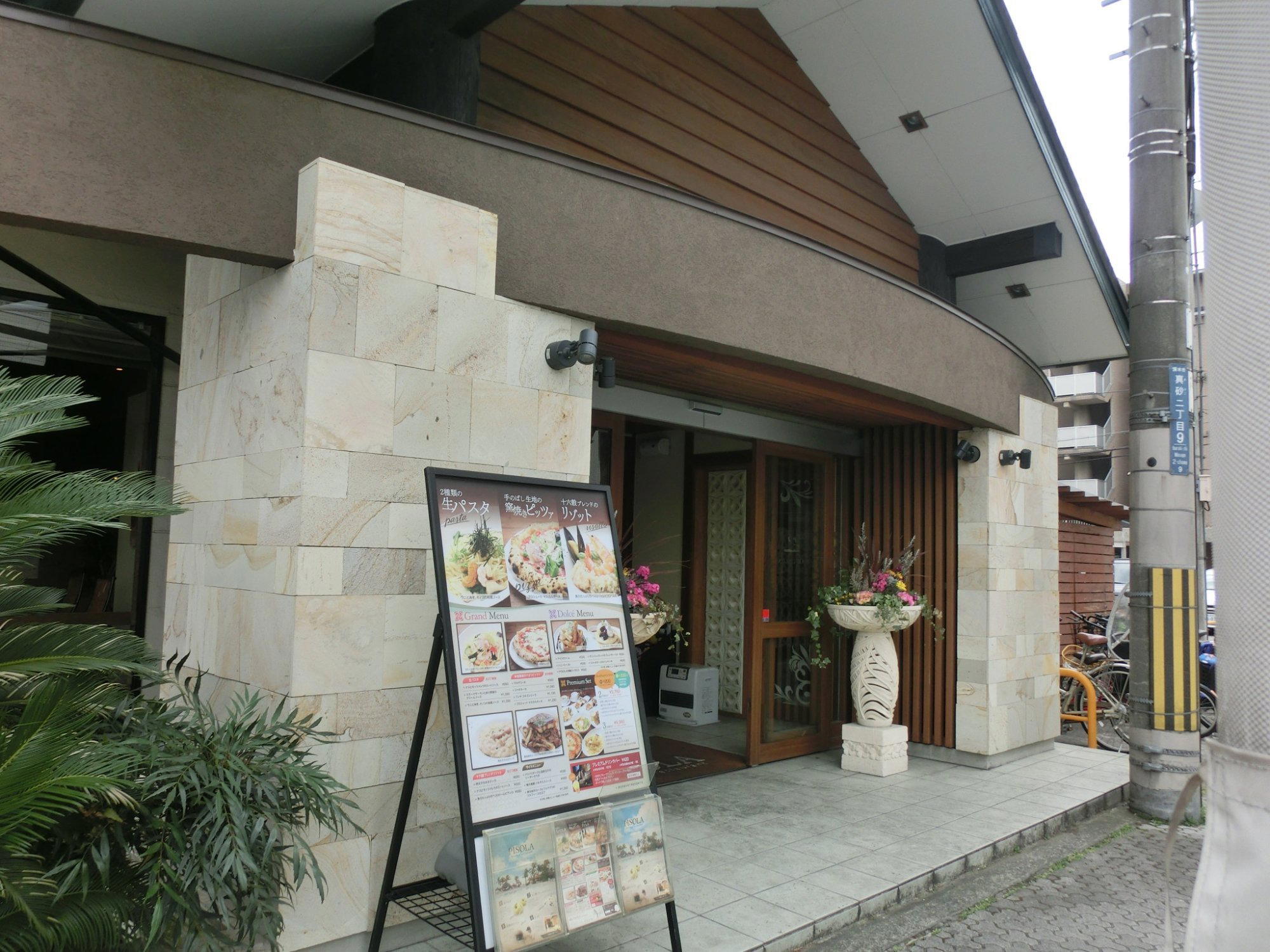
いか鮮本家 is located at 1 Chome-5-1 Sakaemachi, on the first floor of the Lulusas Hofu building. The shopping-complex setting means the restaurant benefits from the building's operating hours and is direct to locate within Hofu's central area. Hofu Station on the San'yo Main Line connects the city to Yamaguchi, Ube, and the broader Yamaguchi Prefecture rail network. No phone number or website is listed in available records, so visiting in person to confirm hours or current offerings is the most reliable approach.
For further context on dining across Japan's western regions, see also 三本木 石川製 in Nanao, 湖畔荘 in Takashima, and 大仙山乃 in Sapporo for a sense of how regional seafood and Japanese cuisine traditions vary across the country. Additional reference points include 庄羽屋 in Nishikawa Machi, Birdland in Sakai, Bistro Ange in Toyohashi, Blue Ocean Steak in Nakagami District, bodai in 那智勝浦町, and Cafe Naoshima Konichiwa in Naoshima.
At a Glance
- Cozy
- Casual Hangout
- Family
- Sake Program
- Local Sourcing
Current opening hours
- Monday
- 5–9:30 PM
- Tuesday
- 5–9:30 PM
- Wednesday
- 5–9:30 PM
- Thursday
- 5–9:30 PM
- Friday
- 5–9:30 PM
- Saturday
- 11:30 AM–1:30 PM, 5–9:30 PM
- Sunday
- 11:30 AM–1:30 PM, 5–9:30 PM
Hours can change for holidays and private events. Last verified .
Relaxed atmosphere with a layout designed for comfortable dining without feeling crowded.
Know Before You Go
- Getting there
- Japan, 〒747-0035 Yamaguchi, Hofu, Sakaemachi, 1 Chome−5−1 ルルサス防府 1F