Our verdict
In the Nishikiwa district of Ube, Yamaguchi Prefecture, エヌ トロワ operates at a remove from Japan's more trafficked dining circuits, placing it in a category of regional restaurants that reward deliberate travel. Ube's dining scene is smaller and less documented than Hiroshima or Fukuoka, which means venues like this one carry disproportionate weight for visitors seeking serious cooking outside the major cities.

Pearl is the En Primeur Club membership app, where members save venues, book tables and use the concierge.
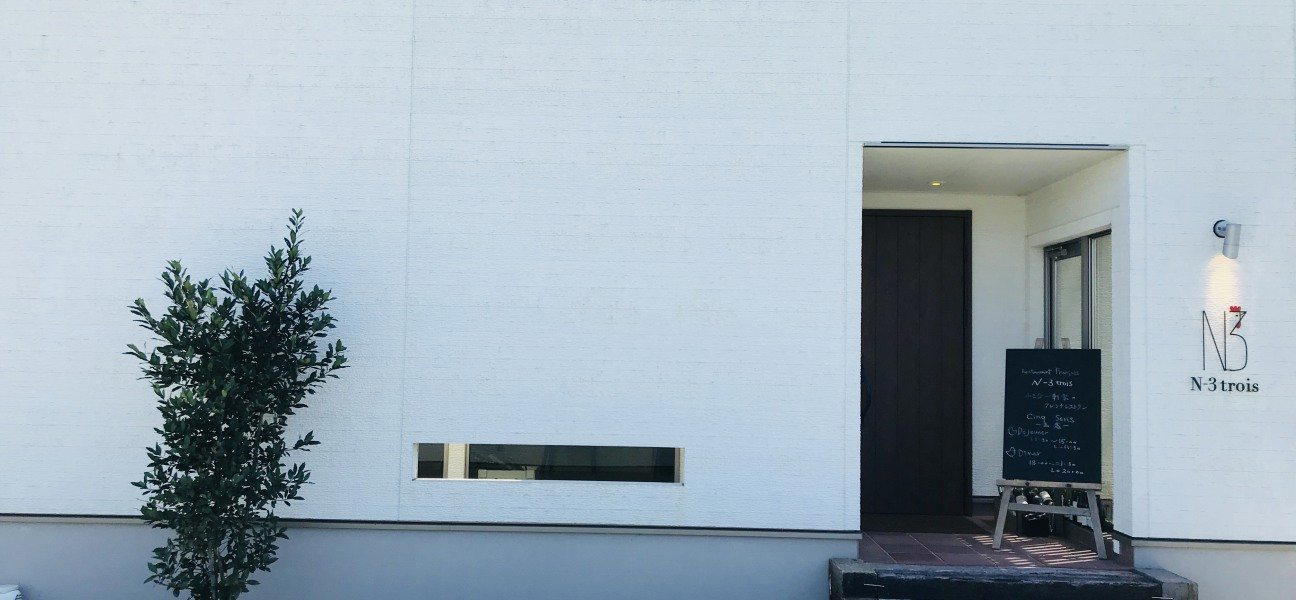
A Regional Table in Yamaguchi's Quiet Corner
Yamaguchi Prefecture sits at the western tip of Honshu, a stretch of coastline and mountain terrain that most international visitors pass through rather than stop in. That geographic reality shapes the dining culture here in ways that distinguish it from the more saturated restaurant markets of Osaka, Tokyo, or Kyoto. Restaurants in cities like Ube operate without the safety net of guaranteed tourist footfall, which tends to concentrate serious cooking into a smaller number of establishments that depend on genuine local loyalty and occasional destination visitors. エヌ トロワ, located at 2076-1 Nishikiwa in Ube's Nishikiwa district, occupies that particular position in the regional hierarchy.
The address itself is instructive. Nishikiwa sits at the edges of Ube's urban core, an area without the dense commercial character of central Japanese city dining strips. Approaching a restaurant in this kind of location in Japan usually signals one of two things: either a venue that has outgrown its need for street-level visibility, or one that has never sought it. Both possibilities carry editorial interest, because in either case the kitchen is doing the work rather than the address. For context on how Ube's restaurant scene distributes across neighborhoods and price points, our full Ube restaurants guide maps the broader picture.
Where Ube Sits in Japan's Regional Dining Conversation
Japan's regional dining culture has received sustained international attention over the past decade, largely through the Michelin Guide's expansion into prefectures beyond the obvious urban centers. That expansion revealed a pattern already known to domestic food media: serious cooking exists well outside Tokyo and Osaka, often in cities with fishing industries, agricultural hinterlands, and tight chef communities that reinforce technique across generations. Yamaguchi Prefecture benefits from Seto Inland Sea seafood and specific local producers, raw material advantages that ambitious kitchens in the region have historically drawn on.
Ube, as an industrial city with a coastline, operates within this regional framework. It is not a food-tourism destination in the way that Kyoto or Kanazawa have become, which means restaurants here tend to serve a local audience first and travel-motivated diners second. That ordering has cultural consequences: menus tend toward what the local market values rather than what scores well with international critics. Whether that produces more or less interesting cooking than destination-first restaurants is an open question, but it does produce a different kind of cooking, one grounded in place rather than performance.
For reference points across Japan's regional fine dining tier, Goh in Fukuoka and akordu in Nara illustrate how serious kitchens in non-Tokyo cities have built reputations that travel nationally. Further afield, HAJIME in Osaka demonstrates what a fully documented, award-carrying regional restaurant looks like at the upper bracket. In that company, Ube operates as a less-mapped but structurally similar ecosystem.
The Cultural Roots of Dining in Western Honshu
Western Honshu's food culture draws on a convergence of influences: Seto Inland Sea fishing traditions, mountain vegetable cultivation, and a historical proximity to Korean and Chinese culinary exchange through the Shimonoseki Strait. Restaurants in Yamaguchi Prefecture with serious intent tend to work within or against these traditions, either anchoring to local ingredients as a point of identity or using French or contemporary Japanese frameworks to recontextualize them. This is a different creative challenge than restaurants face in, say, Tokyo, where the ingredient supply chain is global and the audience is cosmopolitan.
Japanese restaurants working in this regional register often sit in productive tension between kaiseki's formal discipline and more contemporary approaches to tasting menu structure. The kaiseki tradition, which organizes a meal through seasonal progression and visual restraint, provides a cultural grammar that many western Honshu kitchens operate within even when they do not label themselves kaiseki restaurants. Gion Sasaki in Kyoto represents the fully realized version of that discipline at the highest tier. Restaurants in Ube working in a similar cultural register do so with less institutional visibility but often with equivalent local seriousness.
For international comparison, the way Atomix in New York City frames Korean culinary tradition through a contemporary tasting menu format offers a structural parallel to how regionally grounded Japanese restaurants balance tradition and modernity. The challenge in both cases is the same: how much does the format serve the food, and how much does it serve the audience's expectations of what serious cooking should look like.
Planning a Visit to エヌ トロワ
Ube is accessible by shinkansen to Shin-Yamaguchi Station, then a regional train or taxi connection into the city. For visitors traveling from Hiroshima or Fukuoka, the journey is manageable as a day trip, though an overnight stay allows a less pressured engagement with the area. The Nishikiwa district address suggests a taxi from central Ube is the practical approach rather than walking from the station.
Because エヌ トロワ's booking method, hours, and direct contact details are not publicly indexed in the sources available to us, the practical recommendation is to approach reservation planning through the restaurant's local channels or through a hotel concierge in Ube or Yamaguchi city who maintains relationships with regional dining. This is a common pattern for serious restaurants in smaller Japanese cities, where the booking infrastructure operates through local networks rather than international reservation platforms.
For nearby context in the broader EP Club network, アンコーラ represents another Ube venue worth building a visit around. Across the region, 湖畔荘 in Takashima and 三本松川島制 in Nanao illustrate how the broader Chugoku and Hokuriku regional dining circuit rewards careful planning across multiple stops.
Frequently asked questions
What part of town is エヌ トロワ in?
エヌ トロワ is located at 2076-1 Nishikiwa, Ube, Yamaguchi 755-0151, Japan, Ube.
Is エヌ トロワ in Ube worth a detour from Hiroshima or Fukuoka?
Ube sits roughly between Hiroshima and the Kyushu gateway at Fukuoka, making エヌ トロワ a plausible stop on a western Honshu itinerary rather than a standalone destination trip. The restaurant's address, 2076-1 Nishikiwa, Ube, is in a city that sees limited international dining coverage, which means serious regional dining here operates largely outside the pressure of Tokyo or Osaka visibility. Whether the detour is warranted depends on confirmed booking and current menu details, which are best obtained directly from the venue.
What do regulars order at エヌ トロワ?
What is documented is the address, 2076-1 Nishikiwa, Ube, Yamaguchi, placing the restaurant within reach of Seto Inland Sea seafood and Yamaguchi mountain produce, the two pillars of western Honshu's regional table. Regulars in this part of Japan typically anchor their meals around whatever the season brings from those two sources.
How far ahead should I plan for エヌ トロワ?
No booking window data is confirmed for エヌ トロワ at this time. For regional dining addresses in Ube and broader Yamaguchi Prefecture, contacting the venue directly before travel is advisable, smaller rooms in cities of this scale often fill on shorter notice than their urban counterparts in Hiroshima or Fukuoka. Visitors arriving via Shin-Yamaguchi Station should factor in the regional train or taxi connection to Ube when timing reservations.
Cost Snapshot
Comparable venues nearby, for context on price, style, and recognition.
| Venue | Cuisine | Price | Awards | Notes |
|---|---|---|---|---|
| エヌ トロワThis venue (the venue you are viewing) | Modern French with Local Ingredients | $50–100 | Not listed | Not listed |
| maison owl | Architectural French fine dining with wine-paired seasonal tasting menus | $300–500 | Tabelog 100 #25 | Nakaube, Architectural French fine dining with wine-paired seasonal tasting menus |
| COCO'S | Japanese Family Restaurant | $10–20 | Not listed | 文京町, Japanese Family Restaurant |
| Yakitori Nishimura | Yakitori & Wine (Kyoto Takasaka Chicken) | $50–100 | Tabelog 100 #6 | Not listed |
| Tori Manma | Chicken-focused Japanese Izakaya & Yakitori | $30–50 | Tabelog 100 #56 | Not listed |
| アンコーラ | Italian Pizza and Pasta | $10–20 | Not listed | Kusae, Italian Pizza and Pasta |
Continue exploring
More in Ube
Details
- Elegant
- Intimate
- Modern
- Date Night
- Special Occasion
- Chefs Counter
- Open Kitchen
- Local Sourcing
- Counter Dining
Current opening hours
- Monday
- 11:30 AM–3 PM, 6–9:30 PM
- Tuesday
- 11:30 AM–3 PM, 6–9:30 PM
- Wednesday
- 11:30 AM–3 PM, 6–9:30 PM
- Thursday
- 11:30 AM–3 PM, 6–9:30 PM
- Friday
- 11:30 AM–3 PM, 6–9:30 PM
- Saturday
- 11:30 AM–3 PM, 6–9:30 PM
- Sunday
- 11:30 AM–3 PM, 6–9:30 PM
Hours can change for holidays and private events. Hours as of .
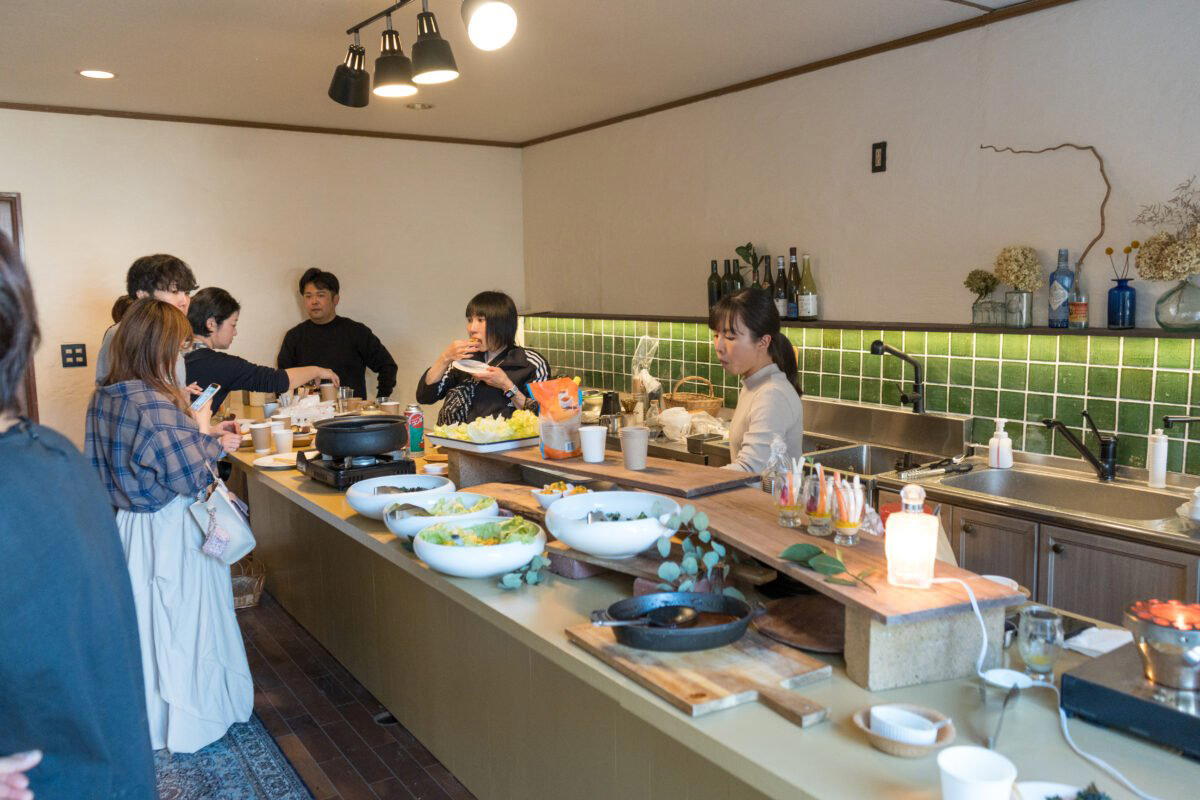
Stylish and intimate house atmosphere with counter seating for close view of cooking.