D'Cadéi
D'Cadéi sits at the heart of Villeneuve-Tolosane, a quietly self-contained commune southwest of Toulouse where the restaurant trade draws on deep Gascon and Lauragais agricultural traditions rather than tourist footfall. Without verified menu or pricing data, the editorial case for a visit rests on its address alone, but that address places it squarely within one of the Haute-Garonne's more interesting local dining circuits.
Pearl is the En Primeur Club membership app — saves, bookings, and concierge access live there. Same editors, same standards.
- Address
- 1 Rue de l'Hôtel de ville, 31270 Villeneuve-Tolosane, France
- Phone
- +33561927268
- Website
- dcadei.fr
- Directions
- Get directions
 Saves & bookings on Pearl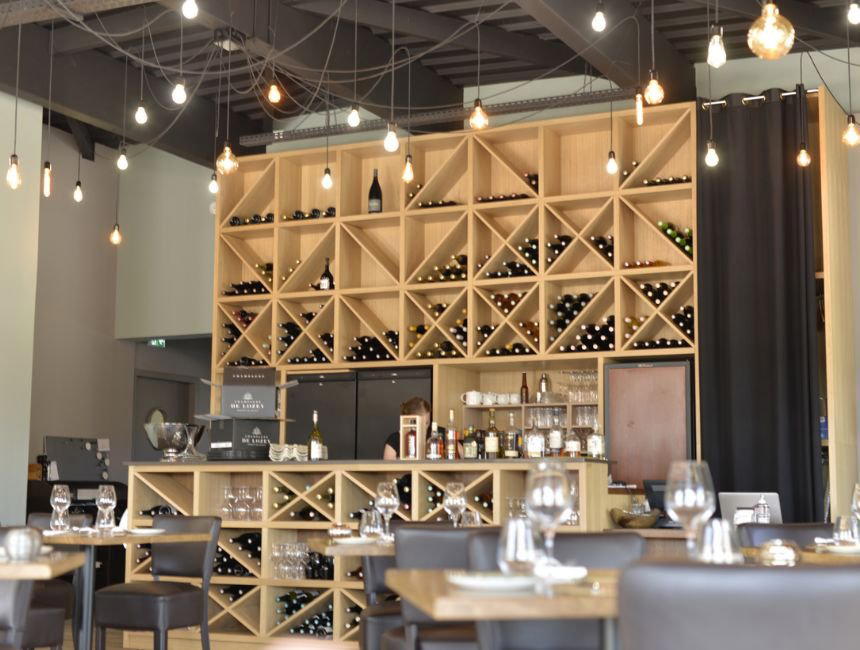
Villeneuve-Tolosane and the Restaurants That Feed It
The communes that ring Toulouse, separated from the city by the A620 périphérique and stretches of market-garden land, have developed their own restaurant culture largely independent of the capital's tourist economy. Villeneuve-Tolosane, sitting some fifteen kilometres southwest of central Toulouse, belongs to that belt. Its residents eat locally, and the restaurants that survive there do so by satisfying a returning clientele rather than by catching passing trade. D'Cadéi is a restaurant in Villeneuve-Tolosane, France, serving Modern French Bistronomique.
That context matters when placing D'Cadéi against the broader French dining spectrum. The country's most decorated restaurants, Mirazur in Menton, Alléno Paris au Pavillon Ledoyen, Troisgros in Ouches, operate at a remove from daily community life, their menus priced and formatted for event dining. D'Cadéi's Villeneuve-Tolosane address suggests a different function entirely: the kind of address where lunch is as likely as dinner, where the menu changes with the market, and where the sourcing conversation happens informally between a chef and a supplier who both live nearby.
Gascon Ingredients and the Southwestern Table
The southwestern corridor running from the Haute-Garonne into the Gers and Lot-et-Garonne is one of France's most ingredient-dense regions. Duck and its derivatives, confit, foie gras, magret, have defined the region's reputation internationally, but the local table extends well beyond those headline products. The Lauragais plateau, directly east of Villeneuve-Tolosane, was historically France's primary saffron-growing area and remains associated with a distinct strain of winter vegetable cultivation. The Comminges valleys to the south push lamb and aged cheese into the regional pantry. The Garonne corridor itself supports market gardens that supply Toulouse's covered markets, including the Marché Victor Hugo, a substantial reference point for chefs sourcing within the metropolitan area.
A restaurant at this address, within this agricultural orbit, has access to supply chains that restaurants in more urban or tourist-heavy locations often lack: direct relationships with producers whose farms sit within a thirty-kilometre radius, seasonal produce cycles that align tightly with what appears on the plate. This is the ingredient logic that underpins some of France's most respected regional cooking. Bras in Laguiole built its reputation partly on a comparable argument, that proximity to the Aubrac plateau gave it an ingredient position no urban restaurant could replicate. Auberge du Vieux Puits in Fontjoncouse operates on a similar logic in the Corbières. The southwestern model, at its most coherent, is about what grows or grazes within reach.
What the address confirms is that the ingredient opportunity exists and that the local clientele it serves would recognise and expect seasonal regional produce as a baseline rather than a selling point.
The Commune-Centre Restaurant Format in France
Restaurants positioned on or directly adjacent to a French town hall square occupy a specific cultural category. They are, in most cases, expected to function as civic anchors: lunch service for municipal workers, dinner for local celebrations, a reliable midweek option for families who want a cooked meal without driving to the city. That format demands a certain range, menus broad enough to accommodate a table of six with varied appetites, service that can move at different speeds depending on the table, a wine list built around regional references rather than prestige labels.
This is a different proposition from the destination restaurants that dominate French fine dining coverage. Flocons de Sel in Megève, Le 1947 à Cheval Blanc in Courchevel, or L'Oustau de Baumanière in Les Baux are built for visitors who have travelled specifically to eat there. The commune-centre format serves people who live there, which imposes its own discipline: value, consistency, and an understanding of what that specific community considers a good meal.
The restaurant's neighbour in the Villeneuve-Tolosane restaurant circuit, O Fil des Saveurs, represents another entry point into the local scene. Together, these two addresses make up the kind of small dining offer that sustains a commune of this size, a handful of reliable tables rather than a restaurant row. For the visitor coming from Toulouse, that means a short drive southwest and a meal that operates at a pace the city centre rarely allows.
Planning a Visit
Villeneuve-Tolosane is accessible from central Toulouse by car in under twenty minutes via the A620 and N20, or by the TER rail network to Muret with onward connections. For visitors already in the Toulouse metropolitan area, the commune sits within the zone served by Tisséo transport, though a car is more practical for an evening visit. The restaurant's address at 1 Rue de l'Hôtel de Ville places it at the navigable centre of the commune, easily located by map.
For context on how the restaurant sits within the wider French restaurant spectrum, the gap between a local commune table and the country's most awarded addresses is substantial. Institutions such as Paul Bocuse in Collonges-au-Mont-d'Or, Auberge de l'Ill in Illhaeusern, Maison Lameloise in Chagny, Georges Blanc in Vonnas, or Les Prés d'Eugénie in Eugénie-les-Bains are destination experiences with decades of accumulated recognition and international reservation queues. Le Bernardin in New York and Lazy Bear in San Francisco represent how that French technical heritage has been absorbed and reinterpreted internationally. The restaurant operates in a different register: local, practical, rooted in the produce of its immediate region, and answerable first to the people who live within walking distance of it. La Table du Castellet in Le Castellet offers a comparable study in how southern French regional restaurants anchor to their immediate geography without aspiring to the destination-dining tier.
At-a-Glance Comparison
Comparable venues nearby, for context on price, style, and recognition.
| Venue | Cuisine | Price | Notes |
|---|---|---|---|
| D'CadéiThis venue — the venue you are viewing | Modern French Bistronomique | $$$ | Not listed |
| O FIL DES SAVEURS | Modern French Bistro | $$ | Villeneuve-Tolosane |
| Le Bibent | Classic French Brasserie with Southwestern Accents | $$$ | Capitole / Arnaud Bernard / Carmes |
| Coté vin | French Wine Bar with Tapas | $$$ | Capitole / Arnaud Bernard / Carmes |
| Barbaque Victor Hugo | French Steakhouse Grill | $$$ | Capitole / Arnaud Bernard / Carmes |
| Le Moulin des Saveurs | Modern Gascon with Local Terroir | $$$ | Barbaste |
Continue exploring
More in Villeneuve Tolosane
Restaurants in Villeneuve Tolosane
Browse all →
Bars in Villeneuve Tolosane
Browse all →
Hotels in Villeneuve Tolosane
Browse all →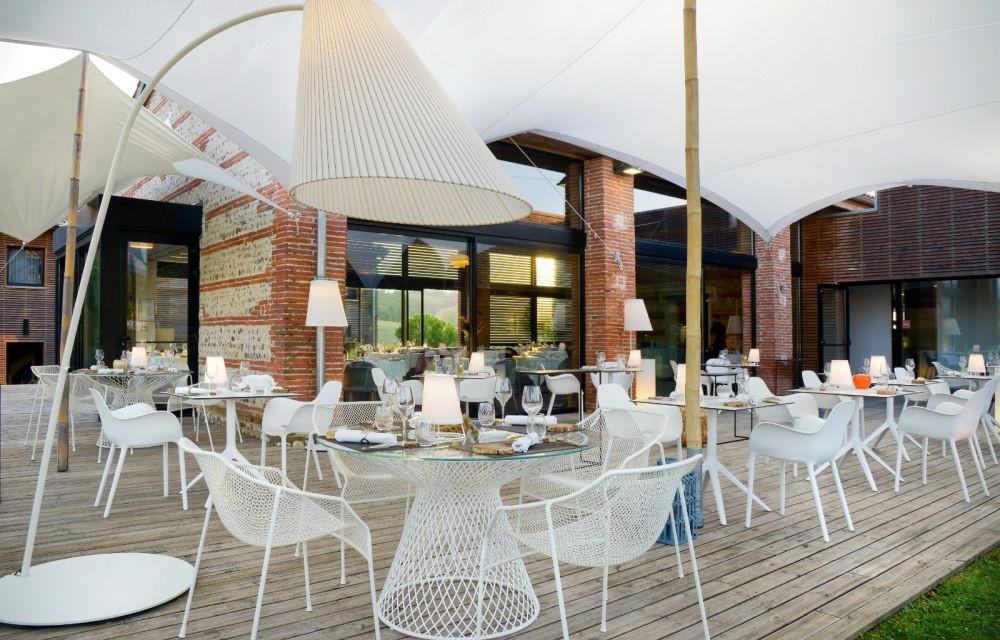
Wineries in Villeneuve Tolosane
Browse all →
At a Glance
- Modern
- Cozy
- Elegant
- Date Night
- Special Occasion
- Open Kitchen
- Local Sourcing
Current opening hours
- Monday
- Closed
- Tuesday
- 12–2 PM, 7–11:30 PM
- Wednesday
- 12–2 PM
- Thursday
- 12–2 PM, 7–11:30 PM
- Friday
- 12–2 PM, 7–11:30 PM
- Saturday
- 12–2 PM, 7–11:30 PM
- Sunday
- Closed
Hours can change for holidays and private events. Last verified .
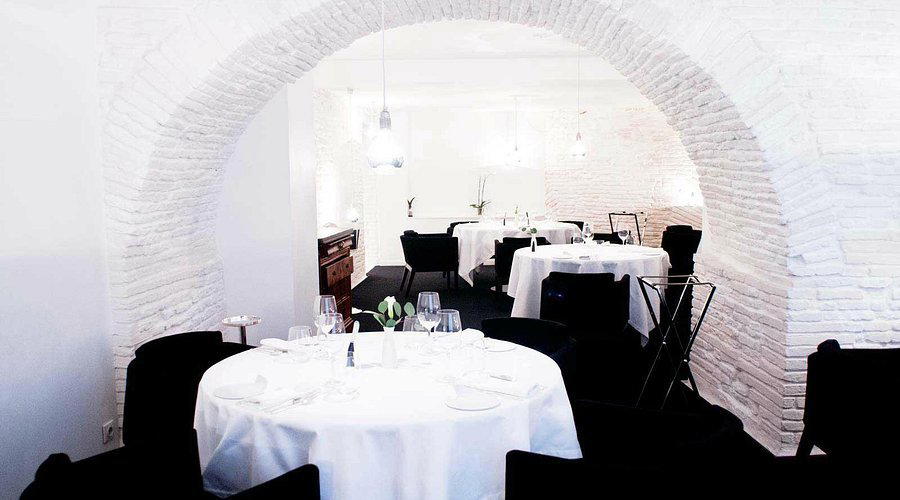
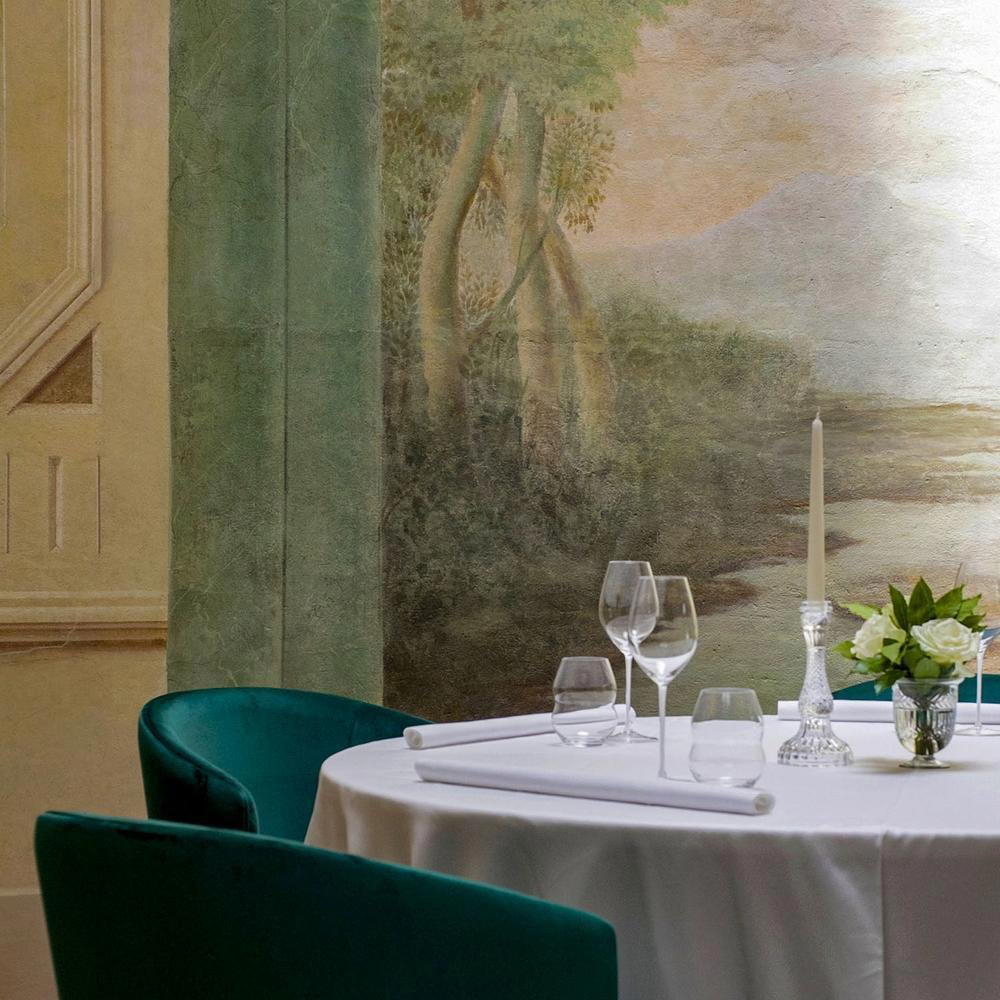
Modern and warm atmosphere with an open kitchen and vegetal ceiling, creating a welcoming dining space.