Darwin Cafe
Darwin Cafe occupies a compact address on Ritch Street in San Francisco's SoMa district, a block that sits at the edge of the city's industrial-to-residential transition. The cafe operates within a neighborhood that has long supported a particular kind of daytime eating culture: functional, unhurried, and more interested in quality than ceremony. For visitors mapping the city's cafe scene, it represents the SoMa working-day rhythm at street level.
- Address
- 212 Ritch St, San Francisco, CA 94107
- Phone
- +1 415 800 8668
- Directions
- Get directions
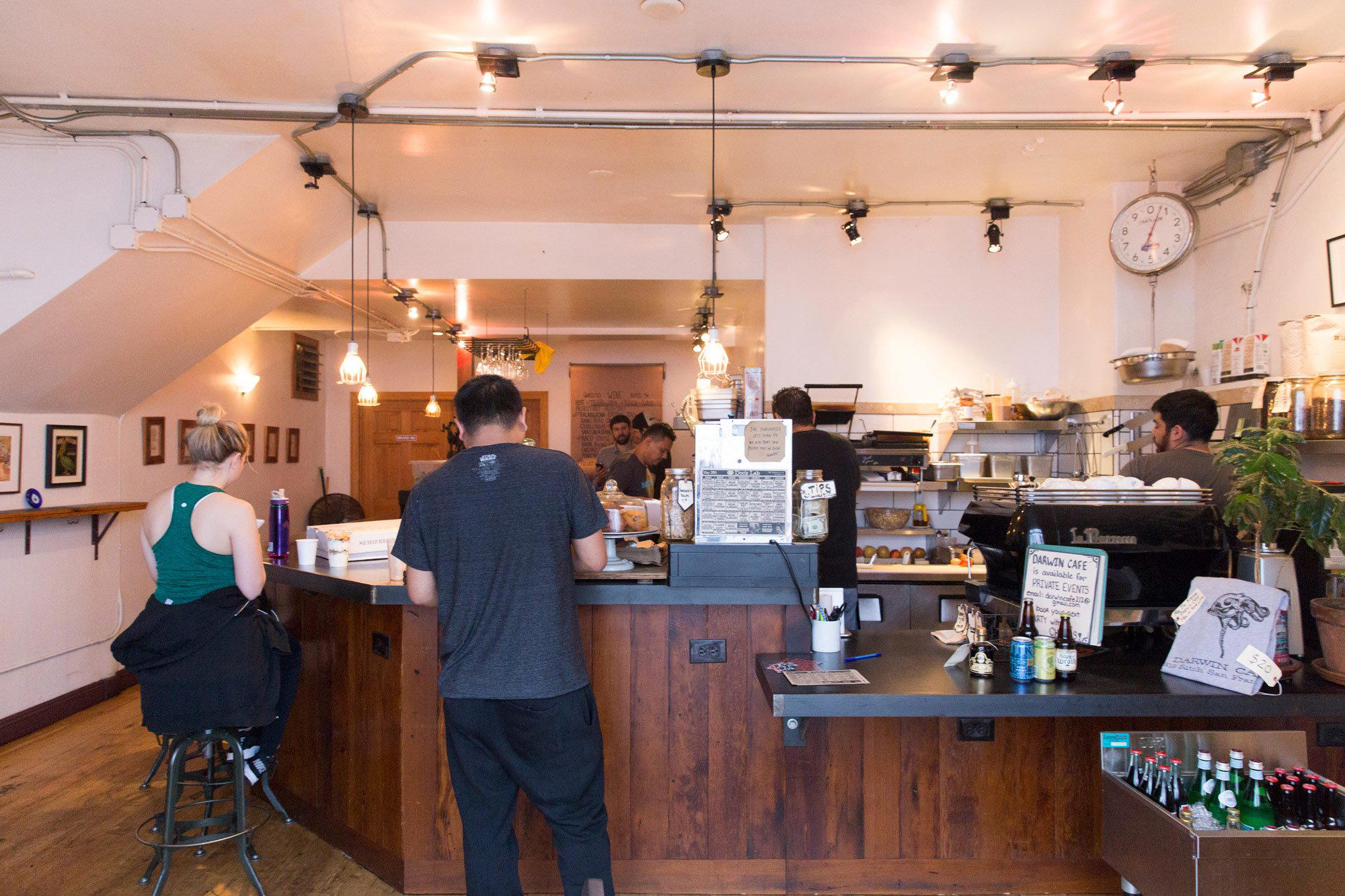
Ritch Street and the SoMa Cafe Tradition
San Francisco's SoMa district has never resolved itself into a single identity, and that tension is part of what makes its food culture interesting. Warehouses give way to design studios, which give way to residential towers, and threaded through all of it is a network of small cafes and lunch counters that serve the people who actually spend their days in the neighborhood. Darwin Cafe is a casual American sandwiches and salads restaurant at 212 Ritch St, San Francisco. It is permanently closed. Ritch Street itself is a short alley-adjacent block that connects the heavier foot traffic of Folsom and Brannan, the kind of address that rewards people who already know where they are going rather than those drifting in from a hotel concierge map.
This matters for understanding what Darwin Cafe is and is not. Places like Lazy Bear, Atelier Crenn, Benu, Quince, and Saison occupy a different tier entirely, one shaped by Michelin recognition, long reservation windows, and prix-fixe architecture. Darwin operates in the daytime, neighborhood-anchored tier that those venues ignore by design. Both tiers matter to a complete picture of how San Francisco eats.
What the Address Tells You About the Format
The editorial angle on any cafe is its menu structure, because the menu is the clearest signal of whom a place has decided to serve and on what terms. A menu built around espresso drinks and a short rotation of pastries tells a different story than one with a broader savory program designed for seated lunch. In SoMa specifically, cafes that have survived the neighborhood's repeated demographic shifts tend to be the ones that resolved this question early and held to it. The short-block location on Ritch Street, away from the main SoMa arterials, suggests a format that depends on return visits rather than walk-in volume, the kind of operation where the regulars set the tempo.
This model has precedents across American cities. In Chicago, Smyth built its reputation at the fine-dining end of a similar neighborhood-rooted philosophy. At the other end of the scale, the cafes that outlast economic cycles in transitional urban neighborhoods tend to be the ones with a clear daytime identity and a menu that doesn't overreach. The menu architecture question at Darwin, is one worth asking in person: how broad is the savory offering, and does the coffee program anchor or share the stage?
San Francisco's Daytime Eating Culture in Context
California's influence on American cafe culture runs deep. The expectations around sourcing, seasonal rotation, and the quality of the base ingredient, whether that is the roast in the cup or the bread under a sandwich, are higher in San Francisco than in most comparable American cities. This is the environment that shaped the daytime eating habits of the SoMa workforce, and it creates a baseline that even small, low-profile operations are expected to meet.
What distinguishes the operations that develop local loyalty is usually specificity: a particular coffee relationship, a sandwich built around a single sourced ingredient, or a format that rewards the twenty-minute seated break rather than the grab-and-go transaction. Nationally, the cafe category has produced particularly interesting menu thinking of the last decade, from the fermentation-forward programs at places like Blue Hill at Stone Barns in Tarrytown to the precision-focused daytime operations that sit adjacent to fine-dining institutions such as The French Laundry in Napa and Single Thread Farm in Healdsburg.
How Darwin Fits the Broader American Cafe Conversation
American cities have spent the last fifteen years sorting their cafe culture into increasingly distinct tiers. At the high end, coffee bars with direct-trade sourcing and precise extraction protocols have professionalized the category in ways that parallel what happened to American wine and cheese. At the neighborhood level, particularly durable operations tend to be those that found a position between pure coffee focus and full daytime-kitchen ambition, doing enough food to anchor a seated visit without overextending into territory that requires a larger brigade.
San Francisco has been one of the cities where this sorting has been most visible. The same neighborhoods that house the city's most-discussed fine-dining addresses, including the SoMa blocks that feed into the broader restaurant corridor running toward the Embarcadero, also contain some of the city's most consistent neighborhood cafes. Darwin's Ritch Street location places it in a pocket of that corridor that sees less tourist traffic than the Ferry Building area but retains the underlying ingredient-consciousness that characterizes the Bay Area food supply chain.
Comparable positioning questions arise at cafe-adjacent operations in other American markets. Frasca Food and Wine in Boulder and Providence in Los Angeles operate in the fine-dining register, but the neighborhood dynamics that determine their regulars' habits share a logic with what drives loyalty at a well-placed neighborhood cafe. Addison in San Diego and The Inn at Little Washington in Washington represent the destination end of that same spectrum. Emeril's in New Orleans, Le Bernardin in New York City, and Atomix in New York occupy different tiers still, as does Atelier Moessmer Norbert Niederkofler in Brunico. None of this is directly comparable to Darwin, but the range illustrates how differently the same underlying question, what does this operation exist to do, can be answered across price points and formats.
Planning a Visit
Darwin Cafe is at 212 Ritch Street in SoMa, a short walk from the Caltrain station at 4th and King and within reasonable distance of the main SoMa hotel corridor. Ritch Street requires a deliberate decision to seek it out rather than a chance encounter. Current hours, any booking requirements, and the precise scope of the food and coffee program are not listed here.
Recognition, Side-by-Side
Comparable venues nearby, for context on price, style, and recognition.
| Venue | Cuisine | Price | Notes |
|---|---|---|---|
| Darwin CafeThis venue — the venue you are viewing | American Sandwiches & Salads | $$ | Not listed |
| Delancey Street Restaurant | American with International Influences | $$ | Financial District/South Beach |
| Homage | Casual Farm-to-Table Californian | $$ | Financial District/South Beach |
| Cable55 | American with California Flair | $$ | Tenderloin |
| Cat Cora’s Kitchen | New American with Greek Flair | $$ | San Francisco International Airport |
| Jasper's Corner Tap & Kitchen | New American Gastropub | $$ | Tenderloin |
Continue exploring
More in San Francisco
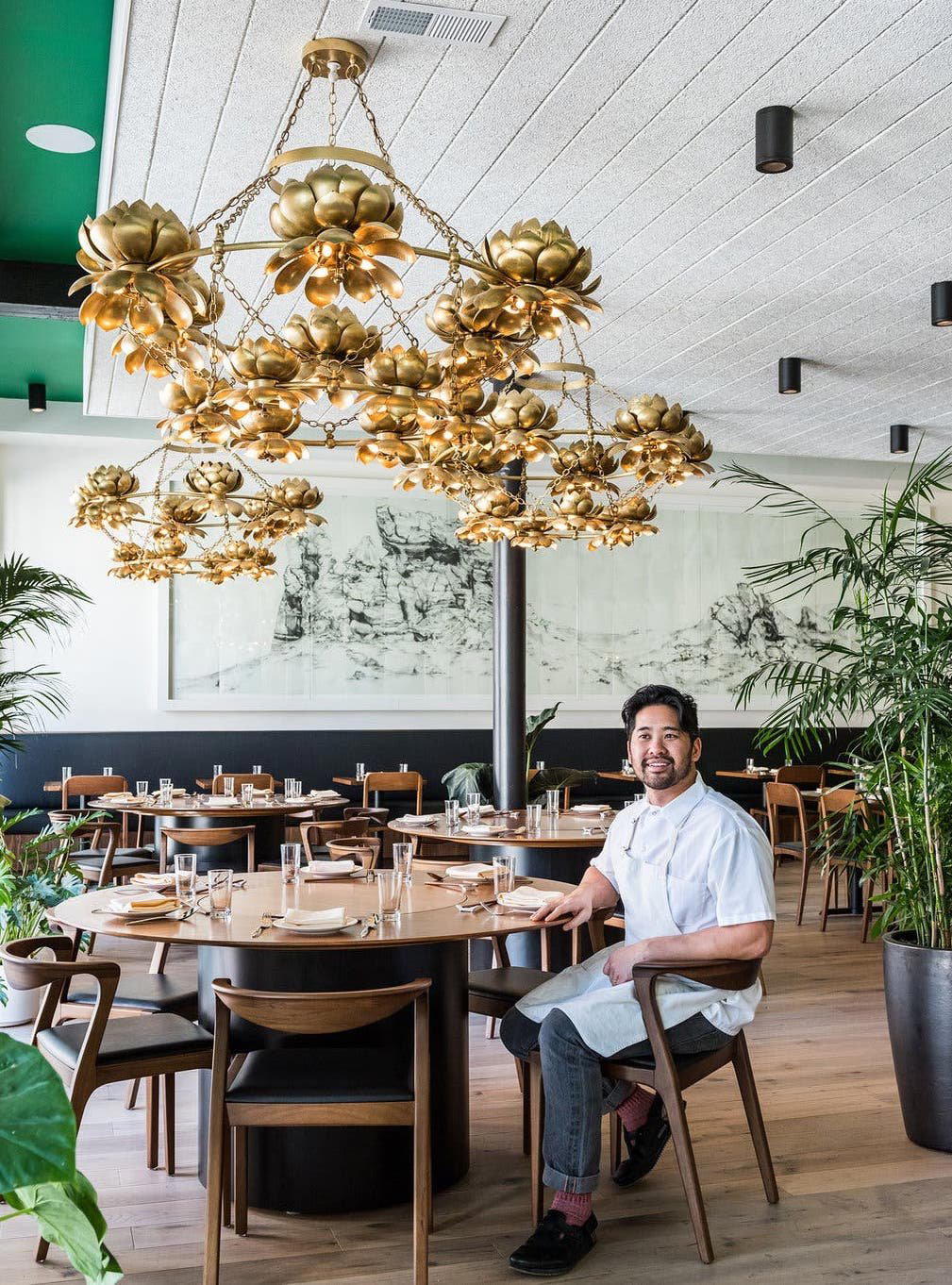
Restaurants in San Francisco
Browse all →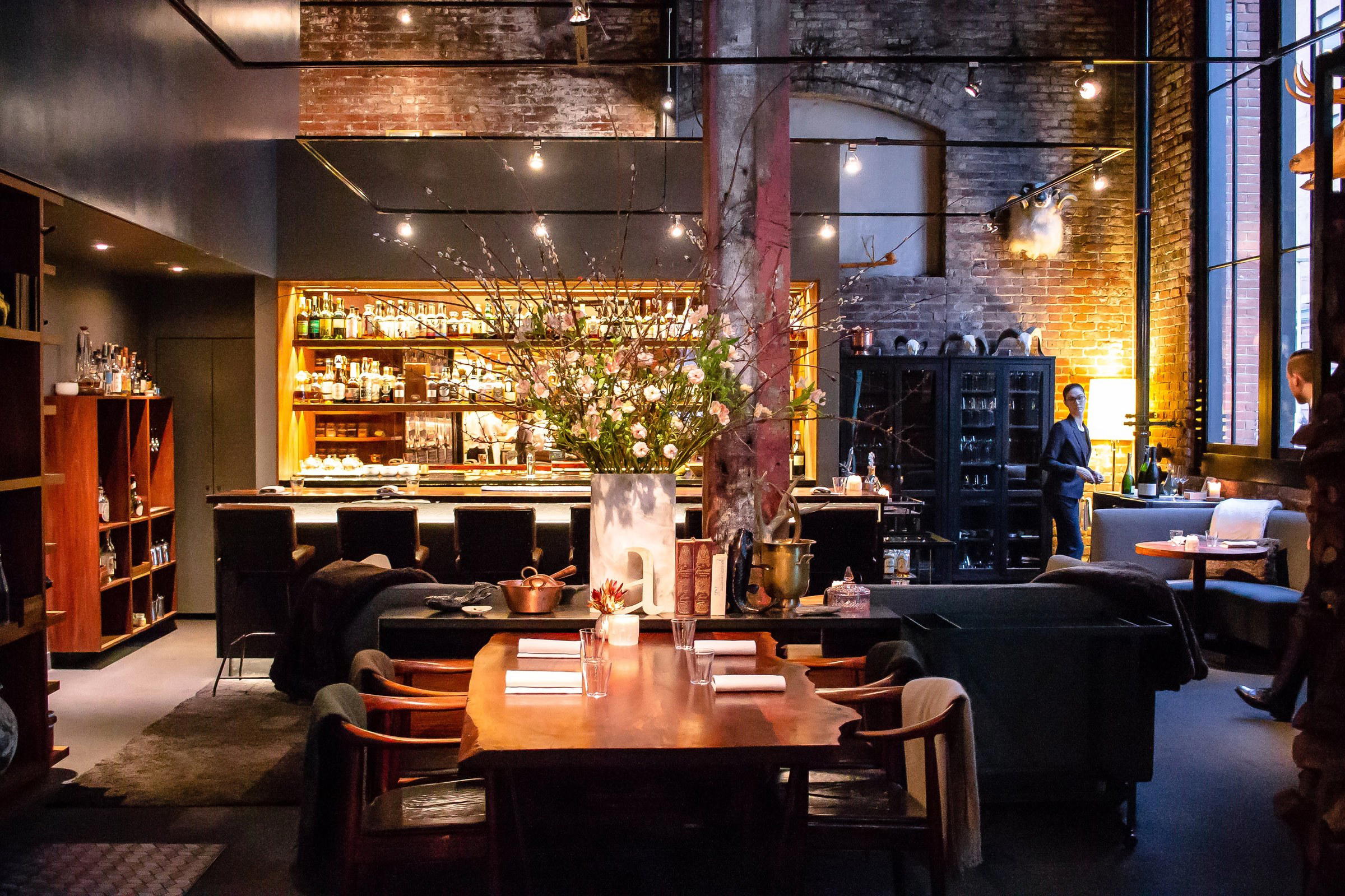
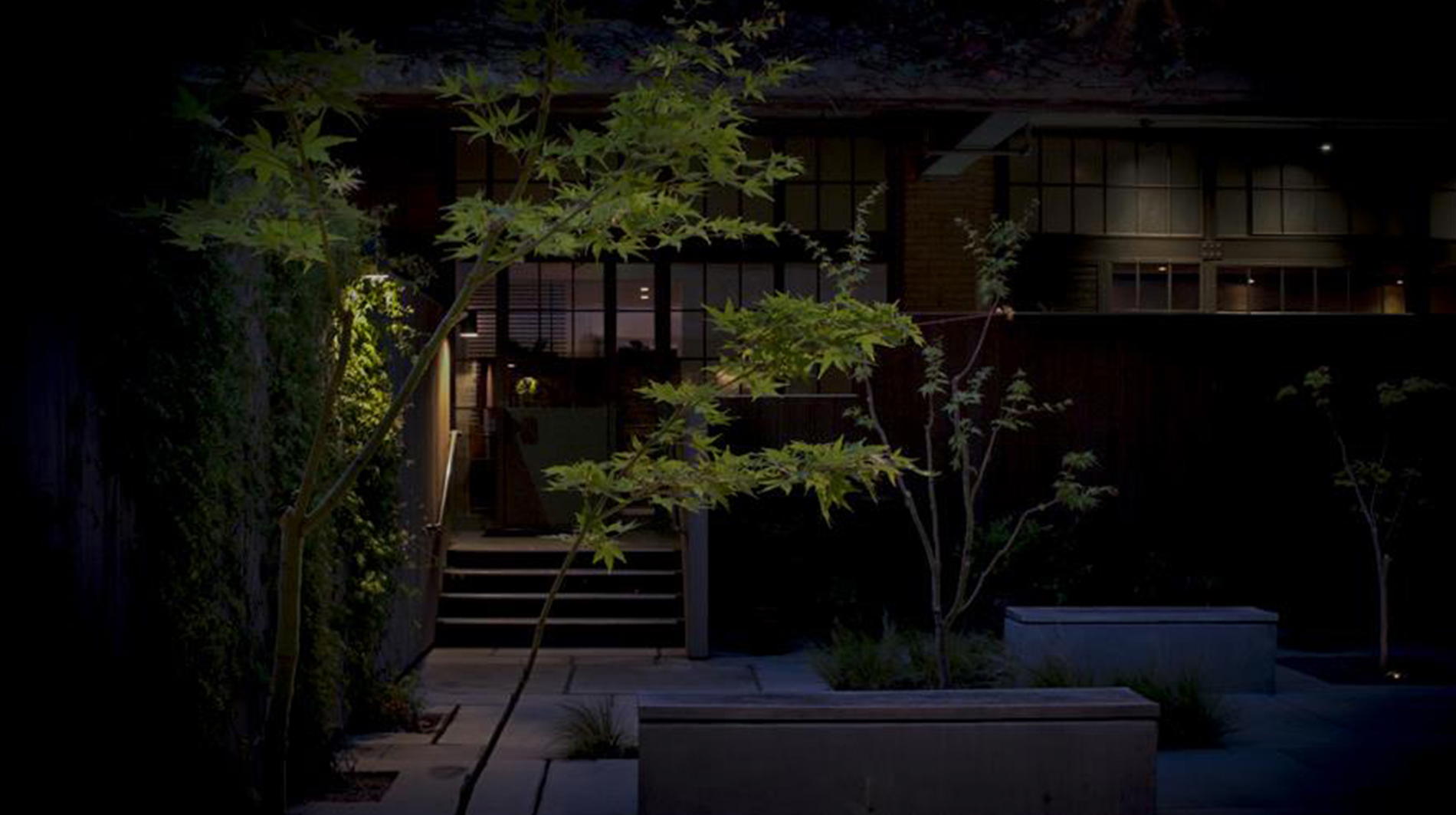
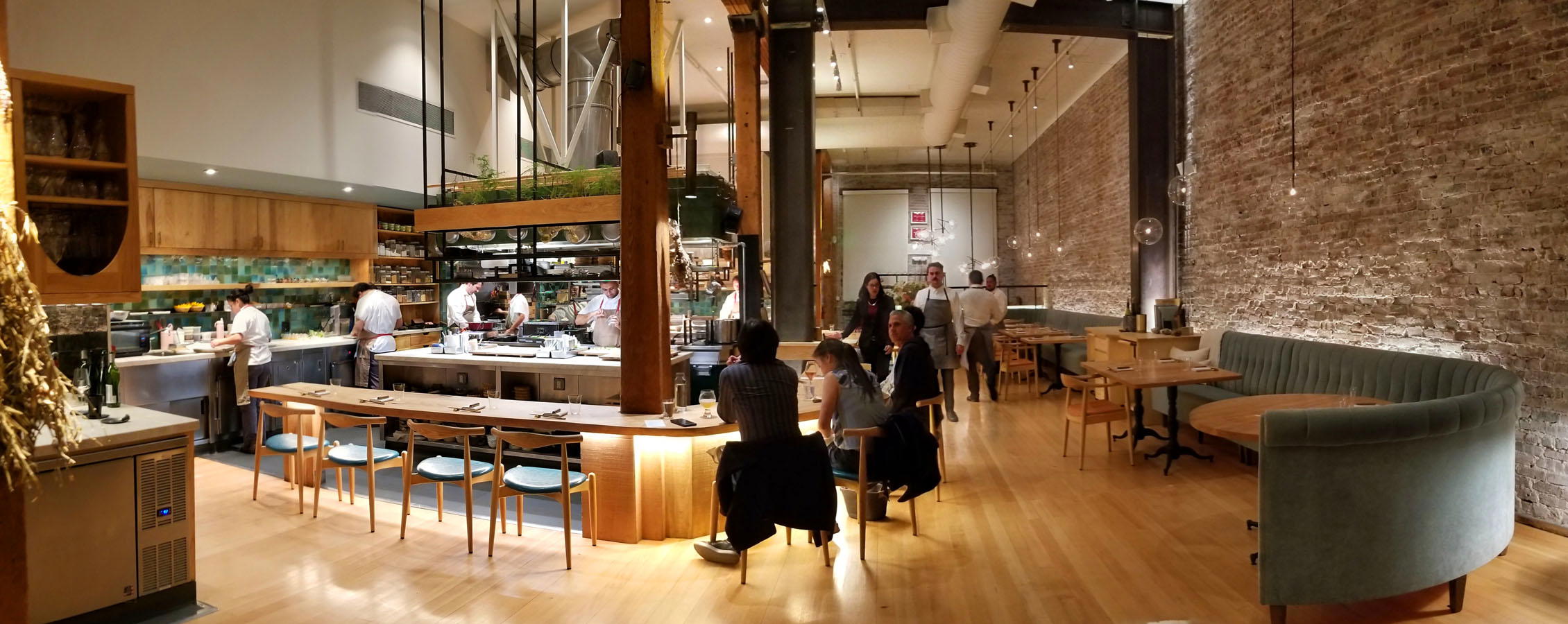
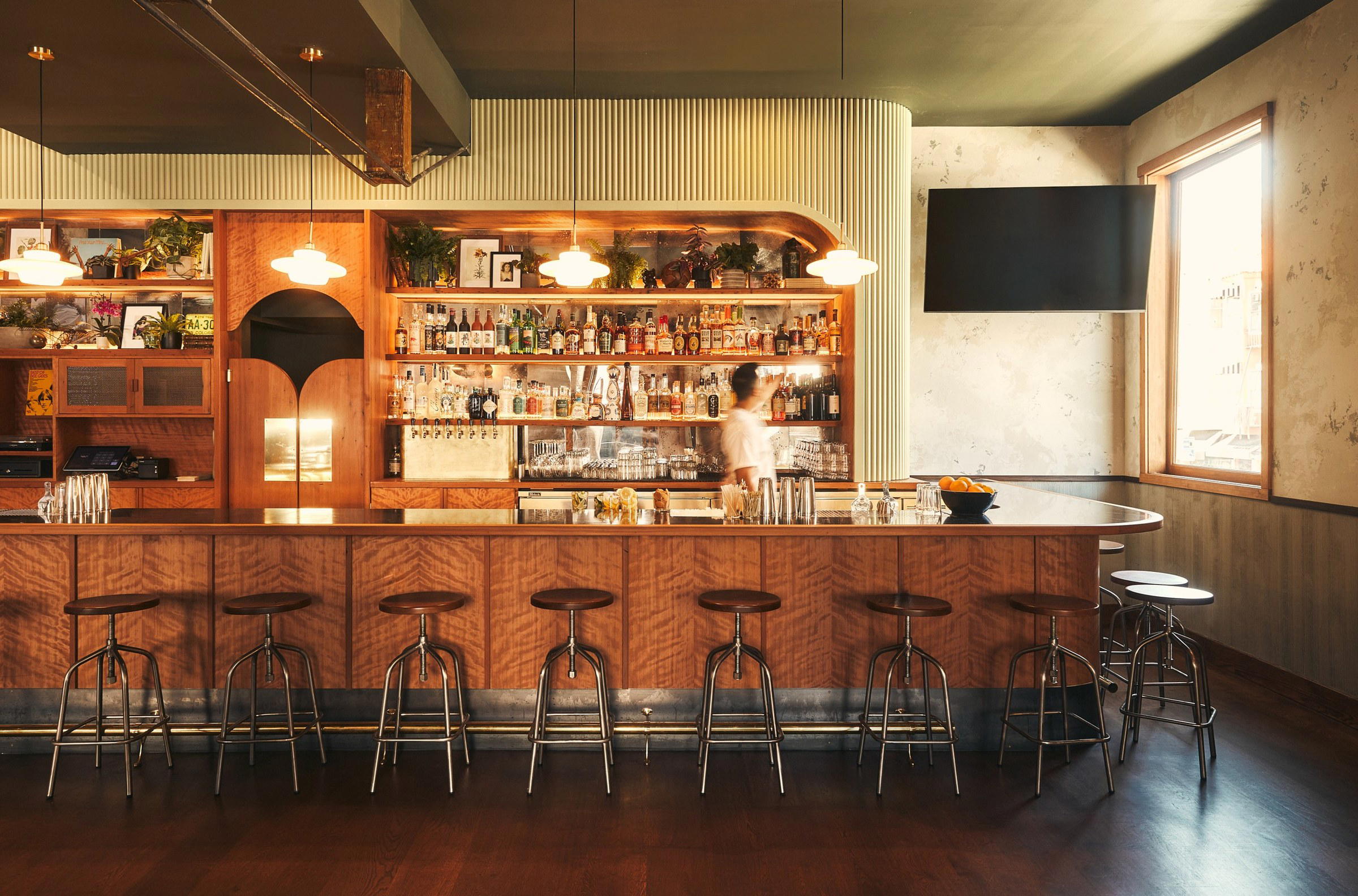
Bars in San Francisco
Browse all →
Hotels in San Francisco
Browse all →


At a Glance
- Cozy
- Casual Hangout
- Open Kitchen
- Local Sourcing
Charming and inviting cozy atmosphere in a small space with a few indoor tables, bar seats, and an outdoor parklet, fostering a strong community vibe.