Delancey Street Restaurant
Delancey Street Restaurant sits on the Embarcadero waterfront, shaped by one of San Francisco's most distinctive social institutions. The space draws from the same ethos that runs through the broader Delancey Street Foundation: purposeful work, community accountability, and hospitality as a form of rehabilitation. The waterfront address places it at a productive remove from the city's fine-dining core, making it a different kind of table worth understanding.
Pearl is the En Primeur Club membership app — saves, bookings, and concierge access live there. Same editors, same standards.
- Address
- 600 The Embarcadero, San Francisco, CA 94107
- Phone
- +14155125179
- Website
- delanceystreetfoundation.org
- Directions
- Get directions
 Saves & bookings on Pearl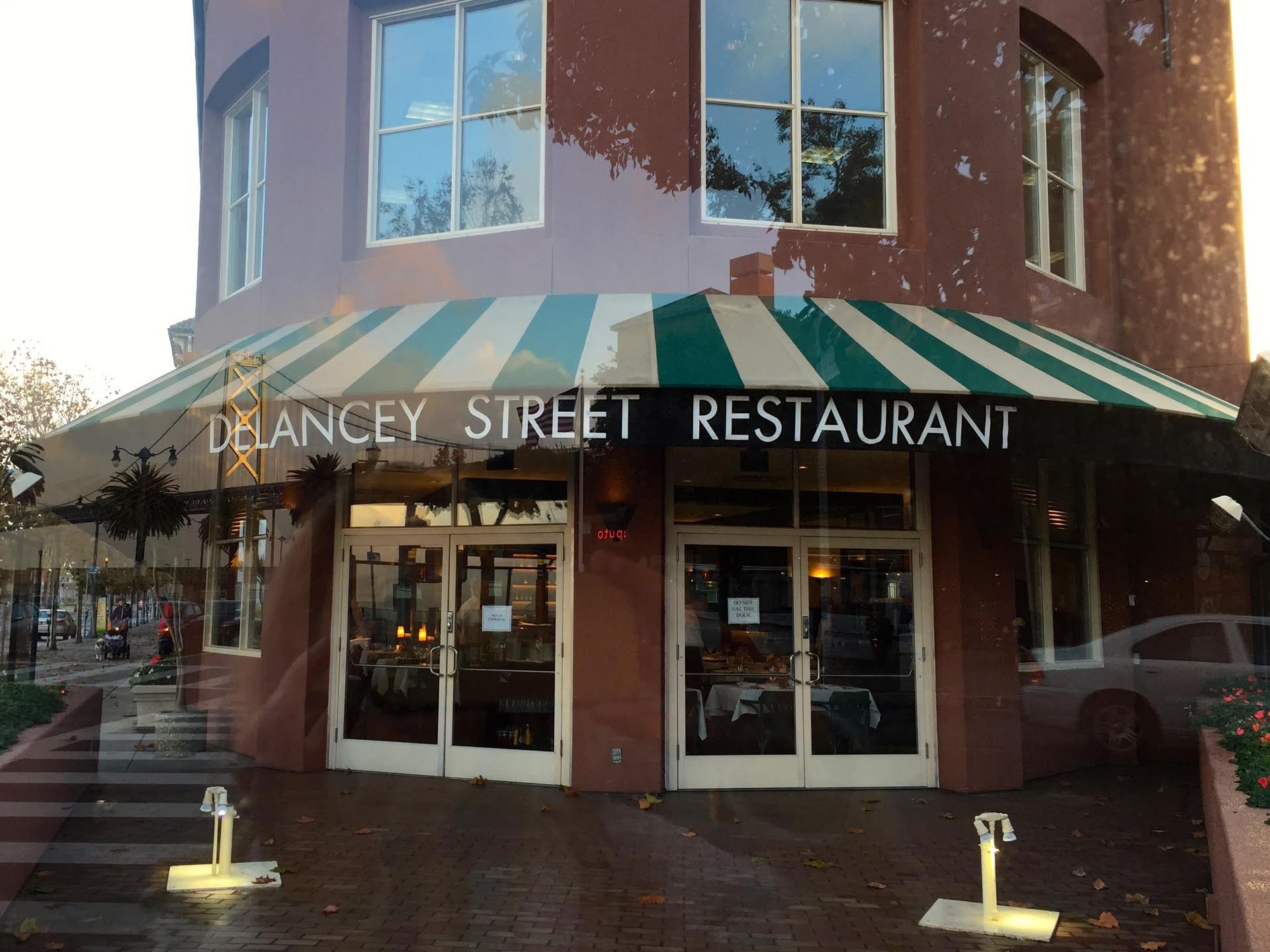
The Embarcadero Edge: Where San Francisco's Waterfront Shapes the Table
San Francisco's dining geography tends to sort itself predictably: the tasting-menu circuit congregates around SoMa, Pacific Heights, and the Financial District, where venues like Lazy Bear, Atelier Crenn, and Benu operate within a tight radius of each other and price against a shared comparable set at $$$$. The Embarcadero runs parallel to all of that, a long waterfront strip that functions more as a transit corridor and tourist artery than a destination dining neighborhood. That context matters when reading Delancey Street Restaurant, which sits at 600 The Embarcadero and occupies a position in the city's hospitality scene that has little to do with the Michelin-tracked fine-dining cohort to the west.
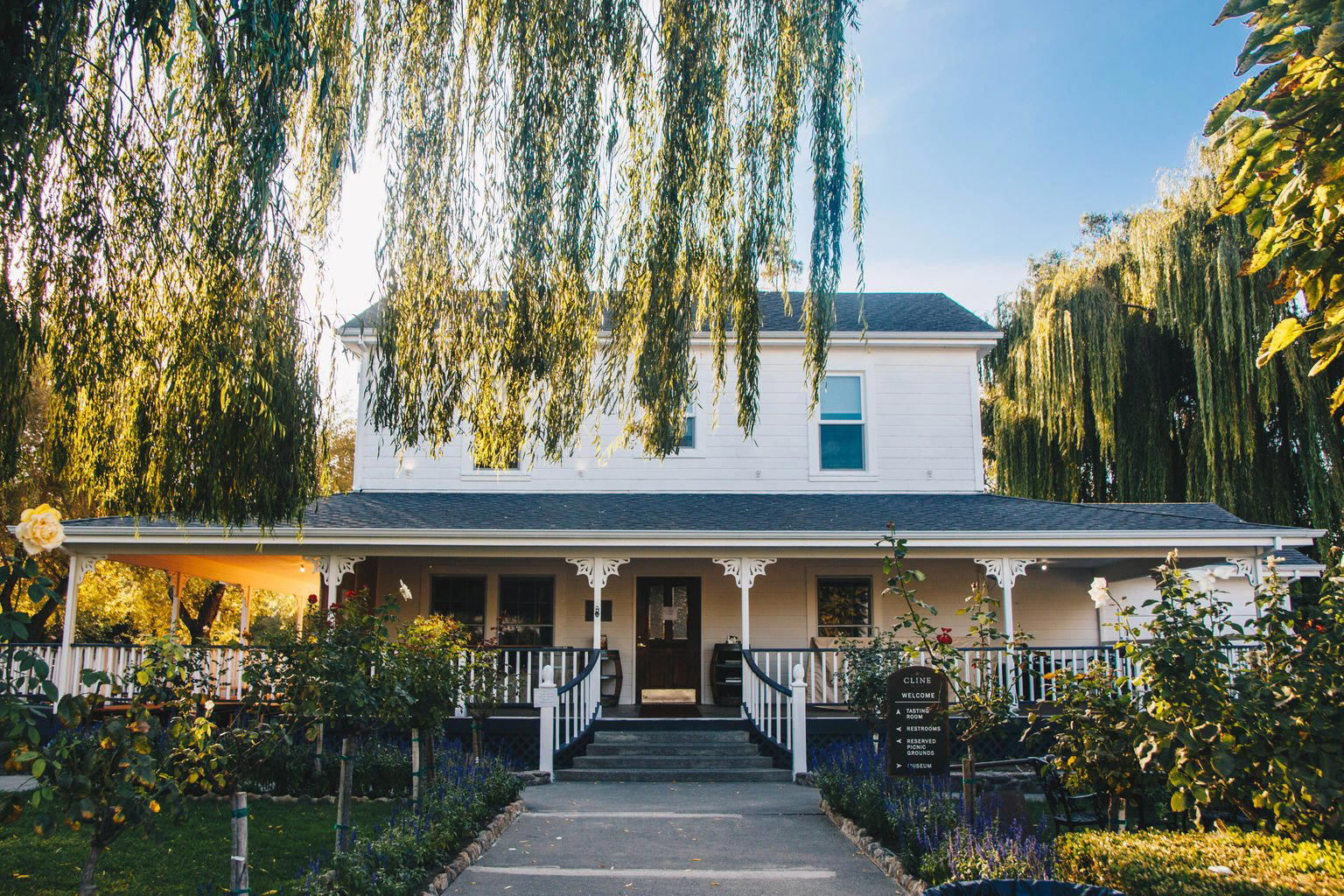
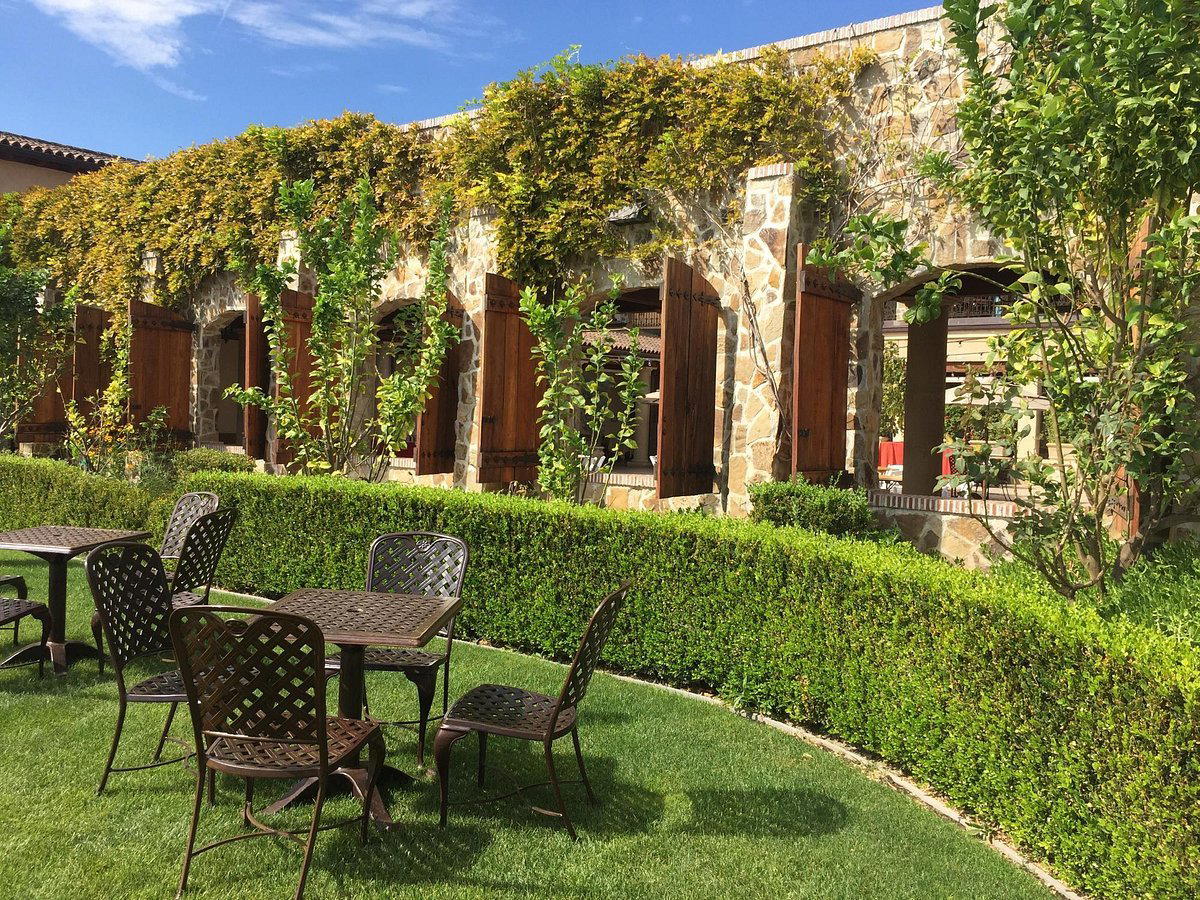
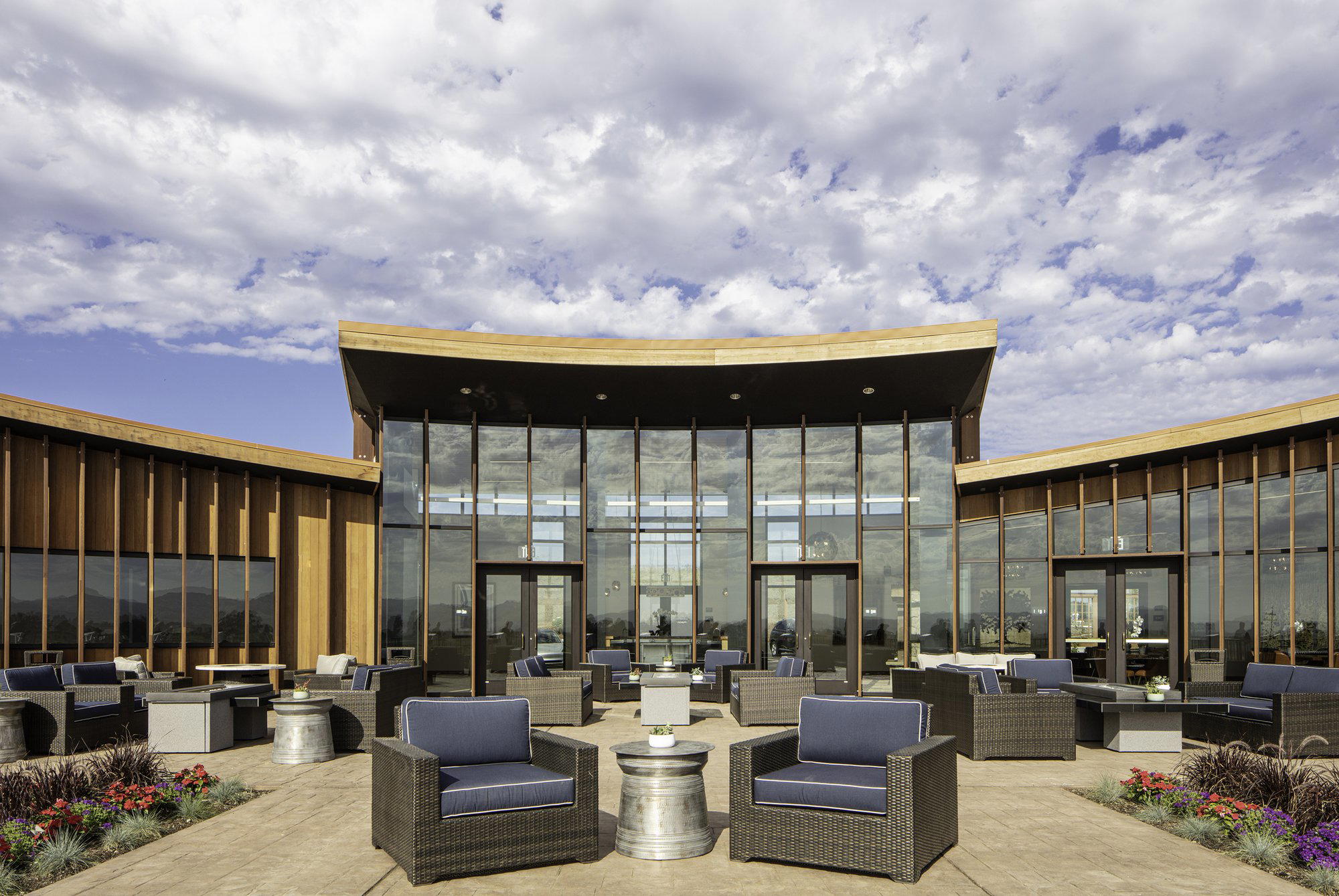
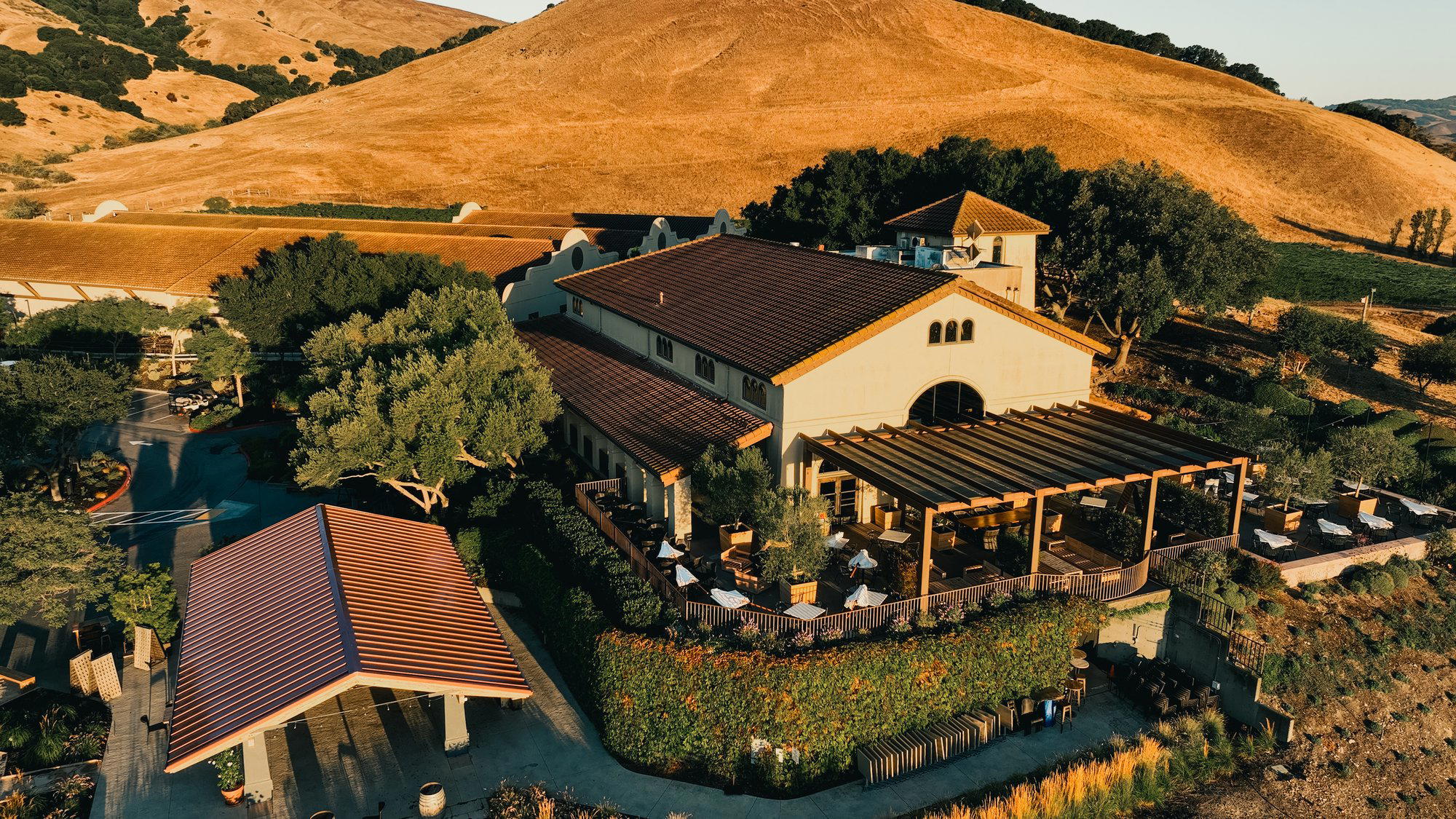
Approaching the building from the waterfront, the setting is more waterside civic than intimate restaurant. The architecture opens toward the bay, and the Embarcadero's foot traffic moves past in a way that keeps the space feeling connected to the city's movement rather than removed from it. That physical relationship with the street and the water is part of what defines the experience here, quite apart from what arrives on the plate.
The Social Architecture Behind the Address
To read Delancey Street Restaurant accurately, it helps to understand what kind of institution it belongs to. The restaurant operates as part of the Delancey Street Foundation, a residential self-help organization for substance abusers, ex-convicts, and others who have bottomed out of conventional society. The Foundation's model is built around peer accountability and skills training, and the restaurant functions as a vocational training ground rather than a conventional hospitality business. That context is central to the place.
That structure puts Delancey Street Restaurant in an interesting comparative position. Across the United States, a handful of restaurants operate under similar social-enterprise models, where the training mission shapes service style, staffing, and even the rhythm of the dining room. In broader terms, this is a category of dining that cities like New York, Chicago, and New Orleans have seen emerge alongside their fine-dining ecosystems, where venues such as Le Bernardin and Emeril's represent one pole, and mission-driven training restaurants represent another. Delancey Street occupies that second pole in San Francisco, and the Embarcadero location underlines the distinction: this is not a restaurant that competes with Quince or Saison for the same reservation dollar. It operates in a different register entirely.
What the Waterfront Location Delivers
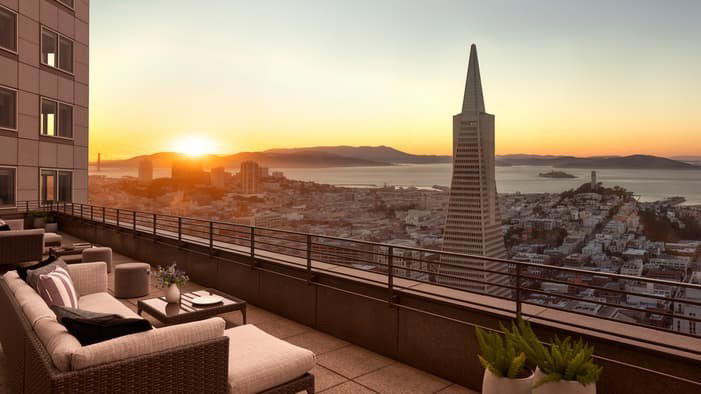
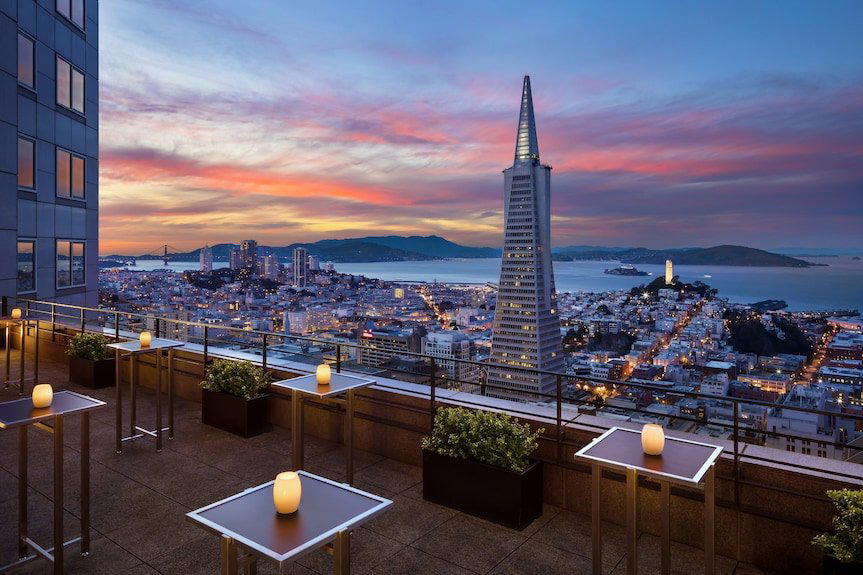
The Embarcadero address carries practical advantages that a venue deeper in the city's dining districts would not. The bay views are direct, and the building's orientation toward the water creates a daytime brightness that few interior San Francisco dining rooms can match. For visitors arriving from the Ferry Building, which sits a short walk to the north and functions as one of the city's most concentrated food markets, the Embarcadero stretch leading to Delancey Street reads as a natural extension of that waterfront engagement.
Seasonally, the exposure to bay wind and light means the experience shifts across the year. San Francisco's famous summer fog rolls in from the west and can cool the Embarcadero quickly by evening, while the spring and fall months tend to produce clearer, warmer waterfront conditions. Lunchtime visits tend to capture the location's physical character more fully than evening service, when the waterfront quiets and the ambient light flattens.
For travelers mapping a broader San Francisco itinerary, the Embarcadero placement also means Delancey Street sits at a reasonable distance from other waterfront draws without competing with the concentrated dining clusters that define neighborhoods like the Mission or Hayes Valley. If the goal is a half-day that takes in the Ferry Building market, a walk along the Embarcadero, and a meal that carries social as well as culinary weight, the geography holds together logically.
Reading the Room: Mission-Driven Hospitality Across the Country
The broader trend of mission-aligned restaurants opening in premium real estate is worth noting. Across the country, training-focused restaurants have moved from basement or industrial-space settings into locations that command attention on their own terms. Farm-to-table social enterprises, culinary arts school restaurants, and foundation-operated dining rooms have increasingly learned from the design and service discipline of peers like Blue Hill at Stone Barns and Single Thread Farm in Healdsburg, even if the price point and competitive intent remain different. The restaurant's waterfront position fits that pattern: a social-enterprise restaurant that takes its setting seriously enough to occupy prime Embarcadero frontage.
At the national level, the restaurants that draw sustained critical attention tend to combine disciplined technique with a clear point of view about sourcing, community, or tradition. Venues from Smyth in Chicago to Providence in Los Angeles to Addison in San Diego each represent a version of that. Delancey Street frames its point of view through its foundation mission rather than through chef pedigree or sourcing philosophy, which makes it legible on different terms than those venues but no less coherent as a proposition.
Planning Your Visit
The restaurant slots most naturally into an itinerary that is looking for something outside the standard tasting-menu progression. The Embarcadero location works for lunch or early dinner, and the waterfront setting makes it a reasonable standalone destination rather than a neighborhood anchor in the way that venues closer to the Mission or Financial District dining clusters function. Visitors who have already covered the high-end circuit, from the Michelin-tracked rooms comparable to The French Laundry in Napa or The Inn at Little Washington down to the city's own tasting-counter tier, will find Delancey Street operating with a different set of reference points entirely.
Location: 600 The Embarcadero, San Francisco, CA 94107, on the waterfront south of the Ferry Building. Budget: About $30 per person. Getting there: The Embarcadero BART and Muni station places the address within walking distance of most downtown San Francisco hotels.
Credentials Lens
Comparable venues nearby, for context on price, style, and recognition.
| Venue | Cuisine | Price | Notes |
|---|---|---|---|
| Delancey Street RestaurantThis venue — the venue you are viewing | American with International Influences | $$ | Not listed |
| Hamburguesa Bar | Smashburgers | $$ | Financial District/South Beach |
| Third Rail | Cocktails & Jerky Bar | $$ | Potrero Hill |
| Duboce Park Cafe | Fresh California Cafe | $$ | Castro/Upper Market |
| 4505 Burgers & BBQ | American BBQ and Burgers | $$ | Hayes Valley |
| Alta CA | Modern California | $$ | Mid-Market |
Continue exploring
More in San Francisco
Restaurants in San Francisco
Browse all →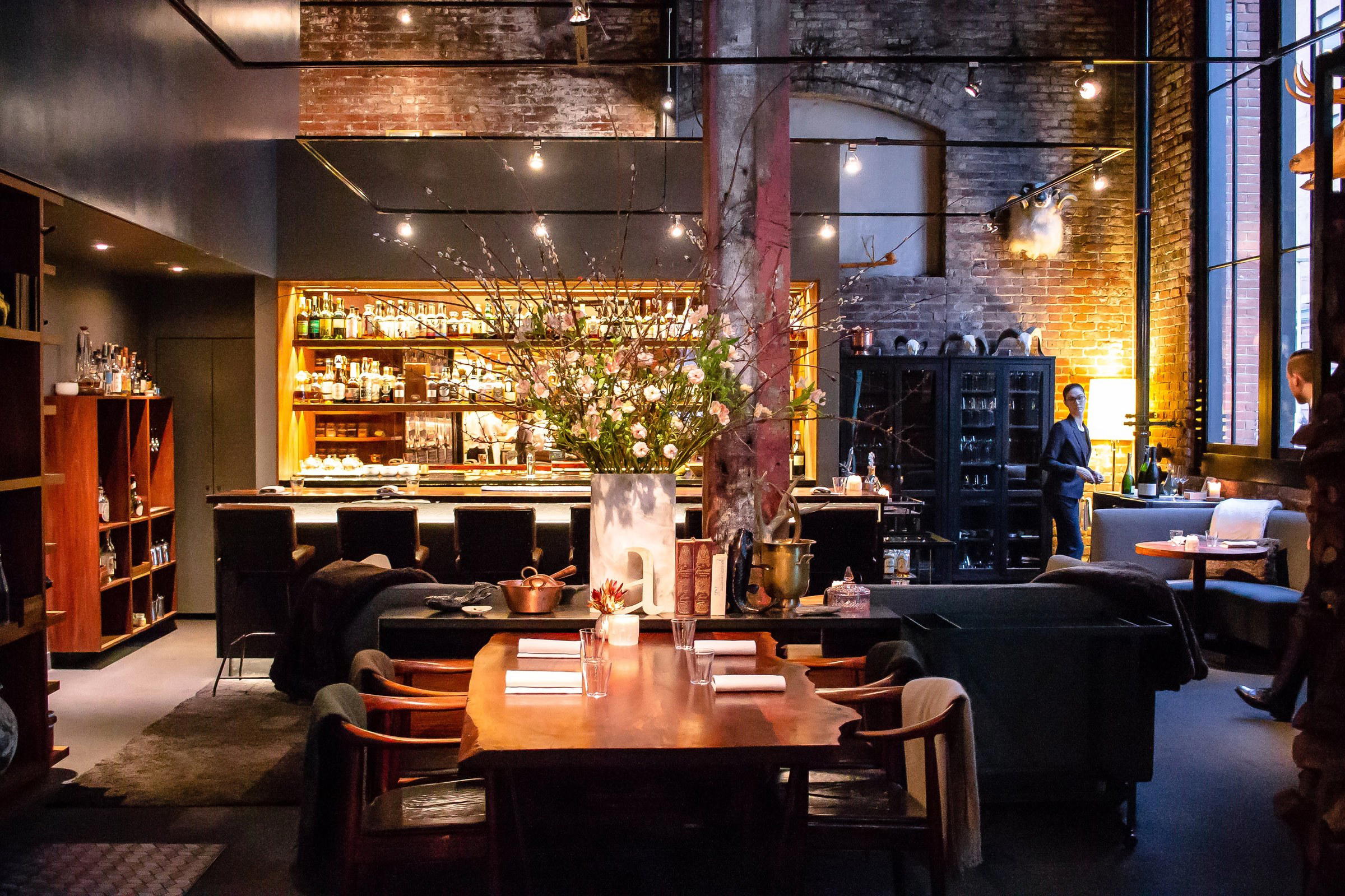
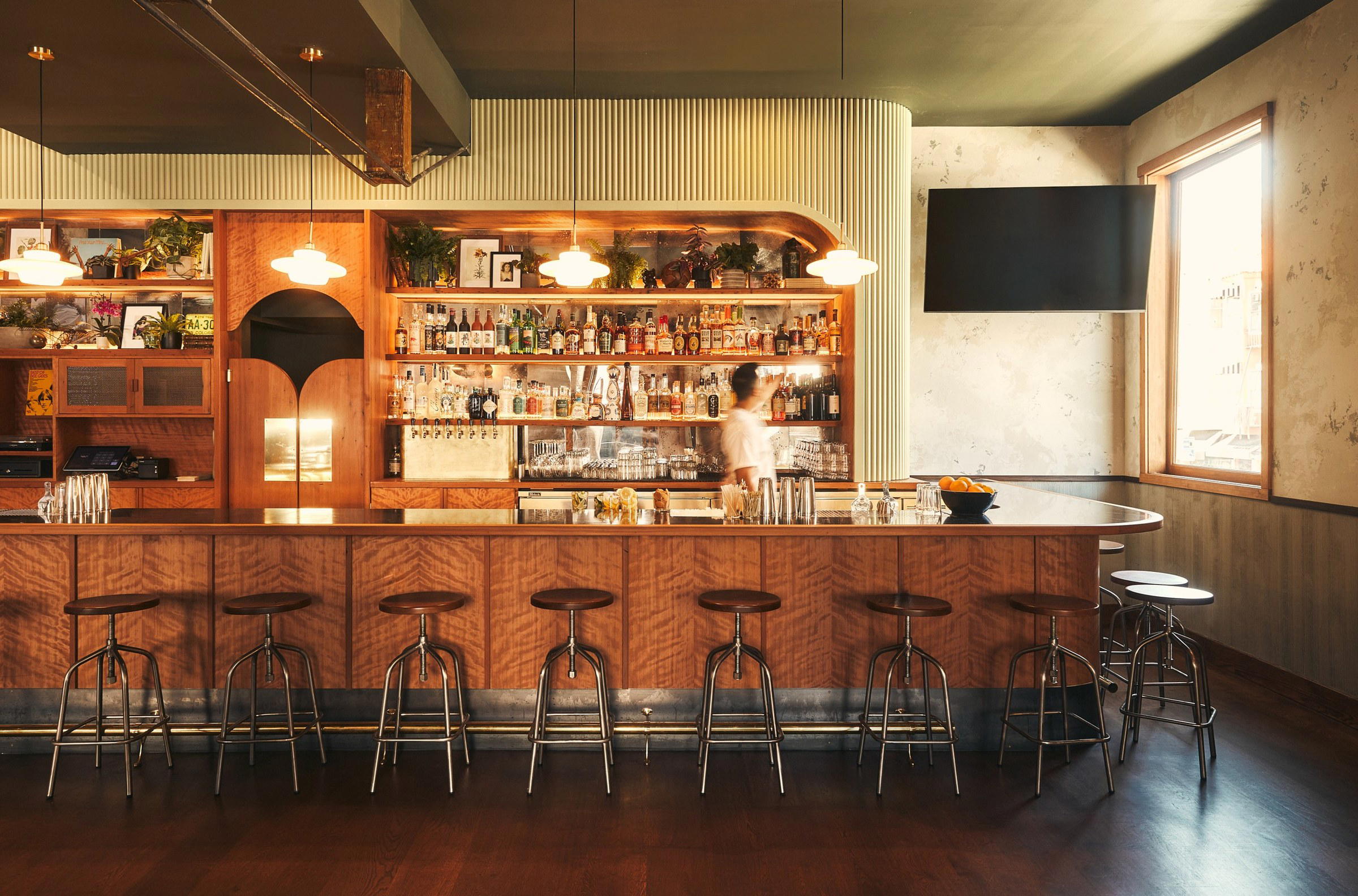
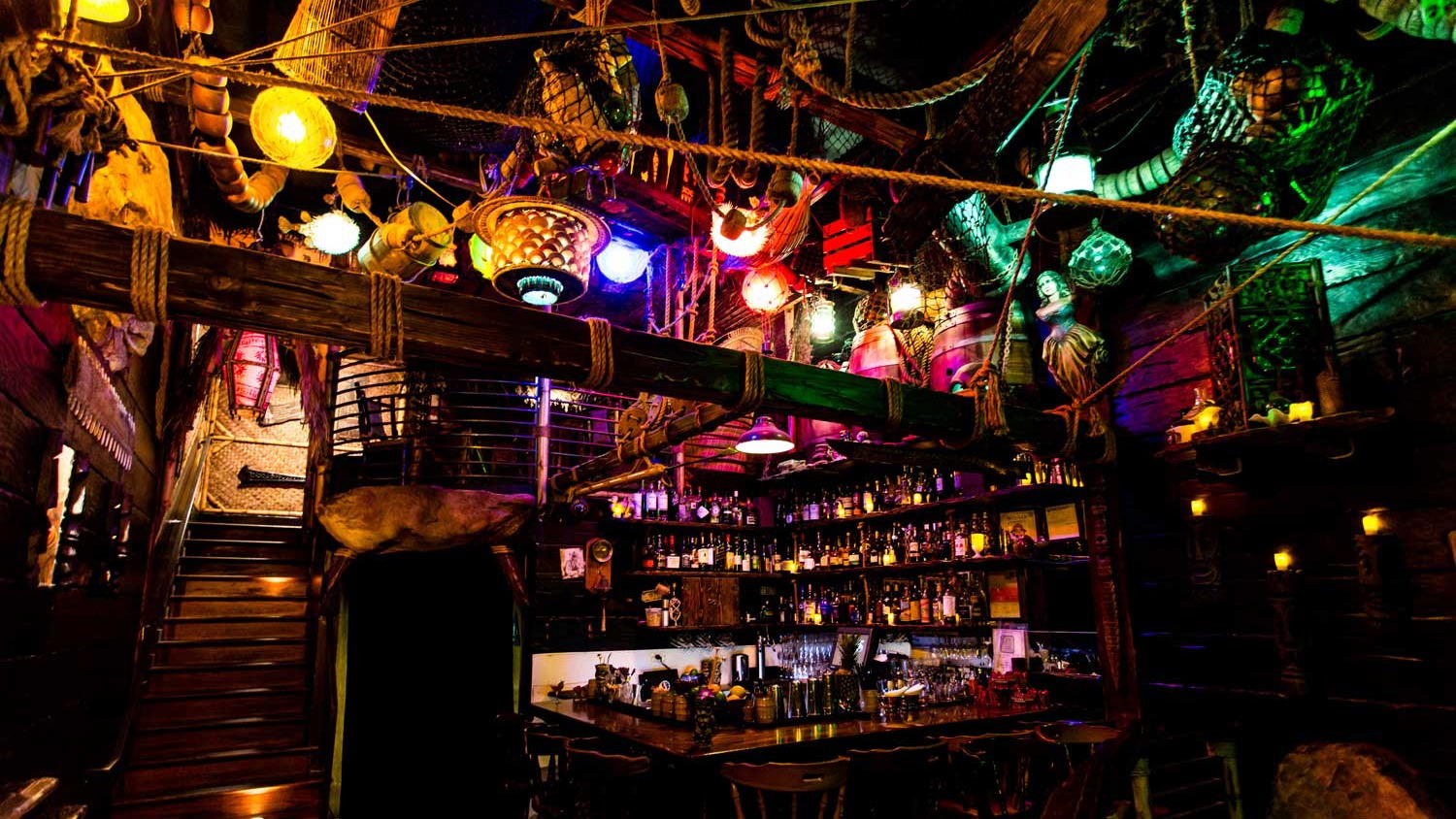
Bars in San Francisco
Browse all →
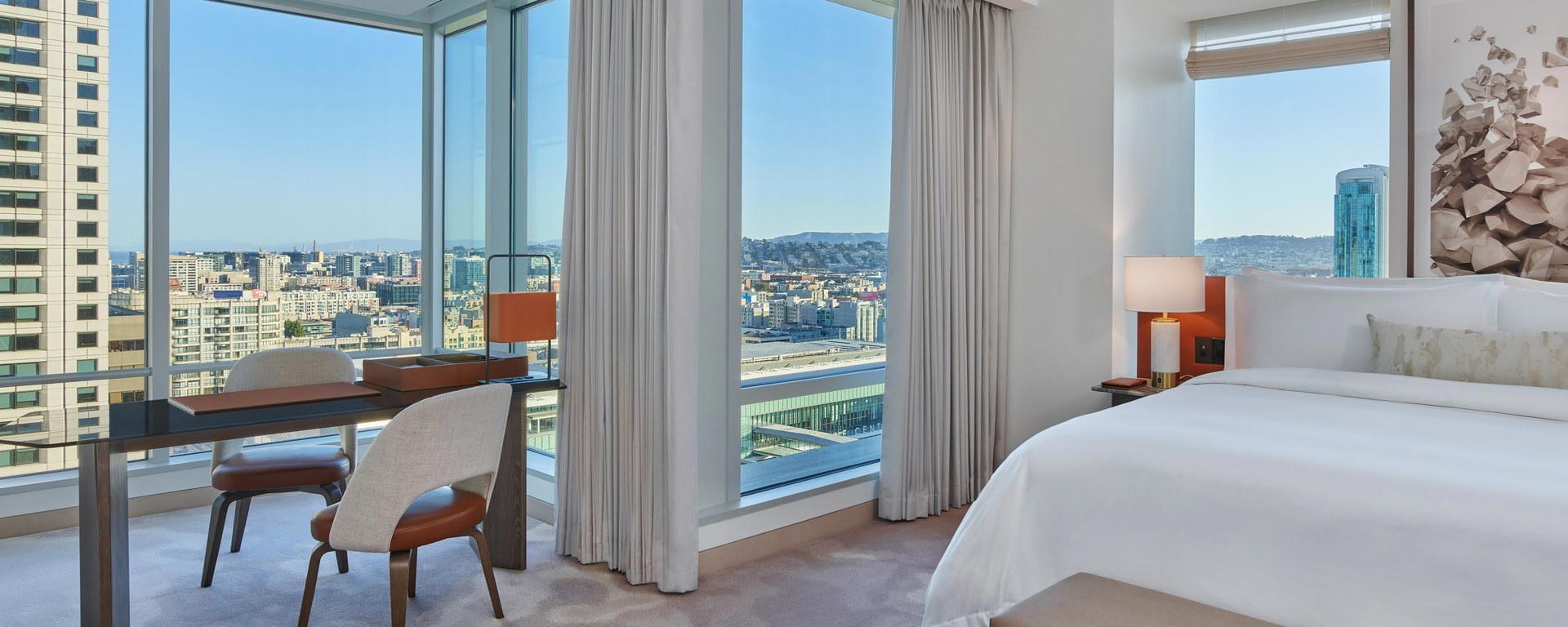
Hotels in San Francisco
Browse all →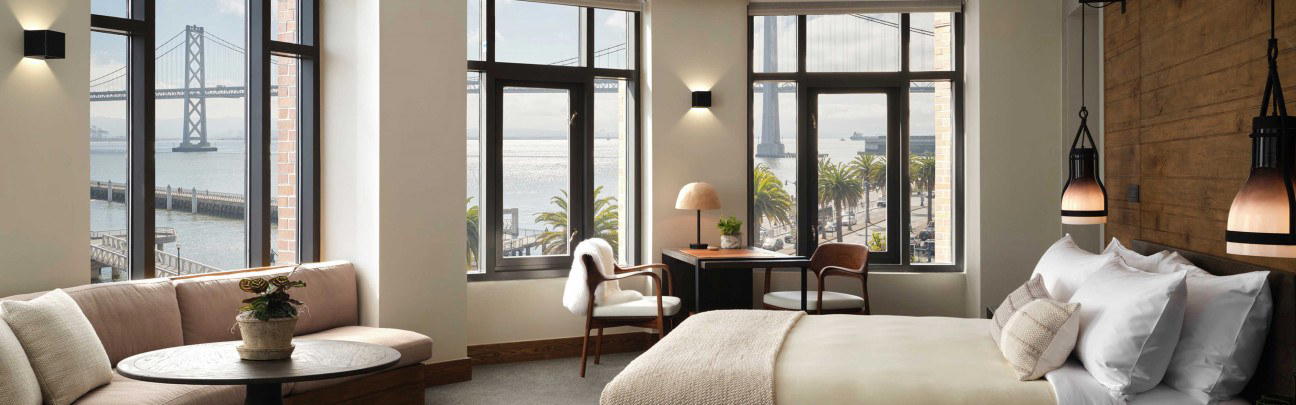

At a Glance
- Cozy
- Elegant
- Warm
- Group Dining
- Business Dinner
- Special Occasion
- Private Dining
- Waterfront
- Craft Cocktails
- Waterfront
Current opening hours
- Monday
- Closed
- Tuesday
- 11 AM–11 PM
- Wednesday
- 11 AM–11 PM
- Thursday
- 11 AM–11 PM
- Friday
- 11 AM–11 PM
- Saturday
- 10 AM–11 PM
- Sunday
- 10 AM–11 PM
Hours can change for holidays and private events. Last verified .
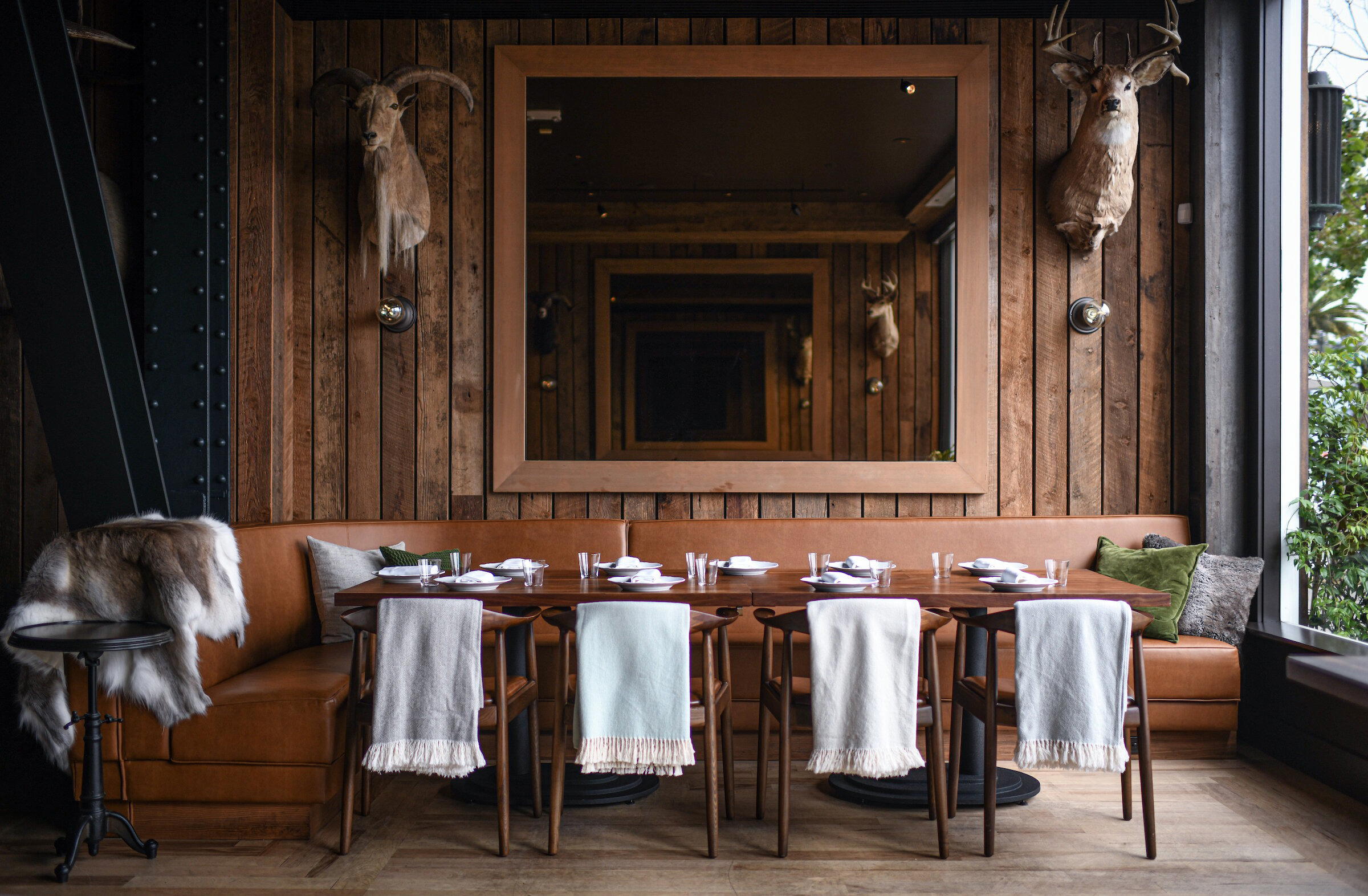
Warm and welcoming atmosphere with bay-side views, elegant private dining spaces, and a community-focused vibe.