
Tabelog 100 #89
Our verdict
Daruma places Toyama’s soba culture in a modest, lunch-focused register: buckwheat noodles, tempura, 20 seats, and a price band that keeps the meal closer to daily craft than ceremony. Its selection for Tabelog 100 Soba WEST 2025 gives the small Kurose Kitamachi address a clear signal in a region where seafood and sushi usually dominate visitor attention.

Pearl is the En Primeur Club membership app — saves, bookings, and concierge access live there. Same editors, same standards.
- Address
- Japan, 〒939-8216 Toyama, Kurose Kitamachi, 1 Chome−8-8 達磨
- Phone
- +81 76-492-3989
- Hours
- Mon–Wed 11:30 AM–2:30 PMThu–Fri ClosedSat–Sun 11:30 AM–2:30 PM
- Website
- toyama-daruma.com
- Directions
- Get directions
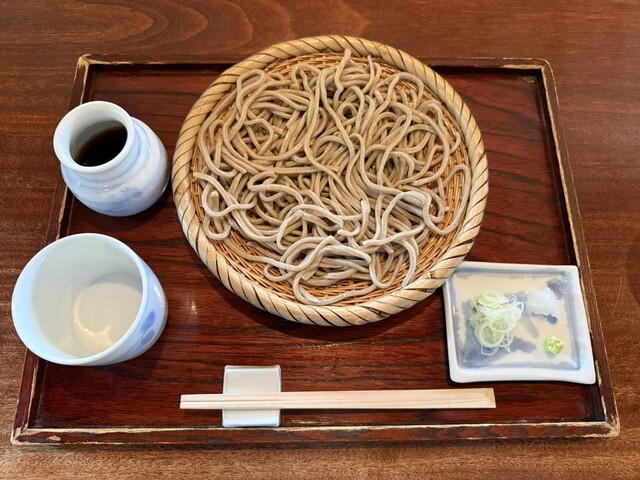
The menu
What to order
- Sushi lunch set
- Seasonal nigiri selection
Approaching a soba restaurant in Toyama is different from approaching a sushi counter or a formal Japanese dining room. The mood is quieter, the stakes are less theatrical, and the measure of quality sits in small decisions: buckwheat handling, broth balance, frying discipline, and the rhythm of a focused meal. Daruma belongs to that register. Its appeal is not built around spectacle; it is a specialist Toyama address where soba and tempura carry the conversation.
That distinction matters in Toyama. The city’s food reputation is often filtered through seafood, especially for travellers arriving with expectations shaped by the Sea of Japan. Soba asks for a different lens. Buckwheat culture in central and northern Japan is tied to grain, mountain weather, milling, water, and restraint rather than luxury ingredients. A strong soba meal does not need a long menu or a performative room. It needs noodles with definition, a dipping sauce or broth that does not flatten the grain, and tempura that adds texture without turning the meal heavy.
Why Toyama soba belongs in the same conversation as sushi
Toyama’s dining scene rewards visitors who look beyond the obvious seafood circuit. Sushi remains the headline act, with places such as Sushijin occupying the premium end of the city’s reputation, while other casual local institutions speak to a different civic appetite: filling, local, unfussy. Soba sits between those poles. It is craft food with a low barrier to entry, and that is why a JPY 1,000 - JPY 1,999 meal can still carry serious editorial weight.
Daruma’s recognition in the 2025 Tabelog Hyakumeiten context places it inside a competitive soba conversation rather than merely inside Toyama’s neighbourhood dining map. The restaurant’s Tabelog score is 3.56, a useful signal in Japan’s rating culture, where modest-looking numbers can still indicate a venue with specialist recognition. The listed food categories are soba and tempura, which makes the format clear: this is not a broad Japanese restaurant using noodles as one option among many.
The ingredient angle is the reason to take the place seriously. Soba is unforgiving because buckwheat has less gluten than wheat, so texture depends on milling, hydration, kneading, cutting, and cooking time. Regional water also matters, and Toyama’s wider food identity is shaped by the meeting of mountain runoff, rice country, and the bay. None of that needs romantic inflation; it simply explains why a small soba meal can reveal as much about place as a higher-priced counter.
Buckwheat, tempura, and the discipline of a short menu
The soba-and-tempura pairing works because it keeps the meal structured. Buckwheat brings grain and restraint; tempura brings heat, oil control, and contrast. In a region where visitors often chase seafood as the default marker of quality, this combination offers another reading of Toyama ingredients: less about rarity, more about handling. The category does not reward excess. It rewards timing.
Compared with dessert-led addresses such as Patisserie Girafe or casual price peers like Ito Sho Honten, Daruma’s appeal is narrower and more specialist. That narrowness is a strength. A soba restaurant with a focused public identity asks the diner to value concentration over range. It also differs from other Toyama dining rooms with broader destination energy, where the draw may be shaped by another cuisine, occasion, or dining tempo.
The absence of extra biographical detail is also useful. Soba culture is often weakened in English-language coverage by an urge to turn every noodle maker into a solitary artisan hero. The better read is structural: a focused category, a price band that keeps access broad, and external recognition that confirms the restaurant is operating above ordinary neighbourhood level. Daruma’s role in Toyama is not to compete with the city’s grander meals on theatre. It gives the city another axis of food credibility.
How to place Daruma in a Toyama itinerary
For travellers building a food itinerary, the practical decision is not whether soba is grand enough for the schedule. The better question is where it fits. Toyama can support a seafood-led dinner, a local casual lunch, a pastry stop, and a soba meal without repetition. Daruma is the kind of address that sharpens the trip because it breaks the pattern: grain instead of fish, tempura instead of nigiri, a compact meal instead of a long sitting.
That makes it especially useful for visitors who want one meal that feels local without becoming formal. The appeal sits outside the hushed counter category: soba and tempura, an accessible listed price band, and a format that reads as specialist rather than secluded. The experience belongs to Toyama’s everyday dining fabric rather than to a private destination format.
The wider Toyama circuit rewards this kind of contrast. Use our full Toyama restaurants guide to place Daruma among the city’s dining categories, then widen the planning frame with our full Toyama hotels guide, our full Toyama bars guide, our full Toyama wineries guide, and our full Toyama experiences guide. For a broader sense of how specialist Japanese dining formats travel across the country, compare it with other focused noodle shops, casual counters, pastry rooms, sake bars, and everyday dining addresses in Japan and beyond.
The editorial verdict is simple: Daruma is a specialist soba address that gives Toyama a grain-and-tempura counterpoint to its seafood reputation. The 2025 Tabelog Hyakumeiten recognition supplies the trust signal; the focused format and accessible price band explain the appeal. In a city where visitors can easily over-index on fish, this is the kind of meal that makes the map feel more complete.
Frequently asked questions
What time does Daruma open and close?
Current opening hours for Daruma are not provided here.
How much does it cost to eat at Daruma?
Pricing at Daruma is listed as JPY 1,000 - JPY 1,999.
What's the address for Daruma?
Toyama.
What's the signature at Daruma?
The listed focus is soba, with tempura alongside it, and that fits the restaurant’s 2025 Tabelog Hyakumeiten recognition.
At-a-Glance Comparison
Comparable venues by cuisine and price in the same metro.
| Venue | Cuisine | Price | Awards | Notes |
|---|---|---|---|---|
| DarumaThis venue — the venue you are viewing | Traditional Sushi Counter | $20–30 | Tabelog 100 #89 | Not listed |
| Boteyan Tanaka | Okonomiyaki & Yakisoba | $10–20 | Tabelog 100 #94 | Shintomicho |
| Ogiichi Masuzushi Honpo | Traditional Toyama Masuzushi Specialty Shop | $20–30 | Tabelog 100 #66 | Koizumicho |
| 日本料理 雲海 | Japanese Seafood | Not listed | Not listed | Toyama |
| Boteyan | Okonomiyaki (Japanese Savory Pancake) | $10–20 | Not listed | Toyama Station area |
| Ishitani Mochiya Toyama chuo dori honten | Japanese Traditional Sweets Cafe | $1–10 | Tabelog 100 #49 | Chuo-dori |
Recognition history
Dated appearances from independent guides and award organizations, with the underlying list record or original source where available.
Tabelog 100 #89 · No. 89
Tabelog · Tabelog 100 - Soba - WEST - 2025
Continue exploring
More in Toyama
Restaurants in Toyama
Browse all →
Hotels in Toyama
Browse all →
Wineries in Toyama
Browse all →
Details
- Cozy
- Intimate
- Classic
- Solo
- Date Night
- Casual Hangout
- Family
- Chefs Counter
- Standalone
- Local Sourcing
- A La Carte
- Counter Dining
- Set Menu
- Beer
- Sake
- Pescatarian Friendly
Current opening hours
- Monday
- 11:30 AM–2:30 PM
- Tuesday
- 11:30 AM–2:30 PM
- Wednesday
- 11:30 AM–2:30 PM
- Thursday
- Closed
- Friday
- Closed
- Saturday
- 11:30 AM–2:30 PM
- Sunday
- 11:30 AM–2:30 PM
Hours can change for holidays and private events. Last verified .
Cozy counter-only space with just a handful of seats, creating a relaxed, intimate atmosphere that feels like a neighborhood sushi bar rather than a formal restaurant.