
Tabelog 100 #66
Our verdict
Toyama’s masuzushi tradition turns local fish, rice, vinegar and pressed form into a regional calling card rather than a counter-performance. Ogiichi Masuzushi Honpo belongs to that take-out lineage, with Tabelog Sushi WEST 100 recognition in 2025 and 2022, a modest price band, and a format that makes more sense as edible Toyama context than as a conventional sushi meal.

Pearl is the En Primeur Club membership app, where members save venues, book tables and use the concierge.
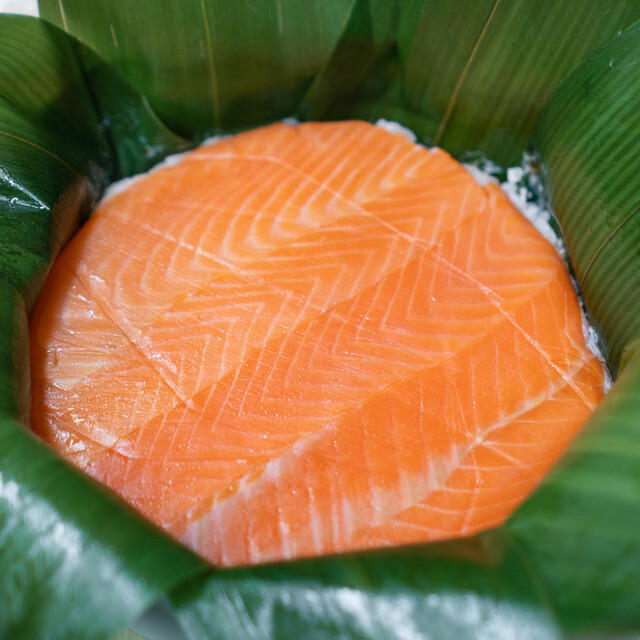
Toyama is not only the theatrical face of Japanese sushi. The point here is quieter: a city setting and the local discipline suggested by masuzushi, a pressed-sushi tradition closely associated with Toyama. In a country where sushi is often framed through counter seats and chef-to-guest choreography, Toyama’s pressed-sushi culture asks a different question: how does fish travel, keep, season, and still speak clearly of place?
That question gives Ogiichi Masuzushi Honpo its relevance. The shop is listed for sushi and regional cuisine, and has 2025 Tabelog Hyakumeiten recognition with a score of 3.70. Those signals matter because masuzushi is easy to reduce to souvenir food. The stronger Toyama examples are not trinkets; they are compact arguments about fish, rice, salt, vinegar, timing and restraint.
Pressed sushi, not counter sushi, is the Toyama argument
Masuzushi sits outside the dominant luxury sushi vocabulary. There is no need to frame it through an omakase sequence, a progression from white fish to tuna, or the performance of knife work at arm’s length. Instead, the format compresses fish and rice into a portable structure, historically suited to travel and preservation. Its appeal depends on balance rather than flourish: the acidity must carry, the rice must hold, and the fish has to remain central rather than decorative.
Toyama’s position on the Sea of Japan gives the region a serious seafood identity, but the city’s better food stories are not only about freshness. They are about how local cooks preserve, season and package abundance. Pressed sushi belongs to that logic. It is regional cuisine with engineering behind it, a food shaped by movement as much as appetite.
Ogiichi Masuzushi Honpo sits in this narrower lane rather than the broader sushi-restaurant category occupied by Toyama names such as Sushijin, Takano, 寿司栄 華やぎ, シンポジウム and Ito Sho Honten. That comparison is useful because it separates intent. A Toyama sushi counter is often about immediacy and sequence; a masuzushi shop is about a finished object designed to be carried away. The measure of quality changes with the format.
The Tabelog score of 3.70 and the 2025 Hyakumeiten recognition put the shop inside a recognized regional conversation, but the more persuasive credential is format discipline. Pressed sushi has little room for distraction. There is no room design to carry the experience and no beverage program to soften the edges. The product has to hold its structure and identity on its own terms.
Ingredient sourcing matters because the format exposes shortcuts
The editorial angle here is fish, but not in the luxury shorthand of rare cuts and escalating prices. Toyama’s masuzushi tradition depends on the relationship between fish, rice and vinegar. When that relationship is careless, pressed sushi becomes heavy, sweet or merely nostalgic. When it is handled with precision, it can feel more regionally specific than a more expensive sushi counter serving a nationalized repertoire.
In this category, focus is the right kind of signal. Pressed sushi does not hide behind variety. A narrow product range makes sourcing and seasoning more visible. The reader should understand this less as a chef-driven tasting menu and more as a focused local craft, closer in spirit to a serious specialist shop than to a destination dining room.
Toyama travellers often build meals around seafood, but the city rewards a wider reading. Regional food here includes the casual, the portable and the deeply specific. Other Toyama dining rooms show different parts of the city’s range. Masuzushi belongs beside them not because it imitates restaurant dining, but because it explains Toyama from another direction.
This is also why price tier matters. At JPY 2,000 to JPY 2,999, the proposition is not ceremony; it is specificity. That band places the experience closer to an edible regional purchase than a full restaurant sitting, and that is the right way to judge it. The format is compact, but not minor.
How to fit it into a Toyama food day
The practical rhythm is to treat Ogiichi Masuzushi Honpo as a focused Toyama stop rather than a drawn-out restaurant meal. Its value is in the specificity of the regional format, so it can sit neatly before or after other plans in the city. Build in enough flexibility to secure what you came for, and judge the experience by the clarity of the product rather than by the rituals of a formal dining room.
That difference matters. The category rewards planning because focused regional shops are often best approached with intention rather than as a casual afterthought. This is not a weakness; it is part of the appeal. Ogiichi Masuzushi Honpo is best understood as a specialist expression of Toyama food culture, not as a room to occupy for the length of a conventional meal.
For a broader Toyama plan, use Our full Toyama restaurants guide alongside Our full Toyama hotels guide, Our full Toyama bars guide, Our full Toyama wineries guide and Our full Toyama experiences guide. Readers mapping Japan through specific food formats can also use other dining in Toyama and beyond as contrast, but the point here remains local: Ogiichi Masuzushi Honpo explains one of the city’s most compact and distinctive food arguments.
The verdict is simple: Ogiichi Masuzushi Honpo is for travellers who want Toyama’s food culture in a form that predates the modern sushi-counter obsession. It is not a substitute for a long seafood dinner, and it is stronger for not trying to be one. Treat it as regional craft, timed thoughtfully, carried in memory as much as itinerary, and judged by how clearly fish, rice and preservation express the city.
Frequently asked questions
What are Ogiichi Masuzushi Honpo's hours?
Check current hours directly with Ogiichi Masuzushi Honpo before visiting.
How do I find Ogiichi Masuzushi Honpo?
Toyama.
How much does it cost to eat at Ogiichi Masuzushi Honpo?
Pricing at Ogiichi Masuzushi Honpo is listed as JPY 2,000 - JPY 2,999.
What is Ogiichi Masuzushi Honpo known for?
Ogiichi Masuzushi Honpo is listed for sushi and regional cuisine in Toyama, with 2025 Tabelog Hyakumeiten recognition and a score of 3.70.
At-a-Glance Comparison
Comparable venues by cuisine and price in the same metro.
| Venue | Cuisine | Price | Awards | Notes |
|---|---|---|---|---|
| Ogiichi Masuzushi HonpoThis venue (the venue you are viewing) | Traditional Toyama Masuzushi Specialty Shop | $20–30 | Tabelog 100 #66 | Not listed |
| Daruma | Traditional Sushi Counter | $20–30 | Tabelog 100 #89 | Not listed |
| Boteyan Tanaka | Okonomiyaki & Yakisoba | $10–20 | Tabelog 100 #94 | Shintomicho |
| 鮨し人 | Edomae Sushi Omakase | $150–200 | Not listed | Nishinakanomachi |
| Boteyan | Okonomiyaki (Japanese Savory Pancake) | $10–20 | Not listed | Toyama Station area |
| 海老亭別館 | Kaiseki | $150–200 | Not listed | Not listed |
Recognition history
Dated appearances from independent guides and award organizations, with the underlying list record or original source where available.
Tabelog 100 #66 · No. 66
Tabelog · Tabelog 100 - Sushi - WEST - 2025
Continue exploring
More in Toyama
Restaurants in Toyama
All restaurants in Toyama →
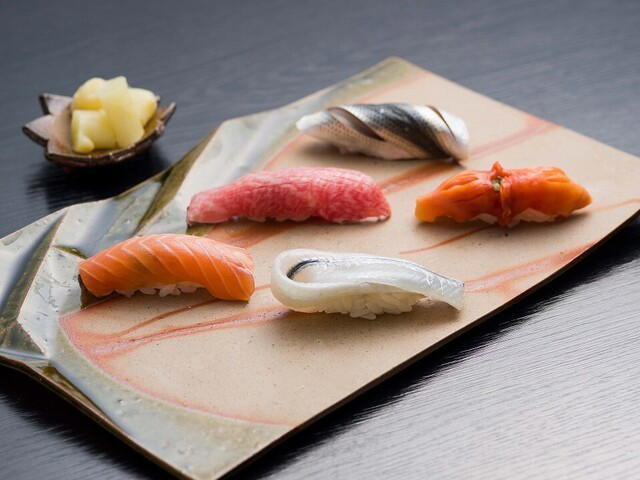
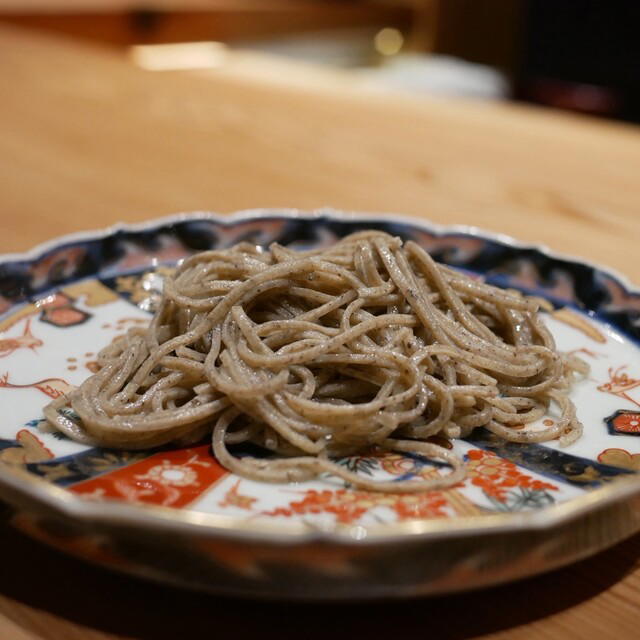
Hotels in Toyama
All hotels in Toyama →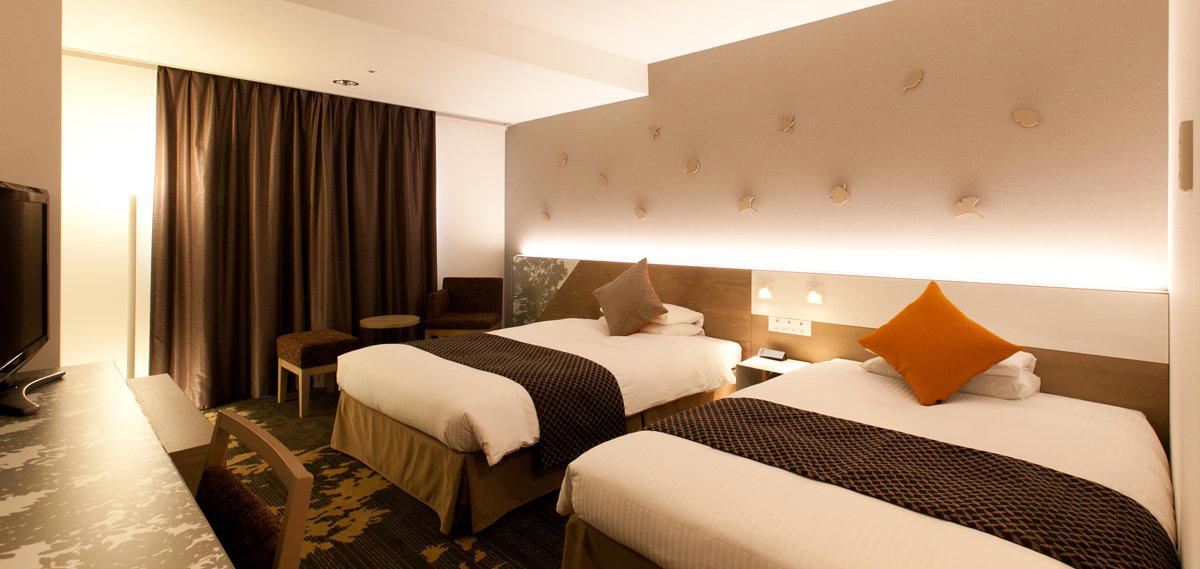
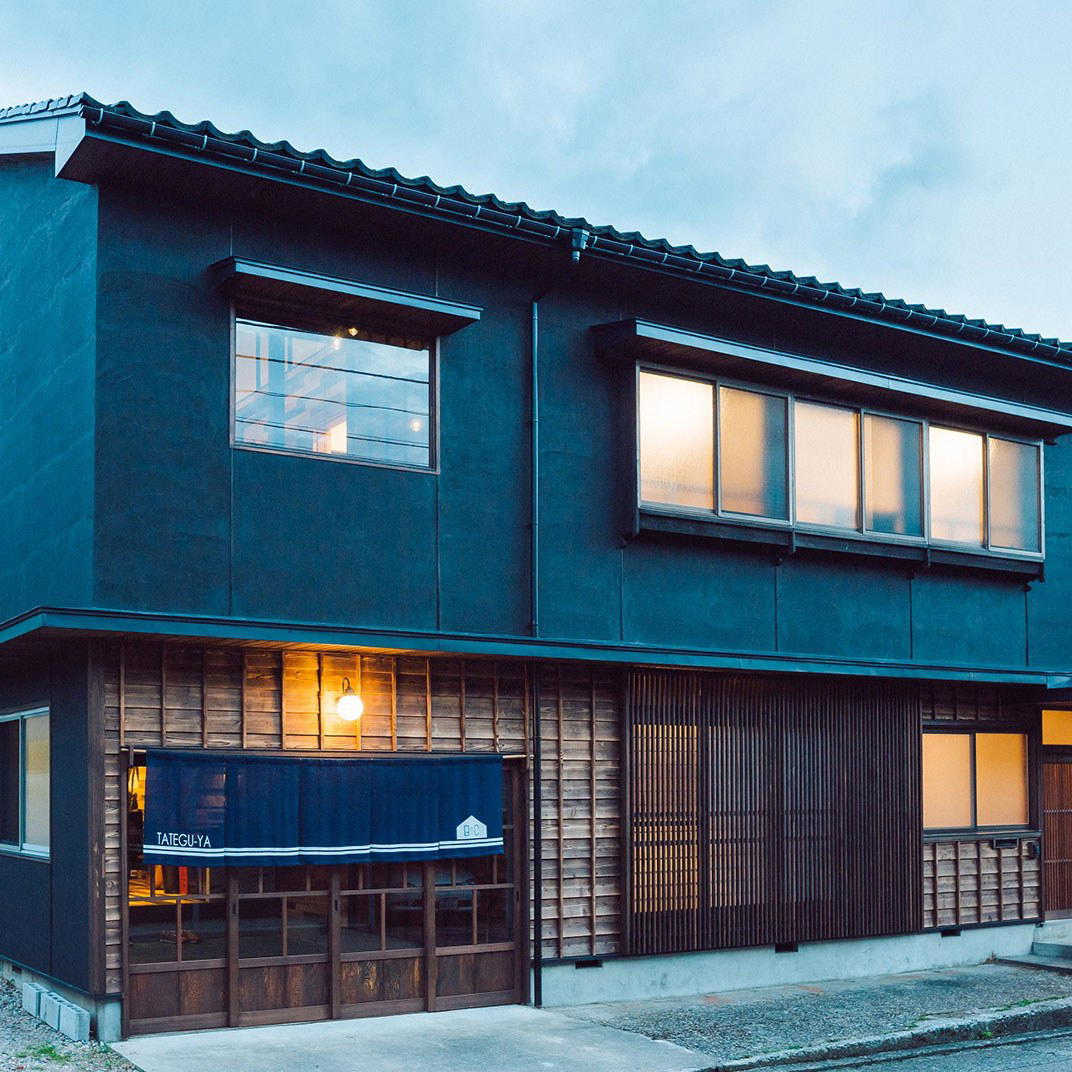
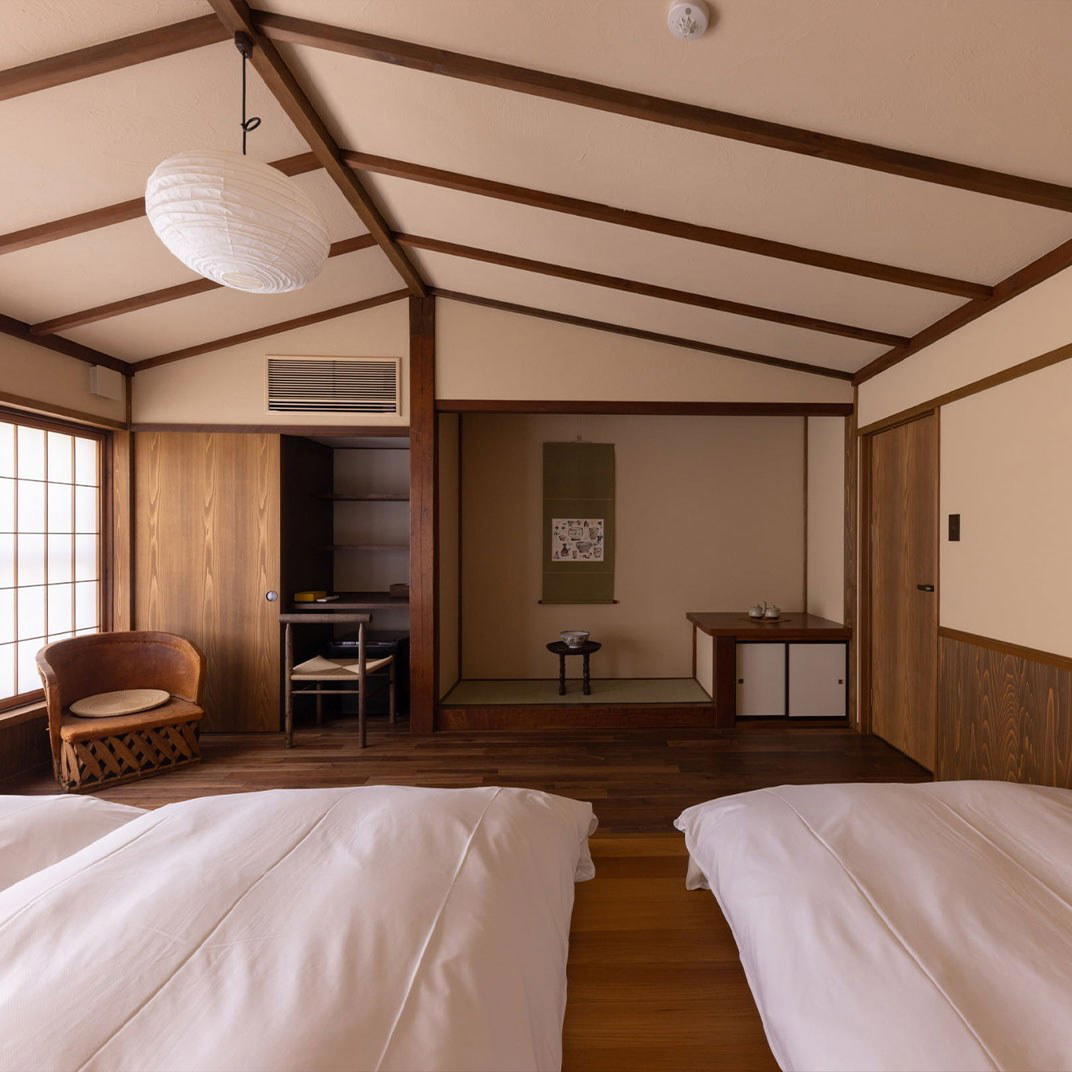
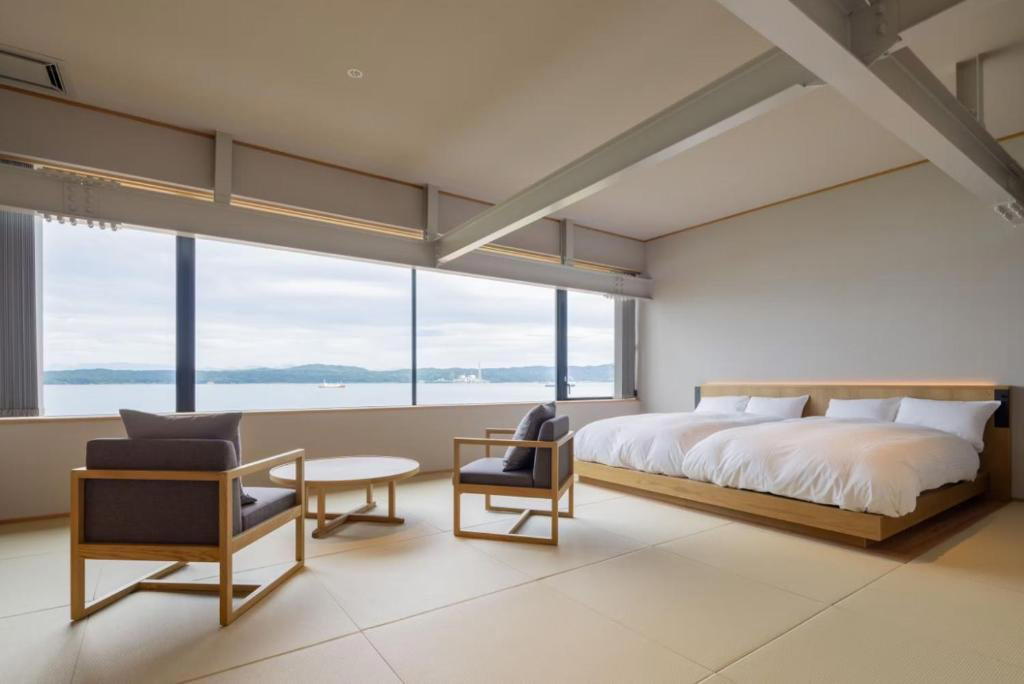
Wineries in Toyama
All wineries in Toyama →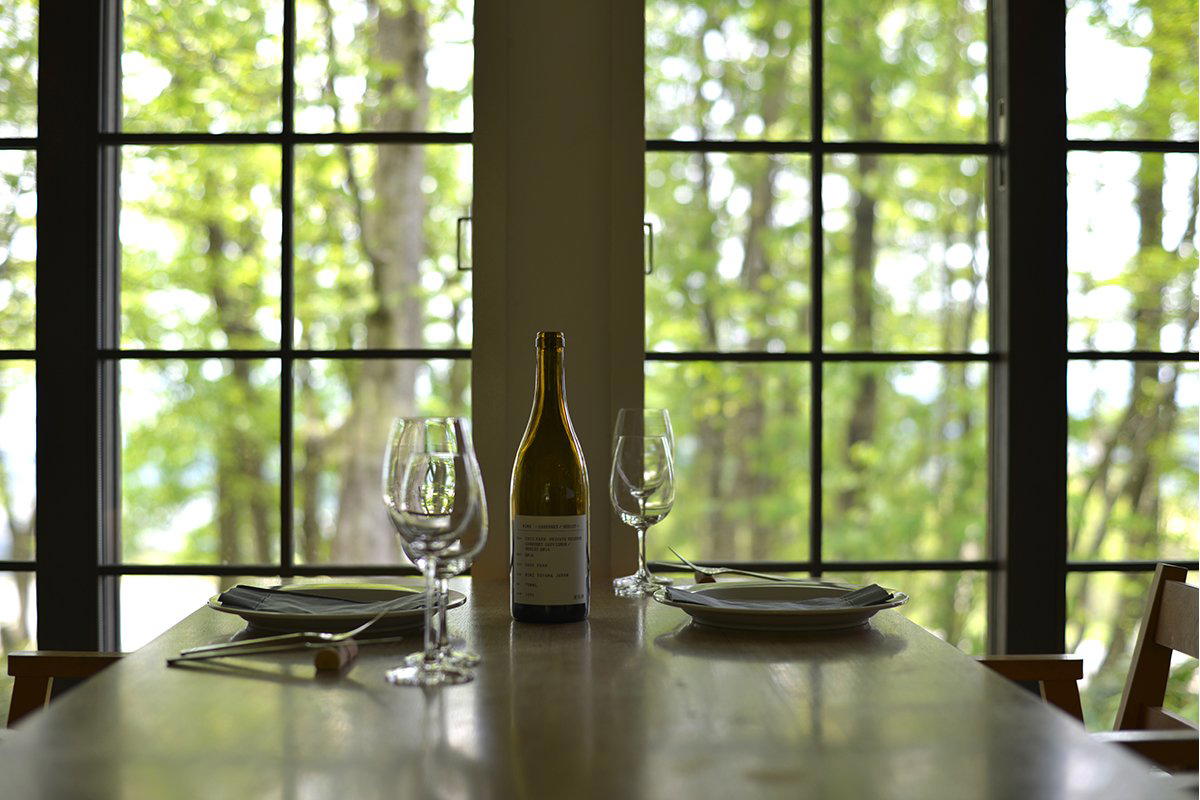
Details
- Classic
- Well Known
- Quiet
- Family
- Casual Hangout
- Solo
- Standalone
- Local Sourcing
- Set Menu
- Pescatarian Friendly
Current opening hours
- Monday
- 8 AM–1 PM
- Tuesday
- 8 AM–1 PM
- Wednesday
- 8 AM–1 PM
- Thursday
- 8 AM–1 PM
- Friday
- 8 AM–1 PM
- Saturday
- 8 AM–1 PM
- Sunday
- 8 AM–1 PM
Hours can change for holidays and private events. Hours as of .
A simple, non-smoking takeaway-focused shop with limited interior space, feeling more like a classic local specialty store than a sit-down restaurant; atmosphere is calm and efficient, centered on purchasing boxed masuzushi rather than lingering to dine.