Dapeng Bay Canteen operates within Taipei's tradition of neighbourhood restaurants where the returning crowd defines the menu as much as the kitchen does. Positioned away from the Michelin-chasing circuit, it draws the kind of regulars who know what they want before they sit down. For visitors trying to read the city through its eating habits, that dynamic is worth paying attention to.

Pearl is the En Primeur Club membership app — saves, bookings, and concierge access live there. Same editors, same standards.
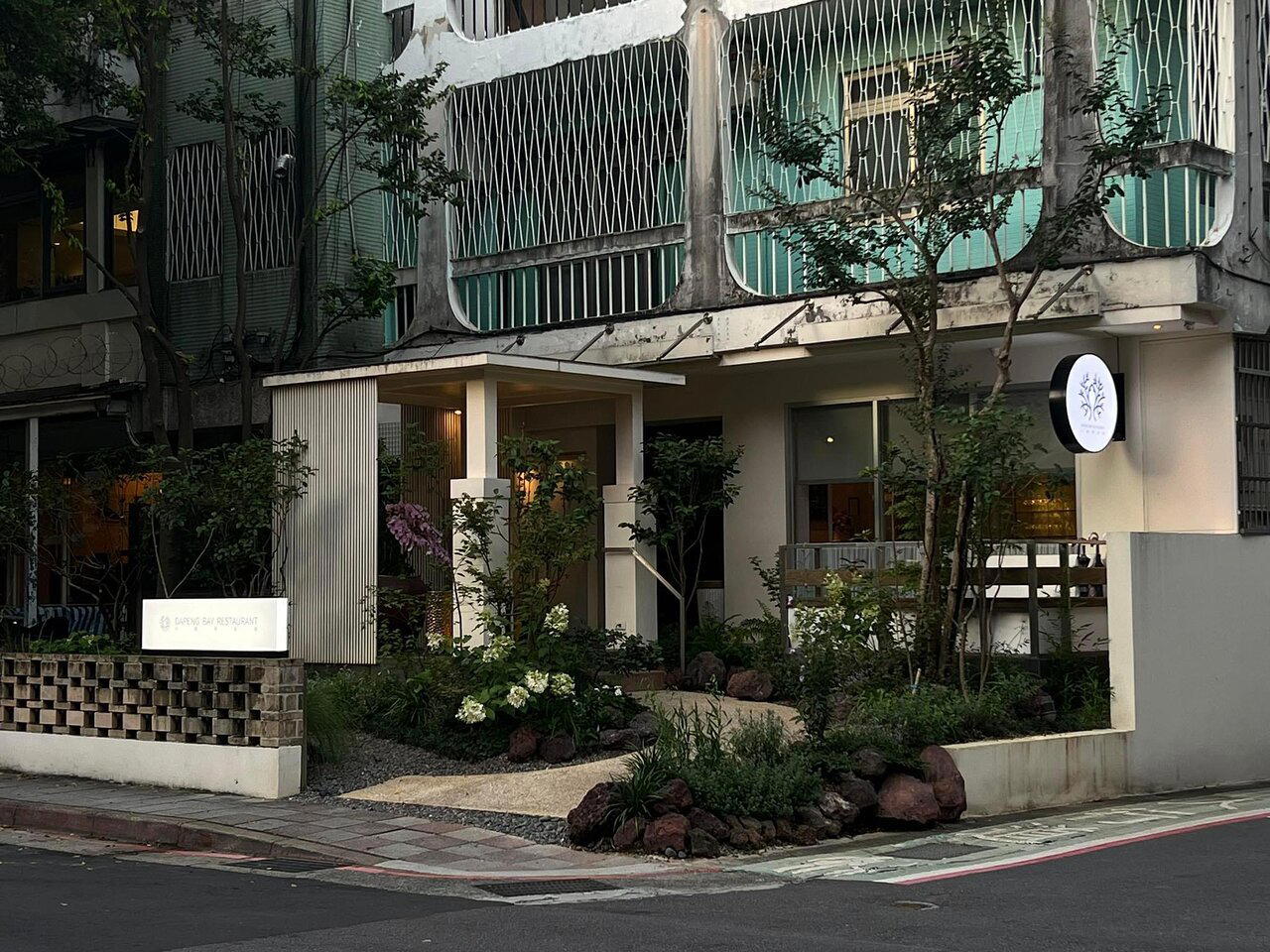
The Restaurant the Regulars Chose
Taipei's dining map has two distinct layers. The upper tier is well-documented: tasting-menu destinations like logy, Taïrroir, and Le Palais attract the kind of attention that travels internationally. Below that tier, and largely invisible to short-stay visitors, is a dense network of canteen-style operations where the clientele is almost entirely local and the menu is shaped by years of return visits rather than by launch publicity. Dapeng Bay Canteen belongs to that second category. It is a Taipei restaurant serving Traditional Taiwanese Seafood, priced at about $20 per person. Its name references the lagoon in southern Taiwan rather than any Taipei landmark, which signals something about its positioning: this is a restaurant that speaks to a community rather than to a city.
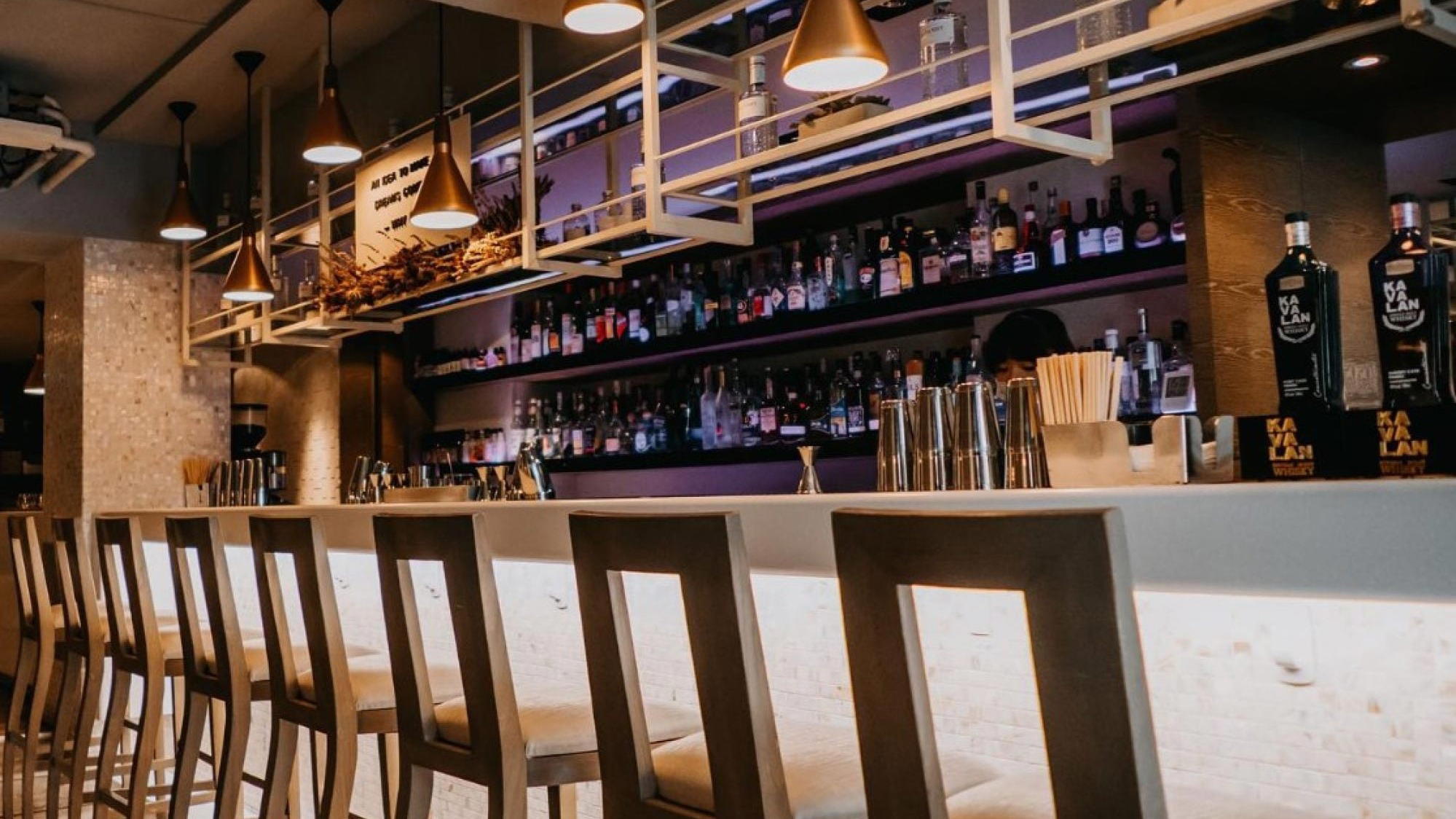
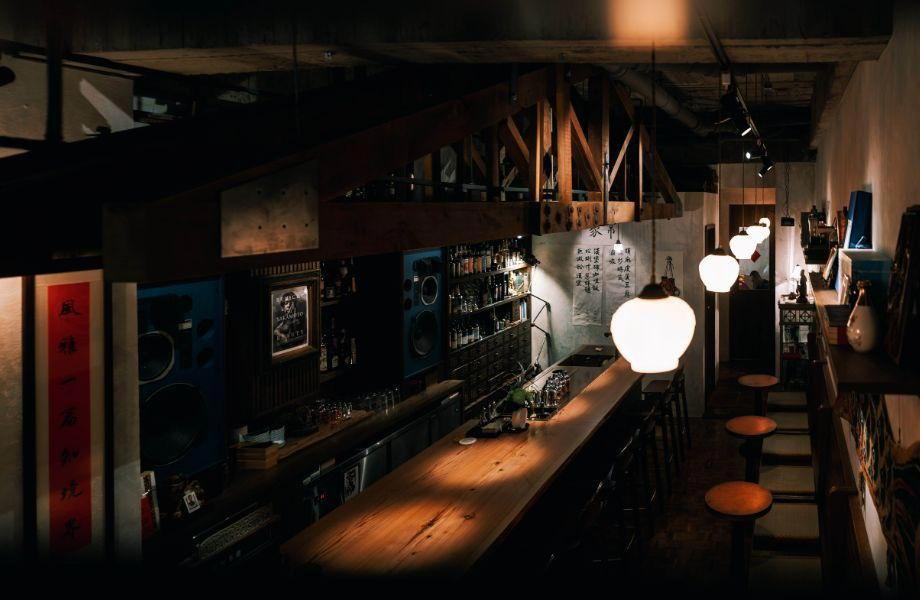
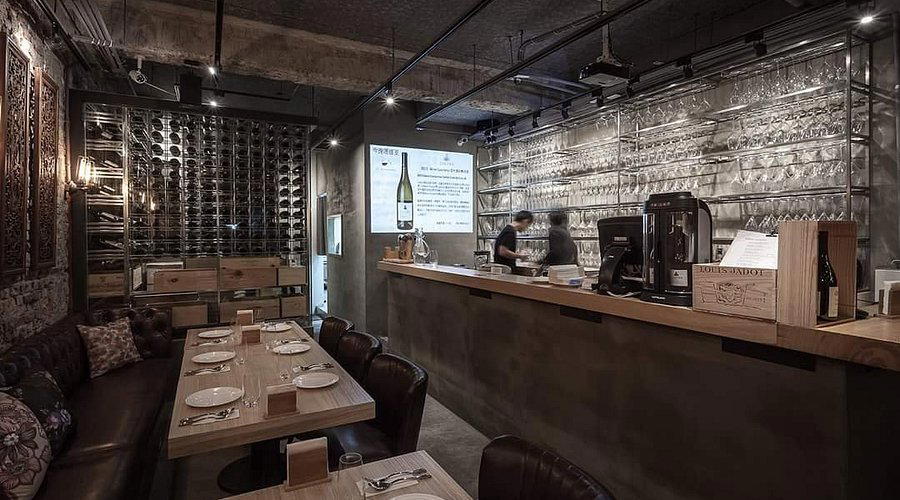
The physical environment at a place like this tends to tell you the important thing immediately. Tables fill early. The ambient sound is conversation, not music. Whatever décor exists is functional rather than considered. These are rooms designed around throughput and comfort for people who eat here often, not around first impressions for people who may never return. That orientation toward the regular over the newcomer shapes everything about how the meal unfolds.
What the Returning Crowd Knows
The regulars' perspective is the operative frame for understanding a neighbourhood canteen in Taipei. In the city's eating culture, which has evolved across Japanese colonial-era influences, mainland Chinese migration patterns from the mid-twentieth century, and a strong indigenous Taiwanese ingredient tradition, the canteen format carries a specific set of expectations. Portions are honest. Repetition is rewarded. The kitchen does not change course dramatically between visits. That consistency is not a failure of ambition; it is the point.
Across Taipei's neighbourhood restaurant circuit, the unwritten menu operates as a form of institutional knowledge. Regulars at establishments in this category typically know which dishes the kitchen executes reliably versus which are ordered out of obligation to the printed menu. They know the difference between what arrives during the lunch rush and what gets more attention during quieter service windows. For a first-time visitor, the simplest strategy is to observe what the tables around you ordered before you arrived, which at a busy canteen is usually visible from the moment you sit down.
The broader Taiwanese canteen tradition has counterparts across the island. A Xia in Tainan operates in a similarly community-anchored register. JL Studio in Taichung and GEN in Kaohsiung sit at different price points but share the same instinct for local clientele over visiting traffic. Even closer to home, GARDENh in Yonghe District and the canteen-adjacent operation in Sanchong District occupy the same structural role in their respective neighbourhoods that Dapeng Bay Canteen fills in Taipei proper.
Reading the Room Against the City's Fine-Dining Tier
Context helps here. Taipei's award-circuit restaurants operate under entirely different conditions. L'Atelier de Joël Robuchon and Molino de Urdániz represent the European-training import model. They require advance booking, carry price tags that position them against international peers, and are consumed as destinations rather than habits. The canteen format inverts every one of those conditions. Advance booking is rarely the operative model. Price is calibrated to encourage frequency rather than to signal occasion. The kitchen is not performing for critics; it is cooking for people who will be back on Thursday.
That inversion is not a lesser version of fine dining. It is a different contract with the diner. Globally, particularly technically accomplished food cultures sustain both registers simultaneously. Le Bernardin in New York and Atomix operate at the formal end of that city's spectrum; the city's outer-borough canteens define its street-level identity equally. Taipei operates the same way. Understanding Dapeng Bay Canteen requires accepting that it functions as cultural infrastructure as much as it does as a restaurant.
For visitors oriented toward the island's culinary depth rather than its trophy dining, the neighbourhood canteen is often the more instructive meal. Chenggong Douhua and Volcanic Rock in Zhubei City operate in similarly local registers across the island, reinforcing that the canteen format is not a Taipei-specific phenomenon but a structural feature of how Taiwanese communities organise around food.
Planning Your Visit
Neighbourhood canteens in Taipei rarely operate through online reservation systems and more commonly run on a walk-in basis with posted hours that reflect community rhythms rather than hospitality-industry scheduling. Arriving close to a service opening time typically gives the leading read on what has been prepared that day.
What It’s Closest To
Comparable venues nearby, for context on price, style, and recognition.
| Venue | Cuisine | Price | Notes |
|---|---|---|---|
| Dapeng Bay CanteenThis venue — the venue you are viewing | Traditional Taiwanese Seafood | $$ | Not listed |
| a Mano – pizzeria & Italian kitchen | Authentic Italian Pizza & Pasta | $$ | Songshan District |
| 大æ©é ç±³ç³ | Head Rice Noodles | Not listed | Longhe |
| Bunker 1942 | WWII-Themed Bar | $$ | Da’an District |
| Wistaria Tea House | Traditional Taiwanese Tea House | $$ | Longpo |
| 大鵬灣食堂 | Premium Taiwanese Seafood & Bluefin Tuna Omakase | $$$ | Da'an District (Taipei) |
At a Glance
- Casual
- Cozy
- Family
- Group Dining
- Casual Hangout
- Beer Program
- Sustainable Seafood
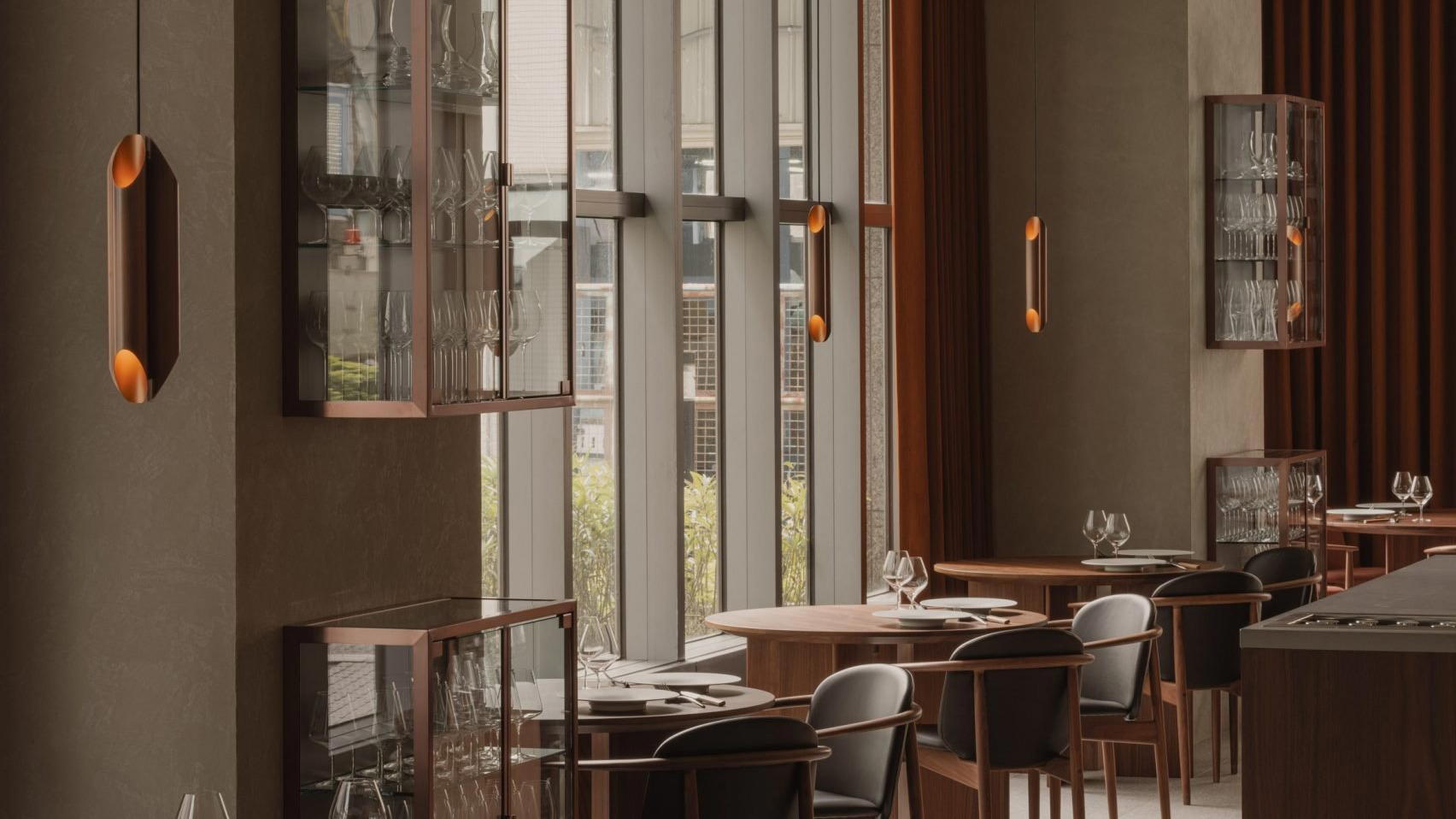
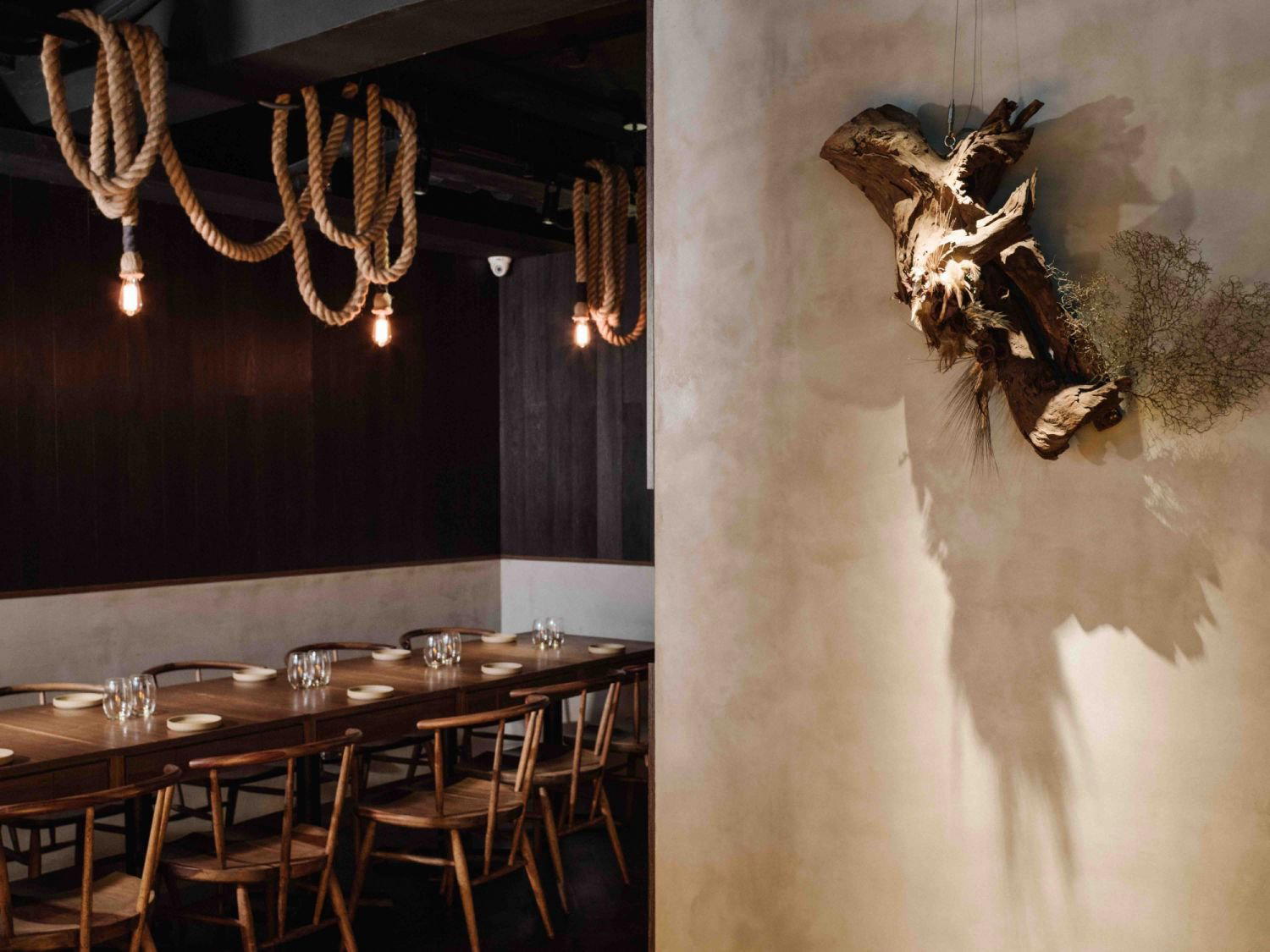
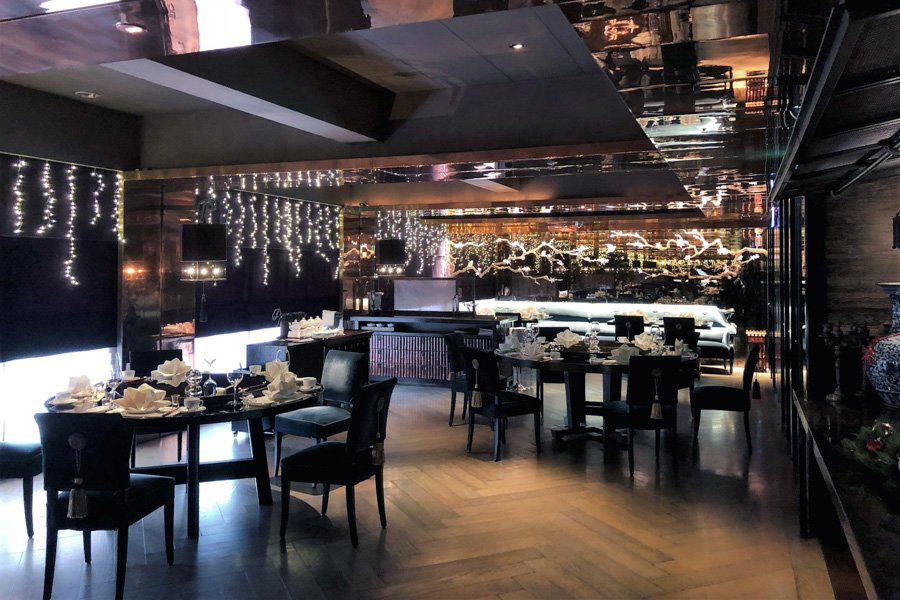
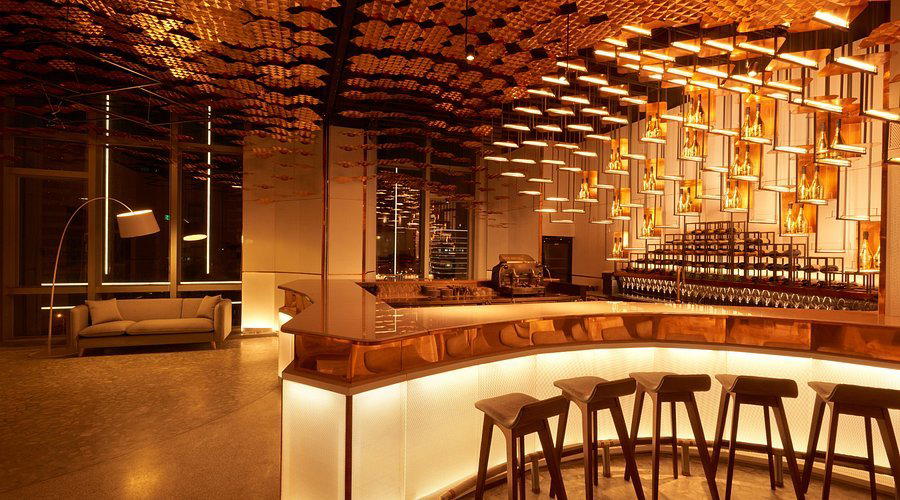
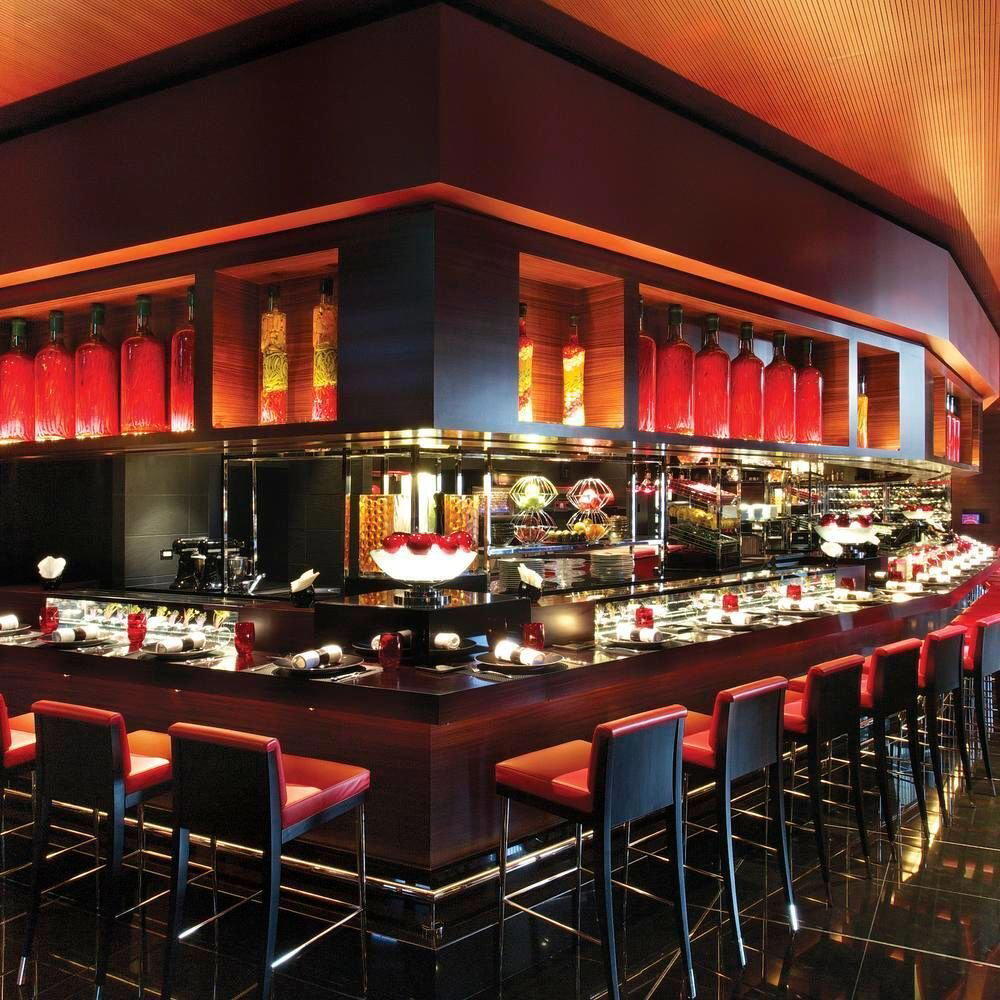
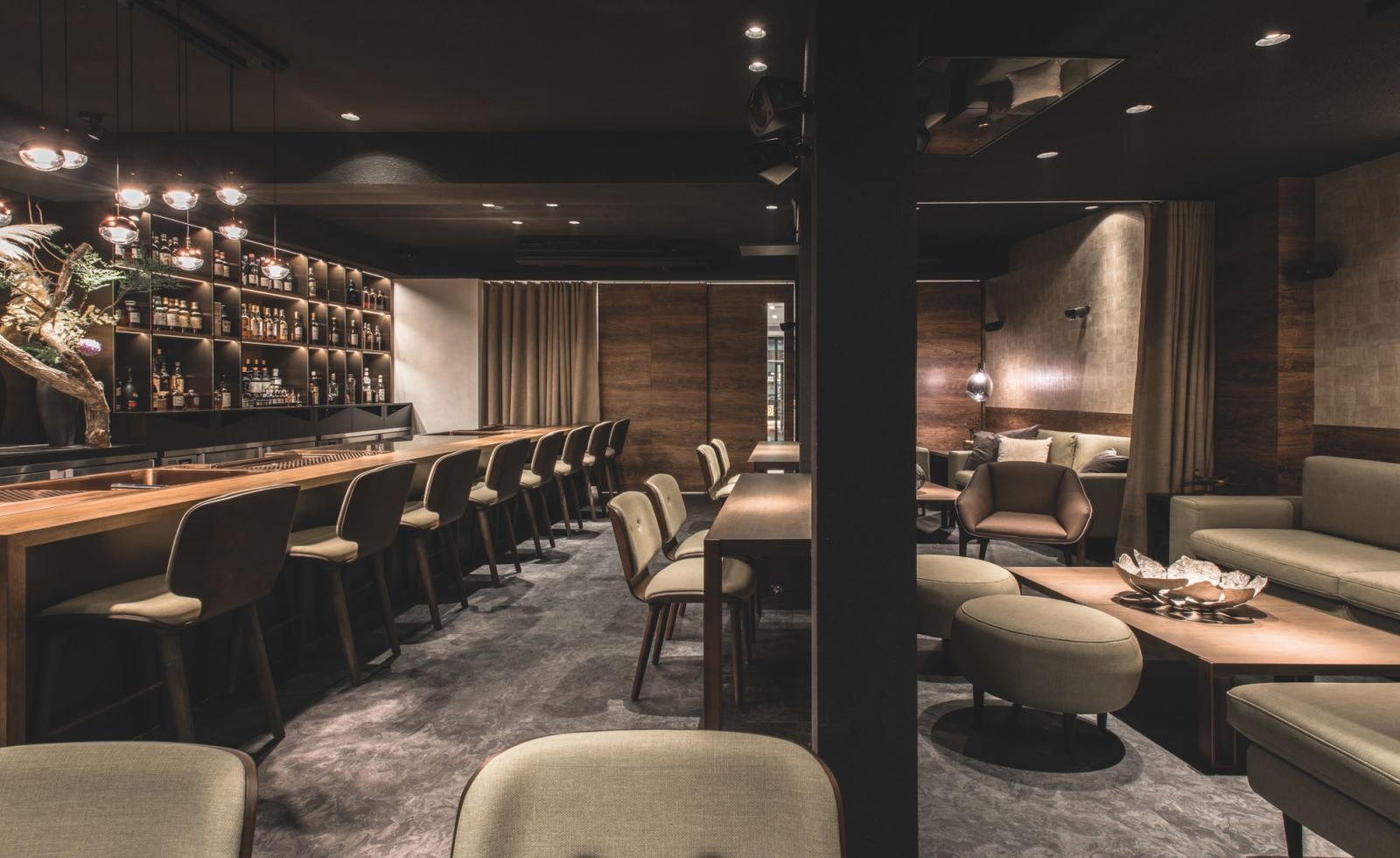
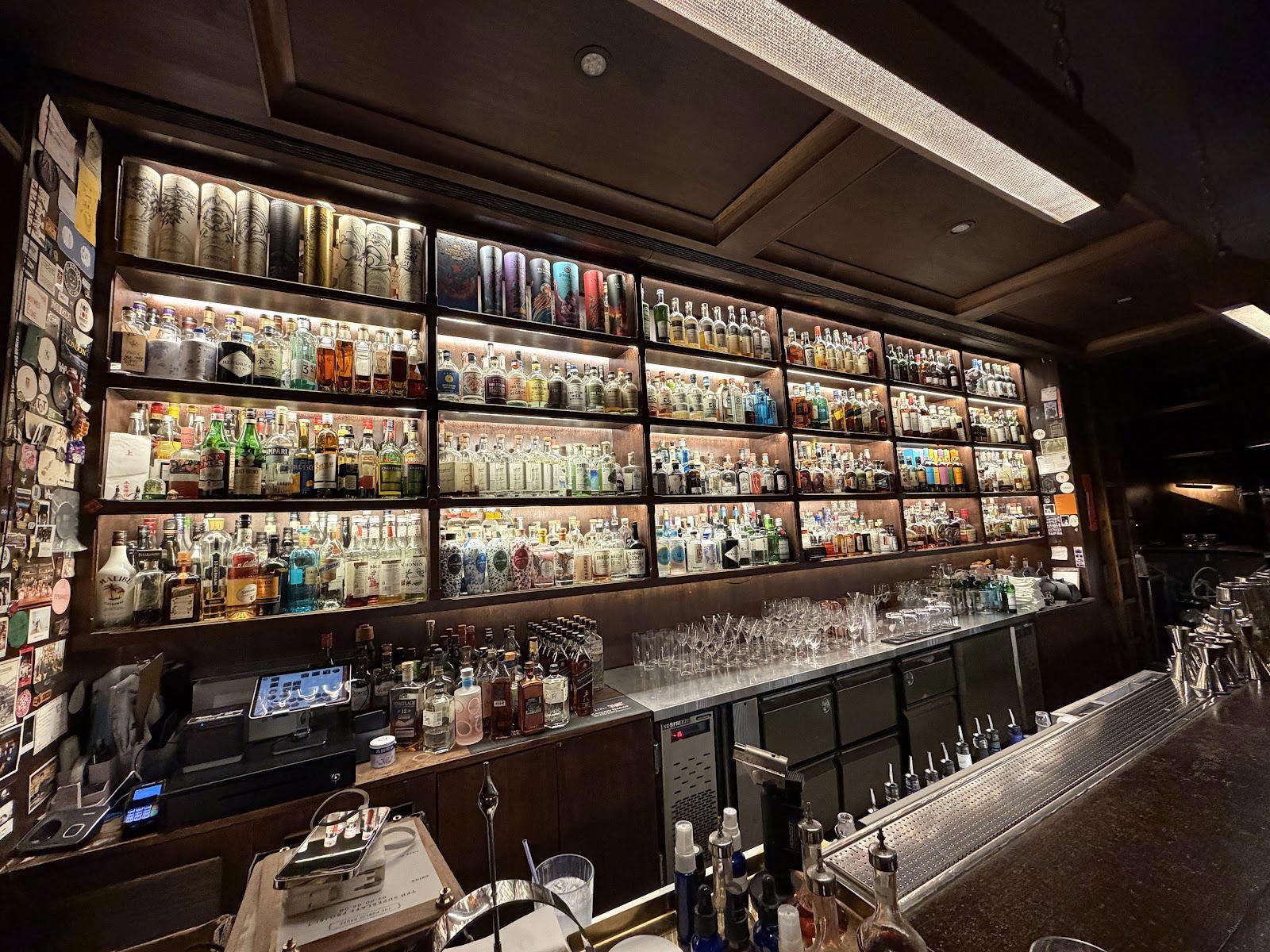
Cozy and casual atmosphere with simple wooden tables and a homey feel.