Daily Bread Marketplace
Daily Bread Marketplace on SW 27th Street sits in the Coconut Grove orbit, where Miami's appetite for culturally grounded, ingredient-led eating is most legible. The format leans toward marketplace accessibility rather than reservation-driven formality, placing it in a different tier from the city's tasting-menu circuit. It draws a regular neighborhood crowd and functions as a practical anchor for daytime and casual dining in the area.
Pearl is the En Primeur Club membership app — saves, bookings, and concierge access live there. Same editors, same standards.
- Address
- 2400 SW 27th St, Miami, FL 33133
- Phone
- +13058560363
- Website
- dailybreadmarketplace.com
- Directions
- Get directions
 Saves & bookings on Pearl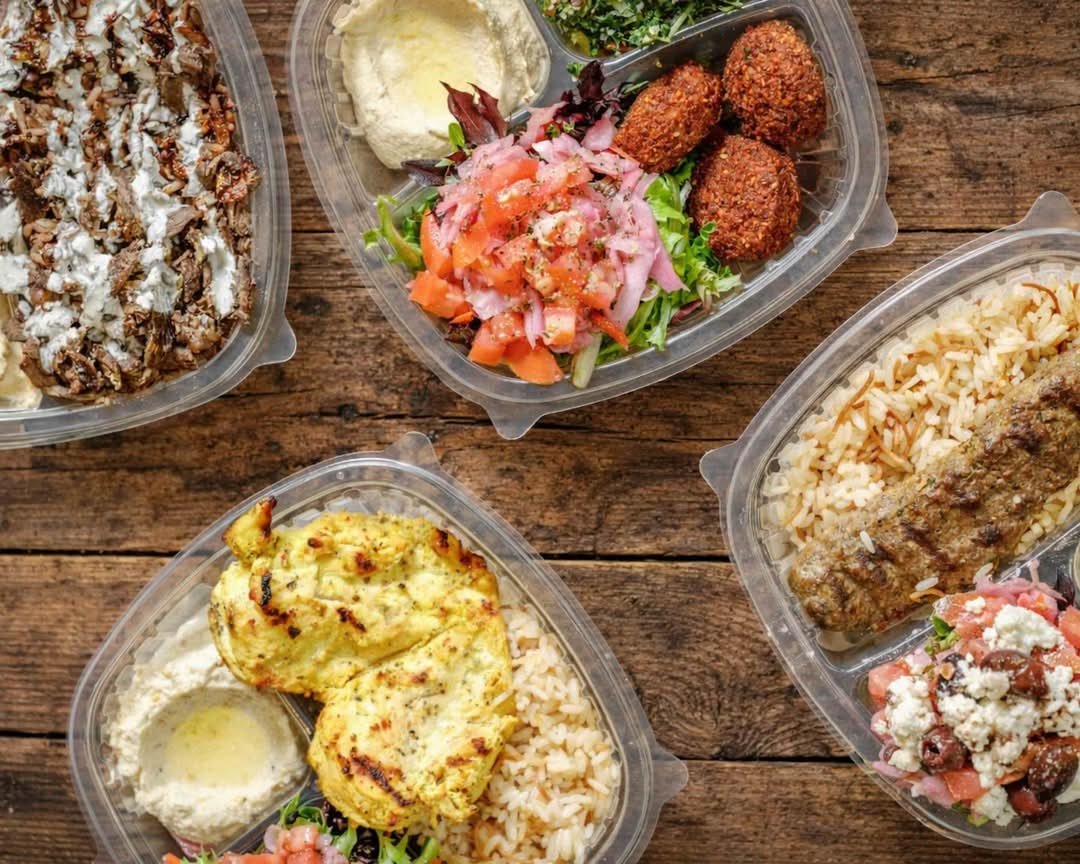
Where Coconut Grove Eats Without Ceremony
Miami's dining conversation defaults to the Design District and Brickell, where tasting menus and hotel restaurants absorb most of the critical attention. The stretch of SW 27th Street near Coconut Grove operates differently. This is where the city's longer-resident population, drawn by the canopy streets and older housing stock, has built a more durable food culture, one that prizes reliability and cultural specificity over spectacle. Daily Bread Marketplace belongs to that pattern, occupying a spot in a neighborhood that has resisted the full-scale gentrification that reshaped Wynwood and Edgewater.
The marketplace format, common across Middle Eastern and Mediterranean food traditions, carries particular meaning in Miami. The city's diaspora geography is dense: significant Lebanese, Persian, Israeli, and Greek communities have all left imprints on the food supply, from Doral's Venezuelan bakeries to the halal butchers along Flagler Street. A marketplace built around bread, prepared foods, and pantry staples taps into that layered civic identity rather than packaging it for a tourist audience. That distinction matters when reading Daily Bread Marketplace against the broader Miami grid.
The Cultural Architecture of the Marketplace Format
Across the Middle East and Eastern Mediterranean, the concept of a daily bread supplier, someone whose products anchor household meals rather than occasion dining, carries social weight that the word "marketplace" in English only partially translates. Bread is produced and sold within a rhythm of community routine: morning purchases, neighborhood familiarity, the expectation of freshness measured in hours rather than days. When that format travels to diaspora cities, it often becomes a preservation mechanism, a way for communities to maintain food practices that restaurants, with their margin pressures and audience-broadening instincts, can rarely sustain.
Miami has enough critical mass in its Arab and Eastern Mediterranean communities to support that kind of operation. The question for any marketplace format in this city is whether it functions primarily as a cultural institution for its origin community or as a crossover destination that draws from the wider population. Venues that do both, that hold their cultural specificity while becoming accessible to neighbors from different backgrounds, tend to develop the most durable local status. That crossover is visible in the daytime foot traffic patterns across Coconut Grove more broadly, where a mix of longtime residents and newer arrivals coexist in the same retail corridors.
Coconut Grove in the Miami Dining Structure
Understanding where Daily Bread Marketplace sits requires a clear picture of what Coconut Grove is and is not in Miami's restaurant geography. It is not where the city's most-decorated kitchens concentrate. That honor goes to the Design District, home to L'Atelier de Joël Robuchon Miami, and to the upper Brickell corridor. Coconut Grove's restaurant scene runs toward the neighborhood-embedded rather than the destination-driven: places that fill on Tuesday nights because locals want them to, not because a publicist secured a magazine placement.
The comparison venues that frame Miami's upper dining tier tell you what Coconut Grove is positioned against by absence as much as by presence. Ariete, the modern American kitchen on SW 27th Avenue, holds the neighborhood's most prominent fine-dining flag. Boia De, the Italian contemporary operation in Little Haiti, draws from a similar logic: deeply local in its following, serious in its cooking, outside the usual tourist circuit.
Daily Bread Marketplace operates further down the formality spectrum than any of these, which is not a criticism. The marketplace format serves a different civic function than tasting-menu restaurants. Comparing it to Ariete or to nationally recognized operations like Le Bernardin in New York City, The French Laundry in Napa, or Smyth in Chicago would misread what the format is trying to do. The relevant comparison is to other culturally grounded, community-serving food operations in Miami's mid-tier, a category that the city has historically under-resourced relative to its restaurant-scene ambitions.
For readers tracking the broader American conversation about food as cultural infrastructure, venues like Blue Hill at Stone Barns in Tarrytown and Single Thread Farm in Healdsburg represent the destination end of ingredient-driven eating. Daily Bread occupies the opposite pole: ingredient-driven in the sense that bread quality and pantry goods are the product, but without the tasting-menu apparatus or the destination-dining price signal. Other American operations that have built strong regional identities outside the fine-dining tier, from Emeril's in New Orleans to Providence in Los Angeles, demonstrate how durable local reputations get built across different format types. See our full Miami restaurants guide for broader context on how the city's dining tiers stack.
What the Address Signals
The SW 27th Street address puts Daily Bread Marketplace in a commercial zone that runs between Coconut Grove's pedestrian core and the residential interior. The street is practical rather than scenic: it draws drive-in traffic and serves the workaday needs of surrounding blocks rather than the weekend visitor arriving by Uber from South Beach. That address type self-selects the audience. People who arrive at a marketplace on SW 27th on a weekday morning are not browsing; they know what they want. That predictability of purpose tends to concentrate food quality in operations that survive there long-term, because the customer base is repeat rather than first-time, and repeat customers notice decline faster than tourists do.
Miami's ethnic food corridors, from the Cuban operations along Calle Ocho to the Haitian kitchens in Little Haiti, have historically followed this pattern: built for regulars, sustained by regulars, occasionally discovered by a wider audience. The marketplace format at SW 27th fits that lineage. For visitors to Miami whose itinerary is shaped entirely by the tasting-menu circuit, including operations like ITAMAE in the Design District, Daily Bread represents a legible counterpoint: the city eating for sustenance and cultural continuity rather than occasion.
Know Before You Go
Address: 2400 SW 27th St, Miami, FL 33133
Format: Marketplace; expect counter or self-service purchasing rather than a seated restaurant experience
Neighborhood: Coconut Grove / SW 27th Street corridor
Booking: No reservation infrastructure indicated; walk-in purchasing model applies
Leading approach: Daytime visit; the marketplace format aligns with morning and midday purchasing rhythms common to Mediterranean and Middle Eastern bread suppliers
Parking: Street and surface lot access typical for the SW 27th corridor; the location is less suited to pedestrian-only arrival than Coconut Grove's central village
How Daily Bread Marketplace Miami compares with similar nearby venues.
| Venue | Cuisine | Price |
|---|---|---|
| The Gibson Room | American | $$$ |



At a Glance
- Classic
- Cozy
- Casual Hangout
- Standalone
Current opening hours
- Monday
- 9 AM–8 PM
- Tuesday
- 9 AM–8 PM
- Wednesday
- 9 AM–8 PM
- Thursday
- 9 AM–8 PM
- Friday
- 9 AM–8 PM
- Saturday
- 9 AM–8 PM
- Sunday
- 11 AM–5 PM
Hours can change for holidays and private events. Last verified .
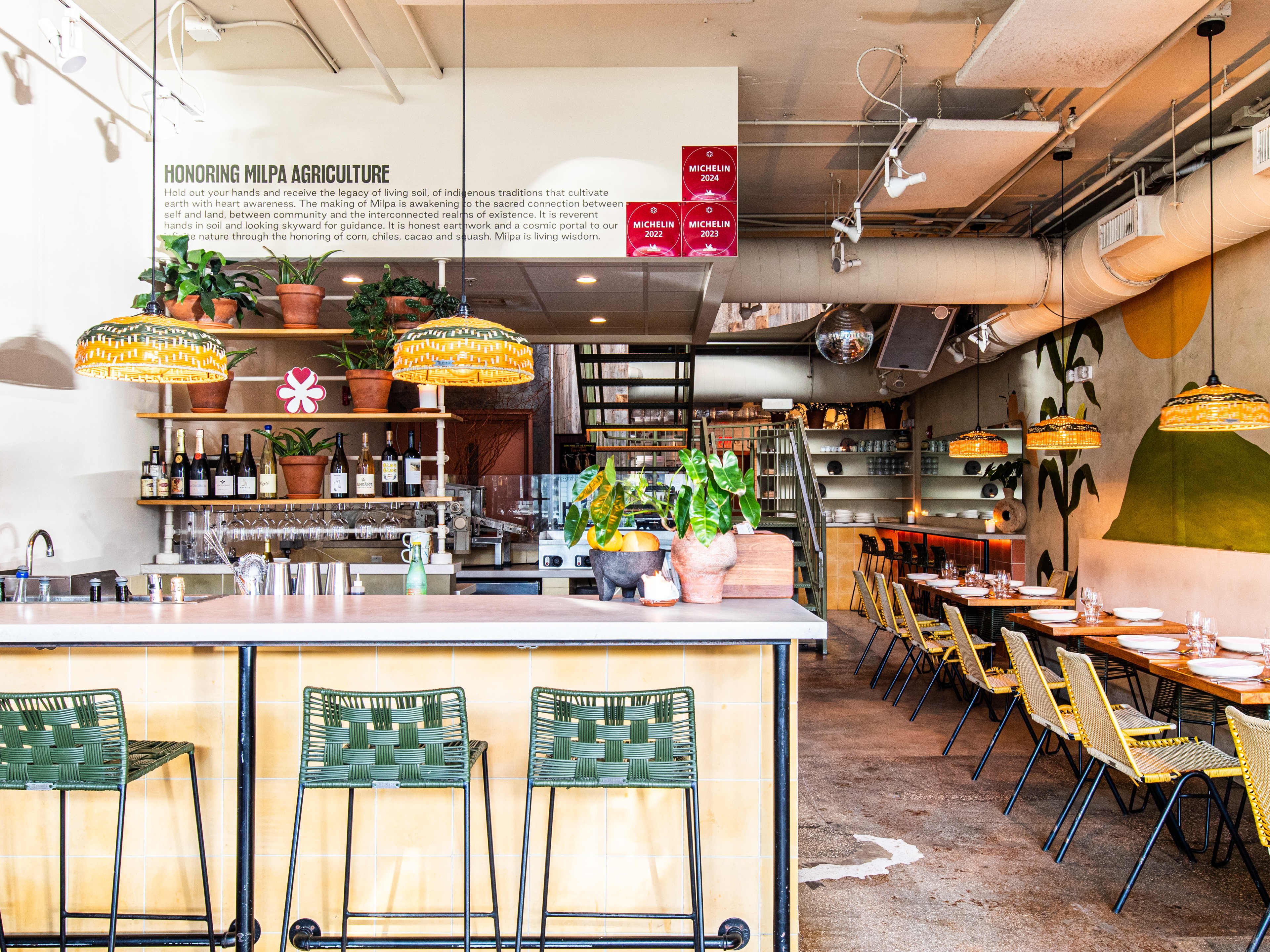
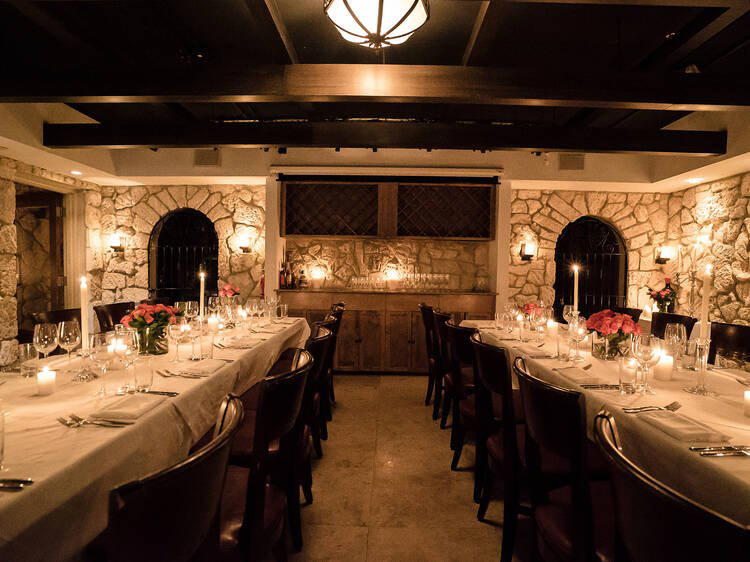
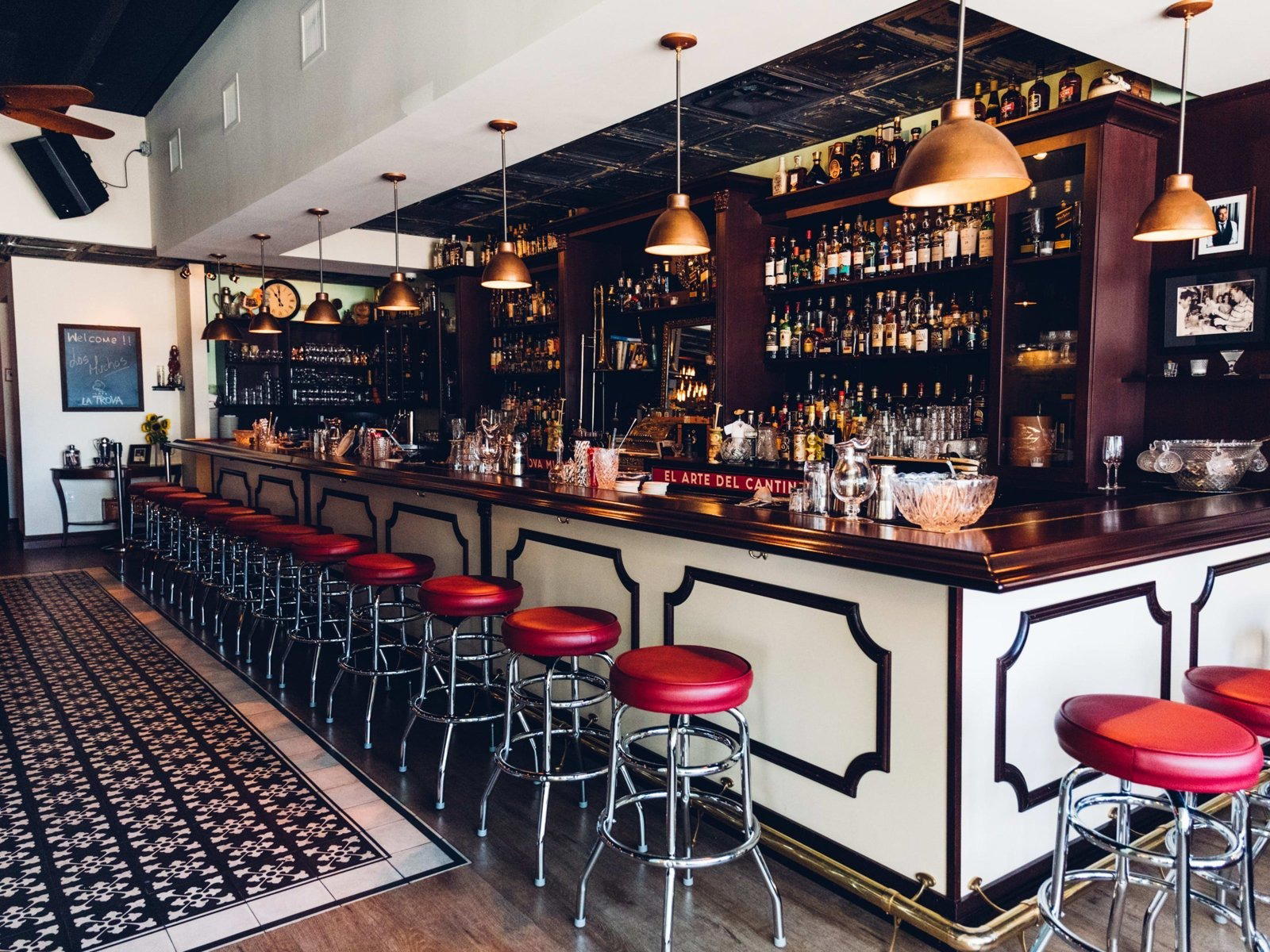
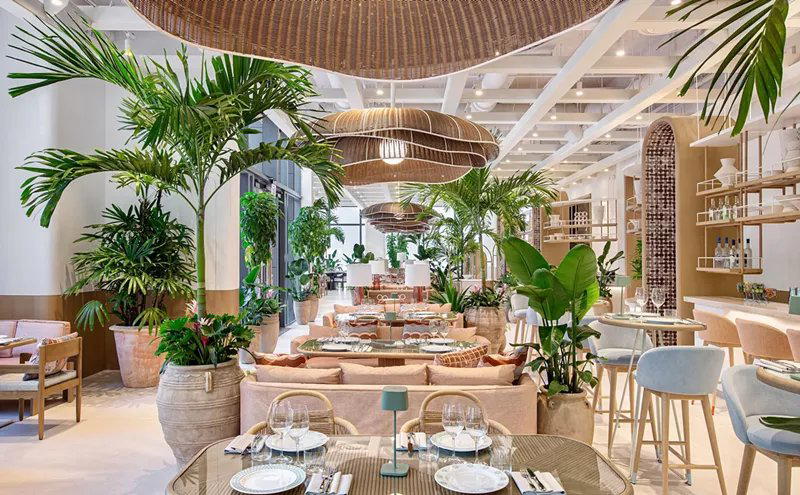
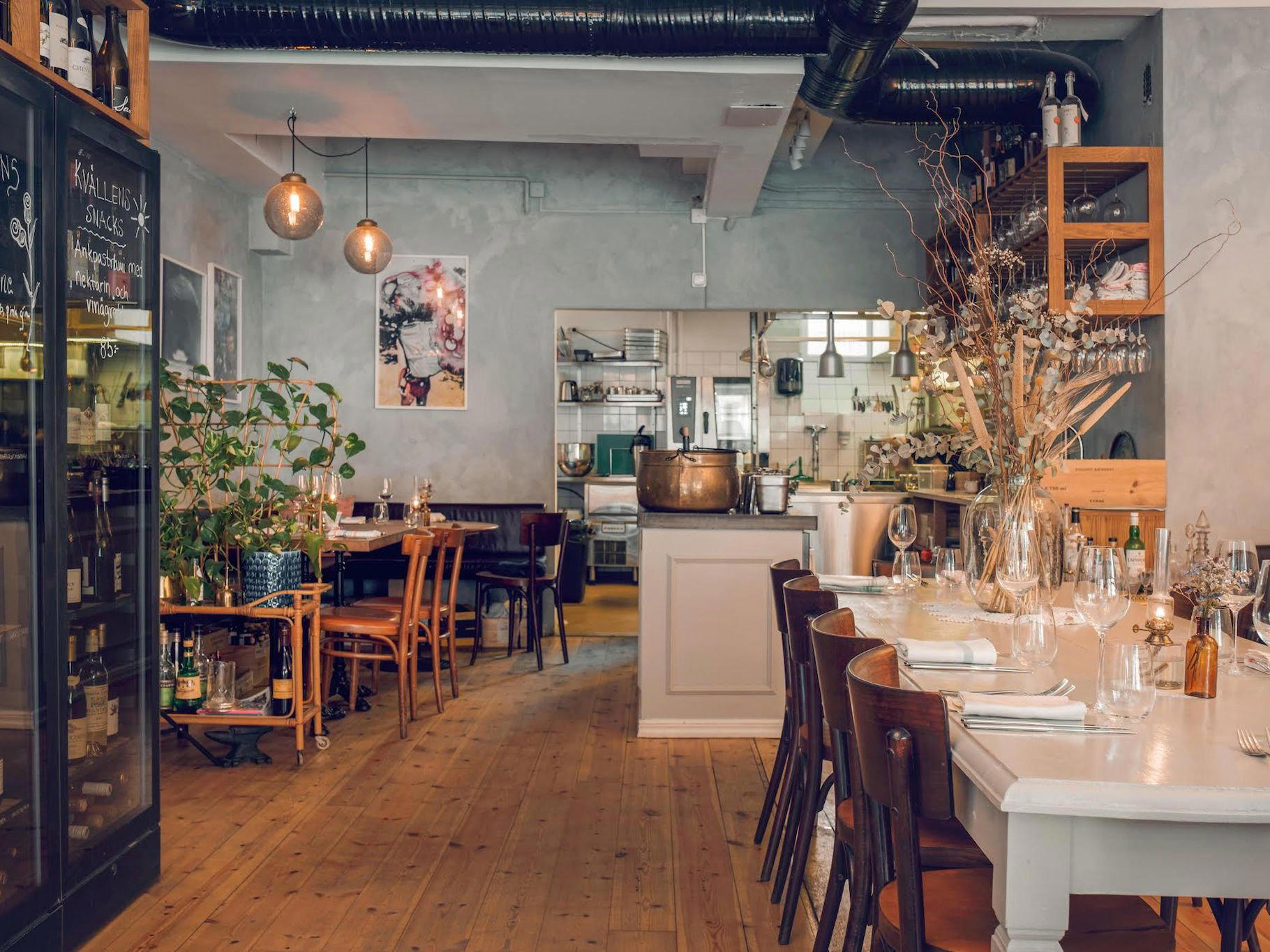
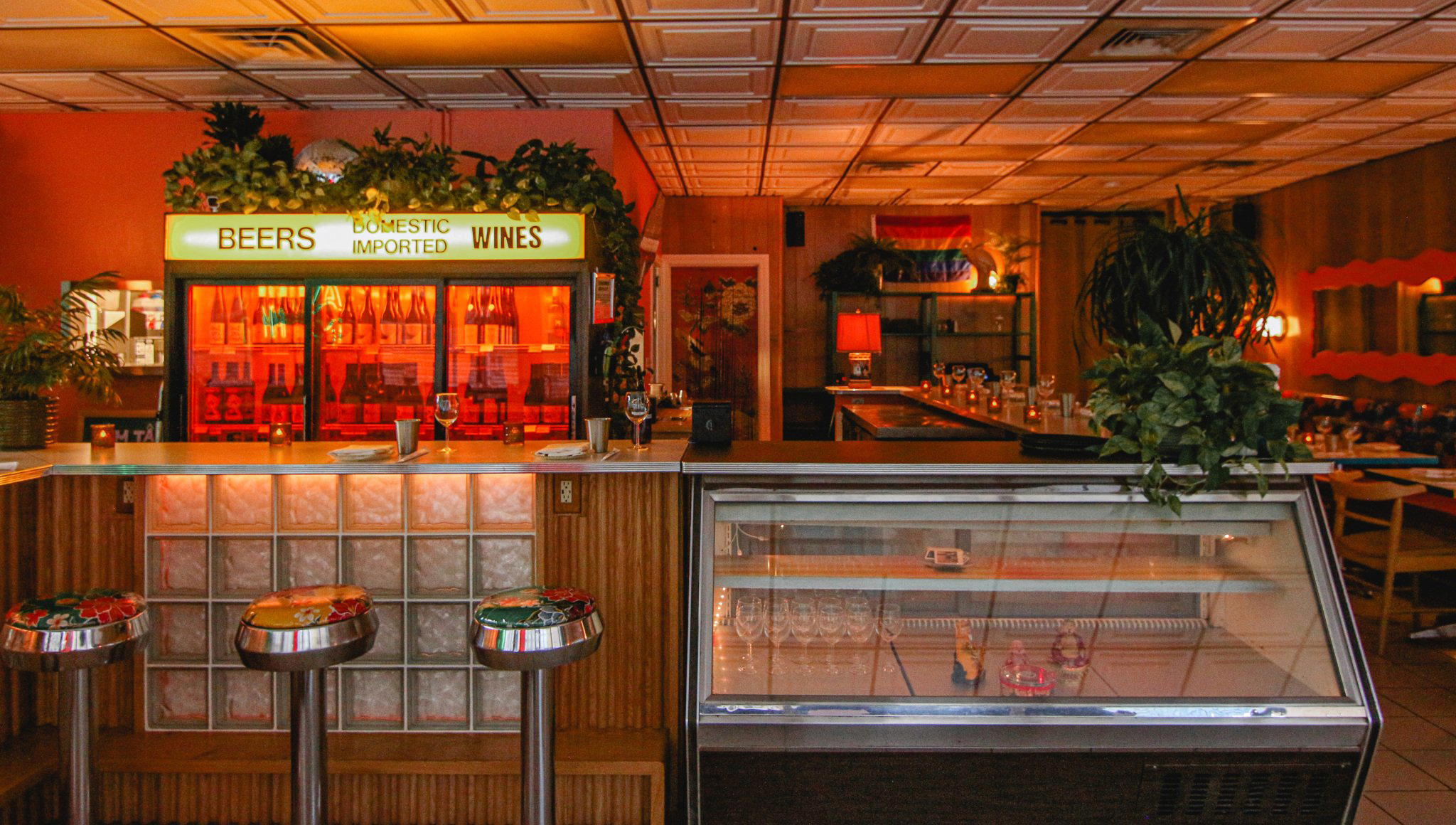
Casual marketplace atmosphere with a food counter for quick, comfortable dining amid shelves of international specialties.
Know Before You Go
- Getting there
- 2400 SW 27th St, Miami, FL 33133