Dabao Singapore
Dabao Singapore brings Southeast Asian cooking to San Francisco's SoMa district at 135 4th Street, occupying a city that increasingly treats Singaporean and Malaysian flavours as a serious dining category rather than an afterthought. The address places it inside a dense corridor of visitor and local foot traffic, and its position in the broader scene reflects how Southeast Asian food culture has shifted across American urban dining over the past decade.
Pearl is the En Primeur Club membership app — saves, bookings, and concierge access live there. Same editors, same standards.
- Address
- 135 4th St FC03, San Francisco, CA 94103
- Phone
- +14159669557
- Website
- dabaosingapore.com
- Directions
- Get directions
 Saves & bookings on Pearl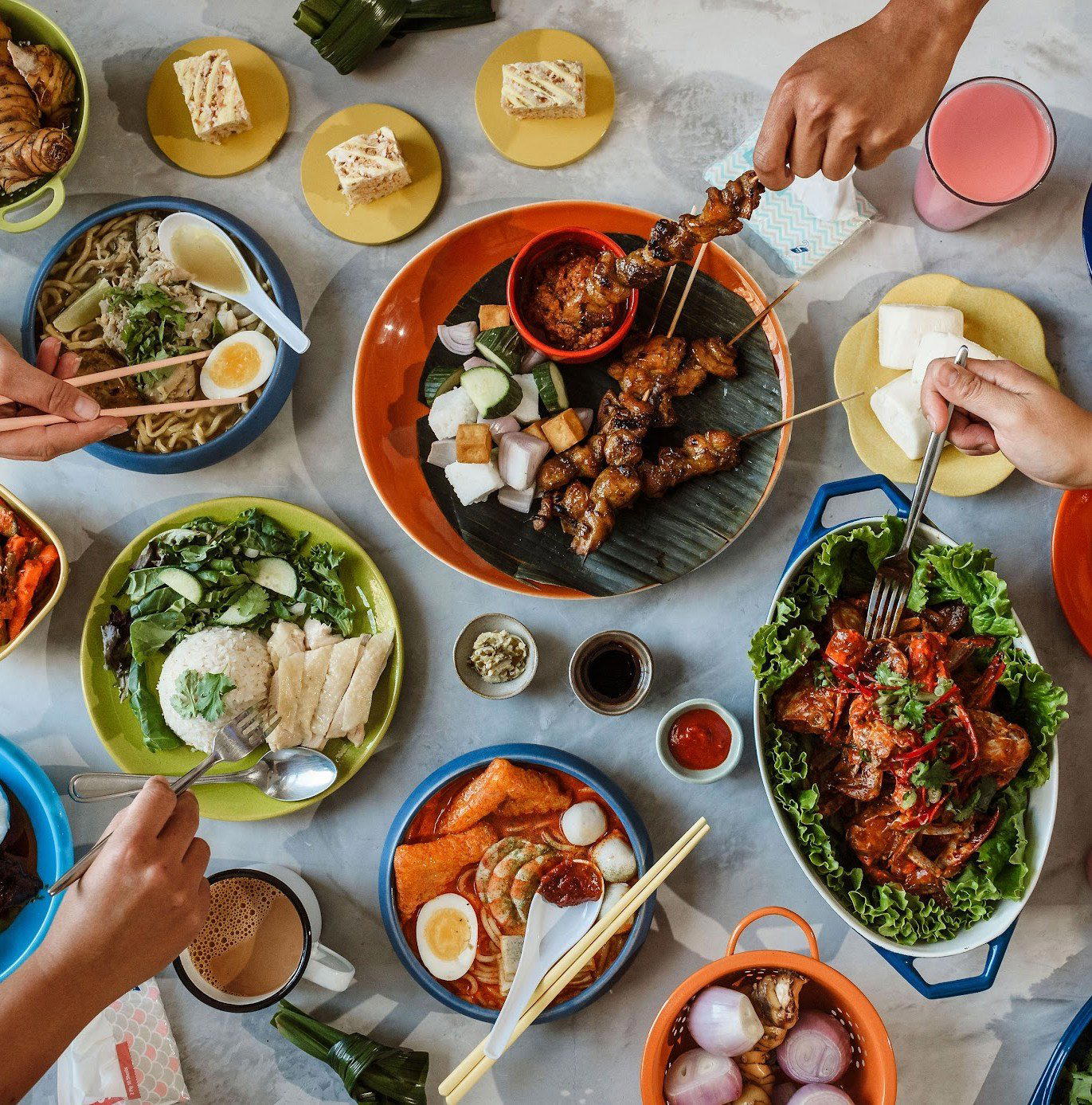
Southeast Asian Cooking in a City That Has Learned to Pay Attention
San Francisco's SoMa district is not the neighbourhood it was a decade ago. The blocks around 4th Street have changed significantly over time, and the area now supports a mix of lunch spots and counter-service formats. Food courts and counter-service formats have proved more durable than many expected, and the address at 135 4th Street places Dabao Singapore inside that resilient middle tier: accessible enough for daily traffic, specific enough to hold its own identity. In a city where the highest-profile dining rooms, Benu, Atelier Crenn, Lazy Bear, operate at the $$$$ tier with tasting menus and advance bookings measured in weeks, there is room for cooking that carries real cultural specificity without demanding a special-occasion commitment.
Singaporean food occupies a particular position in that gap. It is a cuisine defined by compression: multiple Chinese regional traditions, Malay cooking, Indian influence, and colonial-era British pragmatism folded into one of the world's most coherent street-food cultures. When that cooking travels to the United States, it tends to appear in one of two registers, either as the kind of hawker-faithful reproduction that serves a nostalgic diaspora, or as a more composed, restaurant-format translation aimed at diners encountering it for the first time. How a venue positions itself between those two registers shapes everything about how it reads in a city like San Francisco.
How the Format Has Shifted
Singaporean and Southeast Asian food in the Bay Area has changed meaningfully over the past several years. The category that once meant a handful of family-run spots in the Richmond or Sunset districts now has a presence in central commercial corridors, a shift driven in part by food-hall and counter-service formats. This format shift has been consequential: it has brought cuisines with deep technique and regional specificity into spaces where the pricing model is lower and the throughput higher, changing who encounters the food and how often.
Dabao, the name itself is a Hokkien and Malay term meaning "to take away" or "to pack up," a word embedded in the daily rhythm of Singapore's hawker culture, signals at the level of nomenclature where its allegiances lie. The country's hawker centres were added to UNESCO's Representative List of the Intangible Cultural Heritage of Humanity in 2020, a recognition that the format and its cooking represent something worth preserving. That institutional weight gives Singaporean cooking in diaspora contexts a specific kind of legitimacy that other casual food cultures sometimes lack.
Against the San Francisco dining backdrop, where venues like Quince and Saison anchor the fine-dining end of the market, and where the city's broader restaurant economy spans everything from Michelin-starred omakase to neighbourhood taquerias, a Singaporean counter-service format reads as a deliberate choice rather than a default. The comparison set is not the city's tasting-menu rooms but the wider American urban turn toward culturally specific, fast-casual cooking that takes its source material seriously. For context, you can see how that same tension plays out at Atomix in New York, where Korean culinary tradition is presented in a high-formality setting, or at Smyth in Chicago, where the format and the sourcing philosophy operate as the editorial argument. The format choice carries meaning.
SoMa as Context
The specific address, 135 4th Street, suite FC03, puts Dabao Singapore in a food court or food hall configuration. SoMa at this address sits within walking distance of Moscone Center and the retail corridor that connects Union Square to the ballpark, which means the foot-traffic pattern skews toward a mix of convention visitors, office workers (in whatever form that category now takes), and the tourist flow that gravitates toward the Embarcadero and Mission Bay. That audience is meaningfully different from the one feeding the Richmond's Southeast Asian restaurants, and the cooking that works in a food-court format for that SoMa audience has to carry its flavour story quickly.
Across American cities, Singaporean cooking has found that counter formats can serve it well precisely because the food often relies on stocks and braises built over long periods, the kind of depth that does not require tableside theatre to communicate itself. Laksa, char kway teow, Hainanese chicken rice, and bak kut teh all carry complexity that survives the transition to counter service better than many European traditions. Whether Dabao Singapore works within that tradition is the operative question, and the answer requires engagement with what is actually being served rather than a verdict based solely on format.
The broader comparable set for this kind of operation extends nationally: Providence in Los Angeles anchors the fine end of the Pacific Rim conversation, while Addison in San Diego and Single Thread Farm in Healdsburg represent the Northern California high-end. None of these is a direct comparator for a counter-service Southeast Asian spot, but they define the ambient expectations a San Francisco food audience carries into any dining context. Venues like The French Laundry in Napa, Le Bernardin in New York, Blue Hill at Stone Barns, The Inn at Little Washington, Frasca Food and Wine in Boulder, Emeril's in New Orleans, and Atelier Moessmer Norbert Niederkofler in Brunico each represent a different register of what serious culinary investment looks like. The restaurant operates in an entirely different tier, but seriousness of intention is not the exclusive property of formal dining rooms.
Planning a Visit
Location: 135 4th St, FC03, San Francisco, CA 94103, in SoMa's 4th Street commercial corridor. Reservations: Counter or food-court format suggests walk-in as the primary access method; no booking data is currently available. Getting there: The address is close to the Powell Street BART station and accessible via multiple Muni lines running along 4th and Market. Lead timing: Lunch hours tend to draw the heaviest SoMa foot traffic on weekdays; visiting mid-afternoon on a weekday is likely to mean shorter waits if queue-based service applies.
Comparison Snapshot
Comparable venues nearby, for context on price, style, and recognition.
| Venue | Cuisine | Price | Notes |
|---|---|---|---|
| Dabao SingaporeThis venue — the venue you are viewing | Singaporean Hawker Food | $$ | Not listed |
| Mandalay | Burmese | $$ | Inner Richmond |
| Dancing Yak | Authentic Nepali | $$ | Mission |
| Dandelion Chocolate | Bean-to-Bar Chocolate Café | $$ | Mission |
| Boda | other | Not listed | San Francisco |
| Pica Pica Arepa Kitchen | Venezuelan Arepas | $$ | Mission |
Continue exploring
More in San Francisco
Restaurants in San Francisco
Browse all →
Bars in San Francisco
Browse all →
Hotels in San Francisco
Browse all →
At a Glance
- Trendy
- Lively
- Casual Hangout
- Standalone
Current opening hours
- Monday
- Closed
- Tuesday
- 11 AM–7:30 PM
- Wednesday
- 11 AM–7:30 PM
- Thursday
- 11 AM–7:30 PM
- Friday
- 11 AM–7:30 PM
- Saturday
- 11 AM–7:30 PM
- Sunday
- 11 AM–7:30 PM
Hours can change for holidays and private events. Last verified .
Casual mall food stall atmosphere with focus on quick, flavorful street food.