Boda places Korean cooking in San Francisco’s broader conversation about meals built around abundance rather than a single plated centerpiece. The draw is the banchan-table logic: small accompaniments, shared pacing, and a cuisine that rewards groups who want texture, heat, fermentation, and rice at the center of the table.
Pearl is the En Primeur Club membership app — saves, bookings, and concierge access live there. Same editors, same standards.
- Address
- San Francisco, United States
- Directions
- Get directions
 Saves & bookings on Pearl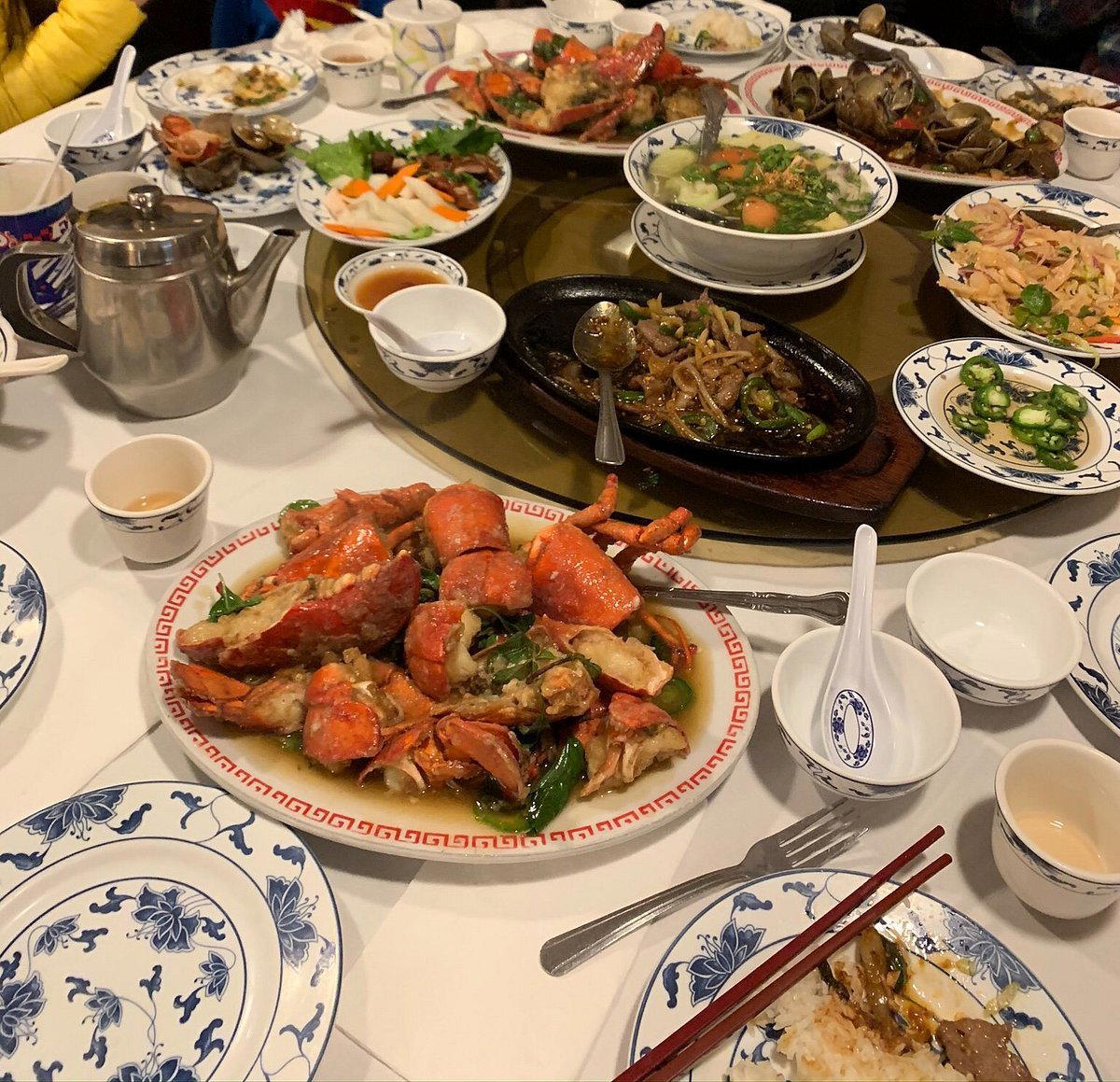
The first read of a Korean table is visual before it is verbal: small dishes spreading outward, rice anchoring the meal, heat and fermentation doing as much work as meat or broth. In San Francisco, where tasting menus and counter formats often dominate the premium dining conversation, Boda belongs to a different tradition. Korean dining asks the table to think in multiples: crunch beside softness, salt beside sweetness, chili beside cooling vegetables. The restaurant’s importance sits there, in the grammar of accompaniment rather than in the theatre of a single plate.
Banchan makes the meal communal before the main dishes arrive
The banchan table is not a garnish system. It is a way of structuring appetite. In Korean restaurants, side dishes set pace, temperature, and contrast; they make rice feel necessary and shared dishes feel less linear. Boda’s Korean category matters because San Francisco diners are increasingly fluent in formats that resist the Western starter-main-dessert sequence. The meal is read across the table, not down a menu column.
That format changes how a group should order. The sharper move is to build around balance: one or two richer dishes, something soup- or stew-led if available, vegetables for relief, and enough rice to make the banchan function as intended. Korean food in the city has also become more visible across several registers, from modern dining rooms to specialist comfort-food addresses. For a broader Korean snapshot, EP Club readers can cross-reference Bansang, Daeho Kalbijim & Beef Soup, Ssal, and Sungho, each of which shows a different pressure point in the city’s Korean dining conversation.
San Francisco rewards Korean restaurants that serve groups well
San Francisco’s dining culture can be intensely individualistic: chef’s counters, prix fixe pacing, and reservation scarcity often turn dinner into a controlled sequence. Korean restaurants push against that habit. The table becomes the unit of pleasure. A dish that feels too forceful alone becomes right when broken with rice, pickles, greens, and soup. That is the useful lens for Boda: not a chef biography, not an awards chase, but a restaurant category where the table’s architecture does the work.
This is also why Korean restaurants travel well across cities. The format keeps its identity even when neighborhoods, price tiers, and dining rooms change. Readers tracking the wider West Coast and Pacific dining map might look at Jōdo Saké Bar in Los Angeles, Onigiri Time in Pasadena, ¿Por Qué No? in Portland, 'Ai Love Nalo in Waimanalo Beach, and 'Ama 'Ama in Kapolei for other examples of regional dining identities shaped by format as much as ingredient. Further afield, 'Dashery in Baltimore, 8282, Korean in New York City, and 88 Seoul, Korean in Abu Dhabi show how Korean cooking reads differently when filtered through local dining habits.
How to place Boda in a San Francisco dining day
Boda is best understood as a Korean restaurant for diners who want the meal to unfold through shared dishes and side-dish interplay rather than a rigid tasting format. The absence of public-facing awards or named chef credentials keeps the critical case focused on cuisine and table structure. That is not a weakness; it simply places the restaurant in the practical, food-first tier of San Francisco dining, where the evidence is the way the table is composed.
For trip planning, it fits naturally into a city itinerary built around neighborhoods and formats rather than a single trophy booking. Use Our full San Francisco restaurants guide for the wider dining map, then layer in Our full San Francisco hotels guide, Our full San Francisco bars guide, Our full San Francisco wineries guide, and Our full San Francisco experiences guide for the rest of the day. If the plan calls for something outside Korean dining, 'Napizza marks another casual San Francisco option in a different register. The editorial point is simple: choose Boda when the table wants Korean food’s strength in numbers, side dishes doing real structural work, and a meal that makes more sense shared than solitary.
Comparable Venues Nearby
Comparable venues nearby, for context on price, style, and recognition.
| Venue | Cuisine | Price | Notes |
|---|---|---|---|
| BodaThis venue — the venue you are viewing | other | Not listed | Not listed |
| Kayah | Authentic Burmese & Southeast Asian | $$ | Mission Bay |
| Burma Love | Modern Burmese | $$ | Mission |
| Base Camp | Nepalese | $$ | Mission |
| Stuffed | other | $$ | Mission |
| Pica Pica Arepa Kitchen | Venezuelan Arepas | $$ | Mission |
Continue exploring