Boëna sits in Antwerp's residential Wilrijk district, away from the city's established dining corridor, making it a reference point for the kind of cooking that prioritises locally sourced Flemish produce shaped by technically rigorous, internationally informed methods. The address on Cederlaan positions it outside the tourist circuit, drawing a clientele that arrives with purpose rather than proximity.
Pearl is the En Primeur Club membership app — saves, bookings, and concierge access live there. Same editors, same standards.
- Address
- Cederlaan 68, 2610 Antwerpen, Belgium
- Phone
- +32468209552
- Website
- boena.be
- Directions
- Get directions
 Saves & bookings on Pearl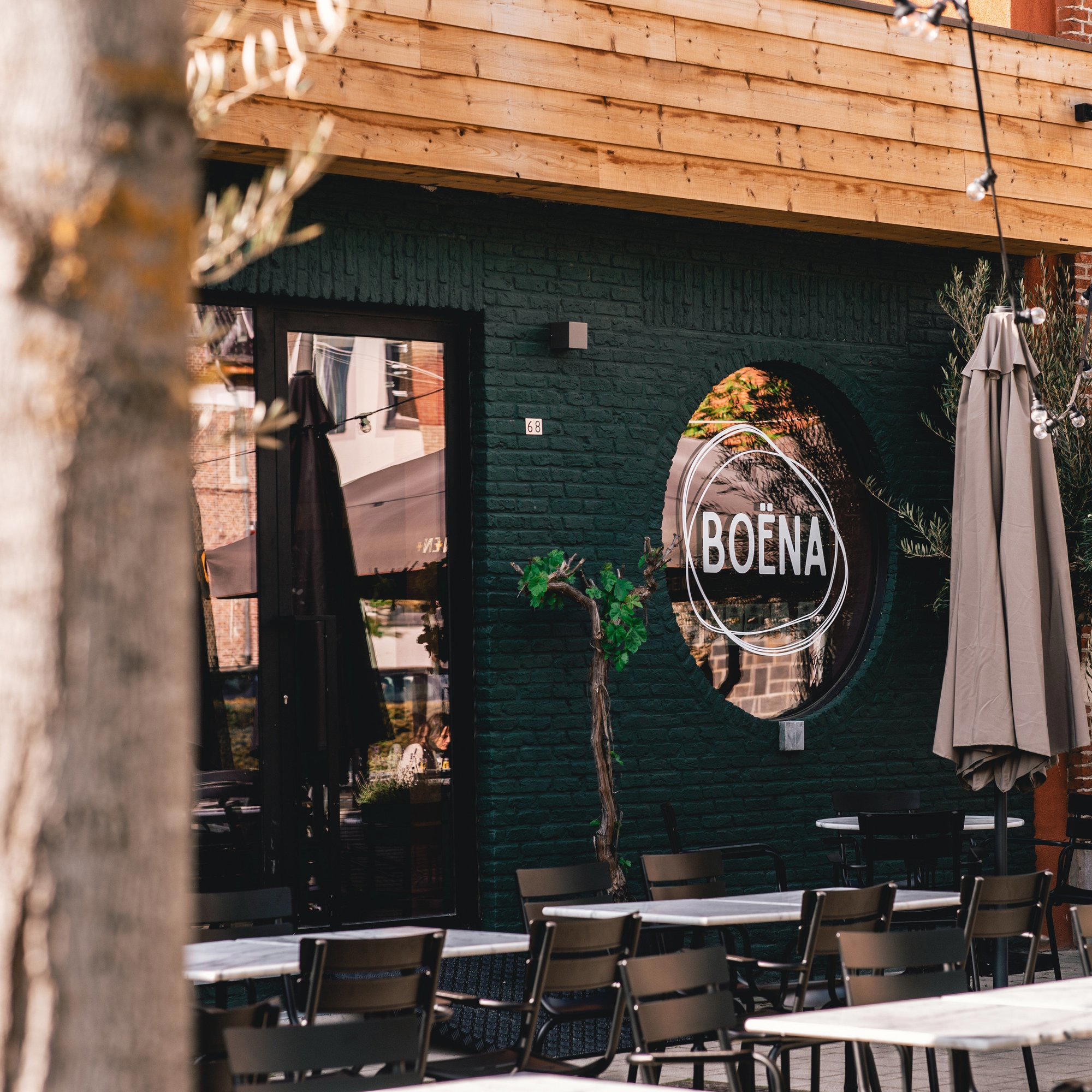
Where Antwerp's Residential South Meets Serious Cooking
Antwerp's dining scene has a well-documented centre of gravity: the old city, the harbour district, the stretch of addresses that draw critics and tourists in roughly equal measure. Venues like Zilte, perched above the MAS museum, and Hertog Jan at Botanic, with its Modern Flemish ambitions in a botanical garden setting, occupy the city's most visible tier. Boëna is a restaurant in Antwerp's Wilrijk district serving modern Mediterranean cuisine with Middle Eastern influences at roughly $35 per person. Its address on Cederlaan, in the municipality of Wilrijk south of the ring road, places it in a part of the city where the architecture is low-slung residential and the streets quiet enough that arriving by car feels more natural than arriving on foot from a hotel. That physical remove is not incidental. It is the first signal that this is a place built around a certain kind of conviction rather than footfall.
Approaching Cederlaan 68, the surrounding neighbourhood offers no particular visual fanfare: tree-lined streets, detached properties, the ordinary rhythms of a Flemish suburb. That context matters editorially because it frames the kind of restaurant Boëna is. In cities where fine dining addresses cluster for mutual reinforcement, the outlier address usually signals one of two things: a neighbourhood bistro operating on modest ambitions, or a serious kitchen operating on its own terms. The evidence points toward the latter.
The Editorial Logic of Local Ingredients and Imported Technique
Belgian cooking at its most interesting has never been purely insular. The country sits at the junction of French culinary formalism, Dutch directness with produce, and German appetite for substance, and its leading kitchens have historically absorbed technique from Paris while anchoring flavour in what the Flemish countryside and North Sea coastline actually yield. That approach now has a more globally inflected dimension. Chefs trained in Nordic reduction, Japanese precision, or New World fermentation have returned to Belgian addresses and applied those methods to grey shrimp from Zeebrugge, white asparagus from Mechelen, endive from the Brabant fields, and lamb from the coastal polders.
This is the frame through which Boëna reads most clearly. The Wilrijk address, away from Antwerp's established creative dining cluster, suggests a kitchen that is not performing for a peer audience but cooking to a considered internal standard. The intersection of locally grounded produce and technically disciplined method is a pattern visible across Belgium's most serious current addresses, from Willem Hiele in Oudenburg, which has built a reputation around coastal ingredients and a near-monastic focus on fermentation and preservation, to Boury in Roeselare, where classical French scaffolding is applied to West Flemish produce with considerable precision. Vrijmoed in Gent and Hof van Cleve in Kruishoutem occupy similar territory in the broader Flemish restaurant conversation.
Boëna enters that conversation from its particular position in Antwerp's south. The city already has its own version of this dialogue at addresses like DIM Dining, which applies Japanese and broader Asian method to its format, and 't Fornuis, which holds the European-Flemish classic tradition with considerable stubbornness. Boëna's Wilrijk location places it outside that central conversation spatially, but not intellectually.
Belgium's Broader Fine Dining Context
Belgium punches considerably above its size in terms of Michelin density. The country has, per capita, one of the highest concentrations of starred restaurants in Europe, with Flemish addresses making up a disproportionate share. That density creates a competitive context in which a serious kitchen must distinguish itself not simply by technical competence but by a clear point of view about what it is cooking and for whom.
Internationally, kitchens operating at the intersection of local-ingredient philosophy and globally absorbed technique have found their most eloquent expressions in places like Le Bernardin in New York City, where French rigour is applied to seafood with almost surgical focus, and Lazy Bear in San Francisco, which uses a communal format to frame technically demanding cooking in an accessible register. Belgian kitchens are operating in a different register but with comparable seriousness about the relationship between method and material. Closer to home, Bozar Restaurant in Brussels, Le Chalet de la Forêt in Uccle, and d'Eugénie à Emilie in Baudour each demonstrate how Belgian fine dining has developed a genuinely plural identity, absorbing international influence without becoming derivative of it.
In Antwerp specifically, the dining tier that sits between the classic Flemish bistro format (represented with quiet authority by Bistrot du Nord) and the fully creative tasting-menu format has grown more interesting over the past decade. Boëna occupies a position in that middle ground, in a suburb that does not typically appear in Antwerp restaurant round-ups, which is itself a form of editorial statement. Kitchens in outer districts of Belgian cities tend to draw genuinely local clientele rather than expense-account visitors, and that audience tends to be more demanding about value and consistency over time.
Planning a Visit to Boëna
The Cederlaan address in Wilrijk is most practically reached by car or taxi from central Antwerp, which sits roughly five to six kilometres to the north. The restaurant is recommended for reservations, and its opening hours are Monday, Wednesday through Friday, and Sunday from 12 to 11:30 PM, with Saturday service from 6 to 11:30 PM.
Seasonal timing matters in Belgian cooking more than in many other European traditions. White asparagus season from late April through June, grey shrimp availability, and the autumn game season each shape what appears on menus at kitchens operating at this level of ingredient focus. Those seasonal windows can shape what appears on the menu. Beyond Antwerp, the Flemish fine dining circuit rewards a broader itinerary: La Durée in Izegem, Cuchara in Lommel, and Ralf Berendsen in Neerharen each offer a distinct angle on how Flemish kitchens are currently positioning themselves.
Peers Worth Knowing
Comparable venues nearby, for context on price, style, and recognition.
| Venue | Cuisine | Price | Notes |
|---|---|---|---|
| BoënaThis venue — the venue you are viewing | Modern Mediterranean with Middle Eastern Influences | $$ | Not listed |
| Kato | Traditional Japanese Omakase | $$ | Marnixplein area |
| Kalura | Authentic Sicilian Pizza | $$ | student district |
| Bistrot fromm | French-Belgian Bistro | $$ | Ekeren |
| Licoli | Neapolitan Pizza | $$ | Berchem |
| De Foyer | French-Belgian Brasserie | $$ | City Center |
At a Glance
- Cozy
- Elegant
- Warm
- Modern
- Family
- Group Dining
- Casual Hangout
- Date Night
- Open Kitchen
- Craft Cocktails
- Extensive Wine List
- Organic
Current opening hours
- Monday
- 12–11:30 PM
- Tuesday
- Closed
- Wednesday
- 12–11:30 PM
- Thursday
- 12–11:30 PM
- Friday
- 12–11:30 PM
- Saturday
- 6–11:30 PM
- Sunday
- 12–11:30 PM
Hours can change for holidays and private events. Last verified .
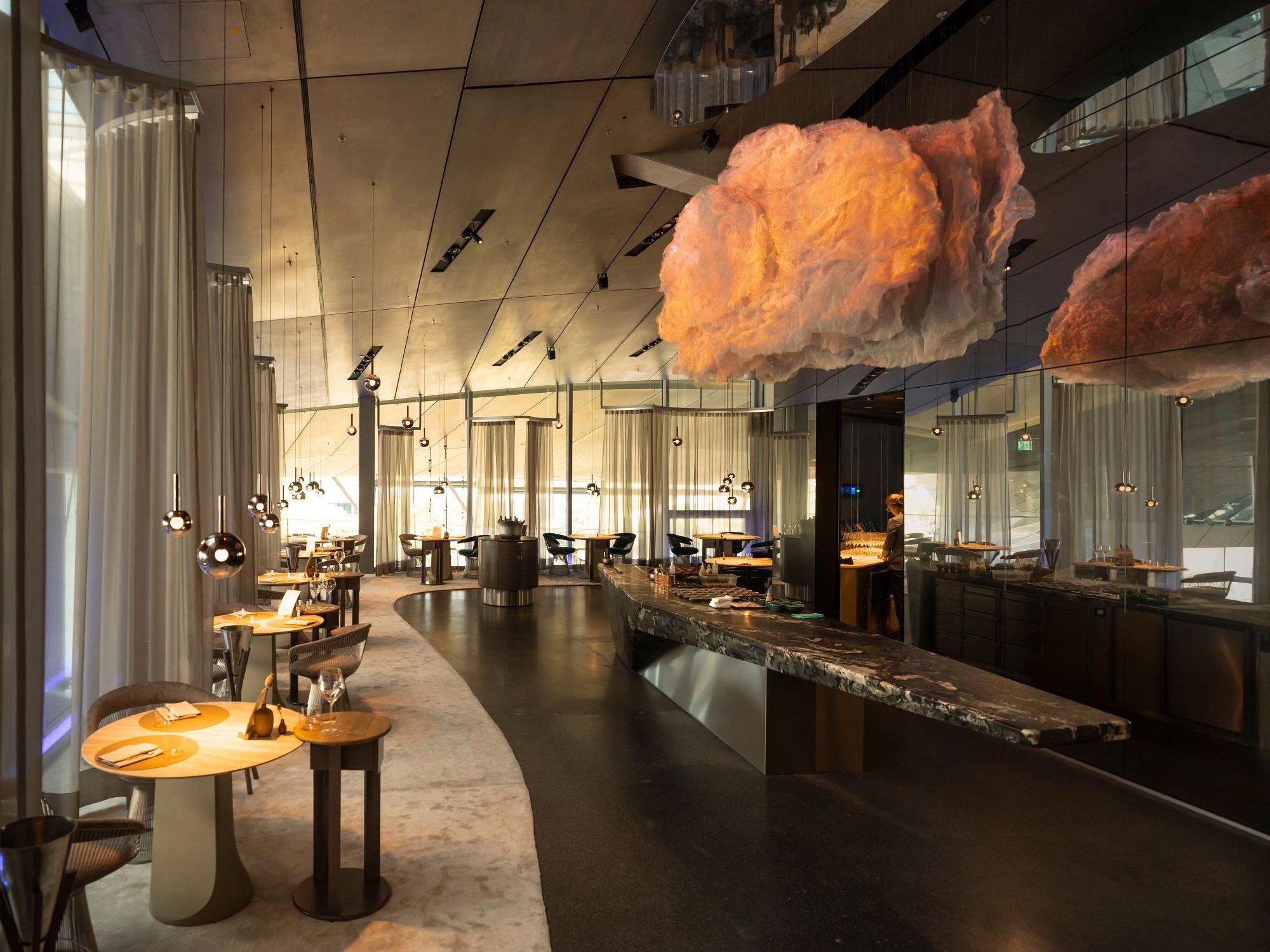
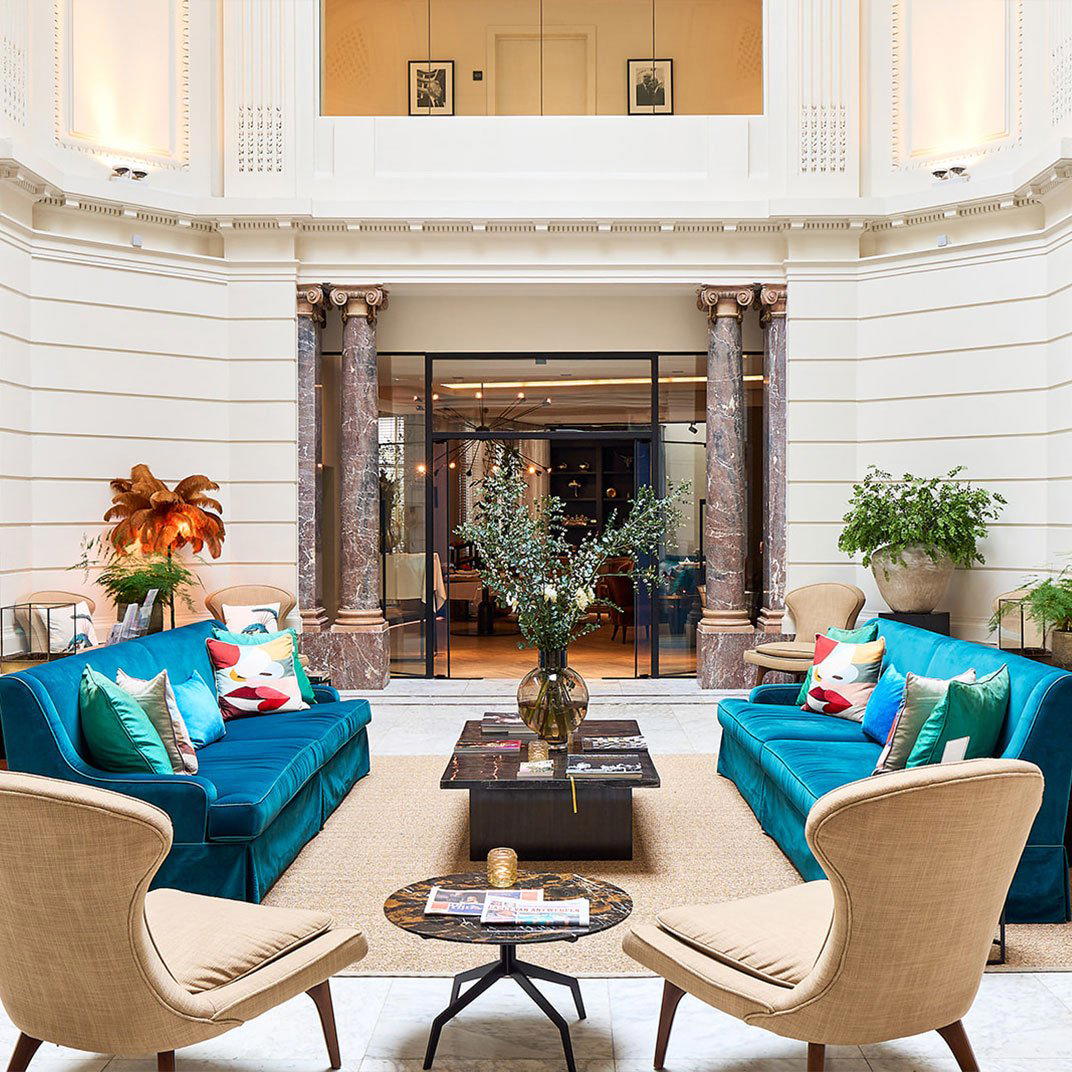
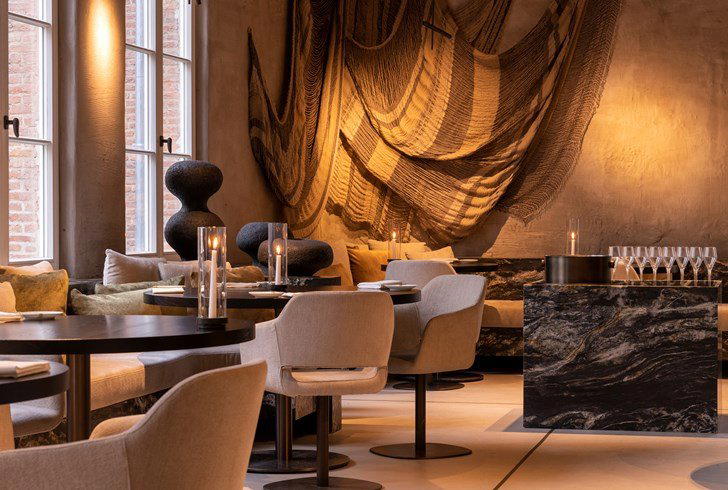
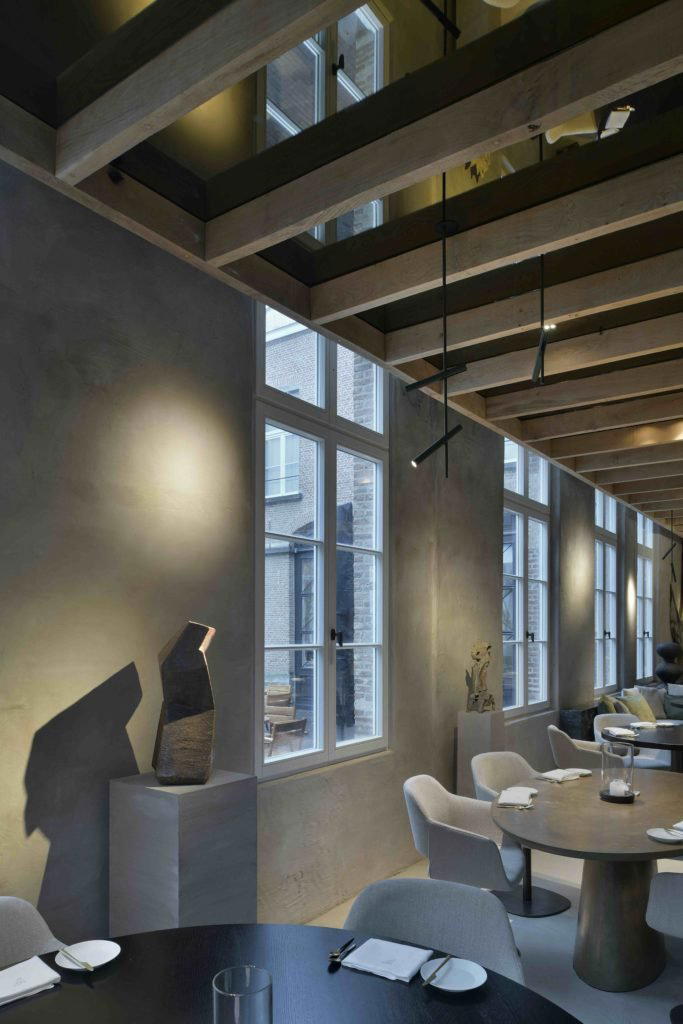
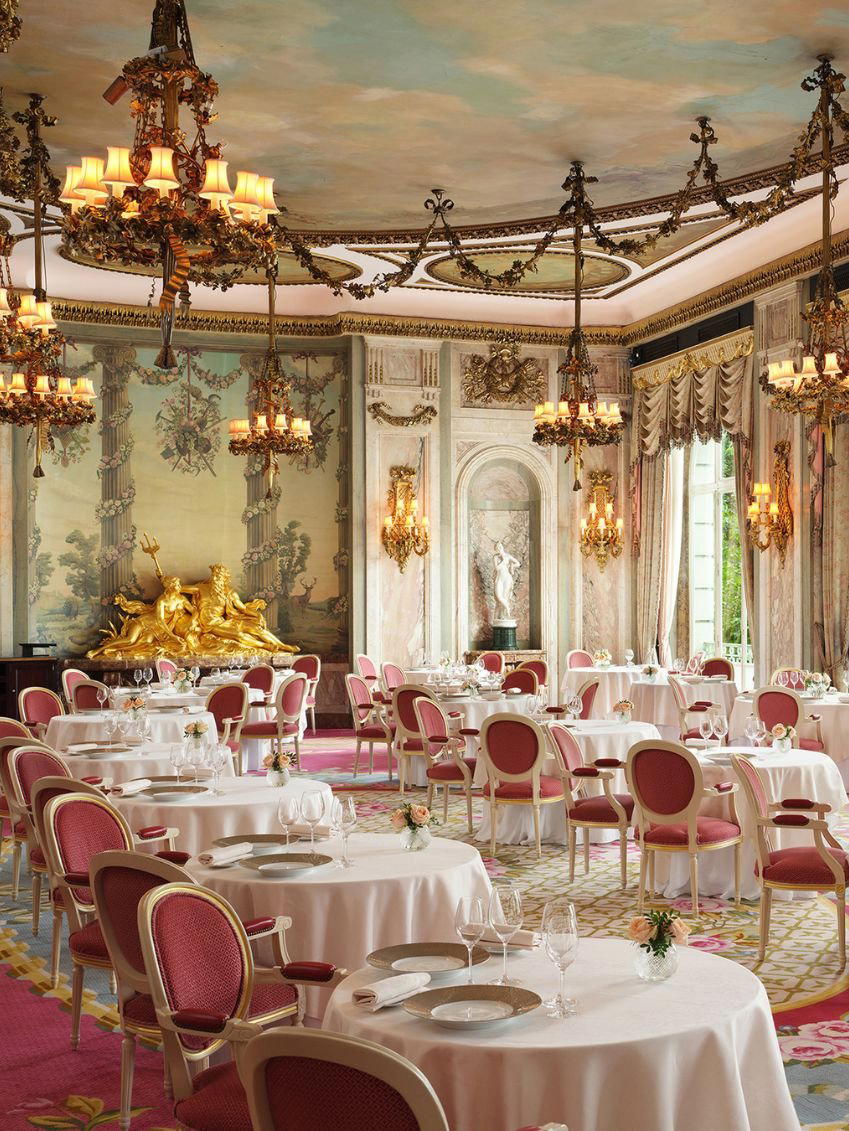
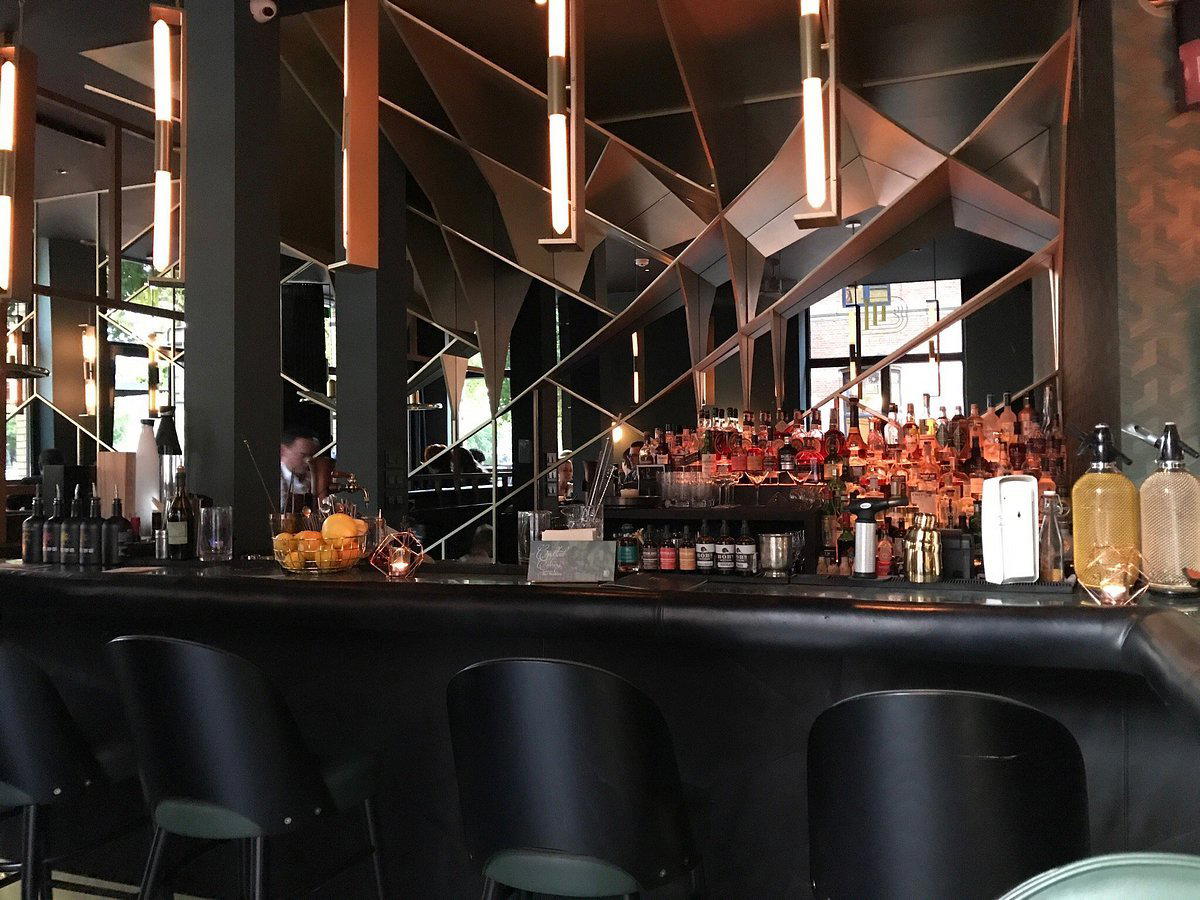
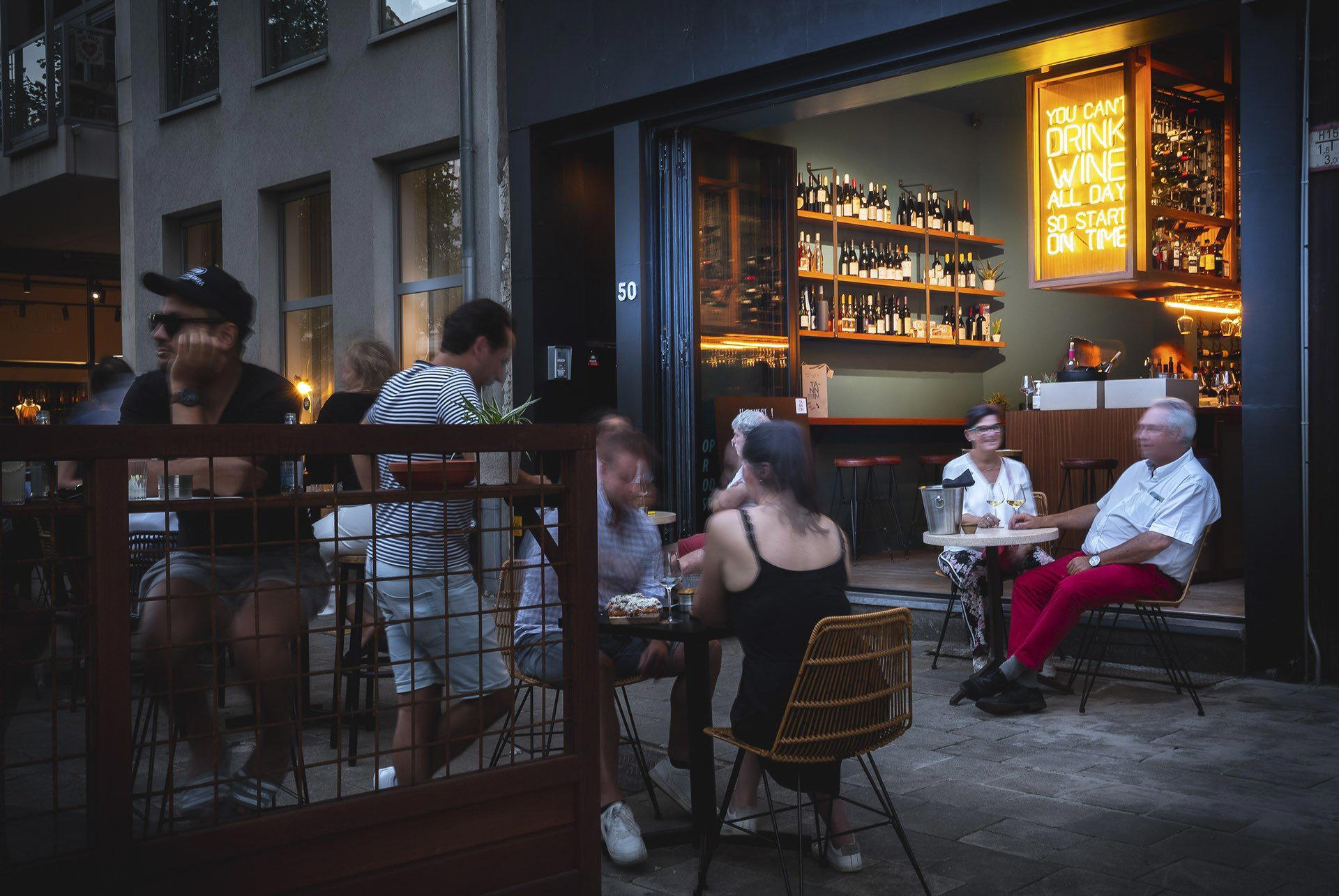
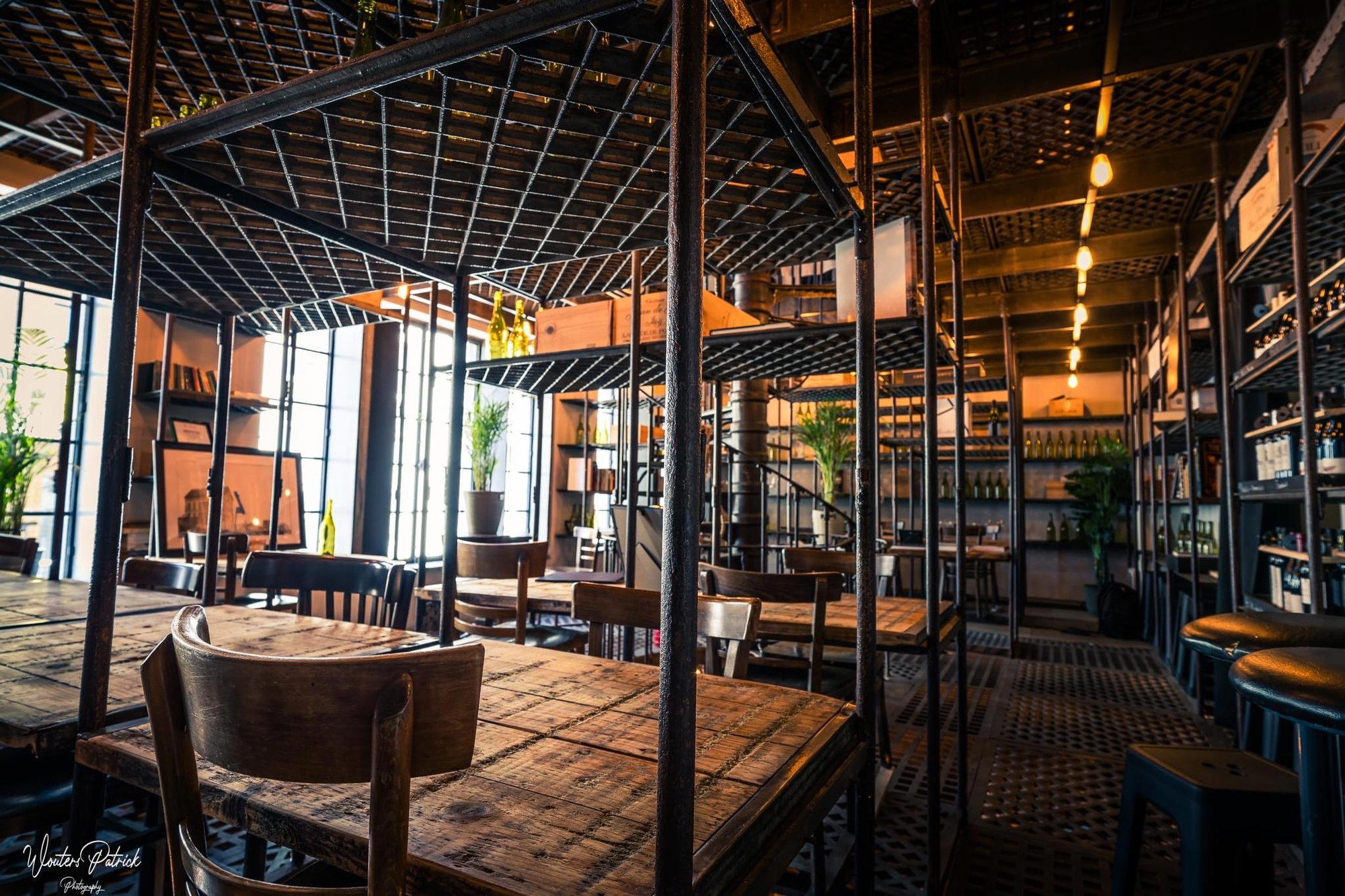
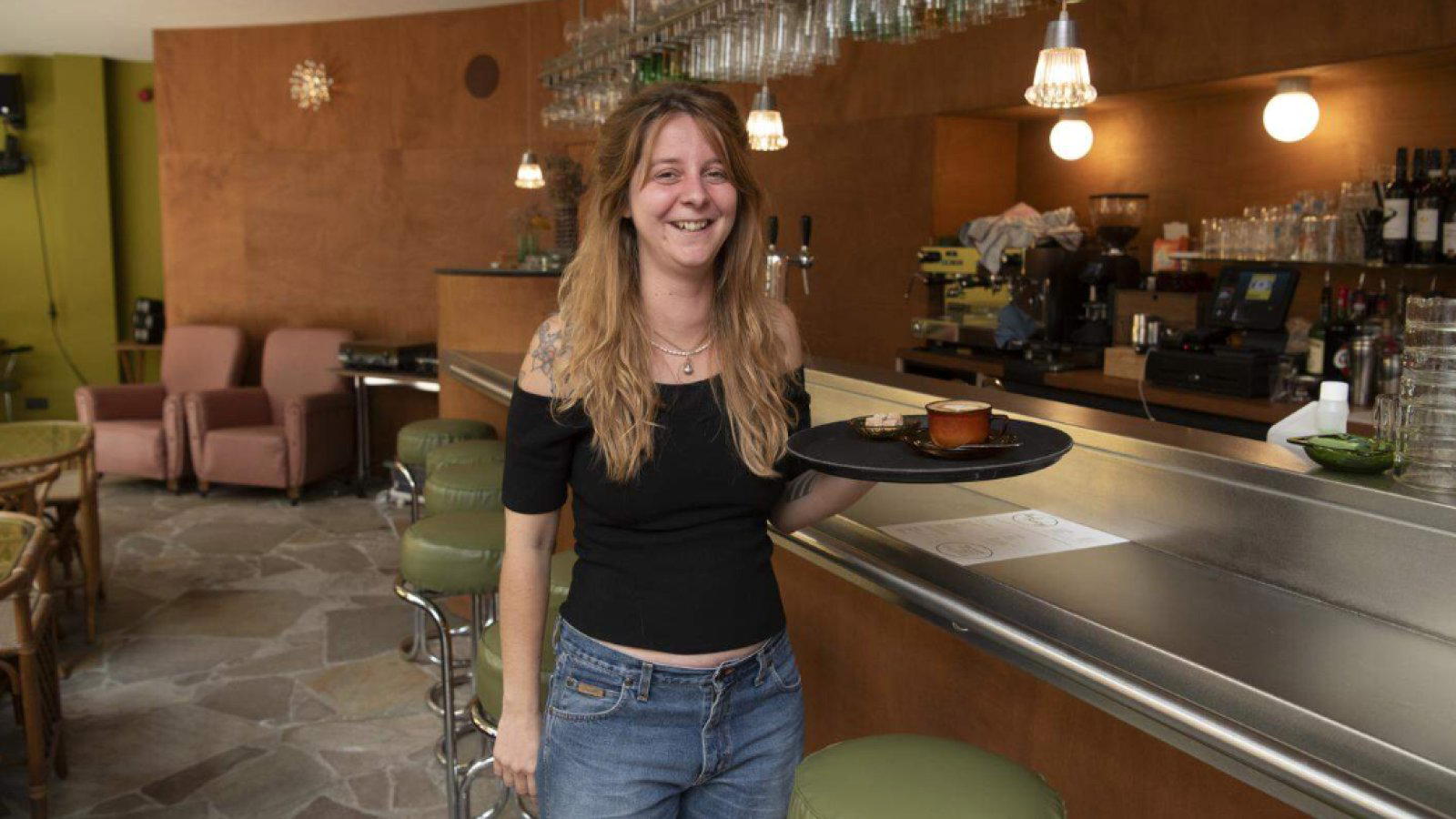
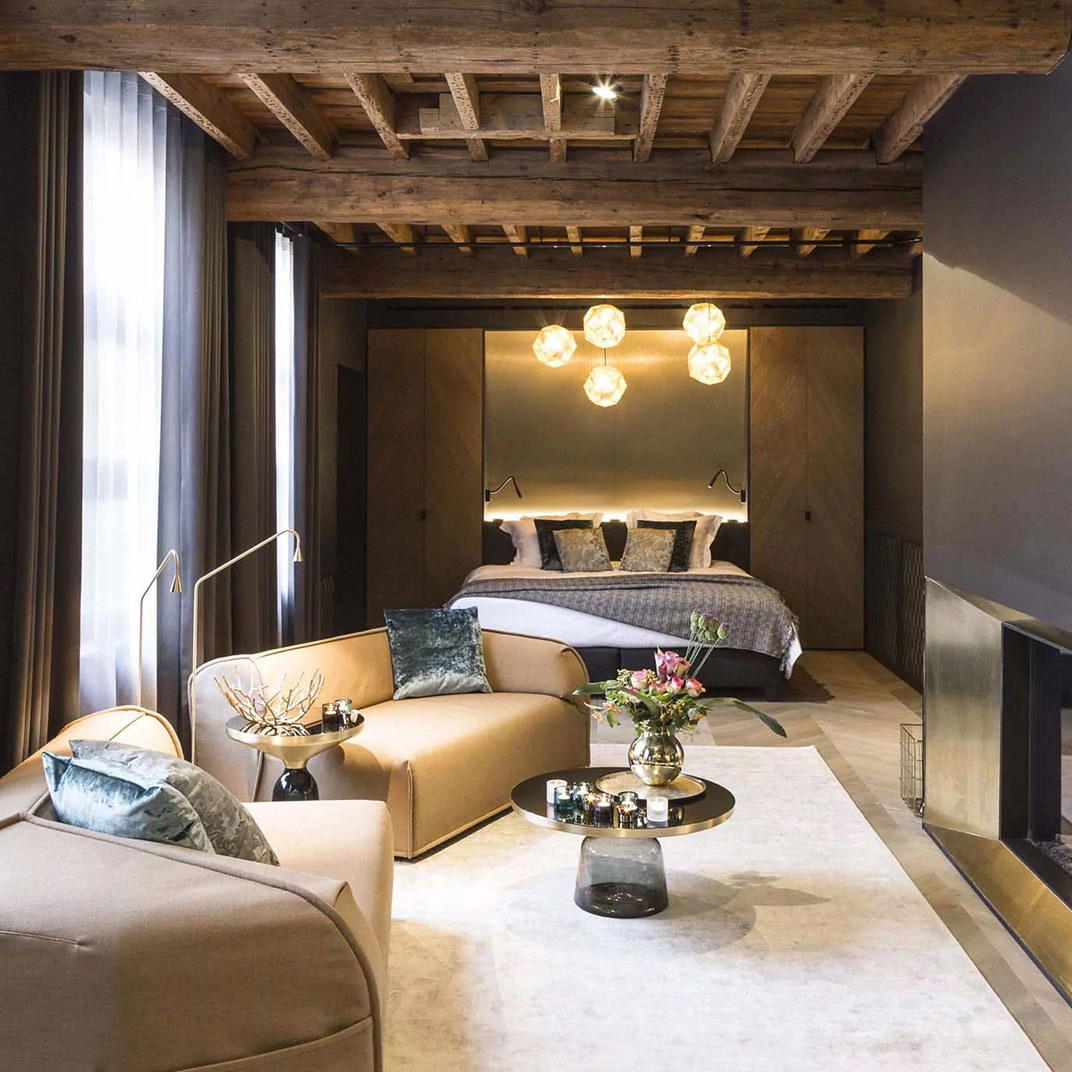
Warm, cozy interior with inviting and comfortably warm atmosphere.