Pony Room


Pony Room brings together Californian and Baja influences at the edge of Rancho Santa Fe, pairing a mid-range two-course format with a wine program of notable depth: 6,450 bottles across 675 selections, weighted toward France and California. Chef John Garcia leads the kitchen while Wine Director Mitch Price and sommelier Christopher Sadelack manage a list priced at the $$ tier with a $35 corkage fee.
Pearl is the En Primeur Club membership app — saves, bookings, and concierge access live there. Same editors, same standards.
- Address
- 5921 Valencia Cir, Rancho Santa Fe, CA 92067
- Phone
- (858) 759-6246
- Website
- ranchovalencia.com
- Directions
- Get directions
 Saves & bookings on Pearl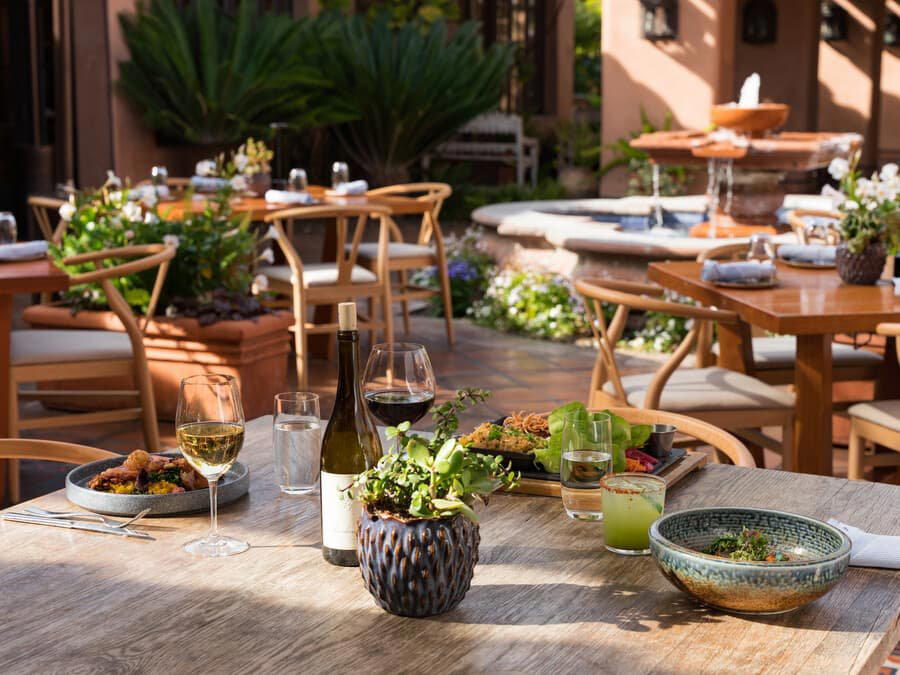
Where Baja Meets California Wine Country
The dining character of Rancho Santa Fe has always been shaped by its dual identity: a wealthy inland enclave close enough to the coast to pull from Baja's produce and protein traditions, yet rooted firmly in the wine-forward sensibility of Southern California's premium restaurant tier. Pony Room, located at 5921 Valencia Circle, sits at that intersection. Its Californian-Baja format is a pairing the region has made its own over the past two decades, and the kitchen here operates within that tradition rather than against it. Chef István Pesti leads the program, and the approach draws on a larder that the Baja-California corridor, running from San Diego south through Valle de Guadalupe, has made increasingly compelling for American diners.
The meal format at Pony Room covers lunch and dinner, with a typical spend of about $75 per person before wine. That positions the restaurant inside a mid-tier for serious regional dining, accessible without the commitment of a tasting menu reservation at a property like Mille Fleurs, Rancho Santa Fe's long-standing fine dining anchor. The contrast is instructive: where Mille Fleurs pursues a formal European register, Pony Room reads as the more relaxed, regionally inflected alternative.
Californian-Baja Cooking in the Context of American Fine Dining
American restaurant culture has spent the past fifteen years in an extended negotiation between the European tasting menu model and a more casual, ingredient-first format native to the West Coast. Houses like Lazy Bear in San Francisco and Alinea in Chicago each represent a pole of that spectrum, one communal and technique-driven, one architecturally precise. The Californian-Baja tradition operates differently from both. It draws on proximity to particularly productive agricultural land in North America, on a Pacific coastline that delivers shellfish, fin fish, and kelp in quantity, and on a Mexican culinary lineage that treats acidity, smoke, and fermentation as primary tools rather than accents.
This is a different competitive reference point than, say, The French Laundry in Napa or Single Thread Farm in Healdsburg, both of which organize around a maximalist, multi-course architecture. It is also distinct from the hyper-focused seafood refinement of Le Bernardin in New York City or the Korean-inflected tasting precision of Atomix in New York City. Californian-Baja cooking tends toward legibility: fewer courses, more evident sourcing, less architectural plating. The format suits a lunch trade, which the restaurant supports, and it positions well against the tasting menu fatigue that has quietly become a topic inside serious American dining circles.
Properties like Rancho Valencia Resort and Spa in the same zip code have pursued a similar Californian-Mexican approach, which signals that the format has genuine traction in Rancho Santa Fe rather than being a lone outlier. That pattern holds across Southern California more broadly: from Providence in Los Angeles, which tilts the local-sourcing conversation toward seafood refinement, to smaller destination restaurants in the hill towns above San Diego. The region's proximity to Baja's wine and produce corridor gives it a different resource base than the farm-to-table programs at properties like Blue Hill at Stone Barns in Tarrytown or The Inn at Little Washington, both of which operate within a different agricultural context.
The Wine Program: Scale and Range at a Mid-Tier Price Point
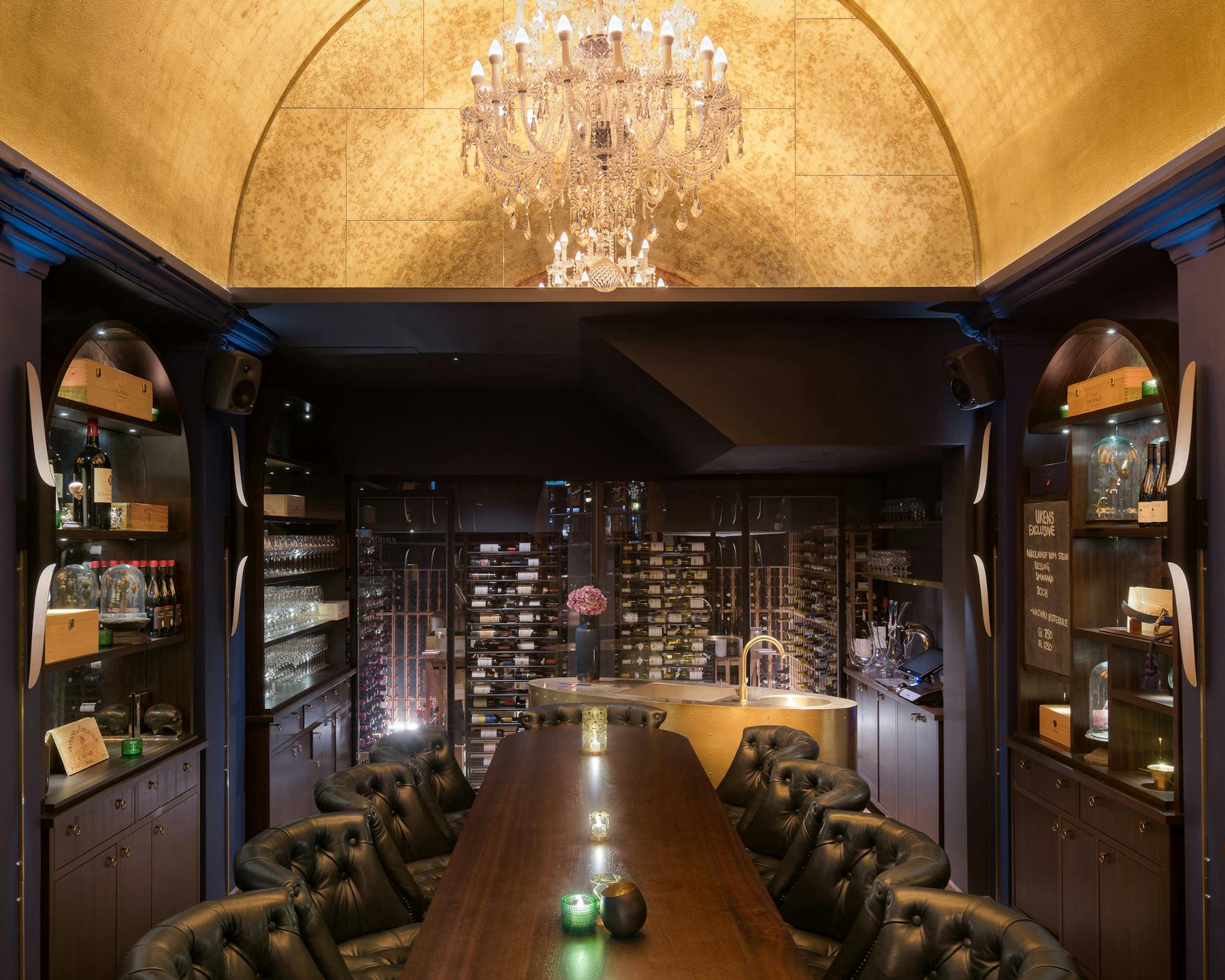
What sets the restaurant apart from most restaurants in its pricing bracket is the scale and seriousness of its wine program. The restaurant's wine list spans 675 selections. The program's stated strengths are France and California, a pairing that maps logically onto the kitchen's culinary register: Burgundy and Rhône for the Californian side of the menu, Baja-adjacent bottles and California coastal producers for the Mexican-inflected dishes.
Pricing across the list lands in the premium tier. That figure matters for guests arriving from the broader San Diego wine community or from the Rancho Santa Fe winery circuit, where personal cellar access is common. A $35 corkage against a serious house list creates a sensible decision point rather than a punitive one.
Comparable operations, think mid-tier dining rooms at resort properties or neighbourhood fine dining along the Southern California coast, rarely maintain inventory at this level without a dedicated cellar program. The implication for the diner is practical: the list will have genuine range across vintages and appellations, not just a curated headline selection with thin depth behind it. Guests interested in exploring California's coastal Chardonnay or Pinot producers alongside Baja's emerging red wine appellations will find more to work with here than the pricing tier alone would suggest.
Planning Your Visit
The restaurant operates at 5921 Valencia Circle in Rancho Santa Fe, California, and serves both lunch and dinner. The two-course meal format places a typical visit in the $40–$65 range before wine, which makes it one of the more accessible entry points into serious dining in a town where the price floor tends to run higher. The wine list's $$ pricing and $35 corkage make it practical to drink well without over-engineering the spend.
Rancho Santa Fe is a 30-minute drive north of downtown San Diego, accessible via the I-5 or Hwy 56 corridor. The town has a limited public transport profile, most visitors arrive by car or hotel transfer. The restaurant carries. Reservations are recommended.
Price Lens
Comparable venues nearby, for context on price, style, and recognition.
| Venue | Cuisine | Price | Notes |
|---|---|---|---|
| Pony RoomThis venue — the venue you are viewing | American Mexican | $$$$ | Not listed |
| Rancho Santa Fe Bistro | Not listed | $$$ | Rancho Santa Fe, Coastal Californian Bistro |
| Mille Fleurs | Not listed | $$$$ | Rancho Santa Fe, Classic French Fine Dining |
| Rancho Valencia Resort & Spa | Rancho Santa Fe, Coastal Ranch Cuisine | $$$$ | Not listed |
| Thyme In the Ranch | Rancho Santa Fe, American Café & Bakery | $$ | Not listed |
| Wally's Santa Monica | Not listed | $$$$ | Wilshire/Montana Neighborhood Coalition, American Wine Bistro |
Recognition history
Dated appearances from independent guides and award organizations, with the underlying list record or original source where available.
Relais Chateaux Award
Relais Chateaux
Wine Spectator Best of Award of Excellence
Wine Spectator
Relais Chateaux Award
Relais Chateaux
Wine Spectator Best of Award of Excellence
Wine Spectator
Continue exploring
More in Rancho Santa Fe
Restaurants in Rancho Santa Fe
Browse all →
Bars in Rancho Santa Fe
Browse all →
At a Glance
- Elegant
- Scenic
- Sophisticated
- Relaxed
- Date Night
- Celebration
- Special Occasion
- Family
- Group Dining
- Brunch
- Terrace
- Courtyard
- Live Music
- Garden
- Hotel Restaurant
- Private Dining
- Extensive Wine List
- Craft Cocktails
- Corkage Allowed
- Beer Program
- Farm To Table
- Local Sourcing
- Garden
Current opening hours
- Monday
- 7 AM–9 PM
- Tuesday
- 7 AM–9 PM
- Wednesday
- 7 AM–9 PM
- Thursday
- 7 AM–9 PM
- Friday
- 7 AM–9 PM
- Saturday
- 7 AM–9 PM
- Sunday
- 7 AM–9 PM
Hours can change for holidays and private events. Last verified .
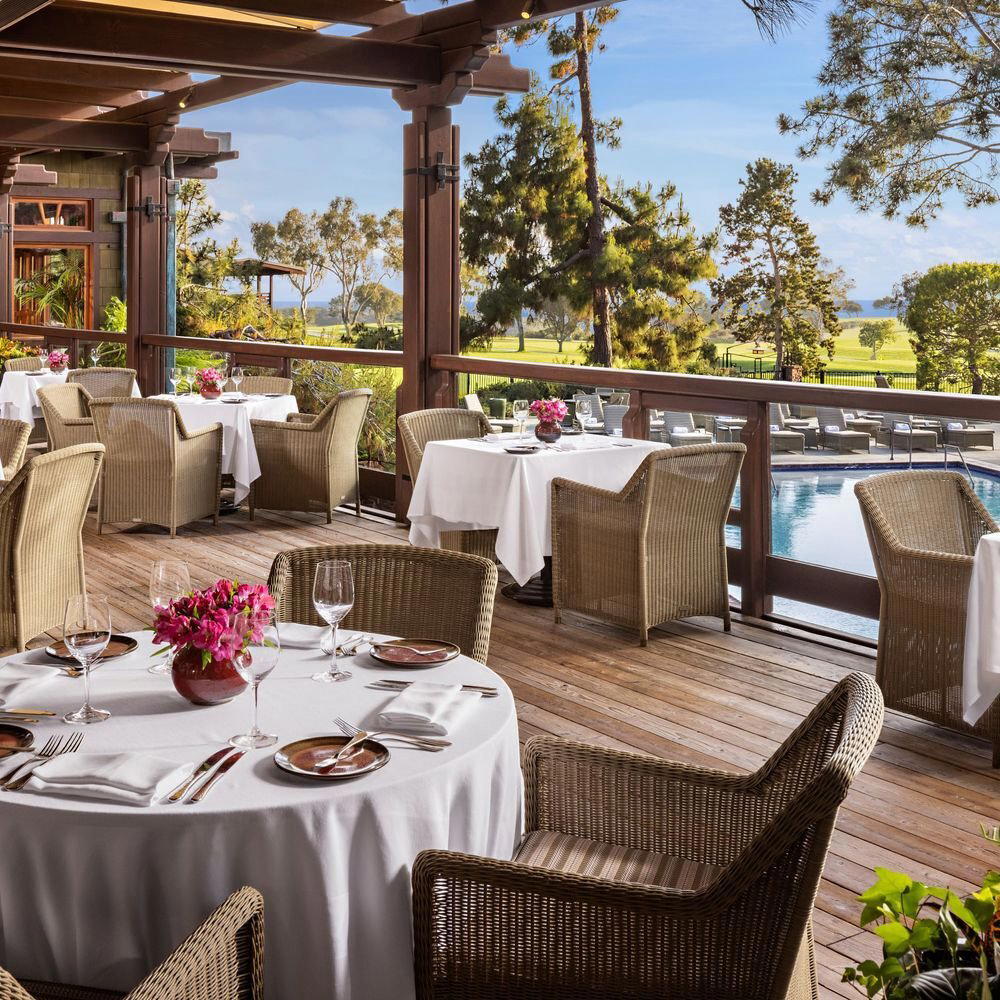
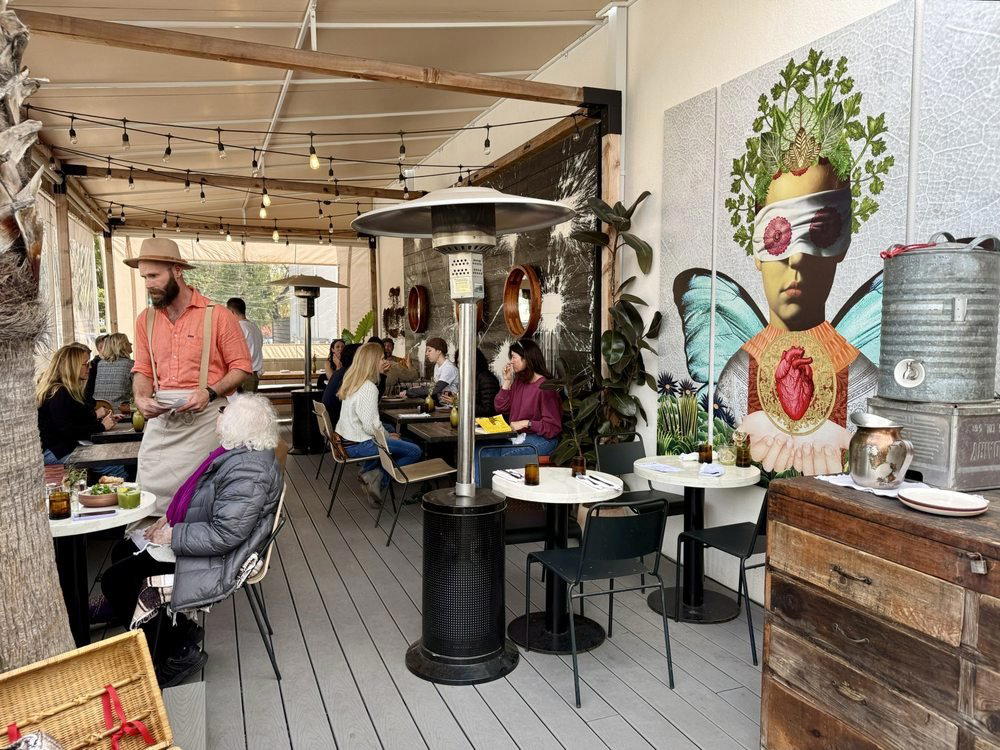
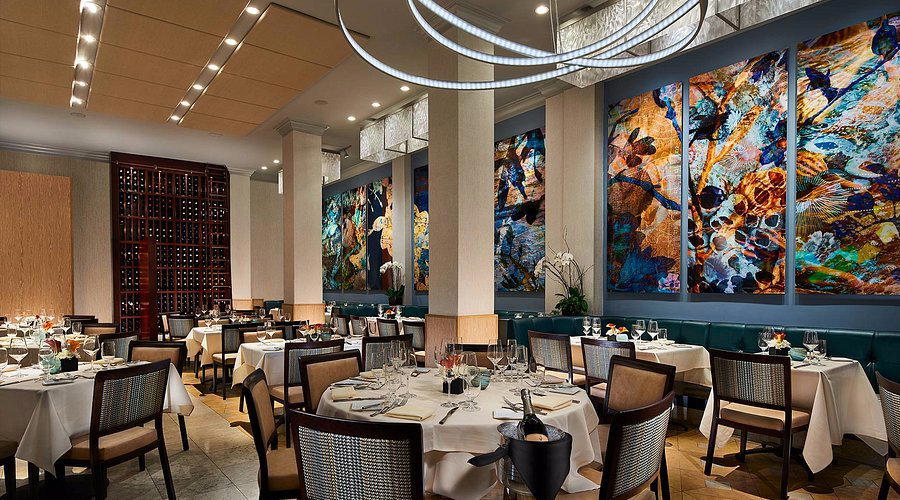
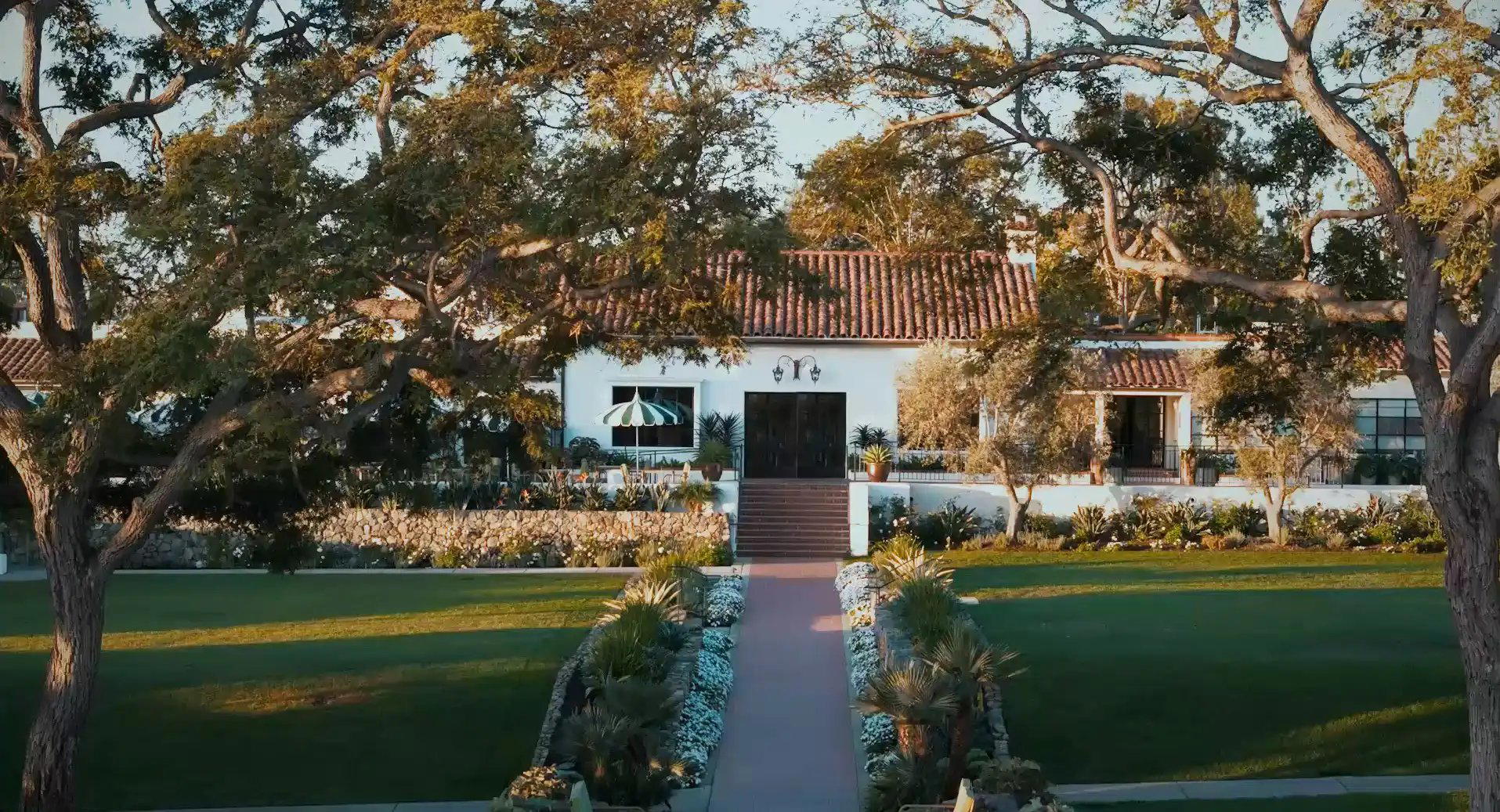
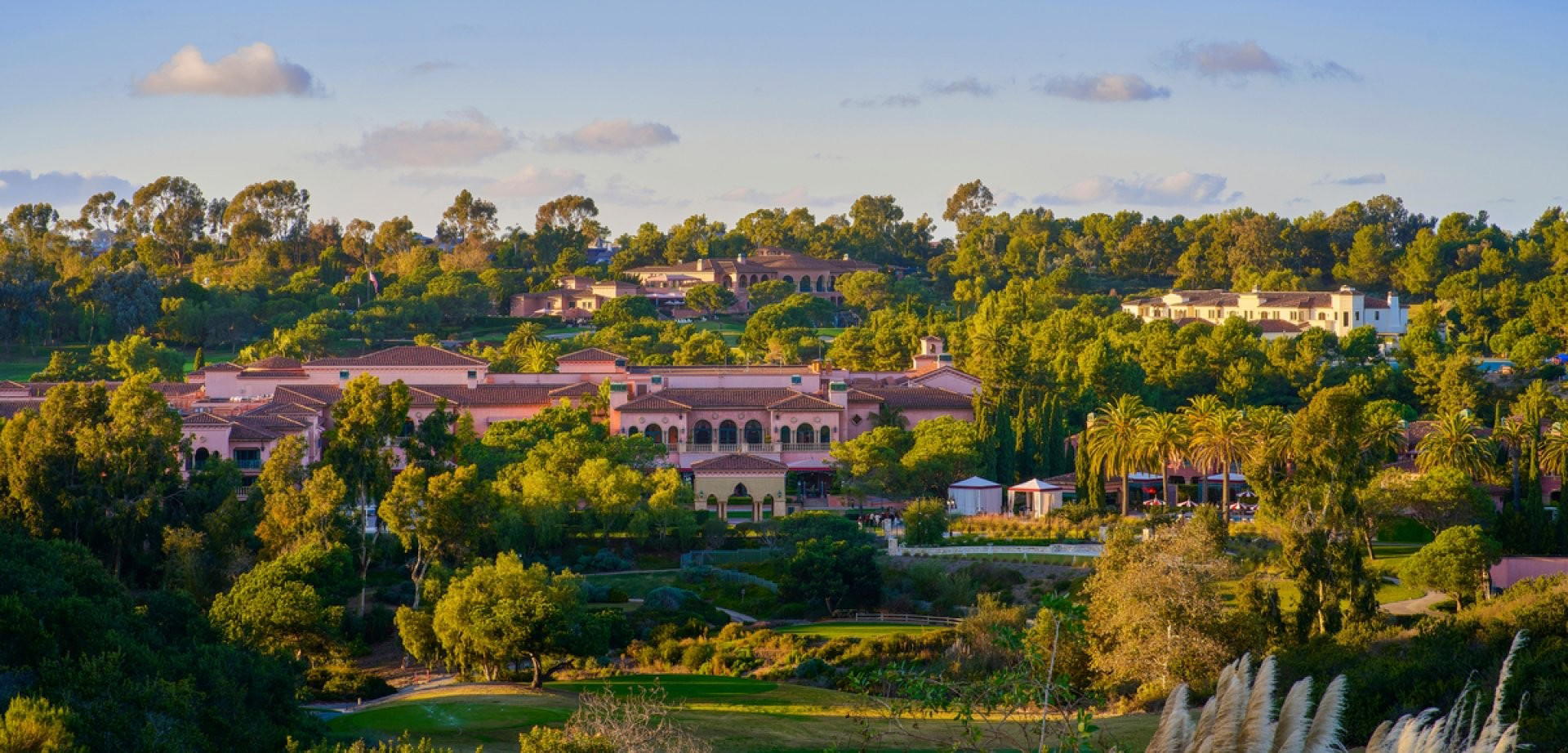
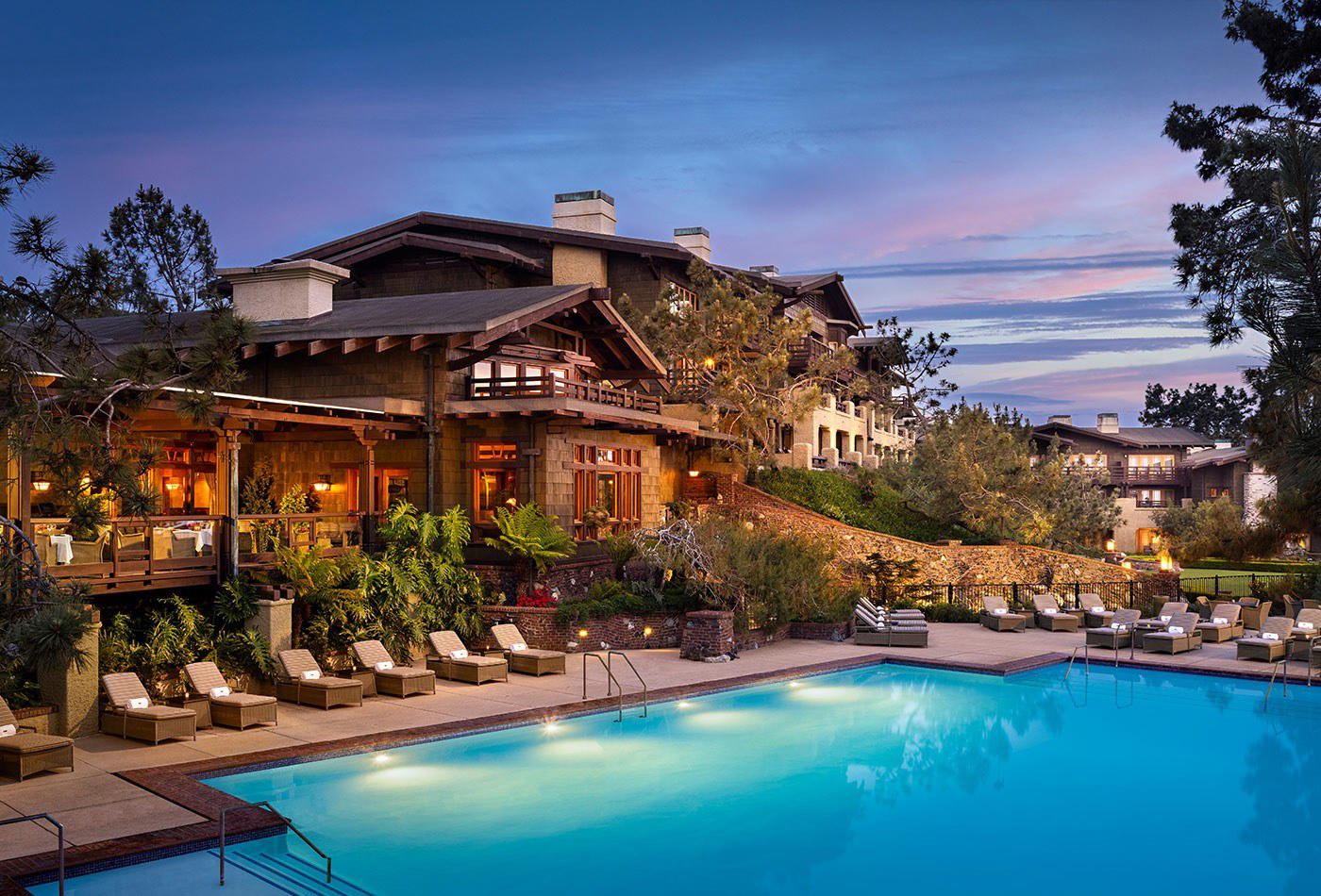
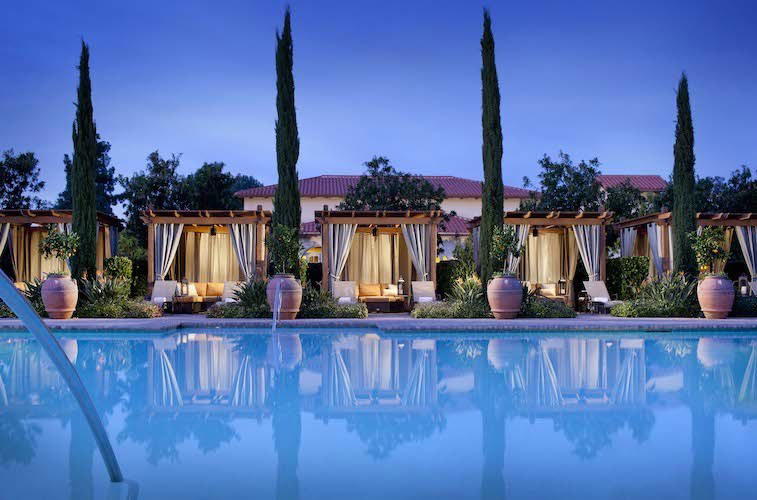
Restrained elegance with relaxed resort atmosphere; tastefully decorated indoor dining room and beautiful outdoor terraces with Spanish architecture, string lights, and fire pits create an oasis-like setting suitable for both resort guests and local diners.