Cupitol Coffee & Eatery
Cupitol Coffee & Eatery at 455 E Illinois Street sits at the intersection of Chicago's Streeterville neighbourhood and the broader city shift toward all-day café formats that take food as seriously as coffee. The space draws a mixed crowd of professionals, visitors, and locals who want something more considered than a grab-and-go counter but less structured than a timed reservation.
 Discover on Pearl
Pearl is the En Primeur Club membership app — saves, bookings, and concierge access live there. Same editors, same standards.
- Address
- 455 E Illinois St, Chicago, IL 60611
- Phone
- +13129292065
- Website
- cupitol.com
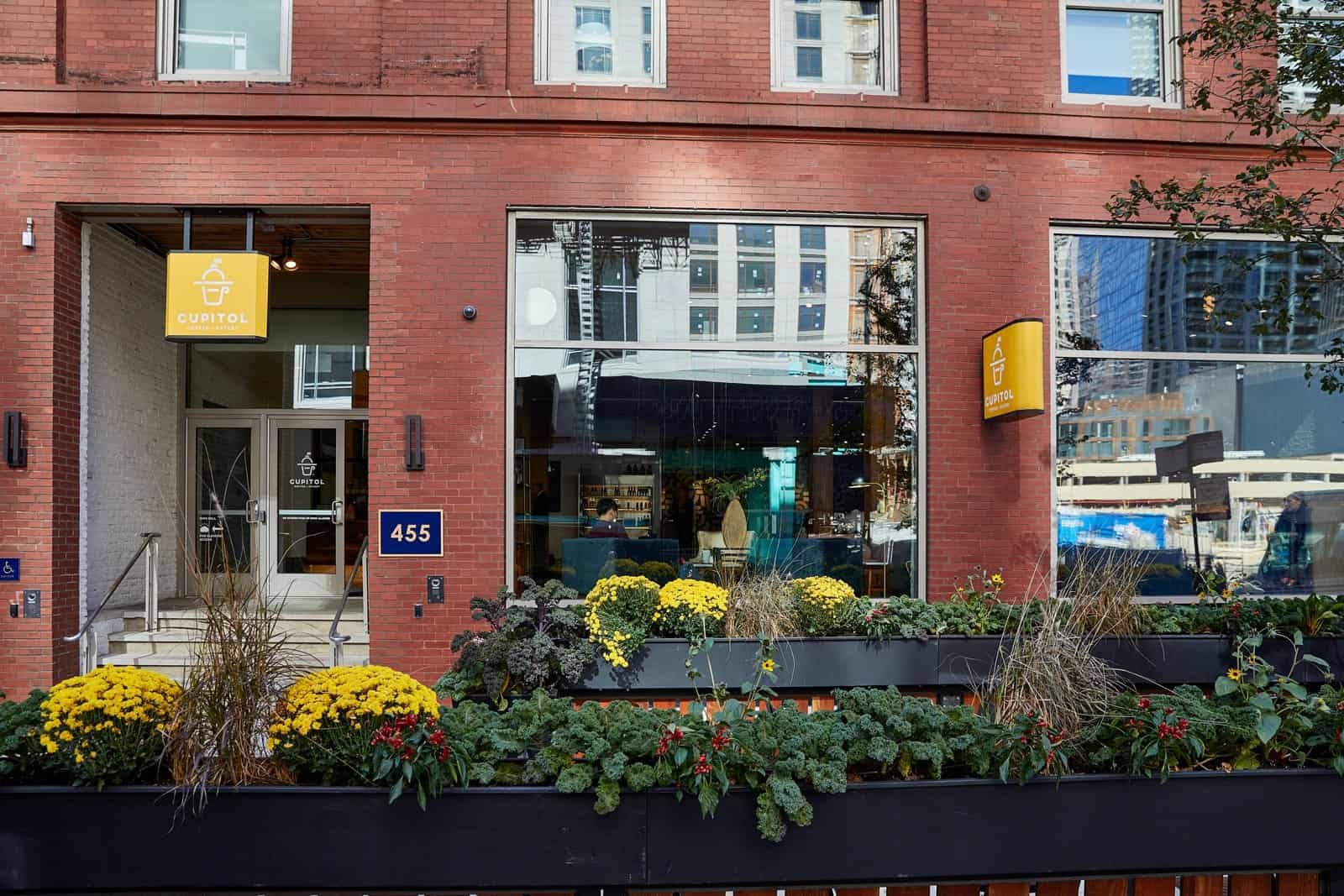
Where Streeterville Meets the All-Day Café Format
Chicago's Streeterville district has spent the last decade evolving. For years it read primarily as a hotel corridor and tourist pass-through, the stretch between the Magnificent Mile and Navy Pier that visitors crossed rather than lingered in. That pattern has shifted. A run of neighbourhood-level openings, some independent, some attached to the area's dense hotel stock, have given the district a more functional dining identity for people who actually live or work nearby. Cupitol Coffee & Eatery, at 455 E Illinois Street, sits inside that shift: a café-eatery format that positions itself as a daytime anchor rather than a destination dinner stop.
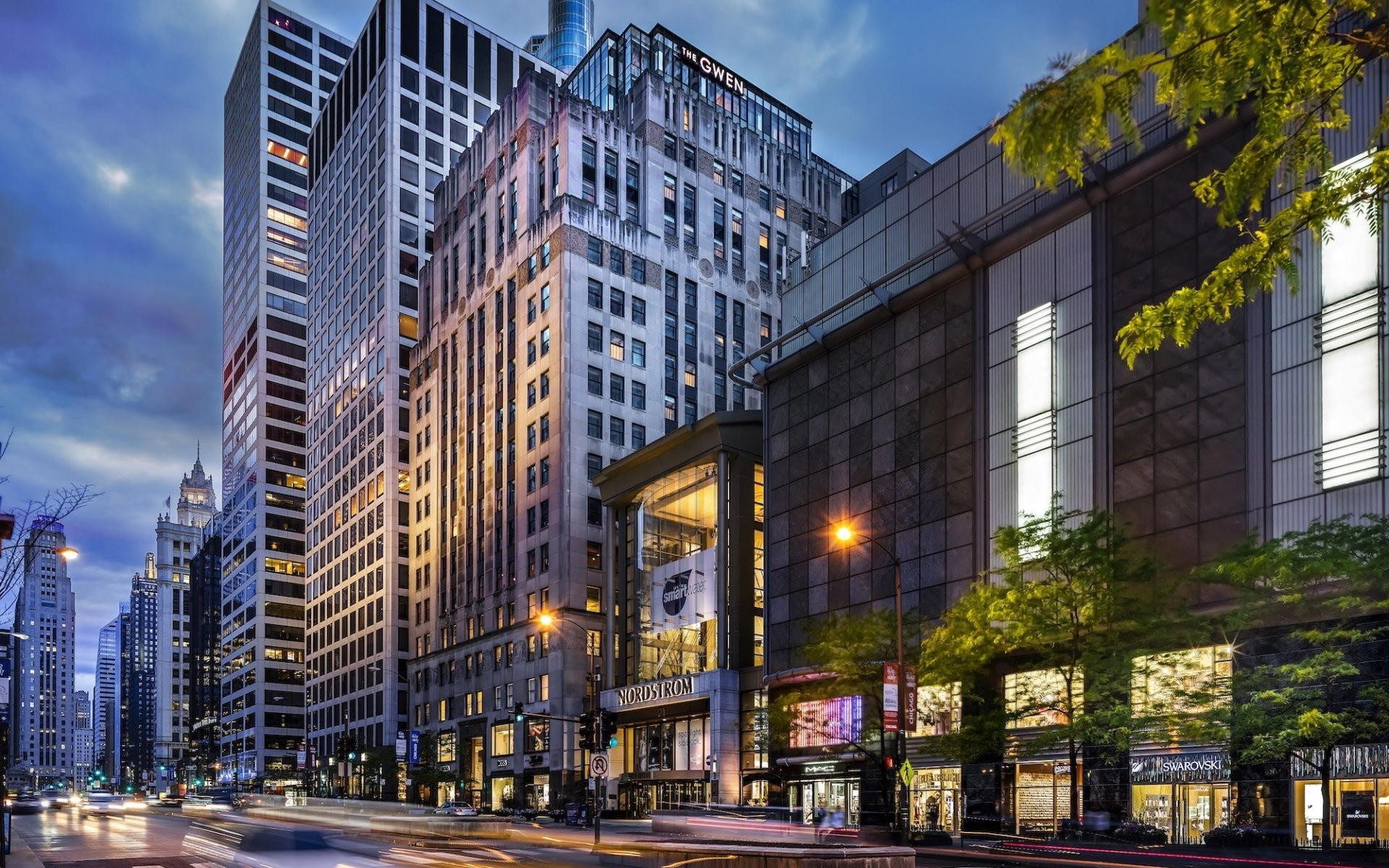
The address is worth noting on its own terms. East Illinois, between the lake and Michigan Avenue, draws a particular mix of foot traffic: professionals from the nearby office towers, residents of the high-rise buildings that line the lakefront, and visitors navigating between the cultural institutions and the downtown core. That audience tends to want quality without ceremony, which is exactly the gap the all-day café format occupies. Chicago has seen this format expand steadily, from the West Loop's more conceptual takes on the category to the North Side's neighbourhood-scaled operations. Streeterville's version skews slightly more polished, reflecting the income profile and visitor mix of the zip code.
The Register of a Well-Considered Space
The all-day café at this tier of the market is a format that lives or dies by atmosphere. Unlike a timed tasting menu at Alinea or the focused counter experience at Smyth, the café-eatery asks guests to self-pace, to move through the space on their own schedule, and to return across different parts of the day. That puts pressure on the physical environment in a way that a single-service restaurant never faces. The room has to work at 7am with a laptop and a cortado, at noon with a plate and a meeting, and at 3pm when neither the kitchen nor the customer is sure what time of day it really is.
Successful spaces in this format tend to share a few properties: natural light managed rather than maximised, acoustic treatment that keeps the room from tipping into canteen noise, and a material palette that reads domestic enough to relax in but considered enough to feel intentional. These are design problems that the broader café category has been working through for years, informed partly by what Australian-style coffee shops introduced to American markets in the 2010s and partly by the growing expectation, in cities like Chicago, New York, and San Francisco, that a coffee stop and a food stop need not be separate decisions.
Chicago's café scene has its own reference points. The city's coffee culture developed somewhat later than Portland or Seattle, but the last several years have seen a compression of that gap, with serious roasting programs appearing in neighbourhoods from Logan Square to the South Loop. The east side of downtown, Streeterville included, has historically been underserved by independent café operators who tend to cluster where rents and foot-traffic profiles are more forgiving. That context gives a venue like Cupitol a different kind of positioning than it might have in a more café-saturated block.
Food as Substance, Not Afterthought
The defining question for any café-eatery is how seriously it takes the food half of that equation. In Chicago, the gap between venues that treat the kitchen as a token gesture toward the café format and those that run it as a genuine program is wide. The city has enough serious dining at every tier, from the tasting menu rigour of Oriole to the culturally specific depth of Kasama, that diners carry high baseline expectations even into casual formats. The all-day café that phones in its food program tends to lose the repeat customer quickly in this market.
Across the broader category, café-eateries that hold a neighbourhood for more than a couple of years tend to have a few things in common: a pastry program that can stand independently from the coffee, a savory menu that covers at least two dayparts without feeling stretched, and sourcing that gives the kitchen a story to tell. These are table stakes in a city that has seen the format mature. Chicago's café scene spans counter-service spots to café-restaurants that blur into proper lunch destinations. Where a given operator lands on that spectrum determines its competitive peer group.
Chicago's better operators belong to a conversation that includes Next Restaurant and extends outward to comparable serious-dining cities. The all-day café format sits at a different register than those tasting-menu anchors, but the expectation of craft and sourcing seriousness has migrated down the formality ladder considerably in the last decade. Diners who have eaten at Le Bernardin in New York City, Lazy Bear in San Francisco, or The French Laundry in Napa arrive at casual formats with a calibrated sense of what quality actually looks like at every price point.
Planning a Visit
Streeterville is accessible from most of central Chicago. For visitors staying in the nearby hotel corridor, the venue is effectively on foot. Parking in the district runs to the standard downtown Chicago premium, and most visitors arriving from outside the neighbourhood use transit or rideshare.
The all-day format means timing flexibility that timed-reservation venues like Atomix in New York City or Frasca Food & Wine in Boulder do not offer. Walk-in access is the operational default for café-eateries at this tier.
| Cupitol Coffee & Eatery | All-day café-eatery | $–$$ | Walk-in |
| Smyth | Progressive tasting menu | $$$$ | Advance reservation |
| Kasama | Filipino / bakery-café hybrid | $$–$$$$ | Walk-in (café) / reservation (dinner) |
| Next Restaurant | Ticketed tasting menu | $$$$ | Ticketed in advance |
Standing Among Peers
Comparable venues nearby, for context on price, style, and recognition.
| Venue | Cuisine | Price | Awards | Notes |
|---|---|---|---|---|
| Cupitol Coffee & EateryThis venue — the venue you are viewing | American Bakery Cafe | $$ | , | |
| Carpenter Street | Elevated American Comfort Food | $$ | , | West Loop |
| Roots Handmade Pizza | Quad Cities-Style Pizza | $$ | , | Lincoln Square |
| Swift Tavern Wrigleyville | Modern American Tavern with Oysters and Steaks | $$ | , | Wrigleyville |
| Soul & Smoke - Avondale | Chicago BBQ and Soul Food | $$ | , | Avondale |
| DJ's Great Room | Elevated American Comfort Food | $$ | , | River North |


At a Glance
- Modern
- Cozy
- Trendy
- Brunch
- Casual Hangout
- Open Kitchen
- Local Sourcing
- Street Scene
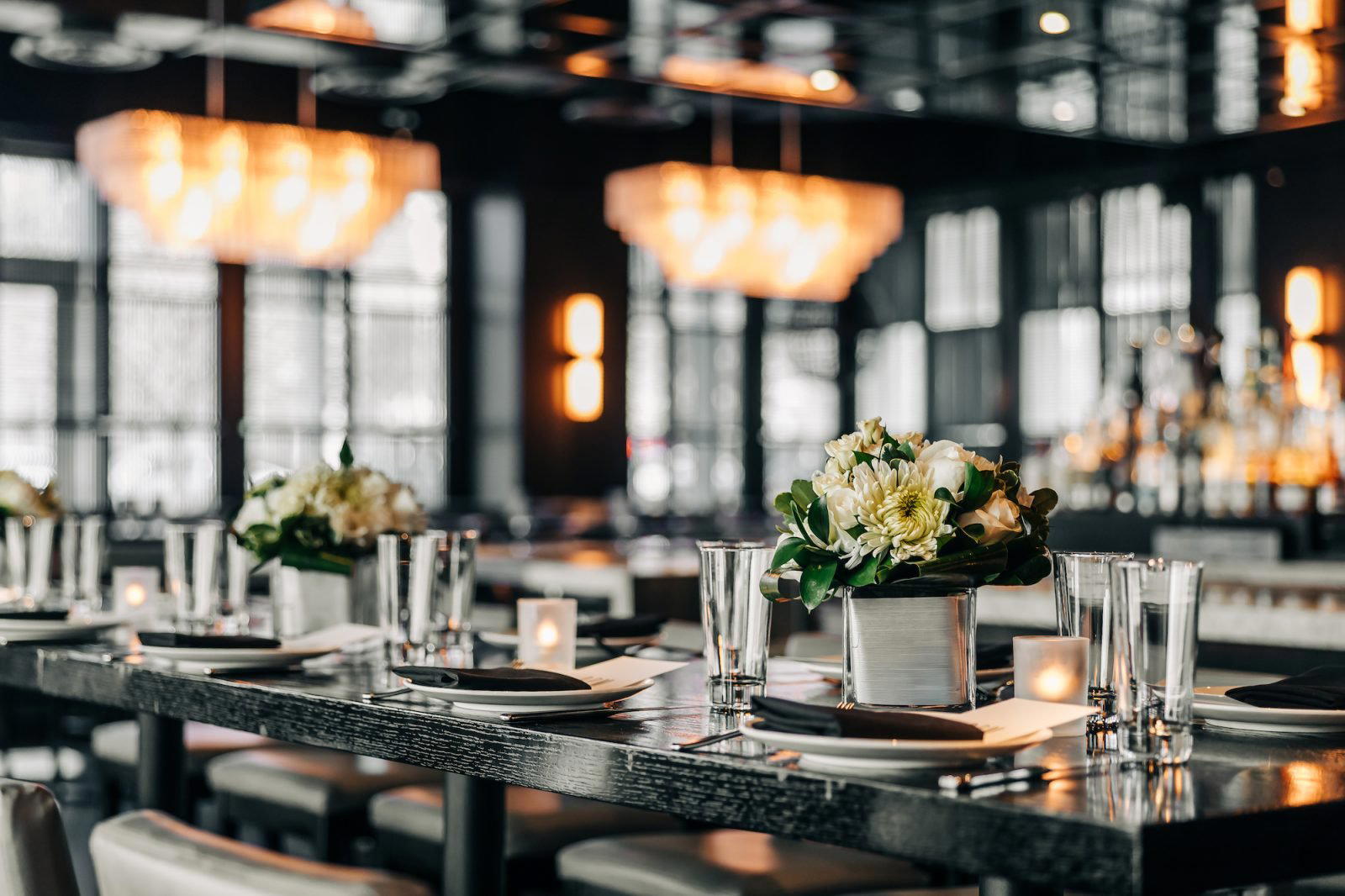
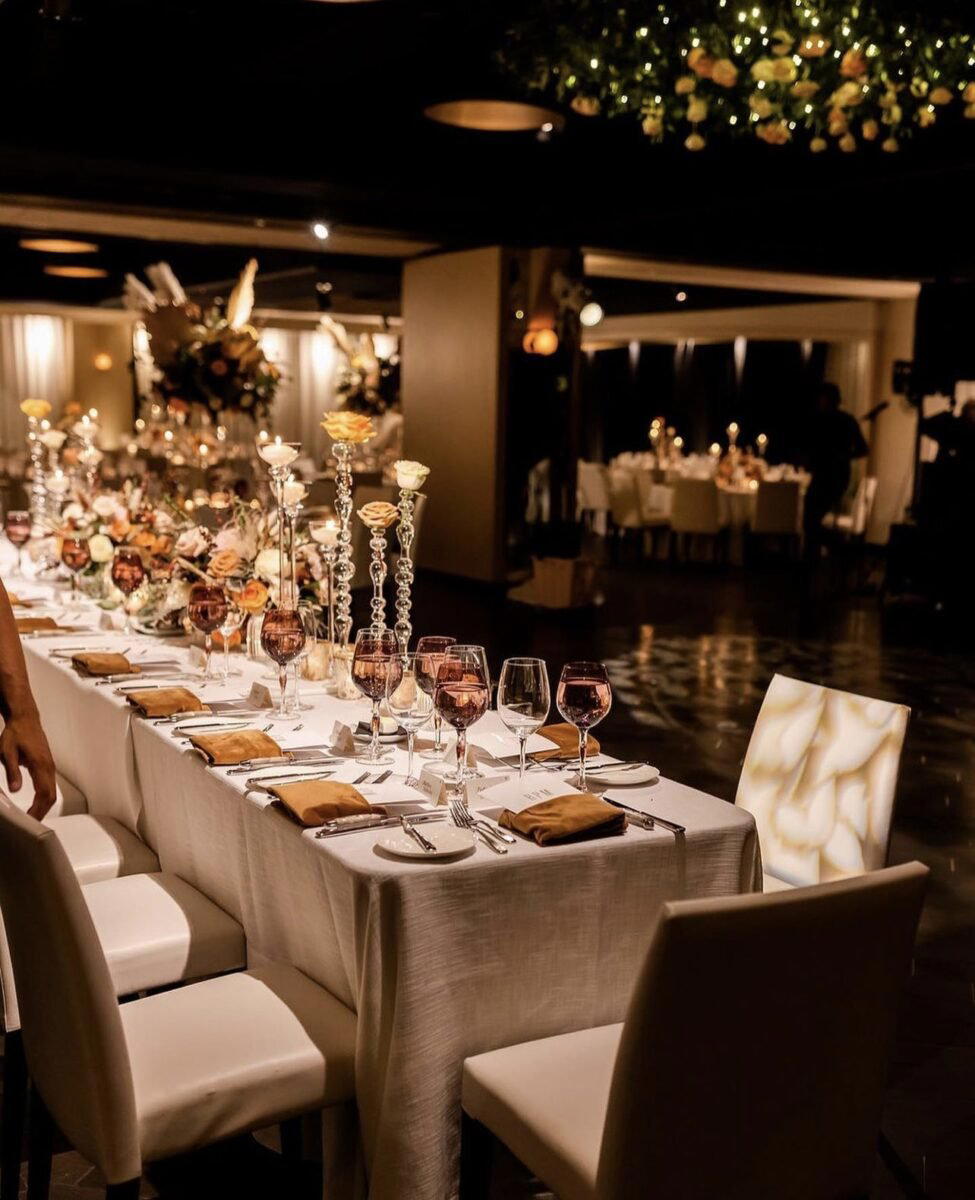
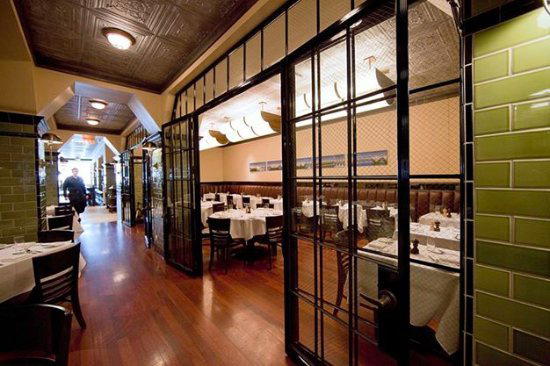
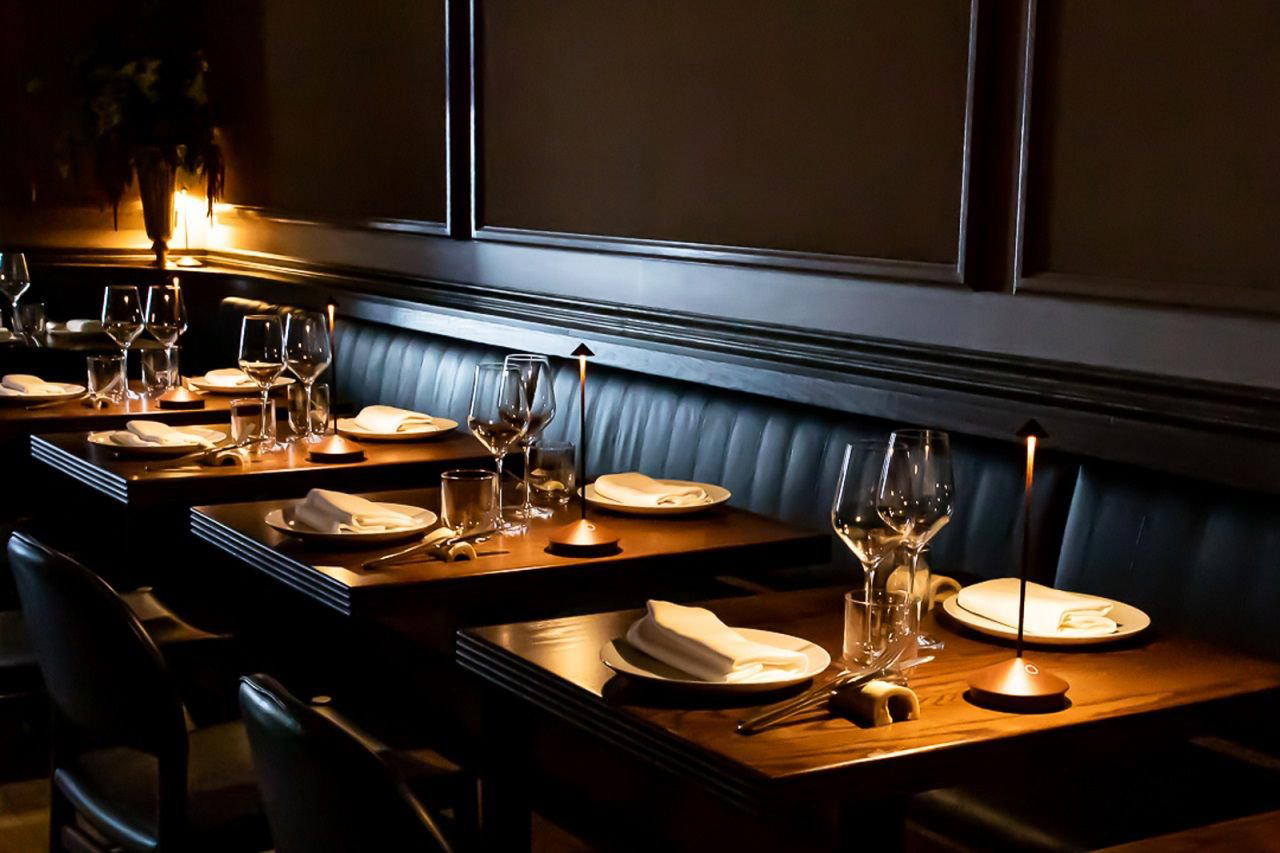
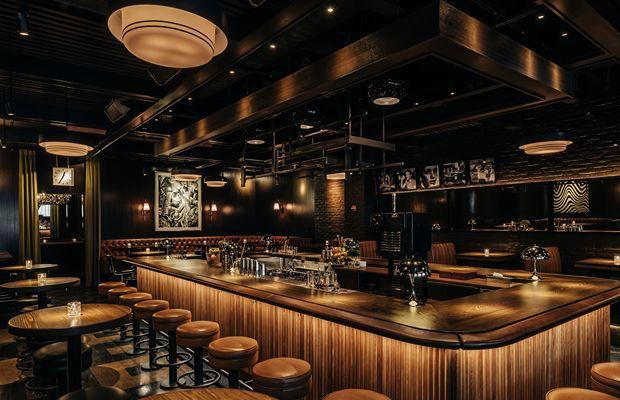
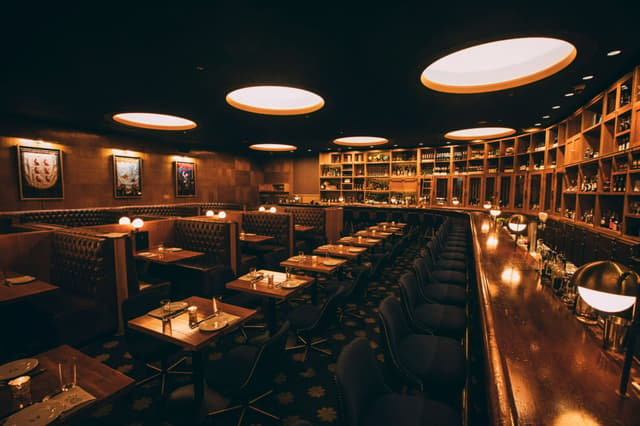
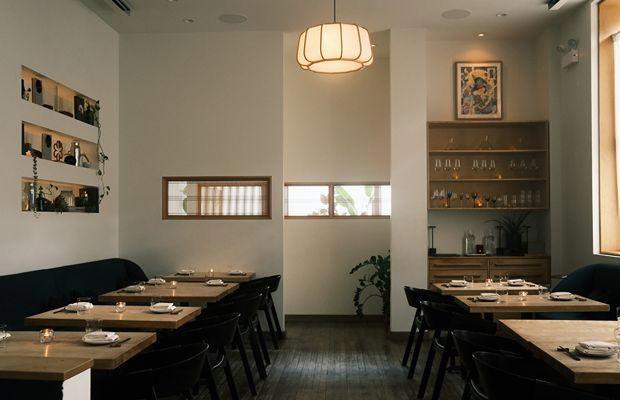
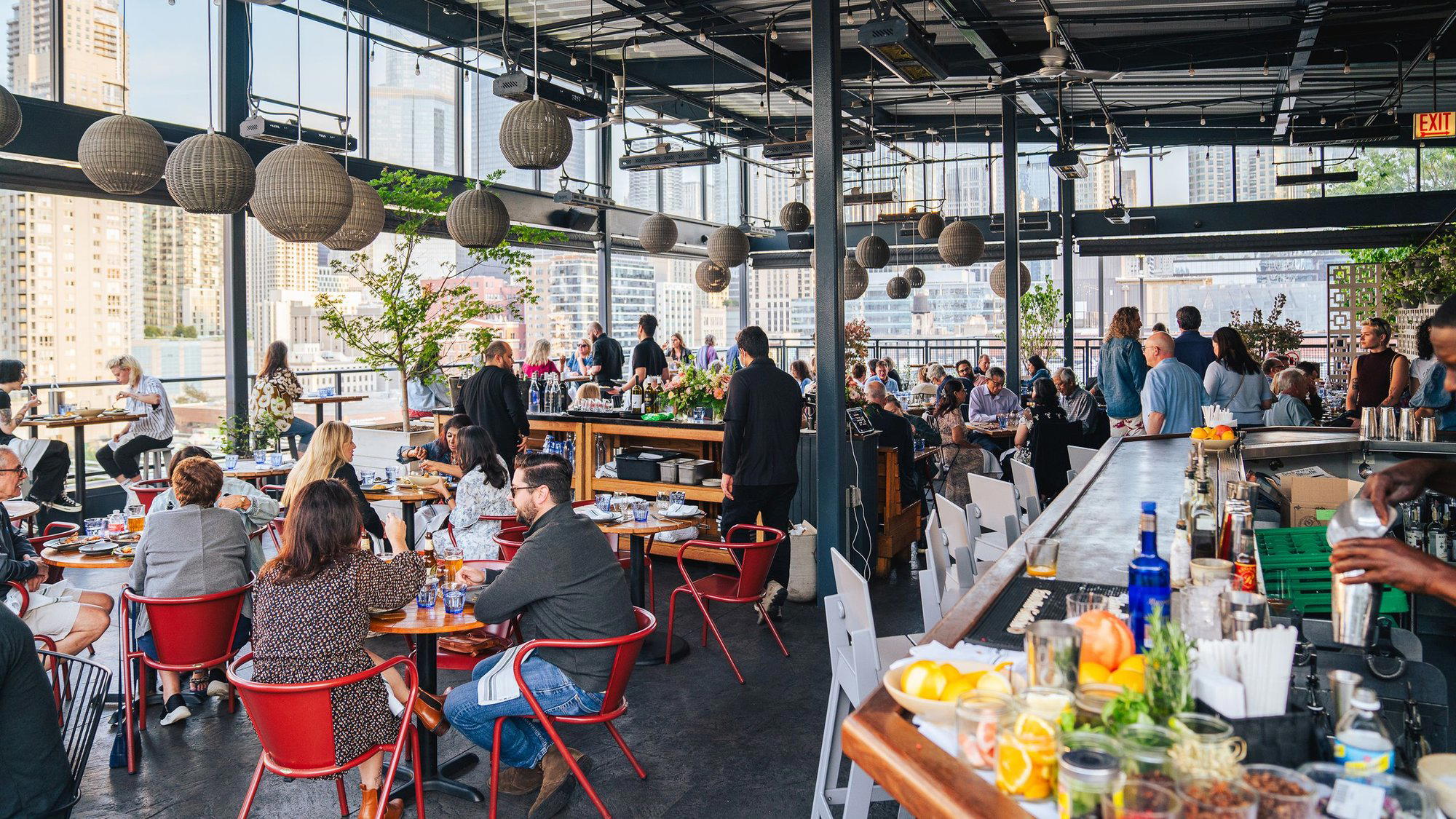
Airy space with floor-to-ceiling windows, industrial wood beams, modern black & white mural, and clean white brick walls creating a fresh, hip, modern lounge atmosphere.