El Criollo
El Criollo brings Latin American cooking to Dracut, Massachusetts, drawing on the ingredient-driven traditions that define criollo cuisine across the Caribbean and South America. Located at 22 Pleasant St, it occupies a corner of Greater Lowell's growing roster of neighborhood restaurants where sourcing and culinary heritage carry more weight than scenery. For residents north of Boston, it represents a practical and direct route into a cuisine that remains underrepresented in the region.
Pearl is the En Primeur Club membership app — saves, bookings, and concierge access live there. Same editors, same standards.
- Address
- 22 Pleasant St, Dracut, MA 01826
- Phone
- +19782216444
- Website
- elcriollo.restaurant
- Directions
- Get directions
 Saves & bookings on Pearl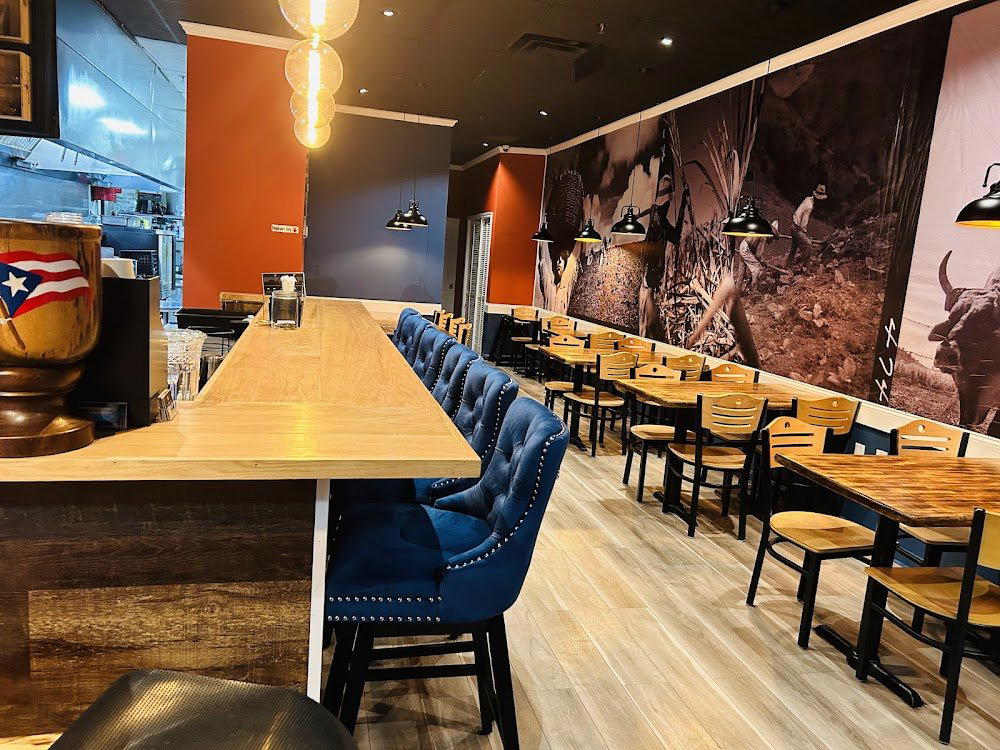
Where Criollo Cooking Fits in Greater Lowell's Dining Picture
The stretch of Massachusetts between Lowell and the New Hampshire border is not where most food writers set their focus. The dining conversation in the region tends to orbit Boston's South End or Cambridge's Central Square, leaving towns like Dracut to develop their own character without much critical attention. That relative obscurity has, in some cases, allowed neighborhood restaurants to operate closer to their communities and farther from trend cycles. El Criollo, at 22 Pleasant St, sits in that position: a local restaurant in a mid-sized residential town where the customer base is the immediate neighborhood, not a passing food tourism circuit.
Greater Lowell has a documented history of immigration from the Caribbean, Central America, and South America, and that population density has gradually shaped what kinds of restaurants can sustain themselves here. Criollo cuisine, which draws its identity from the Spanish colonial legacy across Latin America and the Caribbean, is a natural fit for that demographic reality. The term itself, criollo, carries layers of meaning depending on the country of origin: in Puerto Rico it signals a specific repertoire of stewed, slow-cooked dishes built around sofrito and local vegetables; in Colombia and Venezuela it reaches toward a broader set of preparations rooted in indigenous, Spanish, and African culinary traditions. A restaurant operating under that name in a city like Dracut is, by default, making a statement about which community it is cooking for and where its ingredients are meant to land culturally.
The Ingredient Logic Behind Criollo Cooking
What distinguishes criollo cooking from generalized Latin American menus is largely a question of sourcing philosophy and preparation depth. The cuisine is built around ingredients that require time: dried beans, root vegetables like yuca, malanga, and ñame, slow-braised meats, and sofrito bases that are cooked down rather than added fresh. These are not ingredients that reward shortcuts. In cities with established Latin American wholesale networks, sourcing them is direct. In smaller Massachusetts markets north of Boston, getting those ingredients consistently and at quality requires either supplier relationships or proximity to a metro market with the right distribution channels.
This is the less visible infrastructure question behind any criollo restaurant operating outside a major urban center. Places like Blue Hill at Stone Barns in Tarrytown or Single Thread Farm in Healdsburg operate within vertically integrated sourcing models, controlling ingredients from the ground up. That model is financially and logistically out of reach for the vast majority of neighborhood restaurants. What criollo kitchens do instead is work within supplier networks built over years, relying on community connections to access the specific varietals and preparations that make the cuisine recognizable. A sofrito made with the wrong peppers is not sofrito in any meaningful traditional sense. The sourcing commitment is built into the cooking's identity.
This connects El Criollo to a broader pattern visible across American cities where Latin American diaspora communities have created demand for ingredient-precise cooking outside traditional urban food corridors. ITAMAE in Miami operates at a different price tier and with a different profile, but the underlying argument is the same: that cooking rooted in a specific cultural tradition requires specific sourcing discipline to remain honest. Neighborhood restaurants serving diaspora communities often maintain that discipline more rigorously than their visibility would suggest, because their customers know the difference.
Setting and Practical Considerations
Dracut is a residential community of roughly 35,000 people directly north of Lowell, accessible from Route 38 and a short drive from the Lowell connector to I-495. It does not have a concentrated dining district in the way that Lowell's downtown does, which means restaurants on streets like Pleasant St are embedded in residential blocks rather than commercial corridors. That context shapes the experience before you arrive: expect a neighborhood setting, not a destination dining environment. The physical character of Pleasant St is functional rather than atmospheric, and El Criollo operates within that register.
For visitors coming from Boston or Cambridge, the drive runs approximately 30 to 35 minutes on I-93 North to I-495, depending on traffic conditions. Parking along Pleasant St and in the surrounding blocks is generally available without the constraints that apply to denser urban neighborhoods. The restaurant appears in the context of a modest but growing local restaurant ecosystem that rewards directness over spectacle.
The restaurant is walk-in friendly and priced at about $20 per person. Weekend and evening service can be busy, especially for larger groups. The restaurant sits outside the tier occupied by destinations like Addison in San Diego, Smyth in Chicago, or Providence in Los Angeles, but that comparison is beside the editorial point here. Those restaurants are different propositions serving different travel contexts entirely.
How El Criollo Compares Within the Local Frame
Within the Greater Lowell area, Latin American restaurants cluster more heavily in Lowell proper, where the Central American and Southeast Asian immigrant communities have created demand for a range of cooking traditions. Dracut's offering is thinner, which gives a restaurant like El Criollo more significance within its immediate geography than it might carry in a denser market. That scarcity is not a marketing point; it is a practical observation about how culinary infrastructure distributes across a metro region. Neighborhoods at the periphery of a city's dining orbit tend to have fewer options, which means the options that do exist carry more local weight.
For the broader EP Club readership planning trips that include stops along the New England corridor, the restaurant is the kind of restaurant that merits attention in the context of what Dracut actually offers rather than against the frame of Le Bernardin in New York City, The French Laundry in Napa, or The Inn at Little Washington in Washington. Those are destination restaurants operating in a fundamentally different mode. The restaurant is a neighborhood restaurant rooted in a specific culinary tradition, serving a community that understands that tradition from the inside. That is a different kind of value, and it should be read as such.
At-a-Glance Comparison
Comparable venues nearby, for context on price, style, and recognition.
| Venue | Cuisine | Price | Notes |
|---|---|---|---|
| El CriolloThis venue — the venue you are viewing | Caribbean Fusion | $$ | Not listed |
| La Fabrica | Spanish Caribbean | $$ | The Port |
| Mantra (Boston) | Dining | Not listed | Boston |
| Jumbo Seafood | Traditional Cantonese Seafood & Dim Sum | $$ | Brookline |
| Cabot's | Classic American Comfort Food & Ice Cream Parlor | $$ | Newtonville |
| L.A. Burdick Chocolate | Artisanal Chocolate Cafe | $$ | West Cambridge |

At a Glance
- Cozy
- Lively
- Casual Hangout
- Group Dining
- Family
- Standalone
Current opening hours
- Monday
- 3–10 PM
- Tuesday
- 11 AM–10 PM
- Wednesday
- 11 AM–10 PM
- Thursday
- 11 AM–10 PM
- Friday
- 11 AM–11 PM
- Saturday
- 11 AM–11 PM
- Sunday
- 11 AM–10 PM
Hours can change for holidays and private events. Last verified .
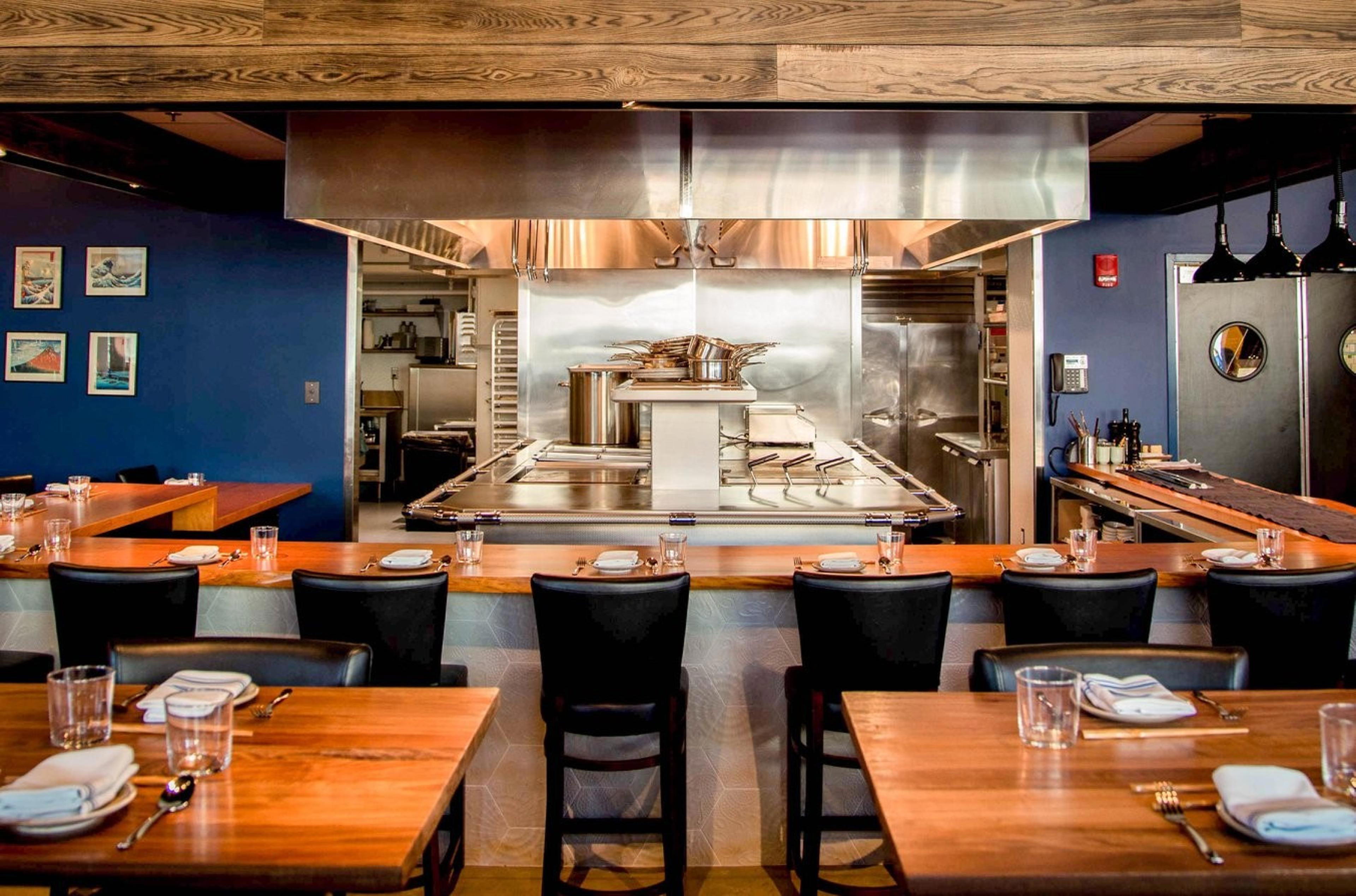
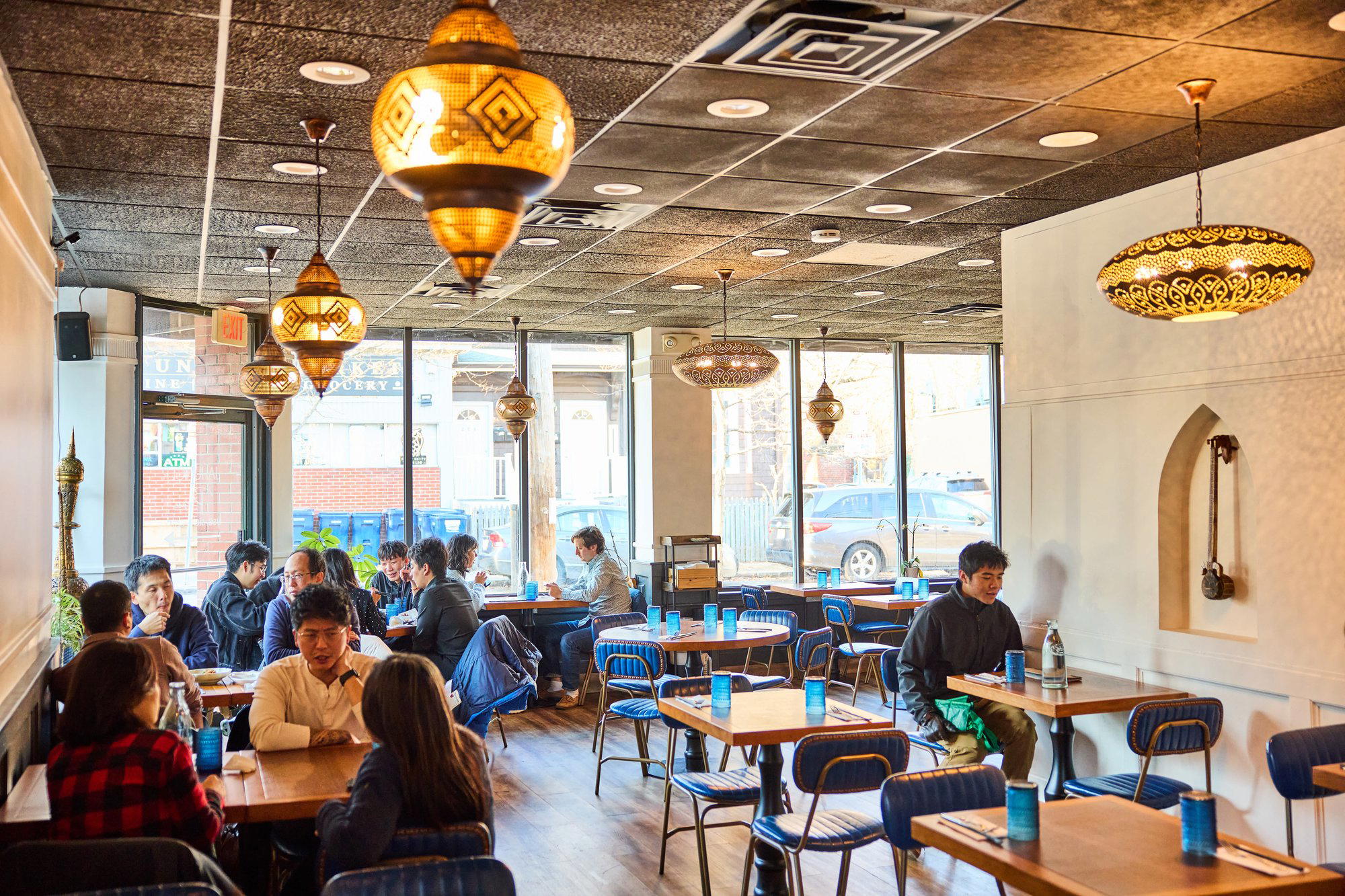
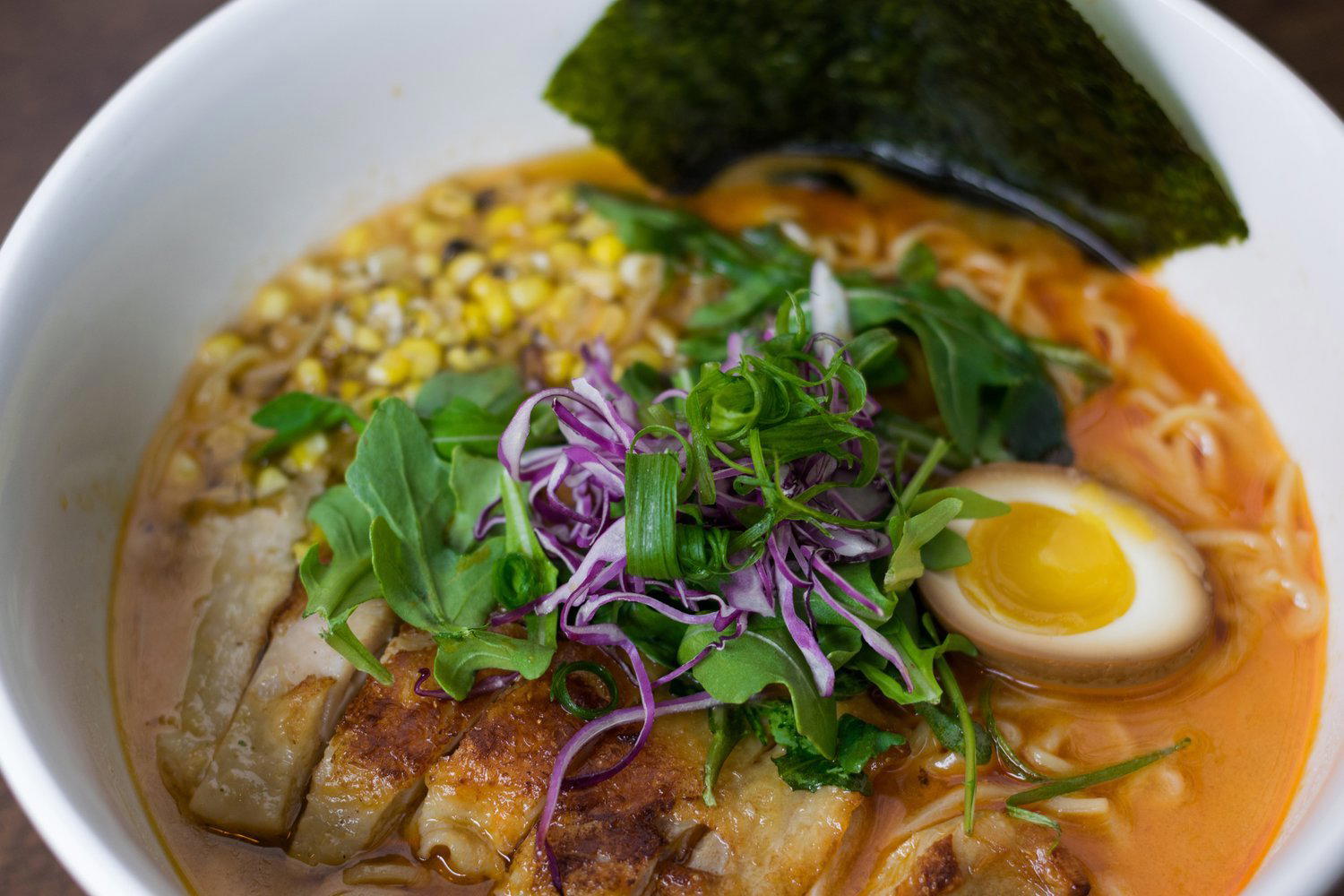
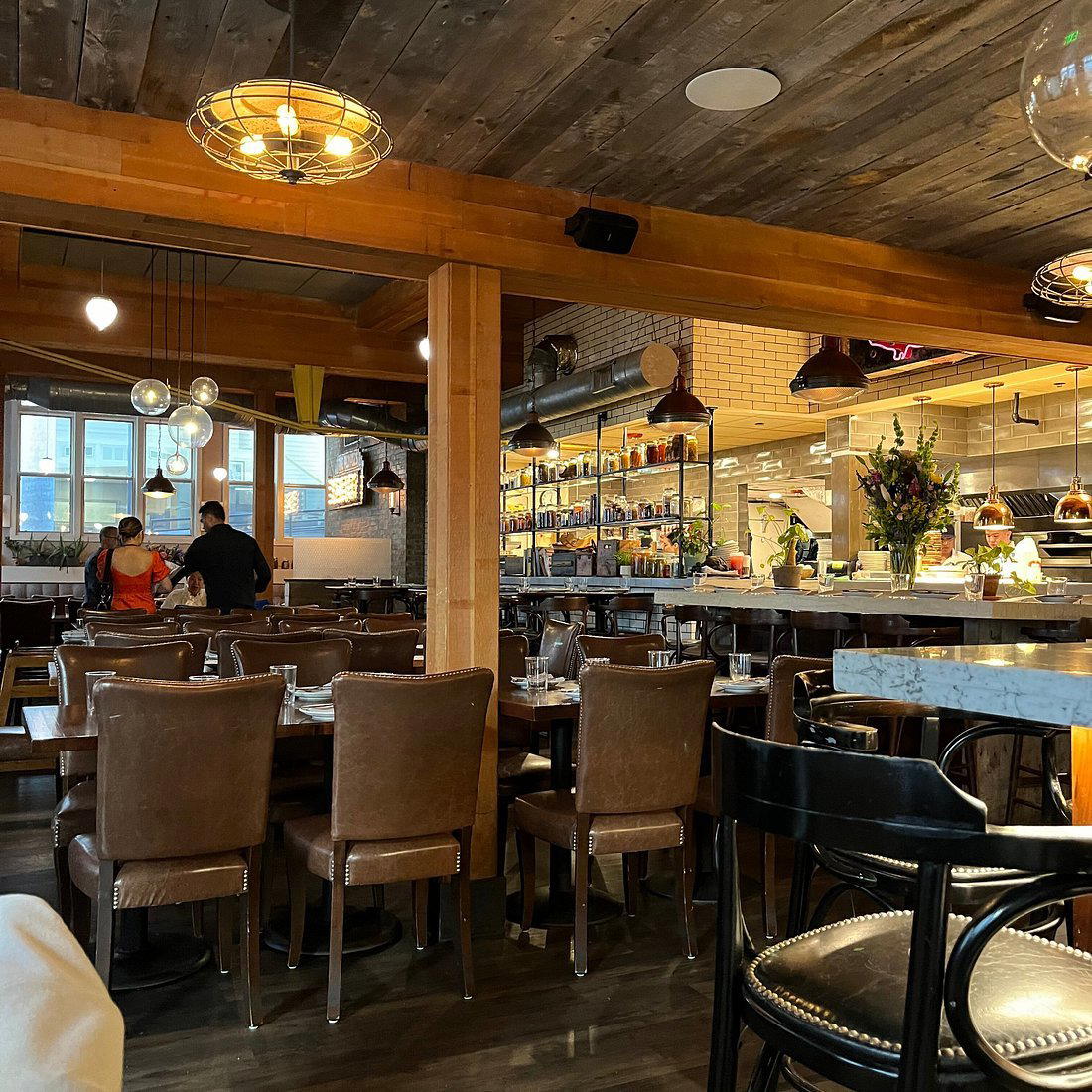
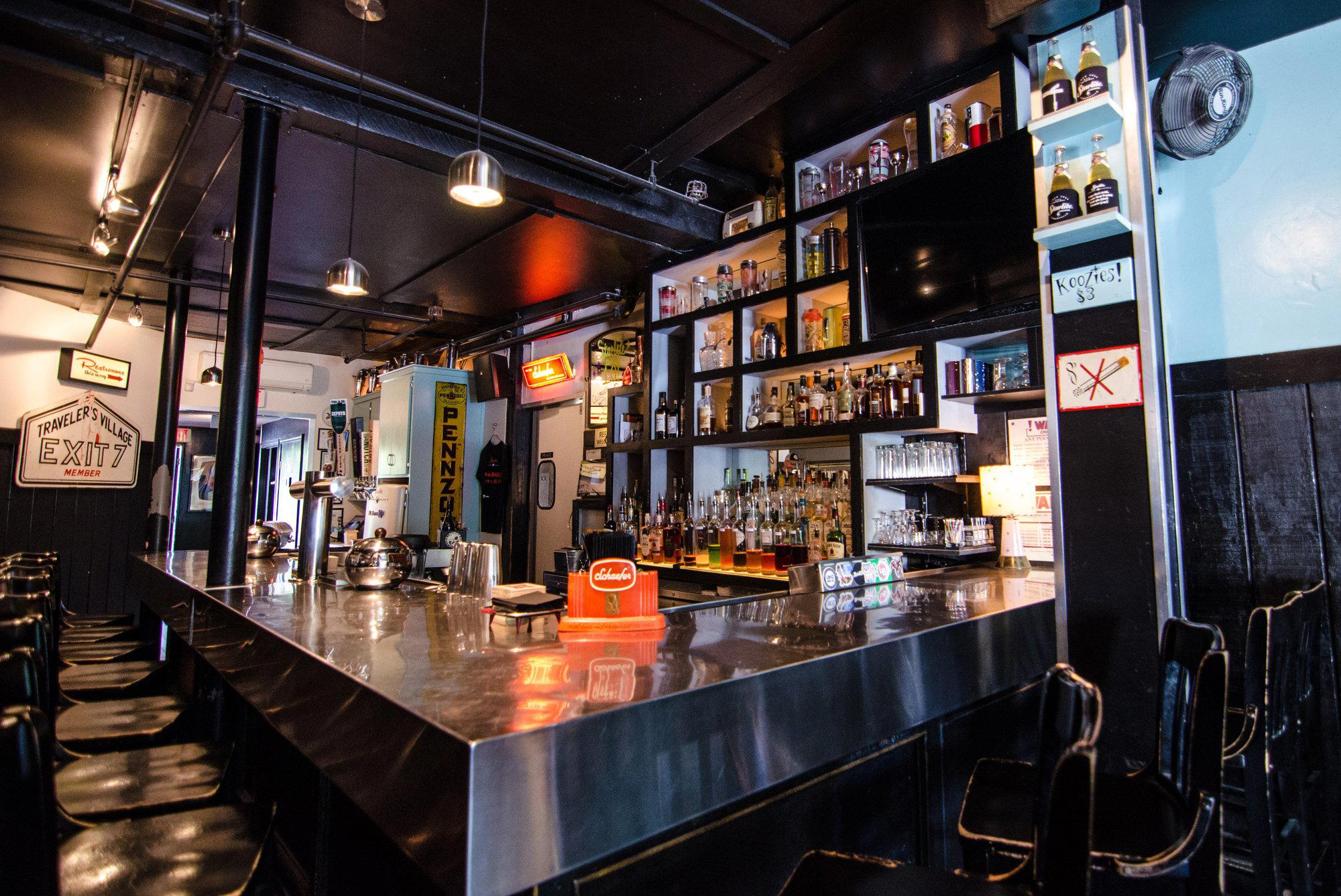
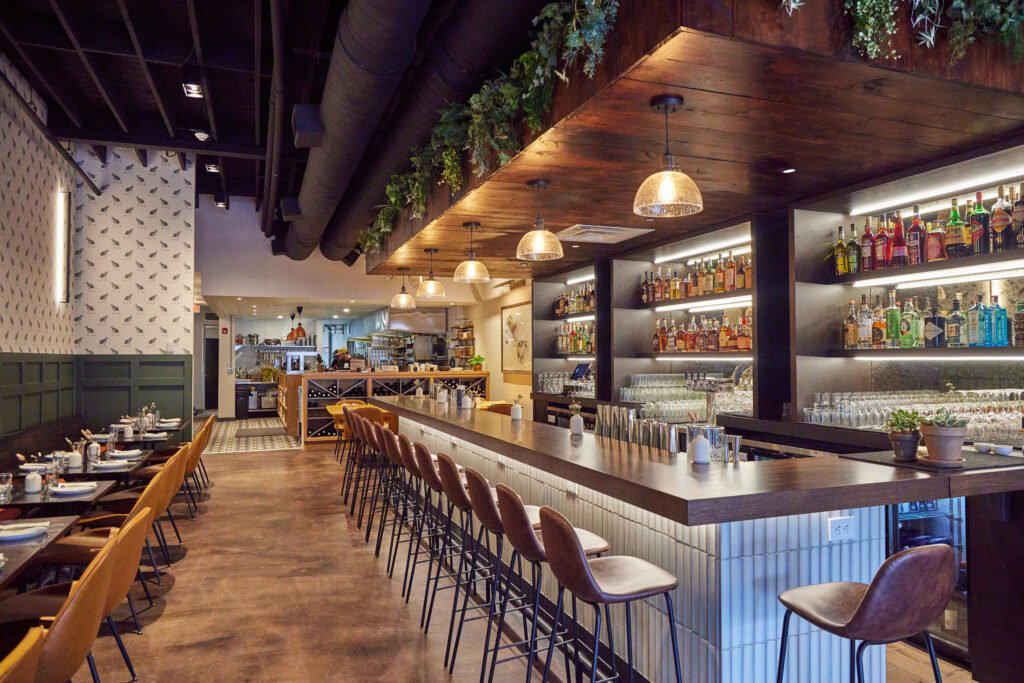
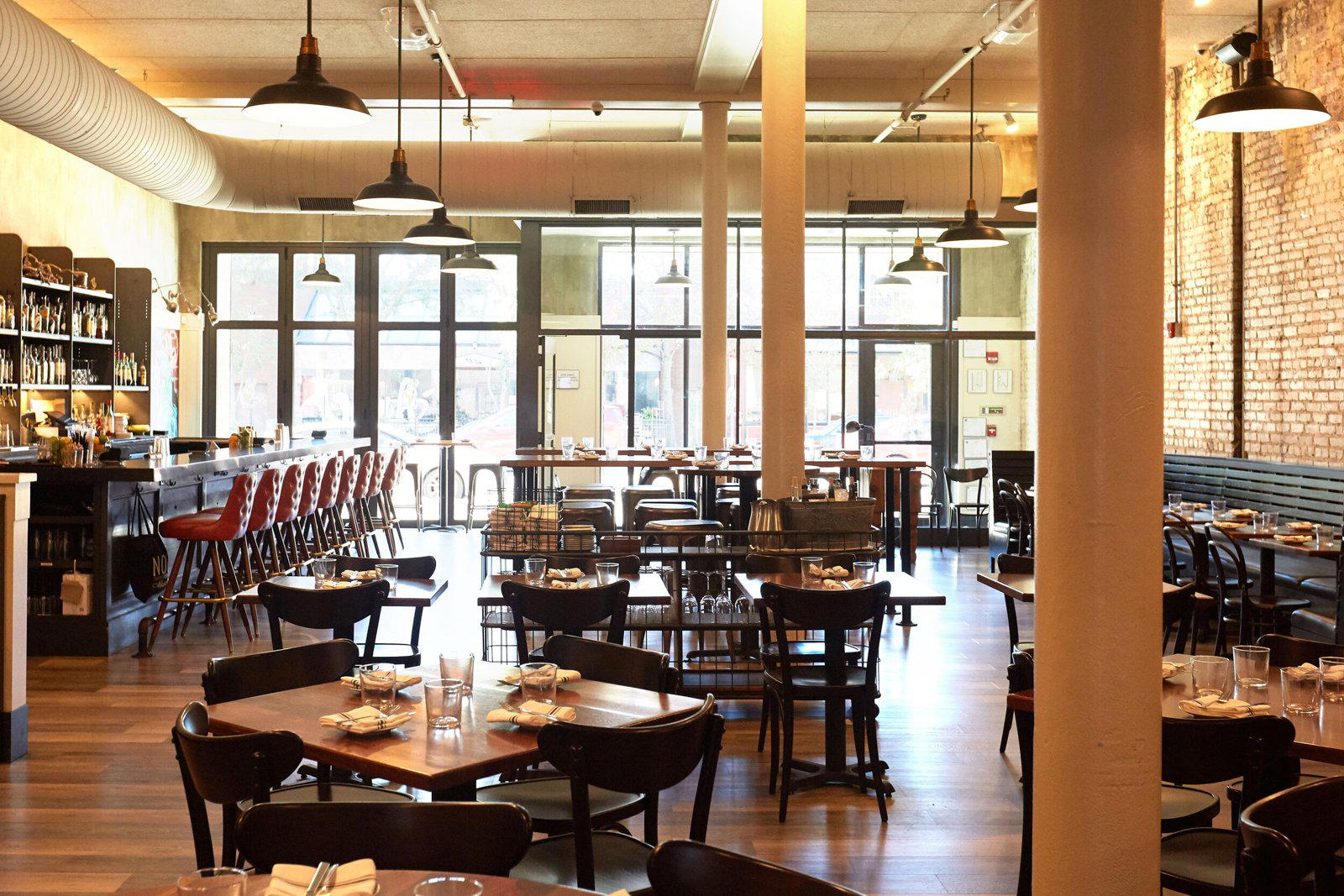
Warm and welcoming atmosphere with pleasant decor that transports diners to the Caribbean, featuring excellent service and high-quality seasoning throughout.